
Manufacturing polypropylene containers to order quickly”
2026-08-11
- Why the speed of production of polypropylene containers determines the profitability of your production
- Technological limitations and express production capabilities
- Choosing a polypropylene brand: balance between delivery time and performance properties
- Production stages: how we ensure deadlines are met
- Areas of application and specificity of urgent orders in various industries
- Common mistakes when ordering and how to avoid them
- Quality assurance and compliance with GOST and ISO standards
- Комплексные решения для нефтехимии и энергетики: опыт ООО «Уси Кайшэн»
- Логистика и монтаж: завершающий этап сделки
- Frequently Asked Questions
- Conclusion and call to action
Why the speed of production of polypropylene containers determines the profitability of your production
In our practice of working with industrial enterprises, we have repeatedly encountered a situation where the downtime of a production line due to the lack of a tank cost the customer more than the cost of the product itself. Manufacturing containers from polypropylene to order quickly is not just a marketing slogan, but a critical technical and economic necessity for modern factories in Russia and the CIS countries. When it comes to replacing broken equipment or launching a new production line, days count. The standard 4-6 week wait times offered by many small workshops are often unacceptable. Our approach is based on optimized welding processes for polypropylene sheets (PP-H, PP-B, PP-R), which allows us to reduce the production cycle to 3–5 working days for typical products with a volume of up to 10 m³ without loss of seam quality.
Polypropylene remains the #1 material of choice for the chemical industry, electroplating shops and water treatment systems due to its inertness and price/durability ratio. However, the key success factor is not only the choice of material grade, but also the supplier’s ability to mobilize resources for an urgent order. In this article, we will analyze the technical nuances of accelerated production, the risks of using low-quality raw materials in a hurry, and the specific steps that the customer engineer needs to take to ensure that the equipment is received in a short time.
Technological limitations and express production capabilities
Many customers mistakenly believe that the concept of “fast” in the context of metal-plastic structures means reduced quality control or the use of thinner walls. This is a dangerous misconception. Real acceleration of the process is achieved through parallel execution of operations and the presence of a strategic stock of raw materials in the warehouse. To ensure fast production of polypropylene containers to order, the manufacturer must have in stock sheets of the main grades with a thickness of 5 mm to 20 mm. Waiting for material to arrive from the distributor is the main drag on any project. We keep more than 40 tons of homopolymer (PP-H) and copolymer (PP-B) polypropylene sheets in stock, which allows us to start cutting on the day the drawing is confirmed.
The extrusion welding process, which is the main method of joining polypropylene sheets, requires strict adherence to temperature conditions. When trying to artificially speed up the passage of a welding machine, the operator runs the risk of poor penetration of the weld root. Such a defect may not be visually noticeable, but under the pressure of an aggressive environment it will become a depressurization point after several months of operation. Our technology involves the use of automatic welding heads with digital control of air temperature and rod feed speed. This eliminates the human factor and allows you to maintain high welding speeds (up to 4–5 meters per minute on straight sections) with guaranteed joint strength exceeding the strength of the base material.
The design complexity of the product directly affects the timing. A simple rectangular bathtub can be made more quickly than a complex cylindrical bathtub with a conical bottom or built-in partitions. If you require custom geometry, we recommend allowing an additional 24 hours for tooling and templates to be produced. In our practice, there was a case when a client insisted on manufacturing a complex reactor with a cooling jacket in 48 hours, ignoring our warnings about the need for careful joining of curved elements. The result was the need to rework two units a week after installation, which led to the shutdown of the customer's line. We learned a lesson: honesty in estimating deadlines trumps false promises.
For standard applications such as galvanic baths, neutralizers or process water tanks, we use a modular design principle. Pre-calculated standard fastening units, hatches and pipes allow assemblers to work on the conveyor principle. This reduces the assembly time for large containers of 20–30 m³ from the traditional 10 days to 4–5 days. It is important to understand that acceleration is possible only if the customer provides a clear technical specification in the first hours of cooperation. Any edits in the drawings at the material cutting stage automatically shift the shipment date.
Critical parameters affecting order speed
- Availability of material:The use of warehouse positions of PP-H sheets (gray, natural) eliminates the time for raw material logistics.
- Welding type:Automatic extrusion welding is 3 times faster than manual welding, but requires preparation of equipment for a specific wall thickness.
- Geometry:Rectangular containers are assembled faster than cylindrical ones due to the absence of the need for rolling sheets and complex adjustment of segments.
- Equipment:The presence of ready-made pipes, flanges and shut-off valves in the component warehouse speeds up the final assembly by 30%.
Choosing a polypropylene brand: balance between delivery time and performance properties
When placing an urgent order, a dilemma often arises: choose a material that is in stock right now, or wait for a specific brand for a specific aggressive environment. Understanding the differences between PP-H, PP-B and PP-R is critical to making the right decision without wasting time. Propylene homopolymer (PP-H) is the most common material used for chemical containers. It has high hardness and excellent chemical resistance to most acids and alkalis at temperatures up to 90°C. Since this is the most widespread product, its availability in manufacturers’ warehouses is maximum, which makes it the best choice for implementing the principle of “producing polypropylene containers to order quickly.”
Block copolymer (PP-B) contains ethylene additives, which gives the material increased impact strength, especially at low temperatures. If your container will be used in an unheated room in winter or will be subject to mechanical shock, PP-B is the only right choice. However, the range of colors and thicknesses of copolymers is often narrower than that of homopolymers. In the case of an urgent order of a large container made of PP-B of the required thickness (for example, 15 mm), the period may increase by 3-4 days due to the need to search for material from partners. We recommend that you negotiate in advance the possibility of replacing with a reinforced PP-H structure if impact strength is not a safety critical parameter.
Random copolymer (PP-R) is commonly used for hot water piping and is less commonly used for large tanks due to its tendency to creep under load. However, for food processing and pharmaceutical applications where maximum purity and steam sterilability are required, PP-R may be a requirement. Working with this material requires special attention to the welding temperature, since its melting range is narrower. An error in setting up the equipment leads to a defect that cannot be corrected without cutting out an entire sector of the capacity. Therefore, when ordering PP-R products in a short time, we always double check the welding machine settings before starting work.
Wall thickness is another parameter that cannot be chosen arbitrarily. Often customers try to save time and money by asking for the lowest possible thickness. However, for large volumes (over 5 m³), thin walls require the installation of a powerful external stiffening frame, the manufacture of which takes additional time. Sometimes it is more profitable to increase the wall thickness from 8 mm to 10 mm in order to avoid a complex frame than to spend a week welding and installing it. In one of the projects for a mining enterprise, we proposed to increase the thickness of the bottom by 20%, which allowed us to remove intermediate supports and reduce the overall production time of the tank by 4 days, while simultaneously increasing its reliability.
Production stages: how we ensure deadlines are met
Process transparency is the foundation of trust in the B2B sector. So that the client can plan his work, we detail each stage of production. The first stage is engineering design and cutting. Having received the application, our designer checks the geometry for manufacturability within 2–3 hours. At this stage, errors in the customer's original drawings are often identified, for example, the inability of the welding machine to access internal corners. Correcting such errors on paper takes minutes, but fixing them on the finished product takes days of downtime. After approval of the design documentation (design documentation), the cutting table program calculates the optimal sheet cutting map, minimizing waste.
The second stage is welding the body. The flow method is used here. While one team is cooking the bottom, the other is preparing the side walls. To speed up the process, we use positioners that allow us to weld long seams without stopping to reposition the sheet. Particular attention is paid to the quality of edge preparation. A chamfer at an angle of 45 degrees must be made perfectly clean, without chips and oxides. Any dirt in the welding area will cause pitting. Our operators are certified quarterly and we maintain a log of welding parameters for each container, allowing production history to be traced in the event of a complaint.
The third stage is the installation of embedded elements and fittings. Pipes, drain valves and inspection windows are mounted using reinforced linings. A mistake made by many handicraft industries is butt welding of pipes without a reinforcing washer, which, when the pumps vibrate, leads to the connection breaking off. We use only the welding method through an overlay disk or collar, which increases the operation time by 15 minutes per unit, but guarantees tightness for decades. In parallel with welding, the metal frame is manufactured (if it is provided for in the project). Synchronization of these two flows - plastic and metal - allows you to hand over the finished product immediately after the last seams have cooled.
The final stage is quality control and shipment. Each container undergoes a visual inspection and, if necessary, hydrotesting with water. We do not use compressed air to test the tightness of large containers due to the risk of explosive destruction if there is a defect, which is dangerous for personnel. The water is safe and shows any leaks immediately. After draining the water and drying, the container is packed in shrink film to protect it from ultraviolet radiation and dust during transportation. The entire cycle, from call to shipment, if the material is in stock, takes 72 hours for standard products.
Areas of application and specificity of urgent orders in various industries
Different industries have unique requirements for the timing and performance of containers. In electroplating production, failure of the electrolyte bath means a complete shutdown of the plating line. Here, not only the speed of production is critical, but also the accuracy of the dimensions for joining with existing communications and lifting mechanisms. We regularly supply emergency replacement chrome and nickel plating baths of 1-3 m³ within 48 hours. A feature of such orders is the need to use sheets of increased purity and careful polishing of internal seams to prevent electrolyte retention in the pores of the plastic.
In the wastewater treatment industry, situations often arise that require the rapid deployment of storage or balance tanks during environmental inspections or sewer emergencies. Here the volumes are much larger - from 10 to 50 m³. For such tasks, we offer modular solutions: the container is delivered in parts or manufactured directly at the customer’s site by our mobile teams. This allows you to bypass size restrictions during transportation and put the facility into operation in 3–4 days. The material in this case is most often selected taking into account the aggressiveness of the wastewater, often it is PP-H with the addition of stabilizers against UV radiation, since the containers are installed in open areas.
The food and agriculture industries also need operational solutions, especially during the processing season. Containers for storing syrup, brine or technical liquids must comply with sanitary standards. The main requirement here is the absence of product stagnation zones and the possibility of complete washing. When ordering food containers urgently, we pay special attention to the quality of welding inside: the seams must be smooth, without sagging, where bacteria can multiply. The use of food-grade polypropylene in a natural color (without pigments) is a standard that allows you to visually control the cleanliness of the internal surface.
Chemical warehouses and laboratories are often faced with the need to replace containers for storing reagents due to changes in safety regulations or the discovery that old containers do not comply with new standards. In such cases, not only speed is important, but also documented evidence of chemical resistance. We provide a chemical resistance passport for each brand of plastic used and a certificate of conformity. One of our clients, a large distributor of household chemicals, was faced with a requirement from the fire inspectorate to replace open containers with closed ones with a ventilation system. We produced a batch of 15 tanks with lids and ventilation pipes in 5 working days, allowing the client to avoid fines and suspension of activities.
Common mistakes when ordering and how to avoid them
One of the most common mistakes is incomplete technical specifications. The customer writes “a capacity of 2 cubic meters is needed,” without indicating the density of the liquid, the operating temperature and the presence of a stirrer. As a result, a universal container is produced, which is either excessively expensive or not suitable for operating conditions. For example, for sulfuric acid concentrations above 70%, ordinary polypropylene may not be suitable at high temperatures; a special grade or lining will be required. Specifying these details at the start saves weeks of rework. Always indicate the maximum fluid temperature and specific gravity when submitting your request.
The second mistake is ignoring installation conditions. The client orders a one-piece container with a volume of 15 m³, forgetting that it will not fit through the doorway of the workshop or will not fit into the back of a standard truck. Dismantling walls or ordering oversized transportation accompanied by the traffic police is a huge additional expense and a waste of time. We always insist on providing photos of the installation site and a diagram of the access roads. If dimensions are limited, we offer the manufacture of a collapsible container, which is assembled using bolted connections or welding indoors. This increases the cost of the product by 10–15%, but saves the budget from the cost of construction work.
The third mistake is an attempt to save on wall thickness or welding quality in order to reduce the price at the expense of deadlines. Cheap contractors may offer to do it “quickly and cheaply”, using used plastic or violating the technology. Such a tank may leak within a month, and its replacement will cost triple due to downtime and dismantling costs. In our practice, there was a case when we had to redo a container after another contractor, who saved on the number of welding layers. The client lost a ton of expensive reagent and suffered a chemical burn to the area. Reliability should always be a priority over short-term savings.
The fourth mistake is the lack of a foundation design. Polypropylene containers filled with liquid create a significant load on the base. If the floor is uneven or not designed to bear the load, the container body may become deformed (“go screwed”), which will lead to rupture of the seams. We recommend pouring a flat concrete slab or using adjustable supports made of the same polypropylene. Our engineers are ready to calculate the load and give recommendations on preparing the base free of charge when ordering equipment in order to eliminate the risk of deformation in the future.
Quality assurance and compliance with GOST and ISO standards
Trust in the industrial sector is built on documents and real tests. Все наши изделия изготавливаются в соответствии с требованиями ГОСТ 15150 (исполнение для умеренного климата) и внутренними техническими условиями, разработанными на основе европейских стандартов DIN 8077/8078. Мы понимаем, что для прохождения аудита на вашем предприятии вам потребуются паспорта качества на сырье, сертификаты соответствия на готовую продукцию и акты гидроиспытаний. Полный пакет документов формируется автоматически и передается заказчику вместе с оборудованием.
Наше производство сертифицировано по системе менеджмента качества ISO 9001:2015. Это означает, что каждый этап — от входного контроля гранул до упаковки готовой емкости — регламентирован и контролируется. Мы не допускаем к работе сварщиков без действующих удостоверений НАКС (Национальное Агентство Контроля Сварки) или аналогичных международных сертификатов. Каждый шов маркируется клеймом сварщика, что обеспечивает полную прослеживаемость. В случае возникновения гарантийного случая мы можем поднять архив и увидеть, кто, когда и на каком оборудовании варил данный узел.
Химическая стойкость материалов подтверждается лабораторными тестами. Мы сотрудничаем с аккредитованными лабораториями для проведения испытаний образцов на растяжение, ударную вязкость и стойкость к агрессивным средам. Для особых случаев, когда среда является экзотической или малоизученной, мы проводим натурные испытания образца пластика в вашей среде перед запуском основного производства. Это занимает дополнительно 2–3 дня, но страхует вас от катастрофических последствий растворения емкости. Безопасность ваших людей и окружающей среды для нас важнее скорости отгрузки.
Комплексные решения для нефтехимии и энергетики: опыт ООО «Уси Кайшэн»
Скорость и качество изготовления полимерных емкостей являются лишь частью общей картины надежности промышленного предприятия. Зачастую задачи по хранению и подготовке сред тесно связаны с процессами теплообмена и работы под высоким давлением, где требуются решения иного класса. Именно здесь находит применение экспертиза компанииWuxi Kaisheng Electric Power and Petrochemical Equipment Co.,Ltd" Специализируясь на разработке и производстве сложного теплообменного и энергетического оборудования, компания дополняет портфель решений для нефтеперерабатывающей, химической и судостроительной отраслей.
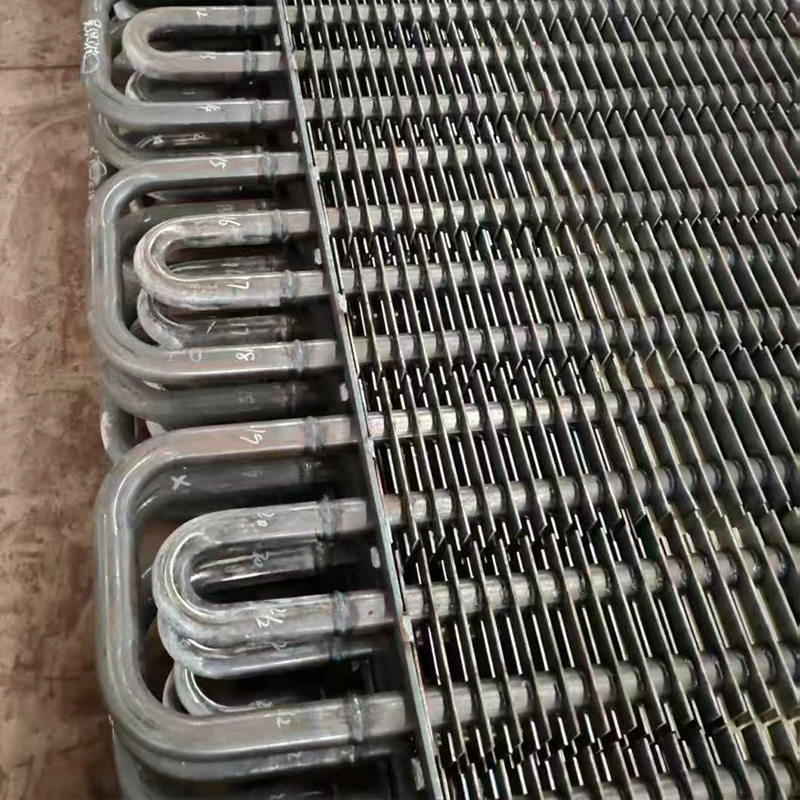
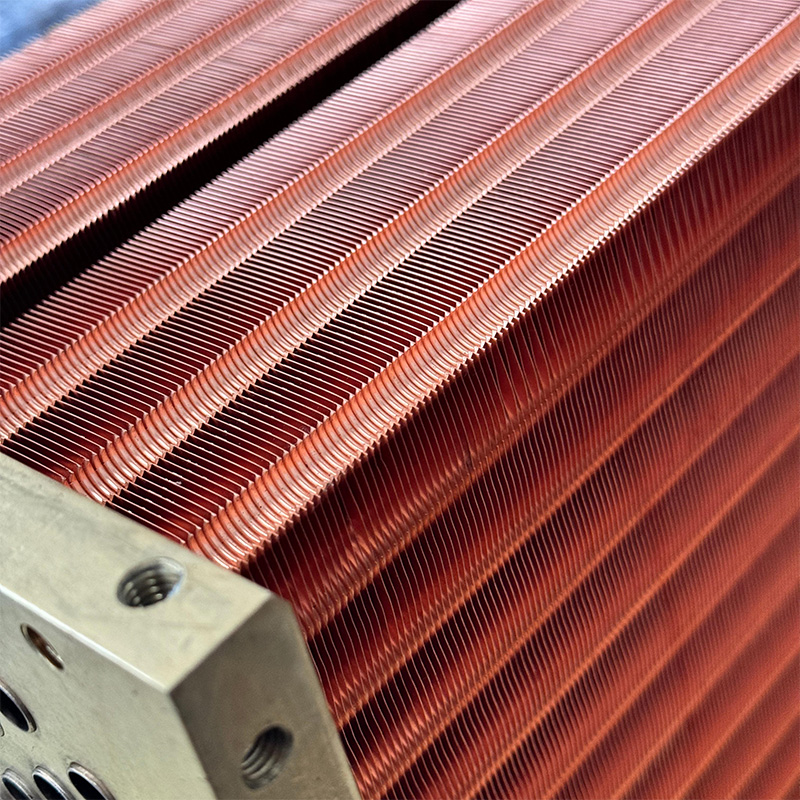
В то время как полипропиленовые емкости отлично справляются с хранением агрессивных сред при умеренных температурах, процессы глубокой переработки часто требуют работы с экстремальными параметрами. Продукция «Уси Кайшэн», включая титановые кожухотрубные теплообменники, высоконапорные аппараты стандарта ASME и воздушные охладители, создана именно для таких условий. Использование передовых сплавов — от нержавеющей стали 316 и морской латуни C46400 до никелевых сплавов N06625 и медно-никелевых композиций — обеспечивает беспрецедентную коррозионную стойкость и теплоэффективность там, где обычные материалы бессильны.
Интеграция компетенций в области полимерных резервуаров и высокотехнологичного металлического оборудования позволяет предлагать заказчикам комплексные решения «под ключ». Будь то модернизация линии гальваники, где нужны и ванны из PP-H, и эффективные теплообменники для подогрева электролита,或是 строительство крупного нефтехимического комплекса, требующего котлов-утилизаторов и трубных решеток из спецсплавов, подход остается единым: строгое соблюдение международных стандартов (PED, ASME), индивидуальный инжиниринг и гарантия стабильной работы оборудования в самых суровых условиях эксплуатации по всему миру.
Логистика и монтаж: завершающий этап сделки
Изготовление емкости — это только половина дела. Доставить ее целой и установить — задача не менее сложная. Полипропилен при отрицательных температурах становится хрупким, поэтому зимняя транспортировка требует особого подхода: утепленный транспорт, прогрев кузова перед погрузкой и бережное крепление, исключающее точечные нагрузки. Мы используем специальные мягкие стропы и демпфирующие прокладки при такелажных работах. Наши логисты имеют опыт перевозки негабаритных грузов по всей территории РФ и странам Таможенного союза, что позволяет оптимизировать маршруты и затраты.
Монтаж на месте может осуществляться силами заказчика по нашей инструкции или нашими шеф-монтажниками. For complex objects, we send a team that carries out final assembly, installation of communications and commissioning. Наличие собственного монтажного подразделения позволяет нам брать ответственность за результат «под ключ». Мы не бросаем клиента после отгрузки: в течение гарантийного периода (обычно 24 месяца) мы проводим регулярный мониторинг состояния оборудования и готовы оперативно выслать специалиста при возникновении вопросов.
Важным аспектом является утилизация старой тары. При замене парка емкостей часто встает вопрос, что делать со старыми металлическими или пластиковыми резервуарами. Мы предлагаем услугу демонтажа и вывоза старого оборудования на переработку. Полипропилен является ценным вторичным сырьем, и его грамотная утилизация не только освобождает площади, но и улучшает экологический рейтинг предприятия.
Frequently Asked Questions
Какой минимальный срок изготовления емкости из полипропилена?
При наличии необходимого листа на складе и утвержденного чертежа, изготовление стандартной прямоугольной емкости объемом до 5 м³ возможно за 24–48 часов. Для крупных резервуаров (10–20 м³) срок составляет 3–5 рабочих дней. Если требуется материал специфической толщины или цвета, срок увеличивается на время доставки сырья (обычно 2–4 дня).
Is it possible to make a container according to customer drawings?
Да, мы работаем как по типовым проектам, так и по индивидуальным чертежам заказчика. Наши инженеры проводят бесплатную экспертизу предоставленной документации на предмет технологичности сварки и дают рекомендации по оптимизации конструкции для снижения стоимости и сроков производства.
Какую максимальную температуру выдерживают ваши емкости?
Емкости из полипропилена гомополимера (PP-H) рассчитаны на длительную эксплуатацию при температурах до +90°C и кратковременное повышение до +100°C. Для более высоких температур рекомендуется использовать емкости из ПВДФ (PVDF) или нержавеющую сталь с футеровкой, однако сроки их изготовления будут выше.
Предоставляете ли вы гарантию на сварные швы?
Да, мы предоставляем официальную гарантию на герметичность сварных швов сроком на 24 месяца. Гарантия распространяется на отсутствие течей и разрушения материала при соблюдении условий эксплуатации, указанных в паспорте изделия. Все гарантийные обязательства закреплены в договоре.
Возможна ли доставка и монтаж в удаленные регионы?
Мы осуществляем доставку оборудования в любой регион России, Казахстана и Беларуси. Для удаленных объектов мы предлагаем вариант изготовления емкости непосредственно на площадке заказчика нашими выездными бригадами, что исключает проблемы с транспортировкой крупногабаритных грузов.
Conclusion and call to action
В условиях современного промышленного производства время является таким же ресурсом, как сырье или электроэнергия. Потеря времени из-за ожидания оборудования может стоить компании миллионов рублей упущенной выгоды. Изготовление емкостей из полипропилена на заказ быстро — это комплексная услуга, требующая от производителя наличия мощностей, складов и квалифицированного персонала. Мы готовы взять на себя ответственность за сроки и качество, предложив вам надежное решение под ключ, будь то простая накопительная емкость или часть сложной технологической линии с теплообменным оборудованием премиум-класса.
Не рискуйте производственным процессом, обращаясь к непроверенным подрядчикам. Свяжитесь с нами сегодня для расчета стоимости и сроков изготовления вашей емкости. Наши инженеры готовы приступить к работе немедленно, чтобы ваше оборудование было запущено точно в срок.Перейти в каталог полипропиленовых емкостейдля ознакомления с типовыми решениями или оставьте заявку на индивидуальный расчет.