
Integration of PP tanks into industrial lines”
2026-08-17
- Integration of PP tanks into industrial lines: key steps and technical requirements
- Preparatory stage for the integration of PP tanks into industrial lines
- Welding and installation technology: step-by-step instructions
- Integration of piping and peripheral equipment
- Operation, Maintenance and Safety
- Frequently Asked Questions
- Conclusion and recommendations for choosing a contractor
Integration of PP tanks into industrial lines: key steps and technical requirements
Successful integration of polypropylene (PP) tanks into existing production lines requires strict adherence to welding temperatures, accurate calculation of loads on supporting structures and consideration of the linear expansion coefficient of the material. In our practice of implementing chemical equipment, we encountered a situation where ignoring thermal expansion led to deformation of the piping after just three months of operation, which cost the client a shutdown of the workshop for 14 days. This article is not a theoretical review of the properties of plastics; This is a step-by-step guide for chief engineers and technical directors who are preparing design documents for the modernization of plating lines, wastewater treatment systems or acid storage facilities. We will analyze specific fastening units, seamless extruder welding methods and work acceptance criteria in accordance with European quality standards.
Why polypropylene is becoming the standard for aggressive environments
The choice of container material determines the service life of the entire process chain. Polypropylene homopolymer (PP-H) and copolymer (PP-B/PP-R) withstand contact with concentrated acids (sulfuric, hydrochloric, nitric up to 60%) and alkalis at temperatures up to 80-90°C without loss of mechanical strength. Unlike AISI 316L stainless steel, which is susceptible to intergranular corrosion in certain environments, PP is inert to most chemicals. However, the main advantage for integrators is the ability to manufacture containers of complex geometric shapes directly at the customer’s site using extrusion welding, which eliminates logistical restrictions on transportation dimensions.
It is important to understand the difference between brands of material. For integration into plating lines where temperatures rarely exceed 40-50°C, PP-H is often used due to its high hardness and abrasion resistance. If we are talking about pickling lines with the solution heated to 70-80°C, it is necessary to use a PP-B block copolymer, which maintains impact strength at low temperatures and better compensates for thermal stresses. An error in choosing the grade of sheet with a thickness of 10-20 mm can lead to brittle destruction of the tank wall due to water hammer or vibration of pumping equipment.
The economic effect of switching to polymer containers is obvious only if the life cycle is correctly calculated. The initial cost of a PP tank can be comparable to lined metal, but eliminating the need for annual corrosion protection and replacement of worn-out areas reduces operating expenses (OPEX) by 35-40% over a five-year period. When designing a new line, we always recommend adding a wall thickness of at least 2-3 mm above the design value to compensate for possible local erosion in the flow entry areas.
Preparatory stage for the integration of PP tanks into industrial lines
The integration of PP tanks into industrial lines begins long before the welding equipment arrives on site. The foundation for a plastic container must be perfectly level, since polypropylene has high creep under prolonged static load. Uneven support of the bottom of a tank with a volume of more than 10 m³ leads to stress concentration in the corners and seams, which is the main cause of leaks in the first year of operation. We require customers to provide as-built documentation for the foundation with tolerances of no more than 3 mm for every 2 linear meters of surface.
The temperature in the installation room plays a critical role. Welding of polypropylene cannot be carried out at air temperatures below +5°C, since the cooling rate of the seam increases and the molecular diffusion of materials does not have time to occur to a sufficient depth. In winter, temporary greenhouses with forced heating must be erected in open areas or in unheated hangars. Ignoring this rule leads to the formation of “cold joints”, which visually look monolithic, but are destroyed during the first hydraulic pressure test.
The logistics of sheet metal and fittings also require careful planning. PP sheets with a thickness of more than 15 mm have significant weight, and their lifting to a height of more than 3 meters without the use of specialized vacuum grips is prohibited by safety regulations. Damage to the sheet edge during unloading requires subsequent milling of the V-groove, which increases material consumption and joint preparation time. We recommend receiving the material directly in the installation area, minimizing internal movements around the workshop.
Load calculation and support system design
When filled with water or a chemical solution with a density of 1.2-1.4 g/cm³, the pressure at the bottom of the tank reaches significant values. For a tank 2.5 meters high, the pressure at the base will be about 0.03 MPa, which requires the installation of stiffeners with a pitch of no more than 400-500 mm. The design of the support frame must take into account not only the weight of the liquid, but also the dynamic loads from the operation of mixers or aeration. In one project, we observed resonant vibrations in the bottom of a large tank caused by the operation of a submersible pump, which led to fatigue failure of the bottom-wall weld.
The use of metal support frames requires the mandatory organization of a dielectric layer between steel and polypropylene. Direct contact of metal with plastic is unacceptable due to the difference in friction coefficients and the risk of damage to the bottom surface of the tank due to vibrations. We use rubber damping pads with a thickness of 5-8 mm or strips of high-density polyethylene foam. This solution dampens microvibrations and prevents abrasion of the container bottom at support points.
Calculation of wind load is relevant for tanks installed on open overpasses or roofs of buildings. An empty PP container has a low dead weight and can be knocked over by a strong gust of wind if not secured with anchor bolts through special mounting eyes. The design documentation must include an anchoring diagram indicating the tightening force of the fasteners. Overtightening the bolts can lead to local deformation of the wall and loss of tightness, so the use of torque wrenches is mandatory.
Welding and installation technology: step-by-step instructions
The quality of the welded joint determines the tightness of the entire system. To integrate PP tanks into industrial lines, we use a combination of three methods: hot air welding with filler rod for thin elements, extrusion welding for major structural seams and infrared welding for joining large diameter pipes. Each method has its own equipment settings, violation of which leads to defects.
- Edge preparation and cleaning.Before welding, the edges of the sheets must be processed with a cutter at an angle of 45° (V-shaped groove) to ensure penetration through the entire thickness of the material. The surface in the seam area 30-40 mm wide on each side is cleaned of oxide film, dust and grease with a special degreaser based on isopropyl alcohol. The use of acetone or solvents containing chlorine is prohibited as they may cause chemical cracking of the polypropylene. The cutting depth and angle are controlled by the template; a deviation of more than 2° will result in uneven distribution of the filler material.
- Setting the temperature of the extruder.The temperature of the extruded melt should be in the range of 240-260°C, depending on the specific brand of raw material and the rod feed speed. Too low a temperature (<230°C) will not provide the necessary fluidity of the polymer to fill the root of the seam, and too high (>270°C) will cause thermal degradation of the material, manifested in darkening of the seam and a decrease in its mechanical strength. We use contact pyrometers to monitor extruder nozzle temperature hourly, as the equipment's built-in sensors often have an error of up to 15°C.
- Making a root weld (tack welding).The first pass is performed with a hand extruder or a hair dryer with a narrow nozzle to fix the position of the sheets. The pressure of the pressure roller must be sufficient to squeeze out excess melt outward, forming a characteristic bead (“burr”) on both sides of the seam. The absence of burr indicates insufficient pressure or low temperature, which means a lack of fusion of materials. At this stage, it is important to ensure that there are no air bubbles inside the seam, which become centers of destruction under load.
- Basic welding using a multilayer method.For sheets with a thickness of 6 mm or more, welding is carried out in several layers. Each subsequent layer is applied after the previous one has completely cooled to a temperature of 40-50°C. The application of a new layer on top of a hot previous one leads to overheating of the heat-affected zone and warping of the structure. The number of passes is calculated based on the wall thickness: for 20 mm a minimum of 4-5 passes with an extruder is required. The welding direction of each next layer should be perpendicular or at an angle to the previous one to evenly distribute internal stresses.
- Quality control and flaw detection.After completion of welding work, each seam is subject to visual inspection for undercuts, pores and uneven width. Critical components (corner connections, pipe insertions) are checked using the spark test method with a voltage of 15-25 kV. The presence of an insulation breakdown indicates the presence of through defects or inclusions of foreign particles in the weld body. Samples are also sampled to test their tensile strength; A high-quality weld should break along the base metal, and not along the fusion line.
Particular attention should be paid to welding corner joints and inserting pipes. These zones are the most loaded and subject to stress concentrations. Corner welding technology requires the use of special extruder attachments that ensure simultaneous heating of both planes. When inserting pipes with a diameter of more than 110 mm, it is recommended to use reinforcing rings or flange connections, butt-welded with a double pass. Neglecting reinforcement at pump connection points often leads to pipes being torn off due to vibration.
Typical installation errors and how to eliminate them
One of the most common mistakes is trying to force the seam cooling process using fans or water. Forced cooling creates a temperature gradient, leading to the occurrence of internal stresses and microcracks. The seam should cool naturally in still air. In our practice, there was a case when a team tried to speed up the delivery of an object by blowing fans over fresh seams, which led to massive cracking of the containers when they were first filled with hot water.
Another common problem is using a filler rod from a different manufacturer or a different brand of PP. Even visual similarity of granules does not guarantee the identity of rheological properties and melting point. Mixing materials from different batches without first testing for compatibility may result in a weak seam. We require certificates of conformity for each batch of base material and filler rod, and also carry out test welding of samples before starting the main work.
Underestimating the influence of ultraviolet radiation during outdoor installation also leads to premature aging of equipment. Standard polypropylene is destroyed by UV rays, losing elasticity and becoming covered with a network of cracks. For outdoor tanks, it is necessary to use sheets with the addition of UV stabilizers (carbon black or special additives) or provide protective painting with acrylic paints compatible with PP. Conventional organic solvent paints peel off and destroy the surface of the plastic.
Integration of piping and peripheral equipment
The tank itself is only part of the system. Effective integration of PP tanks into industrial lines is impossible without proper piping, shut-off valves and pumping equipment. PP pipelines have a high linear expansion coefficient (0.15 mm/m °C), which is 10 times higher than that of steel. When the temperature of the working medium changes by 50°C, a pipe 10 meters long will lengthen by 75 mm. Without compensation for these movements, enormous forces will occur on the mounting points and pipes of the container, which can tear off the flanges or deform the body.
To compensate for thermal expansion, we use U-shaped expansion joints, lyre-shaped bends or axial bellows expansion joints, specially designed for polymer systems. The distance between the fixed supports is calculated individually for each section of the route, taking into account the pipe diameter and operating temperature range. Sliding supports must ensure free movement of the pipe without jamming. The use of metal clamps without rubber liners is prohibited, as they pinch the pipe and create a point of stress concentration.
Connecting pumps and mixers requires the installation of vibration decouplers. Polypropylene dampens vibrations well, but constant high-frequency load from the pump motor can cause fatigue of the material at the insertion point. We recommend using flexible EPDM or PTFE inserts between the pump and rigid pipe, and installing pumps on separate foundations that are not structurally connected to the tank frame. This prevents vibration from being transmitted to the container body.
| Comparison parameter | Polypropylene (PP) | Stainless steel (AISI 316L) | Polyvinyl chloride (PVC/CPVC) |
|---|---|---|---|
| Maximum operating temperature | up to 90-100°C (short-term up to 110°C) | up to 200°C and above | up to 60°C (PVC), up to 90°C (CPVC) |
| Chemical resistance (acid/alkali) | Excellent (except for strong oxidizing agents) | Good, but risk of pitting corrosion | Excellent for acids, weak for alkalis |
| Impact strength at low temperatures | High (especially for PP-B) | High | Low (fragility below +5°C) |
| On-site installation method | Extruder/hair dryer welding (seamless) | Tig welding (requires qualification) | Solvent bonding (coupling) |
| Linear expansion coefficient | High (requires compensators) | Low | Medium |
| Life cycle cost (5 years) | Low (no service) | Medium/High (corrosion control) | Low (but limited lifespan) |
Automation and level control in polymer containers
The integration of level sensors and overflow control into PP tanks has its own characteristics. Installation of float sensors requires the installation of guide pipes made of the same material to avoid jamming of the float due to differences in temperature expansion. Top-mounted ultrasonic sensors do not require contact with the product, but their adjustment is complicated by the presence of internal stiffeners or agitators that create acoustic interference. We recommend using radar level sensors with PTFE or PP antennas, which provide high measurement accuracy regardless of foam or dielectric constant changes.
To prevent emergency situations, the system must be equipped with an independent overfill protection circuit. The limit switch is connected directly to the liquid shut-off valve, bypassing the main automation system (PLC). This is a requirement of functional safety standards. The material of the sensor body and o-rings must be compatible with the operating environment; The use of standard EPDM rubber seals in contact with oils or organic solvents is unacceptable - Viton or Tefton should be used.
Operation, Maintenance and Safety
Once commissioned, polypropylene tanks require virtually no maintenance, but regular visual inspection is required. Once a quarter, it is necessary to inspect the welds for the appearance of whitish stripes (traces of stress) or microcracks. Particular attention is paid to the areas around pipes and supports. Any mechanical damage to the outer surface should be immediately cleaned and welded to prevent the crack from developing deeper into the wall under the influence of a chemical environment.
Cleaning tanks of sediment should be carried out using methods that exclude abrasive effects. The use of metal scrapers or brushes is strictly prohibited, as they leave scratches that become centers of crystallization of deposits and centers of corrosion. We recommend using a high pressure washer with water or steam at a temperature not exceeding 80°C. To remove stubborn deposits, special chemical detergents that are neutral to polypropylene are used.
Fire safety issues when using PP tanks require separate consideration. Polypropylene is a flammable material (flammability class B2), but modern brands contain fire retardants that slow down the spread of flame. However, when storing flammable liquids, such containers should be placed in bunds or pallets, the volume of which exceeds the volume of the tank by 10%. Electrical equipment in the installation area must have an appropriate level of explosion protection.
Economic justification and payback period
The transition to polypropylene containers is often dictated not only by technical requirements, but also by economics. The cost of manufacturing a large-sized tank made of PP is 30-40% lower than its counterpart made of titanium or Hastelloy, which has similar chemical resistance. The service life of a properly manufactured and operated PP container is 15-20 years, which is comparable to expensive metal counterparts. The absence of the need to stop production to replace thinned walls or repair linings provides additional economic benefits due to the continuity of the technological process.
When calculating ROI (return on investment), the cost of disposing of used equipment should be taken into account. Polypropylene is 100% recyclable, and old containers have residual value as raw materials for the production of technical products. Chemically corroded metal containers often require costly disposal as hazardous waste. This factor is becoming increasingly significant in light of the tightening of environmental legislation in the EU and CIS countries.
Frequently Asked Questions
What is the maximum operating temperature for PP tanks?
For homopolymer PP-H, the maximum long-term operating temperature is 80-90°C, short-term - up to 100°C. For PP-B block copolymer, the limit is reduced to 70-80°C due to the presence of a rubber phase. Exceeding these temperatures leads to a sharp decrease in the elastic modulus and deformation of the container under the liquid’s own weight. For environments with temperatures above 100°C, PVDF or lined steel containers should be considered.
Can cracks in a polypropylene tank be repaired?
Yes, repairs are possible using hot extruder welding. The crack must be drilled at the ends to relieve stress, opened with a V-shaped groove and welded with a filler rod of the same brand. It is important to ensure that the material has not undergone deep chemical degradation. If a crack appears in an area of strong chemical exposure, simple welding is not enough - you need to replace the entire sheet or install a patch covering the healthy area by at least 50 mm.
How does ultraviolet radiation affect the service life of outdoor tanks?
Without protection, UV radiation destroys the surface layer of polypropylene in 1-2 years, making it brittle. For outdoor installation, UV-stabilized sheets (usually black with a soot content of 2-3%) or the application of a special protective coating are required. Ordinary natural (translucent) polypropylene quickly loses its properties in the sun and is not allowed for use outdoors without a canopy.
Do plastic tanks need to be grounded?
Polypropylene is a dielectric and does not conduct current, so it makes no sense to ground the tank body itself. However, when pumping flammable liquids, there is a risk of static electricity building up on the liquid surface and walls. In such cases, the inner surface is treated with antistatic compounds or conductive elements are introduced that are grounded. Also, all metal piping elements (pumps, flanges, ladders) in contact with the container must be grounded.
Conclusion and recommendations for choosing a contractor
The integration of PP tanks into industrial lines is a task that requires competencies not only in plastic welding, but also in engineering design, hydraulics and chemical technology. Errors at the design or installation stage cannot be corrected by cosmetic repairs; they lead to system failures and accidents. When choosing an equipment supplier, request a portfolio of completed projects in similar environments and operating conditions. Make sure that the manufacturer uses certified raw materials (for example, Borealis, Sabic) and provides a quality certificate for each weld.
We recommend that acceptance tests be carried out under load in the presence of the technical customer. Hydraulic testing with water for 24 hours allows you to identify hidden welding defects and check the operation of the overflow system. Do not skimp on wall thickness and quality of filler material - the cost of production downtime due to acid leakage is many times higher than the cost of additional kilograms of polypropylene. Trust the installation to specialized teams with experience working specifically with thermoplastics, and not to general builders.
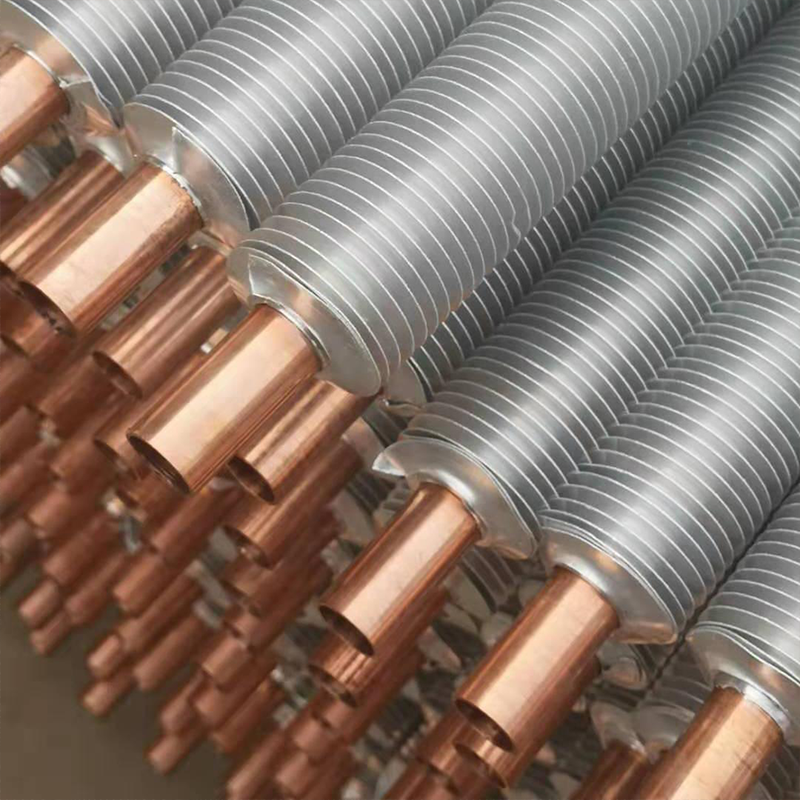
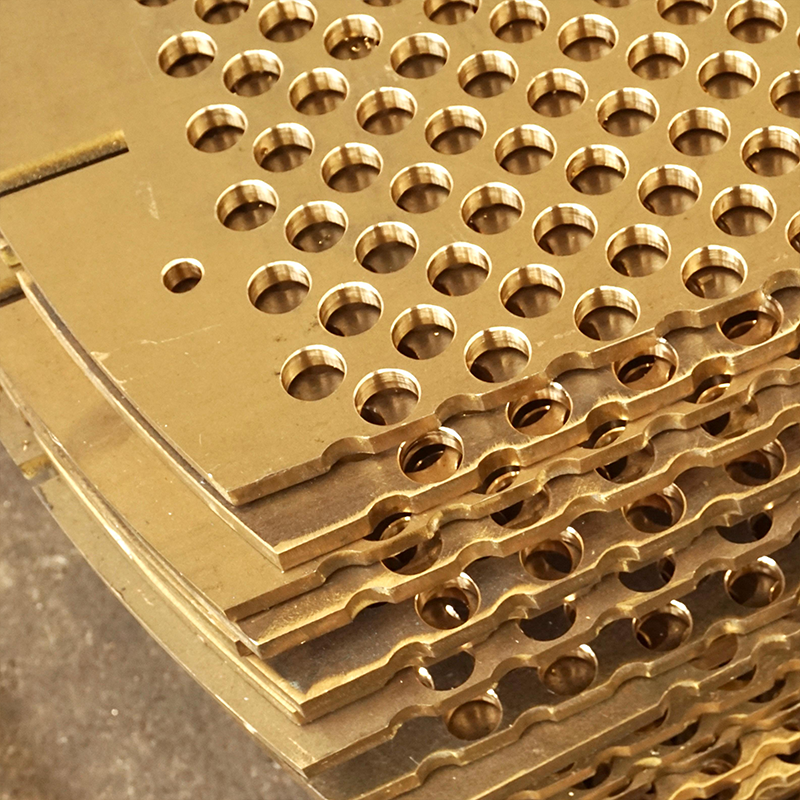
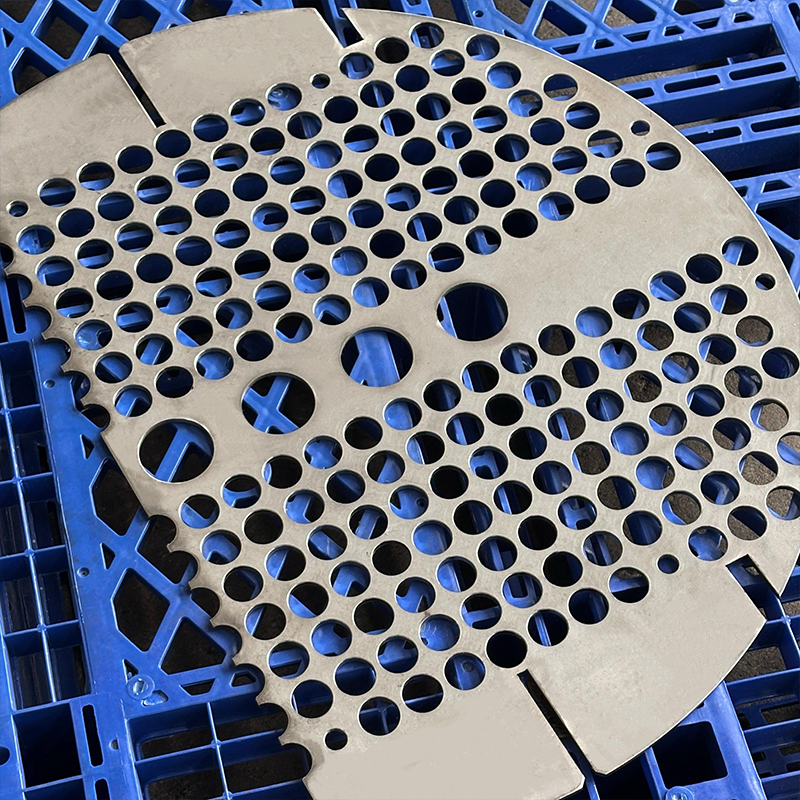
An integrated approach to the creation of industrial lines often requires a combination of different materials and technologies. For example, a companyWuxi Kaisheng Electric Power and Petrochemical Equipment Co., Ltd.specializes in the development and production of highly efficient heat transfer and petrochemical equipment, which often works in conjunction with polymer containers. Their products, including titanium shell-and-tube heat exchangers, ASME high-pressure units, and N06625 or C46400 marine brass tube bundles, provide reliability where extreme pressure and temperature conditions are required. PED and ASME certified equipment from Wuxi Kaisheng is widely used in the oil refining, chemical industry and water desalination, complementing polymer storage systems where increased heat transfer is required or work with particularly aggressive environments at high temperatures. Cooperation with such manufacturers allows us to create hybrid solutions that combine the corrosion resistance of polypropylene and the thermal efficiency of metal alloys.
If you are planning to modernize your production and are considering installing polypropylene tanks or associated heat exchange equipment, contact our engineers to audit your project. We are ready to offer a full range of services: from the development of CMD drawings and strength calculations to the manufacture, delivery and supervision of installation of equipment at your site.Contact us todayto receive a detailed technical and commercial proposal and advice on choosing the optimal tank configuration.
For more information about our solutions for storage, chemical dosing and integrated heat exchange systems, visitIndustrial tanks made of polypropylene, where examples of completed work and technical specifications are presented.