
Integrated control systems in plastic sheet factories”
2026-09-15
- What are integrated control systems in plastic sheet factories and why are they needed?
- System architecture: from sensors to ERP
- Key modules and their impact on product quality
- Economic justification and ROI calculation
- Typical implementation mistakes and how to avoid them
- Standards and regulations in 2025-2026
- Step-by-step implementation plan for existing production
- The Future of Automation: AI and Cloud Technologies
- An integrated approach to equipment: from automation to heat exchange
- Frequently Asked Questions
- Conclusion and next steps
What are integrated control systems in plastic sheet factories and why are they needed?
Integrated control systems in plastic sheet plants are not just a collection of computers in a control room, but a single digital organism that links the extruder, cooling system, drawbar and winder in one continuous cycle. In our practice, we see that the implementation of such an architecture allows us to reduce the defect rate from the typical 4-6% to a stable 0.8-1.2% already in the first three months of operation. The main mistake of many production managers is trying to automate individual nodes without creating a common data bus, which leads to desynchronization of speeds and fabric breaks when starting the line after a planned stop.
The modern market requires tight control of sheet thickness within ±0.05 mm for polycarbonate and ±0.1 mm for PVC, which cannot be achieved manually or using disparate controllers. The integrated system collects data from laser thickness sensors, thermocouples and encoders in real time, adjusting the screw speed and the temperature of the heating zones every 50-100 milliseconds. If you are planning to modernize your workshop in 2025-2026, ignoring this approach means voluntarily giving up your competitiveness against factories using Industry 4.0.
System architecture: from sensors to ERP
The foundation of any effective system is the correct choice of data collection level. We strongly recommend using industrial communication protocols such as OPC UA or Profinet instead of legacy 4-20mA analog signals that are susceptible to EMI from extruder drives. In one of the projects in Tatarstan, we encountered a situation where “floating” temperature readings in the dosing zone led to degradation of raw materials; replacing the cable route and switching to digital data transmission through integrated control systems in plastic sheet plants solved the problem in two days, saving the client about 15,000 euros in scrapped material.
The visualization layer (HMI) should provide the operator with contextual information rather than raw numbers. Instead of simply showing “Zone 3 Temperature: 245°C”, the system should display the status: “Zone 3: Normal (deviation +1.2°C from set point, trend stable)”. This reduces the cognitive load on staff and speeds up response to emergency situations. It is important to note that the interface must be adapted to the specific conditions of the workshop: large buttons for working with gloves, color coding in accordance with GOST R IEC 60073 and the ability to block unauthorized changes to parameters.
The top level of integration involves communication with enterprise resource planning (ERP) systems. Automatic transmission of data on volume produced, energy consumption and raw material use allows accounting and procurement departments to work with up-to-date information without manual input, which often contains errors. However, there is a caveat here: not all ERP systems are ready to accept real-time data flow. Often it is necessary to create an intermediate layer (Middleware) that buffers data and transmits it in batches so as not to overload the enterprise servers.
Data security in such a distributed network becomes a critical factor. We have seen cases where ransomware viruses entered a factory network through unprotected ports on old operator panels, paralyzing production for a week. When implementing integrated control systems in plastic sheet plants, the network must be segmented right away: the machine control (OT) loop must be physically or logically isolated from the office network (IT), and access to critical parameters is protected by two-factor authentication.
Each element of the architecture must be tested for compatibility before procurement. Do not buy sensors from one vendor, controllers from another, and a SCADA system from a third, hoping that they will “somehow become friends.” Request an integration protocol and a list of supported drivers from your hardware supplier before signing a contract.
Key modules and their impact on product quality
The thickness control module is the heart of the quality system. Modern scanners use non-contact measurement methods such as X-ray fluorescence or infrared spectroscopy to map thickness across the entire width of the sheet. The system's algorithms automatically adjust the thermal bolts (thermal screws) in the extruder head, compensating for uneven melt flow. In our practice, setting up the PID controllers of this circuit took up to three days through trial and error, until we implemented a system with a self-learning function, which reduced the time to reach the mode from 4 hours to 45 minutes.
The control system for the temperature zones of the extruder must take into account the inertia of heating. Traditional PID controllers often cause overshoot, resulting in localized overheating and blistering or yellowing of the sheet. Advanced integrated systems use a predictive control (MPC) model that calculates the required heating power in advance based on the screw speed and the current heat capacity of the material. This is especially important when processing sensitive polymers such as PET or bio-plastics.
Synchronization of speeds between the extruder, calender and drawing device prevents mechanical stress in the web. If the pulling device runs faster than the extruder by even 0.5%, the sheet will become thinner and may tear; if it is slower, an “accordion” is formed at the calender shafts. Integrated control systems in plastic sheet plants implement a master-slave architecture, where the speed of the main drive sets the pace for all others, ensuring smooth acceleration and deceleration without jerking.
The raw material and recycling accounting module plays an important role in cost. The system automatically doses the secondary granule (regranulate) into the main mass, controlling the percentage with an accuracy of 0.1%. This makes it possible to legally declare the content of recycled materials in products, which becomes a mandatory requirement for export to the EU under the new 2025 environmental directives. An error in dosage may result in loss of the certificate of conformity and fines.
Don't forget about the diagnostics and predictive maintenance module. Vibration sensors on auger gearboxes and bearings make it possible to predict breakdowns weeks before they occur. We recorded a case where the system warned of an increase in vibration on the main engine; timely bearing replacement prevented a line downtime costing €50,000 per day during the peak ordering season.
Economic justification and ROI calculation
The implementation of automation always begins with the question “how much does it cost and when will it pay off?” The cost of a complete system varies from 30,000 to 150,000 euros, depending on the number of lines and depth of integration. However, direct savings on scrap often cover these costs within 6-9 months. Let's look at a specific example: a monolithic polycarbonate production line with a width of 2100 mm produces 400 kg/hour. With a raw material price of 2.5 euros/kg and a defect rate of 4%, losses amount to 24 euros per hour or about 170,000 euros per year when working in two shifts.
Reducing defects to 1% thanks to the precision control of the integrated system saves the company more than 120,000 euros annually in raw materials alone. Add to this the energy savings due to optimization of temperature conditions (up to 15%) and reduction of downtime during changeover (up to 30%), and the payback period is reduced to six months. It is important to understand that these figures are only valid if the system is properly configured and trained.
Indirect benefits often exceed direct savings. The ability to guarantee stable quality allows us to enter into long-term contracts with large construction holdings or automobile plants that require ISO 9001 certification and regular process audits. Having digital production history (traceability) simplifies such checks: you can instantly provide the customer with a report on the production parameters of a specific batch of sheets, including temperature, pressure and speed at each moment in time.
However, there is a risk of underestimating support costs. Software licenses, annual maintenance, database updates and the salary of a qualified process control engineer account for about 10-15% of the initial cost of the system per year. Ignoring these costs in the business plan leads to the fact that after 2-3 years the system becomes obsolete or fails due to lack of spare parts and vendor support.
When calculating ROI, also consider the cost of downtime. For a modern plant, an hour of line downtime can cost more than an operator's monthly salary. Integrated control systems in plastic sheet factories minimize human error, which is the cause of 60% of unscheduled equipment shutdowns.
| Comparison parameter | Manual Control / Local Controllers | Integrated control system (SCADA + MES) | Impact on business |
|---|---|---|---|
| Accuracy of thickness maintenance | ±0.15 – 0.2 mm (operator dependent) | ±0.03 – 0.05 mm (automatic correction) | Reducing raw material consumption by 3-5%, entering the premium segment of the market |
| Line changeover time | 45 – 90 minutes (manual zone adjustment) | 10 – 15 minutes (recipe loading) | Increase in useful equipment time by 15-20% |
| Response to an accident | 3 – 5 minutes (until the operator notices the signal) | < 1 second (automatic stop and logging) | Preventing catastrophic breakdowns and fires |
| Access to process history | Paper logs, sample data | Complete digital history over the years, analytics in one click | Quick investigation of the causes of defects, protection against complaints |
| Dependence on the human factor | High (operator qualification is critical) | Low (the system guides the operator step by step) | Reduced personnel requirements, reduced staff turnover |
| Implementation cost | Low (basic equipment) | High (requires project, software, integration) | High entry barrier, but fast ROI due to efficiency |
Typical implementation mistakes and how to avoid them
The first and most common mistake is an attempt to implement a complex system on old, worn-out equipment without a preliminary mechanical audit. Integrated control systems in plastic sheet plants cannot compensate for backlash in gearboxes, wear on augers, or unstable hydraulics. We have seen projects where expensive automation was installed on a line with a “tired” extruder; As a result, the system constantly tried to compensate for mechanical defects, operating at the limit of its capabilities, which led to false alarms and nervousness of personnel. First restore the mechanics, then automate.
The second mistake is the lack of a clear technical specification (TOR) on the part of the customer. Management often formulates the requirement as “give us modern automation,” without specifying specific success metrics. This gives the contractor carte blanche to use cheap components and simplified algorithms. The technical specification must contain specific requirements: data update cycle time no more than 100 ms, support for the MQTT protocol for cloud analytics, server redundancy, number of I/O points with a 20% margin.
The third problem is staff resistance. Operators accustomed to turning knobs and listening to the sound of the machine often perceive a new system as a threat to their competence or as a tool for total control. If you do not carry out a competent change management program, they can sabotage the system by deliberately entering incorrect data or ignoring interface recommendations. Involve key employees in the design process at an early stage, make them ambassadors of the project.
The fourth risk is choosing an untested integrator. The market is flooded with companies that yesterday sold cables and today offer Industry 4.0. Check the portfolio: ask for contacts of real clients in the plastics processing industry, preferably those who launched the project 2-3 years ago and are ready to share operating experience. Make sure that the integrator has the status of a certified partner of equipment manufacturers (Siemens, Schneider Electric, Omron, etc.).
The fifth mistake is ignoring cybersecurity at the design stage. Connecting a production network to the Internet for remote monitoring without proper security opens the door to hackers. Use industrial firewalls, configure VLANs, disable unused ports on switches, and regularly update controller firmware. Remember: safety is a process, not a one-time event.
Standards and regulations in 2025-2026
The global trend of tightening requirements for industrial safety and energy efficiency directly affects the architecture of control systems. The ISO 13849-1 standard requires that safety functions (emergency stop, guardrail protection) be implemented at the hardware level with a certain safety integrity level (PL). Integrated systems must meet these requirements using secure controllers and redundant communication channels.
In Russia and the EAEU countries, there is a technical regulation TR CU 010/2011 “On the safety of machines and equipment”, which obliges manufacturers to equip machines with emergency stop and locking systems. In addition, new GOST standards in the field of energy management (GOST R ISO 50001) stimulate the introduction of real-time energy metering systems. Integrated control systems in plastic sheet plants can automatically generate reports for regulatory authorities, confirming compliance with regulations.
The European standard Euromap 77 defines the interface between the extruder and peripheral equipment (dryers, dispensers, granulators). Support for this standard ensures that you can easily add new equipment from different manufacturers to a single network without writing complex drivers from scratch. When purchasing new lines, be sure to require a Euromap 77 certificate of conformity.
Environmental standards also dictate their conditions. Systems must control volatile organic compound (VOC) emissions and provide waste accounting. The digital product passport generated by the system will become a mandatory attribute of products for export in the coming years, allowing you to track your carbon footprint throughout the entire life cycle.
Stay tuned for updates to your country's legislation. Untimely modernization of management systems may lead to the suspension of the enterprise's activities as ordered by the labor inspectorate or environmental services.
Step-by-step implementation plan for existing production
- Audit of the current state.Conduct a complete inventory of existing equipment, identify bottlenecks and determine automation goals. Record current OEE (Overall Equipment Effectiveness), defect rates, and energy consumption. Without this baseline data, it is impossible to evaluate the success of the project later. Involve independent experts for an objective assessment.
- Development of the concept and technical specifications.Formulate technical requirements, select a system architecture and determine a budget. Include in the terms of reference requirements for scalability and the possibility of future integration with ERP. Consider the need for staff training and post-warranty support. Agree the document with all interested parties.
- Selecting a supplier and concluding a contract.Hold a tender among qualified integrators. Evaluate not only the price, but also the experience, qualifications of the team and the proposed technical solution. Include penalties in the contract for missing deadlines and non-compliance of functionality with the stated characteristics.
- Installation and commissioning works (PNR).Complete hardware installation, cabling, and software configuration. Test all functions, including emergency modes. Participation is key at this stage: your engineers should work side by side with the integrator, learning the internal structure of the system. Don't rely entirely on outside experts.
- Personnel training and commissioning.Conduct a series of trainings for operators, technologists and maintenance personnel. Develop instructions and regulations for working with the new system. Put the system into trial operation for 2-4 weeks under the supervision of an integrator. Only after signing the acceptance certificate do you switch to normal operation.
The Future of Automation: AI and Cloud Technologies
Integrated control systems in plastic sheet factories are evolving towards the use of artificial intelligence. Machine learning algorithms can analyze terabytes of historical data and find hidden patterns that affect product quality. For example, AI can predict changes in melt viscosity depending on air humidity in the workshop and adjust extrusion parameters in advance.
Cloud platforms make it possible to create “digital twins” of production lines. You can test new material recipes or operating modes on a virtual copy without risking real equipment and raw materials. This speeds up the development of new products and reduces R&D costs. In addition, the cloud provides centralized management of a fleet of machines located at different sites.
Blockchain technology is beginning to be used to ensure the immutability of product quality data. Recording the production parameters of each batch in a distributed registry makes it impossible to falsify certificates and increases consumer confidence. This is especially true for medical and food packaging, where traceability requirements are greatest.
However, you should not chase fashion trends at the expense of reliability. Basic control functions must remain stable and fault-tolerant even if there is no connection to the cloud or failures in the operation of AI modules. A hybrid approach that combines local reliability and cloud analytics is the smartest solution today.
The future belongs to flexible production systems that can quickly adapt to small series of diverse products. Integrated control systems will be a key element of this transformation, providing the speed and precision required for switching.
An integrated approach to equipment: from automation to heat exchange
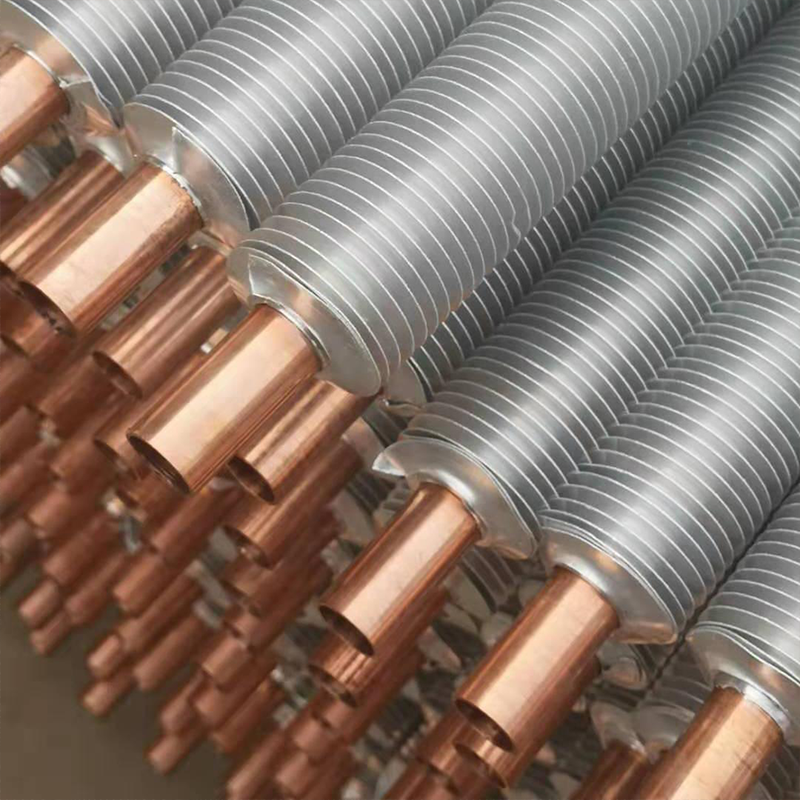
It is important to understand that high efficiency of an integrated control system is impossible without reliable physical equipment, especially in critical thermal control units. The stability of temperature conditions, mentioned above, directly depends on the quality of the heat exchangers used in the cooling systems of extruders and calenders. This is where specialized solutions such as the company's products come into the pictureWuxi Kaisheng Electric Power and Petrochemical Equipment Co., Ltd..
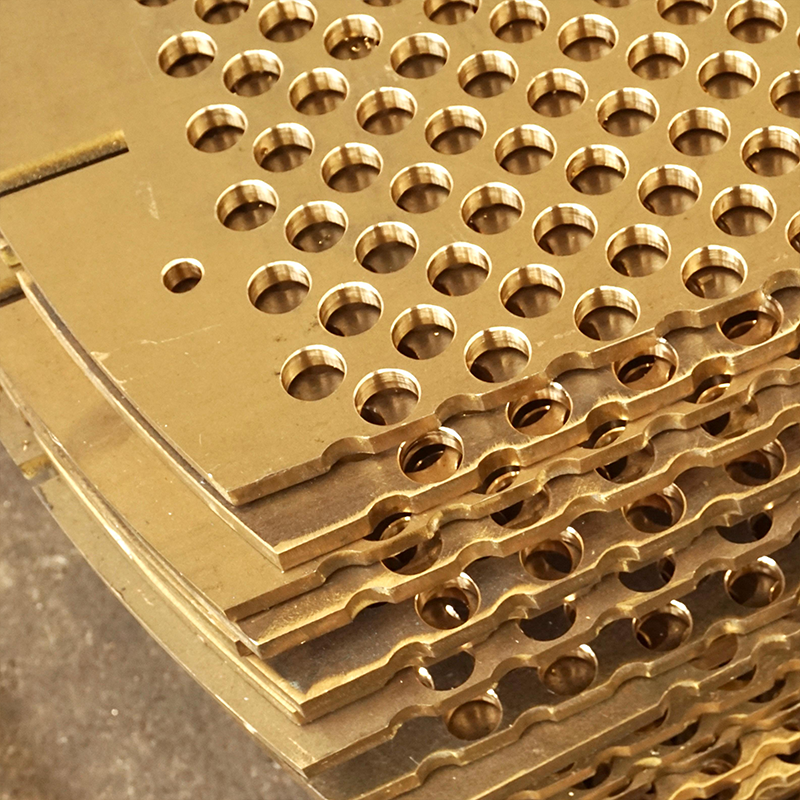
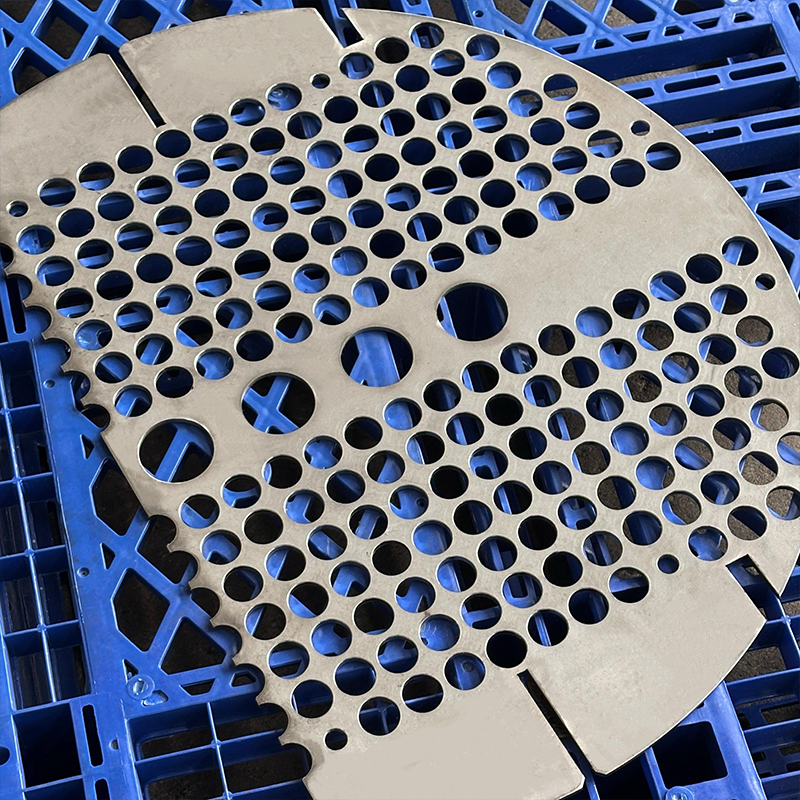
Specializing in the development and production of highly efficient heat exchange equipment, Wuxi Kaisheng offers solutions that perfectly complement modern automated lines. Their titanium shell-and-tube heat exchangers and 316 stainless steel apparatus provide exceptional corrosion resistance and thermal efficiency, critical when dealing with corrosive environments or seawater in plant water recycling systems. Certified to stringent international ASME and PED standards, the company's products also include air coolers, waste heat boilers and specialty alloy tube bundles (nickel N06625, copper-nickel C70600, marine brass C46400).
Integration of such reliable equipment into an overall control system allows for a synergistic effect to be achieved: automation precisely regulates processes, and physical equipment from Wuxi Kaisheng guarantees stable heat transfer even at extreme pressures and temperatures. This combination of advanced digital technologies and high-quality engineered iron is the key to long-term trouble-free operation of the enterprise in the oil refining, chemical and energy industries.
Frequently Asked Questions
How long does it take to fully implement a system on one line?
On average, the process takes from 3 to 6 months, including audit, design, equipment supply, installation and commissioning. The period depends on the complexity of the line, the need to replace sensors and actuators, as well as the readiness of the plant infrastructure. For simple lines with modern equipment, the period can be reduced to 2 months, while a deep modernization of an old fleet can take a year.
Is it possible to integrate equipment from different manufacturers into one system?
Yes, this is possible and is standard practice. The use of open industrial protocols (OPC UA, Modbus TCP, Profinet) allows you to combine extruders, calenders and peripherals from different vendors. However, this requires a highly qualified integrator to configure drivers and ensure stable data exchange. Avoid closed proprietary systems that tie you to one manufacturer.
What if operators sabotage the new system?
This is the classic problem of resistance to change. The solution lies in the plane of psychology and motivation: explain to the staff the benefits (ease of work, bonus for reducing defects), involve opinion leaders in the testing process, provide quality training. Under no circumstances should you implement the system as a punishment tool. Show that the system is a helper, not a supervisor.
Do I need to change existing PLC controllers when upgrading?
Not necessarily. If your current controllers are functional and support modern communication protocols, you can leave them and add gateways for integration into the upper layer. Replacement is only appropriate if there is physical wear, lack of manufacturer support, or insufficient performance for new applications.
How to ensure data protection from cyber attacks?
Use multi-level protection: network segmentation (DMZ), industrial firewalls, regular software updates, anti-virus protection on workstations and strict access control (passwords, tokens). Conduct regular security audits and train employees in basic cyber hygiene. Isolating critical control loops from the Internet is the most effective method.
Conclusion and next steps
Integrated control systems in plastic sheet factories have ceased to be a luxury and have become a necessity for survival in a highly competitive environment. They provide transparency of processes, guarantee consistent quality and open access to new markets. Postponing modernization today means losing market share tomorrow.
If you are ready to discuss the details of your project, receive a preliminary cost estimate, or order an audit of the current state of production, contact our experts. We have successful experience in implementing similar projects in Russia, Kazakhstan and Belarus, and we know the specifics of local equipment and the regulatory framework.
Don't wait for your competitors to beat you. Start transforming your production now.Contact us todayto receive a free consultation and demonstrate the capabilities of our solutions. We also recommend that you read our detailedextrusion optimization guidefor more technical insights.