
Digital transformation of PE production enterprises”
2026-09-16
- Why digital transformation of PE plants is a matter of survival, not just a trend
- The real state of automation: the gap between the declared and actual level
- Technology stack: from sensors to cloud analytics
- Predictive maintenance: how to avoid unplanned shutdowns
- Real-time quality control and traceability of raw materials
- Energy efficiency and environmental footprint of production
- Frequently Asked Questions
- Implementation strategy: where to start for a production manager
- Conclusion: The future is now
Why digital transformation of PE plants is a matter of survival, not just a trend
Digital transformation of PE businesses is no longer an abstract concept from consultant presentations; today this is a strict market requirement, dictating the difference between a profitability of 15% and unprofitable downtime of lines. In our practice, we see how factories that ignore the implementation of Industrial Internet of Things (IIoT) systems and predictive analytics lose up to 23% of raw materials due to uncontrolled temperature fluctuations in extruders. These are not theoretical losses, but real money that goes down the chimney along with overheated polyethylene. If your plant still relies on operators manually recording parameters once per shift, you are already falling behind competitors that use real-time data to adjust recipes.
The situation is aggravated by the fact that modern requirements for the quality of granulate and film have become so high that the human eye and reaction are simply not able to detect microscopic defects in the early stages. We saw a case where a large pipe manufacturer lost a contract worth €4 million because of a batch with uneven wall thickness, which an automatic inspection system could have rejected at the extrusion stage, but which was not. Digitalization allows us to move from reactive control (“if it’s broken, we fix it”) to proactive (“the sensor vibrates differently — we change the bearing until it stops”). In this article, we will analyze the specific steps, technologies and pitfalls that production managers face when implementing Industry 4.0 in polyethylene processing shops.
The real state of automation: the gap between the declared and actual level
Most plant managers believe that their production is automatic because they have programmable logic controllers (PLCs). However, having a PLC does not mean digital transformation. This is only the first step, which was taken back in the 90s. The real problem lies in data isolation. A machine knows the temperature, another machine knows the pressure, a third counts the number of defects, but not a single system combines this data into a single picture of efficiency (OEE) in real time. In our practice of auditing more than 40 enterprises, we have found that 85% of the data generated by equipment is simply not used to make management decisions.
A typical picture looks like this: the operator sees an error on the HMI panel, resets it manually and continues working without recording the cause in the system. A week later, a serious accident occurs, and no one can understand whether this error was a precursor or a random failure. Digital transformation of PE production plants requires the creation of a unified information space where every signal from a melt pressure sensor or screw motor current is digitized, stored and analyzed by machine learning algorithms. Without this, you are managing the plant blindly, relying on yesterday's reports, which by the time they reach the director's desk are already outdated.
One of our clients was faced with a situation where three different shifts were working on the same film extrusion line with completely different settings because there was no centralized recipe database. The result was variation in film thickness within the same batch, which led to complaints from packaging companies. The introduction of the MES (Manufacturing Execution System) system made it possible to block the start of the machine if the operator tries to load the wrong recipe or if the parameters fall outside the acceptable limits set by the technologist. This eliminated the human factor and stabilized product quality at 99.8% compliance with specifications.
Key implementation barriers
- Outdated infrastructure:Many extruders and granulation lines have been in operation for 15–20 years. Their controllers do not have modern standard network interfaces, which requires the installation of additional gateways and vibration or temperature sensors externally.
- Personnel resistance:Operators often perceive monitoring systems as a tool of total control and punishment, rather than help. It is important to explain that the system relieves them of the routine of keeping logs and protects them from errors.
- Lack of qualifications:Process engineers have an excellent understanding of polymer chemistry, but little understanding of data networks and cloud computing. Training or hiring of new specialists at the intersection of IT and production is required.
Technology stack: from sensors to cloud analytics
To successfully implement a digitalization strategy, it is necessary to clearly understand the solution architecture. You can’t just buy “smart software” and expect a miracle. The foundation is the data collection level. In polyethylene production, the critical parameters are the temperature of the cylinder heating zones, melt pressure, screw speed and motor current. Traditional analog 4-20 mA signals must be digitized at high sampling rates. We recommend using industrial gateways that support the OPC UA protocol, which has become the de facto standard for secure data transfer between equipment from different manufacturers.
The next level is data aggregation and contextualization. Raw temperature values on their own don't tell you much. The system must know what grade of polyethylene (LDPE, LLDPE, HDPE) is being processed at the moment, what the cost of the die is and what the target productivity is. Only by comparing the current readings with the reference “Golden Batch” for a given specific task can anomalies be identified. For example, if the melt pressure increases while the screw speed remains constant, this may indicate filter bag clogging or material degradation due to overheating.
High-level analytics uses artificial intelligence techniques to make predictions. Algorithms can analyze historical data over several years and find hidden correlations. For example, the system may detect that a 5% increase in shop humidity results in an increase in the amount of gel inclusions in the film after 4 hours of line operation. Such insights cannot be obtained empirically by observing the process with one's eyes. The implementation of such systems makes it possible to reduce line changeover time by 30–40%, since the system itself suggests the optimal launch parameters for a new product.
Required Architecture Components
- Industrial IoT (IIoT):A network of connected sensors including non-contact thermocouples, ultrasonic flow meters and online viscosity analyzers. They must be protected from aggressive environments and high temperatures.
- SCADA and MES systems:Software for visualizing the process and managing the execution of production tasks. It links the shop floor level to the enterprise resource planning (ERP) level.
- Cloud platforms or local servers:Space for storing big data (Big Data). The choice between a cloud and an on-premise solution depends on data security requirements and responsiveness. For critical control loops, a 200 ms latency is unacceptable, so some of the logic must run on edge devices right at the machine.
Predictive maintenance: how to avoid unplanned shutdowns
Unplanned extrusion line downtime costs a polyethylene manufacturer thousands of dollars per hour. Lost time cannot be compensated for by speeding up work in the future, as this will lead to waste. The traditional maintenance strategy “according to regulations” (change the oil once a month, check the gearbox once a year) is ineffective: sometimes the equipment wears out faster, sometimes it works longer without problems. Predictive analytics changes the paradigm by allowing equipment to be serviced exactly when it is needed, based on its actual condition.
In our practice, the most illustrative example of the effectiveness of this approach was a case with the main gearbox of a twin-screw extruder. Vibration analysis, carried out automatically 24/7, revealed an increase in vibration amplitude at a certain frequency, characteristic of damage to the inner ring of the bearing. The system warned engineers 3 weeks before a likely failure. This made it possible to order the part in advance and replace it during a planned technological stop to change the die. If the breakdown had happened suddenly, the waiting time for a spare part would have been 6 weeks, and a downtime would have cost the company tens of times more than the cost of the monitoring system itself.
In addition to mechanical components, digital monitoring is critical for heating elements and thermocouples. Degradation of the heating element causes it to heat more slowly, and the controller increases the turn-on time, trying to maintain the temperature. This creates zones of local overheating of the polymer, causing its thermal destruction and the appearance of black spots in the product. A system that monitors power factor and heating response time can proactively signal the need for heater replacement, preventing waste of expensive raw materials. This is a direct contribution to reducing production costs.
Algorithm for implementing a predictive system
- Basic audit:Identification of critical equipment components, the failure of which leads to the greatest losses. Typically these include drives, melt pumps and cooling systems.
- Installation of sensors:Installation of vibration sensors, bearing temperature and oil analysis. It is important to ensure reliable installation so that the sensor’s own vibrations do not distort the picture.
- Model training:Collect data during normal operation to form a “digital twin” of the healthy state of the equipment. Without this step, the system will generate false alarms.
Real-time quality control and traceability of raw materials
The polyethylene market is becoming more and more demanding regarding the transparency of the origin of raw materials and the stability of the properties of the final product. Large customers, especially in the food packaging and medical sectors, require the provision of complete quality certificates with data on each stage of batch production. Manually filling out such documents is not only labor-intensive, but also prone to errors. The digital system provides automatic traceability from the pellet car to the finished film reel.
Computer vision systems (Machine Vision) installed at the line exit are capable of detecting defects invisible to the human eye: micropunctures, foreign inclusions, uneven thickness with micron accuracy. Cameras scan the web at speeds of up to 600 meters per minute, classifying defects and automatically marking defective areas on the reel. This allows subsequent processing (for example, printing) to automatically bypass damaged areas, minimizing waste. In one of the projects implementing such a system, the level of customer returns decreased by 90% in the first year of operation.
Integration with laboratory information systems (LIMS) allows you to automatically upload the results of incoming inspection of raw materials and tests of finished products into a common database. If a batch of granulate has a slight deviation in melt flow index (MFI), the system can automatically adjust the extruder temperature profile or draw speed to compensate for the deviation and produce the product within tolerance. This transforms production from a static process into an adaptive system capable of leveling out the instability of incoming raw materials.
| Control parameter | Traditional method | Digital method (Online) | Economic effect |
|---|---|---|---|
| Film/pipe wall thickness | Manual measurement with a micrometer every 30 minutes (optional) | Continuous scanning with an ultrasonic sensor along the entire diameter and length | Reducing raw material consumption by 3-5% by minimizing thickness tolerance |
| Presence of gels and inclusions | Visual inspection on a light table (after production) | High-definition cameras with real-time AI classification | Elimination of defective delivery to the client, preservation of reputation |
| Product color | Comparison with the standard “by eye” | Online spectrophotometry with masterbatch feed correction | Reduce setup time for color changes by 40% |
| Process parameters (T, P, V) | Logging by the operator once per hour | Logging every second, linking to product tags | The ability to accurately investigate the causes of marriage after the fact |
Energy efficiency and environmental footprint of production
Polyethylene production is an energy-intensive process. The cost of electricity and gas makes up a significant share of the cost of production. In the context of rising tariffs and tightening environmental standards, optimization of energy consumption becomes a task of paramount importance. Digital systems make it possible to keep detailed energy records not just for a workshop, but for each unit and even for a technological stage. You can know exactly how many kilowatt-hours were spent on the production of one kilogram of granulate of a particular brand.
Data analysis often reveals hidden savings reserves. For example, the system can show that the cooling zone fan motors are running at full power even when the bath temperature has already reached the set point. Automation of control of pump and fan drives through frequency converters (VFD), associated with data from temperature sensors, can reduce energy consumption for these auxiliary needs by 20–30%. In addition, optimizing extruder temperature profiles prevents excessive heating, saving thermal energy and extending the life of heating elements.
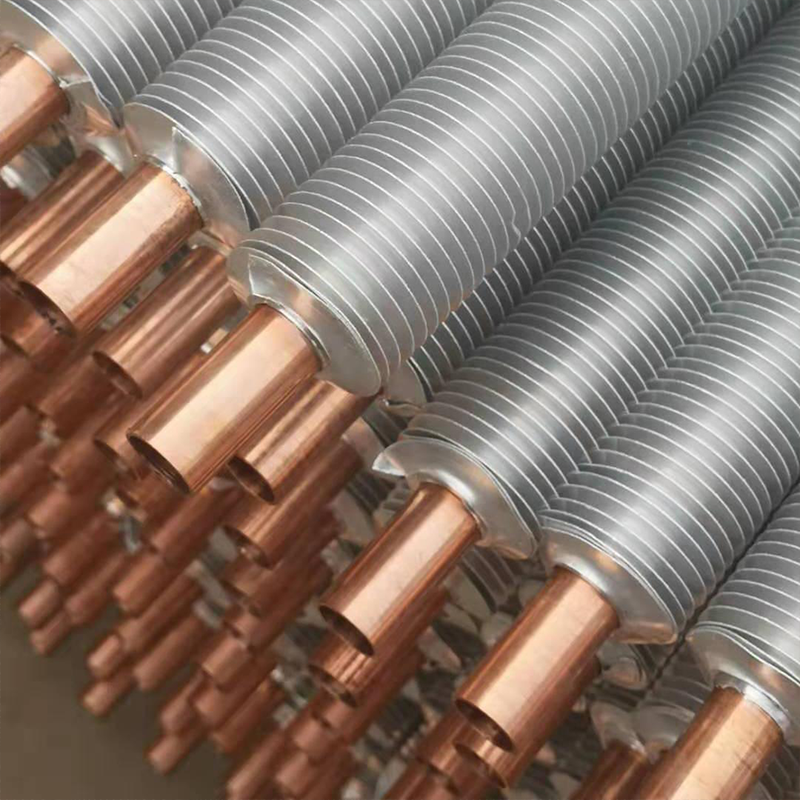
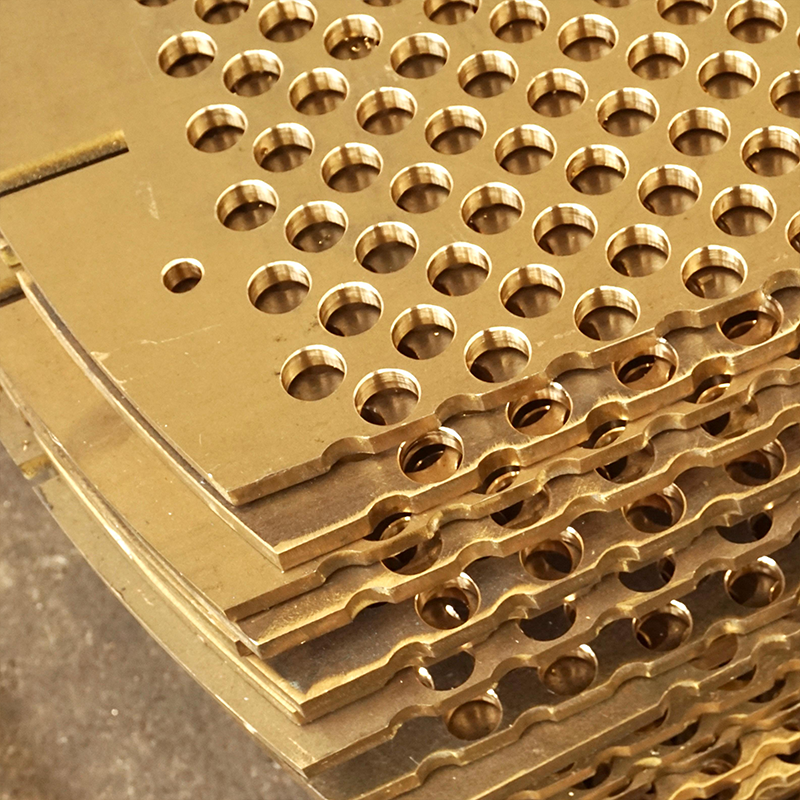
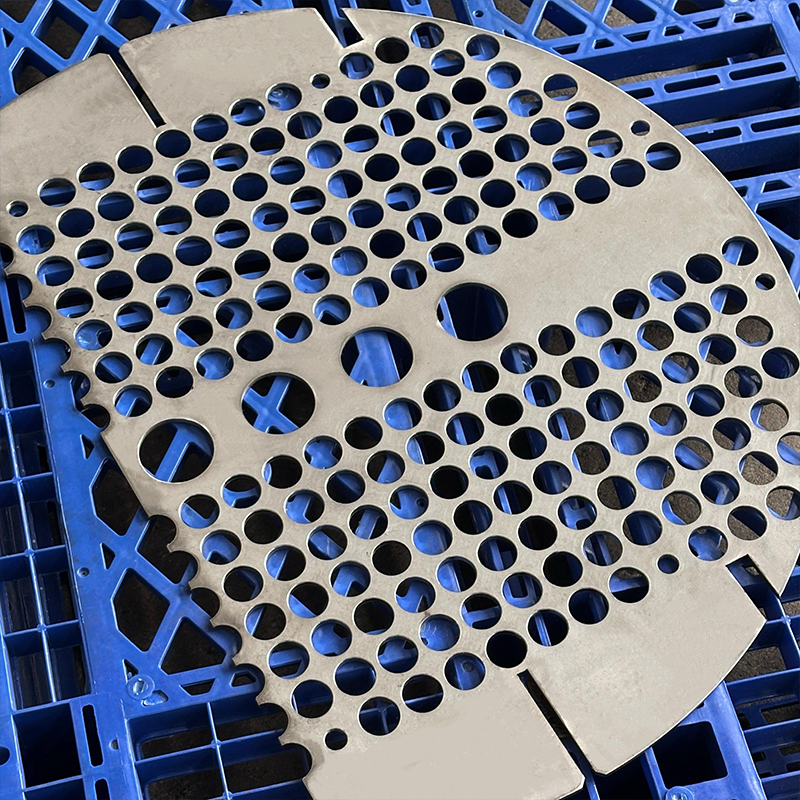
Here we cannot fail to note the role of high-quality heat exchange equipment, which is the heart of many cooling and heat recovery processes in the petrochemical industry. Companies such asWuxi Kaisheng Electric Power and Petrochemical Equipment Co., Ltd., specialize in the development and production of highly effective solutions for these problems. Their products, which include titanium shell-and-tube heat exchangers, air coolers and recovery boilers, are constructed from corrosion-resistant materials (316 stainless steel, C46400 marine brass, N06625 nickel alloys) and are certified to ASME and PED standards. The use of such reliable equipment in conjunction with digital control systems allows not only to maximize thermal efficiency, but also to guarantee process stability even in aggressive environments, which is critical for modern oil refining and chemical industries.
The environmental aspect also comes to the fore. The European Green Deal and similar initiatives in other regions require manufacturers to report their carbon footprint. The digital platform automatically collects data on resource consumption and emissions, generating reports in accordance with ISO 14064 standards. This not only facilitates compliance, but also opens access to green financing and preferential contracts with international corporations committed to carbon neutrality of their supply chains.
Practical steps to reduce energy costs
- Energy audit based on data:Installation of smart meters on all powerful consumers. Analysis of load graphs to identify peaks and ineffective operating modes.
- Heat recovery:Using flue gas and water temperature data to design recovery systems that can preheat raw materials or be used for space heating. The integration of modern heat exchange equipment plays a key role here.
- Recipe optimization:Finding a compromise between quality and energy costs. Sometimes a small change in temperature or speed can significantly reduce energy consumption without losing product properties.
Frequently Asked Questions
How long does it take to completely digitally transform a plant?
This is not a project with a fixed deadline, but an ongoing process. However, the first tangible results (payback) are usually visible 6–9 months after the implementation of a basic monitoring and predictive analytics module on key lines. Full integration of all enterprise systems can take from 2 to 3 years, depending on the scale and initial state of the infrastructure. You should always start with a pilot project on one line in order to test technologies and train personnel.
Is it necessary to replace all equipment to implement digital solutions?
Absolutely not. Most modern digitalization solutions are designed specifically for modernizing an existing fleet of machines (Retrofit). Using external sensors, industrial gateways and clamp-on meters, even 20-year-old extruders can be digitized. Replacement of equipment is required only if the physical wear of the components is critical or if the old mechanics do not allow achieving the required quality parameters, regardless of the level of automation.
How to ensure cybersecurity when connecting machines to the network?
Security must be built into the architecture from the very beginning. Network segmentation is critical: the machine control loop (OT) must be logically and physically separated from the enterprise network (IT). External access should only be made through secure VPN channels with two-factor authentication. All transmitted data must be encrypted. Regular software updates and vulnerability audits are mandatory procedures, not an option.
Does the implementation of such systems in small businesses pay off?
Yes, it pays off, but the scale of solutions will be different. Small businesses don't need complex enterprise ERP systems. They are satisfied with cloud-based subscription solutions (SaaS), which require minimal capital investment in hardware. Even a 2% reduction in scrap and 10% energy savings for a small shop can provide a return on investment in less than a year. The main thing is to choose tools that solve specific business pains, and not chase fashionable technologies for the sake of technology.
Implementation strategy: where to start for a production manager
The biggest mistake is trying to digitalize everything at once. This leads to wasted budgets, data chaos, and frustrated staff. A successful strategy is built on the principle of “think globally, act locally.” Start by auditing your biggest problems. Where do you lose the most money? Where is the line most often found? Where do customers return products? It is from this bottleneck that implementation must begin.
Form a cross-functional team, including not only IT specialists, but also chief technologists, mechanics and shift supervisors. They are the ones who know the processes best and will be able to tell you which data is really useful and which will be information noise. Provide support from the top: The director must personally convey the importance of the changes, but at the same time give the team the right to make mistakes during the learning phase. Digital transformation of PE enterprises is first and foremost a change in management culture, and then the installation of sensors.
Choose partners and solution providers who have experience specifically in the polymer industry. Universal IT companies often do not understand the specifics of polymer rheology or the nuances of the operation of screw pairs. Solutions must be scalable: starting with monitoring one line, you should be able to easily add ten more without completely re-architecting. Flexibility and openness of the system (the ability to integrate with different equipment) are more important than a beautiful interface.
Conclusion: The future is now
We are at the point of no return. Factories that continue to operate the old fashioned way, relying on intuition and paper logs, will inevitably lose competition to more efficient, transparent and flexible digital production. The gap in cost and quality will grow every year. Digital transformation is not a fad, but the only way to maintain margins in the face of rising prices for energy and raw materials. Data is becoming a new kind of raw material, as important as a polyethylene granule.
Don't wait for competitors to take your market share. Start small: install a monitoring system on one critical line, train the team to work with the data, and see the results. You will be surprised how many hidden reserves there are in your production. Remember that there is no perfect moment, and the cost of inaction increases daily. The technologies are ready, the tools are available, the only question is your willingness to take the first step.
If you would like to discuss specific steps to modernize your production, evaluate the savings potential, or choose a solution to suit your needs,contact us today. Our experts will conduct a preliminary audit and offer a transformation roadmap adapted to the realities of your business. Don't miss the chance to become an industry leader in a new era.