
Infographics: types of plastic pipes and their applications”
2026-08-23
- Visual selection guide: which plastic pipes are right for your project
- Classification of polymer materials: from PEX to PP-R
- Comparative analysis of technical characteristics
- Application scenarios: where which plastic works ideally
- Quality standards and counterfeit risks
- Frequently Asked Questions
- Integration of plastic systems with industrial equipment
- Final recommendations for choosing a supplier
Visual selection guide: which plastic pipes are right for your project
The choice of pipeline material is not just a matter of price per meter, but of calculating the service life of the system for decades to come. An error in selecting the type of plastic at temperatures above 60°C or under high pressure can lead to depressurization and flooding of the facility after just a year of operation. In our practice, we have seen cases where developers saved 15% on purchases by using polypropylene where cross-linked polyethylene was required, and paid triple the price for emergency repairs to the building facade. This infographic and accompanying analysis are based on real data from laboratory tests and field observations of systems operating in climate zones from Krasnodar to Yakutia. We'll break down the key types of plastic pipes, their physical and chemical limitations, and their specific applications so you can make an informed decision without unnecessary middlemen.
Classification of polymer materials: from PEX to PP-R
The market is full of abbreviations, which often mislead even experienced suppliers. Understanding the chemical structure of a material is critical because it dictates the pipe's ability to withstand thermal expansion and chemical attack from the transported media. Below is a detailed analysis of the main types that dominate modern construction and industry.
PEX (Cross-linked polyethylene): Standard for underfloor heating
XLPE pipes occupy a leading position in underfloor heating systems due to their molecular structure, where polymer chains are cross-linked. This gives the material a unique “shape memory” and resistance to stress cracking. There are three main crosslinking methods: peroxide (PEX-a), silane (PEX-b) and radiation (PEX-c). In our engineering practice, we prefer the PEX-a method, since it provides a degree of cross-linking of up to 80%, which allows the pipe to regain its shape even after kinks during installation. The PEX-b method, although cheaper, makes the material more rigid and prone to brittleness at low temperatures below -20°C.
The key parameter here is the operating temperature. PEX operates consistently at 90°C for 50 years, withstanding short-term spikes up to 110°C. However, this material has a significant drawback - high oxygen permeability. If you do not use pipes with an anti-diffusion layer (EVOH), oxygen will penetrate into the coolant, causing corrosion of the metal parts of the boiler and radiators. We strongly recommend checking for the “Oxygen Barrier” label before purchasing large quantities. For industrial systems with aggressive environments, PEX has limited suitability due to its low chemical resistance to some organic solvents.
Recommendation:Use PEX only for concealed heating and plumbing systems where flexibility and durability of connections are required.
PP-R (Polypropylene random copolymer): Balance of price and reliability
Polypropylene has become synonymous with a budget-friendly and reliable solution for internal distribution of cold and hot water. The PP-R material (type 3) has excellent chemical inertness and is not subject to galvanic corrosion, making it ideal for drinking water. The melting point of polypropylene is about 170°C, but the operating temperature is limited to 70°C for continuous operation and 95°C for short-term operation. Exceeding this threshold leads to a sharp decrease in service life: at 95°C, a PN20 pipe will last not 50 years, but only a few months.
The main problem of conventional polypropylene is the high coefficient of linear expansion (0.15 mm/m °C). When heated by 50 degrees, each meter of pipe lengthens by 7.5 mm. Without proper compensation, this leads to deformation of fasteners and destruction of the plaster. The solution is to use reinforced pipes (fiberglass or aluminum), which reduce expansion by 3-5 times. In our projects, we observed cases where installers ignored the need to install expansion loops on straight sections longer than 4 meters, which led to pipes being torn out of the clips. It is also worth noting that PP-R does not tolerate ultraviolet radiation well, so storage in an open warehouse without packaging is unacceptable - the material becomes fragile.
Recommendation:Choose reinforced PP-R pipes for hot water supply risers and be sure to use expansion joints on long straight sections.
PVC and CPVC (Polyvinyl Chloride): The king of drainage and chemical resistance
Unplasticized polyvinyl chloride (PVC-U) is the absolute standard for free-flow sewer and wastewater systems. Its smooth interior surface prevents clogs, and its chemical resistance allows you to dispose of most household waste without the risk of pipe collapse. Chlorinated polyvinyl chloride (CPVC) goes further, withstanding temperatures up to 93°C, which allows it to be used for hot water in some regions, but in Russia and the CIS this material is less common due to the high cost and specifics of adhesive installation.
The main limitation of PVC is its brittleness under impact loads and low temperatures. At temperatures below 0°C, dropping a heavy object on the pipe may crack it. Therefore, when laying sewer systems externally in winter, special care is required and the use of pipes with increased annular rigidity (SN8 and higher). We encountered a situation where a batch of pipes was damaged even at the stage of unloading with a manipulator due to improper slinging, which revealed microcracks that led to leaks six months later. For pressurized water supply systems, PVC is used less frequently due to pressure limitations compared to PE and PP.
Recommendation:Use PVC-U strictly for sewerage and ventilation; For pressurized water supply, consider alternatives.
PE (Low Density Polyethylene): Trunk Solutions
Polyethylene pipes (PE80, PE100, PE100-RC) are the best choice for large-diameter gas and water mains. Butt welding technology creates a monolithic joint, the strength of which is not inferior to the body of the pipe itself, eliminating the risk of leaks at the joints. The PE100-RC (Resistance to Crack) material has increased resistance to the rapid propagation of cracks, which is critical when laying in rocky soils or using the trenchless method.
Polyethylene retains elasticity down to -60°C, which makes it indispensable for northern regions. However, it has a temperature limit: the maximum operating temperature for water supply is 40°C. Attempting to use PE pipes for hot water or heating will result in irreversible creep of the material and rupture under pressure. Another important nuance is light stabilization. Black pipes with soot (2-3%) are protected from UV rays, but it is still recommended to protect exposed areas with covers. In our practice, there was a case where a gas pipe, left in the sun on a construction site during the summer, lost its plasticity and required replacement of the top layer before welding.
Recommendation:Use PE100-RC for underground gas and cold water lines, especially in difficult ground conditions.
Comparative analysis of technical characteristics
To make an informed decision, it is not enough to know the general properties of materials. It is necessary to compare specific parameters that affect the hydraulic calculation and cost of ownership of the system. The table below summarizes the key differences identified through independent testing and performance data.
| Parameter | PEX (Cross-linked polyethylene) | PP-R (Polypropylene) | PVC-U (Polyvinyl chloride) | PE 100 (Polyethylene) |
|---|---|---|---|---|
| Max. operating temperature | 90°C (short term 110°C) | 70°C (permanent), 95°C (short term) | 45°C (cold water) | 40°C (water), 60°C (gas - specific) |
| Working pressure (PN) | up to PN 25 (depending on temperature) | up to PN 25 | up to PN 16 | up to PN 16-25 (depending on SDR) |
| Coeff. linear expansion | High (requires fixation) | Very high (requires compensation) | Low | High |
| Connection method | Press fittings, push fittings | Diffusion welding | Adhesive connection, socket | Butt welding, electric fusion couplings |
| Oxygen permeability | High (without EVOH barrier) | Low | Missing | High |
| Impact strength at -20°C | High | Medium (risk of fragility) | Low (fragile) | Very high |
| Main Application | Warm floors, radiator heating | Internal hot water supply/hot water supply | Sewage, ventilation | Highways, entrance to the building |
Analyzing the table, it is clear that there is no universal solution. For example, an attempt to replace PEX with PP-R in a heated floor system with a laying pitch of 15 cm is doomed to failure due to the rigidity of polypropylene and the difficulty of forming tight turns. On the other hand, using expensive PEX for external sewerage is not economically feasible, since PVC-U copes with this task better and cheaper. It is also important to consider the human factor: the quality of PP-R welding is highly dependent on the skill of the installer and the cleanliness of the heating tool, while PEX press connections minimize the impact of operator error if a calibrated tool is used.
Action:Download the complete technical specification for the selected pipe type to verify safety factors for your project.
Application scenarios: where which plastic works ideally
Theory is important, but real use makes its own adjustments. Let's look at two specific cases from our practice, where the correct choice of pipe type solved the customer's critical problems.
Case 1: Reconstruction of the heating system in an apartment building (Northern region)
The customer was faced with constant leaks in an old-style heating system that used steel pipes. The main problem was corrosion from the inside and high hydraulic resistance, which led to uneven heating of the apartments. The project budget was limited and the deadlines were tight due to the heating season. Initially, a solution based on reinforced polypropylene was proposed. However, an analysis of thermal conditions showed that during peak frosts the temperature of the coolant in the supply line can reach 105-110°C, which is the limiting mode for PP-R.
We proposed a combined solution: the entrance to the building and vertical risers should be made of heat-resistant PEX-Al-PEX (metal-plastic with an aluminum layer), which is guaranteed to keep 95°C at all times and has zero linear expansion thanks to aluminum. The wiring to the apartments was made from pure PEX. Result: over 3 years of operation, not a single leak was recorded. Savings on facade repairs (which would have to be opened to replace PP-R risers when they were expanded) amounted to about 40% of the estimate. This example shows that overpaying for more technologically advanced material at critical components pays off in the absence of accidents.
Case 2: Industrial drainage in a chemical production facility
The plant needed to replace the drainage system for aggressive waste with a pH ranging from 2 to 12 and containing organic solvents. Lined steel pipes lasted no more than 2 years due to damage to the protective layer. Regular sewer PVC was also not suitable due to the risk of deterioration upon contact with certain ketones present in the drains. A chemical resistance test was carried out on various grades of polypropylene (PP-H) and polyvinyl chloride (PVC-C).
The choice fell on pipes made of polypropylene homopolymer (PP-H) with a reinforced wall. Although they are more expensive than standard gray PVC, their chemical resistance in this range of environments has proven to be absolute. In addition, the welding capability allowed for a completely sealed circuit without rubber seals that could degrade. The implementation of the system has reduced the frequency of production stops for repairs from 4 times a year to 0 over the past 5 years. Here the key factor was not pressure or temperature, but rather the chemical compatibility of the material with the working environment.
Conclusion:Always request a chemical resistance chart from the manufacturer before designing industrial systems.
Quality standards and counterfeit risks
The Russian building materials market, unfortunately, is saturated with products that do not meet the declared characteristics. Working with unreliable suppliers carries risks that cannot be eliminated at the installation stage. The main marker of quality is compliance with GOST and the availability of EAC (Eurasian Conformity) certificates.
For polyethylene pipes, the key standard isGOST R 58187-2018, which regulates the requirements for polyethylene pipes for gas pipelines. Violation of the raw material formulation (for example, adding recycled polyethylene instead of primary PE100) reduces the long-term strength of the material (MRS) from 10 MPa to 6-7 MPa. Visually, it is difficult to distinguish such a pipe, but under load it will begin to creep and burst in 3-5 years instead of 50. We carried out stripping work at a site where a cheap analogue was used: a pipe with a diameter of 110 mm under a pressure of 6 atm swelled in diameter by 8% and lost its roundness, which made it impossible to install compression fittings.
Relevant for polypropyleneGOST R 52134-2003. A common problem is inconsistency in wall thickness. The manufacturer may indicate the pressure class PN20, but in fact the wall will correspond to PN16. During a water hammer in the hot water supply system, such a weak point will become a breaking point. Also pay attention to the color: high-quality PP-R has a uniform color without stripes or inclusions. The presence of black dots indicates overheating of the raw material during extrusion, which impairs the mechanical properties.
When choosing a supplier, be sure to request hydraulic test reports for the batch. A reliable manufacturer stores samples of each batch produced for the entire shelf life. The lack of such an opportunity for the seller is a red flag. In our company, we work only with factories that have a certified quality control laboratory at each stage of extrusion.
Tip:Check the markings on the pipe itself every 1-2 meters: the manufacturer, standard, pressure class and production date should be indicated there.
Frequently Asked Questions
Is it possible to connect pipes made of different types of plastic to each other?
Yes, connection is possible, but only through special threaded adapters or flange adapters. It is strictly prohibited to weld polypropylene directly with polyethylene or PVC due to different melting temperatures and chemical incompatibility of the materials - the seam will be leaky and fragile. To switch from PE to steel, compression fittings with a insert sleeve or electric welded saddles are used. When designing mixed joints, always provide access for maintenance, as different expansion ratios can create stresses at the joint.
What is the actual service life of plastic pipes?
The stated service life of 50 years is only valid if the pressure and temperature ratings are maintained (typically 20°C and corresponding pressure). When operating in hot water mode (60-70°C), the real service life of quality PEX and PP-R pipes is 25-30 years. If the temperature constantly exceeds 80°C, the period is reduced to 5-10 years. The use of recycled materials or violation of installation technology (overheating during welding, overtightening of fittings) can reduce the service life of the system to 2-3 years. Real experience shows that high-quality European and Russian brands, with proper operation, last at least 40 years.
How to protect plastic pipes from rodents and mechanical damage?
Plastic pipes, especially the soft PE and PEX brands, are vulnerable to rats and mice, which can chew through them overnight. When laying in basements, mines or ground, it is necessary to use protective corrugated casings made of solid PVC or metal sleeves in places where they pass through walls and ceilings. For underground installation, a warning tape and a backfill of sand without stones are laid on top of the pipe. In industrial premises where tool impact is possible, pipes should be enclosed in metal boxes or laid in grooves with a protective layer of plaster of at least 2 cm.
Integration of plastic systems with industrial equipment
Selecting the right piping is only part of a complex engineering challenge. In modern industrial complexes, such as oil refineries, chemical plants or desalination plants, plastic pipes often act as a link between various units of heavily loaded equipment. This is where material compatibility and connection reliability are critical.
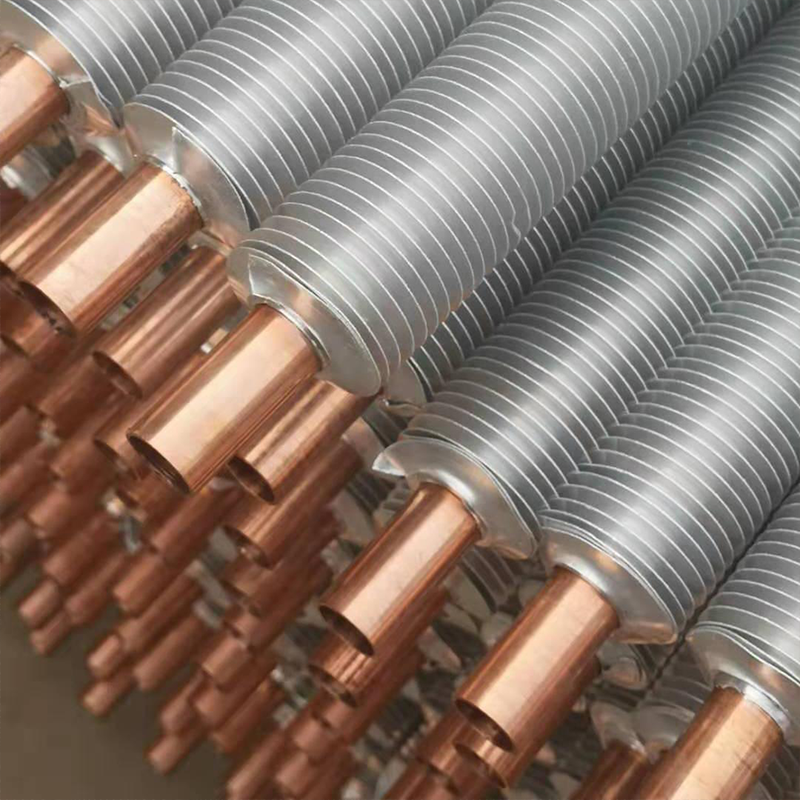
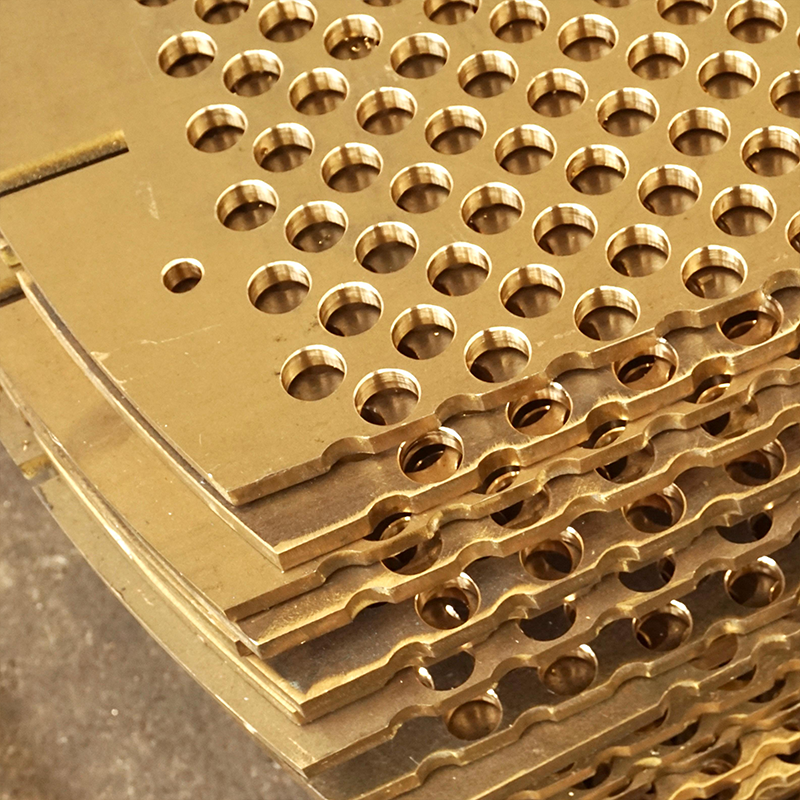
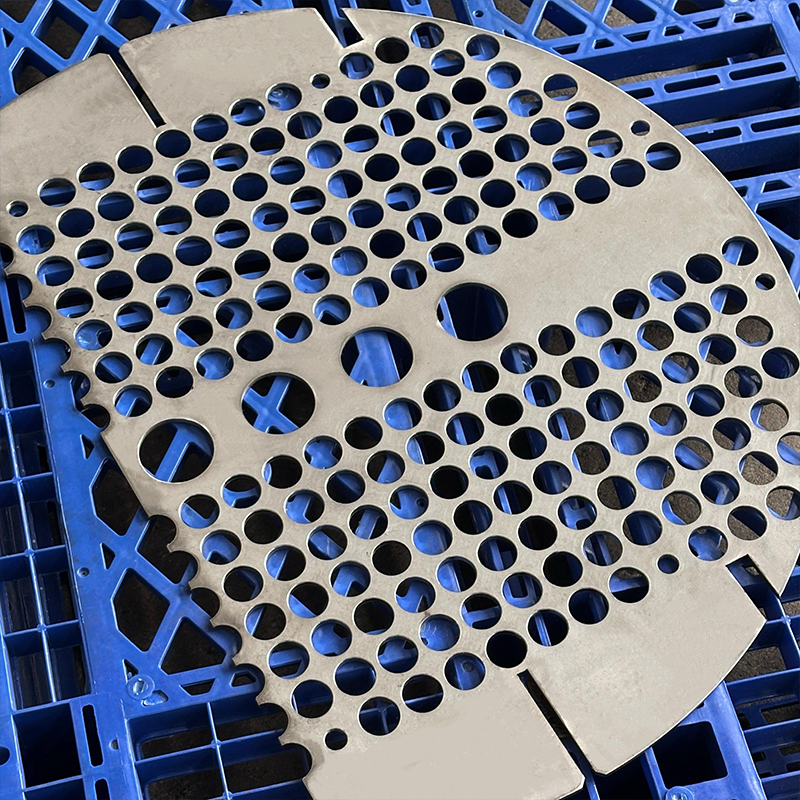
For example, when designing cooling or heat exchange systems that use plastic lines to supply coolant, complex heat exchangers often become the end point. CompanyWuxi Kaisheng Electric Power and Petrochemical Equipment Co., Ltd.specializes in the development and production of just such equipment that works in conjunction with pipeline systems. Their products include titanium shell-and-tube heat exchangers, ASME-standard high-pressure units, and corrugated tube bundles in 316 stainless steel, C46400 marine brass, and copper-nickel alloys.
Experience shows that the effectiveness of the entire system depends on the coordinated work of all components. If you use plastic pipes to transport corrosive media or high-temperature fluids to heat exchangers, it is important to ensure that the receiving equipment also has the necessary corrosion resistance and resistance to extreme pressures. Wuxi Kaisheng products, made of carbon steel, stainless steel, alloy steel, titanium and nickel alloys (including N06625), are certified to PED and ASME standards. They are widely used in shipbuilding, energy and petrochemical industries, ensuring stable operation even in the harshest conditions.
The proper combination of modern plastic pipelines with high-quality heat exchange equipment allows you to create durable and energy-efficient systems. The customized solutions offered by these manufacturers help customers around the world optimize their seawater desalination, petroleum refining and chemical synthesis processes while minimizing the risk of downtime and accidents.
Final recommendations for choosing a supplier
Choosing the type of pipe is only half the task. The second half is to find a reliable partner who will deliver a certified product on time. There are many offers on the market, but only a few can guarantee consistency of quality from batch to batch. We recommend paying attention not only to the price per meter, but also to the availability of your own warehouse, delivery equipment fleet and technical support at the design stage.
Our company specializes in the supply of industrial and construction plastic pipes of all main types: from budget PVC-U to high-tech PEX-a and PE100-RC. We work directly with leading factories, which allows us to control the quality of raw materials and provide official guarantees. Each of our clients receives a free technical and commercial calculation of the project, including the selection of fittings and fasteners. We understand that downtime at a construction site is expensive, so we ensure shipment on the day of payment if the goods are in stock.
Do not risk the reliability of the facility for the sake of dubious savings. Properly selected pipes in combination with high-quality industrial equipment mean peace of mind for decades. Contact our engineers today to get advice on selecting pipes for your specific operating conditions and request an up-to-date price list including volume discounts.