
Checklist for acceptance of a polypropylene tank”
2026-08-23
- Why 80% of defects in polypropylene tanks are detected only after installation
- Stage 1: Audit of accompanying documentation and certificates of conformity
- Stage 2: Visual inspection of geometry and surface quality
- Stage 3: Weld inspection - the most critical point on the checklist
- Stage 4: Checking structural elements and reinforcements
- Stage 5: Hydraulic testing and leak testing
- Typical acceptance mistakes and how to avoid them
- An integrated approach to quality: from polymers to highly loaded metal systems
- Frequently Asked Questions
- Conclusion: Your safety depends on the thoroughness of the inspection
Why 80% of defects in polypropylene tanks are detected only after installation
In our practice of accepting containers made of polypropylene (PP), we are faced with a harsh reality: visual inspection “by eye” misses critical violations of welding technology, which lead to depressurization after 3-6 months of operation. The acceptance checklist for a polypropylene tank is not a bureaucratic formality, but the only tool that allows you to separate a quality product from a defective product before you sign a certificate of completion and lose the right to have defects corrected free of charge. We have seen cases where customers accepted tanks with a seam thickness of only 1.2 mm instead of the required 1.5 mm, which, due to thermal expansion of the liquid, led to cracks in the corners of the structure. This article is based on 15 years of work with industrial tanks and contains specific action algorithms that have saved our partners millions of rubles in repairs and production downtime.
Acceptance of thermoplastic equipment is fundamentally different from acceptance of metal structures. If steel can be “welded” or reinforced with an overlay directly on site, then errors in the geometry or structure of the polypropylene sheet are often fatal and require a complete replacement of the unit or the entire product. Polypropylene is a material with a high coefficient of linear expansion, and any internal tension left after improper extrusion or welding will show up under load. Our goal is to give you a tool that will allow you to speak with your supplier in the language of facts, not promises. Below is a detailed analysis of each stage of verification, from documentation to hydraulic tests.
Stage 1: Audit of accompanying documentation and certificates of conformity
The first thing you should require before beginning a physical inspection of the product is a complete package of documents. The absence of a quality passport or GOST/TU certificate of conformity is grounds for immediate termination of acceptance. In Russia and the CIS countries, the main standard regulating the quality of polypropylene sheets and products made from it is GOST R 57917-2017 (for sheets) and various technical conditions (TS) developed by manufacturers. However, the presence of a printed piece of paper does not guarantee the quality of a particular tank.
Carefully study the product data sheet. It must clearly indicate the brands of raw materials used (for example, PP-H homopolymer or PP-B copolymer), the thickness of the walls and bottom, as well as the results of incoming inspection of materials. Often, unscrupulous manufacturers use secondary granulate, passing it off as primary. Recycled polypropylene has reduced chemical resistance and impact strength, which is critical for aggressive environments. If the passport indicates “PP-H”, ask for a certificate from the raw material manufacturing plant (SABIC, Borealis, SIBUR, etc.). Lack of traceability of raw materials is the first red flag.
Pay special attention to the “Operating Conditions” section. The manufacturer is required to indicate the maximum temperature of the working medium and the permissible pressure. If these parameters are blurred or specified with a margin exceeding reasonable limits (for example, “up to +95°C” for unreinforced PP without reservations), this is a sign of incompetence of engineers. The actual operating temperature for standard homopolypropylene is usually limited to +80…+90°C. Exceeding this threshold leads to loss of rigidity and deformation of the body.
Also check for installation and operating instructions. A quality manufacturer always provides recommendations on installing supports, connecting pipes and temperature compensators. Ignoring these requirements on the part of installers often voids warranty obligations, so having this document protects both you and the supplier. If the documentation is incomplete, do not sign the acceptance certificate—demand that the comments be addressed in writing.
Stage 2: Visual inspection of geometry and surface quality
The geometry of the tank is the foundation of its durability. Deviations from squareness or cylindricity create an uneven distribution of loads on the walls, especially when filled with liquid. For rectangular tanks, use a laser range finder or tape measure to measure the diagonals. The difference between the diagonals should not exceed 3-5 mm for every 2 meters of side length. If the distortion is greater, it means that the frame was assembled incorrectly or the sheets had internal stresses that “began” when cooling.
Inspect the surface of the walls and bottom. High-quality polypropylene should not have waves, swelling or visible signs of overheating. The color of the material must be uniform. The presence of dark spots, stripes or changes in shade indicates a violation of the temperature regime during sheet extrusion or welding. Such areas have an altered molecular structure and are areas of increased fragility. In our practice, there was a case when a client accepted a tank with slight yellowing of the corners, which was attributed to a “batch peculiarity”. Six months later, it was in these places that cracks began to appear under the influence of ultraviolet radiation and oxidation.
Check the flatness of the walls. Apply a long metal ruler or rule to the surface. The gap between the ruler and the wall should not exceed 2-3 mm per linear meter. Large deflections indicate insufficient sheet thickness for a given volume or the absence of stiffeners where they are needed. Remember: polypropylene is a flexible material. Without the correct calculation of the stiffeners, a large container will turn into a “belly” under the pressure of a column of liquid.
Separately inspect the areas around pipes and hatches. These are the most loaded nodes. There should be no radial cracks or severe shrinkage of the material around the welded elements. Flange connections must be strictly perpendicular to the axis of the pipe. A flange misalignment of even 2 degrees will make it impossible to make a tight connection to the pipeline without using excessive force, which will eventually destroy the threads or the pipe itself.
Stage 3: Weld inspection - the most critical point on the checklist
The weld is the weak link in any polymer structure. Up to 90% of emergency situations with polypropylene containers are associated with the destruction of seams. The extrusion welding technology used to assemble tanks requires highly skilled operators. Violation of the feed rate of the filler rod, air temperature or nozzle angle leads to lack of penetration or burnout of the material.
First of all, evaluate the appearance of the seam. It should have a uniform convexity (roller) 1.5-2.5 mm high above the surface of the base material. The seam should not be flat or, conversely, excessively bulky. The color of the seam must match the color of the main sheet. If the seam is darker or lighter, it means that the welding temperature was chosen incorrectly: overheating leads to destruction of the polymer, underheating leads to a lack of diffusion of molecules and low joint strength.
Be sure to measure the thickness of the seam. Use a caliper or a special thickness gauge. According to generally accepted standards (and most specifications), the thickness of the welded joint must be at least 80-90% of the thickness of the main sheet, but not less than a certain absolute value (usually from 4 mm for sheets 10 mm thick). Ideally, the seam should be even slightly thicker than the base metal to create a safety margin. If you see that the seam is “recessed” or its thickness is critically small, request that the assembly be overwelded.
Perform an adhesion (pull) test on a control sample if one is provided by the manufacturer, or request non-destructive testing (such as a vacuum test) on critical welds. The vacuum chamber is installed on the seam, lubricated with a soap solution. Creating a vacuum allows you to identify through pores and fistulas that are not visible to the eye. Air bubbles under the camera are a definite defect. We insist on carrying out a vacuum test on all fillet welds and pipe welds, as this is where the stress is concentrated.
Pay attention to the joints of the sheets. They must be overlapped or end-to-end with mandatory cutting of the edges (V-shaped groove). Butt welding without cutting edges on sheets with a thickness of more than 6 mm is unacceptable - it will not ensure penetration of the melt into the depth of the seam. If you see a straight line without a bead of filler material on thick walls, you have a technology violation.
Stage 4: Checking structural elements and reinforcements
Large-volume polypropylene tanks (from 2-3 cubic meters) cannot be operated without a reinforcement system. These can be external stiffeners, welded corners, metal frames or ribbing of the body itself. Check the actual execution for compliance with the design drawing. The number and pitch of stiffeners are calculated based on the density of the liquid and the height of its column. Saving on ribs is a common practice of unscrupulous manufacturers trying to reduce the price by reducing labor costs.
Inspect the attachment points of the stiffeners to the body. They must be welded with a continuous seam or with a pitch specified in the design. Spot welding “every 20 cm” for high tanks is unacceptable - this will lead to peeling of the ribs and swelling of the walls. The ribs should fit snugly to the surface along their entire length. The gaps between the rib and the wall collect moisture and dirt, creating pockets of corrosion (if the frame is metal) or simply being a design defect.
If the tank has a metal frame (often used for square tanks with a volume of 5 tons or more), check the quality of the metal's anti-corrosion protection and the insulation between the metal and polypropylene. Direct contact between steel and PP is undesirable due to the difference in thermal expansion coefficients, although in static conditions this is less critical. It is more important to make sure that the frame does not press on the walls of the container, limiting their natural thermal expansion. There must be a gap or damping spacer between the metal and plastic.
Check the installation of the support pads. The bottom of the tank must rest on a level, prepared base. If the tank comes with feet, make sure they are positioned vertically and have leveling pads. Uneven support will lead to skew of the bottom and the emergence of local overstress zones, where a crack will appear over time.
Stage 5: Hydraulic testing and leak testing
Hydraulic testing is the final and most important stage of acceptance, simulating real operating conditions. Never accept a tank without a wet test, especially if it is intended to hold liquids. Tests are carried out with water at ambient temperature. Filling should be done smoothly, with level control.
The test procedure includes keeping the tank under load for a certain time (usually from 2 to 24 hours depending on the volume and requirements of the specifications). During soaking, it is necessary to periodically inspect all welds, especially corner welds and around nozzles, for the appearance of water droplets or surface wetting. Even microscopic seepage (“sweating” of the seam) is a defect. Polypropylene should not allow water to pass through in any state of aggregation.
During filling, carefully monitor the deformation of the walls. Acceptable temporary expansion of walls under load exists, but it must be predictable and uniform. If you observe local buckling between the stiffeners or bending of the corners, this is a signal that the structure is insufficiently rigid. After draining the water, the tank should return to its original geometric dimensions. Residual deformation indicates that the material worked in the zone of plastic deformation, which reduces its service life.
Check the operation of overflow devices and drainage systems. Open all the taps, make sure there is no stagnation of water at the lowest points (if this is not provided for by the technology), check the tightness of the connections of the pipes with the shut-off valves. It often happens that the tank itself is sealed, but the flange connection on the drain leaks due to misalignment or poor-quality gasket. This is also part of the acceptance of the assembled product.
The results of hydraulic tests must be recorded in a document signed by both parties. The report indicates the start and end time of the tests, water level, ambient temperature and a conclusion on tightness. Without this document, the product warranty may be void in the event of a future accident.
Typical acceptance mistakes and how to avoid them
One of the most common mistakes is accepting a tank without checking the labeling of the raw materials. Sales managers may claim that “primary” is used, but in fact the tank is welded from regranulate. How to distinguish? Regranulate often has an uneven color, a matte surface (instead of gloss) and a specific odor. But the most reliable way is to require a certificate for a batch of raw materials with a number corresponding to the batch of sheets. If the supplier stalls for time or refuses to provide this document, the risk of running into cheap and short-lived material increases many times over.
The second mistake is ignoring the conditions of delivery and unloading. Polypropylene containers, especially large ones, are very sensitive to mechanical shocks and point loads. Slinging by the top edge or stiffening ribs when lifting with a crane is prohibited, unless this is provided by a special traverse. We have seen cases where a perfectly welded tank suffered a crack in the bottom simply because it was lowered onto an uneven surface with rocks or rebar. Acceptance must include inspection for damage incurred during transportation before installation begins.
The third mistake is a formal approach to thickness measurements. You need to measure the thickness not in one place, but at several points of each sheet and seam. Extruders can produce a variation in sheet thickness of up to ±10%, and the welder can “sag” the seam over a long section. Spot checks create the illusion of quality. Use an ultrasonic thickness gauge to spot check the walls at the bottom of the tank where the pressure is greatest. This is where saving material is most dangerous.
An integrated approach to quality: from polymers to highly loaded metal systems
Although this article focuses on the nuances of acceptance of polypropylene containers, the principles of thorough inspection of documentation, geometry and welds are universal for any industrial equipment. The reliability of a process line depends on the quality of each component, be it a plastic reagent storage tank or a high-tech heat exchanger operating under extreme pressure.
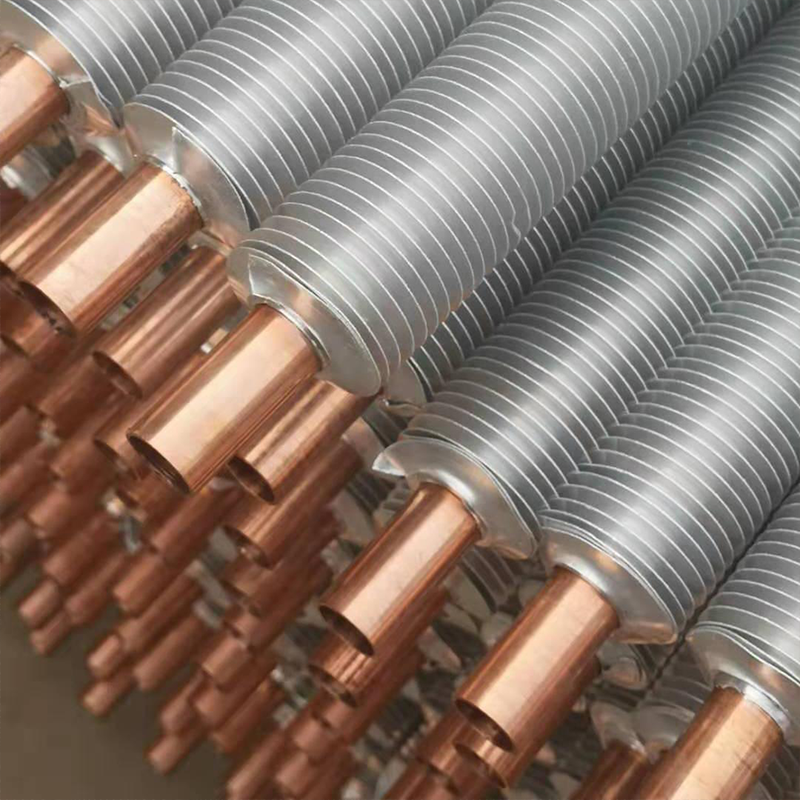
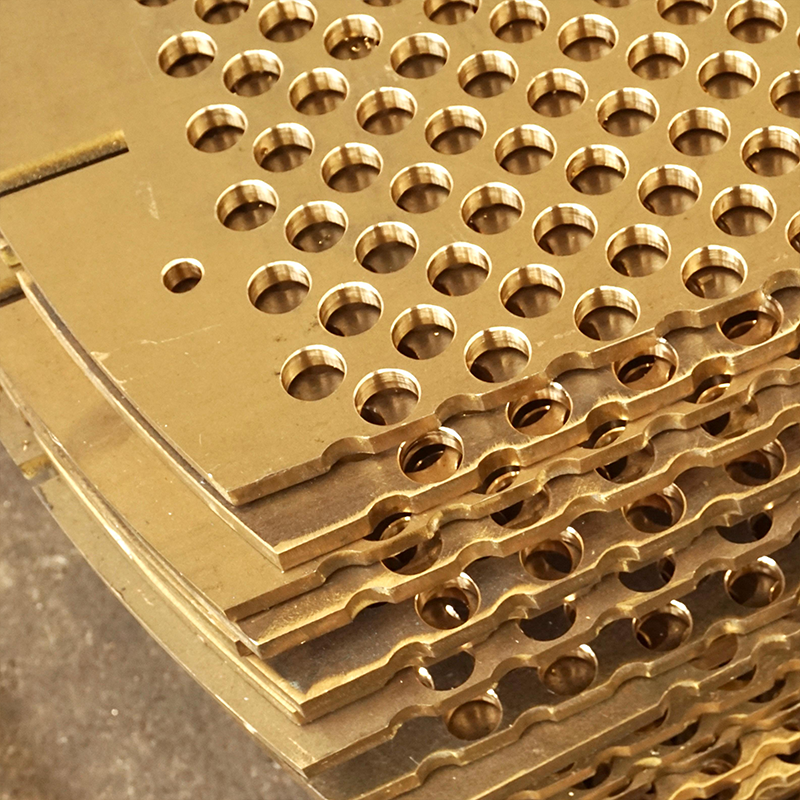
In this context, it is worth mentioning the company's experienceWuxi Kaisheng Electric Power and Petrochemical Equipment Co., Ltd.. Specializing in the design and manufacture of complex heat transfer and petrochemical equipment, the company demonstrates the same level of attention to detail that we recommend when accepting any container. Wuxi Kaisheng products, including titanium shell-and-tube heat exchangers, ASME high-pressure units and corrugated tube bundles made of special alloys (316 stainless steel, C46400 marine brass, copper-nickel alloys, N06625 nickel), undergo strict quality control. As with polypropylene, where every millimeter of seam counts, PED and ASME certification, corrosion resistance, and the ability to withstand high temperatures and pressures are critical.
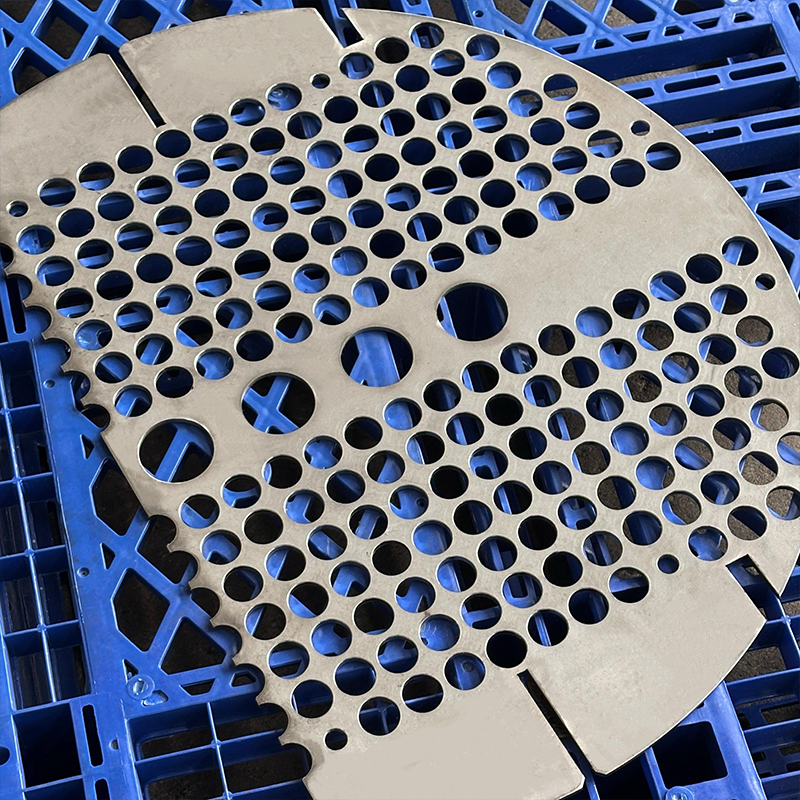
From air coolers and waste heat boilers to complex tube sheets, Wuxi Kaisheng's approach to manufacturing affirms that equipment stability in refining, chemicals and shipbuilding can only be achieved through customized engineering solutions and uncompromising control at every stage. This example serves as a reminder: when choosing a supplier of any equipment, look for partners whose quality is confirmed by international standards and many years of experience in the harshest conditions.
Frequently Asked Questions
What is the warranty period for a polypropylene tank?
The standard warranty period for high-quality polypropylene containers ranges from 12 to 24 months. However, the warranty only covers defects in material and welding discovered during normal use. If the tank was used at temperatures higher than stated or with aggressive media not specified in the passport, the warranty is void. The contract must include a list of warranty cases and the procedure for eliminating them. We recommend looking for suppliers who are willing to provide a guarantee of at least 1 year on the tightness of the seams.
Is it possible to repair a polypropylene tank on your own?
Minor damage (scratches, small cracks up to 5 mm) can be repaired using a special repair kit for polypropylene and a heat gun with a welding attachment. However, for serious damage, especially on load-bearing walls or the bottom, professional extrusion welding using edge preparation technology is required. Self-repair of large damage without qualifications often leads to repeated destruction in the same place due to residual stresses. For warranty cases, any repairs must be carried out only by certified specialists of the manufacturer.
How does ultraviolet radiation affect the service life of the tank?
Polypropylene without stabilizers is subject to photodestruction under the influence of UV rays. Over time, the surface becomes brittle and begins to crumble. For outdoor installation, it is necessary to use sheets with the addition of carbon black (black color) or special UV stabilizers, or to provide a protective casing/canopy. If you are planning an outdoor installation, make sure the material is specified as "UV stabilized" or "for outdoor use." Regular gray or white PP degrades 3-4 times faster in the sun.
What to do if a defect is detected upon acceptance?
If any discrepancy is detected (geometry, seams, thickness), immediately draw up a defective statement (Report of Identified Deficiencies) in two copies. Take photographs of all defects with reference to a scale ruler. Do not sign the acceptance certificate until the deficiencies are eliminated. If the supplier offers to “grease” the seam with sealant, refuse; this is a temporary measure that does not solve the strength problem. Request that the unit be re-welded or the product replaced in accordance with the terms of the contract.
Conclusion: Your safety depends on the thoroughness of the inspection
Accepting a polypropylene tank is a process where the devil is in the details. Saving time at the inspection stage can result in multiple costs for cleaning up the consequences of chemical spills, stopping production and environmental fines. Using this checklist, you move from the position of a passive observer to the position of an expert customer, able to control quality at every stage. Remember that a good supplier is never afraid of a detailed inspection, but, on the contrary, welcomes it as confirmation of his professionalism.
Don't let your equipment become a source of problems. A thorough check of documentation, geometry, welds and hydraulic testing is the minimum required set of actions to ensure the reliability of your production. If you have any doubts about the quality of the equipment received or need advice from independent experts on choosing tank parameters for specific tasks,contact us today. Our specialists will help you audit your situation and offer solutions that have been proven over years of operation in the harshest industrial conditions.
For additional information about the quality standards of polymer materials and the operating features of chemical equipment, we recommend that you familiarize yourself with oura complete guide to choosing polypropylene containers. The right choice and competent acceptance are the key to the smooth operation of your enterprise for decades to come.