
Use of solar panels in PP factories”
2026-08-28
- Why PP plants are switching to solar generation: real payback calculation
- Specifics of energy consumption of enterprises in the polypropylene industry
- Technical requirements for equipment for severe industrial conditions
- Economic model and calculation of return on investment (ROI)
- Step-by-step plan for implementing a solar power plant at a factory
- Common mistakes and how to avoid them
- Impact on environmental rating and export potential
- Frequently Asked Questions
- Conclusion and next steps
Why PP plants are switching to solar generation: real payback calculation
The use of solar panels in PP factories has ceased to be an experiment and has become a prerequisite for the competitiveness of polypropylene production. In 2026, electricity tariffs for industrial consumers in key regions increased by 18-22%, making the cost per kilowatt-hour a critical factor in the cost of the final product. We are seeing large holdings reduce their dependence on central grids by installing arrays of photovoltaic modules directly on the roofs of extrusion and granulation shops. This is not just a tribute to the environment, but a strict economic necessity: every megawatt of in-house generation reduces operating costs by 35-40% during peak operating hours of the equipment.
Our experience shows that a standard polypropylene production plant consumes enormous amounts of energy around the clock. Extruder lines, cooling systems, compressors and ventilation units operate without stopping. The traditional scheme of purchasing energy from the grid leaves the enterprise vulnerable to price surges and emergency outages. The introduction of hybrid systems based on mono- or polycrystalline silicon panels makes it possible to mitigate these risks. However, the success of the project does not depend on the number of installed panels, but on proper integration into the existing plant infrastructure.
In this article we will look at technical nuances that are often missed when planning. You will learn why the Ground Coverage Ratio for PP plants differs from warehouse complexes, how thermal radiation from extruders affects the efficiency of inverters, and what errors lead to a loss of 15-20% of potential output. We rely on data from real implementations, and not on theoretical models from equipment manufacturers.
Specifics of energy consumption of enterprises in the polypropylene industry
Polypropylene (PP) production is characterized by a high base load level. Unlike seasonal production, granulation and molding lines operate 24/7, creating a stable consumption profile. The main energy costs are for heating raw materials in extruders to temperatures of 200-240°C and subsequent intensive cooling of the granules. This is where the main opportunity for solar energy lies: the peak production of photovoltaic plants coincides with the daily maximum consumption of the chiller and ventilation system.
In our practice, there was a case when a client installed a powerful solar power plant, but did not take into account the harmonics created by the frequency converters of the extruders. The result was false triggering of inverter protections and a loss of up to 12% of generation on sunny days. This cost the customer a lot: a line downtime for 4 hours resulted in 3 tons of raw materials being rejected. Therefore, the first step is not the purchase of panels, but an in-depth audit of power quality and load analysis.
PP plants have a unique roof architecture. Often these are large spans of “northern light” type hangars or flat concrete floors with many ventilation shafts and pipelines. Placing solar panels requires careful shading. Even a small shadow from an air duct on one module cell can damage an entire string (chain of panels) if power optimizers are not installed. We recommend using MLPE (Module Level Power Electronics) technology for such facilities, despite the increase in initial investment by 8-10%. Payback comes faster due to maintaining production in difficult conditions.
Thermal conditions also play a role. PP plants generate enormous amounts of heat. In summer, the temperature on the roof can reach 60-70°C. Standard panels lose about 0.35-0.4% power for every degree above 25°C. For industrial facilities, we insist on using modules with a low temperature coefficient (no worse than -0.29%/°C) and ensuring a gap between the panel and the roof of at least 15 cm for natural convection. Ignoring this rule leads to the fact that the actual production in the summer will be 15% lower than the design one.
Recommendation:Before starting design, order a thermographic inspection of the roof in the summer to identify overheating zones and choose the right type of fastening.
Technical requirements for equipment for severe industrial conditions
Choosing equipment for a PP plant is a choice between reliability and price. Cheap household solutions don't work here. The industrial environment is aggressive: polypropylene microdust, vibrations from operating equipment, and temperature changes are possible. Panels must meet enhanced mechanical load standards. We require from suppliers certificates confirming resistance to hail with a diameter of up to 35 mm and snow loads up to 5400 Pa.
The key parameter when choosing panels is power degradation. For long-term power supply contracts (PPAs) or self-use, it is critical that the panel delivers at least 84-85% of its nominal value after 25 years. TOPCon and HJT technologies perform better in low light and high temperature conditions compared to traditional PERC elements. In one of our projects, replacing planned PERC modules with TOPCon increased annual output by 4.2%, which at the scale of the plant is equivalent to running an additional extruder in one shift.
Inverters are the heart of the system. For PP plants, we strongly do not recommend using string inverter strings without redundancy. The failure of one device should not stop half the workshop. Central inverters ranging from 250 kW to 2.5 MW are preferred for large flat roofs. They are easier to maintain and have higher part load efficiency. It is important to have IP65 or IP66 protection, since PP dust has dielectric properties and can accumulate on the contacts, causing breakdown.
The monitoring system must be integrated into the plant SCADA. Shop operators must see not only the current generation, but also the generation forecast for the coming hours in order to adjust the loading schedule of energy-intensive equipment. We implement solutions with APIs that transmit data directly to the control room. This allows you to automatically switch loads to the network when production drops due to cloud cover, avoiding voltage sags.
Equipment certification is required. To operate in the Russian Federation and the EAEU countries, all components must have a declaration of conformity with TR CU 004/2011 (on the safety of low-voltage equipment) and TR CU 020/2011 (electromagnetic compatibility). Failure to carry the EAC mark makes operation illegal and will void insurance claims in the event of a fire. In addition, many banks require ISO 9001 certificates from the panel manufacturer to approve an investment loan.
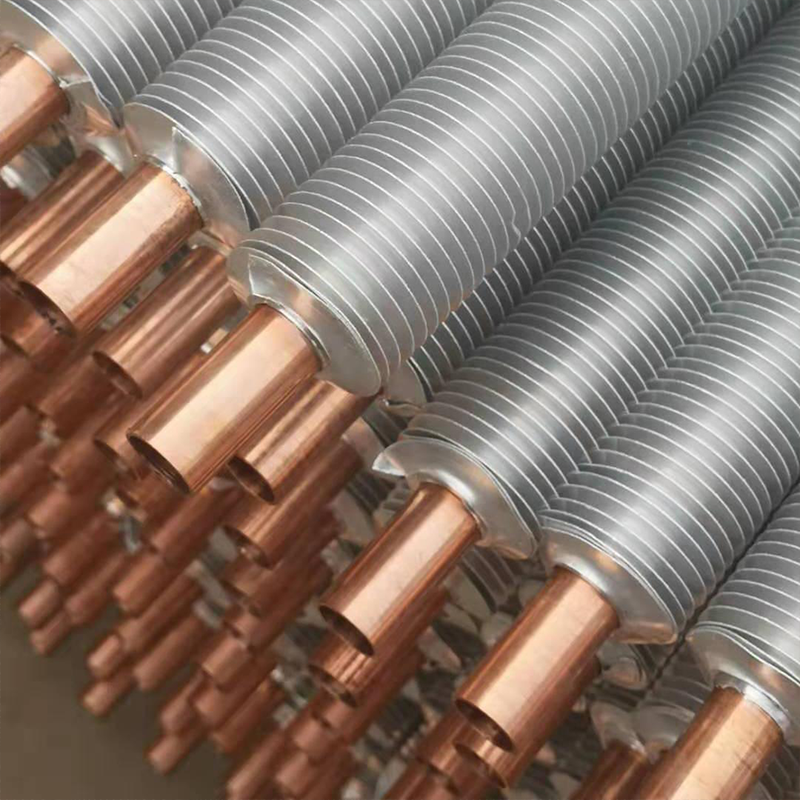
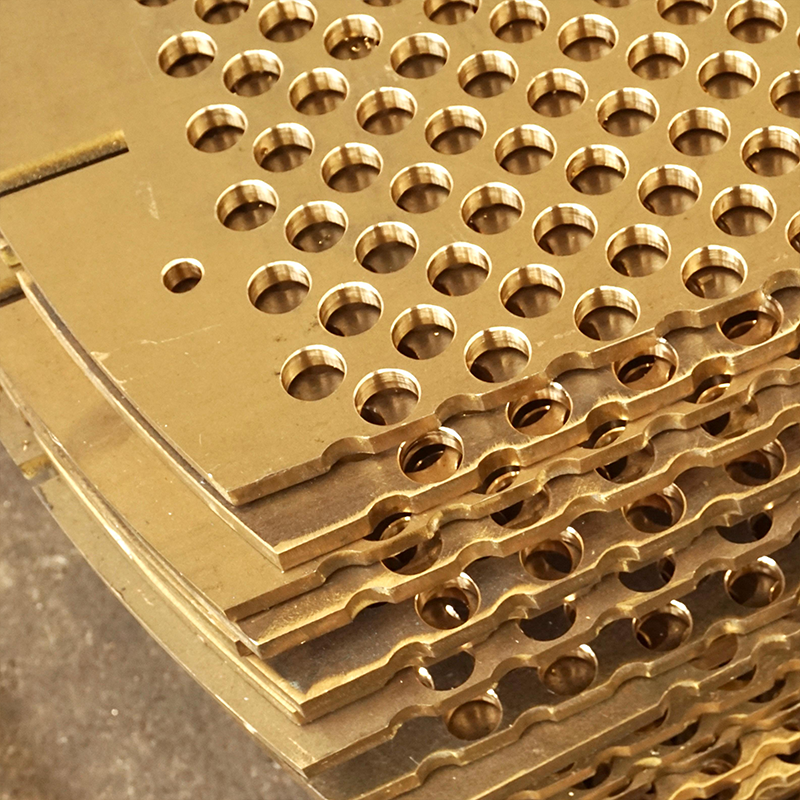
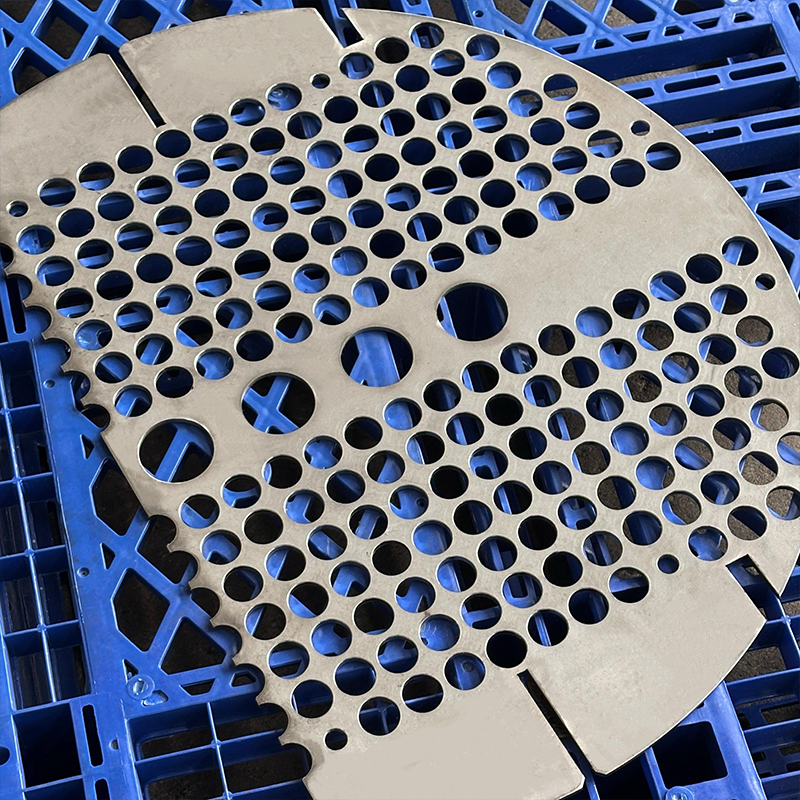
An integrated approach to equipping an industrial facility is impossible without taking into account the specifics of the entire technological chain. For example, a companyWuxi Kaisheng Electric Power and Petrochemical Equipment Co., Ltd.demonstrates the importance of combining advanced engineering and materials science. Specializing in the development of heat transfer and power equipment for the petrochemical industry, they produce high-efficiency systems such as titanium shell-and-tube heat exchangers and air coolers made from N06625 or C70600 alloys. Their experience building equipment that is ASME and PED certified and withstands extreme pressures and temperatures underscores an overall industry trend: the reliability of a PP plant depends on the quality of each component - be it solar panel, inverter or heat exchanger. The use of highly corrosion-resistant materials and proven engineering solutions, similar to those used by Wuxi Kaisheng in its shipbuilding and desalination products, is becoming the standard for modern energy-efficient industries.
Action:Request a product passport from the supplier and check for a valid EAC certificate in the RosAccreditation register before signing the specification.
Economic model and calculation of return on investment (ROI)
Investments in solar energy for a PP plant pay off faster than in other industries due to the high installed capacity utilization factor (IUR). If for residential real estate the capacity factor is 10-12%, then for an industrial facility with daily consumption this figure reaches 16-18%. This means that each installed kilowatt operates at full capacity for more hours per year.
Let's look at a specific example. The 5 MW polypropylene plant consumes about 45 million kWh per year. The installation of a 3 MW solar station on the roof of the workshops covers approximately 25-30% of daily consumption. The cost of a turnkey project in 2026 ranges from $0.65 to $0.75 per Watt, depending on the complexity of installation and logistics. The total investment will be approximately $2.1 million.
With an average industrial electricity tariff of $0.085 per kWh (taking into account growth), annual savings will be about $380,000 - $420,000. The simple payback period is 5-5.5 years. Considering the service life of the equipment is 25-30 years, the net profit over the life cycle of the project exceeds $8-9 million. This is a profitability that is not available to most financial instruments.
However, there are hidden factors. Building depreciation and tax breaks can make a big difference. Some regions have accelerated depreciation programs for energy-efficient equipment, which allows you to write off up to 30% of the cost in the first year. It is also important to consider the cost of maintenance. We include in the model 1.5% of capital costs annually for cleaning panels, replacing inverters (after 12-15 years) and repairing cables.
The risk of tariff increases is the main driver of ROI. If the tariff increases by 10% per year, which corresponds to historical data, the payback period will be reduced to 4 years. On the contrary, freezing tariffs by the government lengthens the period for refunds. Therefore, when making calculations, we always use a conservative tariff growth scenario of no more than 5-6%.
| Parameter | Traditional supply | Hybrid system (Grid + Solar) | Effect |
|---|---|---|---|
| Cost kWh (average) | $0.085 (growing) | $0.055 (fixed for 25 years) | 35% reduction |
| Dependence on network failures | High (production downtime) | Low (operation in island mode) | Maintaining production output |
| Product carbon footprint | High | Reduced by 25-30% | Competitive advantage for export |
| CAPEX (Capital Expenditure) | Connecting new capacities (expensive) | High initial investment | Payback 5-6 years |
Conclusion:The financial model confirms the feasibility of switching to solar energy even without government subsidies, solely due to the difference in tariffs.
Step-by-step plan for implementing a solar power plant at a factory
Successful implementation of a project requires a strict sequence of actions. An attempt to save money at the design stage inevitably leads to cost overruns at the operation stage. Below is the algorithm we use for all industrial clients.
- Audit of energy consumption and load-bearing capacity of the roof.
The first stage is data collection. It is necessary to download hourly consumption charts for the last year from the accounting system. At the same time, a structural analysis of the roof is carried out. Often old PP factories have a roof that is not designed for the additional load of 20-25 kg/m². In this case, reinforcement of structures or the use of lightweight flexible panels is required, although their efficiency is lower. We never start a project without the opinion of an independent construction expert.
- Technical design and modeling.
Based on audit data, engineers create a digital twin of the station in software (for example, PVsyst). Various scenarios of panel orientation, tilt angles and inverter types are simulated. Particular attention is paid to shadow analysis. The result is a technical specification (TOR) with an exact list of equipment, a single-line electrical diagram and a monthly production forecast. A mistake at this stage is costly: the wrong choice of cable cross-section will lead to voltage losses and heating.
- Coordination and obtaining permits.
Connecting a generating facility to the plant’s internal network and external network requires approval from the grid company and energy sales. It is necessary to obtain technical conditions (TS) for connection. For industrial facilities, it is important to correctly configure the protection and automation relays (ARPT, AFR), so that in case of network failures, the station does not continue to power the area under repair (protection against unplanned island mode, if this is not provided).
- Equipment procurement and logistics.
The supplier is selected based on the results of a tender. Criteria: price, delivery time, availability of service in the region. The equipment is delivered to the site in compliance with the rules for transporting fragile goods. Panels should be stored in an upright position, protected from moisture. Violation of storage conditions leads to the appearance of microcracks in the elements, which will appear only after a year of operation.
- Installation and commissioning works (PNR).
Installation is carried out by certified teams. The key point is the crimp quality of the MC4 connectors. Poor contact is the cause of 90% of fires in solar power plants. After physical installation, a complex of commissioning is carried out: checking insulation resistance, testing protection, calibrating sensors. Only after signing the commissioning certificate is the system connected to the network.
Warning:Never allow electricians without experience in working with high voltage direct current (up to 1000V DC) to carry out installation. Mistakes here are fatal.
Common mistakes and how to avoid them
The experience of hundreds of completed projects has revealed a number of typical mistakes that customers make when trying to optimize their budget. Avoiding them is easier than correcting the consequences.
Mistake #1: Saving on the fastening system.
Many people choose the cheapest aluminum profiles and galvanized bolts. In a PP plant, the atmosphere may contain chemically active substances. Cheap fasteners corrode within 3-4 years, which leads to weakening of the structure and the risk of panels collapsing during storm winds. We use anodized aluminum or A4 (316L) stainless steel fasteners. The price difference is 15%, but the service life is three times longer.
Mistake #2: Ignoring cleaning panels.
Polypropylene dust, settling on the glass of the panels, creates a dense film that is not washed off by regular rain. Over six months, a layer of dust can reduce production by 20-25%. Many people forget to budget for an automatic cleaning system or cleaning services. For PP plants, regular cleaning with distilled water and special brushes is required to avoid scratching the anti-reflective coating.
Mistake #3: Wrong choice of connection point.
Connecting a powerful station to a weak point in the plant’s internal network causes phase imbalance and voltage surges, which are detrimental to the sensitive electronics of extruders. The entry point must be designed for two-way power flows. Often the installation of additional transformers or reconstruction of the distribution board is required.
We have seen a case where the granulation line was frequently disconnected due to incorrect inverter settings. The manufacturer was losing tens of thousands of dollars a month. The problem was solved by changing the protection settings, but the contractor's reputation was damaged. Therefore, supervision by the designer at the launch stage is important.
Impact on environmental rating and export potential
The global market is moving towards green products. Large international customers of polypropylene (automotive industry, packaging, medicine) are increasingly demanding the provision of product passports indicating the carbon footprint (Carbon Footprint). The use of solar energy can significantly reduce this figure.
Certification to ISO 14064 standards or obtaining eco-labels opens up access to premium market segments and helps justify a higher price per ton of pellets. For exports to the European Union, where the CBAM (cross-border carbon regulation) mechanism operates, the presence of own renewable energy generation will be a critical factor in avoiding carbon duties.
The use of solar panels in PP factories is not only a way to save on electricity today, but also a strategic investment in the company's future. This is a signal to the market about manufacturability and responsibility of the manufacturer. Investors and banks are more willing to lend to green businesses by offering lower loan rates (ESG financing).
In addition, local generation increases the energy independence of the region. In conditions of instability of central energy supply, factories with their own solar power plants continue to operate, providing employment and fulfilling contracts. This is a weighty argument in dialogue with government agencies.
Frequently Asked Questions
How much roof space is needed to install 1 MW of solar panels?
To install 1 MW of power on the flat roof of an industrial building, approximately 10,000 – 12,000 m² of usable area is required. This figure includes the panels themselves, service aisles and shading areas between rows needed to prevent shadows from one row to another during the winter. If the roof has a complex shape or is filled with equipment, the space requirement can increase to 14,000 m². An accurate calculation is only possible after 3D scanning of the object.
Does the station work in winter in northern latitudes?
Yes, it works, but with less efficiency. In winter, daylight hours are shorter and the sun is lower above the horizon, which reduces production to 30-40% of summer levels. However, cold weather is favorable for photovoltaic cells: their efficiency increases as the temperature drops. Snow on the panels really stops generation, but on inclined surfaces (even 10-15 degrees) it often slides off on its own. For PP plants, we recommend providing a heating system or remote tilt control for critical applications, although this will increase the cost of the design.
What if the plant consumes more than the sun produces?
This is the standard operating mode of the hybrid system. The solar station operates in parallel with the central grid. When solar production is insufficient (night, cloudy, peak consumption), the missing power is automatically obtained from the grid. The consumer does not notice this, the voltage remains stable. Balancing occurs instantly thanks to inverters. You don't need batteries to cover the entire load, the network is enough as a buffer. Batteries only make sense to back up critical nodes when the external network is completely disconnected.
How long do solar panels last in production?
Modern high-quality panels have a power guarantee of 25-30 years. This means that after 25 years they will produce at least 80-85% of the original power. The actual service life can reach 35-40 years, but the efficiency gradually decreases. Inverters last less - usually 10-15 years, after which they require replacement of control units or complete replacement of the device. With proper maintenance and no physical damage (hail, falling objects), the system remains an active plant asset for decades.
Do I need to obtain a license to produce electricity?
In most jurisdictions, a license is not required to generate your own needs (without selling surplus to the public grid under a feed-in tariff) unless the power exceeds certain limits (often up to 25 MW). However, it is necessary to notify the network company and conclude an agreement for technological connection. If you plan to sell excess energy to neighboring businesses or to the grid, then you will need wholesale market status and a license. For internal consumption, the procedure is simplified as much as possible.
Conclusion and next steps
The use of solar panels in PP factories has proven its economic and technological effectiveness. This is a tool for reducing costs, increasing reliability and improving the company's image. The technology market has reached maturity: equipment has become reliable and prices are predictable. Postponing the transition to renewable energy sources means voluntarily giving up a competitive advantage in the form of cheaper energy.
Every day of delay is lost profit. While you are reading this article, your competitors are already installing new sections on their roofs. Don't let tariffs eat into your margins. Start small: order a preliminary calculation of your roof's potential. It's free and doesn't obligate you to anything, but it will give you a clear understanding of the numbers.
We are ready to conduct a full audit of your enterprise, develop an individual power supply scheme and take on all stages of implementation - from design to service. Our team has experience working specifically with the polymer industry and understands the specifics of your processes.
Find out more about solutions for polypropylene plants
Contact us today to receive a quote and ROI calculation for your property. Let the sun work for your business.