
Collection of rainwater for technical needs of the plant”
2026-08-28
- Collecting rainwater for the technical needs of the plant: why is it profitable today?
- Technical requirements and regulatory framework for industrial catchment
- Calculation of the volume of storage tanks and selection of equipment
- Comparison of cleaning technologies: what to choose for your production
- Integration into existing plant engineering networks
- Economic justification and calculation of return on investment (ROI)
- Typical errors during installation and operation of systems
- The role of reliable equipment in energy efficiency of production
- Frequently Asked Questions
- Conclusion and next steps
Collecting rainwater for the technical needs of the plant: why is it profitable today?
Rainwater collection systems for the technical needs of the plant can reduce tap water consumption by 40–60% and reduce the operating costs of the enterprise. In our practice of implementing such solutions at industrial facilities in regions with a temperate climate, we have recorded a return on projects in the range of 18 to 24 months, which is much faster than the standard return on investment in engineering equipment. The key point here is not just the installation of tanks, but a competent calculation of the volume of water collection for a specific roof area and a realistic schedule for the consumption of process water by workshops.
Many production managers mistakenly believe that storm water requires complex treatment, comparable to drinking water. This fundamental misconception is hindering the development of environmental initiatives. For watering areas, flushing toilets, washing truck wheels, or supplying cooling towers for cooling systems, mechanical filtration and simple disinfection are sufficient. We have seen cases where factories overpaid for reverse osmosis systems where sand filters would have sufficed, wasting up to 35% of the project budget.
In the context of rising tariffs for utilities and tightening environmental standards in 2025-2026, collecting rainwater for the technical needs of the plant is becoming not just a “green” initiative, but a strict economic necessity. This article is based on real-life experience in the installation and operation of more than 15 industrial catchment systems. We will analyze the technical nuances, typical design errors and give clear recommendations on the choice of equipment so that you can make an informed decision without extra costs.
Technical requirements and regulatory framework for industrial catchment
System design begins not with the selection of a tank, but with the analysis of regulatory documents. In the Russian Federation and the EAEU countries, the main regulatory document is SP 30.13330.2020 “Internal water supply and sewerage of buildings”, as well as SanPiN 2.1.3684-21, which regulates water quality requirements for various household needs. Ignoring these standards at the preliminary design stage leads to the impossibility of handing over the object to supervisory authorities. For example, process water must often have a different hardness class than sanitary water.
One of our clients encountered a serious issue during a safety audit: they were using harvested rainwater for locker room showers without installing second-stage UV sterilizers. The result was the detection of increased levels of Legionella in the samples, which resulted in a fine and a requirement for a complete rework of the water treatment unit. This case clearly demonstrates: savings at the design stage result in multiple losses during operation. Always check the intended purpose of the water with current sanitary regulations before purchasing equipment.
An important aspect is equipment certification. All tanks, pumping stations and filters used in the system must have an EAC (Eurasian Conformity) certificate of conformity. The absence of the EAC marking on the body of the storage tank may be grounds for refusal to accept the system by a fire inspector or environmentalist. In addition, if the plant operates according to international standards ISO 14001, the availability of equipment documentation in Russian and English is mandatory for passing the annual audit.
When calculating hydraulic parameters, it is necessary to take into account the runoff coefficient for different types of roofing. For a metal seam roof it is 0.95, for bitumen shingles - about 0.85, and for green roofs - no more than 0.3. These numbers directly affect the diameter of the drainpipes and the performance of the pumps. An error in calculations of just 10% can lead to overflow of the system during a rainstorm and flooding of the adjacent territory of the plant. We recommend using specialized software for hydraulic modeling rather than relying on average table values.
Calculation of the volume of storage tanks and selection of equipment
The main mistake in design is choosing the tank volume “by eye”. The correct calculation is based on the balance between the volume of precipitation and the consumption schedule. The formula is simple: V = A × R × C × K, where A is the catchment area, R is the precipitation intensity (mm), C is the runoff coefficient, K is the loss coefficient (usually 0.8-0.9). However, in reality everything is more complicated: seasonality must be taken into account. In winter, in most regions of Russia, water collection is impossible due to snow, so the system must be designed to cover needs during the dry summer period using reserves accumulated in spring and autumn.
We recommend using modular tanks made from high-density polyethylene (HDPE) or fiberglass. They are resistant to corrosion, do not require internal anti-corrosion treatment and have a service life of up to 50 years. For large factories, the optimal solution is underground modular tanks that do not occupy the usable area of the site. In one of the projects for an automobile plant, we placed a 200 m³ system under a parking lot, which allowed us to preserve the landscape and avoid heating the water in the summer, since the soil maintains a stable temperature.
Pumping equipment must be selected taking into account the required pressure and flow. For industrial water supply systems, multistage centrifugal pumps with a frequency converter are most often used. The frequency generator allows you to maintain constant pressure in the network regardless of the number of open water points, which is critical for the stable operation of washing stations or cooling systems. It is important to provide for automatic switching to the city network when the water level in the tank drops below the minimum level in order to avoid the pump running dry.
Filtration is a key stage in water preparation. The basic kit includes a self-cleaning 100-130 micron disc filter to remove sand and leaves. If water is used for sensitive equipment (for example, heat exchangers), an additional cartridge filtration stage of up to 20-50 microns is required. In cases where water is required for sanitary needs, the installation of a UV disinfection unit is mandatory. Remember: ultraviolet light kills bacteria, but does not remove mechanical impurities, so the order of elements in the chain (mechanics → UV) cannot be disturbed.
Comparison of cleaning technologies: what to choose for your production
The choice of treatment technology depends on the end point of water use. Below is a comparison of the main methods used in industrial rainwater harvesting systems.
| Comparison criterion | Mechanical filtration + Sludge | UV disinfection | Membrane purification (Reverse osmosis) |
|---|---|---|---|
| Implementation cost | Low. All you need is a filter and a container. | Average. Lamps and control unit required. | High. Expensive equipment and high pressure pumps. |
| Operating costs | Minimal (replace cartridges 1-2 times a year). | Medium (replacement of lamps every 9-12 months, electricity). | High (replacement of membranes, chemical reagents, a lot of energy). |
| Outlet water quality | Removal of suspended solids. Suitable for watering and flushing. | Bacteriological safety. Suitable for showers and laundries. | Distilled purity. For high-tech processes. |
| Difficulty of maintenance | Low. Can be performed by a full-time plumber. | Average. Radiation intensity control is required. | High. We need a qualified chemical technologist. |
| Recommended Application | Watering green areas, washing equipment, fire tanks. | Bathrooms, showers, canteens, personal hygiene areas. | Laboratories, high pressure boiler rooms, microelectronics. |
For most industrial plant tasks, a combination of mechanical filtration and UV disinfection is the “golden mean”. It ensures safety for personnel when used in bathrooms and sufficient cleanliness for technical processes. The use of reverse osmosis is justified only in specific cases, for example, for powering steam generators, where the absence of hardness salts is critical. In other cases, this is an excessive measure, which increases the cost of a cubic meter of water by 3-4 times.
It is important to note the maintenance feature of UV blocks. Lamps lose their effectiveness gradually, and this is visually imperceptible. We strongly recommend installing UV radiation intensity sensors with signal output to the plant control panel. In our practice, there was a case when a lamp burned out in a food production facility, but the system continued to work, supplying non-disinfected water to the container washing shop. This was discovered only during a routine bacteriological analysis, which jeopardized the entire batch of products.
Integration into existing plant engineering networks
Connecting a rainwater harvesting system to existing infrastructure requires careful planning of the pipework. The main rule: process water pipelines must be painted in a color different from drinking water (standard - purple or green) and clearly marked “Not for drinking” every 2-3 meters. This is a requirement of GOST and labor safety rules, violation of which can lead to accidents. Cross connections between drinking and technical water supply networks are strictly prohibited without installing air flow breaks.
Process automation plays a critical role in system efficiency. A modern controller must monitor the water level in the storage tank, the weather forecast (for early release of water before heavy rainfall) and the priority of sources. The operating algorithm is usually as follows: if there is water in the tank, the pump pumps from it; when the level drops below 20%, the make-up valve from the city network automatically opens. More advanced systems analyze the rainfall forecast: if rainfall is expected, the system discharges part of the water into the storm drain in advance, making room for new runoff.
Winter operation in cold climates requires special solutions. Underground tanks rarely freeze, but surface equipment (pumps, filters, the first meters of pipes) needs heating or insulation. We use self-regulating heating cables with thermostats that only turn on at temperatures around 0°C. It is also important to provide for the possibility of completely draining the system for conservation if the plant is shut down for the winter. Stagnant water in pipes in winter is a guarantee that connections will break at the first frost.
When integrating with fire extinguishing systems, approval from the Ministry of Emergency Situations is required. Rainwater can be used to fill fire tanks, but only if there is constant replenishment and quality control to avoid silting of sprinkler heads. It is often more cost-effective to use collected water to compensate for evaporation from a fire reservoir than to try to replace the entire fire suppression system with it. This simplifies coordination and reduces risks.
Economic justification and calculation of return on investment (ROI)
Investment in a rainwater harvesting system pays off through lower water and wastewater bills. Water tariffs for industrial enterprises are increasing annually, and this trend will continue in 2025-2026. The calculation is simple: if a plant consumes 1000 m³ of process water per month, and the tariff is 50 rubles per m³ (including wastewater disposal), then the monthly savings when replacing 60% of the volume will be 30,000 rubles. This is 360,000 rubles per year. With a system cost of 1.5 million rubles, the payback period will be about 4 years. However, when taking into account grants for environmental projects or increasing tariffs, the period is reduced to 2-2.5 years.
In addition to direct savings, there are hidden benefits. Reducing the load on storm drains reduces the risk of fines for excess discharge during rainstorms. Many regions are introducing charges for the load on municipal wastewater treatment plants, and reducing the volume of runoff from the plant site directly reduces these charges. Also, using your own water protects the enterprise from rolling water supply cuts or restrictions during dry periods, ensuring continuity of the production cycle.
It is important to consider maintenance costs. Filters, lamps, electricity for pumps are consumables. On average, operating costs are 5-10% of the amount saved. Even taking these costs into account, the project remains profitable. We recommend budgeting for annual maintenance by a specialized organization. An attempt to save on service often leads to the failure of expensive equipment, which cancels out all savings.
To obtain an accurate payback calculation, it is necessary to conduct an audit of current water consumption. Record the readings of process water meters for the last year, break them down by workshop and purpose. This will make it possible to understand what percentage of consumption can actually be replaced by rainwater. It often turns out that the main consumers are located in areas where it is difficult to extend pipes from the storage tank, which changes the economics of the project. A realistic approach is more important than optimistic forecasts.
Typical errors during installation and operation of systems
The first and most common mistake is incorrect installation of the first cleaning filters. They are often installed vertically or in inaccessible places. Disc filters require horizontal mounting for the self-cleaning mechanism to function properly. If the filter is standing vertically, dirt settles unevenly and washing becomes ineffective. As a result, the filter becomes clogged within a couple of weeks, the pressure drops, and the staff simply bypasses it, letting dirty water into the tank. Access to the filter must be free for regular visual inspection.
The second mistake is the lack of protection against algal blooms. Transparent or translucent tanks in the sun quickly become overgrown with algae. This not only spoils the appearance, but also clogs filters and nozzles. Use only opaque containers (black, blue, green) or install containers indoors/underground. If the tank is already installed and allows light to pass through, it must be painted with special opaque paint or a casing must be built. In our practice, there was a case when algae completely blocked the pumping station two months after launch, because the customer chose a cheap translucent tank.
The third problem is ignoring the first portion of the runoff. The first 10-15 minutes of rain wash away most of the dirt, bird droppings and dust from the roof. If this water is put into the tank, it will ruin the entire volume. Be sure to use diverters. They work automatically: they direct the first flow into the sewer, and clean water into the tank. Without this element, the quality of water in the tank will be low, and the load on the filters will be extreme.
The fourth mistake is the lack of an emergency overflow of sufficient diameter. During heavy rainfall, the influx of water can exceed the capacity of pumps and filters. If the overflow pipe is too narrow, water will flow over the edge of the tank, flooding the room or foundation. The diameter of the overflow should be no less than the diameter of the supply line, or better yet, one size larger. Check this parameter in the project before installation.
The role of reliable equipment in energy efficiency of production
Successful implementation of water collection and energy saving projects is impossible without high-quality heat exchange and technological equipment. This is where the company comes into the pictureWuxi Kaisheng Electric Power and Petrochemical Equipment Co., Ltd.. Specializing in the development and production of high-tech solutions, the company supplies critical components for modern industrial systems, including oil refining, petrochemicals and energy-saving complexes.
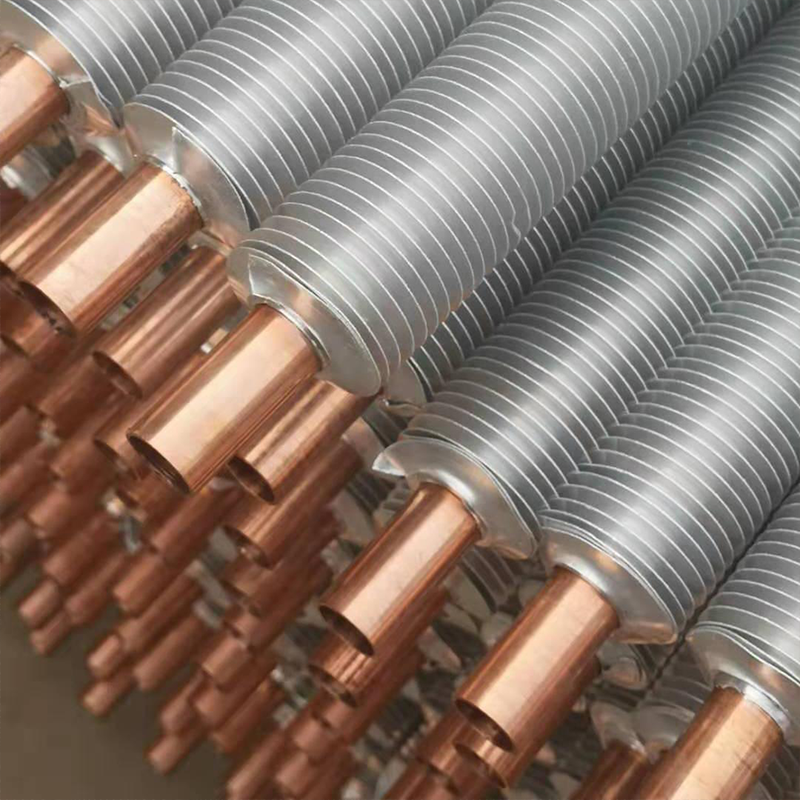
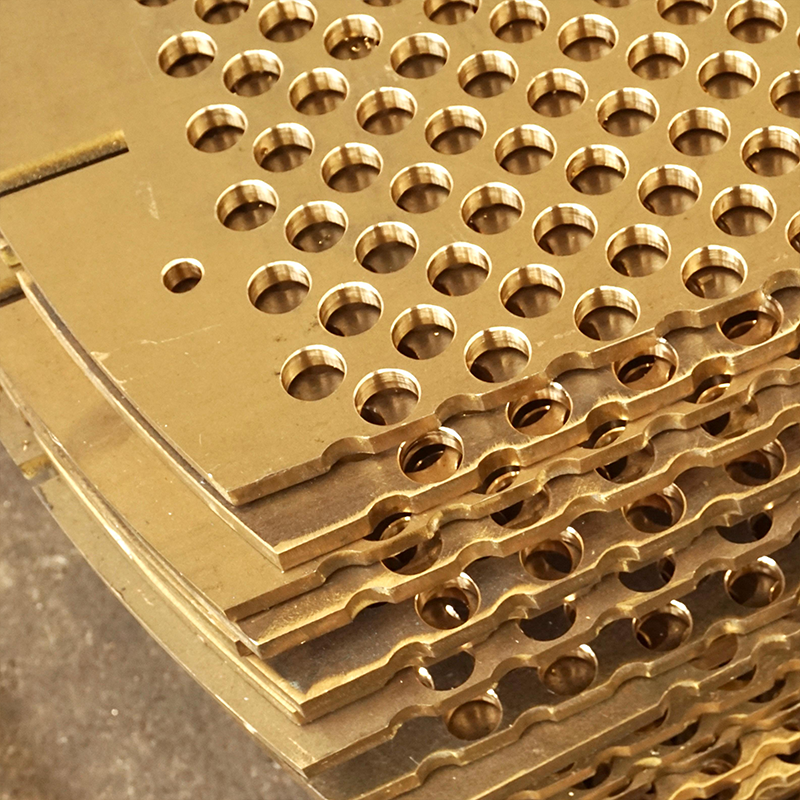
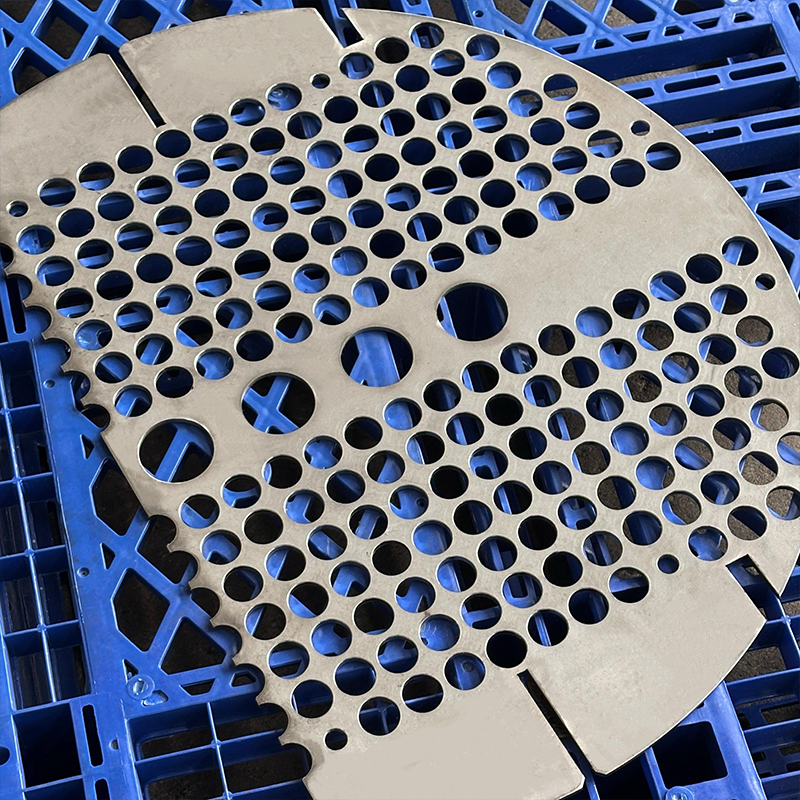
Wuxi Kaisheng Co., Ltd.'s products include titanium shell-and-tube heat exchangers, ASME standard high-pressure units, 316 stainless steel corrugated tube bundles, C46400 marine brass, copper-nickel alloys and N06625 nickel alloys. The range also includes air coolers, waste heat boilers and tube sheets made from various corrosion-resistant materials. Products are certified to strict international PED and ASME standards, which guarantees their resistance to high pressures, temperatures and aggressive environments.
For enterprises implementing rainwater harvesting systems and modernizing utility networks, the reliability of heat exchange equipment is the foundation of energy efficiency. The use of components made of carbon, stainless, alloy steel, as well as titanium and copper alloys allows you to create durable systems with maximum heat transfer. The company provides customized solutions for customers around the world, ensuring stable operation of production cycles in the most challenging environments, from seawater desalination to shipbuilding.
Frequently Asked Questions
Can rainwater be used for drinking in a factory?
No, it is absolutely not recommended. Rainwater collection systems for the technical needs of the plant are not intended for the production of drinking water. Even with multi-stage cleaning, the risk of chemical contamination (washing off bitumen, heavy metals, organic matter from the roof) remains high. The cost of bringing such water to SanPiN standards for drinking water will not be economically feasible. Use city water or bottled water for personnel drinking needs.
How often do the filters in the system need to be changed?
The frequency of replacement depends on the air pollution in the plant area and the roof area. Self-cleaning disc filters require washing once a week (automatically) and visual inspection once a month. Fine cleaning cartridges are changed on average every 3-6 months. UV lamps are replaced strictly according to the manufacturer's regulations, usually once every 9-12 months, even if they are still shining, as the radiation intensity decreases. Keep a log of replacements, this will be required during the audit.
What to do with the system in winter in frosts down to -30°C?
Underground tanks and pipes laid below the freezing depth operate year-round. Surface equipment (pumps in pits, filters in wells) must be insulated and heated with a heating cable. If the system is surface and does not have heating, it must be preserved: completely drain the water from the tanks, pipes and pumps, blow through with air and close with plugs until spring. Operating an unprotected system in cold weather will lead to rupture of the housings.
Do I need to coordinate the installation with local authorities?
If the system is autonomous and not connected to the central water supply (except for an emergency make-up point with a check valve), special permission is usually not required. However, if you plan to discharge overflow water into a city storm drain, a drainage contract may be required. It is also mandatory to notify the fire department if water is used for fire supplies. We recommend that you consult your local architectural and environmental department before starting work.
Conclusion and next steps
Implementing a rainwater harvesting system is an investment in the sustainability and cost efficiency of your business. Technologies have become accessible and reliable, and payback periods make the project attractive even in temperate climates. The main thing is to avoid amateurism in design and entrust the work to professionals who understand the specifics of industrial water supply. A properly designed system will last for decades, saving millions of rubles on utility bills.
Don't put off upgrading your utility networks until later. Every month of delay means lost profits and overpayment of tariffs. Start by auditing your area and calculating your potential catchment area. Our engineers are ready to carry out preliminary calculations and offer the optimal equipment configuration for your tasks.
Contact us todayto receive a free consultation and technical and commercial proposal. We will help you make the right choice and implement an effective systemcollecting rainwater for the technical needs of the plant, which will become a reliable asset for your business.