
Pressure testing of PP tanks”
2026-08-20
- The essence of testing polypropylene tanks: a direct answer to the question of safety
- Regulatory framework and safety standards for polymer containers
- Preparing for Pressure Testing: Tools and Conditions
- Step-by-step methodology for hydraulic testing of PP tanks
- Interpretation of results and typical defects in welded joints
- Factors Affecting the Durability of Pressure Tanks
- Supplier selection and production quality control
- Экономические последствия игнорирования испытаний
- Frequently Asked Questions
- Conclusion and next steps
The essence of testing polypropylene tanks: a direct answer to the question of safety
Pressure testing of PP (polypropylene) tanks is a mandatory hydrostatic testing procedure in which the tank is filled with water and loaded with 1.5 times operating pressure for a minimum of 30 minutes to identify microcracks and defects in welds. In our engineering practice, we encountered a situation where a batch of containers with a volume of 5000 liters passed visual inspection, but burst at a pressure of 0.8 bar instead of the calculated 1.2 bar due to a violation of the sheet extrusion temperature conditions by the raw material supplier. This resulted in the loss of 40 tons of chemical reagent from the client and downtime of the line for two weeks. That is why blind trust in material certificates without conducting independent hydraulic tests on the finished product is a grave mistake when purchasing industrial equipment. Below we will analyze in detail the methodology, regulatory requirements and acceptance criteria that will save your budget from such incidents.
Regulatory framework and safety standards for polymer containers
Working with chemically active media requires strict adherence to regulations, since polypropylene, despite its chemical resistance, has critical failure points under mechanical loads. In Russia and the EAEU countries, the main document regulating the safety of pressure vessels is the Technical Regulations of the Customs Union TR CU 032/2013 “On the safety of equipment operating under excess pressure.” However, for tanks made of thermoplastics (PP, PE, PVC) the situation is more complicated: they are often classified as non-metallic vessels, which requires a special approach to calculating wall thickness and allowable stress.
The European standards DIN 8077 and DIN 8078, as well as the international ISO 15494, set clear parameters for pipes and fittings, but for large welded tanks, engineers often rely on the recommendations of DVS 2205 (Welding of thermoplastics) and the manufacturer’s own technical specifications (TS). The key parameter here is the safety factor. For polypropylene homopolymer (PP-H) at a temperature of 20°C, the permissible stress is about 10-12 MPa, but when the ambient temperature increases to 60°C, this figure drops to 4-5 MPa. Ignoring temperature correction in calculations is the most common cause of accidents in the first six months of operation.
We recommend requiring a quality passport from the supplier, which indicates not only the brand of raw materials (for example, Sabic, Borealis or Chinese analogues of Sinopec), but also the results of creep tests. In our practice, one of the clients was faced with the fact that the declared PP-H turned out to be a copolymer (PP-R) with lower chemical resistance to oxidizing agents, which was revealed only after laboratory analysis of seam samples. The EAC or CE certification must cover the specific tank model and not just the sheet material. Check that the accompanying documentation contains the HS code and a link to the type tests performed.
Action:Request a copy of the hydraulic test report for your tank model from your current supplier and check the indicated pressures with the requirements of TR TS 032/2013 for your hazard category.
Preparing for Pressure Testing: Tools and Conditions
The success of the test depends 80% on proper preparation, and not on the water pumping process itself. An error at the preparation stage can lead to false positive results when the tank is considered suitable, although it has hidden defects. Before starting work, make sure that the ambient temperature and water temperature are between +5°C and +40°C. Tests at subzero temperatures are strictly prohibited for polypropylene, since the material becomes brittle and can be destroyed even by a minor impact or pressure surge.
To carry out the work, you will need the following set of equipment: a hydraulic pump with a manual or electric drive, capable of creating a pressure of up to 2.5 bar (for most industrial tanks this is enough), a calibrated pressure gauge with an accuracy class of at least 1.5 with a scale range exceeding the test pressure by 1.5-2 times, and a set of plugs for all technological holes. Pay special attention to seals: use EPDM or PTFE gaskets, but never use silicone or solvent-based sealants directly in the weld area before testing, as they may mask leaks.
Visual inspection is the first step that should not be skipped. Inspect all welds (extrusion and butt welds) for porosity, undercuts, or bead unevenness. In our practice, we discovered a 15 mm long crack in the corner of the tank, which was completely hidden by a layer of dirt from transportation. After cleaning the seam with a wire brush (carefully, without damaging the material), the defect became obvious. Also check the geometry of the container: misalignment of the bottom or walls by more than 1% of the height can create additional stress when filling.
Filling the tank should be done slowly, at a rate of no more than 1 meter of liquid column height per hour, to avoid water hammer and give the material time to adapt to the load. The air must be completely removed through the upper pipe; the presence of air cushions is dangerous because when compressed, air accumulates energy, and in the event of a rupture, explosive destruction can occur, while water is practically incompressible and safe. Never use compressed air for initial testing of polypropylene containers - this is a direct violation of safety regulations.
Action:Create a preparation checklist that includes checking the water temperature, calibrating the pressure gauge, and visually inspecting each seam before connecting the pump.
Step-by-step methodology for hydraulic testing of PP tanks
The testing process must be strictly regulated to eliminate the human factor. We use the following algorithm, which has proven its effectiveness on hundreds of objects:
- Primary filling and aging.Fill the reservoir with water to the operating level. Leave the container alone for 1-2 hours. This is necessary so that the polypropylene begins to show signs of initial deformation (creep) under the weight of the liquid. At this stage, errors in the installation of the supporting frame or unevenness of the foundation often surface. If you notice a change in the geometry of the walls by more than 5 mm, stop the process and strengthen the structure.
- Test pressure injection.Smoothly increase the pressure inside the tank to a value equal to 1.5 of the working pressure (P_test = 1.5 * P_work), but not less than 0.2 bar for open containers and according to the passport for closed vessels. The rate of pressure rise should not exceed 0.1 bar per minute. A sudden surge in pressure is a common mistake that leads to instant rupture of seams that do not have time to distribute the load. Monitor the process continuously using the pressure gauge.
- Basic pressure holding.Record the pressure at the P_test mark and maintain it for at least 30 minutes (for large containers from 10 m³ it is recommended to increase the time to 2 hours). During this period, it is prohibited to stay inside the hazardous area or carry out any work to eliminate pressure leaks. The pressure may drop slightly due to thermal expansion of water or microdeformation of the plastic - this is normal if the drop does not exceed 5% and stabilizes.
- Control of tightness and deformation.During soaking, carefully inspect all welded joints, corners and pipe entry points. Use a paper towel or dry rag to check suspicious areas: even a microscopic leak will leave a wet mark. Pay attention to the bottom: it should not move away from the supporting frame. In one of the cases, we recorded a “separation” of the bottom from the wall due to insufficient length of the extrusion welding seam, although the seam itself did not leak.
- Reducing pressure and analyzing the results.Smoothly release the pressure to atmospheric pressure through the drain valve. Do not open hatches suddenly. Inspect the tank again: sometimes after removing the load, residual deformations or white stripes (traces of material overstress) appear that were not there under pressure. If there are no such traces, there are no leaks, and the shape is preserved, the tank is considered to have passed the test.
A common mistake is an attempt to “weld” a current seam right during testing or immediately after releasing pressure without completely drying and cleaning. Polypropylene requires absolute dryness and cleanliness of the surface for high-quality welding. An attempt to weld a wet seam will lead to the formation of a new defect, which will appear at the next load. If a leak is detected, the water must be drained completely, the repair area should be dried with hot air, cleaned with a V-shaped groove, and only then repair welding should be performed, followed by a retest of the entire container.
Action:Print out this step-by-step procedure and assign a responsible engineer to record the time and pressure gauge readings at each step in a test log.
Interpretation of results and typical defects in welded joints
Pressure test results for PP tanks are not always clear. A drop in pressure does not always mean a leak, and the absence of visible water does not guarantee a leak. It is necessary to be able to distinguish between the physical causes of changes. If the pressure dropped by 10-15% in the first 10 minutes and then stabilized, most likely there was temperature compensation (the water cooled down) or straightening of the walls of the container (“bloating”). This is acceptable. If the pressure drops linearly and constantly, there is a leak.
The most insidious defect is lack of penetration of the root of the seam. Upon external inspection, the bead looks monolithic, but under pressure water penetrates into the structure of the seam, delaminating it. Such damage often does not cause obvious leakage immediately, but leads to sudden failure after a few months of use. It can only be detected by the appearance of whitish stripes along the seam or local swelling of the wall. In our practice, we used ultrasonic testing (UT) to selectively check seams after hydraulic tests, which made it possible to identify 3 containers from a batch of 20 pieces with critical lack of penetration.
Another problem is brittle fracture in the heat-affected zone. If welding was carried out at too high a temperature or with overheating of the material, the structure of polypropylene changes and it loses its elasticity. Under pressure, such a section cracks with a characteristic sound. The reason often lies in the use of cheap welding equipment without accurately calibrating the temperature of the gun or extruder. We strongly recommend checking the welding machine settings with a calibrated pyrometer before starting work.
It is also worth considering the influence of aggressive environments. Hydraulic tests are carried out with water, but the tank can be operated with acid or alkali. Some types of stress corrosion of polypropylene appear only in the presence of specific reagents. Therefore, for critical applications (such as concentrated sulfuric acid storage), we recommend additional testing using a simulated environment or increasing the safety factor to 2.0 instead of the standard 1.5.
Action:If you find any doubt about the integrity of the seam (white stripes, swelling), reject the product or send it for in-depth diagnostics without risking commissioning.
| Comparison parameter | Hydraulic tests (Water) | Pneumatic tests (Air) |
|---|---|---|
| Security | High. Water is incompressible, the energy of destruction is minimal. | Low. Compressed air stores enormous energy; rupture equals explosion. |
| Applicability for PP | Recommended method for all tank types. | Prohibited or extremely limited (low pressure only)<0.1 bar). |
| Sensitivity to microcracks | Average. Water may not pass through very narrow channels due to surface tension. | High. Air easily finds the smallest pores. |
| Effect on material | Neutral. Polypropylene is inert to water. | Risk of rapid crack propagation (brittle fracture). |
| Cost and complexity | Requires a water source and a drain/dry system after the test. | Requires a compressor and complex safety measures, cheaper to prepare. |
| Expert verdict | Required for usefor acceptance of industrial containers. | Not recommendedfor tanks made of thermoplastics. |
Factors Affecting the Durability of Pressure Tanks
Even a successfully tested tank can fail prematurely if operational factors are not taken into account. Polypropylene is a material sensitive to ultraviolet radiation. If the container is installed outdoors without protection (casing, paint or a UV-stabilized layer), its service life is reduced from 20 years to 3-5 years. The surface becomes chalky, microcracks appear, which under pressure turn into through ruptures. We have seen cases of new tanks bursting simply from the wind creating vibration due to the degradation of the outer layer of plastic.
Temperature is the second critical factor. The operating pressure of the tank is always specified for a specific temperature (usually 20°C). When operating with hot fluid (eg 60-70°C), the permissible pressure drops exponentially. Many customers make the mistake of buying a container with a working pressure of 1 bar, assuming that it will withstand 1 bar at 80°C. This is not true. At 80°C the same tank can withstand a maximum of 0.2-0.3 bar. Always ask the manufacturer for a de-rating curve.
Mechanical loads from the strapping also play a role. Fixed pipes connected to tank connections can transfer vibration from pumps or thermal expansion of metal to plastic. Polypropylene does not like point loads and bending moments. In our practice, there was a case of destruction of a pipe to which a heavy stirrer motor was attached without an additional support frame. The entire load fell on the welded seam of the neck, which could not withstand the dynamic impact. Use expansion joints and flexible inserts in the harness.
Chemical compatibility is often overestimated. PP is resistant to many acids and alkalis, but some surfactants (surfactants), aromatic hydrocarbons and chlorinated solvents cause swelling or stress cracking. Before starting, be sure to check the chemical resistance tables for your specific grade of polypropylene. Remember that a mixture of reagents may be more aggressive than each component individually.
Action:Develop an operating certificate for each tank, which clearly states the maximum temperature and pressure for the real working environment, and not for water at 20°C.
Supplier selection and production quality control
The market is saturated with offers, but the quality of polypropylene welding is an art that is not available to every workshop. The main marker of a reliable manufacturer is the presence of certified welders and welding technology certification protocols (NAKS in Russia or an analogue of DVS in Europe). The welder must have a valid certificate for the right to weld thermoplastics using the extrusion method and a hot wedge. In our practice, we refused the services of one large plant after we found out that their welders had not been recertified for 3 years and welded seams “by eye”, without observing the rod feed speed.
Pay attention to raw materials. Conscientious manufacturers use granules from well-known concerns (Sabic, Borealis, LyondellBasell) and are ready to provide a certificate of origin for each batch of sheets. Cheap analogues, often found on the market, may contain recycled materials or unstable additives, which sharply reduces the life of the product. The difference in price between a tank made of premium PP-H and a “budget” analogue can be 20%, but the risk of an accident increases significantly. Saving on tank body material is a false economy.
Design is also important. The presence of stiffening ribs, correct bottom design (support legs vs solid bottom), reinforced corners - all this affects the ability to hold pressure. Cheap tanks are often made with minimal wall thickness and without stiffeners, relying on the fact that the liquid itself will expand the shape. This only works for small volumes. For tanks over 5 m³, the absence of a load-bearing frame or incorrect spacing of the ribs leads to barrel-shaped expansion of the walls and fatigue failure of the seams.
Request a reference list. Call customers who have been using similar tanks for more than 2 years. Ask not whether “everything is fine,” but whether there have been any repairs, whether cracks have appeared, how the plastic behaves in the sun. Реальные отзывы важнее любых маркетинговых брошюр. Мы ведем собственную базу поставщиков, где фиксируем не только цены, но и процент брака при приемке. Статистика показывает, что у топ-3 производителей брак составляет менее 1%, тогда как у «гаражных» мастерских он достигает 15-20%.
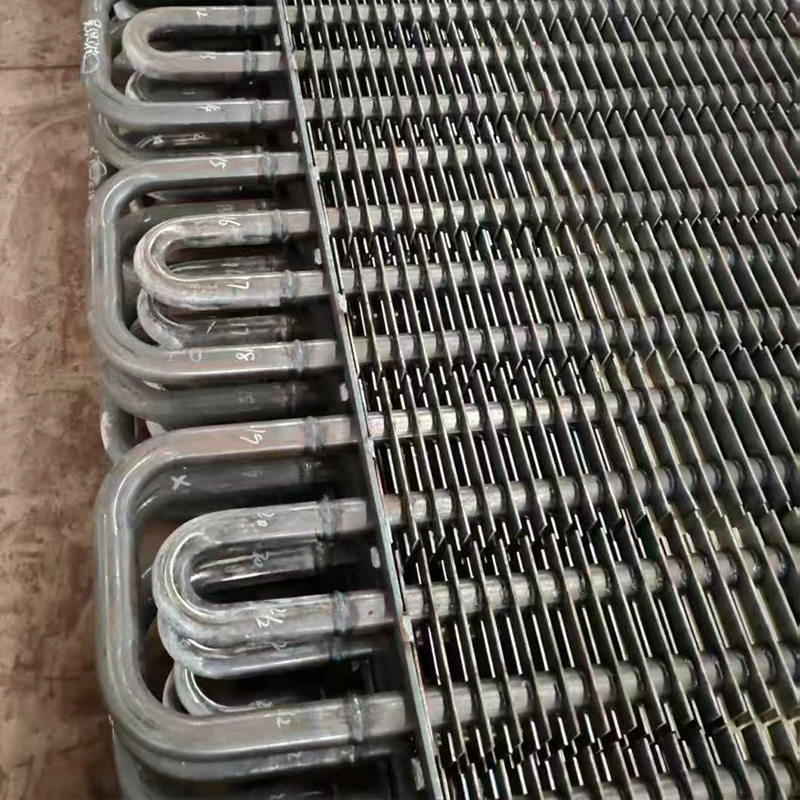
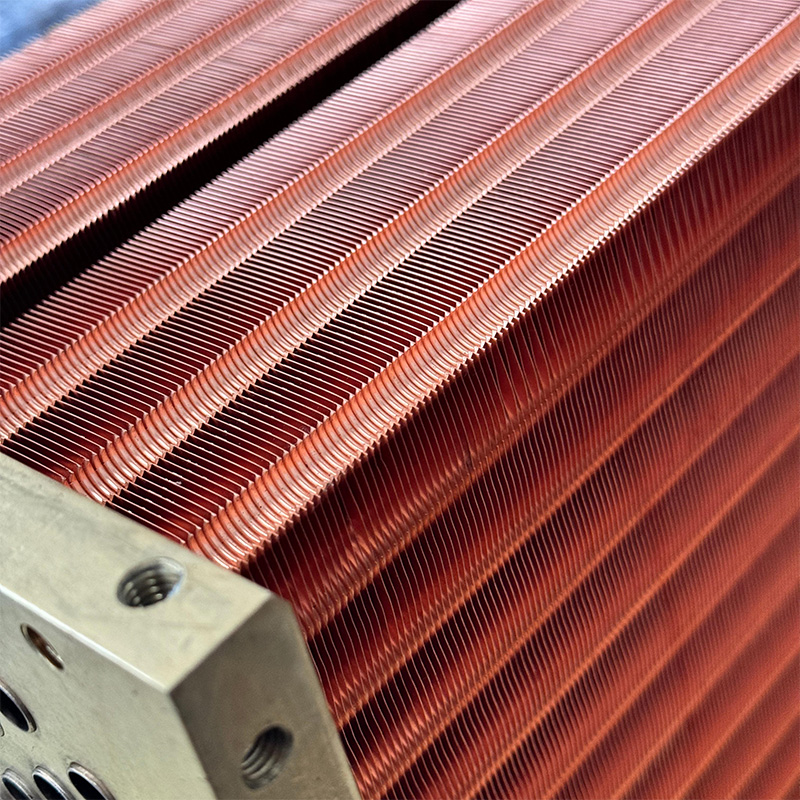
Важно отметить, что надежность оборудования определяется не только полимерными компонентами, но и качеством сопряженных металлических узлов. For example, a companyWuxi Kaisheng Electric Power and Petrochemical Equipment Co., Ltd.специализируется на разработке и производстве высокотехнологичного теплообменного и нефтехимического оборудования, которое часто интегрируется в системы хранения и переработки. Их продукция, включая титановые кожухотрубные теплообменники, высоконапорные аппараты стандарта ASME и трубные пучки из специальных сплавов (морская латунь C46400, медно-никелевые сплавы, никель N06625), демонстрирует высочайшую коррозионную стойкость и устойчивость к экстремальным давлениям и температурам. Такой же подход к контролю качества — использование сертифицированных материалов (PED, ASME) и строгое соблюдение технологий сварки и сборки — должен применяться и при изготовлении полимерных резервуаров. Ведь в сложных технологических линиях, где пластиковые емкости работают в связке с металлическими теплообменниками и котлами-утилизаторами, слабость любого звена может привести к общей аварии. Выбор поставщика, будь то производитель полипропиленовых баков или изготовитель сложных металлических узлов, должен основываться на подтвержденной компетенции и прозрачной системе контроля качества.
Action:Включите в контракт пункт о праве проведения независимой экспертизы и испытаний на давление в присутствии вашего представителя перед отгрузкой продукции.
Экономические последствия игнорирования испытаний
Отказ от проведения полноценных испытаний на давление — это игра в русскую рулетку с высоким ставками. Стоимость самого теста (вода, время, аренда насоса) ничтожна по сравнению с потенциальным ущербом. Разрыв резервуара с кислотой или щелочью влечет за собой не только потерю продукта, но и экологические штрафы, затраты на ликвидацию разлива, простой производства и возможный вред здоровью персонала. В одном из кейсов, с которым мы работали, лопнувший бак с каустической содой повредил соседнее дорогостоящее оборудование электрохимической линии. Убытки превысили стоимость нового резервуара в 50 раз.
Кроме того, страховые компании часто отказывают в выплате, если выяснится, что оборудование не прошло регламентированные процедуры приемки или эксплуатировалось с нарушением паспортных данных. Наличие подписанного протокола гидравлических испытаний — это ваш главный аргумент в суде или при разбирательстве со страховой. Это документ, подтверждающий, что вы проявили должную осмотрительность (due diligence).
Репутационные риски для производителя также огромны. Один вирусный ролик с протекающей емкостью может уничтожить бренд на рынке B2B. Поэтому серьезные игроки проводят 100% тестирование каждой единицы продукции, а не выборочное. Если поставщик предлагает вам «сертифицированную продукцию» без предоставления конкретного протокола на ваш серийный номер — это повод задуматься о его добросовестности.
Action:Рассчитайте потенциальный ущерб от аварии на вашем объекте и сравните эту цифру со стоимостью организации входного контроля и испытаний. Результат убедит вас в необходимости инвестиций в безопасность.
Frequently Asked Questions
Какое давление считать нормальным для бытовых и промышленных резервуаров из PP?
Для открытых атмосферных резервуаров рабочее давление обычно близко к нулю (только столб жидкости), но испытательное давление должно составлять минимум 0,2-0,3 бар для проверки герметичности швов. Для закрытых сосудов под давлением классификация зависит от объема и давления: до 0,5 бар обычно считаются емкостями низкого давления, свыше — требуют строгого соблюдения ТР ТС 032/2013. Стандартный запас прочности подразумевает испытание давлением, в 1,5 раза превышающим максимальное рабочее. Например, если система работает при 0,4 бар, тестировать нужно при 0,6 бар. Превышать давление более чем в 2 раза от рабочего не рекомендуется, так как полипропилен начинает необратимо деформироваться.
Можно ли проводить испытания на давление резервуаров из PP зимой на улице?
Категорически нельзя. Полипропилен при температуре ниже +5°C становится хрупким. The impact strength of the material drops many times. Даже если вода не замерзла, сам процесс повышения давления или случайный удар инструментом может вызвать мгновенное хрупкое разрушение стенки. Кроме того, вода при замерзании расширяется и гарантированно разорвет емкость. Испытания должны проводиться в отапливаемом помещении или в теплый сезон при температуре воздуха выше +10°C. Если это невозможно, резервуар необходимо поместить в тепловой контур (палатку с тепловыми пушками) и выдержать там минимум 24 часа перед тестом для прогрева материала по всему объему.
Что делать, если резервуар не прошел испытания на давление?
Если обнаружена течь или критическая деформация, эксплуатацию начинать запрещено. Порядок действий следующий: 1) Полностью слить воду и просушить резервуар. 2) Зачистить дефектный участок (разделать кромки трещины или шва). 3) Провести ремонтную сварку с соблюдением технологии (температура, скорость, давление прижима). 4) Повторить испытания полным циклом. Однократная «подварка» без повторного теста недопустима. Если дефект повторяется в одном и том же месте или наблюдается множественное трещинообразование, изделие подлежит утилизации, так как структура материала нарушена. Не пытайтесь использовать герметики или эпоксидные смолы для ремонта PP — они не обеспечивают долговечного соединения под давлением.
Conclusion and next steps
Испытания на давление резервуаров из PP — это не бюрократическая формальность, а жизненно необходимая процедура, отделяющая надежное промышленное оборудование от потенциальной бомбы замедленного действия. Полипропилен прощает многие ошибки в монтаже, но не прощает пренебрежения физикой процессов. Соблюдение методики, использование качественных материалов и строгий контроль на каждом этапе — единственный путь обеспечить долгий срок службы ваших активов. Мы убедились в этом на собственном опыте, заплатив высокую цену за ошибки в прошлом, чтобы сегодня предлагать вам только проверенные решения.
Не рискуйте производством и безопасностью людей. Если вы планируете закупку новых емкостей или сомневаетесь в состоянии текущего парка резервуаров, обратитесь к нашим специалистам. Мы проведем аудит, организуем независимые испытания и поможем подобрать оборудование, соответствующее вашим реальным задачам, а не только бумажным характеристикам. Свяжитесь с нами сегодня для получения консультации и расчета стоимости услуг по контролю качества.
Для получения дополнительной информации о стандартах сварки и материалах посетите наш разделтехническая документация по сварке полипропилена, где собраны актуальные ГОСТ и DVS нормы.