
Laboratory analysis of the quality of PE raw materials”
2026-08-21
- Why laboratory analysis of the quality of PE raw materials determines the fate of your production
- Critical parameters: what exactly does the laboratory measure?
- Test methodology: from sampling to chromatography
- Typical interpretation errors and business risks
- Comparison of express control and full analysis methods
- Standards and regulatory framework: what to refer to in the contract
- Case: How analysis saved a gas pipeline construction project
- The role of quality equipment in ensuring process reliability
- Frequently Asked Questions
- Заключение: Контроль качества как инвестиция в репутацию
Why laboratory analysis of the quality of PE raw materials determines the fate of your production
Laboratory analysis of the quality of PE raw materials is not just a formality when accepting a batch, but the only way to prevent the extruder from stopping and the finished product being rejected for hundreds of thousands of rubles. In our practice of working with polyethylene processors, we have repeatedly encountered a situation where the characteristics stated in the passport (MFI, density) diverged from reality by 15-20%, which led to rupture of the film or destruction of pipes under pressure. We will not speak in general terms about “high quality”; instead, we'll look at specific physicochemical methods used by the world's leading laboratories and show how to interpret the data to make tough purchasing decisions.
If you are purchasing PE granule (PE-LD, PE-LLD, PE-HD) from a new supplier or doubt the stability of your current one, this article will be your technical guide. We rely on ISO, ASTM and GOST standards to give you the tools for independent verification. Remember: trust in the supplier is good, but a proven test report is better.
Critical parameters: what exactly does the laboratory measure?
Many buyers mistakenly believe that it is enough to look at the color of the granules and check the bulk density. This is a superficial approach that ignores the molecular structure of the polymer. Laboratory quality analysis of PE raw materials focuses on parameters that directly affect the melt rheology and mechanical properties of the final product. Let's break down the key metrics that should be in your test report.
Melt Index (MFI/MFR): The pulse of your extruder
Melt Flow Index is often a stumbling block. In our lab, we see customers trying to use a pellet with an MFI of 2 g/10 min on equipment rated for 4 g/10 min, hoping to “tweak the settings.” The result is predictable: engine overheating, extrusion instability and low performance. MFI shows how many grams of polymer flow through a calibrated orifice in 10 minutes under the influence of a load at a certain temperature (usually 190°C for PE).
It is important to understand the nuance: MFI is the reciprocal of viscosity. The higher the number, the thinner the polymer. However, the average MFI alone does not tell the whole story. Two samples with the same MFI can behave very differently at high shear rates in a modern high-speed extruder. Therefore, professional analysis always involves the measurement of a rheological curve rather than a single point. If your supplier provides only one MFI value without specifying the test conditions (temperature, load weight), ask for clarification - this is a sign of unprofessionalism.
Action:Ask your supplier for a complete rheological profile, not just the MFI value, especially if you plan to operate at high line speeds.
Molecular Weight Distribution (MWD): The Hidden Stability Factor
Molecular weight distribution width (MWD) is a parameter that distinguishes premium raw materials from budget ones. A narrow distribution means that all polymer molecules are approximately the same length. These feedstocks have better clarity and impact strength, but are more difficult to process due to their high viscosity at low shear rates. Wide distribution makes it easier to process (the polymer “flows” more easily), but can lead to a decrease in mechanical properties and the appearance of surface defects.
We carried out comparative tests on water supply pipes. Sample A with a narrow MWD withstood hydraulic pressure 12% longer than Sample B with a wide MWD, although their average molecular weights were identical. For the production of geomembranes or critical pipelines, MWD control is mandatory. The GPC (gel permeation chromatography) method provides accurate data on this parameter, although it is more expensive and longer than the standard MFI test.
Action:For critical applications (pipes, pressure vessels), include a narrow MWD requirement in the purchase specification.
Density and degree of crystallinity
The density of polyethylene directly correlates with its degree of crystallinity. PE-HD (high density) has a more ordered structure, which provides high rigidity and chemical resistance, but reduces elasticity. PE-LD (low density) is more amorphous, flexible and transparent. A density deviation of even 0.002 g/cm³ may indicate a mixture of different brands or a violation of the polymerization technology.
In one case, a cable insulation manufacturer contacted us complaining about product shrinkage after extrusion. Laboratory analysis revealed that the actual density of the raw material was lower than declared by 0.005 g/cm³ due to the presence of low molecular weight fractions. This led to a change in the coefficient of thermal expansion and deformation of the cable when heated. The gradient method or pycnometry method allows you to accurately determine this parameter.
Action:Check the density value in the protocol with the range specified in the manufacturer’s datasheet; a deviation of more than 0.001 g/cm³ requires additional investigation.
Test methodology: from sampling to chromatography
The accuracy of the results depends not only on the equipment, but also on the correct sampling. An error during sample preparation can ruin the performance of the most expensive spectrometers. Below we describe the standard operating procedure of an accredited laboratory that meets the requirements of ISO 17025.
- Selection of a representative sample.You cannot take material only from the top of a bag or big bag. According to statistical standards, it is necessary to use a sampler, taking material from different layers and points of the batch. The minimum sample volume for homogenization is 2-3 kg. We have seen cases where the “top” layer was clean, but the depths of the bag contained lumps of caked material with altered properties due to moisture. Ignoring this step is a guarantee of false results.
- Sample preparation (granulation and pressing).Many tests (such as soot determination or spectroscopy) require the creation of a homogeneous plate or film. The material is melted in a press under strictly controlled temperature and time. Overheating during preparation can cause thermal-oxidative destruction, artificially lowering the thermal stability indicators. The pressing temperature should be 20-30°C above the melting point of the specific type of PE, but below the decomposition point.
- Determination of melt index (ISO 1133 / ASTM D1238).This is a basic test. The granules are loaded into the cylinder, heated, then a piston with a load squeezes out the melt. It is important to accurately maintain the preheating time (usually 5-7 minutes). Underheating will lead to an underestimation of MFI, overheating will lead to an overestimation. The test is repeated at least three times, and the arithmetic mean is taken. A scatter of results greater than 5% indicates sample heterogeneity or operator error.
- Spectral analysis (FTIR) and DSC (DSC).Infrared spectroscopy allows you to identify the type of polymer and detect foreign impurities (for example, the presence of polypropylene in a batch of polyethylene). Differential scanning calorimetry (DSC) generates a melting curve, allowing precise determination of melting point and degree of crystallinity. The melting peak for PE-HD is usually around 130-135°C. A peak shift may indicate the presence of copolymers or degradation.
- Mechanical tests of finished samples.After casting or pressing standard “blades”, tensile (tensile strength, elongation at break) and impact strength (Charpy or Izod) tests are carried out. These data show how the material will behave under real operating conditions. It is important to observe the deformation rate: for polyethylene it is usually 50 or 500 mm/min, depending on the standard.
Please note: no method is universal. An integrated approach combining rheology, thermal analysis and mechanical tests provides the only true picture. Trying to save money at one of the stages of analysis is tantamount to buying a pig in a poke.
Action:Make sure your laboratory or contractor is using the latest versions of ISO or GOST standards, as methods are updated regularly.
Typical interpretation errors and business risks
Once given a test report, purchasing managers often make the same mistakes, relying on green numbers without understanding the context. Let's look at situations that cost our clients millions.
Ignoring the impact of recycled materials
Unscrupulous suppliers may mix primary granules with high quality regranulate (secondary raw materials). Visually and based on basic MFI, the difference may not be noticeable. However, recycled polyethylene has shortened molecular chains due to previous recycling cycles. This dramatically reduces stress cracking resistance (ESCR). For canisters with aggressive chemicals or underground pipes, this is fatal. We have recorded cases where pipes made from a mixture with 10% regranulate began to leak after 6 months instead of the guaranteed 50 years. The only way to detect this is with an oxidative induction test (OIT) and a long-term ESCR test.
"Average temperature" error
When analyzing thermal properties, it is important to consider the storage history of raw materials. Polyethylene stored in an open warehouse under direct sun receives a UV dose that triggers the photo-oxidation process. Even if the MFI is normal, the material already contains hydroperoxides, which will begin to destroy the polymer during the next processing. In our report for one agricultural holding, we found that a batch of greenhouse film had lost 40% of its elasticity due to improper storage at the distributor, although the factory certificates were in order. Laboratory analysis should include testing for the presence of oxidation products (carbonyl index).
Underestimation of volatile matter content
A high content of volatile components (residues of solvent, monomer, moisture) leads to the formation of bubbles and cavities in the product (“fish eye”). This is not only a cosmetic defect, but also a stress concentration point. When extruding thin films, this causes web breakage. A standard burn-in test or thermogravimetric analysis (TGA) quickly identifies this problem. The acceptable threshold is usually less than 0.05%, but for optical films the requirements are even stricter.
Action:Require an OIT (oxidative induction test) for any batch intended for long-term outdoor or loaded use.
Comparison of express control and full analysis methods
It is not always possible to send each batch to a third-party laboratory for a full test cycle, which takes 3-5 days. Manufacturers need a balance between speed and accuracy. Below is a comparison of the approaches.
| Parameter | Express control (in the workshop) | Full laboratory analysis |
|---|---|---|
| Time to get result | 15-40 minutes | 24-72 hours |
| Basic methods | Visual Inspection, Density (Alcohols), MFI (Portable), Combustion | GPC, DSC, FTIR, mechanical tests, microscopy |
| Accuracy of polymer type determination | Low (copolymers may be confused) | High (up to 99.9%) |
| Identification of secondary raw materials | Almost impossible | Reliable (by OIT and MWD) |
| Cost of one test | Low (equipment depreciation) | High (labor intensity + reagents) |
| Recommended frequency | Each batch/each bag (selected) | Once a quarter or when changing suppliers |
Express methods are good for input control “here and now” in order to weed out obvious defects. However, they do not guarantee long-term reliability. A comprehensive laboratory analysis of the quality of PE raw materials is necessary to qualify new suppliers and investigate complaints. We recommend implementing a two-level system: a quick check on the line and an in-depth audit in the laboratory once a month.
Action:Equip your incoming control with a portable MFI measuring device and a set of density gradient fluids - this will pay for itself in the first month of defects prevented.
Standards and regulatory framework: what to refer to in the contract
For your claims to be legally binding, the contract must clearly state the test methods and standards by which the products will be accepted. Simply writing “quality according to GOST” is not enough, since there are dozens of GOSTs.
- ISO 1133 (GOST 11645):Melt index determination. Specify specific conditions (temperature and weight of the load), for example, 190°C/2.16 kg. Without this, the condition cannot be met.
- ISO 1183 (GOST 15136):Determination of density. Immersion or gradient column method.
- ISO 11357 (GOST R 55670):DSC methods for determining melting point and oxidative induction.
- ASTM D1693:Standard Test Method for Environmental Cracking Resistance (ESCR). Critical for containers and pipes.
- GOST 15150:General requirements for packaging and labeling (climatic conditions). Important for transportation in the Russian north or hot south.
Referring to these documents in the specification protects you from vendor manipulation. If a supplier refuses to test products using international methods, citing their “internal specifications,” this is a red flag. In international trade, the language of ISO/ASTM standards is the universal arbiter.
Action:Review your supply agreements and add an addendum listing specific testing standards for each grade of polyethylene.
Case: How analysis saved a gas pipeline construction project
In 2024, we participated in the audit of a batch of PE100 pipe grade for a large infrastructure project. The batch was accompanied by perfect certificates from the manufacturer. However, during the incoming inspection, our engineer noticed a slight specific odor, atypical for fresh polyethylene. An unscheduled laboratory check was initiated.
The Oxidative Induction Test (OIT) showed a time of 8 minutes instead of the required minimum of 20 minutes for the stabilized pipe grade. Additionally, chromatography revealed traces of recycled polypropylene. It turned out that at the manufacturing plant there was a failure in the extruder cleaning system when switching from one brand to another, and part of the recycle ended up in the main line. The use of this batch would lead to the pipes becoming brittle after 2-3 years of operation, which could lead to accidents and huge fines. Thanks to timely laboratory analysis of the quality of PE raw materials, the batch was returned to the supplier, and the project was protected from disaster.
This case proves that a paper certificate is just a declaration of intent. Real quality is confirmed only by numbers from the laboratory.
The role of quality equipment in ensuring process reliability
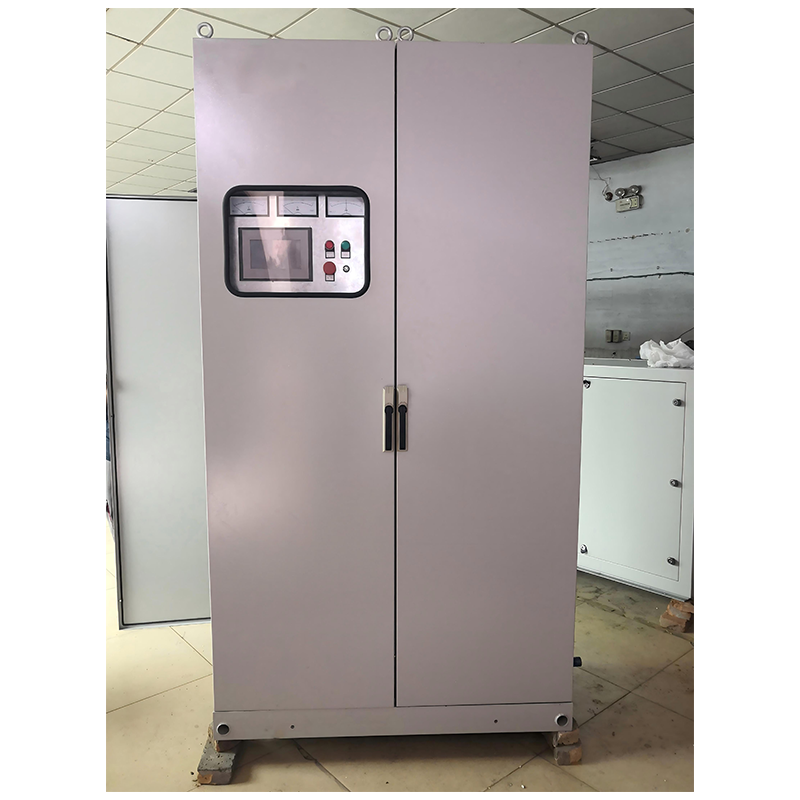
While laboratory analysis can identify defects in raw materials, the reliability of the manufacturing process itself is also critically dependent on the quality of the equipment used. In the petrochemical and energy industries, where polymers and other complex materials are processed, heat exchange systems that operate under extreme conditions are key.
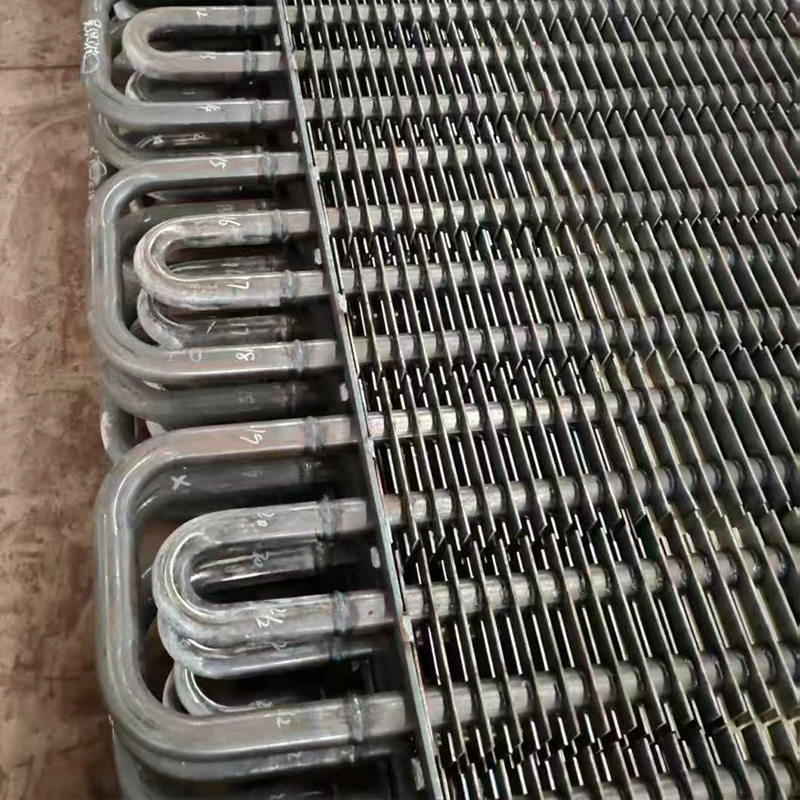
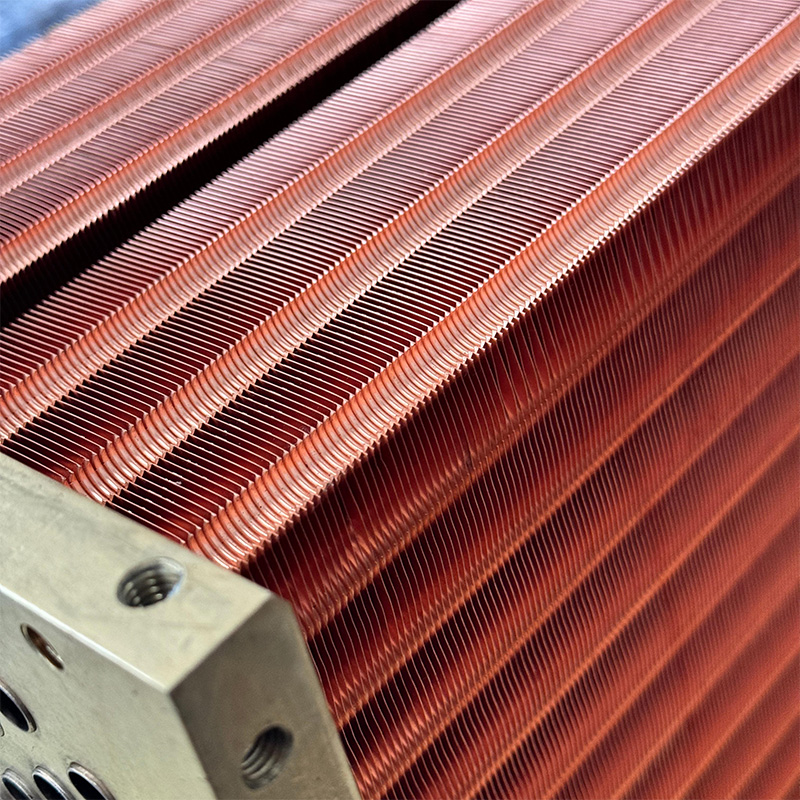
This is where the company comes to the foreWuxi Kaisheng Electric Power and Petrochemical Equipment Co., Ltd.. Specializing in the development and production of high-tech solutions, the company supplies equipment that guarantees the stability of technological processes. Their products include titanium shell-and-tube heat exchangers, ASME-standard high-pressure units, and corrugated tube bundles in 316 stainless steel, C46400 marine brass, and copper-nickel alloys. Particular attention is paid to components made of nickel alloys (for example, N06625), which are indispensable when working with aggressive environments that arise during the processing of certain types of polymer raw materials.
Certified to strict international PED and ASME standards, Wuxi Kaisheng products offer exceptional corrosion resistance and the ability to withstand high pressures and temperatures. Whether it's waste heat boilers, air coolers, or complex tubesheets made from 321 steel and C70600 alloys, every product undergoes rigorous quality control. This echoes the main theme of our article: just as we insist on testing PE raw materials, industrial giants trust Wuxi Kaisheng equipment precisely because it does not require compromises in reliability. The company provides customized solutions to customers around the world, ensuring uninterrupted operation of plants in the oil refining, chemical industries, shipbuilding and water desalination systems.
Frequently Asked Questions
Как часто нужно проводить полный лабораторный анализ?
Для постоянных поставщиков с безупречной репутацией достаточно проводить полный расширенный анализ (включая механику и хроматографию) один раз в квартал или при каждой смене партии производства (batch number). Входной контроль каждой фуры должен ограничиваться экспресс-тестами (MFI, плотность, визуал). Если вы работаете с новым поставщиком, первые три поставки должны проходить 100% лабораторный контроль до начала использования в производстве.
Можно ли доверять сертификатам завода (COA)?
Сертификат завода (Certificate of Analysis) — это важный документ, но он отражает состояние материала в момент отгрузки с конвейера завода. Он не учитывает условия транспортировки, хранения на складе дилера и возможную фальсификацию при перевалке. Мы рекомендуем воспринимать COA как справочную информацию, но всегда перепроверять ключевые параметры (MFI, плотность) собственной лабораторией или независимым центром перед запуском в линию.
Сколько стоит независимая экспертиза одной партии?
Стоимость варьируется в зависимости от глубины анализа. Базовый тест (MFI + плотность + визуал) стоит относительно недорого и занимает несколько часов. Полный цикл с определением MWD, OIT и механических свойств может стоить в 5-10 раз дороже и занимать до 3 дней. Однако стоимость анализа несопоставима со стоимостью простоя экструдера или отзыва бракованной продукции с рынка. Экономия на анализе — это ложная экономия.
Какие приборы необходимы для собственной мини-лаборатории?
Для организации базового входного контроля на предприятии вам понадобятся: капиллярный вискозиметр (пластикометр) для MFI, набор ареометров или пикнометр для плотности, сушильный шкаф для определения влаги и, желательно, простой микроскоп для оценки гранулометрии и наличия включений. Для сложных задач (OIT, состав) дешевле арендовать время в сторонней лаборатории, чем покупать ДСК и ИК-спектрометры.
Заключение: Контроль качества как инвестиция в репутацию
Лабораторный анализ качества сырья PE — это не статья расходов, а страховой полис вашего бизнеса. В условиях высокой конкуренции и ужесточения требований к безопасности продукции, только объективные данные могут защитить вас от рисков. Не позволяйте поставщикам играть в «угадай мелодию» с характеристиками полимера. Требуйте прозрачности, настаивайте на независимых тестах и стройте отношения с теми, кто не боится лабораторной проверки.
Мы готовы помочь вам организовать систему входного контроля или провести независимую экспертизу спорной партии. Наши эксперты знают, где искать скрытые дефекты и как читать между строк протоколов испытаний.
Contact us todayдля консультации по методикам тестирования вашего сырья или заказа аудита поставщика. Не рискуйте производством ради экономии на анализе.
Для получения дополнительной информации о стандартах переработки полимеров, посетите наш разделтехническая документация по полимерам.