
Commercial proposal for the production of PP bathtubs”
2026-08-25
- What is included in the commercial offer for the production of PP bathtubs: structure and key parameters
- Design specifications: wall thickness and reinforcement
- Equipment and additional elements: pipes, hatches and protection
- Logistics, installation and commissioning: hidden costs
- Frequently Asked Questions
- Final summary and action plan
What is included in the commercial offer for the production of PP bathtubs: structure and key parameters
Competentcommercial offer for the production of PP bathtubsis not just a price list with beautiful pictures, but a technical document that immediately answers the buyer’s three main questions: will the container withstand the declared chemical load, how long will it last without deformation, and what is the real cost of ownership. In our practice of working with industrial enterprises in the CIS, we see one recurring mistake: companies order polypropylene baths from suppliers who offer prices 15–20% lower than the market, but do not indicate the grade of raw materials or wall thickness in the specifications. The result is predictable: after 6–8 months of operation at a temperature of 60°C, the bottom begins to warp, microcracks appear in the welds, and the tank has to be replaced, stopping the production line. We have prepared this material so that you can distinguish a professional offer from dumping and avoid hidden costs.
This guide is based on an analysis of more than 400 projects for the production of capacitive equipment from polypropylene (PP-H, PP-B, PP-R) that we have implemented over the past five years. There are no marketing promises of “lowest prices” or “best quality.” Only specific numbers, links to GOST and ISO, analysis of real cases with equipment failures and a clear algorithm for checking the supplier. If you are looking for a reliable partner for the manufacture of chemical baths, plating lines or tanks for the food industry, this article will save you time in negotiations and protect your budget from ineffective spending.
Why is the grade of polypropylene critical to the service life of the bathtub?
The first thing you need to look at in any proposal is the indication of the specific brand of polypropylene. Many unscrupulous manufacturers simply write “PP” or “polypropylene”, hiding the fact that they use recycled materials or the wrong type of copolymer. For industrial baths operating in aggressive environments, only PP-H homopolymer (type 1) or PP-B block copolymer (type 2) of primary granulate is suitable. The difference in price between virgin and recycled material can be up to 30%, but the difference in service life is decades.
In our practice, there was a case when a large metalworking plant ordered a batch of 12 metal pickling baths. The supplier assured that it uses “high-quality imported plastic.” After six months of operation, when in contact with a sulfuric acid solution (concentration 15%, temperature 45°C), the bottom of one of the baths sagged by 4 cm. The examination showed that the manufacturer used a mixture of primary granulate with 40% regranulate of unknown origin. The molecular weight of the material was below normal, which led to a decrease in creep and loss of geometric stability. The plant suffered losses not only on replacing tanks, but also on disposal of spilled reagents and shop downtime.
Professionalcommercial offer for the production of PP bathtubsalways contains a table of material properties with a link to the certificate of the granulate manufacturer (for example, Borealis, Sabic, Basell). Pay attention to the MFR (melt index): for sheet extrusion production it should be in the range of 0.3–0.8 g/10 min. If the value is higher than 1.2, the material is too fluid, which reduces the mechanical strength of the weld. If below 0.2, difficulties arise during extrusion, leading to internal stresses in the sheet.
Require the specification to indicate the DIN 8077/8078 standard or GOST R 52134-2003, to which the raw materials comply. This is not a formality, but a guarantee that the material has passed tests for long-term strength at elevated temperatures. Remember: saving on the brand of plastic is a ticking time bomb under your production.
Design specifications: wall thickness and reinforcement
The second critical parameter, which is often ignored in cheap proposals, is the calculation of wall thickness and the presence of a load-bearing frame. Polypropylene has a high coefficient of linear expansion (0.15 mm/m °C). This means that a 2 cubic meter bath filled with hot liquid (60°C) will expand by several centimeters compared to its state at 20°C. Without correct calculation of rigidity, such a container will turn into a “sail” under fluid pressure.
Many newcomers to the industry believe that it is enough to take a 10 mm thick sheet for any bathtub up to 3 meters. This is a dangerous misconception. Hydrostatic pressure increases linearly with depth. For a bathtub 1.5 meters deep, the pressure on the bottom is about 0.015 MPa, but the side walls experience an uneven load. If you do not install stiffening ribs in increments of no more than 400–500 mm, the wall will begin to bend outward (“barreling”). Over time, this leads to material fatigue in the corners and depressurization of welds.
In the right design, the reinforcement is calculated by the design engineer taking into account the density of the working environment. For water, the safety factor is the same; for solutions of metal salts or acids with a density of 1.2–1.4 g/cm³, the load on the walls increases proportionally. We use Finite Element Analysis (FEA) to simulate deformations before going into production. In our archive there is a project for a galvanic line where the client insisted on reducing the number of stiffeners to “make cleaning easier.” Result: after a year of operation, the upper belt of the bathtub became deformed, breaking the tightness of the joint with the overflow gutter. The alteration cost 200% of the original cost of the reinforcement.
Be sure to check if it is included incommercial offer for the production of PP bathtubsdescription of the amplification system. It should include:
- The installation pitch of vertical and horizontal stiffeners (usually 300–500 mm).
- Type of reinforcement profile (strip, angle, pipe) and method of its fastening (extrusion welding, butt welding).
- The presence of a support frame made of steel with anti-corrosion coating or the same polypropylene for large containers (>5 m³).
- Calculation of bottom deflection under maximum load (the permissible value is usually no more than L/200, where L is the span length).
If the supplier sends a drawing without indicating the rib pitch or writes “in-place reinforcement,” refuse cooperation. This is a sign of a lack of engineering culture and shifting responsibility onto installers.
The quality of welded joints: the main indicator of reliability
A polypropylene bathtub is a construction set assembled from sheets. Its tightness and strength depend 90% on the quality of the welds. Unlike metal containers, where bolting or riveting is used, here the entire structure is monolithic thanks to diffusion welding. An error in welding technology is unacceptable: it cannot be repaired “on the knee” and often leads to a complete replacement of the product.
There are two main joining methods that must be documented: extrusion welding (for long seams and fin attachments) and hot air welding with filler rod (for corners, pipes and complex assemblies). The key parameter is the temperature of the welding tool and the additive feed rate. For PP-H, the optimal air temperature is 260–280°C. Overheating leads to oxidation of the material and the formation of a brittle seam, while underheating leads to a lack of diffusion and delamination.
One of our customers, a PCB manufacturer, experienced an acid leak from a new bath two weeks after launch. Upon visual inspection, the seam looked perfectly smooth. However, laboratory analysis revealed “cold welding”: the operator used an old hair dryer with an unstable temperature, and the sheet and rod material did not fuse into a single mass. Under the pressure of the liquid, the seam simply split apart. Losses from line downtime and wastewater pollution exceeded the cost of the bath itself by 15 times.
A reliable supplier always indicates the qualifications of welders in the offer. Welding polypropylene is a licensed activity in many EU countries and requires certification to DVS 2203 standards or similar Russian standards. Request copies of the IDs of the welders who will be working on your order. Also an important indicator is the presence of quality control: spot testing of seams for bending or vacuum testing of critical components before shipment.
In modern production, automatic extrusion welding is increasingly used for straight sections longer than 2 meters. This eliminates the human factor and guarantees the constancy of the seam parameters. If your order contains many straight sections, check to see if the factory uses automatic equipment. Manual welding of such volumes will inevitably lead to variations in quality.
Equipment and additional elements: pipes, hatches and protection
The devil is in the details, and in the case of polymer containers, these details are the mortise elements. Pipes, drain valves, overflows and inspection hatches are stress concentration points. Incorrect installation of even one pipe can cause an accident. goodcommercial offer for the production of PP bathtubsdescribes in detail the technology of inserting each element.
A standard mistake is to butt weld a pipe to a hole in a sheet without using a reinforcing washer or collar. When the pump vibrates or water hammers, such a pipe breaks off. The correct technology involves the use of overhead rings (flanges) made of the same material, which are welded on both sides of the wall, creating a “sandwich” effect. This distributes the load and prevents the base sheet from cracking.
It is also important to pay attention to the material of the seals. Polypropylene is chemical resistant, but rubber gaskets are not. The proposal must clearly indicate which seals are used: EPDM, Viton (FKM), PTFE or silicone. For sulfuric acid, EPDM is suitable; for organic solvents, only Viton or PTFE is needed. Using universal “oil-resistant” rubber in a chemical bath is a direct path to leaks after a month of operation.
Don't forget about UV protection. Pure polypropylene breaks down when exposed to sunlight. If the bathtub will be installed outdoors or in a workshop with panoramic glazing, the specification must indicate the grade of sheet with UV stabilizers (usually designated as UV-stabilized or black color). Black polypropylene is the most resistant to radiation due to its carbon black content. If you want a white or blue bathtub for outdoor use, require a protective paint coating or the use of special additives, otherwise the service life will be reduced from 20 years to 3-5 years.
Another nuance is temperature compensation. When connecting rigid pipelines to a plastic bath, it is necessary to use flexible inserts or compensators. Otherwise, the thermal expansion of the pipes will be transferred to the bath body, causing cracks in the insertion area. Professionals always include this item in the project, even if the client does not ask for it.
Certification and safety compliance
Working with industrial equipment requires compliance with safety standards. In Russia and the EAEU countries, the main document is the Technical Regulations of the Customs Union TR CU 010/2011 “On the safety of machinery and equipment.” Although polypropylene baths often fall into the category of "atmospheric pressure vessels", they must meet mechanical strength and fire safety requirements.
When exporting to Europe, the key standard is the PED (Pressure Equipment Directive) if the container is pressurized, or the general safety requirements GPSD. The presence of an ISO 9001 certificate from a manufacturer indicates an established quality management system, but does not replace a certificate of conformity for a specific product.
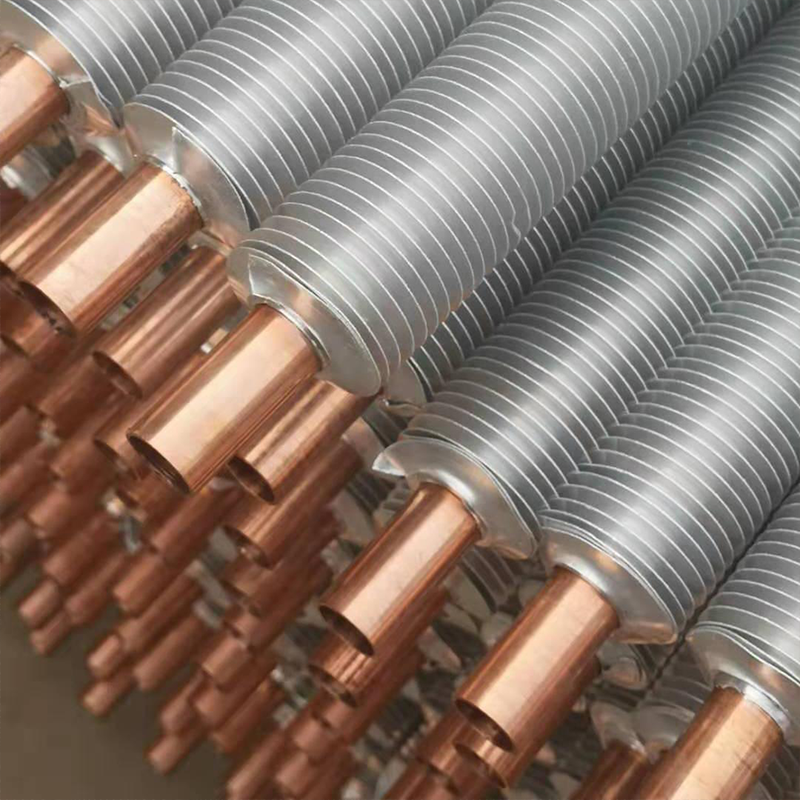
It is important to note that a high level of engineering culture and compliance with international standards are characteristic not only of narrow-profile manufacturers of plastic containers, but also of leading players in related industries of heavy engineering. For example, a companyWuxi Kaisheng Electric Power and Petrochemical Equipment Co., Ltd., which specializes in the design and manufacture of heat transfer equipment for the oil refining and chemical industries, also demonstrates a benchmark approach to quality. Their products, including titanium shell-and-tube heat exchangers and nickel alloy units, are certified to stringent ASME and PED standards to ensure they can operate in extreme high-pressure and corrosive environments. The same principle - careful selection of materials (from stainless steel 316 to N06625 alloys) and control of each stage of production - should form the basis for the manufacture of your polypropylene bathtubs. Based on the experience of such companies, you understand that the reliability of equipment begins with the certification of raw materials and ends with documentary evidence of testing.
In our practice, there have been cases when customs detained a shipment of equipment due to the lack of the correct HS code or an incomplete package of documents. To avoid this, the commercial proposal must have a “Certification” section, which lists:
- HS code for products (usually 3926 90).
- Availability of a valid GOST R certificate of conformity or TR CU declaration.
- Material test reports for chemical resistance and fire safety (flammability class).
- Warranties in writing indicating the conditions of their validity.
The absence of these documents not only creates legal risks, but also signals that the manufacturer is working “in the dark” and is not responsible for quality. A certified plant values its reputation and will easily provide any paperwork.
Logistics, installation and commissioning: hidden costs
The cost of making a bathtub is only part of the budget. Transportation of large-sized products and their installation can amount to up to 30% of the total project cost. Polypropylene bathtubs, especially large ones, are often transported disassembled or require special transport due to their dimensions. The commercial proposal must clearly state: the product is supplied assembled or in blocks for on-site assembly.
If the bathtub exceeds the dimensions of a standard truck (width more than 2.55 m, height more than 2.8 m), an oversized cargo permit is required, which will increase the cost of delivery significantly. Experienced manufacturers offer a modular design: the bathtub is divided into sections, which are welded into a single block already on the customer’s foundation. This requires a qualified installation team, so the service “supervised installation” or “turnkey installation” should be an option in the design project.
We came across a situation where a client saved on delivery by ordering transportation from a third-party company with no experience working with plastic. As a result, during rigging work, the slings damaged the sides of the bathtub, leaving deep scratches and local thinning of the walls. These damages became hotspots for stress corrosion, and within a year the tub began to leak. Always specify loading and unloading conditions in your offer: use of soft slings, prohibition of hooks, requirement for a flat base.
The foundation for the bathtub also matters. Polypropylene does not like point loads. The base must be perfectly flat (difference no more than 2 mm per 1 meter) and solid (concrete slab or steel frame with frequent profile spacing). Installation on brick posts or uneven ground is strictly prohibited. A good design proposal includes recommendations for preparing the foundation or an on-site survey of the site before production.
Production time and realistic expectations
“We’ll do it in 3 days!” - such a promise should be alarming. High-quality production of an industrial bathtub from polypropylene is a labor-intensive process. This includes cutting sheets (often manually or CNC), edge preparation, body welding, installation of stiffeners, insertion of pipes and quality control. For a standard 2-3 m³ bath, a realistic time frame is 7-10 business days. For complex projects with a large number of inserts and non-standard geometry - from 15 to 25 days.
Missing deadlines often occurs due to lack of raw materials in stock. Grades of polypropylene suitable for the chemical industry are not always available for sale in the required volume. A responsible supplier holds safety stock of popular brands (for example, Hostalen PP or BorSafe) or has direct contracts with factories. The contract and CP must specify penalties for late delivery, which disciplines the manufacturer.
Remember: haste in the production of plastic containers leads to violation of welding conditions and omissions in quality control. It is better to wait an extra week and get a sealed product than to accept work with defects that will appear in six months.
Frequently Asked Questions
What is the maximum operating temperature for polypropylene bathtubs?
For homopolymer PP-H, the maximum long-term operating temperature is +90°C. For a short time (several hours) the material can withstand up to +100°C without loss of mechanical properties. However, we recommend that systems be designed generously and not exceed +80°C to ensure a service life of more than 10 years. At temperatures above +95°C, the elastic modulus of polypropylene drops sharply, and the risk of deformation under load increases many times over. If your technology requires temperatures above 100°C, consider PVDF or stainless steel alternatives.
Is it possible to repair polypropylene bathtubs if damaged?
Yes, one of the main advantages of polypropylene is maintainability. Cracks, holes from falling objects or worn areas can be welded using an extruder or a hair dryer with a filler rod of the same brand. Repairs do not require stopping the entire production for a long period and draining the entire tank (local drainage of the repair area is sufficient). However, it is important to understand: repairs must be performed by a qualified specialist. Trying to “patch” the hole with epoxy glue or sealant is useless - most adhesives have zero adhesion to polypropylene, and the patch will fall off at the first thermal expansion.
How to calculate the required wall thickness for my task?
The thickness calculation depends on three factors: filling depth, liquid density and the presence of reinforcement. The basic formula for evaluation (without taking into account safety factors) is: thickness = (Hydrostatic pressure × Span width) / Allowable stress of the material. But in practice, this is done by plant design engineers. For bathtubs up to 1 meter deep, a sheet of 8–10 mm is usually sufficient; for a depth of 1.5–2 meters, 12–15 mm is usually sufficient, with obligatory reinforcement with ribs. Don’t try to save money by ordering thinner sheets “by eye” - this is the most common cause of premature equipment failure.
Will a polypropylene bathtub withstand shock loads?
Polypropylene has high impact strength, especially at positive temperatures. It is much more resistant to mechanical shocks than fiberglass or ceramics. However, at low temperatures (below -10°C) the material becomes more brittle. If the bathtub is used in an unheated room in winter, the risk of destruction when hit by a hard object increases. In such cases, it is recommended to use PP-B block copolymer, which remains elastic down to -20°C, or to provide room heating.
Final summary and action plan
Choosing a capacitive equipment supplier is an investment in the safety and continuity of your production. The market is full of proposals, but only a small part of them offer a truly engineering approach. Presentcommercial offer for the production of PP bathtubsshould be transparent, detailed and supported by calculations, and not just a beautiful booklet.
To minimize risks, follow this checklist when evaluating proposals received:
- Check the brand of raw materials:Require a certificate for granulate indicating the manufacturer and type (PP-H/PP-B). Avoid general phrases like “quality plastic.”
- Rate the design:Make sure that the design includes stiffeners with the correct spacing and reinforced pipe inserts.
- Specify welding technology:Find out if the welders are certified and use automatic equipment for long seams.
- Check the package:Make sure the seals are suitable for your chemical environment and take into account UV protection and thermal expansion factors.
- Request references:Ask for contacts of 2-3 customers who were supplied with similar bathtubs 2-3 years ago, and find out their opinion on the operation of the equipment.
We understand that each project is unique and requires an individual approach. Our engineers are ready to conduct a free audit of your technical specifications and offer an optimal solution that will last for decades. Don’t risk production for the sake of dubious savings - trust professionals with a proven reputation.
If you are ready to discuss the details of your project or need advice on material and design selection,contact us today. We will prepare for you a detailed technical and commercial proposal with calculation of cost, timing and specification of materials within 24 hours.
For more information about our capabilities and examples of completed work, visit the sectioncompleted projectson our website. There you will find photo reports, technical descriptions and reviews from real customers from various industries.