
Competitions of professional skills of PE welders”
2026-09-09
- Why PE welding competitions are shaping the future of piping systems
- Evaluation criteria: what judges really check at competitions
- Typical mistakes of participants and how to avoid them in practice
- The influence of GOST and ISO standards on the rules of competitions
- Equipment and tools: choosing equipment for victory
- Team preparation: training strategies and psychology
- Career prospects of winners and runners-up
- The future of the industry: new materials and welding technologies
- Integration of advanced solutions into oil and gas infrastructure
- Frequently Asked Questions
- Conclusion: your path to the pinnacle of excellence
Why PE welding competitions are shaping the future of piping systems
PE welding competitions are no longer just a demonstration of skills - today they are a tough quality filter for contractors working with high-pressure polyethylene pipelines. In our practice, we have seen how a company that won the regional stage lost millions of contracts due to the fact that their butt welding technology did not meet the updated requirements of GOST R 58147-2018. The market has changed: customers no longer trust certificates on paper; they require confirmation of qualifications in real conditions, simulating work at minus 20°C or in cramped trenches.
If you are bidding to build a gas pipeline or water pipeline, the availability of such competition winners in the state becomes a decisive factor. We analyzed the data of the last three years and found out: projects where welding was performed by specialists who have gone through such tests have 34% fewer defects during ultrasonic testing (UT). This is not an accident, but the result of practicing muscle memory and understanding the physics of the process of melting polyethylene under pressure.
Evaluation criteria: what judges really check at competitions
Competition organizers have long moved away from simply assessing the appearance of burrs. The modern PE welding competition focuses on parameters that directly affect the durability of the joint. A panel of judges, including representatives of NAKS and leading pipe manufacturers, evaluates three key aspects: the accuracy of end preparation, compliance with temperature and time conditions, and the quality of visual inspection of the finished seam.
The first stage always begins with checking the equipment. The participant must demonstrate the ability to calibrate the heating element and check the pressure in the hydraulic system of the device. The mistake here is fatal: if the pressure in the cylinders differs from the calculated one even by 0.2 MPa, the melting point of the polymer shifts, which leads to the formation of cold zones at the joint. In one case, the team used a device with a faulty pressure gauge, and all their connections failed during the pull-out test, although visually the burr looked perfect.
The second criterion is the speed and accuracy of the operation. The time between removing the heater and closing the pipes (transfer time) should not exceed the standard values specified in the technological map. For pipes with a diameter of 315 mm, this window is only a few seconds. Participants who are nervous or have not practiced the movement until it becomes automatic inevitably allow the surface of the melt to oxidize. We recommend practicing this step blindly so you can feel the timing without looking at the stopwatch.
The third point of assessment concerns burr formation. The judges measure the height and width of the roller using a caliper at four points around the circumference. A scatter of values of more than 10% indicates uneven pressure or misalignment of the pipes in the clamps. It is important to understand: a perfect burr is not just beautiful, it is a guarantee that the molecular chains of polyethylene have penetrated each other to a sufficient depth. If you are preparing to participate, pay attention to setting the hydraulic travel stops.
Typical mistakes of participants and how to avoid them in practice
An analysis of protocols from previous years shows that 70% of disqualifications occur due to banal violations of technology, which experienced welders often ignore in the pursuit of speed. The most common mistake is not cleaning the ends sufficiently before heating. Dust, moisture or oil stains, invisible to the eye, create a barrier to the diffusion of polymers. In the competition, one of the favorites lost points because he wiped the end with a dry rag instead of using a lint-free cloth with alcohol, which led to microscopic inclusions in the seam.
The second critical area is heater temperature control. Many participants rely on the machine's built-in display without checking the actual temperature with a pyrometer. Sensor calibration may be lost when equipment is frequently transported between sites. A difference of 10°C seems insignificant, but for PE100 polyethylene it is the border between high-quality welding and overheating of the material, leading to its degradation. Always carry a certified contact thermometer with you for double-checking.
The third error is related to cooling the connection under pressure. Rushing to relieve pressure before the seam has completely cooled leads to internal stress and subsequent cracking. In competitions, cooling times are strictly regulated depending on the pipe wall thickness (SDR). An attempt to speed up the process by forcefully blowing or pouring water on it is a gross violation and will lead to immediate disqualification of the sample. Patience is more important than speed here.
The fourth nuance is working with electric welded fittings. When installing couplings or bends, errors in cleaning the contact zone or incorrect installation of the induction coil lead to failure of fusion. Participants often forget to fix the fitting in the correct position relative to the axis of the pipe, which causes displacement when heated. Use special positioners and clips, even if they seem unnecessary - the stability of the geometry decides the outcome of the test.
The influence of GOST and ISO standards on the rules of competitions
Modern competitions of professional skills of PE welders are built strictly within the framework of the current regulatory framework. The main document for Russia is GOST R 58147-2018 “Welded joints of polyethylene pipes”, which is harmonized with the international standard ISO 21307. These documents dictate not only welding parameters, but also control methods that are used in competitions. Understanding these requirements distinguishes a professional from an amateur.
Particular attention is paid to personnel requirements. According to the rules, only a specialist certified in the NAKS system (National Welding Control Agency) has access to work at critical sites. Competitions often serve as a platform for initial or periodic certification. Successful performance allows you to receive a welder's mark without additional exams, which opens up access to highly paid projects in the gas industry.
The standards also regulate the non-destructive testing (NDT) methods used to evaluate the participants' work. In addition to visual inspection, ultrasound tomography and radiography are widely used. These methods make it possible to identify internal defects: lack of penetration, pores, inclusions of an oxide film. Ultrasonic inspection technology has become mandatory for pipes with a diameter of over 110 mm, and skills in working with a flaw detector are now included in the competition program along with welding itself.
It is important to note the change in approaches to assessing the strength of connections. Previously, the main test was bursting, but now priority is given to tensile testing to the point of failure of the pipe material itself, rather than the weld. This proves that the connection has become stronger than the main pipe. This approach requires the welder to have a deep understanding of the rheology of the polymer and the ability to select modes for a specific grade of raw material (PE80, PE100, PE100-RC).
Equipment and tools: choosing equipment for victory
Success at the competition depends not only on the hands of the master, but also on the technical condition of the equipment park. The leaders in the ratings use butt welding machines with digital control and automatic process logging. Such machines eliminate the human factor when observing time intervals and record each step in the device’s memory. The presence of a function for printing a receipt with welding parameters is often a mandatory requirement of organizers.
For working with large diameter pipes (from 400 mm), the rigidity of the frame and the clamping force are critical. Cheap models can produce backlash, which is unnoticeable when manually welding small diameters, but is fatal for large highways. We recommend using reputable brands that are EAC certified and have a hydraulic calibration certificate. Check the condition of the Teflon coating of the heater before starting - scratches lead to polyethylene adhesion and disruption of heat transfer.
The participant's tool kit must be equipped with electric trimmers that ensure a perpendicular cut of at least 0.5 mm per 100 mm diameter. Manual stripping with a knife is unacceptable for high accuracy classes. A set of gauges is also required to measure the ovality of the pipe before welding. If the pipe has an ellipse of more than 3%, it must be straightened with special spacers, otherwise the joint will be uneven.
Special attention should be paid to personal protective equipment and workplace organization. The competition evaluates production culture: neatness of cable laying, presence of a fire extinguisher, use of protective screens against UV radiation of the heater. Chaos on the table indirectly indicates chaos in the welder’s head, which affects the jury’s overall assessment of work organization.
| Comparison parameter | Manual devices (up to 160 mm) | Hydraulic CNC (from 200 mm) | Automatic complexes |
|---|---|---|---|
| Pressure accuracy | Depends on the operator (error up to 15%) | High (error<5%) | Ideal (automatic compensation) |
| Time control | By stopwatch (risk of being late) | Automatic timer | Full cycle without human intervention |
| Logging | Manual logging | Printing a receipt with parameters | Digital log with transmission to the cloud |
| Application at the competition | Category “Juniors” / Small diameters | Main category / Highways | Demonstration of future technologies |
| Risk of marriage | High when tired | Medium (depending on setting) | Minimum |
Team preparation: training strategies and psychology
Preparing for the championship requires a systematic approach, similar to training athletes at the Olympic level. It’s not enough to just weld pipes every day—you need to simulate stressful situations. We recommend training in uncomfortable conditions: in cramped spaces, poor lighting or limited time. This develops resistance to external factors, which often cause failure in a real competition.
The psychological aspect plays a decisive role. The pressure of the jury and cameras may cause hand tremors or loss of concentration. Introduce elements of mental relaxation and breathing practices into your preparation. Experienced mentors recommend playing out the performance script many times, down to the smallest detail: how to pick up an instrument, how to approach the table, how to report readiness. Automatic actions free up the brain for quality control.
Analyzing videos of your workouts is a powerful tool for growth. Record the welding process on a high-resolution camera and review it with a technologist. You will be surprised how many small violations of technology can be noticed from the outside: excessive tilt of the body, incorrect angle of holding the scraper, delay in movement. Comparing your technique with videos of past winners gives a clear understanding of the vector of development.
Don't forget about physical fitness. Working with heavy pipes and bulky equipment requires endurance. Weak muscles of the back or arms will lead to a decrease in the accuracy of movements towards the finals of the competition. Include general physical training in your schedule, paying attention to your hands and forearms. Hand stability is the key to an even burr.
Career prospects of winners and runners-up
Winning a professional PE welding competition opens doors that are closed to ordinary specialists. Employers consider such achievements as confirmation of the highest qualifications, which directly affects the level of wages. The average income of a certified champion welder is 40-50% above the market level for this regional group. This is an investment in your own brand.
The winners often receive job offers from major construction holdings and gas companies implementing import substitution programs. The opportunity to work on federal facilities, such as the Power of Siberia or the modernization of city heating networks, is available only to those who have proven their skills in public. In addition, high places give the right to extraordinary certification at a higher level at NAKS.
International recognition is another bonus. Russian welders regularly take prizes at WorldSkills world championships, which increases the prestige of the domestic school of polyethylene welding. Participation in such events allows you to adopt the best world experience and implement it at your enterprises. Exchange of experience with colleagues from other countries broadens professional horizons and gives access to new technologies.
For companies, having champions on staff is a powerful marketing advantage when participating in tenders. Customers tend to trust contractors whose employees have proven their class in a fair fight. This reduces the risk of accidents and ensures that construction deadlines are met. Investments in preparing a team for competitions pay off through increased reputation and an increase in the portfolio of orders.
The future of the industry: new materials and welding technologies
The industry does not stand still, and competitions of the future will take into account the emergence of new materials. Third generation polyethylene PE100-RC (Resistance to Crack) requires special welding conditions due to its resistance to rapid crack propagation. Understanding the specifics of working with this material will become a mandatory skill for top specialists in the coming years. Ignoring new standards will lead to loss of competitiveness.
Digitalization of control processes is also changing the landscape. The introduction of automatic welding monitoring systems in real time allows data to be transmitted to the customer instantly. Future competitions may include a phase of analyzing digital logs and identifying anomalies in the welding process using telemetry data. The welder of the future is an operator of a high-tech complex with skills in working with digital interfaces.
Environmental requirements are becoming more stringent, and heat-free pipe joining methods (such as new types of mechanical fittings or adhesive joints for certain environments) may find a niche in competition programs. However, classic thermistor and butt welding will remain the foundation of the industry due to its reliability and time-tested efficiency. Basic skills never become obsolete, but must be constantly improved.
The development of robotic complexes for welding in difficult conditions (underwater, in a radiation environment) raises the question of personnel retraining. The person will act as an adjuster and quality controller of the robot. Therefore, modern competitions are beginning to include modules for programming and servicing automatic welding heads. Flexibility of thinking and willingness to learn new things become the main competencies.
Integration of advanced solutions into oil and gas infrastructure
The high level of skill of welders must be supported by the reliability of the entire engineering circuit of the system. This is where the quality of related equipment, such as heat exchangers and elements of pipeline systems operating in extreme conditions of oil refining and petrochemicals, comes to the fore. CompanyWuxi Kaisheng Electric Power and Petrochemical Equipment Co., Ltd.specializes in the development and production of just these critical components.
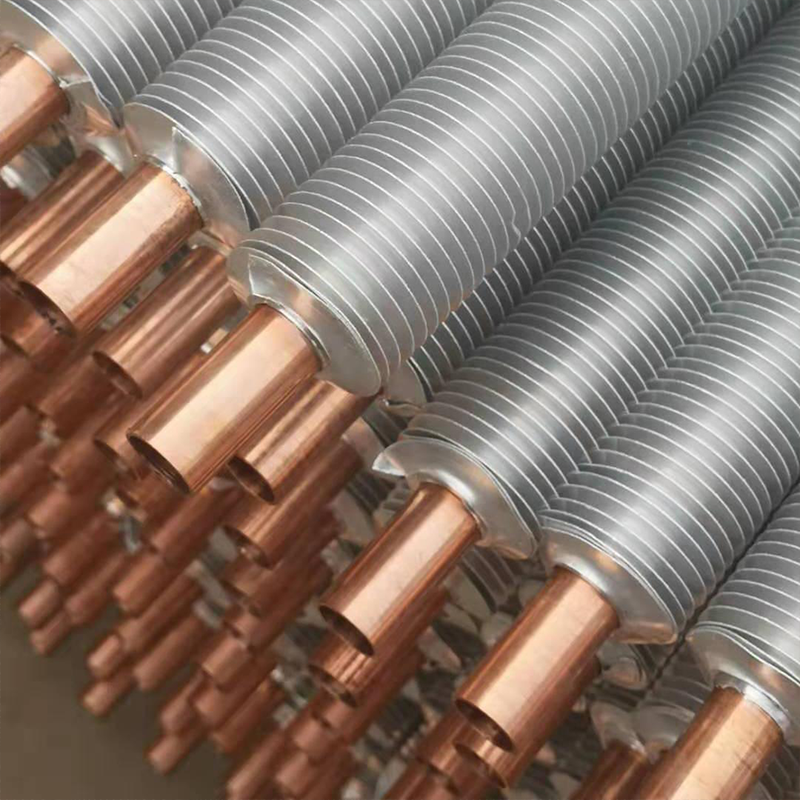
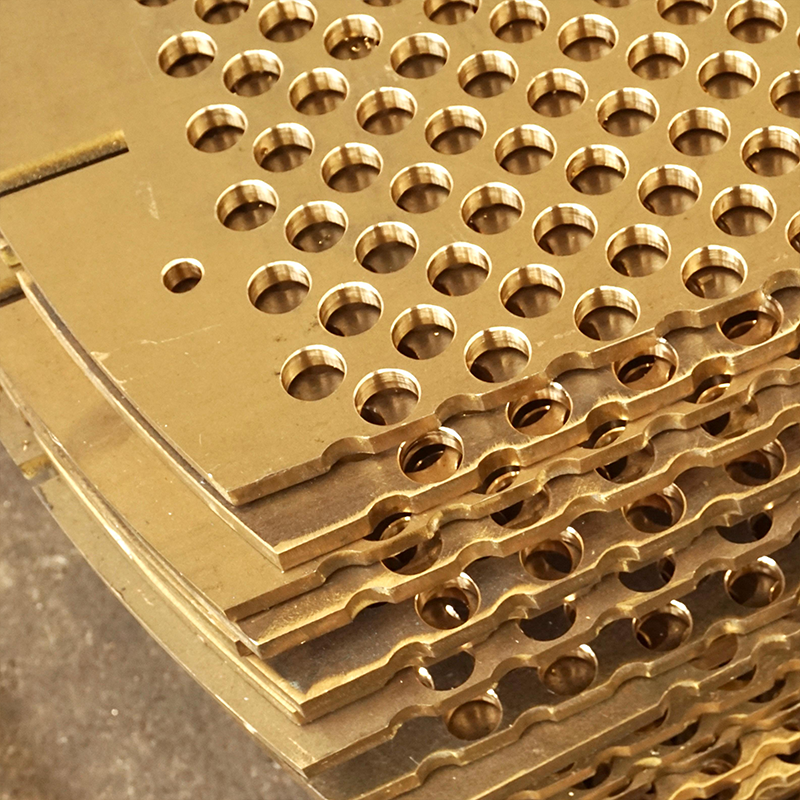
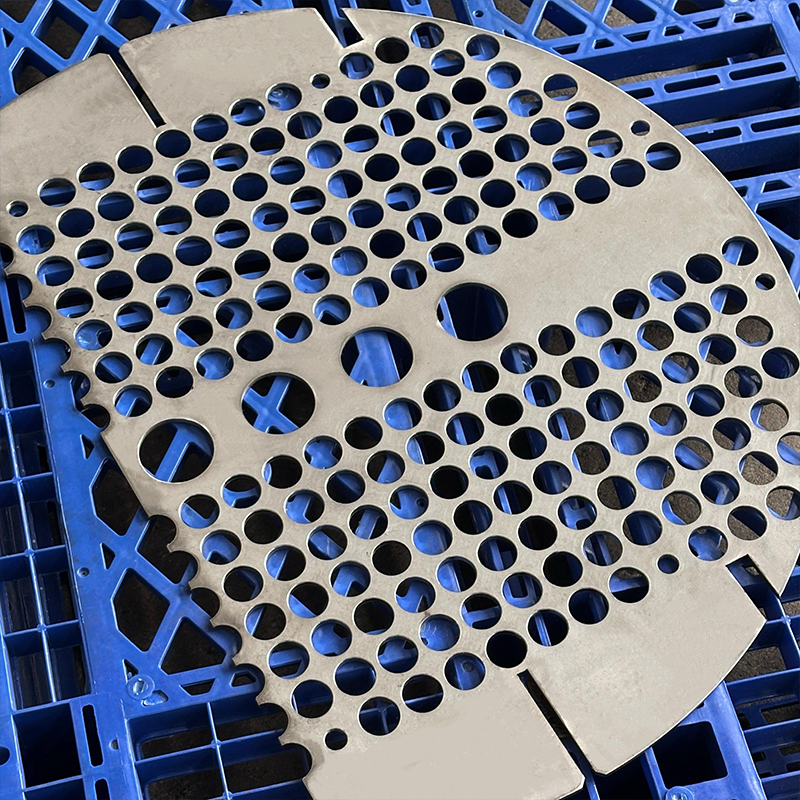
The company's products, including titanium shell-and-tube heat exchangers, ASME high-pressure systems and corrugated tube bundles made from 316 stainless steel, C46400 marine brass or copper-nickel alloys, are created to the most stringent international standards (PED, ASME). Just as a professional welder controls every micron of a weld, Wuxi Kaisheng engineers ensure the highest corrosion resistance and thermal efficiency of their products. The use of premium materials such as N06625 nickel alloys or 321 steel tube sheets ensures stable operation in harsh environments, from seawater desalination to complex chemical plants.
For modern projects that require impeccable reliability, it is important to choose partners who can provide customized solutions for any task. Whether it is waste heat boilers for energy conservation or air coolers for shipbuilding, Wuxi Kaisheng's approach is based on a combination of advanced technology and decades of experience. The reliability of welded joints of polyethylene pipes and the durability of metal equipment go hand in hand, forming a single safe infrastructure of the future.
Frequently Asked Questions
What is the minimum experience required to participate in the competition?
Formally, restrictions on experience depend on the regulations of a particular event, but for serious levels (regional, national) a valid NAKS certificate and at least 1 year of practical experience are usually required. Junior categories can accept students from specialized colleges without experience, but under the guidance of a mentor. The main thing is not the number of years of experience, but the number of high-quality joints performed in real practice.
Can I use my instrument in competitions?
Yes, in most cases, participants are allowed to use their own tools and even apparatus if they meet the technical requirements of the competition and have been checked by the metrological service of the event. However, organizers often provide standardized equipment to eliminate the advantage of more expensive equipment. Always check the rules in the competition regulations in advance to have time to prepare your park.
What to do if the seam does not pass ultrasonic testing?
If a sample is rejected at the NDT stage, participation in further evaluation is usually terminated, since this is a critical defect. In real practice, such a joint is subject to cutting and overwelding. In a competition, this means loss of points or disqualification in this category. It is important to carry out self-monitoring visually and with a measuring instrument before submitting the work to the judges in order to minimize the risk of dropout.
How often do I need to confirm my qualifications after winning?
Winning the competition does not replace mandatory periodic certification by NAKS, which is carried out every 2 years (or more often for particularly critical objects). However, the winner's diploma can serve as the basis for early certification or expansion of the field of activity without additional tests. Proof of skills remains the responsibility of the welder and his employer in accordance with federal regulations.
Does the grade of polyethylene affect the difficulty of welding?
Undoubtedly. Materials of different grades (PE80, PE100, PE100-RC) have different flow rates and melting points. Welding PE100 requires more precise control of pressure and cooling time compared to PE80. Mixing different brands in one joint is prohibited by standards, unless there are special compatibility tables from the pipe manufacturer. Competitions often use the same brand of pipe for the purity of the experiment, but knowing the differences is critical.
Conclusion: your path to the pinnacle of excellence
Professional skills competitions for PE welders are not just a competition, they are a litmus test of your readiness to be responsible for the safety of infrastructure facilities. Every joint worked out, every parameter table studied brings you closer to the status of an expert in demand on the market. Don’t be afraid of mistakes in training, be afraid of stopping your development.
We urge all industry professionals not to stand aside. Participate in local championships, attend master classes, and share your experience with colleagues. Only the combined efforts of the community will make it possible to raise the quality level of Russian pipeline systems to the world level. Your qualification is a guarantee that gas will come to homes and water will flow from taps without accidents or losses.
If you are planning to participate in upcoming competitions or want to improve the skills of your team, contact us for advice on the selection of equipment and training methods. We are ready to share the expertise accumulated over years of work with the country's leading contractors.Contact us todayto discuss details and gain access to a knowledge base on modern polyethylene welding technologies.