
Consulting on the selection of materials for chemical resistance”
2026-08-20
- Why 80% of equipment failures occur due to errors in the selection of materials
- Physico-chemical mechanisms of destruction: what is hidden behind the term “corrosion”
- Selection algorithm: from environment analysis to final specification
- Comparative analysis of materials: when steel loses to plastic
- The role of sealing materials: the weak link of any system
- Certification and standards: how to check the quality of the material
- Case studies: mistakes that were costly
- Business case: TCO instead of purchase price
- Practical implementation: from theory to reliable equipment
- Frequently Asked Questions
- Conclusion and next steps
Why 80% of equipment failures occur due to errors in the selection of materials
In our engineering consulting practice, we have repeatedly encountered situations where expensive pumping equipment or shut-off valves failed after several months of operation. The reason rarely lies in the manufacturer's defect. Most often, the root of the problem lies in the wrong choice of construction material for a specific chemical environment. Consulting on the selection of materials for chemical resistance is not just a recommendation to “buy stainless steel.” This is an in-depth analysis of the interaction of an alloy with an aggressive environment at specific temperatures and pressures. An error at the design stage costs the enterprise millions of rubles in losses due to downtime and replacement of components.
Many buyers rely on universal corrosion resistance tables found on the Internet. These data are often averaged and do not take into account real process conditions: the presence of impurities, cyclic loads or local overheating. We have seen cases where replacing an EPDM seal with an FKM seal solved a leak problem, but only after the customer had lost two lots of product. Our task as experts is to prevent such situations before signing a contract. In this article we will analyze the mechanics of material destruction, selection criteria and give specific action algorithms for engineers and suppliers.
Physico-chemical mechanisms of destruction: what is hidden behind the term “corrosion”
When we talk about chemical resistance, most people think of uniform rusting of the surface. However, in industrial chemistry this process is much more complex and dangerous. Uniform corrosion is predictable: we know the rate of metal loss in mm/year and can reserve wall thickness. Much more terrible are local types of destruction that are not visible to the eye until the moment of catastrophic failure.
Crevice corrosion occurs in gaps, under gaskets, or in threaded connections where oxygen access is limited. In these micro-zones, the pH of the environment changes, and the metal begins to dissolve at tremendous speed. We carried out an examination of a heat exchanger that leaked after a year of operation. Externally, the pipes were ideal, but through fistulas formed under the support rings. This is a classic example of why not only the steel grade is important, but also the design of the assembly.
Intergranular corrosion affects the grain boundaries of the metal. The material retains its external shine and tensile strength, but loses its ductility. When vibration or water hammer occurs, such a unit literally crumbles into pieces. This often happens with 304 (08X18N10) stainless steels after welding if proper heat treatment (tempering) has not been performed. Our consulting on the selection of materials for chemical resistance necessarily includes an audit of equipment manufacturing processes, and not just a check of metal certificates.
Cavitation-erosive wear is another hidden enemy. Steam bubbles, collapsing near the surface of the pump impeller, create microexplosions with pressures of up to 1000 MPa. They knock out metal particles, even if the environment is chemically neutral. The choice of material here shifts from pure “chemistry” to mechanical hardness and elasticity. We often recommend not titanium, which can be subject to cavitation, but special bronzes or high-alloy duplex steels.
Spot Recommendation: Before approving the specification, request an AM or Huey intergranular corrosion (ICC) test report from the supplier, especially for welded structures.
Selection algorithm: from environment analysis to final specification
Professional selection of materials begins not with the supplier’s catalog, but with a detailed survey of the technologist. We need to know the composition of the environment down to the last percent. Clients often say: “We have sulfuric acid.” But concentrations of 10% and 98% require completely different materials. For dilute acid, lead or some plastics work well, but for concentrated acid, carbon steel forms a passive film and works better than many expensive alloys.
Temperature is the second critical parameter. The rate of a chemical reaction doubles with every 10°C increase in temperature (van't Hoff's rule). A material that is ideal at 20°C can dissolve in a week at 80°C. In addition, peak temperatures during startup, shutdown, or emergency situations must be taken into account. We always leave a margin of 15-20°C above the operating temperature of the process.
Impurities play a fatal role. Even traces of chlorides (10-20 ppm) in water can cause pitting corrosion of AISI 316 stainless steel. In such cases, we immediately switch to super duplex (2507) or titanium. The presence of solid particles in the flow changes the requirements for abrasion resistance. Here the hardness of the material becomes more important than its inertness.
Pressure and mechanical loads also influence the choice. Plastic (PVDF, PP) may be chemically resistant, but under high pressure and temperature it will begin to creep (deform under load). In such assemblies, we suggest lining the metal with polymer or using fluoroplastic (PTFE) with reinforcement.
Economic feasibility completes the selection circle. Grade 2 titanium is excellent in many environments, but costs 5-7 times more than stainless steel. If the equipment life is 2 years, and titanium equipment lasts 20 years, the calculation must take into account discounting cash flows and the cost of downtime. Sometimes it is cheaper to buy an expensive one once than to change a cheap one every six months.
Specific step: Make a map of the aggressiveness of your environment, indicating the minimum and maximum temperature, the concentration of all components (including impurities) and the presence of abrasive. Without this data, any advice from a consultant will be guesswork.
Comparative analysis of materials: when steel loses to plastic
The choice between metal and polymer is one of the most common dilemmas in our projects. There is no absolute winner. There is an optimal solution for a specific task. Below is a comparative table of the main groups of materials used in the chemical industry, based on our operating experience in the Russian Federation and the CIS.
| Material | Key Benefits | Critical Limits | Typical Applications | Price segment |
|---|---|---|---|---|
| AISI 304 (08Х18Н10) | Low price, good workability, resistance to oxidizing environments. | Unresistant to chlorides (pitting), poor acid resistance. | Food industry, water, weak alkalis. | Low |
| AISI 316L (03Х17Н14М2) | Molybdenum increases resistance to acids and chlorides. The gold standard of the chemical industry. | Risk of MCC when welding, does not work in hot concentrated acids. | Chemical reactors, pipelines, sea water (up to 30°C). | Medium |
| Duplex steels (2205, 2507) | High strength (2 times higher than 316), excellent resistance to pitting and cracks. | Complexity of processing, risk of formation of harmful phases due to improper heat treatment. | Oil and gas, desalination, aggressive wastewater, high pressure. | High |
| Titanium (Grade 2, Grade 5) | Ideal for chlorine, hypochlorite, oxidizing acids. Lightweight and durable. | Catastrophic corrosion in anhydrous environments and hydrofluoric acid. High price. | Chlorine production, pulp and paper industry. | Very tall |
| PVDF (Polyvinylidene fluoride) | Resistance to most acids and alkalis, UV stability, cleanliness. | Low heat resistance (max 140°C), creep under load, brittleness in frost. | Pipelines for pickling baths, filters, semiconductors. | Medium |
| PTFE (Ftoroplast-4) | Absolute chemical inertness (“the king of plastics”), wide temperature range. | Poor thermal conductivity, difficult to install, high permeability to gases. | Seals, container linings, laboratory glassware. | High |
| Cast iron with lining | Cheap base + long-lasting layer. Good for large volumes. | Risk of lining peeling due to thermal shocks. Heavy. | Large tanks, mixers, pumps for abrasive suspensions. | Low/Medium |
Pay attention to the line about titanium. One of our clients ordered a titanium heat exchanger for cooling an organic solvent. A month later the device leaked. It turned out that the solvent contained less than 0.5% water. Titanium requires moisture to form a protective oxide film. In an anhydrous environment it burns like magnesium. This incident cost the company three months of shop downtime. Always check for inhibitors or water in the medium before selecting titanium.
For acidic environments containing chlorides, we often recommend switching from AISI 316 to duplex steel 2205. The price difference is about 30-40%, but the service life increases by 3-4 times. This is a classic example of how consulting on the selection of materials for chemical resistance saves money in the long run.
Recommendation: use polymers (PVDF, PP) for low pressure pipelines and temperatures up to 100°C. For high pressures and temperatures, choose alloy steels or lined equipment.
The role of sealing materials: the weak link of any system
Engineers often pay 90% of their attention to the equipment body and forget about gaskets and seals. Statistics show that more than 60% of leaks occur at butt joints. Metal can withstand the environment for years, but the rubber gasket will swell in a week, breaking the seal.
EPDM (Ethylene Propylene Rubber) is an excellent choice for hot water, steam and alkalis. It is cheap and durable. But it is absolutely not suitable for petroleum products, oils and most organic solvents. In oil, EPDM turns to jelly in a matter of hours. We have seen cases where pumps were run with EPDM gaskets on hydrocarbons, resulting in an immediate release of product.
Viton (FKM) is a fluorine rubber, standard for oils, fuels and many acids. It holds temperatures up to 200°C. However, it has poor resistance to ketones (acetone), esters and some amines. Also, regular Viton is not recommended for concentrated alkalis and superheated steam.
PTFE (Teflon) is the most versatile option. It is inert to almost everything. But it has a drawback: it is not elastic. Pure PTFE gasket requires very straight flanges and high torque. For dynamic seals (pump shafts), combinations of PTFE with elastomers or graphite are used.
Graphite seals are indispensable in high temperature processes (up to 500°C and above). They withstand thermal cycling better than any rubber. But graphite is porous and may require impregnation. In oxidizing environments at high temperatures, graphite burns out, so special additives or metal spacers are needed.
An important nuance: compatibility of the gasket material with detergent. Equipment is often washed with aggressive solutions (CIP cleaning), which differ from the working environment. The gasket on the product may break during washing. Our consulting always includes checking compatibility with all process fluids, including sanitary fluids.
Action: Replace all standard paronite gaskets with spiral wound or fluoroplastic gaskets when working with aggressive media. Paronite often contains asbestos or binders that are washed away by acid.
Certification and standards: how to check the quality of the material
There are a lot of counterfeits and mismatches on the Russian market. They can sell 304 under the guise of AISI 316, and instead of Grade 2 titanium, they can sell an alloy with impurities. It is impossible to distinguish them visually. The only way to protect yourself is to require the correct package of documents and carry out incoming control.
The main document is a Quality Certificate (Mill Certificate) type 3.1 according to the EN 10204 standard. This certificate confirms that a representative of the manufacturing plant has verified the batch’s compliance with the order requirements. A regular “2.1” or “2.2” certificate is issued by the supplier itself and does not guarantee independent verification. For critical components (pressure vessels), only require 3.1.
In Russia and the EAEU countries, it is important to have a quality passport indicating GOST or TU. EAC certificates are relevant for imported equipment. Pay attention to the markings: each sheet of metal or pipe must have a tag or stamp with the heat number. This number must match the number on the certificate.
Spectral analysis (PMI - Positive Material Identification) is a mandatory procedure for critical objects. A portable X-ray fluorescence analyzer will show the exact chemical composition of the alloy in 10 seconds. We recommend performing a PMI on each batch of pipes and fittings prior to installation. The cost of analysis is peanuts compared to the risk of an accident.
The ISO 9001 standard talks about a quality management system, but does not guarantee the properties of a particular melt. More important are industry standards: NACE MR0175 for oil and gas (sulfide cracking resistance), ASTM A240 for sheet metal, ASTM A312 for pipe.
One of our clients was faced with the fact that Chinese stainless steel fittings began to rust after a month. The analysis showed that the nickel content was 2% below normal. This saved the manufacturer money, but created a problem for the buyer. Input control would have saved the situation.
Advice: include in the contract a clause on the right to an independent examination of the material at the expense of the supplier in case of non-compliance with the declared characteristics.
Case studies: mistakes that were costly
To consolidate the theory, let's look at two real cases from our consulting practice. They clearly show why a superficial approach is unacceptable.
Case No. 1: Pumps for pumping sodium hypochlorite.
The plant purchased a batch of centrifugal pumps with an impeller made of AISI 316L. Medium: sodium hypochlorite 15%, temperature 25°C. According to the corrosion tables, 316L is suitable. However, after 4 months the pump shafts broke. The reason turned out to be the flow structure. Hypochlorite is an unstable compound that releases chlorine. In zones of stagnation and cavitation, the concentration of active chlorine increased, causing pitting. In addition, the shafts were protected by ceramics, but the ceramics had microcracks.
Solution:We replaced the impellers with titanium ones and the shafts with monolithic ones made of Grade 2 titanium. The service life increased from 4 months to 5 years. Consulting on the selection of materials for chemical resistance identified a hidden threat of outgassing that the original designers had not considered.
Case No. 2: Heat exchanger for sulfuric acid.
The company used a graphite heat exchanger to cool 93% of the sulfuric acid. Graphite holds acid well. But during the process, the cooling water temperature spiked to 60°C due to a malfunction in the cooling tower. Graphite is a brittle material with low thermal shock resistance. Thermal cracks occurred and acid entered the water circuit, eroding the water supply pipes.
Solution:Replacement with a heat exchanger made of fluoroplastic (PTFE) with thermal expansion compensators. Fluoroplastic is more elastic and withstands thermal shocks better than graphite in this range. An automatic shutdown system was also introduced when the water temperature is exceeded.
These examples show that a material cannot be selected in isolation from the operating conditions. We need a systematic approach.
Business case: TCO instead of purchase price
Buyers often put pressure on the price of a piece of equipment. The consulting engineer must operate with the concept of TCO (Total Cost of Ownership) - the total cost of ownership. A cheap pump for 100 thousand rubles, which requires replacing seals every 3 months and stops the line for a day, will cost more than a pump for 500 thousand with a service life of 5 years.
The calculation formula is simple:Purchase Cost + (Downtime Cost × Failure Rate) + Parts Cost + Disposal Cost. In the chemical industry, the cost of line downtime can reach millions of rubles per hour. Therefore, the reliability of the material comes to the fore.
We help clients calculate these numbers. It often turns out that using a more expensive alloy (for example, Hastelloy instead of 316L) pays for itself in the first year due to the absence of unscheduled repairs. In addition, expensive materials make it possible to increase the overhaul interval, which reduces the load on the service department.
Liquidity is also worth considering. Equipment made of titanium or special alloys can be sold on the secondary market at a good discount, since the material itself is valuable. No one will buy a rusty corner even for scrap metal.
Recommendation: When defending the budget to management, use the argument through risks and downtime costs, rather than through the technical characteristics of the alloys. The language of money is understood better than the language of microstructures.
Practical implementation: from theory to reliable equipment
Knowledge of corrosion theory and selection algorithms is only half the success. A critical step is the production of equipment, which must strictly comply with the calculated specifications. Даже идеальный проект может быть реализован неудачно, если производитель не обладает необходимыми технологиями обработки экзотических сплавов или не соблюдает международные стандарты качества.
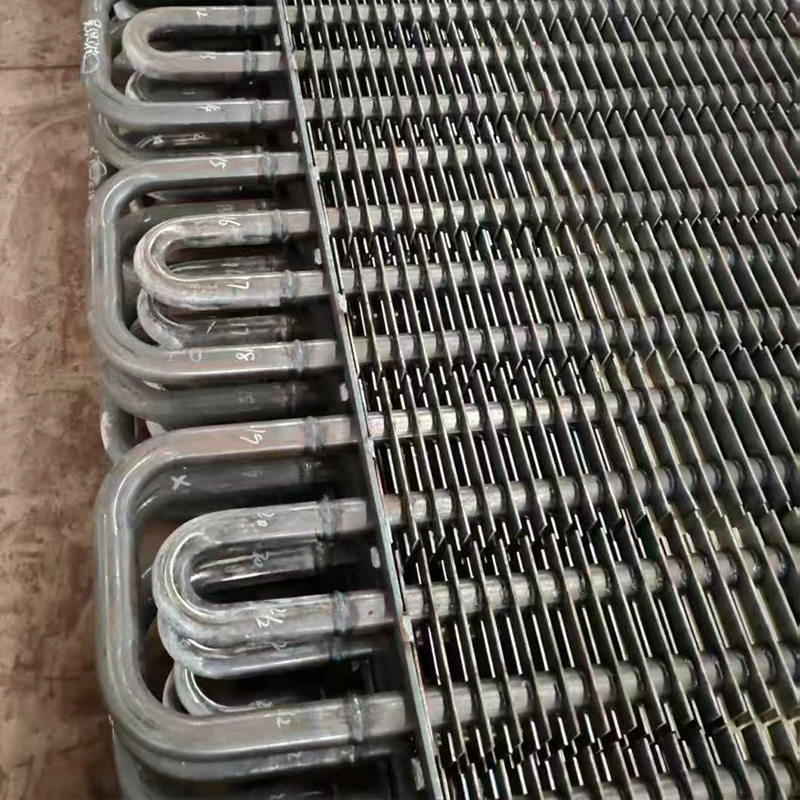
This is where specialist manufacturers such asWuxi Kaisheng Electric Power and Petrochemical Equipment Co., Ltd.. Компания специализируется на разработке и производстве сложного теплообменного оборудования для самых агрессивных сред. Их опыт напрямую перекликается с рассмотренными выше кейсами: они производят титановые кожухотрубные теплообменники, которые являются единственным верным решением для сред с хлором и гипохлоритом, где обычная сталь бессильна.
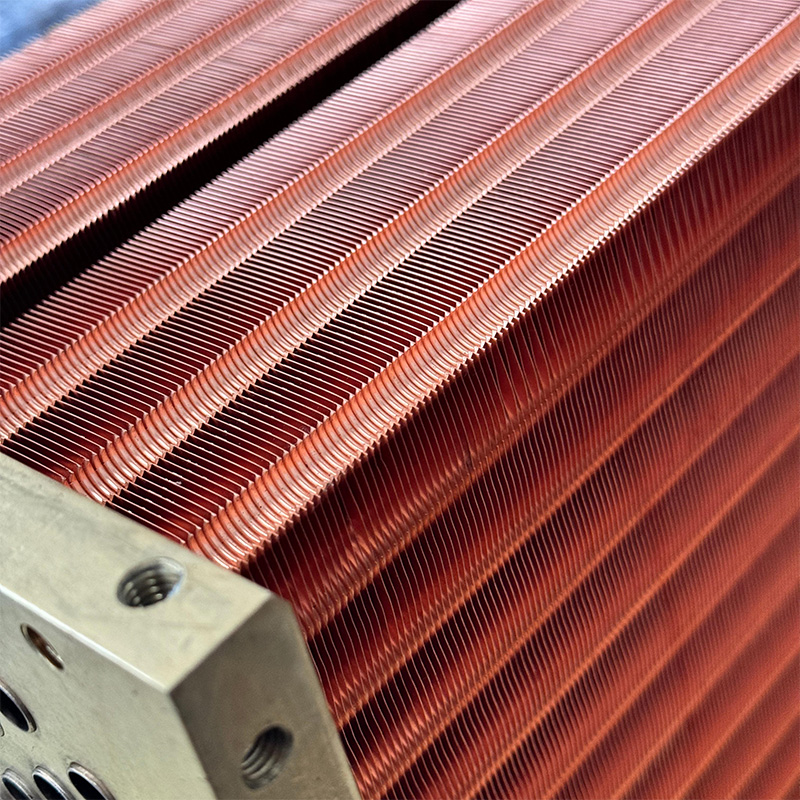
Ассортимент продукции компании охватывает весь спектр задач, описанных в статье: от ASME высоконапорных теплообменников и гофрированных трубных пучков из нержавеющей стали 316 до изделий из морских латуней (C46400), медно-никелевых сплавов (C70600) и суперсплавов на основе никеля (N06625). Особое внимание уделяется качеству трубных решеток и комплектующих, которые часто становятся слабым звеном при неправильном подборе материала.
Продукция ООО «Уси Кайшэн» сертифицирована по строгим международным стандартам PED и ASME, что гарантирует соответствие заявленным механическим и коррозионным свойствам. Оборудование изготавливается из углеродистых, нержавеющих, легированных сталей, а также титановых, медных и никелевых сплавов, обеспечивая высокую теплоэффективность и устойчивость к экстремальным давлениям и температурам. Такие решения широко востребованы в нефтепереработке, нефтехимии, опреснении морской воды и энергетике, позволяя заказчикам по всему миру получать стабильное и долговечное оборудование, полностью соответствующее требованиям технологического процесса.
Frequently Asked Questions
Какой материал выбрать для соляной кислоты?
Ответ зависит от концентрации и температуры. Для разбавленной соляной кислоты (до 10-15%) при комнатной температуре подходят пластики (PVDF, PP) и полиэтилен. Для средних концентраций и температур до 60-70°C лучшим выбором является Hastelloy B-2/B-3 или тантал. Нержавеющие стали (даже 316) в соляной кислоте не работают — они растворяются быстро. Графит также устойчив, но боится термоударов. Если бюджет ограничен, можно рассмотреть сталь с резиновой футеровкой, но нужно следить за целостностью покрытия.
Можно ли использовать алюминий в химической промышленности?
Алюминий имеет узкую нишу применения. Он отлично работает в концентрированной азотной кислоте (благодаря пассивации) и в некоторых органических средах. Однако он категорически не устойчив к щелочам (растворяется с выделением водорода) и соляной кислоте. Также алюминий подвержен сильной питтинговой коррозии в присутствии хлоридов. Использовать его следует с большой осторожностью и только после консультации со специалистом по конкретной среде.
Как отличить пищевую нержавейку от технической?
Визуально — никак. Оба типа могут быть блестящими. Разница в составе и чистоте поверхности. Пищевые стали (часто 304) имеют строгие ограничения по содержанию вредных примесей (свинец, мышьяк) и специальную обработку поверхности (электрополировка) для предотвращения налипания бактерий. Технические стали могут иметь шероховатость, в которой застревают продукты реакции. Для пищевой промышленности обязательно требуйте гигиенический сертификат и паспорт с указанием класса шероховатости Ra (обычно не более 0.8 мкм).
Почему титан нельзя использовать в плавиковой кислоте?
Плавиковая кислота (HF) — единственный распространенный реагент, который активно растворяет титан. Фторид-ионы разрушают защитную оксидную пленку на поверхности титана быстрее, чем она успевает восстановиться. Реакция идет с выделением водорода и сильным разогревом, что может привести к возгоранию титана. Для плавиковой кислоты используют монель (никель-медный сплав), платину или специальные пластики (PFA, PVDF).
Conclusion and next steps
Правильный выбор материала — это фундамент безопасности и рентабельности химического производства. Не существует «лучшего» материала вообще, есть лучший материал для вашей конкретной задачи. Ошибки в этой сфере стоят слишком дорого, чтобы полагаться на интуицию или бесплатные советы из интернета.
Наш опыт показывает, что раннее вовлечение экспертов в процесс проектирования экономит до 30% бюджета на этапе эксплуатации. Мы проводим полный аудит ваших технологических цепочек, подбираем оптимальные пары «материал-среда» и сопровождаем внедрение до первого успешного запуска, рекомендуя надежных производителей, таких как ООО «Уси Кайшэн», для реализации сложных проектов.
Если вы столкнулись с частыми отказами оборудования или планируете новый проект, не рискуйте. Доверьте подбор материалов профессионалам.Contact us todayдля проведения экспресс-аудита вашей текущей ситуации. Мы поможем избежать ошибок, которые уже совершили другие.
Для более глубокого погружения в тему рекомендуем прочитать нашу статью«Основные виды коррозии и методы защиты», где мы детально разбираем механизмы разрушения металлов.