
Buy large volume vertical PP tank – Manufacturer”
2026-08-07
- Large-volume vertical polypropylene tanks: criteria for choosing a reliable manufacturer
- Technical characteristics and design features of large containers
- Production process and quality control: why is it important for the buyer
- Certification and compliance with standards: EAC, GOST and ISO
- Comparison of manufacturers: China, Europe and local production
- Typical mistakes when ordering and operating tanks
- How to calculate the cost and production time
- Гарантийные обязательства и постпродажное обслуживание
- Frequently Asked Questions
- Conclusion and call to action
Large-volume vertical polypropylene tanks: criteria for choosing a reliable manufacturer
Purchasing a large volume PP vertical tank is an investment that will determine the safety of your production for the next 10-15 years. In our practice, we have seen how savings of 5–7% on the cost of equipment when choosing an unverified supplier turned into accidents with depressurization of seams after just two years of operation. The market is overflowing with proposals where the declared volume of 50 m³ turns out to be 46 m³ due to the truncated bottom, and the wall thickness of 20 mm is uneven in height. This article was written by engineers who have personally welded over 3,000 tons of polypropylene and know where the real risks lie. We will not use general phrases about “high quality”, but will analyze specific parameters: from the safety factor to the requirements for EAC and GOST certification.
If you are looking for an answer to the question wherebuy large volume vertical PP tankfrom a direct manufacturer, you need to understand the difference between an assembly shop and a full-fledged plant with its own sheet extrusion production. The real manufacturer controls the chemical composition of the raw materials (PP-H, PP-B or PP-R), while the reseller depends on the quality of the purchased sheets. Below we take a closer look at the technical nuances that distinguish reliable equipment from a temporary solution, and provide clear instructions for vetting the supplier before signing a contract.
Technical characteristics and design features of large containers
The volume of the tank dictates the geometry and method of strengthening the structure. For containers over 20 m³, a simple cylindrical shape without additional reinforcement becomes unstable under the pressure of the liquid column. In our engineering practice, we encountered a case where a tank with a volume of 40 m³, manufactured by competitors without taking into account hydrostatic pressure, received irreversible deformation (“barrel formation”) in the lower third of the body upon the first full filling with an aggressive reagent. This happened because the manufacturer used a standard wall thickness for everything-height, ignoring the increase in pressure towards the bottom.
When ordering large vertical tanks, the key parameter is the height to diameter (H/D) ratio. The optimal value for stability is considered to be a range from 1:1 to 2:1. If the height exceeds the diameter by more than 2.5 times, the use of external stiffening rings or an internal frame becomes mandatory. We recommend the following minimum wall thicknesses for polypropylene homopolymer (PP-H) tanks depending on the volume and density of the liquid (up to 1.2 g/cm³):
- Volume 10–20 m³:wall thickness 12–15 mm. Suitable for storing water, weak acids and alkalis at atmospheric pressure.
- Volume 20–50 m³:wall thickness 18–25 mm. Mandatory reinforcement of the bottom with stiffening ribs is required in increments of no more than 400 mm.
- Volume 50–100 m³:wall thickness 25–35 mm. The design should include external stiffening rings made of PP strip or steel profile with anti-corrosion coating, installed at intervals of 1–1.5 meters.
- Volume over 100 m³:individual design taking into account wind loads and seismic activity of the region. Modular on-site assembly is often used.
The material is critical. For most chemical applications we use PP-H (homipolymer), which provides maximum chemical resistance but has a lower operating temperature limit of around 0°C. If your process requires operation at sub-zero temperatures or shock loads, PP-B block copolymer is required, which maintains viscosity down to -20°C, but costs 15-20% more. One of our clients in Siberia tried to save money by ordering a PP-H tank to store process water in an unheated warehouse. At a temperature of -5°C, the tank wall became brittle, and an accidental impact with a forklift resulted in a 40 cm long through crack. Losses from spills and line downtime exceeded the cost of a new tank three times.
Weld seams are the weakest point of any plastic container. A quality manufacturer uses automatic extrusion welding with control of air flow temperature and filler rod feed rate. Manual welding of large vertical seams is unacceptable due to the high risk of human error and uneven heating. We require that all longitudinal seams of housings with a volume of more than 5 m³ are carried out only on automatic lines. This guarantees the solidity of the connection, the strength of which is at least 85–90% of the strength of the base material of the sheet.
The bottom of the tank is the zone of maximum stress. A flat bottom is only permissible for small volumes (up to 3 m³). For large containers we use conical, funnel-shaped or spherical bottoms. The conical bottom with an inclination angle of 60° ensures complete drainage of the product without stagnant zones, which is critical for food production and pharmaceuticals, where sanitation is important. A spherical bottom distributes pressure better, but is more difficult to manufacture and transport. When choosing a configuration, always check with the manufacturer whether the cost of the supporting metal structure is included in the price of the product, since large-volume plastic tanks are never installed directly on a concrete floor without a distribution frame.
Production process and quality control: why is it important for the buyer
The manufacturing process begins not with welding, but with the selection of raw materials. A reliable manufacturer has certificates for each batch of pellets (for example, Borealis, Sabic or LyondellBasell). The use of recycled polypropylene (regranulate) for the manufacture of chemical tanks is strictly prohibited, although unscrupulous factories often add up to 10-15% of recycled materials to the lower layers of sheets to reduce costs. This leads to the appearance of micropores and reduced chemical resistance. In our laboratory, we tested samples from different suppliers: sheets with an admixture of recycled materials were destroyed under the influence of 30% sulfuric acid 3 times faster than pure virgin material.
Sheet extrusion is the next critical step. Sheets for large tanks must be thermoformed or have a special structure that reduces internal stress. After cutting the sheets, the edges are prepared for welding. The quality of edge preparation (cut angle, surface cleanliness) directly affects the penetration depth. We use a 60° V-groove method, which allows the filler material to penetrate the entire depth of the weld.
Quality control of welded joints is carried out in three stages. The first is a visual inspection by each welder immediately after completing the weld. The second is instrumental control by the site foreman using a spark flaw detector (to identify through pores) and ultrasonic thickness gauging. The third is selective destructive testing of witness samples, which are welded together with the main product. These samples are stretched using a tensile strength machine, and if the strength of the seam is below the standard, the entire batch is rejected. Unfortunately, many small workshops limit themselves only to visual inspection, which is a gross violation of technology.
An important aspect is labeling and traceability. Each of our tanks is permanently marked with the order number, date of manufacture, grade of material and the name of the responsible welder. This allows, in the event of a complaint, to establish exactly who performed the work and when. Process transparency is a sign of mature production. We are open to customer audits and provide video reports of key welding stages for remote clients.
Packaging and logistics for large tanks require special attention. Tanks with a volume of up to 20–25 m³ are often transported assembled on low-loader trawls. To do this, the structure must be designed taking into account the dimensions of the roads and the height restrictions of the bridges. Large volumes (over 30 m³) are supplied in sections (ring belts) for assembly on site. In this case, the quality of joining of sections at the installation site becomes a critical factor. We send our specialists to supervise the installation to ensure that the assembly will be carried out in compliance with all technological maps. An attempt to assemble a complex tank using unqualified builders often leads to skewed geometry and the impossibility of installing a lid or hatches.
Certification and compliance with standards: EAC, GOST and ISO
Working with industrial equipment in Russia and the EAEU countries requires strict adherence to safety standards. When purchasing a large-volume vertical PP tank, you must require a package of accompanying documentation. The main document is the Declaration of Conformity with the Technical Regulations of the Customs Union (TR CU). Tanks operating under excess pressure require permission from Rostechnadzor, however, most vertical tanks for storing chemicals operate at atmospheric pressure and are subject to TR CU 010/2011 “On the safety of machinery and equipment.”
The presence of an ISO 9001 certificate from a manufacturer indicates an established quality management system, but does not guarantee the quality of a particular product. More important is the product’s compliance with national standards, such as GOST 15150 (temperate climate version) or industry recommendations. For example, for the food industry, it is critical to have certificates confirming the migration safety of the material (compliance with sanitary standards).
The European CE mark is also an indicator of quality, especially if you plan to export products or work with international auditors. However, for the domestic market of the Russian Federation, the EAC mark remains a priority. The absence of these signs on equipment may cause problems when passing environmental or labor inspection inspections. In our practice, there was a case when an enterprise was fined a large sum for operating tanks without passports and declarations of conformity, despite the fact that the tanks themselves were in good working order. The bureaucratic component in industry is no less important than the technical one.
We provide a full package of documents: product passport, instruction manual, certificate of conformity, hydraulic test report and drawings with the seal of the design bureau. All documents are duplicated electronically and are available in the client’s personal account. This simplifies the procedure for commissioning equipment and undergoing annual technical inspections.
Comparison of manufacturers: China, Europe and local production
The market offers three main sourcing directions: European brands, Chinese factories and local manufacturers in the CIS. The choice depends on the budget, timing and service requirements. Let's compare them objectively, without marketing fluff.
| Criterion | European manufacturers | Chinese factories | Local manufacturers (CIS) |
|---|---|---|---|
| Price | High (40–60% above the market) | Low (20–30% below the market) | Medium (optimal ratio) |
| Delivery times | 8–12 weeks + logistics | 4–6 weeks + 4–5 weeks delivery | 2–4 weeks (ready-made solutions) |
| Raw material quality | Consistently high (Borealis, Basell) | Often mixed, regranulate possible | Depends on the factory, but we use imported granules |
| Service and warranty | Excellent, but expensive specialist visit | Virtually absent, difficult communication | Fast departure, up to 5 years warranty |
| Adaptation to GOST/EAC | Documentation needs improvement | Correct certificates are often missing | Full compliance from factory |
European equipment is chosen by companies operating according to strict international standards (for example, pharmaceutical giants), where price is not a limiting factor. Chinese tanks are attractively priced, but the risks of hidden defects and difficulties with warranty service make them a choice for non-critical applications or temporary solutions. Local production benefits from an understanding of the climatic characteristics of the region, the availability of spare parts warehouses and the possibility of prompt intervention in the event of an accident.
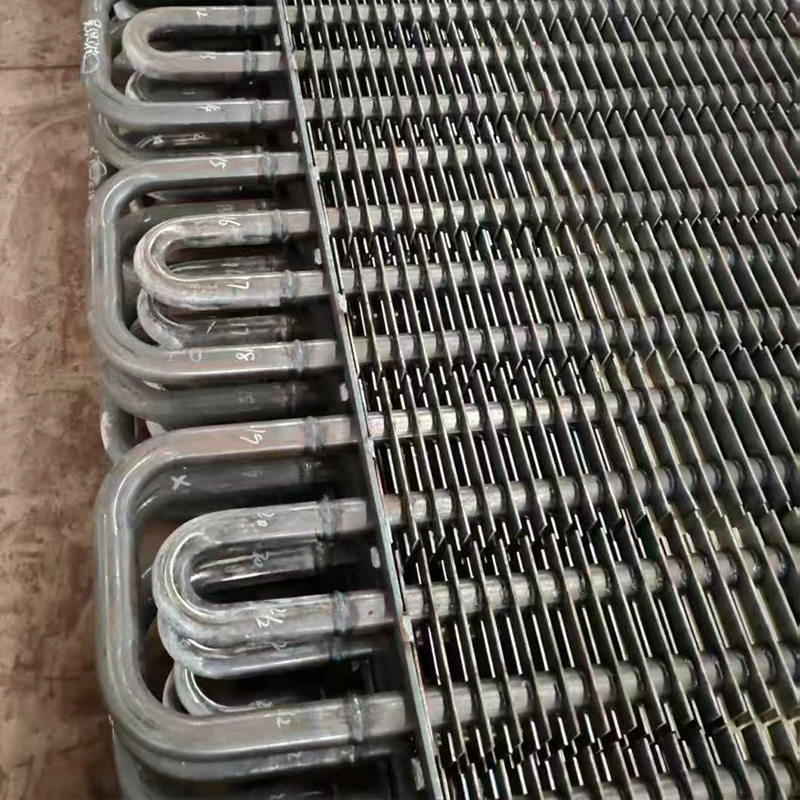
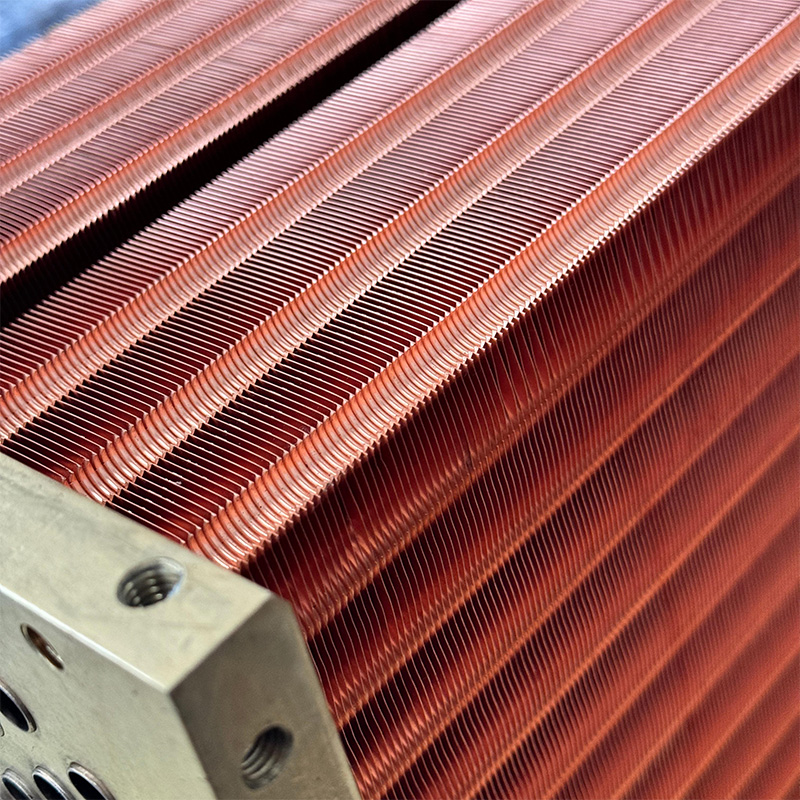
It is important to note the role of companies such asWuxi Kaisheng Electric Power and Petrochemical Equipment Co., Ltd.. Although the company's main profile is focused on the production of high-tech heat transfer equipment (titanium shell-and-tube heat exchangers, ASME units, air coolers) and components made from special alloys (nickel, copper, titanium) for oil refining and energy, their approach to production sets a high bar for the entire industry. Product certification to international PED and ASME standards, as well as experience working with corrosive media under extreme pressure and temperature conditions, demonstrate the level of engineering culture to which all manufacturers of capacitive equipment should strive. This is a signal to the customer: a reliable supplier, whether a tank or heat exchanger manufacturer, must ensure full traceability of materials, strict welding controls and compliance with global safety standards. We share these principles, using similar approaches to quality control and 选材 (material selection) to ensure the longevity of our polypropylene tanks.
We, as a manufacturer, occupy a niche of high-quality local production using the best global components. We don't try to be the cheapest, because we know the cost of a mistake. Our goal is to provide a product that will work for decades without maintenance attention. We use the same polypropylene as the European market leaders, but we produce equipment here, which eliminates currency risks and long supply chains.
Typical mistakes when ordering and operating tanks
Errors when ordering begin at the stage of technical specifications. The most common of them is incorrect calculation of the useful volume. Clients often indicate the geometric volume of the cylinder, forgetting to subtract the volume occupied by the bottom, stiffeners and technological indentations from the top edge (air cushion). As a result, the ordered “50 cubic meters” tank actually holds only 42–43 cubic meters of working fluid. This can disrupt the technological balance of the entire line. Always order a container with a margin of 10–15% of the required working volume.
The second mistake is ignoring thermal expansion. Polypropylene has a high linear expansion coefficient. When the contents are heated from 20°C to 60°C, the 4 meter high tank lengthens by approximately 24–28 mm. If the pipelines are rigidly connected to the tank, without compensators or flexible inserts, the resulting stresses can tear off the pipes or deform the housing. We always recommend using bellows expansion joints on all inlet and outlet lines.
The third mistake is related to the foundation. A plastic tank filled with liquid weighs tens of tons. An uneven foundation leads to stress concentration at one point on the bottom, which causes it to push through and break the seams. The base must be perfectly level (height difference no more than 3 mm over the entire area) and made of concrete of a grade not lower than M300. A damping pad made of rubber or special geotextile with a thickness of at least 5 mm must be placed under the tank to protect the bottom from abrasive wear and microcracks.
The fourth mistake is the wrong choice of shutoff valves. Heavy metal valves hung directly onto a plastic pipe without support create a bending moment, which over time leads to a crack at the welding site of the pipe. All heavy piping elements must have their own supports, independent of the tank body. We have repeatedly repaired tanks whose pipes broke off under the weight of incorrectly installed pumps or valves.
How to calculate the cost and production time
The cost of a vertical PP tank consists of several factors: the weight of the raw materials (which depends on the volume and thickness of the walls), the labor intensity of welding work, the cost of additional elements (hatches, ladders, service platforms, level sensors) and logistics. The price per kilogram of the finished product may vary, but the main driver is volume. The larger the tank, the higher the share of manual labor and complex engineering solutions in its cost.
To receive an accurate commercial offer, we require the following data from the customer:
- Type of stored environment:название вещества, концентрация, температура хранения. Это определяет выбор марки полипропилена.
- Working volume:сколько литров должно быть доступно для использования.
- Габаритные ограничения:максимальная высота и диаметр, которые можно доставить на объект или разместить в цеху.
- Equipment:необходимость в мешалках, теплообменниках, системах перелива, аварийных клапанах.
- Место установки:помещение или улица (требуется защита от УФ-излучения или дополнительное утепление).
Сроки изготовления стандартного резервуара объемом до 30 м³ составляют 10–15 рабочих дней с момента подписания договора и внесения аванса. Для уникальных проектов объемом свыше 50 м³ срок увеличивается до 25–30 дней из-за необходимости разработки индивидуальной конструкторской документации и изготовления крупной оснастки. Мы работаем по предоплате 50%, что позволяет нам закупать сырье без задержек. Оставшиеся 50% оплачиваются после готовности изделия к отгрузке и предоставления фото/видео отчета.
Логистика рассчитывается индивидуально. Доставка собранных резервуаров осуществляется манипуляторами или тралами. Стоимость доставки сильно зависит от расстояния и необходимости сопровождения негабаритного груза. В некоторых случаях выгоднее заказать модульную поставку и сборку на месте, чем платить за перевозку широкого груза с оформлением специальных разрешений.
Гарантийные обязательства и постпродажное обслуживание
Мы уверены в качестве своей продукции, поэтому предоставляем гарантию до 5 лет на герметичность корпуса и сварных швов при условии соблюдения правил эксплуатации. Гарантия не распространяется на механические повреждения, полученные в результате внешнего воздействия, перегрев выше допустимых температур или использование емкости для хранения веществ, не указанных в паспорте.
Постпродажное обслуживание включает в себя возможность заказа ремонтных комплектов, дополнительных патрубков или модернизации существующих емкостей (установка новых датчиков, изменение высоты перелива). В отличие от импортеров, мы всегда держим на складе запас листового полипропилена тех же марок, что позволяет оперативно выполнить ремонт даже спустя несколько лет после покупки. Ремонт пластиковых резервуаров — это высокотехнологичный процесс, который невозможно качественно выполнить «гаражными» методами. Только профессиональная экструзионная сварка может восстановить целостность корпуса.
Один из наших долгосрочных клиентов эксплуатирует наши резервуары уже 12 лет. За это время они провели одну плановую ревизию и заменили уплотнения на люках. Сам корпус остался в идеальном состоянии, что подтверждает долговечность правильно изготовленного оборудования из качественного PP. Такая надежность снижает совокупную стоимость владения (TCO), делая первоначальные инвестиции полностью оправданными.
Frequently Asked Questions
Какой максимальный объем вертикального резервуара из PP вы можете изготовить?
Технологически мы можем изготовить резервуары объемом до 200 м³ и более. Однако для транспортировки в собранном виде существует ограничение по габаритам дорожного транспорта (обычно до 25–30 м³). Резервуары большего объема изготавливаются в виде секций (колец) и собираются непосредственно на площадке заказчика нашими монтажниками. Такой подход позволяет создавать емкости практически любого размера, ограниченного только прочностью фундамента и высотой потолков помещения.
Можно ли хранить в полипропиленовых резервуарах агрессивные кислоты и щелочи?
Да, полипропилен (особенно гомополимер PP-H) обладает исключительной химической стойкостью к большинству неорганических кислот (серная, соляная, фосфорная) и щелочей в широком диапазоне концентраций и температур. Исключение составляют сильные окислители (азотная кислота высокой концентрации, хромовая смесь) и некоторые органические растворители (хлорированные углеводороды, ароматические растворители при высоких температурах). Перед заказом обязательно предоставьте нашу службу технической безопасности карту химической совместимости для вашего конкретного вещества, чтобы мы могли подтвердить пригодность материала.
Нужно ли заземлять пластиковые резервуары?
Полипропилен является диэлектриком и не проводит электрический ток. Однако при перекачке легковоспламеняющихся жидкостей или порошков возможно накопление статического электричества на поверхности жидкости или в потоке. В таких случаях резервуар должен быть оснащен системой выравнивания потенциалов и заземления металлических элементов обвязки (патрубков, лестниц, площадок), а также внутренними устройствами для снятия статики с жидкости. Для обычных водных растворов и негорючих химикатов специальное заземление корпуса не требуется, но металлические опорные конструкции должны быть заземлены согласно ПУЭ.
Как долго служит вертикальный резервуар из полипропилена?
Срок службы качественного резервуара из первичного полипропилена при правильной эксплуатации составляет 20–25 лет и более. Старение материала происходит медленно, в основном под воздействием ультрафиолета (если резервуар стоит на улице без защиты) и циклических термических нагрузок. При установке в помещении и отсутствии прямого солнечного света полимер сохраняет свои механические свойства десятилетиями. Мы знаем случаи эксплуатации наших изделий более 15 лет без признаков деградации материала.
Возможна ли установка резервуара на улице в зимний период?
Да, возможна, но с определенными условиями. Полипропилен становится хрупким при температурах ниже -15°C…-20°C (в зависимости от марки). Для уличной установки в холодном климате необходимо предусмотреть термоизоляцию корпуса (минеральная вата, пенополиуретан) и, при необходимости, систему подогрева (паровая рубашка или электрические тэны), чтобы поддерживать температуру продукта выше точки хрупкости материала. Также крыша резервуара должна быть рассчитана на снеговую нагрузку региона установки.
Conclusion and call to action
Выбор поставщика емкостного оборудования — это стратегическое решение. Ошибка в выборе может стоить вам миллионов рублей убытков от простоев и экологических штрафов. Мы предлагаем не просто «железную бочку из пластика», а инженерное решение, адаптированное под ваши задачи, с полным пакетом документов и реальной гарантией. Наш опыт показывает, что правильный расчет параметров и соблюдение технологии сварки важнее, чем минимальная цена за килограмм.
Если вы готовы обсудить проект и получить детальное технико-коммерческое предложение с чертежами и расчетом стоимости, свяжитесь с нами сегодня. Наши инженеры проанализируют ваше техническое задание, предложат оптимальную конфигурацию и рассчитают сроки поставки. Не рискуйте безопасностью производства — доверьте хранение химикатов профессионалам.
Contact us todayдля консультации или запроса КП. Мы также приглашаем вас ознакомиться с нашимкаталогом вертикальных резервуаров, где представлены типовые решения для различных отраслей промышленности.