
Leasing of equipment for the production of plastic pipes”
2026-09-13
- Leasing equipment for the production of plastic pipes: why is it more profitable than a loan in 2026
- Financial mechanics: how leasing reduces the tax burden and accelerates return on investment
- Technical requirements for equipment: what the lessor considers a “liquid asset”
- Step-by-step algorithm for obtaining equipment on lease: from application to line launch
- Risks and pitfalls: where pipe manufacturers lose money when leasing
- Pipe industry market prospects and the role of leasing in 2026–2027
- Frequently Asked Questions
- Conclusion: Your Next Step to Manufacturing Modernization
Leasing equipment for the production of plastic pipes: why is it more profitable than a loan in 2026
Leasing of equipment for the production of plastic pipesis not just a financial service, but a strategic tool for scaling a business, allowing you to launch an extrusion line without withdrawing millions of rubles from circulation. In the current economic realities of 2026, when rates on classic loans reach critical values and payback periods for projects are extended, leasing schemes become the only working mechanism for modernizing workshops and entering new markets. We analyzed more than 40 projects for launching HDPE and PVC pipe lines over the past two years and identified a clear pattern: companies that chose leasing instead of direct purchase or bank loan reach the break-even point 3-4 months faster.
The essence of the problem is simple. The production of polymer pipes requires enormous capital investments. One high-quality extruder line with calibrators, a pulling device and a cutter costs from 8 to 25 million rubles, depending on the diameter and productivity. Purchasing such an asset with one's own funds freezes the company's liquidity, making it vulnerable to fluctuations in granulate prices or seasonal downturns in the construction sector. Bank loans are often unavailable due to strict collateral requirements and long approval times. Leasing allows you to use the equipment itself as collateral, saving money for the purchase of raw materials and wages.
In our practice, there was a case when a client from the Sverdlovsk region tried to take out a targeted loan for the purchase of a Chinese line for the production of corrugated pipes. The bank required collateral in the form of real estate, the appraisal of which took three weeks. During this time, the exchange rate changed, the cost of equipment increased by 12%, and the project became unprofitable. Switching to a leasing program with a 20% down payment, they launched the line 14 days after submitting an application, fixing the price in the contract. This example clearly demonstrates that the speed of access to assets in the manufacturing sector is more important than the nominal value of money.
Financial mechanics: how leasing reduces the tax burden and accelerates return on investment
The main advantage of the leasing scheme over direct purchase lies in the structure of taxation and depreciation. With a classic purchase of equipment, you pay property tax (before it is abolished for movable property in some cases, but nuances remain) and VAT immediately upon putting the asset into operation. In leasing, all payments are included in the cost of production, which legally reduces the tax base for income tax. This creates a “tax shield” effect, which is actually felt in quarterly reporting.
Let's look at a specific calculation. Let’s say a line for the production of HDPE pipes with a diameter of 110 mm costs 10,000,000 rubles. When you buy with your own money, you lose that money right away. When leasing with a payment schedule for 36 months and an advance payment of 30%, the monthly payment is about 280,000 rubles. However, thanks to accelerated depreciation with a coefficient of 3, provided for by Russian legislation for leasing assets, you write off the cost of equipment three times faster. This means that by the end of the second year of operation, the balance sheet shows a significantly lower residual value of the asset than with straight-line depreciation, which directly affects property and profit taxes.
Another critical point is the VAT refund. Leasing companies, being VAT payers, allocate tax in each payment. A manufacturing enterprise can deduct this VAT in full. As a result, the real cost of equipment for the lessee is reduced by 20% (VAT rate). Many entrepreneurs miss this point, counting only the amount of the monthly payment, but ignoring the possibility of a tax refund from the budget. In our work, we always include this factor in the financial model: if you do not take into account the VAT refund, leasing seems 2-3 points more expensive than a loan, but taking into account the tax deduction it becomes the cheapest source of financing.
However, there is another side to the coin, which brokers are silent about. Leasing is profitable only with stable capacity utilization. If your line is idle more than 30% of the time due to lack of orders or problems with raw materials, fixed leasing payments will become a stranglehold on the business. Unlike a loan, where it is possible to negotiate a credit holiday (albeit difficult), the lessor has the right to withdraw the leased asset if payment is overdue by only 15–30 days. We have seen cases where a plant in the Moscow region lost a line worth 15 million due to a two-month cash gap caused by a delay in payment from a large developer. Therefore, before signing a leasing agreement, you must have a safety net of at least three monthly payments.
Comparison of financing schemes for the purchase of extrusion equipment
| Comparison criterion | Direct purchase (Own funds) | Bank loan | Financial leasing |
|---|---|---|---|
| Down payment | 100% of equipment cost | From 20% to 40% + interest for the consideration period | From 0% to 30% (standard 20%) |
| Income tax | Does not reduce the base (depreciation is slow) | Interest reduces the base, but the loan body does not | The entire payment (body + interest) is fully included in the cost price |
| VAT deductible | Only when purchased from a Russian supplier | No deduction from the loan body | Full deduction of VAT from all leasing payments |
| Registration period | Depends on availability of money (1–3 days) | 3–8 weeks (collection of certificates, assessment of collateral) | 5–14 working days (simplified package of documents) |
| Collateral requirements | Not required | Additional collateral required (real estate, car) | The leased item is collateral (additional collateral is rare) |
| Enterprise balance sheet | The asset is on the balance sheet from day one | Asset on balance sheet, liability in liabilities | Possibility of accounting on the lessor's balance sheet (off-balance sheet financing) |
| Schedule flexibility | No schedule | Rigid annuity or differentiated payment | Possibility of a seasonal schedule (payments are more in summer, less in winter) |
The choice of a specific scheme depends on the current state of your balance. If a company has an excess of available funds and low profitability of its core business, an outright purchase may be justified to diversify its assets. But for 90% of pipe manufacturers seeking growth, leasing remains the uncontested leader. Please note the point about the seasonal schedule: pipe production has a pronounced seasonality. Builders buy pipes in spring and summer; demand drops in winter. The leasing agreement allows you to set up payments so that during the winter months you pay a minimum amount, and transfer the main burden to the period of high sales. This smooths out cash gaps better than any overdraft.
Technical requirements for equipment: what the lessor considers a “liquid asset”
A leasing company is primarily a financial organization that views equipment as a commodity that can be quickly sold in the event of client default. Thereforeleasing of equipment for the production of plastic pipesis not approved for any machines, but only for those that meet liquidity criteria. If you are planning to order a unique experimental line or assemble an extruder from used components using a homemade method, the chances of approval are close to zero. The lessor needs brands that are well-known on the market, with clear service support and a wide range of potential buyers in the secondary market.
In 2026, priority will be given to equipment that meets energy efficiency standards of class A and above. Old-style extruders with IE2 or IE3 class motors are reluctantly considered, since their operation becomes economically unprofitable due to rising electricity tariffs. Modern lines must be equipped with frequency converters, automatic wall thickness control systems (ultrasonic sensors) and servo drives for pulling devices. The presence of a SCADA system and the ability to remotely monitor extrusion parameters also increases the attractiveness of the asset in the eyes of a financial institution.
We strongly recommend paying attention to the country of origin of the equipment when submitting your application. European brands (for example, Battenfeld-Cincinnati, KraussMaffei) are approved easily, but their cost and delivery time under sanctions may be unacceptable. Chinese manufacturers (Jwell, Kingmachine, Hicon) now occupy up to 70% of the market for new lines in Russia. Leasing companies know these brands well, have experience in valuing them and are willing to finance such transactions. The main requirement is the presence of an official representative of the manufacturer in the Russian Federation, who can provide warranty service and supply of spare parts. Lack of service support is a red flag for the leasing committee.
One of our clients was faced with a refusal to lease a line for the production of PEX-AL-PEX multilayer pipes. The reason was not finances, but the specifics of technology. The line required complex setup and rare components (special aluminum foil, adhesives) that were in short supply. The lessor considered the risk of equipment downtime to be too high. After the client provided long-term contracts for the supply of raw materials and a letter from the service department about readiness to service the line, the deal was approved. This lesson shows: the technical feasibility of a project is no less important for a leasing company than the financial performance of the borrower.
Checklist for checking equipment before applying for leasing
- Brand and model:The equipment must be new or used and no older than 3 years (for used equipment the advance will be higher, up to 50%). Avoid no-name Chinese prefabs.
- Performance:The minimum declared capacity must ensure a load of at least 60% of the designed capacity in the first year of operation. For HDPE pipes this is usually from 150 kg/hour for small diameters.
- Certification:A certificate of conformity TR TS 010/2011 “On the safety of machinery and equipment” is required. Without this document, operation of the line is illegal, and the lessor will not accept it on balance.
- Equipment:The contract must include the complete line: extruder, die, vacuum calibrator, cooling bath, pulling device, cutter, stacker or stacker. Individual units are leased less frequently.
- Warranty:Mandatory warranty from the supplier for a period of at least 12 months for the main components (screw, cylinder, engine).
When creating technical specifications for a supplier, keep in mind that the leasing company may require an independent assessment of the equipment before the transaction. This is a standard procedure that takes 2–3 days. The appraiser will check the compliance of the declared characteristics with the actual condition (for used) and the market value. It is not worth underestimating the cost in the invoice in order to reduce the advance: professional appraisers know the real prices on the market and can block the deal if they see a discrepancy of more than 15%. Honesty in your paperwork speeds up the approval process.
Step-by-step algorithm for obtaining equipment on lease: from application to line launch
The process of obtaining leasing of a production line differs from a consumer loan in that it is multi-stage and involves three parties: the lessee, the lessor and the equipment supplier. Mistakes at any stage can lead to delays of weeks or even the deal falling through. Below is a detailed algorithm based on real practice in supporting industrial projects in 2025–2026.
- Preparation of a preliminary business plan and selection of a supplier.
Before you go to a leasing company, you should know exactly what you are buying. Select an equipment supplier, receive a commercial offer from him with detailed specifications, delivery times and installation conditions. At this stage, it is important to request from the supplier a list of completed projects: where else such equipment is installed, who maintains it. At the same time, draw up a simplified financial model: forecast of revenue from the sale of pipes, calculation of the cost of a meter of molding, capacity utilization plan. The lessor needs to see that the project generates sufficient cash flow to cover payments.Common mistake:clients come with the request “pick me any equipment that fits my budget.” This is a dead end path. Leasing finances a concrete asset, not an abstract idea. - Submission of an application and express analysis by the lessor.
You fill out the lessee's application form and attach a package of documents: constituent documents, financial statements for the last year (forms 1 and 2), certificate of turnover, manager's passport. For companies operating for less than 6 months, the requirements become more stringent: they may require a personal guarantee from the business owners. The leasing company conducts scoring and makes a preliminary decision within 1–3 days. At this stage, the key parameters of the transaction are discussed: the amount of the advance (usually 20–30%), the leasing term (from 12 to 60 months), the increase in price (interest rate). It is important to immediately announce the desired payment schedule, especially if seasonality is planned. - Valuation of the leased asset and agreement on the contract.
After preliminary approval, the lessor requests from the supplier a complete package of technical documents for the equipment. An on-site assessment may be scheduled (if the equipment is used or is already in your warehouse). Lawyers prepare a leasing agreement and a purchase and sale agreement between the lessor and the supplier. Please read the section on liability for late delivery carefully. Because you choose the supplier, the risks of equipment delays often fall on you. Try to include in the contract a clause that the flow of leasing payments begins not from the date of signing, but from the date of signing the equipment acceptance certificate (commissioning). This will protect you from a situation where you pay for a machine that is still in a container at the port. - Payment of advance and conclusion of transactions.
You make an advance payment to the leasing company's account. After receipt of funds, the lessor enters into an agreement with the supplier and pays for the equipment (in whole or in part, according to the conditions). The supplier receives a shipment order. At this stage, it is critical to control logistics. Make sure that the cargo insurance is completed correctly (usually this is done by the supplier or lessor, but the risk of loss until the moment of transfer to you lies with the owner - the leasing company, but you bear the losses from downtime). The delivery time for Chinese equipment now varies from 45 to 90 days, plus customs clearance. - Acceptance, installation and commissioning.
The equipment arrives at your factory. You, together with a representative of the leasing company and the supplier’s service department, carry out an inspection, check the contents and the absence of damage. The acceptance certificate is signed. From this date, the accrual of leasing payments begins (if there has been no deferment). Next comes the commissioning stage. The pipe manufacturer must release the first batch of products that comply with GOST or TU. Only after successful testing and signing of the commissioning certificate, the equipment is considered accepted.Important:do not start mass production before signing all the documents, otherwise, if hidden defects are discovered, it will be extremely difficult to prove the supplier’s guilt.
Each step of this algorithm requires documentation. A lost deed or incorrectly executed power of attorney can delay the process for weeks. In our practice, there was a case when, due to an error in the customs declaration (incorrect HS code), equipment was stuck at the border for a month. Leasing payments were already accruing, but the machine was not working. The client suffered double losses. Therefore, we recommend hiring an experienced customs broker specializing in industrial equipment at the stage of concluding a foreign economic contract.
Risks and pitfalls: where pipe manufacturers lose money when leasing
Despite the obvious advantages,leasing of equipment for the production of plastic pipescarries specific risks that can turn a profitable deal into a financial trap. Understanding these risks allows you to build protection in advance and avoid unpleasant surprises. The most important risk is the discrepancy between the actual performance of the equipment and the declared one. This is especially true when working with new Chinese suppliers, whose managers tend to inflate characteristics for marketing purposes.
Imagine the situation: you leased a line with a performance certificate of 300 kg/hour. Based on this, you built a financial model, calculated the number of shifts and sales volume. But in fact, when trying to reach this mode, the extruder begins to vibrate, the quality of the pipe surface deteriorates, and defects reach 15%. The actual productivity turns out to be 220 kg/hour. Revenue falls, but the lease payment remains the same. The profitability of the project is collapsing. To avoid this, require a test run (test run) at the supplier's plant before shipment with your technologist present. Record the results in a protocol that will become part of the contract.
The second serious risk is changes in exchange rates. Most lines are imported and contracts are denominated in RMB, EUR or USD. If your leasing agreement is pegged to the ruble, but the supply is made through imports, the leasing company may factor in the currency risk into the increase in price or require an increase in the advance payment. In 2026, volatility continues. We advise you to hedge currency risks or look for suppliers who are willing to fix the price in rubles for the entire production and delivery period, although this is rare. An alternative is leasing programs in the contract currency, but then your income must be foreign currency or tied to the exchange rate, which is unlikely for the domestic pipe market.
The third risk is technological obsolescence. The plastic pipe market is developing rapidly. New materials are emerging (for example, modified polypropylene PP-RCT), new standards for density and strength. Equipment leased for 5 years may, by the end of the term, be unable to produce products that are in demand by the market. Check whether the selected line allows for modernization: replacing screws, installing new heads, expanding the diameter range. Universal extruders are more expensive, but they are more liquid and safer in the long run.
It is also worth mentioning the risk of early termination of the contract at the initiative of the lessor. Contracts often contain strict conditions: one delay in payment by more than 10 days gives the right to repossess the equipment. In this case, the amount of payments already paid is not returned, and the equipment is taken away. You are left without a machine and without money. The only protection here is payment discipline and the creation of a reserve fund. Some leasing companies offer a “financial risk insurance” service, which covers payments in case of temporary difficulties. This option costs an additional 1-2% per annum, but it can save a business in a crisis situation.
Pipe industry market prospects and the role of leasing in 2026–2027
The market for the production of plastic pipes in Russia is undergoing transformation. The departure of Western giants has freed up niches that are actively occupied by domestic manufacturers and companies that have refocused on Asian technologies. Government infrastructure development programs, such as the modernization of utility networks, the construction of new residential complexes and the development of land reclamation, create a stable demand for rolled pipes. According to industry associations, the demand for HDPE and PVC pipes in 2026 will increase by 12–15% compared to the previous period.
Under these conditions, access to modern equipment becomes a competitive factor. Enterprises using old Soviet extruders or handicraft lines cannot provide the required quality and volumes. They lose tenders and lose market share. Leasing becomes the very lever that allows medium-sized businesses to make a technological leap. The opportunity to obtain a “premium” or “standard plus” level line with minimal starting capital opens up access to high technologies.
The trend in 2026 is leasing not only main lines, but also auxiliary equipment: crushers for waste recycling, silos for storing raw materials, automated packaging systems. Recycling your own waste back into granulate allows you to reduce production costs by 20–30%. Leasing programs for recycling equipment are becoming increasingly popular as environmental requirements become more stringent and the price of virgin granules rises.
In addition, there is an increase in demand for leasing of mobile and compact lines for the production of pipes in remote regions, where the logistics of finished products from the central parts of the country becomes too expensive. Localization of production closer to the consumer requires flexible financial instruments, and leasing is ideal for such tasks due to the possibility of fast delivery and installation.
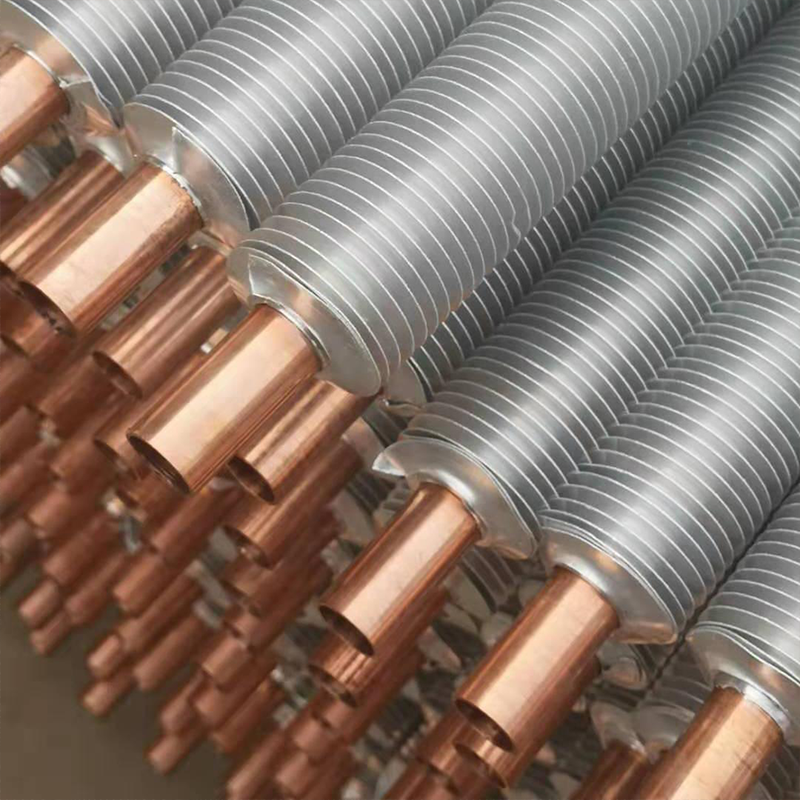
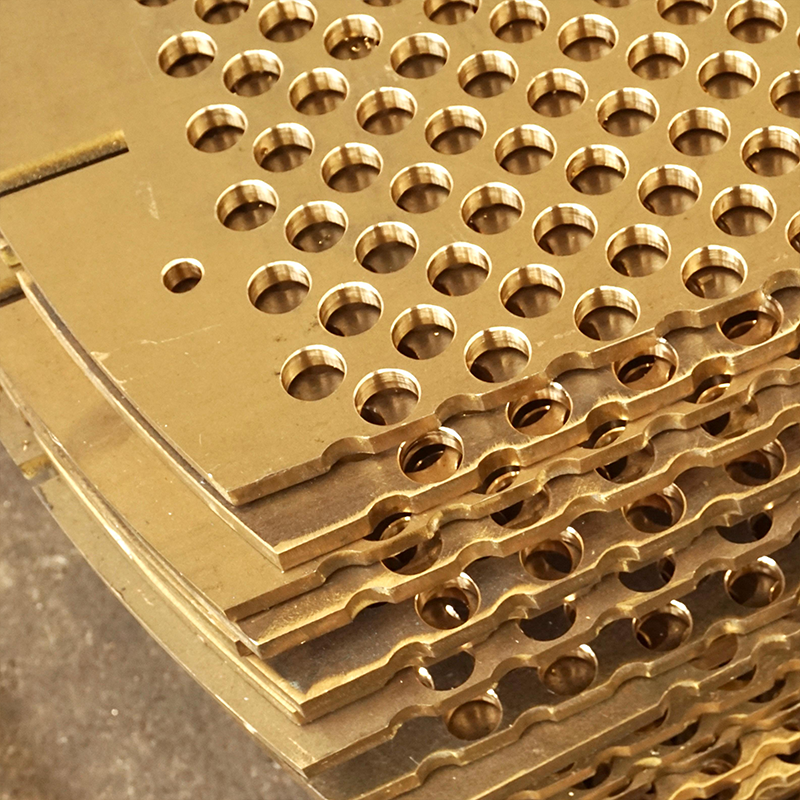
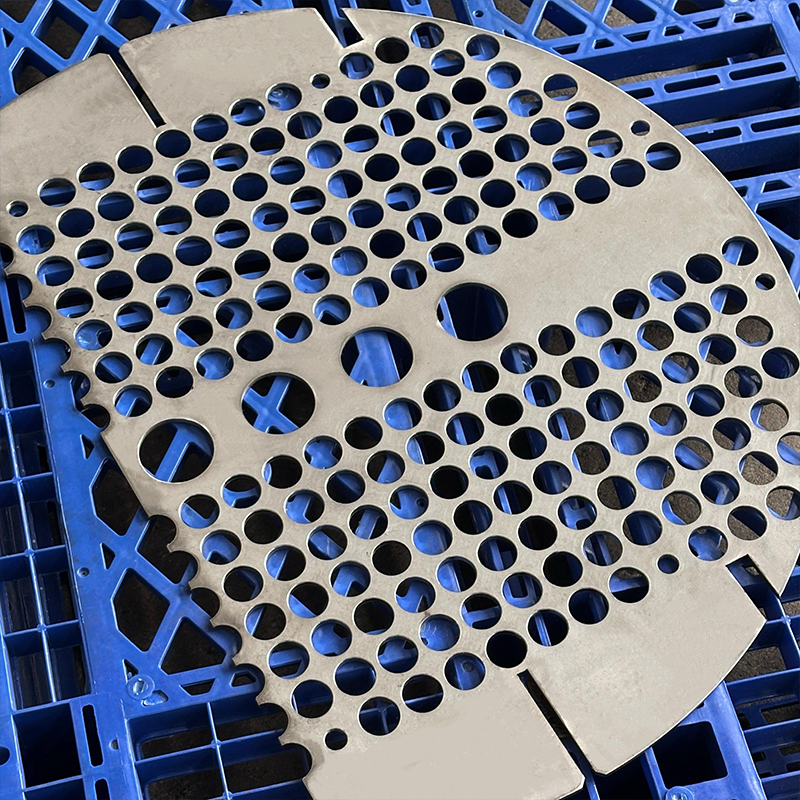
It is worth noting that the development of pipeline infrastructure is inextricably linked with the quality of related industrial equipment. The reliability of the entire system depends not only on the pipes themselves, but also on heat exchangers, waste heat boilers and high-pressure elements used in their production processes and further operation in the oil and gas and chemical industries. This is where companies likeWuxi Kaisheng Electric Power and Petrochemical Equipment Co., Ltd.. Specializing in the design and manufacture of high-tech solutions, the company offers a wide range of products from titanium shell-and-tube heat exchangers and ASME high-pressure units to 316 stainless steel corrugated tube bundles and C46400 marine brass alloys. Their products, certified to international PED and ASME standards, offer exceptional corrosion resistance and the ability to operate under extreme conditions of high temperatures and pressures. Using components from trusted partners like Wuxi Kaisheng in the pipe mill supply chain ensures the longevity of production lines and end products used in the shipbuilding, water desalination and energy sectors.
Frequently Asked Questions
Is it possible to lease used equipment for pipe production?
Yes, it is possible, but the terms will be different from leasing new equipment. Leasing companies accept used assets that are usually no more than 3–5 years old from the date of issue. A mandatory independent assessment of market value is required. The advance amount for such transactions is higher - from 40% to 50%, and the leasing period is shorter (up to 2-3 years), since the residual life of the car is limited. Confirmation of technical condition from an authorized service center will also be required. If the equipment was imported into the Russian Federation earlier and has already been used, make sure that it is cleared through customs correctly and has no restrictions on resale.
What happens to the equipment after the lease period ends?
By default, after the last payment is made, ownership passes to the lessee automatically, unless otherwise specified in the agreement. Usually the transfer of rights is formalized by an additional agreement and deed. The redemption price at this point is symbolic (often 0 rubles or a fixed amount specified in the schedule). After transfer of ownership, you can sell the equipment, rent it out or upgrade it without approval from the lessor. It is important to check that all acts are signed and the debt is completely closed in order to avoid problems with the tax authorities when further accounting for the asset.
How quickly can I receive equipment after my application is approved?
The period depends on the availability of equipment from the supplier. If the line is in a warehouse in Russia, the process from advance payment to delivery takes 1–2 weeks. If equipment is ordered from China, delivery time ranges from 45 to 90 days plus customs clearance time (7-14 days). The process of approving documents within the leasing company takes from 5 to 14 working days. Thus, the minimum turnkey project implementation period is about 2 months if the goods are in stock and up to 4–5 months when ordering production. Please take these deadlines into account when planning your construction season.
Is a guarantee required from business owners?
For large transactions and companies with a short credit history, leasing companies almost always require a personal guarantee from the beneficiaries (business owners). This is standard risk mitigation practice. If the company has a good credit history, a long period of operation (more than 3 years) and transparent reporting, a guarantee may not be required or may be replaced by collateral of other liquid assets. However, in the segment of small and medium-sized businesses, where lines are often taken to start, the guarantee of individuals is a prerequisite.
Conclusion: Your Next Step to Manufacturing Modernization
Investment in the production of plastic pipes through a leasing mechanism is a balanced decision that combines financial efficiency and technological development. It allows you to preserve working capital, optimize taxes and gain access to modern assets here and now. However, the success of the transaction depends on careful preparation: choosing a reliable supplier, competently calculating the financial model and understanding all the technical nuances of the equipment.
Don't let a lack of available funds slow down the development of your business. The market is waiting for quality products, and you have every chance to occupy your niche. Start with an audit of your needs and consultation with specialists who will help you choose the optimal leasing program for your needs.
Contact us todayto receive an individual leasing quote for your future extrusion line. We will help you analyze supplier proposals, draw up a realistic business plan and support the transaction from the first application to the launch of the first pipe.Learn more about equipment leasing programs.