
Lost wax copper casting: properties and applications
2026-08-04
- Copper Lost Wax Casting: Fundamental Properties and Industrial Applications
- Technological cycle: from wax model to finished casting
- Physical and mechanical properties of copper and bronze castings
- Applications and industry cases
- Quality standards and defect control
- Frequently Asked Questions
- Conclusion and recommendations for choosing a supplier
Copper Lost Wax Casting: Fundamental Properties and Industrial Applications
The copper investment casting process (ICC) remains the only solution for the production of parts with complex geometries, where subsequent machining is unacceptable. Unlike sand casting or the chill mold method, the “lost wax” technology makes it possible to obtain products with a surface roughness of Ra 1.6–3.2 microns and tolerances of accuracy class CT4–CT6 directly from the mold. In the production shop, we have repeatedly encountered situations where customers have tried to save money by choosing cheaper molding methods for valve fittings, only to find that the cost of finishing and drilling scrap exceeded the savings at the blank stage by 2.5 times. The key advantage here is the ability to reproduce internal channels and thin-walled elements as thin as 0.8 mm without the use of cores, which are often displaced during traditional casting.
The specifics of working with copper alloys within the framework of LVM dictates strict requirements for temperature conditions and crystallization rates. Copper has high thermal conductivity and a tendency to absorb gases in its liquid state, making the mold filling process a critical step. If the melt temperature deviates from the optimal range by even 15–20°C, the risk of blowhole formation increases exponentially. Our engineers record that about 30% of defects in new batches are associated precisely with incorrect calculation of the shrinkage of the alloy during the transition from the liquid to the solid state. Understanding the physical and chemical properties of a particular alloy - whether pure M1 copper or complex bronzes - is a determining factor in the success of the entire casting operation.
Technological cycle: from wax model to finished casting
The implementation of a lost wax copper casting project begins not with melting the metal, but with the creation of a reference master model. The error at this stage is scaled to the entire batch of products, so we use high-precision CNC milling to produce aluminum or steel molds. The mold material is selected based on the circulation: for pilot batches of up to 50 pieces, it is advisable to use aluminum dies, while for mass production of 1000 or more units, hardened steel is required, ensuring dimensional stability after thousands of wax injection cycles. It is important to note that the coefficient of linear expansion of the wax composition must be strictly synchronized with the shrinkage of the metal, otherwise the geometry of the finished part will differ from the drawing.
- Making wax models and assembling clusters.Wax copies of parts are produced by injection molding into prepared molds. The critical point here is control of the wax temperature and holding time; overheating leads to a change in the crystalline structure of the wax and subsequent deformation of the model during storage. After extraction, the models are assembled into a single block (cluster) by welding the gating system. We recommend using induction heating for welding tools as this ensures minimal heat exposure to the body of the model and prevents stress. Each cluster is visually inspected for any seams or damage that could provide entry points for the ceramic suspension.
- Formation of a ceramic shell.The assembled wax group is repeatedly immersed in a ceramic suspension and sprinkled with refractory sand (usually electrocorundum or zircon). This stage is repeated from 6 to 9 times depending on the mass of the future casting and the required thickness of the mold wall. The first layer is applied in a suspension with the finest fraction of filler to ensure the smoothness of the inner surface of the mold, which directly affects the quality of the surface of the copper casting. Violation of the drying technology between layers leads to delamination of the shell or the formation of cracks during subsequent heating. In our practice, there have been cases when haste at the drying stage led to metal breaking through the wall of the mold during pouring, destroying the entire cluster.
- Wax removal (dewaxing).The finished ceramic molds are placed in an autoclave or oven to remove the waxy material. The most common method is heating in boiling water or superheated steam, which allows gravity and steam pressure to melt the wax and release it from the mold. The process temperature is usually 90–95°C. The key is to completely remove the wax without damaging the fragile ceramic structure. During subsequent high-temperature calcination, wax residues inside the mold will turn into carbon inclusions that will contaminate the copper melt. We always carry out control weighing of the mold before and after calcination to confirm complete removal of organic matter.
- Calcination of molds and melting of metal.The purified forms are subjected to high-temperature firing at 850–1000°C for several hours. This is necessary not only to completely remove traces of the binder, but also to give the mold sufficient strength and heat resistance. At the same time, copper or bronze is melted in induction furnaces. To prevent oxidation of copper, smelting is often carried out in a vacuum or under a layer of flux. The pouring temperature depends on the alloy: for pure copper it reaches 1150–1200°C, for tin bronzes it is about 1050–1100°C. Pouring must occur quickly and continuously to avoid premature solidification of the metal in thin sections of the gating system.
- Mold destruction and post-processing.After the castings have cooled, the ceramic shell is destroyed mechanically (vibration, water jet cleaning). The gating system is separated from the parts using circular saws or hydraulic shears. At this stage, primary flaw detection is carried out. This is followed by mandatory heat treatment to relieve internal stresses that arise during uneven cooling. The finishing operation includes sandblasting to improve the appearance and, if necessary, light machining of the seats. It is important to understand that due to the precision of the LVM, the volume of metal removed is minimal, which saves the life of the cutting tool.
Each of these stages requires strict adherence to regulations. Skipping quality control at the stage of assembling wax models or violating the temperature schedule for calcining the mold inevitably leads to defects that cannot be corrected. We recommend that customers request reports on the parameters of each stage of the batch, especially when it comes to critical parts for the energy sector or shipbuilding.
Physical and mechanical properties of copper and bronze castings
The mechanical characteristics of products obtained by the LFM method differ significantly from the properties of similar alloys produced by rolling or forging. This is due to the specific nature of metal crystallization in ceramic form, where the cooling rate is higher than in massive metal molds, but lower than during rapid solidification in a chill mold. The grain structure in LVM castings is finer-grained and uniform in cross-section, which has a positive effect on tightness and fatigue resistance. However, the presence of segregation zones (inhomogeneity of the chemical composition) is an integral feature of the foundry process, which must be taken into account when designing units operating under high pressure.
Let's consider the key parameters that influence the choice of material for a specific task. The density of copper castings is typically 95–98% of the theoretical density of the alloy. The remaining percentage is due to microporosity, which can become a problem for parts operating in a vacuum or under high pressure in aggressive environments. In one of our projects for pumping equipment, we were faced with the need to achieve 100% tightness at a pressure of 25 MPa. Standard LVM technology leaked in 5% of parts. The solution was found in the use of hot isostatic pressing (HIP) after casting, which closed the internal pores and increased the density to 99.9%, completely eliminating the problem. This example shows that the properties of a casting can be modified by post-processing to suit specific requirements.
Strength characteristics also depend on the chemical composition and heat treatment mode. For tin bronzes (for example, BrO10F1), the tensile strength after casting is about 200–220 MPa, and the relative elongation is 4–6%. After hardening and aging, these indicators can be improved, but the ductility is somewhat reduced. The electrical conductivity of cast copper is lower than that of wrought copper due to the presence of impurities and crystal lattice defects. If your task requires maximum electrical conductivity (for example, conductive bars of complex shape), it is necessary to use high-purity copper (M00b) and carry out long-term annealing in a reducing atmosphere. Ignoring this requirement will lead to overheating of the contact and failure of the unit.
| Parameter | Pure copper (M1) | Tin bronze (BrO10F1) | Aluminum bronze (BrAZh9-4) |
|---|---|---|---|
| Tensile strength (MPa) | 180–210 | 220–250 | 550–600 |
| Elongation (%) | 25–30 | 4–8 | 10–15 |
| Hardness (HB) | 45–55 | 90–110 | 160–180 |
| Electrical Conductivity (% IACS) | 95–98 | 10–15 | 7–10 |
| Corrosion resistance | High (atmosphere) | High (sea water) | Extreme (acids) |
| Typical Application | Electrical contacts, heat exchangers | Bearings, fittings | Propellers, chemical equipment |
The choice of a specific alloy should be based not only on tabular data, but also on operating conditions. For example, aluminum bronzes have outstanding wear and corrosion resistance, but are prone to spontaneous stress cracking in certain environments. Tin bronzes, on the contrary, have excellent anti-friction properties, but have lower strength. Design engineers should avoid directly transferring the properties of rolled products to cast products without appropriate testing of specimens cut from the actual casting.
Applications and industry cases
The applications of copper investment casting cover industries where the combination of complex shape, corrosion resistance and special physical properties is critical. Traditional mechanical engineering is increasingly turning to this technology to replace prefabricated components with monolithic castings, which improves reliability and reduces potential points of failure. Let's look at two specific examples from our production practice that illustrate the effectiveness of the approach.
Case 1: Energy and high-voltage equipment.The customer addressed the problem of frequent failures of contact groups in 110 kV voltage circuit breakers. The parts were complex spatial structures with internal cooling channels and precise profiles of contact surfaces. Previously, they were made by machining from a rod, which took 14 days per unit and produced a high percentage of waste (up to 60% of the metal went into shavings). Moreover, the damaged structure of rolled fibers in zones of sharp transitions became a source of fatigue failure. We proposed a transition to oxygen-free copper casting using lost wax models. As a result, production time was reduced to 5 days, metal consumption was reduced by 45%, and the microstructure became homogeneous. Tests have shown an increase in the service life of the contact group by 35% due to the absence of stress concentrators characteristic of milled transitions. The heating temperature of the contact in operating mode decreased by 12°C due to the improved thermal conductivity of the monolithic structure.
Case 2: Shipbuilding and marine fittings.To equip a fast boat, seawater pump impellers made of aluminum bronze were required. Operating conditions included work in a hostile marine environment at high rotation speeds (up to 3000 rpm) and the presence of abrasive sand particles. Sand casting did not provide the necessary accuracy of the blade profile, which led to cavitation and vibration, and subsequent polishing was labor-intensive and imprecise. The LVM technology made it possible to obtain blades with an ideal hydrodynamic surface immediately from the mold. The roughness was Ra 1.6 µm, which eliminated the need for polishing. During field tests, the pump showed a reduction in noise level by 8 dB and no signs of cavitation erosion after 500 hours of operation. The economic effect was 20% due to reduced costs for balancing and finishing.
These examples demonstrate that investment casting is not just a method of obtaining a mold, but a tool for optimizing the entire life cycle of a product. Industries such as aerospace, medical instrumentation and food processing are also actively adopting this technology. In the food industry, for example, the absence of pores where bacteria can multiply is important, and the LVM provides the necessary tightness of the surface. In medicine, the biocompatibility and accuracy of complex implants or elements of diagnostic equipment.
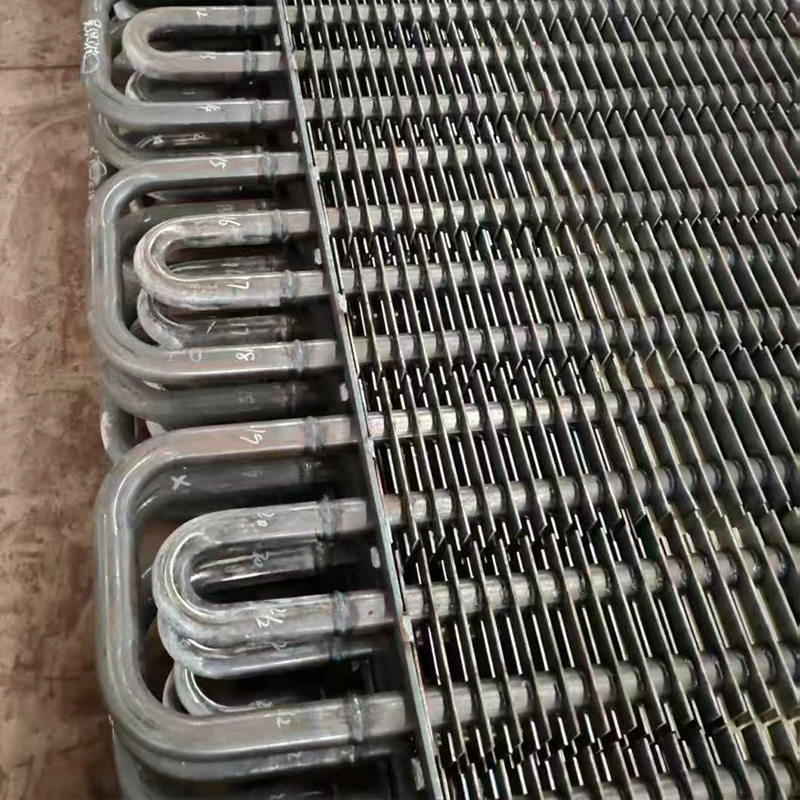
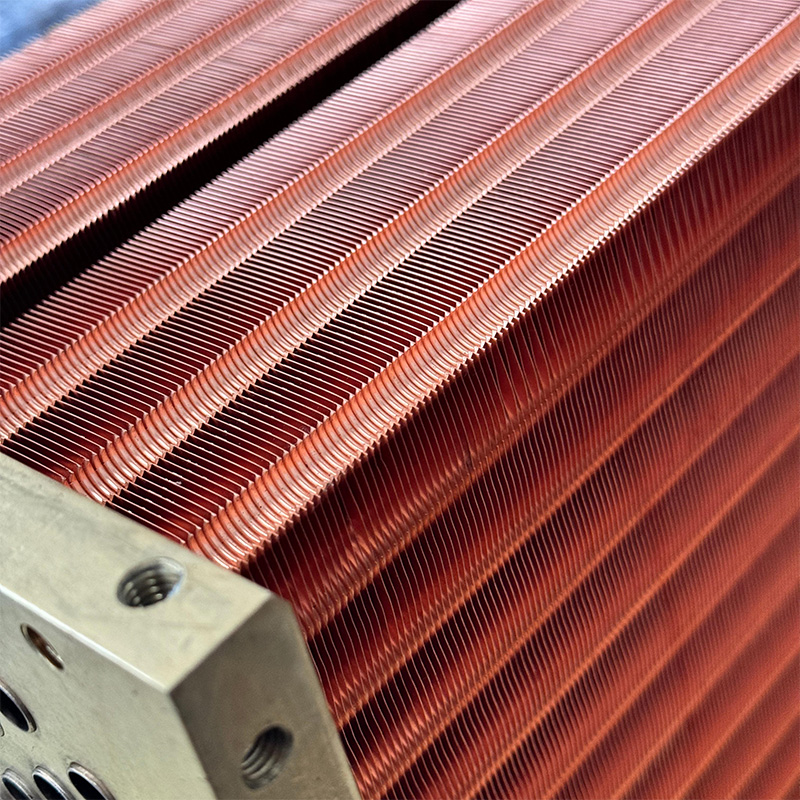
It is in such high-tech sectors as oil refining, petrochemicals and energy that the quality requirements for copper and nickel components reach their maximum. Here, companies capable of providing a full production cycle of complex equipment with guaranteed characteristics come to the fore. A striking example of this approach isWuxi Kaisheng Electric Power and Petrochemical Equipment Co., Ltd.. Specializing in the development and production of heat transfer equipment, the company successfully integrates precision casting technologies into the creation of critical components. The product portfolio includes not only complete units such as titanium shell-and-tube heat exchangers, ASME high-pressure heat exchangers and air coolers, but also complex components such as 316 stainless steel corrugated tube bundles, C46400 marine brass tube sheets and bundles, C70600 copper-nickel alloys and N06625 nickel alloys. The use of certified materials (PED, ASME) and advanced processing techniques allows Wuxi Kaisheng products to demonstrate exceptional corrosion resistance and thermal efficiency even in extreme seawater desalination or high pressure applications. This comprehensive approach, combining a deep understanding of the metallurgy of non-ferrous alloys with engineering expertise, makes the company a reliable partner for the implementation of projects of any complexity around the world.
Quality standards and defect control
Guaranteeing stable quality in the production of copper castings is impossible without strict adherence to international and national standards. In Russia and the CIS countries, the main document regulating the requirements for castings from non-ferrous metals is GOST 15150 (for execution in various climatic conditions) and a series of GOST standards for specific grades of alloys (for example, GOST 613-79 for bronzes). For export deliveries, compliance with ASTM (USA), DIN (Germany) or ISO standards is critical. An ISO 9001 certified manufacturer is a basic requirement to demonstrate a quality management system, but critical industries often require additional certification to industry standards such as PED (Pressure Equipment Directive) for pressure equipment in Europe.
Quality control must be multi-stage. Visual inspection allows you to identify major defects: underfilling, cold junctions, gross surface defects. However, hidden defects such as internal pits or cracks require the use of non-destructive testing (NDT) methods. X-ray testing (RT) is the most informative method for identifying volumetric defects in the casting body. Ultrasonic testing (UT) is effective for detecting planar defects (cracks, delaminations). In our laboratory, we use a combination of these methods for each critical batch. Statistics show that the introduction of 100% X-ray inspection for critical parts reduces the number of complaints from customers by 90%.
Chemical analysis of the alloy is carried out by the spectral method for each heat. A deviation in the content of alloying elements by even 0.5% can radically change the properties of the material. For example, an excess of phosphorus content in phosphor bronze above the norm makes the alloy brittle, and a lack of tin reduces corrosion resistance. Мы рекомендуем заказчикам включать в техническое задание требование предоставления протокола химического анализа для каждой партии отливок. Также важен контроль механических свойств: испытания образцов-свидетелей, отлитых вместе с партией, на растяжение и твердость являются обязательными для подтверждения соответствия заявленным характеристикам.
Frequently Asked Questions
Какова максимальная масса отливки, которую можно получить методом ЛВМ?
Технологические ограничения метода ЛВМ обычно позволяют получать отливки массой до 50–100 кг, однако экономически целесообразный диапазон составляет от 10 граммов до 20 кг. Производство крупных медных отливок методом ЛВМ сопряжено с рисками, связанными с усадкой металла и сложностью изготовления крупногабаритных керамических форм, способных выдержать гидростатическое давление тяжелого расплава. Для деталей массой свыше 30 кг чаще применяют литье в песчаные формы по моделям из пенополистирола (ЛГМ) или в холодно-твердеющие смеси (ХТС), так как это дешевле и технологичнее для больших габаритов. Тем не менее, для уникальных изделий сложной формы весом до 50 кг метод ЛВМ остается применимым при условии использования специальных усиливающих каркасов для керамической оболочки.
Насколько точны размеры отливок из меди по сравнению с чертежом?
Точность размеров отливок, полученных по выплавляемым моделям, соответствует 4–6 классу точности по стандарту ISO 8062 (CT4–CT6). Это означает, что для детали размером 100 мм допустимое отклонение составляет примерно ±0.3–0.5 мм. Такая точность достигается за счет отсутствия разъема формы (как в литье в кокиль) и использования прецизионных восковых моделей. However, it is necessary to take into account the shrinkage of the alloy, which for copper and its alloys varies between 1.2–1.8% depending on the specific chemical composition and casting configuration. Конструкторы должны закладывать этот коэффициент на этапе проектирования мастер-модели. Для критических посадочных размеров, требующих точности выше IT10, рекомендуется предусматривать припуск на последующую механическую обработку величиной 0.5–1.0 мм.
Можно ли производить мелкие серии отливок экономически эффективно?
Да, литье по выплавляемым моделям идеально подходит для мелкосерийного производства и изготовления опытных образцов. Основное преимущество заключается в отсутствии необходимости в дорогостоящей металлической оснастке для самого процесса литья (пресс-формы для воска могут быть изготовлены из алюминия или даже силикона для единичных экземпляров). Стоимость подготовки производства для партии в 10–50 штук значительно ниже, чем для литья под давлением или в кокиль, где цена стальной пресс-формы может достигать десятков тысяч долларов. Единственным ограничением является трудоемкость ручных операций при формировании керамической оболочки, что делает цену единичного изделия выше, чем при массовом производстве. Для партий менее 10 штук часто используется технология 3D-печати восковых моделей, что полностью устраняет затраты на изготовление пресс-формы и сокращает срок запуска в производство до 3–5 дней.
Какие виды дефектов наиболее характерны для медных отливок и как их избежать?
Наиболее распространенными дефектами являются газовая пористость, окисные включения и горячие трещины. Газовая пористость возникает из-за растворения водорода и кислорода в жидкой меди; борьба с ней ведется путем плавки в вакууме или под защитным флюсом, а также тщательной сушкой форм. Окисные включения (шлак) попадают в отливку при нарушении технологии заливки или использовании грязной шихты; решение — использование фильтров в литниковой системе и строгий контроль чистоты шихты. Горячие трещины появляются из-за термических напряжений при затвердевании; для их предотвращения оптимизируют конструкцию литниковой системы, чтобы обеспечить равномерное охлаждение, и корректируют химический состав сплава (например, снижают содержание висмута или свинца). Регулярный рентген-контроль позволяет оперативно выявлять тенденции к появлению этих дефектов и корректировать процесс.
Conclusion and recommendations for choosing a supplier
Литье меди по выплавляемым моделям представляет собой высокотехнологичный процесс, объединяющий преимущества точного формообразования и уникальных свойств медных сплавов. Выбор этой технологии оправдан в случаях, когда сложность геометрии детали делает невозможным или экономически нецелесообразным использование других методов литья или механической обработки. Ключевыми факторами успеха являются компетентность технологов в подборе режимов плавки и формовки, наличие современного парка оборудования для неразрушающего контроля и строгое соблюдение стандартов качества.
При выборе подрядчика для реализации проекта обратите внимание не только на цену килограмма отливки, но и на инженерную поддержку. Способность поставщика предложить оптимизацию конструкции детали под литье (DFM – Design for Manufacturing) может сэкономить вам до 30% бюджета на этапе производства. Убедитесь, что завод имеет сертифицированную лабораторию и опыт работы именно с медными сплавами, так как технология их литья имеет существенные отличия от литья сталей или алюминия. Мы готовы предоставить полный цикл услуг: от анализа чертежа и разработки технологии до поставки готовых изделий с полным пакетом сопроводительной документации.
Если вы планируете запуск нового продукта или модернизацию существующего узла с использованием медных компонентов, свяжитесь с нашими инженерами для консультации. Мы проведем бесплатный аудит вашей конструкторской документации и предложим оптимальное технологическое решение.Contact us todayдля обсуждения деталей вашего проекта и получения коммерческого предложения.