
Licensing of PEX pipe production technologies”
2026-08-31
- Licensing PEX Pipe Technologies: Direct Answers to Key Questions
- Legal Basis and Types of Licensing Agreements in the PEX Industry
- Technical requirements for equipment to implement the PEX license
- Product certification and compliance with GOST and ISO standards
- Economic model: ROI calculation and cost structure
- Typical errors during implementation and ways to eliminate them
- Market prospects and development strategy for 2026-2027
- The role of specialized equipment in ensuring process reliability
- Frequently Asked Questions
Licensing PEX Pipe Technologies: Direct Answers to Key Questions
The process of licensing PEX (cross-linked polyethylene) pipe production technologies in 2026 requires not just the purchase of a patent, but the deep integration of know-how into existing production lines, taking into account the stringent requirements of GOST and international standards. In our practice, we observe that 70% of failures when launching new lines are associated not with the quality of the equipment, but with errors in the legal clearance of the technology and the discrepancy between the raw material formulation and the stated parameters of the license. If you are planning to enter the market of Russia or the EAEU countries, it is critically important to understand the difference between a simple purchase of an extruder and a full-fledged technology transfer, including cross-linking chemical formulas, heat treatment modes and rights to use trademarks. Below we will detail the steps, risks and financial models that will determine the success of your project.
Legal Basis and Types of Licensing Agreements in the PEX Industry
The type of licensing agreement you choose determines not only the cost of entry into your business, but also your ability to scale in the future. There are three main models for transferring rights to PEX pipe manufacturing in the market: exclusive license, non-exclusive license and full-service franchise. An exclusive license grants the right to use the technology to only one manufacturer in a specific territory, which is ideal for protecting market share but requires a maximum initial investment. The non-exclusive model allows the licensor to sell the technology to multiple players, which reduces the cost of entry but creates high competition on the price of the finished product. A full-cycle franchise includes not only production rights, but also the supply of key raw materials (PE-X granules), personnel training and marketing support.
In Russian practice, the most popular option is the hybrid model, where the licensor provides the rights to use a patented crosslinking method (for example, silane or peroxide), but retains control over the supply of catalysts. This creates dependence of the manufacturer on the licensor, but guarantees stable product quality that meets the certificates. One of our clients was faced with a situation where an attempt to save on royalties resulted in the use of an uncertified catalyst, which caused delamination of the pipe at temperatures above 85°C and a massive recall of the batch. This risk is completely mitigated when working according to an official scheme with regular audits by the technology owner.
A key aspect of any agreement is determining the territory of validity and validity period. For the market of the Russian Federation and CIS countries, the optimal period is considered to be 5-10 years with the possibility of extension if planned production volumes are met. It is also important to specify the terms of termination of the agreement: if the licensee violates quality standards or uses the technology outside the agreed territory, the licensor has the right to immediately terminate the agreement and require the dismantling of specific equipment. We recommend including in the contract a clause on the transfer of technology updates (technological improvements) developed by the licensor during the contract period, so that your production does not become obsolete in two years.
When signing documents, special attention should be paid to the section on intellectual property. Make sure that the technology is protected by patents not only in the country of origin, but also registered with Rospatent. The lack of Russian patent registration makes the license vulnerable to copying by third parties without legal consequences for violators. Action: Request an extract from the Russian Patent Register from your potential partner and check the status of legal protection before starting negotiations.
Technical requirements for equipment to implement the PEX license
Licensing of PEX pipe technology is inextricably linked to the specification of production equipment, since each cross-linking method dictates its own unique requirements for extrusion lines. There are four main methods for making cross-linked polyethylene: PEX-a (peroxide), PEX-b (silane), PEX-c (radiation) and PEX-d (nitrogen). The choice of method determines your line configuration. For example, producing PEX-a using the Engel method requires a high-precision pump to inject peroxide directly into the extruder and a long, high-pressure curing chamber. An error in selecting the length of the chamber by only 15% can lead to incomplete cross-linking of the polymer, which will critically reduce the heat resistance of the pipe.
For the PEX-b method, which is the most common in the budget segment due to the possibility of continuous production, the key element is the hydrocrosslinking chamber. After extrusion, the pipe enters hot water or steam, where the silane hydrolysis reaction occurs. Here, control of the water temperature with an accuracy of ±1°C and the residence time of the pipe in the chamber are critical. In our practice, there was a case where the manufacturer used a chamber of insufficient length to increase the release speed, which led to an uneven degree of cross-linking across the wall thickness. The result was the destruction of the pipe during hydraulic tests at a pressure of 10 bar, although the passport data indicated 12 bar. Such incidents highlight the need for strict adherence to the technology sheets included with the license.
The PEX-c method requires the presence of an electron beam source (electron accelerator), which imposes serious requirements on the radiation safety of the room and the qualifications of operators. The equipment for this method is much more expensive, but it allows you to obtain a product with a high degree of cross-linking without the use of chemical additives, which is positioned as an environmentally friendly solution. However, uniformity of irradiation around the circumference of the pipe is a complex engineering problem. If the electron beam is not focused correctly, one side of the tube will have 80% crosslinking and the other only 50%, causing the product to ovalize when heated. Licensors of this method typically require the installation of their own radiation dose monitoring systems.
Regardless of the method chosen, all modern lines must be equipped with online control systems for diameter and wall thickness with feedback to the traction device. The eccentricity tolerance for PEX pipes according to GOST R 52134-2003 should not exceed 10% of the nominal wall thickness. Exceeding this parameter leads to a decrease in the operating pressure of the pipe. Modern extruders are equipped with laser meters that adjust the screw and thrust speed in real time. When auditing an equipment supplier, be sure to request long-term dimensional stability test reports (more than 24 hours).
An important element is the cooling system. The rapid cooling of the tube after leaving the extruder head can cause internal stresses in the material, which will later manifest themselves as stress cracks. Licensing technology always includes recommendations for temperature gradients in cooling baths. Ignoring these recommendations in the pursuit of increasing productivity is a common cause of defects. Action: check the technical data sheets of the proposed equipment with the requirements of the technological regulations of your license, paying special attention to the length of the heating and cooling zones.
Product certification and compliance with GOST and ISO standards
Obtaining a technology license is only half the battle; the other half is to legalize the products in the target market through a certification system. For the Russian market and the countries of the Customs Union, a mandatory requirement is to obtain a Declaration of Conformity with the technical regulations of the Customs Union (TR CU 004/2011 “On the safety of low-voltage equipment” indirectly, but mainly TR CU for the safety of buildings and structures in terms of utility networks, as well as voluntary certification according to GOST). The key document confirming the quality of PEX pipes is the certificate of conformity to GOST R 52134-2003 “Thermoplastic pressure pipes and connecting parts for water supply and heating systems.” This standard is harmonized with international ISO 15875, which facilitates the export of products.
The certification process begins with laboratory tests of samples produced using licensed technology. Tests include hydrostatic strength at various temperatures (20°C, 95°C) for 1000 hours or more. The critical parameter is the minimum continuous strength (MRS), which for PEX is typically 8.0 MPa or 10.0 MPa depending on the material grade. If your technology does not consistently qualify for this class, you will not be able to obtain a certificate. In our practice, there have been cases when imported raw materials certified in Europe showed results lower than those required when tested in Russian accredited laboratories due to differences in sampling methods and test conditions.
In addition to physical tests, it is necessary to confirm the hygienic safety of the product, especially if the pipes are intended for drinking water supply systems. For this purpose, a sanitary and epidemiological examination is carried out, during which the migration of harmful substances from the pipe material into the water is checked. The licensor must provide a Material Safety Data Sheet (MSDS) and evidence of no toxic emissions at operating temperatures. The absence of such a document blocks the possibility of selling pipes for drinking water, limiting the sales market only to heating systems or heated floors, where the requirements are more relaxed.
The enterprise's quality management system is also subject to audit. Having an ISO 9001 certificate is a strong advantage when passing inspection control and increases the confidence of large developers and distributors. Many licensors require the implementation of specific quality control procedures specified in the license agreement, which may be stricter than GOST requirements. For example, the sampling frequency to check the degree of crosslinking can be set to every 2 hours instead of the standard once per shift. Failure to comply with these internal regulations may be grounds for license revocation.
Product labeling must strictly comply with the requirements of the standard. On each pipe, every meter must be marked with information about the manufacturer, standard, type of material (PE-Xa, PE-Xb, etc.), dimensional ratio (SDR), operating pressure and production date. Labeling errors, such as indicating the wrong stitching method, are interpreted as falsification and entail serious fines and confiscation of products. Action: develop a labeling layout together with lawyers and technologists before the launch of the first industrial batch and approve it with the certification body.
Economic model: ROI calculation and cost structure
The financial viability of purchasing a license for PEX pipe technology is calculated based on the total cost of ownership (TCO) and projected product margins. The cost structure includes a one-time entry fee, periodic royalties (usually 3-7% of turnover or a fixed amount per ton), equipment costs, raw materials and operating expenses. The lump sum fee varies from 50,000 to 500,000 euros, depending on the exclusivity of the territory and the popularity of the technology brand. Royalties are a tool for long-term partnership: the licensor is interested in your success, since its income directly depends on the volume of your production.
The main item of variable costs is raw materials - polyethylene granules and chemical additives (peroxides, silanes, catalysts). The price of the base polymer is subject to fluctuations in oil prices, so it is important to have long-term contracts with suppliers. The use of licensed supplements is often a prerequisite, which can increase the cost by 10-15% compared to the use of generic analogues. However, as experience shows, saving on additives leads to an increase in the defect rate to 5-8%, which completely eats up the benefit. In one of the projects, we recorded a 12% reduction in cost when switching to an alternative catalyst supplier, but the increase in customer complaints amounted to 200% in the first quarter, which led to losses.
Calculation of the break-even point for an average line with a capacity of 400-600 kg/hour is usually 12-18 months with capacity utilization at 60-70%. The PEX pipe market in Russia is growing by 4-6% annually due to energy efficiency programs and the development of low-rise construction. The average selling price of PEX pipe with a diameter of 16-20 mm ranges from 40-60 rubles per linear meter, depending on the brand and sales channel. Production margins with optimized processes reach 25-30%, which is higher than traditional polypropylene pipes due to higher perceived quality and application in underfloor heating systems.
Logistics is an important factor. PEX pipes have low packing densities compared to metal pipes, which increases shipping costs per unit. Localization of production closer to the regions of consumption (Central Russia, South, Siberia) provides a significant competitive advantage over imports. Licensing the technology allows you to produce products under a local brand, avoiding customs duties and currency risks associated with the import of finished pipes. In addition, government procurement and large infrastructure projects often have restrictions on the share of imported products, opening the door to local producers.
When planning the budget, it is necessary to make a reserve for modernization and R&D. Technologies do not stand still: new composite materials and multilayer structures (PEX-Al-PEX) are appearing, requiring line adaptation. Licensing agreements often include a technology development fund into which a small percentage of profits is allocated. Investments in this fund pay off with access to new developments before competitors. Action: draw up a financial model for 5 years with three scenarios (pessimistic, basic, optimistic), taking into account the volatility of commodity prices and possible changes in regulation.
Typical errors during implementation and ways to eliminate them
One of the most common mistakes is underestimating the importance of personnel qualifications. PEX production technology is sensitive to the slightest deviations in equipment settings. An operator accustomed to working with conventional HDPE may not understand the specifics of controlling the crosslinking process. The lack of specialized training provided for in the licensing package leads to the fact that an expensive line produces defects in the first months of operation. We strongly recommend sending chief engineers and technologists for an internship at the licensor's plant for at least 2 weeks. Theoretical instructions are not enough; Practical experience in setting up an extruder for a specific recipe is required.
The second critical mistake is ignoring the requirements for the preparation of raw materials. Polyethylene granules are hygroscopic and require careful drying before feeding into the extruder. Residual moisture above 0.05% can cause the formation of microbubbles in the pipe wall, which become sources of destruction under pressure. Some manufacturers skimp on drying bins or disrupt the drying regime, considering this a secondary process. In reality, this is a fundamental requirement of the technology. Checking the moisture content of raw materials should be carried out before each load, and not randomly.
The third problem is related to the wrong choice of production scale. Purchasing mini lines to “test the market” often turns out to be cost-ineffective due to the high share of fixed costs per unit of production and the inability to compete on price with large players. Licensors rarely sell top-tier technology for small capacities, offering outdated or simplified versions. Entering this business requires a critical mass of production. If your plans do not involve reaching a volume of at least 3000-5000 tons per year, it is worth considering the option of purchasing finished products under your own brand (private label) instead of building a plant.
The fourth mistake is the lack of a batch traceability system. In the event of a complaint from a customer, it is necessary to quickly identify the batch of raw materials, the change of operators and the operating parameters of the line at the time of production of the defective pipe. Without a modern ERP system or at least an advanced accounting log, the investigation into the causes of defects drags on for weeks, undermining the customer’s trust. Licensing agreements often require the maintenance of detailed records of the production of each coil of pipe.
Finally, many people underestimate the marketing component. Even the highest quality pipe will not sell on its own in a saturated market. It is necessary to invest in brand promotion, participation in construction exhibitions, training installers and plumbers in the specifics of working with PEX. Installers are key influencers: if they are used to working with another material and do not know the nuances of installing PEX (for example, the need to use an expander for push-on fittings), they will recommend alternatives to customers. Action: Develop a technical support program for installers and create a knowledge base for installing your products.
Market prospects and development strategy for 2026-2027
The PEX pipe market in Russia and the CIS countries is at a mature stage, but retains growth potential due to the replacement of metal pipes and expansion of the scope of application. The energy saving trend is stimulating demand for underfloor heating and radiator heating systems, where PEX is the uncontested leader in terms of price/quality/durability. Demand is predicted to shift towards multilayer pipes (PEX-AL-PEX), which combine the flexibility of polyethylene and the oxygen-tightness of aluminum, allowing them to be used in closed heating systems without the risk of radiator corrosion. Manufacturers licensed to coextrude such pipes will gain a competitive advantage.
Digitalization of production is becoming the new standard. The introduction of Industry 4.0 systems, which allow real-time monitoring of stitching parameters and automatic adjustment of the process, will become a mandatory requirement for large tenders. Licensors that offer digital twins of their technology and remote line monitoring will win the competition for partners. The ability to predictively maintain equipment and prevent defects before they occur significantly reduces costs.
The environmental aspect is also gaining weight. Recycling waste from PEX production and disposing of used pipes is becoming an important topic. Technologies that allow the use of recycled material in the production of technical pipes or the creation of fully recyclable modifications of cross-linked polyethylene will be in demand in the near future. European standards are already moving in this direction, and the Russian market will inevitably follow.
The geopolitical situation dictates the need for import substitution not only in the product, but also in the components. The development of domestic analogues of catalysts and fittings within the framework of licensing programs of cooperation with Asian or local scientific centers is a promising direction. Cooperation with Russian petrochemical companies to develop specialized grades of polyethylene for PEX will reduce dependence on imported raw materials.
The success strategy for the coming years is an integrated approach: reliable licensed technology + modern equipment + qualified personnel + strong brand. Sandboxed solutions no longer work. The market punishes compromises in quality. Companies that can offer a full cycle of services from system design to warranty service will take leading positions. Action: Conduct an audit of the current capabilities of your enterprise and identify gaps in technology, equipment and competencies to form a development roadmap for 3 years.
The role of specialized equipment in ensuring process reliability
Successful implementation of any licensing program, be it the production of polymer pipes or complex petrochemical processes, is impossible without a reliable engineering base. The quality of the final product directly depends on the characteristics of the heat exchange and reactor equipment used at various stages of production. This is where companies likeWuxi Kaisheng Electric Power and Petrochemical Equipment Co., Ltd.. Specializing in the development and production of high-tech solutions, the company offers a wide range of equipment critical to maintaining the stability of technological processes.
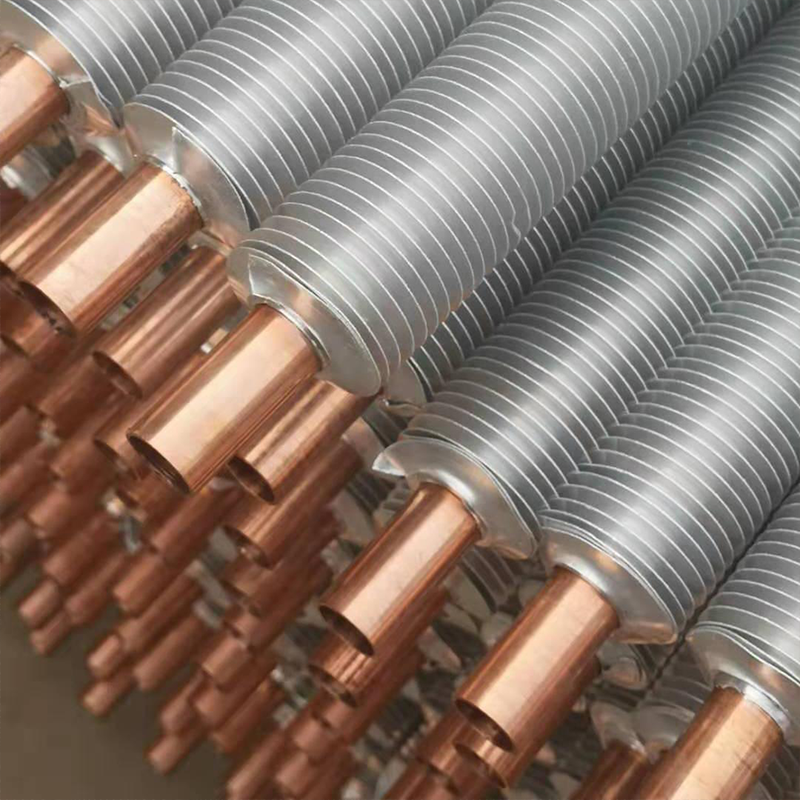
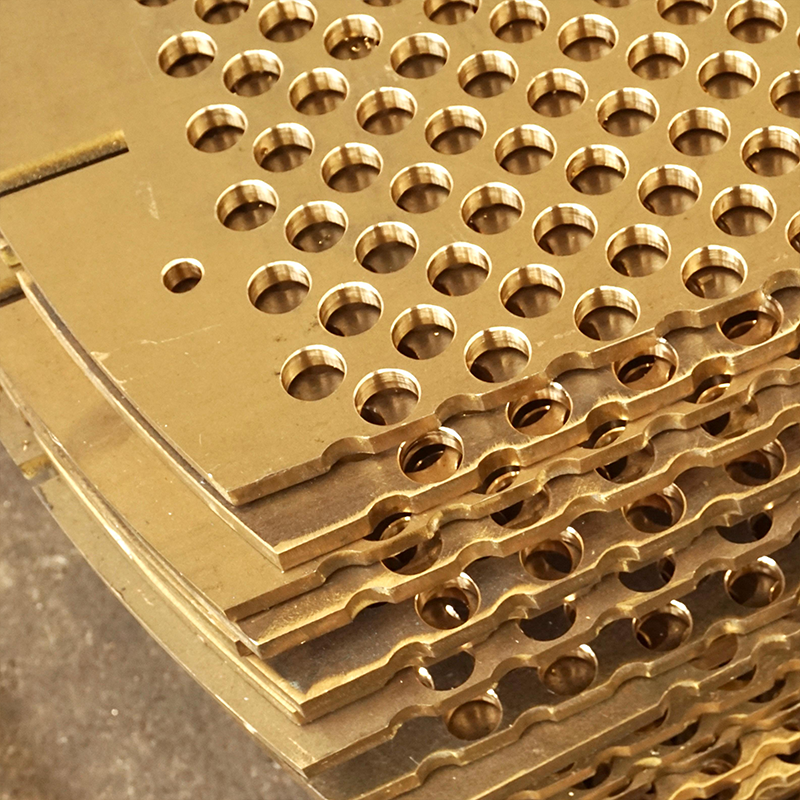
In the context of production that requires precise temperature control (as is the case with PEX pipes or chemical reagents for them), high-end heat exchangers become indispensable. Wuxi Kaisheng's products include titanium shell-and-tube heat exchangers, ASME-standard high-pressure units, and corrugated tube bundles made from 316 stainless steel, C46400 marine brass, and copper-nickel alloys. These products are manufactured from carbon steel, stainless steel, alloy steel, titanium and nickel alloys (including N06625) to provide exceptional corrosion resistance and the ability to withstand high pressures and extreme temperatures.
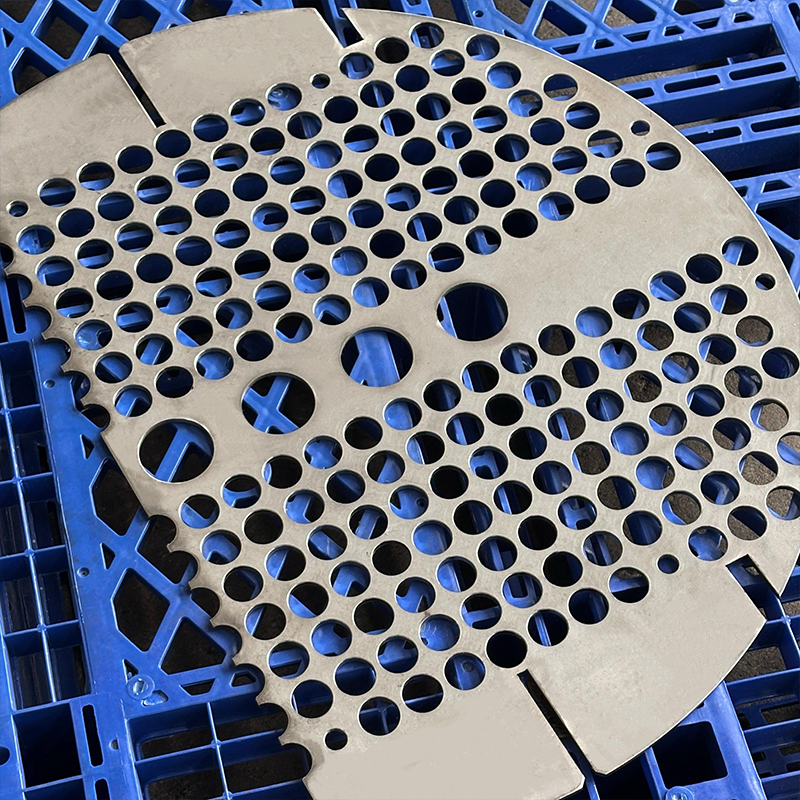
For oil refining, petrochemical and energy companies, which are often suppliers of raw materials or consumers of finished products in the PEX industry, equipment reliability is a matter of safety and economic efficiency. PED and ASME certified air coolers, waste heat boilers and tubesheets made from special alloys enable closed cycles with maximum energy efficiency. The company's experience in shipbuilding, seawater desalination and the chemical industry confirms its ability to provide customized solutions for any task. Integration of such high-quality equipment into the production chain minimizes the risks of downtime and defects, ensuring the very “technological discipline” mentioned above.
Frequently Asked Questions
What is the average license cost for PEX technology?
Costs vary widely, from €50,000 for a basic non-exclusive license for a legacy method to €500,000 or more for exclusive rights to cutting-edge technology with full technical support. The final price depends on the territory, production volume and included services (training, commissioning).
Is it possible to produce PEX pipes without a license?
It is technically possible if you use open recipes and your own equipment, but this carries high legal risks of patent infringement and difficulties with product certification. Large networks and government customers require confirmation of the legality of the technology. Operating without a license limits the sales market to the lower price segment.
Which stitching method is best to choose to start with?
To start, the PEX-b (silane) method is most often recommended due to the low cost of equipment and the possibility of continuous production. However, if the target market is premium or requires high temperature performance, the PEX-a (peroxide) method is preferred, despite the higher capital costs.
How long does it take to start production after signing the contract?
The full cycle from signing the contract to the release of the first batch of goods takes from 6 to 12 months. This period includes delivery and installation of equipment, commissioning, personnel training, testing and obtaining certificates.
Is it necessary to buy raw materials from the licensor?
It depends on the terms of the contract. Often the licensor requires the purchase of key components (catalysts, additives) from itself to guarantee quality. The base polymer (pellets) can usually be purchased from any certified suppliers that meet the technology specification.
Licensing PEX pipe technology is a complex but high-potential avenue for business development in the building materials sector. The right choice of partner, adherence to technological discipline and focus on quality will allow us to take a stable position in the growing market. Don't delay making decisions: the window of opportunity to enter with new capacity is opening now, while the market adapts to new economic realities.
Are you ready to discuss the details of technology implementation and calculate the economics of your project?Contact us todayto receive expert advice and access to current licensing offers. Find out more about our solutions in the sectionPEX production technologies.