
Localization of tank production in the Russian Federation 2026″
2026-08-19
- Localization of tank production in the Russian Federation 2026: New realities and survival strategy
- Technological requirements and quality standards in 2026
- Economics of Import Substitution: Real Figures and Risks
- The role of specialized manufacturers in the localization ecosystem
- Criteria for choosing a reliable supplier of tank equipment
- Typical mistakes when implementing localization projects
- Перспективы развития отрасли и прогнозы до 2030 года
- Conclusion and recommendations for action
Localization of tank production in the Russian Federation 2026: New realities and survival strategy
Localization of tank production in the Russian Federation 2026 has ceased to be just a marketing term or a way to obtain tax benefits. Now it is a matter of physical availability of equipment for critical infrastructure projects. We are observing a fundamental shift: if in 2023 localization meant final assembly from imported components, then by 2026 the requirements had become stricter to the level of deep metal processing and production of shut-off valves within the country. For engineers and buyers, this means that old supply chains are broken, and new GOST standards and technical regulations of the Customs Union require full transparency of the origin of every sheet of steel and every welding electrode.
In our practice of working with the largest oil, gas and chemical holdings, we encountered a situation where a project worth more than 50 million rubles was frozen for three months due to the lack of an ST-3 certificate from the manufacturer of capacitive equipment. The client was counting on “rapid localization” through contract assembly, but auditors found that the bottoms and roofs were shipped from unfriendly jurisdictions without proper customs clearance under the new rules. This incident taught us one hard rule: in 2026, paper localization does not work. Investors and government customers check not only the presence of a plant on the map, but also the actual load of production lines with Russian raw materials.
The market has changed. Now the key factor in choosing a supplier is not the lowest price per ton of metal, but the guarantee of meeting deadlines for delivery of the finished product on a turnkey basis with a full package of permits. In this article, we will analyze exactly how the tank construction market has transformed, what technologies have become the de facto standard, and why attempts to save money at the localization design stage lead to a multiple increase in costs at the operation stage.
Technological requirements and quality standards in 2026
Modern production of tanks in Russia is dictated not only by domestic demand, but also by the need to replace complex imported equipment previously supplied from Europe and Asia. By 2026, the basic standard for vertical steel tanks (VST) with volumes from 100 m³ to 50,000 m³ was the use of high-strength steels with a yield strength of at least 345 MPa. This makes it possible to reduce the metal consumption of the structure by 15–20% compared to projects ten years ago, where St3sp5 steel was used. However, reducing the weight of the structure requires the highest standards of welding and quality control of seams.
We are introducing automated submerged arc welding lines for longitudinal and circumferential belt seams. Manual welding is allowed only for on-site installation joints and welding of hatches, pipes and stairs. In one of our projects in Tatarstan, we discovered defects in the heat-affected zone of hand welds on a tank for storing light petroleum products. The reason was the qualification of the welder, who violated the thermal regime. The consequence was a microcrack, which, with cyclic filling, could lead to depressurization. Since then, we have introduced mandatory ultrasonic testing (UT) of 100% of the length of all critical seams at the factory site, and not just after installation.
Anti-corrosion protection has also undergone changes. If previously we were limited to bitumen mastics or simple epoxy coatings, then the localization of tank production in the Russian Federation in 2026 implies the use of multi-layer protection systems based on polyurethanes and zinc-containing primers produced in Russia. The service life of such coatings is declared to be 25 years, but only if the surface preparation technology is followed to a degree of Sa 2.5. We see many contractors trying to save money on abrasive blasting by leaving oxides on the metal. This is a fatal mistake: the paint will peel off after 2-3 years, and the cost of repainting a used tank is 4 times the cost of primary protection.
Particular attention is paid to fastening points and foundations. The GOST 31385-2016 standard remains basic, but has been supplemented with new recommendations on seismic resistance for the regions of the Far East and the Caucasus. B-pillar and floating roof structures are now designed to accommodate wind loads, which have become more extreme in recent years. We use, of course, finite element analysis software to simulate the behavior of the tank shell under maximum filling and storm wind conditions. Ignoring these calculations in order to reduce the cost of the project is a direct path to disaster.
Each stage of production must be recorded in the digital passport of the product. The customer has the right to monitor in real time the status of metal cutting, the results of laboratory tests of welded joints and the coating process. Transparency of the process has become as important a quality parameter as the physical strength of the steel. If a manufacturer hides data on incoming metal inspection, this is a red flag for any serious buyer.
Economics of Import Substitution: Real Figures and Risks
Many business executives still believe that localized equipment automatically means higher costs compared to direct imports from friendly countries. Our data for the first quarter of 2026 refute this myth. When taking into account logistics burdens, customs duties, exchange rate fluctuations and risks of downtime due to sanctions restrictions, the cost of a Russian turnkey tank turns out to be 12–18% lower than analogues imported from China or Turkey. Moreover, the delivery time is reduced from 6–8 months to 3–4 months, which speeds up the payback of the investment project.
However, the economics of localization have its pitfalls. The main problem is the volatility of ferrous metal prices. Since steel accounts for up to 70% of a tank's cost, even a small change in stock prices can eat into a manufacturer's entire margin. In our practice, there was a case when we entered into a fixed contract for the supply of a batch of horizontal tanks (HRT), but two weeks after signing the price for long products increased by 25%. The manufacturer tried to terminate the contract or demand additional payment, which led to litigation and delays in the construction of the customer’s facility. The solution to this problem lies in the use of metal price hedging or the inclusion in the contract of a moving price formula linked to official metal exchange indices.
Another important aspect is the cost of service and warranty. Imported equipment is often left without support after the warranty expires, as foreign service centers lose interest in the Russian market or cannot legally supply spare parts. Localization of tank production in the Russian Federation in 2026 guarantees the availability of spare parts warehouses (pipes, breathing valves, pontoon elements) in close proximity to operating facilities. This reduces equipment downtime during repairs from weeks to days. For continuous production facilities such as refineries or chemical plants, tank downtime can cost millions of rubles per day, so service availability is a critical economic factor.
The personnel issue cannot be ignored either. Skilled high-alloy steel welders and tank installers are becoming a scarce resource. Salary expectations for such specialists have increased by 40% over the past two years. Manufacturers who do not invest in their own training centers and personnel certification according to NAKS (National Welding Control Agency) risk encountering defects and accidents. We see a trend where large factories train their own personnel by concluding agreements with technical universities, which in the long term stabilizes the quality of work and reduces staff turnover.
Government support plays a significant role. Preferential lending programs for projects with a high degree of localization help reduce the financial burden on customers. However, obtaining such status requires strict compliance with the criteria of the Ministry of Industry and Trade. Simply assembling a tank in Russia is not enough; it is necessary to prove that the added value created on the territory of the Russian Federation exceeds the established threshold. This encourages manufacturers to develop their own component base, rather than simply act as assembly shops.
The role of specialized manufacturers in the localization ecosystem
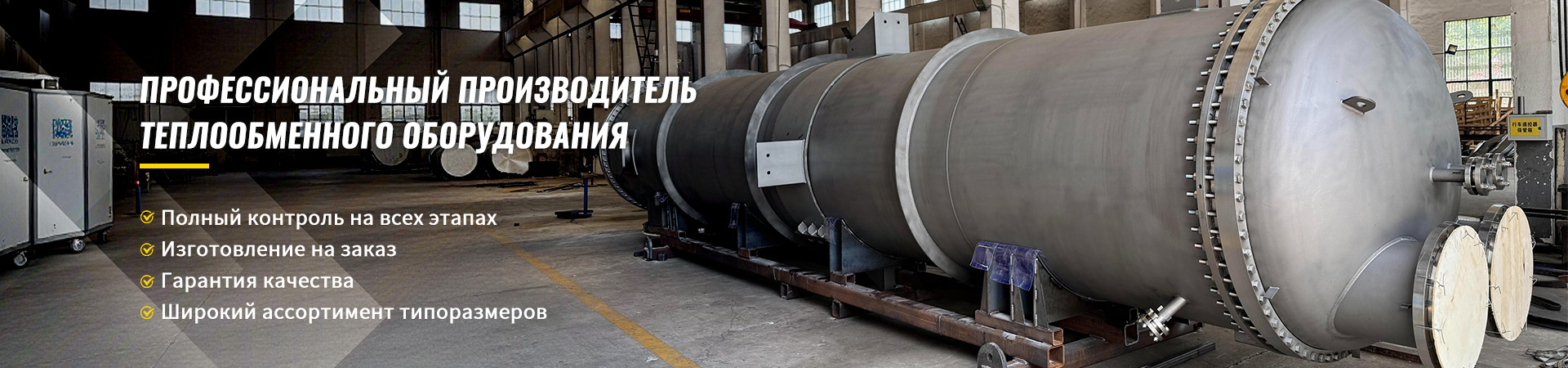
Successful implementation of an import substitution strategy is impossible without the participation of companies with deep competencies in the production of complex technological equipment. A striking example of this approach is the company’s activitiesWuxi Kaisheng Electric Power and Petrochemical Equipment Co., Ltd.. Specializing in the design and production of heat transfer equipment, as well as components for the energy and petrochemical sectors, this organization demonstrates what modern high-level localization should look like.
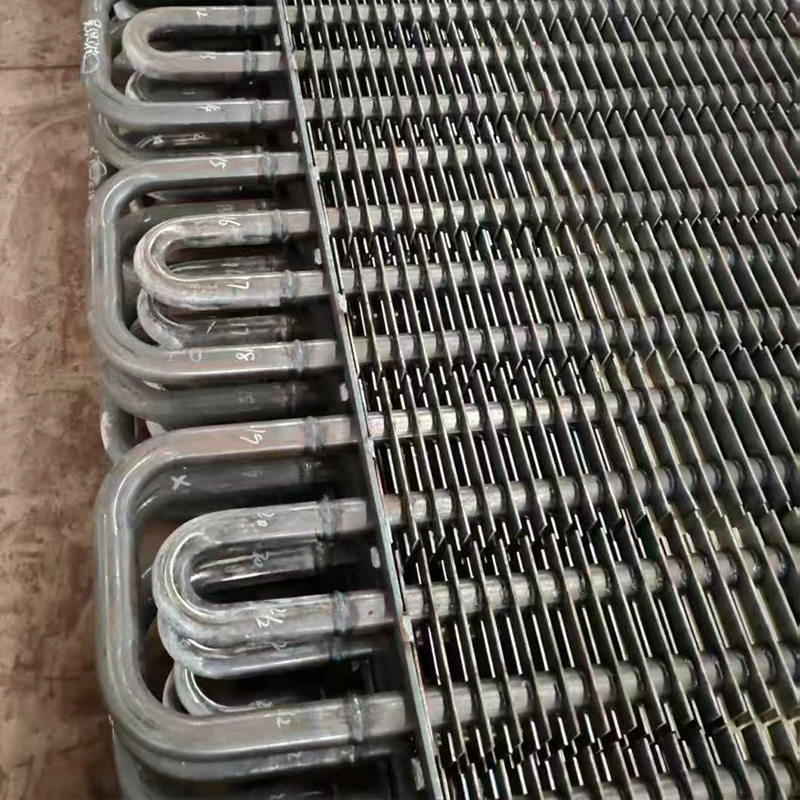
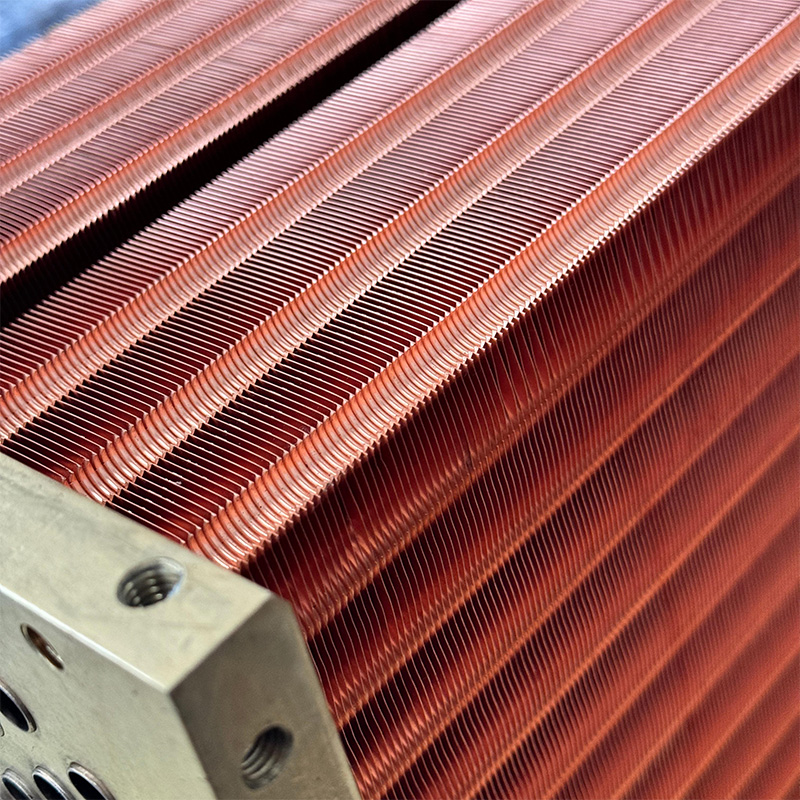
In the context of tank construction and related processes, not only the tanks themselves are critically important, but also the accompanying heat exchange equipment that ensures temperature conditions for storing and transporting products. Wuxi Kaisheng LLC offers solutions that fully meet the stringent requirements of 2026: from titanium shell-and-tube heat exchangers and ASME standard high-pressure units to corrugated tube bundles made of 316 stainless steel and copper-nickel alloys (C46400, C70600, N06625). The use of such materials, certified according to international standards PED and ASME, provides the necessary corrosion resistance and reliability when working with aggressive environments, which directly affects the durability of the entire tank farm.
The integration of such high-tech components into localization projects makes it possible to meet the needs of the most complex areas of production - from oil refining and the chemical industry to seawater desalination and shipbuilding. The company provides customized solutions adapted to specific operating conditions, which echoes the main market trend: the transition from standard solutions to an engineering-oriented approach. Having our own production of carbon, stainless and alloy steels, as well as the ability to work with exotic alloys, makes such partners indispensable links in the value chain, guaranteeing customers stability of supply and high quality of the final product.
Criteria for choosing a reliable supplier of tank equipment
Choosing a partner for the construction of a tank farm in the current conditions requires careful verification of not only commercial proposals, but also production capabilities. The market is flooded with intermediary companies that position themselves as manufacturing plants without their own facilities. To avoid risks, the customer should request a video tour of the production or conduct a personal audit. Having our own machine park for rolling sheets up to 40 mm thick, chamber-type shot blasting lines and closed painting areas is the minimum required set for a serious player.
The first criterion is the availability of valid certificates of conformity and licenses. In addition to the mandatory EAC certificate, work at hazardous production facilities (HIF) requires permission from Rostechnadzor to use specific types of equipment. Check the register of issued permits on the department's website. It often happens that a certificate is issued for a prototype or an outdated model, and mass production is carried out according to other drawings. We require suppliers to provide copies of permits indicating the specific sizes they plan to purchase.
The second criterion is a reference list and the ability to communicate with previous customers. Feel free to call those who have already purchased tanks from this factory 2-3 years ago. Ask about the quality of welds, compliance with deadlines and coating behavior. There is a case in our database where a beautiful website and competent managers hid the fact that the plant changed its painting technology three times due to the bankruptcy of material suppliers, which led to uneven product quality in different batches. Only a live review from the chief mechanic of the operating organization can reveal such information.
The third criterion is engineering competence. Is the plant capable of adapting a standard design to specific site conditions? Soils, seismicity, climatic modifications (UHL1, HL1) - all this requires individual calculations. A vendor that offers a “one-size-fits-all solution” for all regions is dangerous. We prefer to work with those who have their own design department and use current versions of calculation programs that can issue an explanatory note with calculations for wind and snow loads specifically for your latitude and longitude.
The fourth criterion is financial stability. In conditions of a high key rate and difficulty in accessing long-term money, the risk of contractor bankruptcy in the middle of contract execution increases. Request audit reports for the last year. Pay attention to the ratio of accounts receivable and accounts payable. If a plant lives off advances from new customers in order to pay off debts to old ones, this is a sign of an impending crisis. Reliable localization of tank production in the Russian Federation 2026 is only possible with financially stable partners with access to revolving credit lines.
| Evaluation criterion | Reliable manufacturer (Full cycle plant) | Risky Supplier (Assembly Shop/Intermediary) |
|---|---|---|
| Production capacity | Own metal structures workshop, rollers, automatic submerged arc welding, shot blasting chamber. | Rental of capacities, manual welding, no cleaning chamber (painting outdoors). |
| Quality control | Own certified NDT laboratory (UZK, RK), full-time quality specialists. | Involvement of third-party laboratories in fact, lack of incoming metal inspection. |
| Design | Staff of designers, performing individual calculations for the object, coordination with the expert. | Use of standard albums without reference to the area, refusal of detailed calculations. |
| Logistics and installation | Own fleet of heavy equipment for transportation of large cargo, certified installation teams. | Hiring transport companies, swindler subcontractors without access to hazardous production facilities. |
| Warranty | 5–10 year warranty on structure and coating, availability of after-sales service. | The warranty is formally 1 year, there is no possibility of prompt elimination of defects. |
Typical mistakes when implementing localization projects
Even with a clear plan and trusted supplier, tank construction projects face challenges. Analysis of hundreds of completed projects allowed us to identify a number of system errors that customers and contractors make. The first and most common mistake is saving on geological surveys of the foundation. A tank weighing thousands of tons requires a perfectly prepared foundation. An attempt to use an old foundation from a dismantled tank without a full examination of the soil often leads to uneven settlement. We saw a case where the difference in settlement of the edge zones reached 15 cm, which caused a rupture of the lower belt and a leak of 200 tons of diesel fuel into the soil. Elimination of consequences and environmental fines exceeded the cost of new research by 50 times.
The second mistake is the inconsistency between the design documentation and the actual capabilities of the manufacturer. Designers sometimes include components or materials in a project that cannot be produced within a given time frame or that are not available for sale on the domestic market. For example, the requirement to use imported seals for manholes in closed border conditions. This leads to endless approvals of project changes (DAC), production stoppages and fines for missing deadlines. The solution is to involve the manufacturer early in the design stage (Early Contractor Involvement) to adjust the specifications to the actual components available.
The third mistake is ignoring climatic conditions when choosing the type of tank and installation method. Монтаж резервуаров методом рулонирования или полистовой сборки имеет разные ограничения по температуре воздуха и силе ветра. Попытка вести полистовую сварку при температуре ниже -20°C без специальных мер подогрева и защиты зоны сварки ведет к образованию закалочных структур в металле шва и последующему растрескиванию. Один из наших клиентов настоял на продолжении работ в январе в Сибири, чтобы успеть к сроку запуска линии. Результатом стало отбраковывание 40% швов и необходимость их переварки, что отбросило график на два месяца назад.
Четвертая ошибка касается приемки оборудования. Часто приемка ограничивается визуальным осмотром и проверкой документов. Отсутствие инструментального контроля геометрии (отклонение от вертикали, овальность поясов, ровность днища) на этапе сдачи-приемки может выявить проблемы только после наполнения продукта. Исправление геометрии полного резервуара практически невозможно. Мы настаиваем на проведении геодезической съемки резервуара лазерным сканером перед подписанием акта ввода в эксплуатацию. Это позволяет выявить малейшие отклонения и обязать подрядчика устранить их до начала эксплуатации.
Пятая ошибка — недооценка важности системы безопасности и автоматики. Локализация касается не только металла, но и приборов КИПиА. Установка дешевых аналогов датчиков уровня и давления без должной калибровки может привести к переливу продукта. Автоматика должна быть интегрирована в общую систему АСУ ТП предприятия. Мы рекомендуем выбирать поставщиков, которые предлагают комплексное решение: резервуар + обвязка + автоматика, неся единую ответственность за работу всего узла.
Перспективы развития отрасли и прогнозы до 2030 года
Локал изация производства резервуаров в РФ 2026 является лишь промежуточным этапом в долгосрочной стратегии технологического суверенитета отрасли. К 2030 году ожидается завершение формирования полного цикла производства высокотехнологичных сталей для криогенных и высоконагруженных резервуаров внутри страны. Сейчас ведутся активные работы по освоению выпуска нержавеющих сталей аустенитного класса и алюминиевых сплавов для химической промышленности, которые ранее импортировались. Успех этих программ позволит полностью закрыть потребности внутреннего рынка и начать экспорт готовых изделий в страны СНГ, Ближнего Востока и Африки.
Цифровизация станет неотъемлемой частью жизненного цикла резервуара. Концепция «цифрового двойника» будет внедряться повсеместно: от стадии проектирования до мониторинга состояния в реальном времени. Датчики коррозии, тензометры, системы видеонаблюдения и дроны для инспекции будут передавать данные в облачные платформы, где алгоритмы искусственного интеллекта будут прогнозировать остаточный ресурс оборудования. Это перейдет от планово-предупредительных ремонтов к ремонтам по фактическому состоянию, что существенно снизит операционные расходы владельцев терминалов.
Экологические требования будут ужесточаться. Ожидается введение новых норм по улавливанию паров легких фракций (УПФ) для резервуаров всех классов опасности. Плавающие крыши и понтоны должны будут обеспечивать герметичность, исключающую любые выбросы в атмосферу. Производители, которые заранее инвестируют в разработку и сертификацию таких систем, получат конкурентное преимущество. Уже сейчас мы видим тренд на замену старых металлических понтонов на композитные модульные конструкции, которые не тонут при аварийном заполнении и обладают лучшей плавучестью.
Консолидация рынка неизбежна. Мелкие гаражные производства, не способные инвестировать в современное оборудование и сертификацию, будут вытеснены крупными промышленными холдингами. Рынок резервуаростроения станет более прозрачным и цивилизованным. Крупные игроки будут предлагать не просто железную банку, а сервисную модель: строительство, обслуживание, модернизация и утилизация резервуаров в рамках одного контракта. Это повысит общую надежность инфраструктуры российской нефтегазовой и химической отрасли.
Развитие транспортной логистики также повлияет на отрасль. Строительство новых железнодорожных веток и модернизация портовой инфраструктуры потребуют создания новых перевалочных терминалов. Это откроет дополнительный спрос на резервуары большого объема. Производители, расположенные вблизи новых логистических хабов, получат преимущество в стоимости доставки. География производства будет смещаться ближе к местам потребления и экспорта, чтобы минимизировать транспортное плечо готовых изделий.
Conclusion and recommendations for action
Локализация производства резервуаров в РФ 2026 — это сложный, но необходимый процесс, который уже доказал свою эффективность в реальных промышленных условиях. Переход на отечественное оборудование обеспечивает безопасность поставок, снижает зависимость от валютных колебаний и создает рабочие места внутри страны. Однако успех проекта зависит от тщательного выбора партнера, грамотного проектирования и строгого контроля качества на всех этапах. Не стоит воспринимать локализацию как вынужденную меру; это возможность построить более надежную и эффективную инфраструктуру, адаптированную к российским реалиям.
Если вы планируете строительство или модернизацию резервуарного парка, начните с аудита ваших текущих требований и сравнения их с возможностями российских заводов. Не бойтесь задавать неудобные вопросы о происхождении металла, квалификации сварщиков и реальных сроках изготовления. Требуйте прозрачности и подтверждайте слова документами. Помните, что стоимость ошибки при строительстве резервуара неизмеримо выше стоимости тщательного выбора поставщика. Инвестиции в качество сегодня — это гарантия бесперебойной работы вашего бизнеса завтра.
Мы готовы помочь вам ориентироваться в этом сложном ландшафте, предоставив экспертную оценку поставщиков и сопровождение проекта на всех стадиях. Наша команда обладает глубоким пониманием специфики российского рынка и технических требований 2026 года.Contact us today, чтобы обсудить детали вашего проекта и получить индивидуальное коммерческое предложение. Также рекомендуем ознакомиться с нашим подробнымкаталогом резервуарного оборудования, где представлены актуальные технические характеристики и примеры реализованных проектов.