
Benefits for manufacturers of environmentally friendly PP pipes”
2026-09-13
State benefits for manufacturers of environmentally friendly PP pipes: current picture in 2026
In 2026, the production of polypropylene (PP) pipes has ceased to be simply a matter of technological efficiency and has become a strategic issue directly related to access to government funding. Benefits for manufacturers of environmentally friendly PP pipes today include not only tax breaks, but also subsidizing the costs of modernizing extrusion lines, compensating part of the interest rates on loans and priority participation in government procurement. We are witnessing a fundamental shift: if five years ago “green” status was a marketing advantage, now it is a prerequisite for survival in the Russian and EAEU markets. Companies that ignore the new environmental standards of GOST R and the requirements of technical regulations of the Customs Union face an increase in the fiscal burden of up to 35%, while certified manufacturers receive a return of up to 20% of capital costs.
Our experience shows that many factories mistakenly focus only on the final product, losing sight of the supply chain of raw materials and the quality of auxiliary equipment. When checking applications for benefits, government agencies analyze the full life cycle of the product - from granules to disposal. One of our clients lost the right to a subsidy in the amount of 12 million rubles solely because he could not document the origin of the recycled polypropylene used in the protective layer of the pipe. This case demonstrates the severity of the new requirements: bureaucratic transparency is now more important than the technical characteristics of the product itself. In this article we will analyze specific support mechanisms, real savings figures and a step-by-step algorithm for obtaining the status of an “environmentally friendly producer”.
Tax preferences and depreciation bonuses
The main tool for stimulating the industry in 2025-2026 was the expanded investment tax deduction (ITD), which allows one-time write-off of up to 30% of the cost of new equipment for the production of PP pipes. This is not just a deferred payment, but a real reduction in the income tax base in the current period. For manufacturers, this means that the purchase of a modern extrusion line with a waste recycling system pays for itself 18-24 months faster compared to a standard depreciation schedule. The key condition here is that the equipment must be included in a special list of the Ministry of Industry and Trade, which includes only units with an energy efficiency class of at least “A” and an emission level of volatile organic compounds below 0.5 g/m³.
Regional authorities have also introduced differentiated property tax rates for enterprises implementing a closed water supply cycle in the process of cooling pipes. In industrial clusters of Tatarstan and the Leningrad region, the rate was reduced from 2.2% to 1.1%, subject to confirmation of water savings of at least 40% relative to standard indicators. We have seen cases where incorrect calculation of the water consumption metering point led to the cancellation of the benefit retroactively with additional penalties being charged. Therefore, it is critically important to install verified meters and keep an accounting log in electronic form, integrated with the Chestny ZNAK system or similar monitoring platforms.
Another hidden reserve is the application of an increasing coefficient to the basic depreciation rate for equipment operating in the mode of constant processing of polymer waste. The coefficient can reach 2.0, which allows you to write off the cost of expensive granulators and replacement filters in 2-3 years instead of the standard 7-10 years. However, there is a pitfall here: the tax office requires proof that the share of recycled materials in the recipe is at least 30%. If during the inspection the laboratory analysis shows the content of regranulate at the level of 28%, all accrued excess depreciation will be restored. We recommend storing samples of each batch of raw materials and finished products for a minimum of 5 years to allow for re-examination.
For small and medium-sized enterprises producing small-diameter pipes (up to 110 mm), there is a simplified taxation system with the possibility of switching to a patent system if the revenue does not exceed 60 million rubles per year. But attention: the production of pipes from virgin polypropylene is often excluded from the list of activities covered by a patent unless the status of an “innovative enterprise” is confirmed. Obtaining this status requires registering a patent for a utility model or pipe connection technology, which creates an additional barrier to entry. However, successful cases show that developing your own fitting system with improved tightness allows you to legally optimize your tax burden by up to 6% of income.
It is important to understand that all tax benefits are of a declarative nature and are not automatically applied. The manufacturer must annually submit a package of documents, including a technical passport of the equipment, commissioning certificates and environmental safety reports. A delay in filing of even one day can delay the receipt of the deduction until the next tax period, disrupting the cash flow of the project. We recommend appointing a responsible employee for interaction with the Federal Tax Service and using specialized software to track the validity periods of certificates of conformity.
Interest rate subsidies and leasing programs
Access to cheap capital remains a major challenge to expanding production capacity. In 2026, the program for subsidizing interest rates on loans for technical re-equipment was extended until 2030 with an increase in the financing limit to 5 billion rubles per borrower. The rate for the PP pipe manufacturer could be reduced to the level of the key rate of the Central Bank of the Russian Federation plus 1-3 percentage points, which under current market conditions means a real rate of about 12-14% instead of the market 25-28%. This is a significant difference that determines the profitability of the entire project. However, the lending bank requires the provision of collateral in the form of the equipment or real estate itself, the assessment of which is carried out by independent experts at the expense of the borrower.
Leasing schemes have become even more attractive thanks to the mechanism for reimbursement of part of the advance payment. The state compensates up to 20% of the down payment amount when purchasing equipment made in Russia or EAEU countries. For a production line for PP-RCT multilayer pipes, this can amount to tens of millions of rubles. The main requirement of a leasing company is the existence of a supply agreement with a clear schedule of shipments and commissioning. Failure to meet the installation deadlines due to the fault of the manufacturer leads to penalties and possible termination of the leasing agreement with the removal of equipment. We strongly recommend including clauses in the contract with the equipment supplier regarding financial responsibility for line downtime due to component defects.
Particular attention is paid to projects aimed at import substitution of critical extruder components. If a PP pipe manufacturer localizes the production of screw pairs or gearboxes at its site, it receives access to a separate line of grants covering up to 50% of R&D costs. This is a complex procedure that requires defense by a dissertation council or an expert commission under the Ministry of Industry and Trade. Successful examples show that developing your own alloys for heating elements allows you not only to obtain financing, but also to reduce the cost of line maintenance by 15% in the long term. The mistake of many companies is to try to save money by patenting their development, which ultimately deprives them of the right to government support.
The Industrial Development Fund (IDF) offers loans at 3% per annum for projects related to the production of products that have a conclusion on the production of industrial products in the Russian Federation. For PP pipes, this means the need to undergo a special certification procedure confirming the localization depth. The requirements concern not only assembly, but also the origin of raw materials: the share of Russian components in the cost must exceed 50%. Violation of this threshold by even 1% leads to a refusal to issue a loan. We encountered a situation where changing the supplier of light stabilizers from European to Asian without recalculating the localization formula led to a loss of status and a requirement for early repayment of the loan.
When applying for credit lines, it is important to take into account the seasonality of the construction market. Banks often require principal payments during periods of high activity (spring-autumn), which creates cash gaps for manufacturers working on prepayment. Sound financial planning involves creating a reserve fund equal to 3 months' operating budget. Ignoring this rule led to the fact that some factories were forced to sell equipment at scrap price to cover current obligations. The use of instruments for hedging currency risks is also mandatory if part of the raw materials are purchased for foreign currency, even within the EAEU.
Technical requirements for obtaining the “Eco-producer” status
The status of "eco-friendly producer" is not automatically assigned by having a beautiful logo on the packaging. It requires strict compliance with a number of technical parameters controlled by Rosprirodnadzor and accredited laboratories. The primary requirement concerns the composition of the material: PP pipes must contain at least 95% polypropylene without the addition of heavy metals (lead, cadmium) as stabilizers. Instead, calcium-zinc or organic stabilizers should be used, the safety of which has been confirmed by protocols for the migration of substances into water. Exceeding the MPC (maximum permissible concentration) even by 0.01 mg/l is grounds for revocation of the certificate.
The second critical parameter is the energy intensity of production. The standard electricity consumption per 1 kg of finished pipe should not exceed 0.35 kWh for single-layer products and 0.45 kWh for multilayer structures with reinforcement. Achieving such indicators is possible only by using frequency converters on extruder motors and heat recovery systems from heating zones. We measured indicators at different factories and found out that the lack of thermal insulation on raw material loading bunkers increases energy consumption by 12-15%, which automatically removes the enterprise from the list of beneficiaries. Installation of simple thermal casings pays for itself in 4 months due to energy savings and maintaining the right to subsidies.
The third aspect is waste management. The manufacturer is obliged to ensure the recycling of 100% of process waste (burst, defective areas, commissioning) within the cycle. Removal of waste to a landfill is allowed only if it is impossible to process it, which must be justified by an act of the technical commission. Having your own crushing and granulation complex is a de facto prerequisite for large plants. At the same time, the quality of the secondary granulate must meet the technical conditions allowing its use in the production of free-flow sewer pipes. Mixing secondary raw materials with primary raw materials in a proportion of more than 30% for pressure pipes is prohibited by GOST R 52134-2003 standards and may entail administrative liability.
Product packaging is also subject to environmental requirements. The use of polyethylene film less than 20 microns thick is prohibited as it cannot be sorted effectively. Manufacturers are switching to paper wrapping or biodegradable starch bags. Although this increases logistics costs by 5-7%, such costs are offset by tax deductions for environmental packaging. Ignoring this requirement leads to fines from Rospotrebnadzor when inspecting retail chains where pipes are sold. We see a trend where retailers themselves refuse to accept products in non-environmentally friendly packaging, fearing reputational risks.
The emissions monitoring system should be automated and transmit data in real time to the government information system. Sensors for monitoring dust and volatile substances are installed at the exit of the extrusion workshop and in the crushing zone. Instruments are calibrated quarterly by an accredited organization. Falsifying readings or disabling the monitoring system is punishable by suspension of the enterprise’s activities for up to 90 days. One of the plants in the Moscow region was shut down for two months due to the fact that the sensor was covered with a ventilation plug during scheduled maintenance, which the system regarded as an attempt to hide excesses.
Certification procedure and documentary support
Obtaining benefits begins with an audit of the current state of production by an independent organization included in the register of the Ministry of Economic Development. Auditors check not only documents, but also the physical compliance of the equipment with the declared characteristics. The process takes from 2 to 4 weeks and costs from 300 thousand rubles. The result is a roadmap of activities required to achieve sustainability criteria. Hidden problems are often identified, such as the lack of waste passports or ventilation schemes that do not comply with design solutions. Ignoring the auditor's recommendations at this stage makes subsequent filing of the application pointless.
The next step is the preparation of a technical report containing calculations of material balance, energy consumption and pollutant emissions. The document must be signed by the chief engineer and certified with the seal of the enterprise. Errors in calculations, such as incorrect unit conversion factors or the use of outdated emission standards, lead to documents being returned for revision. We recommend engaging third-party environmental experts to check the report before sending it to the department, since the cost of their services is not comparable to the losses from delaying the process of obtaining benefits. The processing time for an application is up to 30 working days, but in practice, due to bureaucratic delays, it often stretches to 45-60 days.
After a positive decision, a certificate of compliance with environmental standards is issued, which is valid for 3 years. Every year, the manufacturer is required to provide a report on compliance with the conditions of the certificate, including data on the volume of products produced and the raw materials used. Unscheduled inspections can be carried out when complaints are received from competitors or signals from regulatory authorities. Identification of inconsistencies entails cancellation of the certificate and a requirement to return all benefits received for the entire period of validity of the document. This poses significant financial risks, so internal environmental audit trail maintenance must be impeccable.
An important element is the registration of products in the digital labeling system. Each coil or stack of PP pipes must have a unique Data Matrix code containing information about the manufacturer, production date and material composition. Scanning the code allows the consumer and regulatory authorities to instantly verify the legality of the product's origin. Forging codes or using someone else's identifiers is a criminal offense. Integrating a production line with a marking system requires the installation of special printers and scanners, as well as setting up software for data exchange with the system operator. The costs of this infrastructure are partially offset by grants for the digitalization of production.
To export products to the EAEU countries, it is necessary to obtain an additional conclusion on compliance with the requirements of the technical regulations of the Union. The procedure is harmonized, but has its own national characteristics in each participating state. For example, in Kazakhstan, additional tests for frost resistance at a temperature of -50°C are required, which is not always provided for by Russian GOSTs. The manufacturer must include these tests in the testing program in advance to avoid delays at customs. We advise you to create a product dossier immediately taking into account the requirements of all target markets, using the “one window” principle for submitting documents to the authorized bodies.
Regional characteristics and industry support programs
Various regions of the Russian Federation offer their own supplements to federal benefits, focusing on the specifics of the local economy. In regions with developed petrochemicals (Tatarstan, Bashkortostan), there are co-financing programs for the purchase of raw materials from local polypropylene producers. The discount on granulate can reach 10%, subject to concluding a long-term contract with a volume of 1000 tons per year. This makes it possible to reduce the cost of the pipe by 5-7%, which is a decisive factor in the tender process. However, being tied to one supplier creates dependency risks, so we recommend diversifying your supplier portfolio, even if this means giving up some of your regional preferences.
In the Far Eastern regions, the regime of the Free Port of Vladivostok and TOP (Territories of Advanced Development) operates, offering zero income tax rates in the first 5 years of operation and reduced electricity tariffs. For pipe manufacturers focused on exporting to Asia, this is an ideal platform. Logistics costs are reduced by 30-40% compared to shipment from central Russia. But there is a nuance: residence in a priority development area obliges you to invest at least 5 million rubles in the first three years and create a certain number of jobs. Failure to fulfill investment obligations leads to loss of resident status and recalculation of taxes at the general rate for the entire period.
Industry associations, such as the National Association of Polymer Pipe Manufacturers, play a key role in lobbying business interests. Membership in the association provides access to closed databases on government procurement and the opportunity to participate in working groups to develop new standards. Collective appeals to ministries carry more weight than complaints from individual enterprises. We have observed cases where, thanks to the efforts of the association, it was possible to cancel discriminatory requirements in tender documentation that prohibited the participation of products of certain brands of plastic. Active participation in the life of a professional community is an implicit but powerful form of support.
Special investment contracts (SPIC 2.0) allow large players to fix tax conditions for up to 10 years. This is a tool for factories with an investment volume of over 750 million rubles. Within the framework of a SPIC, the state guarantees that the tax burden remains unchanged even when legislation changes. In return, the investor undertakes to localize the production of components and achieve certain output volume targets. For the PP pipe market, this means the possibility of building full-fledged full-cycle plants with minimal fiscal risks. Preparation of an agreement takes up to a year and requires approval at the level of the Government of the Russian Federation.
Municipal programs to support small businesses often include subsidies for participation in exhibitions and fairs. To promote PP pipes, this is an opportunity to present products directly to developers and utilities. Compensation for booth rental and employee travel expenses can cover up to 80% of costs. The effectiveness of such a sales channel is difficult to measure immediately, but establishing personal contacts with the chief engineers of water utilities often leads to large contracts in the future. We advise you not to ignore local events, since municipal customers have very high loyalty to the local manufacturer.
Common mistakes and risk minimization strategies
The most common mistake is trying to get all the benefits at once without analyzing the requirements in depth. Companies scatter resources on preparing documents for programs for which they are objectively not suitable, wasting time and money. The strategy should be selective: select the 2-3 most relevant tools and focus on their high-quality implementation. It is better to receive one significant subsidy than five minor refusals that will ruin the borrower’s reputation in the eyes of banks. Conduct an internal audit of resources and honestly assess your capabilities before starting procedures.
The second mistake is underestimating the role of the human factor. Appointing someone responsible for directing state support for public workloads without releasing them from their main responsibilities leads to missed deadlines and loss of documents. This employee must have competencies in the field of law, economics and production technology. We recommend either allocating a separate staff unit or concluding an agreement with a specialized consulting agency. The cost of expert services pays off many times over by preventing errors, the cost of which can amount to millions of rubles.
The third problem is the lack of an internal data quality control system. Information submitted to government agencies must be absolutely reliable and consistent. Discrepancies between the data in the tax return, statistical reporting and subsidy application are interpreted as an attempt at fraud. Automated cross-validation systems detect such inconsistencies instantly. The implementation of an ERP system that integrates all enterprise data flows is a prerequisite for secure interaction with the government. It's expensive, but it's insurance against criminal liability.
The fourth risk is related to changes in legislation. The rules of the game change quickly, and what worked at the beginning of the year may become irrelevant by the end. It is necessary to constantly monitor legal acts and be ready to quickly adjust the strategy. Subscribing to professional databases and participating in industry webinars can help you stay on top of changes. A passive position in this matter is unacceptable. We have seen examples where companies lost the right to benefits due to the fact that they did not notice the release of a new resolution changing the list of OKVED codes that are eligible for support.
Finally, many manufacturers forget about post-audit. Getting money is only half the battle. We need to properly account for their use. Misuse of funds, even out of ignorance, entails a requirement to return the entire amount with interest. Maintaining separate accounting records for each state support project is mandatory. All checks, acts and invoices must be kept in perfect order. Regular internal audits will help identify shortcomings before external auditors arrive. Discipline in document management is the key to maintaining trust on the part of the state.
Development prospects and impact on the market
The trend towards stricter environmental requirements will only intensify. By 2027, a carbon tax is expected to be introduced for manufacturers of polymer products that do not have low-carbon footprint certificates. Benefits for manufacturers of environmentally friendly PP pipes will not just be a bonus, but the only way to avoid additional tax burden. The market will begin to clear itself of players using cheap but dirty raw materials. Consolidation of the industry will lead to an increase in the share of large holdings capable of investing in modern treatment facilities and monitoring systems.
Technological development will follow the path of creating “smart pipes” with built-in sensors for monitoring pressure and leaks. The state has already announced programs to support such innovations, considering them as part of the Smart City concept. Manufacturers who are able to integrate electronics into the structure of a polypropylene pipe will have access to new niches and increased tariffs for their products. This requires cooperation with IT companies and research institutes. Traditional pipe production is becoming a thing of the past, giving way to high-tech solutions.
The export potential of Russian PP pipes will increase due to the recognition of national standards in friendly countries. Harmonization of EAEU requirements simplifies entry into Central Asian markets. Benefits for logistics and insurance of export contracts make Russian products competitive in price, even taking into account transport costs. Manufacturers who focus only on the domestic market are missing out on huge growth opportunities. Sales diversification is a key factor in business sustainability in the face of volatile domestic demand.
The personnel issue will become acute. The shortage of qualified industrial engineers and environmentalists will slow down the implementation of projects. Companies that invest in staff training and creating modern working conditions will be able to attract the best talent. Industrial internship programs and collaboration with technical universities are becoming a necessity. Human capital is the main asset in the new reality. Without a competent team, it is impossible to effectively manage complex systems of government support and high-tech production.
In the long term, the only companies that will survive are those that make sustainability part of their DNA and not just a PR tool. Integrating the principles of sustainable development into all business processes will ensure the loyalty of customers, investors and the state. Benefits are just a catalyst for processes that are bound to happen. Those who understand this today will dictate market conditions tomorrow. Time to adapt is limited, and every month of delay reduces the chances of success.
Practical steps to get started
If you plan to take advantage of benefits, start with an audit of your current records and equipment. Assemble a team of chief technologist, accountant and lawyer to assess the potential. Don't try to do everything yourself - hiring specialized consultants will save you months of work. Apply for a preliminary consultation with your regional industry support fund to understand the specifics of your local programs. Act quickly as fund budgets are limited and allocated on a first-come, first-serve basis.
Prepare an investment passport for the project that clearly describes the goals, objectives and expected socio-economic effects. The numbers must be realistic and supported by calculations. Avoid over-promising that you can't keep. Focus on specific metrics: job creation, tax revenue, emissions reduction. It is these metrics that interest officials. Your project should look like a reliable investment for the state, and not as a way to extract money from the budget.
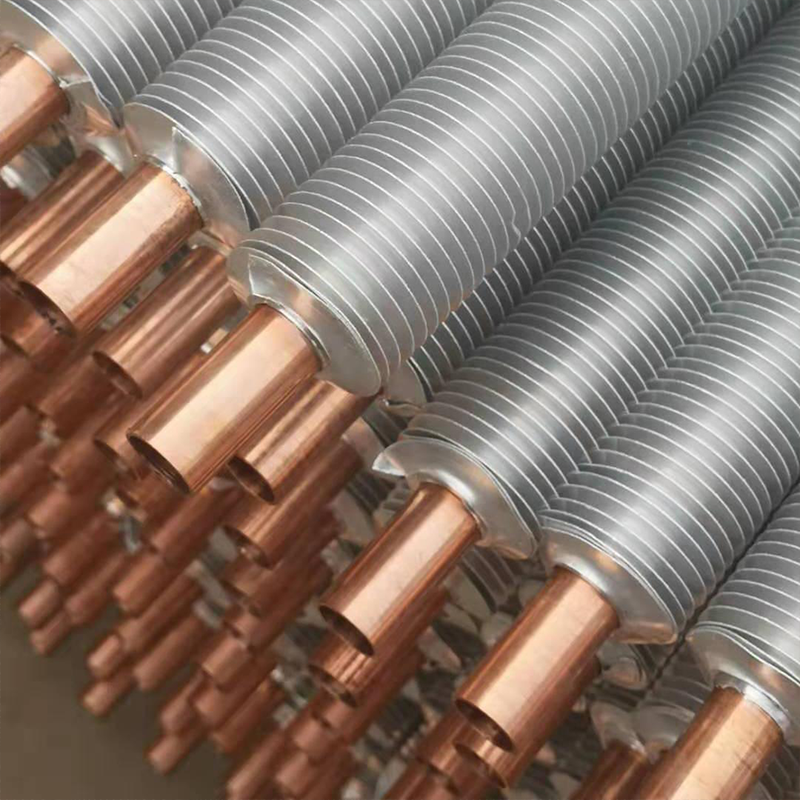
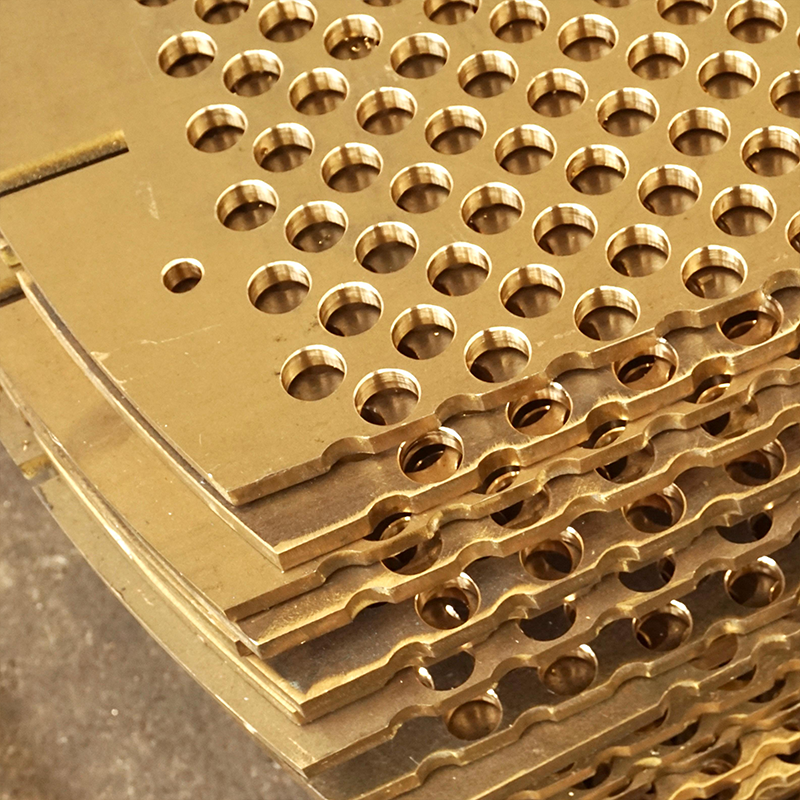
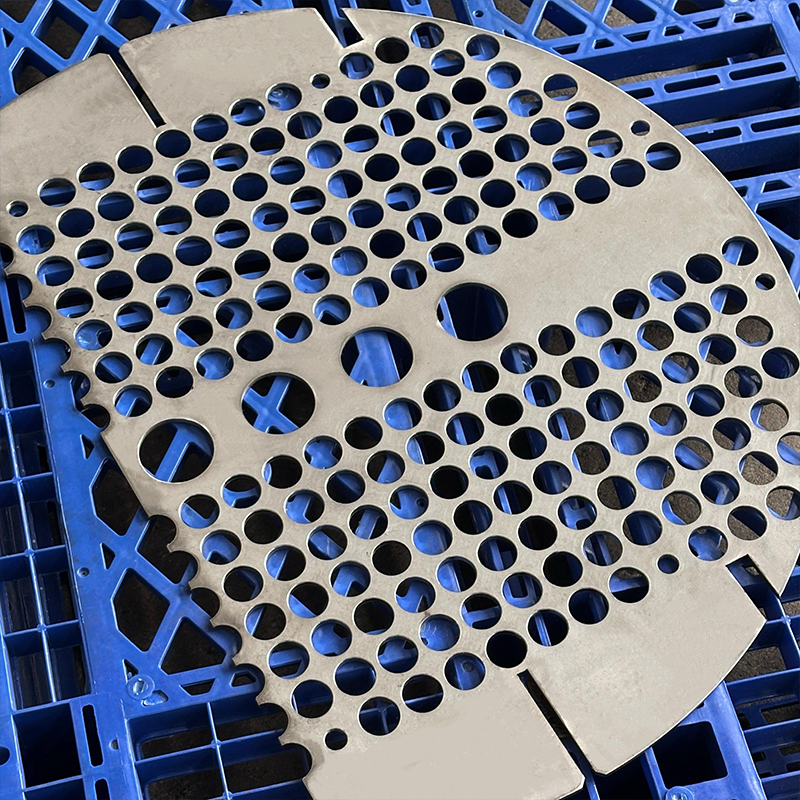
Establish interaction with suppliers of raw materials and equipment. Get letters of intent and warranty statements from them. The reliability of the supply chain is a critical factor in the approval of the application. Check the reliability of counterparties through legal entity verification services. Any doubts about the reliability of a partner may cause refusal. Build a pool of trusted suppliers who are willing to work long term and support your environmental initiatives. The choice of partners with international experience and quality certificates is especially important here. For example, a companyWuxi Kaisheng Electric Power and Petrochemical Equipment Co., Ltd., specializing in the design and manufacture of high-performance heat transfer equipment for the oil, gas and chemical industries, demonstrates a benchmark approach to quality. Their products, including titanium shell-and-tube heat exchangers, ASME apparatus and corrosion-resistant alloy components (nickel, copper, stainless steel), are certified to stringent international PED and ASME standards. The experience of such manufacturers in creating customized solutions for complex industrial problems shows how critical it is to have reliable equipment with proven durability and energy efficiency to pass environmental audits and receive government preferences.
Implement a management accounting system that allows you to track the implementation of project indicators in real time. Set up dashboards to monitor key metrics. This will allow you to quickly respond to deviations and adjust the action plan. Transparency of data increases trust on the part of regulatory authorities. Be ready at any time to provide complete information about the progress of the project. Openness and honesty are the best strategy for interacting with the government.
Don't forget about communication with the public and the media. Tell us about your successes in the field of ecology and modernization. A positive image helps in negotiations with officials and banks. Publish cases and customer reviews. Demonstrate your social responsibility. The reputation of a reliable and progressive partner opens many doors. Use all available channels to promote your brand as a leader in sustainable pipe manufacturing.
Frequently Asked Questions
What documents are needed to confirm the environmental friendliness of PP pipes?
To confirm your status, you will need a laboratory test report for the absence of heavy metals and migration of harmful substances, issued by an accredited laboratory (for example, VNIIST or an analogue). A chemical safety data sheet (MSDS) for the granulate used and a certificate of conformity to GOST R 52134-2003 are also required. Additionally, you need to provide an act on the implementation of a closed water circulation system and a report on the energy audit of the enterprise. The absence of any of these documents will render the application incomplete. We recommend ordering a comprehensive examination in one center to avoid discrepancies in data from different laboratories.
Can I get a benefit if I use imported equipment?
Yes, you can, but the subsidy amount will be lower. Priority support programs are focused on equipment manufactured in Russia or EAEU countries. For import lines, the interest rate compensation can be reduced by 2-3 points, and the investment tax deduction is not applied. However, if the imported equipment has no analogues in the Russian Federation (which is confirmed by the conclusion of the Ministry of Industry and Trade), you can qualify for full support measures. It is important to prove that the purchase of imports is due to technological necessity and not a desire to save money. Prepare a comparative analysis of the characteristics of Russian and imported equipment to justify your choice.
What should I do if I did not submit my application before the end of the quarter?
Most programs have a rolling application schedule, but budgets are often allocated quarterly. If you missed the deadline, please contact the program supervisor at the support fund immediately. Sometimes it is possible to get on the reserve list or transfer the application to the next period without losing the queue. As a last resort, you can apply for other types of support that have not yet expired. Don’t wait until next year—waste as little time as possible. At the same time, begin preparing documents for the next wave of funding in order to be fully prepared for the start of admission.
To summarize, we can say thatbenefits for manufacturers of environmentally friendly PP pipesrepresent a powerful tool for business development in 2026. However, obtaining them requires a systematic approach, high discipline and a deep understanding of the regulatory environment. Those companies that are able to competently organize work with government institutions will receive a significant competitive advantage and a margin of safety for years to come. Don't miss your chance to modernize production and reach a new level of efficiency.
Ready to start transforming your enterprise?Contact us todayto receive individual advice on selecting the optimal state support program and auditing your production potential. Our experts will help you go all the way from submitting an application to receiving funds, minimizing risks and deadlines. Find out more about howmodern technologies for the production of PP pipescan increase your profitability in the new economic realities.