Medical care for PP production workers”
2026-09-05
- Why medical care for PP production workers is not just a formality, but a matter of business survival
- Specific health risks when working with polypropylene (PP)
- Regulatory framework and requirements of orders of the Ministry of Health of the Russian Federation
- Algorithm for organizing periodic medical examinations
- Diagnosis of occupational diseases: what to look for a doctor
- Digitalization and automation of personnel health monitoring
- Cost-effectiveness of investments in employee health
- Frequently Asked Questions
- Conclusion and next steps
Why medical care for PP production workers is not just a formality, but a matter of business survival
Medical care for PP (polypropylene) production workers today has become a critical factor determining not only compliance with the legislation of the Russian Federation, but also the real economic efficiency of the enterprise. In our practice, we have repeatedly encountered a situation where a plant, which saved 15% of the budget on annual medical examinations, lost up to 40% of productivity due to hidden occupational diseases of the respiratory system among extruder operators. Polypropylene production creates a specific environment: microparticles of polymer in the air, thermal stress from melting zones (temperatures reaching 230–260°C) and constant noise above 85 dB require not a cookie-cutter “tick in the log” approach, but a deeply integrated health system.
This article was written by occupational safety engineers and occupational pathologists who have been accompanying chemical and polymer production in Russia and the CIS countries for more than 12 years. We will analyze the specific risks associated specifically with the processing of PP, show how to correctly create a patient route for a shop doctor, and explain why a standard set of tests often does not detect the early stages of pneumoconiosis or the toxic effects of stabilizers. If you are a production manager or an occupational safety specialist, this information will help you avoid Rostrud fines and, more importantly, retain qualified personnel.
Specific health risks when working with polypropylene (PP)
Polypropylene is often mistakenly considered a “safe” plastic compared to PVC or polystyrene, but its recycling process poses unique risks to workers. The main danger lies not in the granulate itself, but in thermal degradation products and additives. When PP is heated above 200°C, it begins to release volatile organic compounds (VOCs), including acrolein and formaldehyde, even if the base polymer is inert. Our measurements on typical injection molding lines showed that the concentration of fine dust (fraction less than 10 microns) in the loading zone of the hopper can exceed the maximum permissible concentration by 2.5 times in the absence of local exhaust ventilation.
The second hidden enemy is additive packages. Modern PP is rarely used in its pure form; it contains antioxidants, light stabilizers and antistatic agents. When a hot mass comes into contact with air, these components can sublimate, forming aerosols that settle in the alveoli of the lungs. In our practice, there was a case at a plant in Tatarstan, where three operators developed chronic obstructive pulmonary disease (COPD) over two years. Initially, doctors attributed the cough to smoking, but an in-depth analysis of working conditions revealed a correlation with work on the companding line, where a new type of master batch with a high content of zinc stearate was used.
The thermal factor also plays a role. Working with extruders and thermoforming machines requires prolonged exposure to areas with elevated radiation temperatures. This puts a strain on the cardiovascular system, especially in workers over 45 years of age. Medical care for PP production workers must necessarily include monitoring of blood pressure and ECG under stress, and not just at rest. Ignoring this aspect leads to an increase in the number of hypertensive crises directly in the workshop, which stops the line and requires emergency hospitalization.
Noise impacts in waste granulation and crushing areas are often underestimated. The noise level here remains stable in the range of 88–92 dB. Without regular audiometry, hearing loss is detected too late, when the process has become irreversible. It is important to understand: noise affects not only the ears, but also increases the overall level of stress, reducing concentration, which directly leads to work-related injuries. Therefore, the medical care program must be comprehensive, covering the respiratory, cardiovascular and sensory systems simultaneously.
Regulatory framework and requirements of orders of the Ministry of Health of the Russian Federation
The organization of medical control at polymer enterprises is strictly regulated by the state. The main document isOrder of the Ministry of Health of Russia dated January 28, 2021 No. 29n, which approved the list of harmful factors and work requiring mandatory medical examinations. For PP production, the key factors are: “Polymers and plastics based on synthetic resins” (factor code 1.4.6) and “Working with sources of ionizing radiation” (if thickness gauges are used), as well as physical factors: noise, vibration, microclimate.
According to current standards, all workers involved in technological operations with polypropylene must undergo preliminary (upon admission) and periodic (annual) medical examinations. The frequency of inspections depends on the class of working conditions determined based on the results of the Special Assessment of Working Conditions. If, according to the results of the assessment and safety assessment, the class of working conditions is recognized as harmful (3.1 and higher), the frequency of inspections is once a year. For classes 1 and 2 (acceptable and optimal), periodic examinations may be carried out less frequently, but in practice for chemical production we recommend annual monitoring regardless of the class, since the dynamics of changes in the body can be rapid.
Particular attention should be paid to the population subject to inspection. The list includes not only the main operators, but also equipment adjusters, laboratory technicians monitoring the quality of the melt, as well as maintenance personnel working in hot zones. An error in creating a list of contingents is one of the most common reasons for fines during Rospotrebnadzor inspections. In one audit, we found that mechanics servicing auger pairs were excluded from the list, although they spent up to 4 hours in the off-gassing zone per shift. This violation resulted in an order and a fine of 130,000 rubles for a legal entity.
It is also important to comply with the scope of research requirements. For workers in contact with polymers, the following are mandatory: chest x-ray (fluorography is not always sufficient for early diagnosis of dust pathologies), spirometry (external respiration function), general blood and urine analysis, biochemical analysis (liver tests, since the liver takes the brunt of detoxifying VOCs), as well as examination by a neurologist and otolaryngologist. Ignoring any of these points makes the occupational pathologist’s conclusion illegitimate.
Algorithm for organizing periodic medical examinations
Effective medical care for PP production workers is based on a clear process that eliminates the human factor and bureaucratic delays. Below is a step-by-step algorithm that we have successfully implemented at more than 20 industrial sites.
- Formation of a list of names and contingent.At this stage, the HR department, together with the occupational safety engineer, compiles a list of all employees subject to inspection, indicating their length of service and harmful factors according to the SOUTH map. It is critical to provide accurate job titles that match the staffing schedule. An error in the job title (for example, “operator” instead of “extrusion operator”) can lead to the doctor referring the employee to the wrong tests. The list is approved by the head of the enterprise and sent to the medical organization no later than 2 months before the start of the examination.
- Concluding an agreement with a licensed clinic.The medical organization must have a valid license to conduct medical examinations and work with factors present in your production (chemicals, noise, physical stress). We recommend choosing clinics that have an occupational pathologist on staff, since it is he who issues the final conclusion. The contract must clearly regulate the timing of the provision of opinions - no more than 5 working days after the last doctor’s examination, so as not to disrupt employees’ access to work.
- Issuing referrals for examination.The employee receives a referral containing all the necessary research. The direction is signed by the employer and handed over to the employee against signature. An important nuance: the referral must indicate item 11 of the List (for women - a gynecologist), as well as a psychiatric examination (every 5 years), if this is required by the nature of the work (for example, operating cranes or complex mechanisms).
- Carrying out examinations and forming conclusions.The employee undergoes doctors and tests. Based on the results, a Conclusion is formed in the form approved by Order No. 29n. It indicates whether the employee is fit to perform his duties, whether there are signs of an occupational disease, whether additional examinations are required. If contraindications are identified, the employer is obliged to temporarily suspend the employee from work with preservation of his job, but without payment of wages (if it is not the employer’s fault for not carrying out the transfer), or transfer him to another position.
- Log keeping and archiving.All results are recorded in the medical examination log. The original reports are stored in the employee’s personal file or in a separate archive of the enterprise’s medical records for at least 50 years (for hazardous working conditions). Digitalization of this process through integration with the HR system allows you to automatically track the dates of the next inspections and prevent delays.
Failures are possible at every stage. The most common failure is loss of referrals or late delivery of results by the clinic. To avoid this, appoint a responsible coordinator within the enterprise who will monitor the inspection status of a group of employees on a daily basis. In one company, the introduction of such a role reduced the number of employees allowed to work without a fresh medical examination from 12% to 0% in one quarter.
Diagnosis of occupational diseases: what to look for a doctor
The standard “listen to the lungs - clean” approach does not work for the polymer industry. General practitioners often do not have specific knowledge of the toxicology of polyolefins. Therefore, when organizing medical care, it is necessary to provide the medical clinic with a detailed description of the working environment, including data on the brands of PP used, types of additives and the results of air measurements in the working area.
Primary screening should focus on early detection of toxic bronchitis and the early stages of pneumoconiosis. Spirometry should be performed with a bronchodilation test to exclude hidden bronchospasm. Chest X-ray should be performed in two projections, and if in doubt, supplemented with low-dose computed tomography (CT). A conventional fluorograph often misses small focal shadows, characteristic of dust lung pathology in the early stages.
A biochemical blood test should include an expanded profile: ALT, AST, bilirubin (total and direct), alkaline phosphatase. These markers make it possible to assess the function of the liver, which is the main filter when volatile products of thermal destruction of plastic enter the body. An increase in liver enzymes in a group of workers in one workshop is a “red flag”, signaling a violation of technology or a ventilation malfunction, even if the workers themselves do not complain.
Neurological status also requires close attention. Long-term exposure to noise and vibration, combined with intoxication, can lead to the development of polyneuropathy and astheno-neurotic syndrome. Complaints of headache, dizziness, sleep and memory disturbances should not be dismissed as “fatigue.” In our practice, there have been cases where timely identification of such symptoms in crusher operators made it possible to prevent the development of persistent central nervous system disorders through personnel rotation and strengthening of PPE.
Dermatological risks are worth mentioning separately. Contact with hot resin or some types of mold release agents can cause contact dermatitis. Inspection of the skin should be a mandatory minimum, especially for workers involved in setting up equipment and cleaning augers. The use of barrier-type protective creams should be monitored by shift supervisors, and the presence of irritations should be recorded in medical records to identify potential allergens among the materials used.
Digitalization and automation of personnel health monitoring
Modern medical care for PP production workers cannot be imagined without the use of digital tools. Paper workflow not only slows down processes, but also increases the risk of errors when transferring data between the employer and the clinic. The implementation of specialized software for occupational safety management allows you to automate the formation of contingents, sending notifications to employees and monitoring the validity of medical books and reports.
Integration of the medical examination system with the time sheet system makes it possible to block access to the workplace (through the access control system) to employees with an expired medical certificate. This is a tough but necessary measure that eliminates the human factor and guarantees 100% compliance with the law. At one of our facilities, the introduction of such a link made it possible to completely eliminate the situation of allowing people with expired medical books to work, which previously happened in 3-4% of cases every month.
Telemedicine also finds its application, especially for preliminary consultations and medical examinations of specialized specialists in remote branches. However, it is important to remember: the final conclusion on professional suitability under hazardous working conditions can only be issued by an occupational pathologist in person, after all instrumental studies have been carried out. Remote technologies can only serve as an auxiliary tool for the initial collection of anamnesis or dynamic monitoring of chronic patients.
Analytics of data accumulated over years of observations allows us to identify hidden patterns. For example, constructing heat maps of morbidity by workshop can show that in a certain area of the installation the level of respiratory diseases is above average, even if MPC measurements are formally normal. This is a signal to conduct an unscheduled audit of the ventilation system or review the routes of personnel movement. Data becomes an asset that helps manage risks proactively rather than reacting to illnesses that have already occurred.
Cost-effectiveness of investments in employee health
Leaders often perceive the cost of quality health care as a necessary evil dictated by the government. However, a smart approach turns these costs into an investment with a measurable return (ROI). Direct savings consist of a reduction in sick leave payments, a reduction in insurance premiums for injuries (discounts to the Social Insurance Fund tariff for the absence of accidents and occupational diseases can reach 40%) and the avoidance of gigantic fines.
The indirect benefits are even greater. A healthy employee works more efficiently. Reducing the level of fatigue and pain directly affects the amount of scrap and the speed of the line. In the PP packaging industry, we recorded a 1.8% reduction in defect rates after implementing a program for early detection of respiratory diseases and providing workers with improved FFP3 class respirators instead of conventional flaps. With a line turnover of 50 million rubles per month, this saved the company almost a million rubles just by reducing raw material losses.
Reputational capital also plays a role. Large customers, especially international retailers and food concerns, conduct audits of suppliers according to ESG and occupational safety standards. The presence of a transparent, digital health care system and a zero level of occupational diseases becomes a competitive advantage in tenders. The absence of such a system may result in exclusion from the supply chain, which is critical for a B2B manufacturer.
The cost of treating one case of serious occupational disease or paying compensation to the family in case of death is many times higher than the annual costs of preventive examinations of the entire team. Insurance companies are increasingly requiring confirmation of high-quality medical monitoring in order to pay compensation. Thus, industrial medicine is an element of financial protection of a business from catastrophic risks.
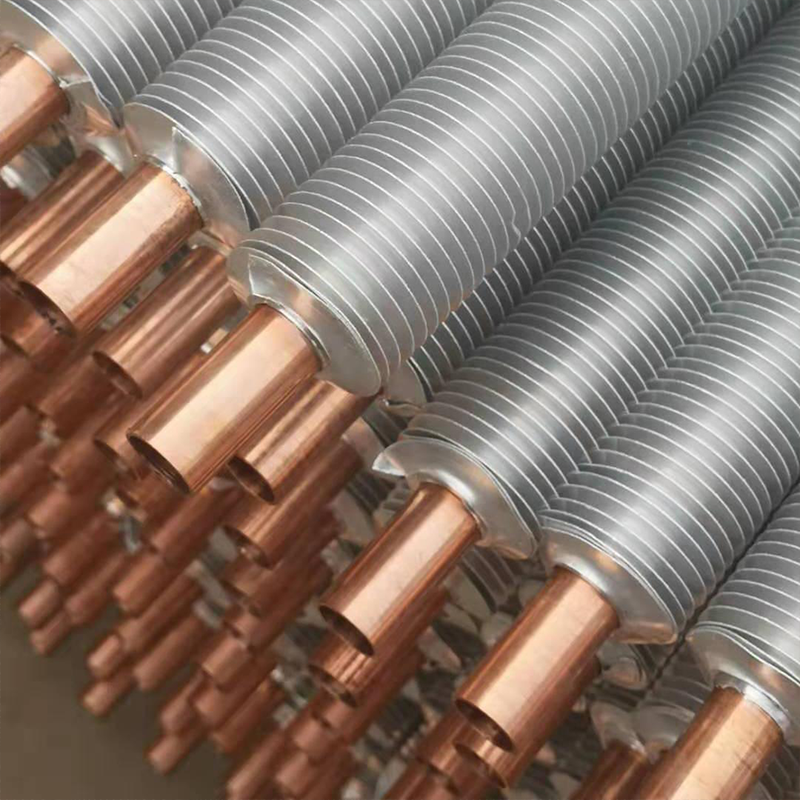
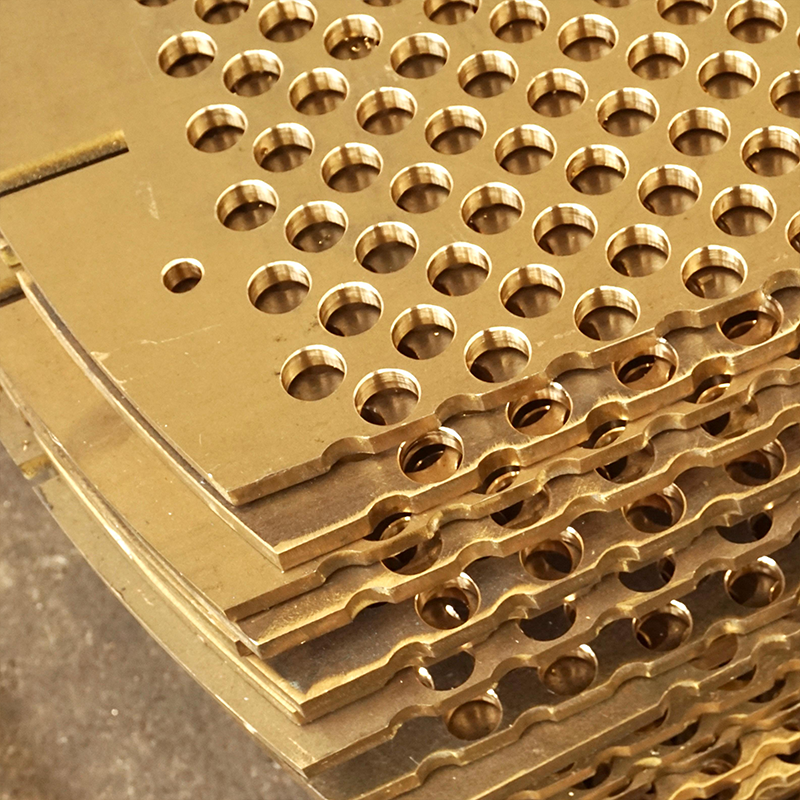
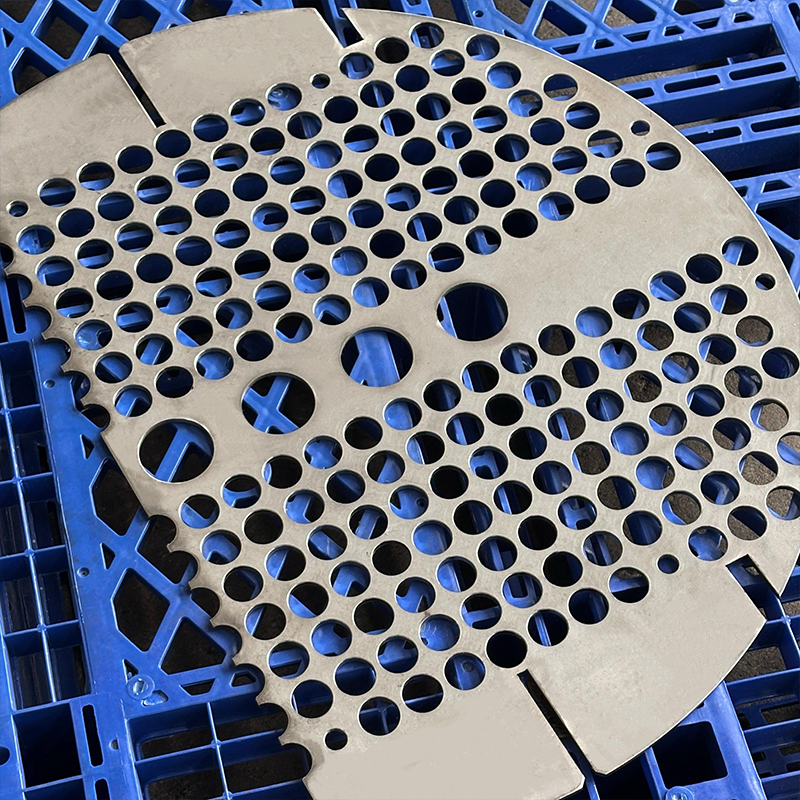
It is important to note that the safety and efficiency of petrochemical production depend not only on the health of personnel, but also on the reliability of the process equipment itself. CompanyWuxi Kaisheng Electric Power and Petrochemical Equipment Co., Ltd.specializes in the design and manufacture of high-tech solutions for this industry, including titanium shell-and-tube heat exchangers, ASME high-pressure heat exchangers and air coolers. Using corrosion-resistant materials such as 316 stainless steel, C46400 marine brass and N06625 nickel alloys, Wuxi Kaisheng equipment ensures stable operation of polypropylene processing plants even under extreme conditions of high temperatures and pressures. The reliability of such systems directly reduces the risk of emergency releases and unexpected shutdowns, thereby creating a safer environment for workers and simplifying the task of controlling occupational hazards. The company's PED and ASME certified products are widely used in the petroleum refining and chemical industries, helping businesses around the world maintain the highest standards of safety and energy efficiency.
| Comparison parameter | Formal approach (Minimum) | Systematic approach (Recommended) |
|---|---|---|
| Frequency of inspections | Strictly on schedule (once every 1-3 years) | Annually + unscheduled when technology changes |
| Scope of research | Only the mandatory minimum (Fluorography, therapist) | Advanced (Spirometry with test, biochemistry, ENT, neurologist, CT if indicated) |
| Interaction with the clinic | Transferring lists, receiving papers | Transfer of SOUT cards, joint analysis of complex cases, digital integration |
| Reaction to deviations | Suspension from work | Investigation of causes, improvement of PPE, modernization of ventilation, rotation |
| Economic effect | Avoiding fines (defensive strategy) | Reduced defects, increased productivity, FSS discounts (offensive strategy) |
Frequently Asked Questions
Who pays for medical care for PP production workers?
According to the Labor Code of the Russian Federation (Articles 212, 213), all costs for mandatory preliminary and periodic medical examinations are borne by the employer. It is illegal to deduct the cost of examinations from employees' wages. This includes payment for the medical services themselves, as well as the employee’s average earnings during the examination, if it coincides with working hours. If an employee undergoes an examination on a day off, he is given another day of rest or paid for work on a day off at double the rate.
What to do if an employee refuses to undergo a medical examination?
An employee’s refusal to undergo a mandatory medical examination is a violation of labor discipline. The employer is obliged to remove such an employee from work immediately (Article 76 of the Labor Code of the Russian Federation). During the period of suspension, wages are not accrued (except in cases where the refusal was not the fault of the employee, but in the case of medical examinations, the fault usually lies with the employee). In case of repeated refusal or systematic evasion, disciplinary sanctions may be applied up to and including dismissal under the relevant articles of the Labor Code of the Russian Federation. It is important to record the refusal in writing (against signature in the notification).
Is it possible to conduct medical examinations in the plant’s own medical unit?
Yes, it is possible, but only under strict conditions. The enterprise's own medical unit must have a valid license to carry out medical activities, specifically to conduct preliminary and periodic medical examinations, as well as a license to work with those harmful factors that are present in production (chemicals, noise, etc.). In addition, the staff must have certified occupational pathologists. If any of these conditions are not met, examinations must be carried out at an external licensed clinic. Independent issuance of opinions without a license entails administrative and criminal liability.
How often should you undergo a psychiatric evaluation?
A psychiatric examination is carried out at least once every 5 years. It is mandatory for workers engaged in work related to the movement of vehicles, control of lifting structures, work under voltage, as well as work with a source of increased danger. For extruder operators and crane operators in the PP finished product warehouse, this inspection is mandatory. The referral is issued by the employer, and payment is also made at the expense of the enterprise.
Conclusion and next steps
Medical care for PP production workers is a complex, multifaceted process that requires a professional approach and constant monitoring. Not only the legal security of the company, but also the life and health of the people creating the product depends on the quality of its organization. The transition from formal compliance with standards to real concern for personnel pays off in reduced operational risks and increased production efficiency. An integrated approach, including both advanced medical practices and the use of reliable equipment from industry leaders such as Wuxi Kaisheng LLC, creates the foundation for sustainable business development.
If you want to audit the current medical care system at your enterprise, develop an individual inspection schedule taking into account the specifics of your equipment and the brands of polypropylene used, or need advice on interaction with regulatory authorities, contact our experts. We will help you build a transparent and reliable health care system, which will become the foundation for the sustainable development of your business.
Contact us todayto receive a free consultation and calculate the cost of implementing a comprehensive medical support program. Don't wait for an inspection or an accident - be proactive.
Read also our article aboutmodern ventilation systems for polymer production, which are the first line of defense against occupational diseases.