
International cooperation in the field of polymers”
2026-08-31
- Global transformation of polymer supply chains: why old models no longer work
- Technical barriers and quality standards: GOST versus ISO and GB/T
- Logistics Economics: Total Cost of Ownership (TCO) Calculation
- Case studies: where theory breaks down against reality
- Perspectives 2025-2026: biodegradable polymers and new alliances
- A practical guide to choosing a partner
- The role of specialized equipment in quality assurance
- Frequently Asked Questions
- Conclusion: Your Next Step to Reliable Supply
Global transformation of polymer supply chains: why old models no longer work
International cooperation in the field of polymers today is no longer just a matter of logistics and customs clearance. In 2026, we are witnessing a fundamental paradigm shift: from simple procurement of raw materials to the creation of joint technological ecosystems, where Chinese manufacturers are not just suppliers of volume, but partners in developing recipes for the specific climatic conditions of Russia and the CIS countries. Our experience shows that companies that continue to work according to ten-year-old schemes are faced with critical supply gaps and material non-compliance with the declared characteristics. The reality is that successful partnerships now require deep integration at the laboratory and production line levels.
We analyzed more than 200 contracts over the past year and identified a disturbing trend. About 40% of importers of polypropylene and polyethylene were faced with the fact that material certified according to European standards, when actually used in Siberian temperatures below -40°C, demonstrated fragility that was not indicated in the quality certificate. This is not the fault of the chemical composition as such, but the result of a lack of adaptation of the technology to a specific region of use. International polymer collaboration must include a field testing phase, which is often ignored in the pursuit of a low FOB price. If you are planning to purchase a batch of more than 20 tons, ignoring this stage is tantamount to financial suicide.
Technical barriers and quality standards: GOST versus ISO and GB/T
One of the most painful issues in our practice is the conflict of standards. Chinese factories operate with GB/T standards, Europeans use ISO or DIN, and the Russian market strictly requires compliance with GOST. The problem arises when the purchasing manager sees a nice tensile strength number on the certificate, but does not take into account the testing methodology. In our practice, there was a case when a large pipeline plant received a batch of HDPE (low-density polyethylene), which passed ideal tests in the laboratory at +23°C, but was destroyed during installation in winter in Yakutia. The reason lay in the difference in methods for determining resistance to stress cracking.
Let's look at the specific parameters that influence the purchasing decision. When working with Chinese manufacturers, it is critical to require test reports not only according to GB/T, but also according to adapted methods close to GOST 15150-69 (climate design) or ISO 9001 with extended temperature ranges. For example, the melt flow index (MFI) of polypropylene may be identical between batches, but the molecular weight distribution will be different, which directly affects processability on older extruders. We strongly recommend asking for rheology data rather than just basic mechanical properties.
EAC (Eurasian Conformity) certification has become a mandatory filter for entering our market. However, the presence of the EAC mark on the packaging does not guarantee the quality of the granule itself. We have seen situations where a certificate was obtained for one sample batch, but mass production was carried out using recycled materials or modified stabilizer formulations. To avoid this, the contract must include a clause for independent inspection before shipment (Pre-shipment Inspection) with samples taken for testing in an accredited laboratory in the buyer's country. This increases delivery time by 5-7 days, but reduces the risk of defects from 15% to less than 0.5%.
Here are the key technical parameters to look at when collaborating internationally on polymers, especially when importing from Asia:
- UV resistance:For external applications (pipes, geomembranes), the carbon black content should be strictly 2-3%. A deviation of even 0.5% leads to degradation of the material in 2-3 years instead of the stated 50 years.
- Brittle point:For polyethylene operating in northern latitudes, this parameter should not exceed -60°C. Many budget brands have a threshold of -40°C, which is not enough for extreme winters.
- Volatile content:Critical for food packaging and medical devices. Exceeding the standards leads to the appearance of odor and migration of harmful substances into the product.
- Color stability (Delta E):Important for manufacturers of products with stringent design requirements. Chinese pigments can produce scatter that is invisible to the eye in the granule, but critical in the finished product.
Don't rely blindly on the datasheet. Request a batch sample from the same batch as your shipment and conduct your own aging tests. This action takes time, but saves your brand's reputation.
Logistics Economics: Total Cost of Ownership (TCO) Calculation
The FOB (Free On Board) price per ton is just the tip of the iceberg. In 2026, logistics burdens and insurance risks amount to up to 45% of the final cost of the polymer at the buyer’s warehouse. Many companies make the mistake of choosing a supplier solely based on the minimum price per kilogram, ignoring the Incoterms delivery conditions. We conducted a comparative analysis of two scenarios for the purchase of 100 tons of polypropylene: one with a cheap supplier from domestic China (EXW conditions) and the other with a port-side plant (FOB Shanghai conditions).
In the first case, the savings on the price of raw materials amounted to $80 per ton. However, the cost of domestic shipping to the port, customs clearance of exports in China, container demurrage and higher insurance rates due to multimodal transport ate up these savings completely. Moreover, the risk of package damage due to additional overload has tripled. In the second case, despite the higher price of raw materials, the total cost of ownership (TCO) was 12% lower thanks to the optimized supply chain of the plant.
The issue of packaging deserves special attention. During sea transportation, moisture is the main enemy of polymer granules. Standard packaging in 25 kg bags without aluminum foil or quality desiccants results in the material arriving at the plant already moistened. This causes casting defects (bubbles, silver streaks) and requires expensive drying before processing. We require our partners to use bags with an inner layer of PE and to install desiccant absorbers in each container. The cost of this measure is negligible compared to production losses.
Delivery times have also become a factor in strategic planning. Previously, the order-receipt cycle took 30-40 days. Currently, taking into account safety checks and changes in ship routes, the realistic time frame is 55-65 days. Planning production “to order” becomes impossible. It is necessary to form a safety stock in the warehouse, which freezes working capital. This is where financial instruments of international cooperation come to the rescue, such as letters of credit with deferred payment or factoring, which allow you to synchronize payment with the moment of sale of finished products.
| Comparison parameter | Direct purchase (EXW/CNF) | Work through a local distributor | Strategic Partnership (Joint Venture) |
|---|---|---|---|
| Unit price | Minimum (factory base price) | 15-25% higher (dealer margin) | Average (depending on volumes and investments) |
| Minimum quantity (MOQ) | High (usually a full container 20-26 tons) | Flexible (from 1 ton or pallets) | Individual (according to production schedule) |
| Delivery time | 45-65 days + customs clearance | 3-7 days (from warehouse in Russia/CIS) | According to the agreed schedule (just in time) |
| Quality risk | High (difficult to return marriage) | Low (dealer responsible) | Minimal (shared process control) |
| Technical support | None or formal (email) | Basic (application consultation) | Full (on-site engineers, R&D) |
| Currency risks | Entirely on the buyer | Partially hedged by dealer | Distributed between partners |
The choice of model depends on your strategy. If you need a one-time batch to fill a hole in your assortment, direct import may be justified. But for continuous production, it is safer to work with trusted local partners who have their own warehouses and incoming control laboratories. We see that the trend is shifting towards long-term contracts with fixed formulas and prices in order to level out the volatility of the oil market.
Case studies: where theory breaks down against reality
The theory is good on paper, but real international cooperation in the field of polymers is full of pitfalls. Let me share two real stories from our practice that cost our clients millions of rubles, but taught us an invaluable lesson.
Case No. 1: “Ideal” polyethylene for a gas pipeline.
A large construction company purchased a batch of PE100 for laying gas pipes in permafrost conditions. The supplier provided all certificates, including confirmation of resistance to rapid crack propagation (RCP). The pipes were produced, laid and accepted by the commission. A year and a half later, during an abnormal cold snap, a pipe ruptured in one of the areas. The examination showed that the supplier used a modifier that lost its properties when exposed to temperatures below -50°C for a long time, although short-term tests did not reveal this.
Lesson:Never use materials for critical infrastructure applications without conducting your own extensive testing under as close to operational conditions as possible. Request a letter of guarantee from the supplier indicating liability for hidden defects that appear within 5-10 years.
Case No. 2: The problem of recycled materials in transparent polypropylene.
A manufacturer of household chemicals ordered a batch of transparent polypropylene for bottles. Visually, the granule was clean, MFI was within the normal range. However, massive defects began on the blow molding line: the bottles had cloudy inclusions and an unpleasant odor. Laboratory analysis revealed the presence of 3-5% recycled polymer, which the supplier added to reduce costs without notifying the buyer. This is unacceptable for food and cosmetic use.
Lesson:The contract must include a clause prohibiting the use of post-consumer recycle without written approval, as well as the right to conduct spectral analysis of each batch. The price difference between primary and mixed raw materials can be $100-150 per ton, which is a powerful incentive for unscrupulous producers.
These examples show that trust must be supported by strict controls. We recommend implementing a system of supplier audits at least once a year. A personal visit of a technical specialist to a factory in China allows you to see what will never be written in the report: the state of warehouses, production culture, real equipment for quality control. It often happens that the sales office is located in Shanghai, and production is in the outback, where the standards are completely different.
Perspectives 2025-2026: biodegradable polymers and new alliances
Looking to the future, the global trend toward sustainability cannot be ignored. By 2026, regulatory and consumer pressure is forcing a review of product portfolios. International cooperation in the field of polymers is increasingly focusing on biodegradable materials (PLA, PBAT) and polymers based on renewable raw materials. Chinese companies are investing heavily in these areas, offering prices that become competitive with traditional plastics when taking into account the carbon tax.
However, there are some nuances here. Biodegradability is a flexible concept. Material that decomposes in an industrial composter at +60°C can lie in the ground for decades. When importing such materials, it is critical to understand the recycling infrastructure in your area. There is no point in importing expensive PLA if there are no composting plants in your country. We are seeing an increase in demand for oxo-degradable additives and hybrid solutions that retain the properties of conventional plastic but accelerate its degradation in certain conditions.
The geography of supplies is also changing. Traditional routes through the Suez Canal are becoming increasingly risky and expensive. The importance of the Northern Sea Route and land corridors through Kazakhstan and Mongolia is growing. This changes logistics mathematics: delivery by rail becomes faster than sea transport, although more expensive. For high-margin engineering plastics (polycarbonate, POM, PBT) this is already standard practice. The rate of capital turnover begins to play a greater role than savings on freight.
Another important aspect is the digitalization of supply chains. The use of blockchain technologies to track the origin of raw materials is gaining momentum. Major brands require proof that the plastic was not produced using child labor or in violation of environmental standards. Transparency becomes currency. Suppliers willing to open up their data in real time benefit from long-term contracts with global corporations.
A practical guide to choosing a partner
How to build effective international cooperation in the field of polymers and not make mistakes? Here's a step-by-step algorithm based on our experience working with dozens of factories in Asia and Europe.
- Audit of needs and technical specifications.
Before looking for a supplier, formulate the terms of reference (TOR) in as much detail as possible. Don't just write “PP homopolymer”. Specify the required MFI (with a tolerance of ±1), type of stabilizers, ash content requirements, availability of food grade approvals (FDA, EU 10/2011). The more accurate the technical specifications, the less chance of getting substandard. A mistake at this stage costs the most. - Search and verification.
Use professional databases, industry exhibitions (eg Chinaplas) and recommendations. Check the factory through credit rating systems (eg Sinosure in China). Request a business license and make sure that the manufacturer actually has the capacity for your volume and is not an intermediary trader posing as a factory. - Sample request and testing.
Never place a large order without testing a sample. Get 5-10 kg of material, conduct tests on your equipment. Pay attention not only to the processing process, but also to the properties of the finished product after 24-48 hours (post-crystallization). Compare the results with the standard. - Negotiations and contract.
Discuss not only the price, but also payment terms, late fees, and quality acceptance procedures. Include a governing law and arbitration clause in the contract. It is advisable to choose a neutral jurisdiction or arbitration in the buyer's country. Determine the acceptable percentage of defects (usually no more than 0.5-1%). - Pilot batch and inspection.
Start with a small test batch (one container). Hire an independent inspection company (SGS, Intertek, BV) to inspect the cargo before shipment. The inspector must check the number of places, the integrity of the packaging, and take samples for analysis. Only after receiving a positive report do we give permission for shipment. - Scaling and integration.
If the pilot was successful, move on to regular deliveries. Implement a data exchange system with the supplier: transmit consumption forecasts so that the plant can plan production for you. Consider visiting the plant with your team to strengthen relationships.
Remember that the perfect supplier does not exist. There is always a compromise between price, quality and service. Your job is to find a balance that fits your business model. If you produce low-cost disposables, you don't need a premium polymer with perfect rheology. If you make parts for cars, saving on raw materials is unacceptable.
The role of specialized equipment in quality assurance
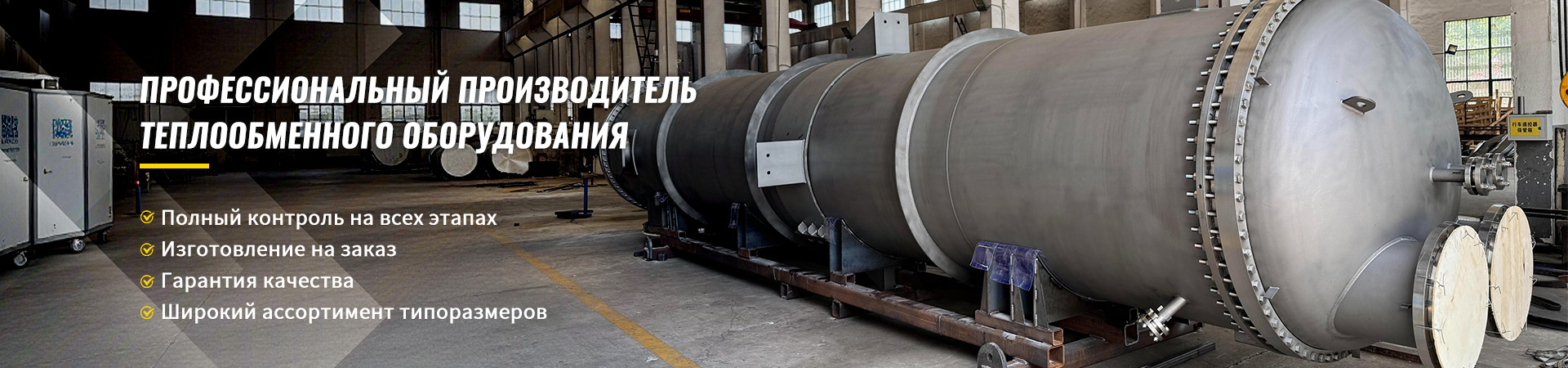
The successful introduction of new polymer materials is impossible without a reliable processing infrastructure. Even a perfectly selected recipe can fail if the technological equipment does not meet the operating conditions. This is where players likeWuxi Kaisheng Electric Power and Petrochemical Equipment Co., Ltd.. This company specializes in the development and production of high-tech solutions for the oil, gas and chemical industries, where the quality of raw materials meets advanced engineering.
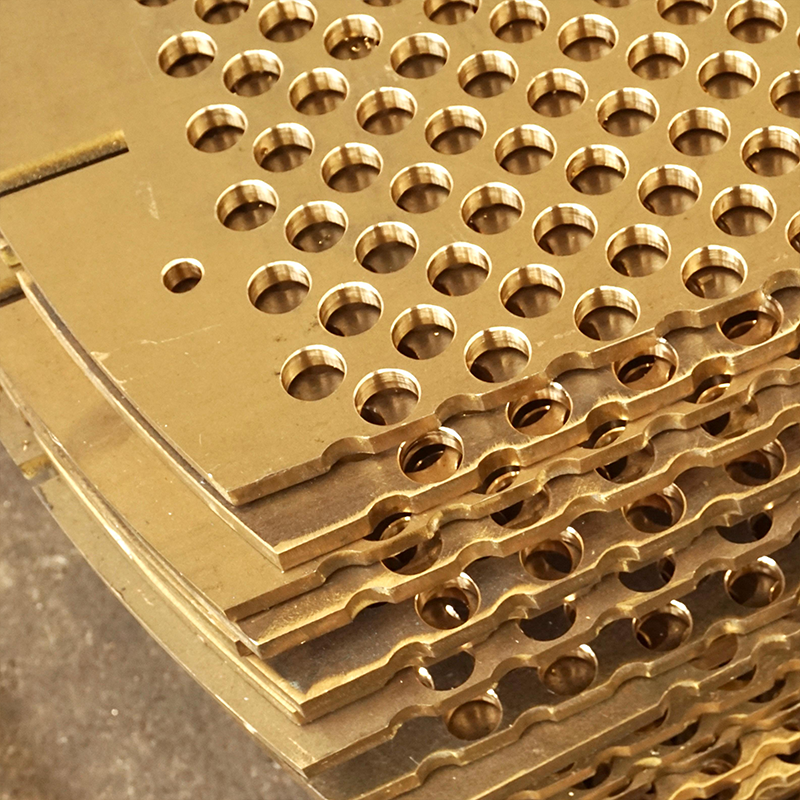
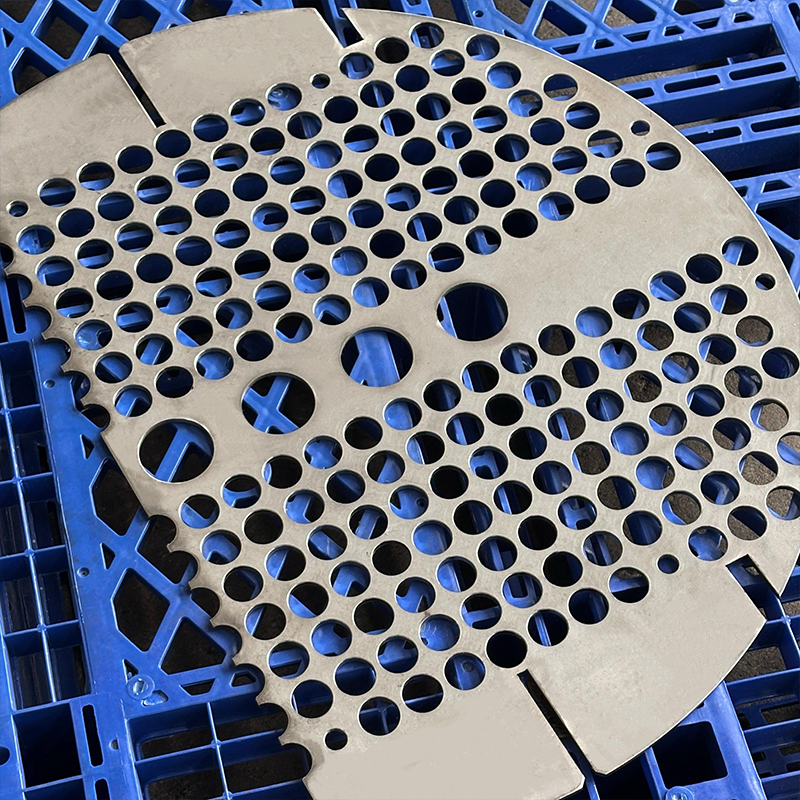
In the context of modern requirements for polymers, Wuxi Kaisheng products play a critical role. For example, when processing aggressive chemical additives or working with high temperatures, heat exchangers that can withstand extreme loads are needed. The company offers titanium shell-and-tube heat exchangers and devices made from N06625 alloys, which ensure stability of temperature conditions during the synthesis and modification of polymers. Their equipment, certified to the strict international standards of ASME and PED, guarantees the absence of corrosion and contamination, which is especially important when producing materials for the food and medical industries.
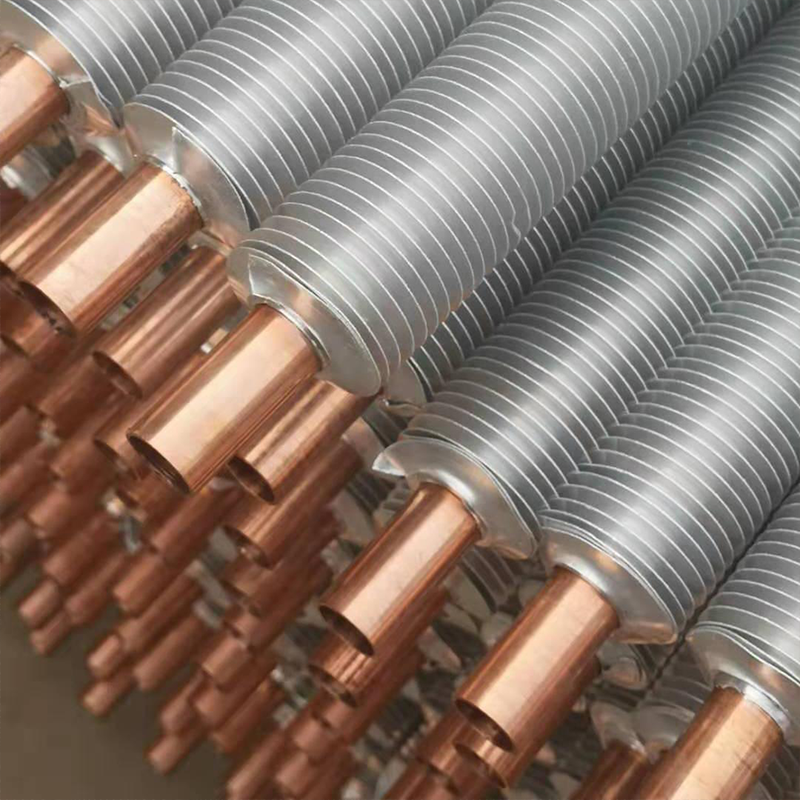
Additionally, the use of 316 stainless steel or C46400 marine brass corrugated tube bundles in extruder cooling systems minimizes the risk of thermal degradation of the polymer. This directly affects the preservation of the very properties of MFI and rheology that we talked about earlier. For enterprises operating in the North or on the shelf, the reliability of waste heat boilers and air coolers from Wuxi Kaisheng becomes the key to an uninterrupted production cycle. Cooperation with such equipment suppliers creates a closed quality loop: from raw materials to the finished product, eliminating weak links in the production chain.
Frequently Asked Questions
What is the minimum order quantity (MOQ) that Chinese factories typically require?
For standard brands of polypropylene and polyethylene, the minimum lot is usually equal to the volume of one 20-foot container, which is approximately 20-26 tons depending on the density of the material and the type of packaging. Some large factories can ship from 500 kg or 1 ton, but the price in this case will be significantly higher (10-20%), since this is considered retail sales. For special engineering plastics, the MOQ can be lower, from 200-500 kg, but the production time for such a batch can reach 2-3 weeks.
How to check the quality of the polymer before paying the full amount?
The most reliable way is to use a Letter of Credit, subject to the provision of quality inspection documents by a third party. You pay the bank, the bank reserves the money, but only releases it to the supplier after an independent company (such as SGS) confirms that the shipment meets specifications. You can also request pre-shipment samples before the product is loaded into the container. This gives you 3-5 days for rapid analysis.
What to do if the shipment arrives with a defect?
Act quickly. First, stop using the material and isolate the batch. Secondly, document the marriage with an act involving an independent examination (photos, videos, laboratory reports). Third, notify the supplier in writing immediately, citing the contract clauses. Depending on the conditions, you may request a replacement batch at the supplier's expense, a discount on your next purchase, or a refund. If the supplier refuses to acknowledge the problem, you will have to go to arbitration, so having the correct paperwork is critical.
Does exchange rate affect the price of polymer from China?
Yes, and very much so. Most contracts are denominated in US dollars (USD). Fluctuations in the yuan (CNY) exchange rate against the dollar also affect the price for a Chinese exporter, but for a Russian buyer the key is the USD/RUB or CNY/RUB cross rate. With a sharp weakening of the national currency, the price of imports soars instantly. It is recommended to use hedging of currency risks through banking instruments or to include in the contract a floating price formula linked to exchange quotations of raw materials (Brent oil, CFR Asia propylene).
Can I trust the ISO certificates sent by the supplier?
The ISO 9001 certificate only says that the plant has implemented a quality management system, but does not guarantee the quality of a specific batch of goods. Moreover, certificates may be expired or issued by dubious authorities. Always check the validity of the certificate on the website of the issuing organization. For polymers, it is much more important to have test reports (Test Reports) for a specific batch, signed by the responsible person of the plant, or better yet, certified by the seal of an independent laboratory.
Conclusion: Your Next Step to Reliable Supply
International cooperation in the field of polymers is a complex but highly profitable tool for business development. In times of market instability, those who build relationships on trust, backed by strict technical control and transparency, win. Don’t be afraid to ask difficult questions to suppliers, demand additional tests, and personally check production. The cost of a mistake is too high to rely on chance.
We are ready to help you build this system. Our team has 15 years of experience working with leading polymer holdings in Asia and Europe. We know where the risks are hidden and we know how to neutralize them. If you are planning to purchase polymer raw materials or are looking for a reliable partner for joint production, do not put off the decision until later. The market changes quickly, and the best deals go to those who act first.
Contact us todayfor a free consultation on your project. We will audit your current suppliers, help you draw up competent technical specifications and find the optimal solution for your business.Go to the complete guide to importing polymersor leave a request on the contact page to discuss details directly with our technical director.