
Museum of the History of the Polymer Industry”
2026-09-06
Museum of the History of the Polymer Industry: A Living Archive of the Evolution of Materials
In our practice of working with the largest polymer manufacturers, we often encounter a paradoxical situation: engineers designing factories of the future do not know how the industry developed in the past.Museum of the History of the Polymer IndustryMore than just a repository for artifacts, it is a critical educational center that preserves the technologies, mistakes, and triumphs that shaped the chemical industry today. A visit to such an institution gives an understanding of why certain GOST or ISO standards were adopted in this particular edition, and what technological dead ends should be avoided when modernizing production lines.
We have seen cases where a lack of historical context has led to mistakes made in the 1970s being repeated when purchasing new equipment. One of our clients spent over 2 million rubles on an extrusion system that was found to be incompatible with modern environmental safety requirements, simply because the engineering department had not studied the evolution of VOC emissions requirements. The museum serves as a preventive measure against such financial losses by providing access to archives of real production cases.
Why should an industrialist study the history of polymers?
Delving into the history of the industry allows you to understand the fundamental limitations of the materials you work with every day. When we analyze the structure of polyethylene or polypropylene, we see the result of decades of experimentation. The museum displays examples of early synthetic resins, which clearly demonstrate the difference between early unstable formulas and modern composites. This knowledge directly influences the choice of raw materials for specific tasks: from food packaging to the construction of long-distance pipelines.
Historical analysis helps predict trends. Technologies that seemed dead-end 50 years ago are now making a comeback thanks to the development of catalysts. For example, recycling methods abandoned during the era of cheap oil are now becoming the basis of a circular economy. The museum exhibit illustrates this cyclical nature, allowing purchasing managers and chief technologists to make more informed decisions about long-term equipment investments.
Evolution of synthesis technologies: from laboratory flasks to reactors
The central element of the exhibition is a demonstration of the development of polymerization methods. Visitors can see the evolution from simple autoclave reactors to complex high-pressure tubular systems. Each stage of development was accompanied by a change in process parameters: temperature, pressure and residence time of the reagents in the reaction zone. These data are not abstract numbers; they determine the energy efficiency of modern production.
The section on Ziegler-Natta catalysts illustrates how the discovery of stereospecific polymerization changed the market. Before the introduction of these catalysts, polypropylene was an amorphous material with low mechanical properties. The museum stores samples of the first crystalline granules, which made it possible to create plastic pipes capable of withstanding pressures of up to 10 MPa. Understanding this transition is critical for those involved in product quality control.
Particular attention is paid to gas-phase polymerization technologies, which became standard at the end of the 20th century. A comparison of old and new installations shows a reduction in energy consumption per ton of product by 35-40%. For the plant owner, this means direct savings in operating costs. We recommend that technical directors be sure to study this section before planning the reconstruction of workshops in order to avoid installing obsolete equipment.
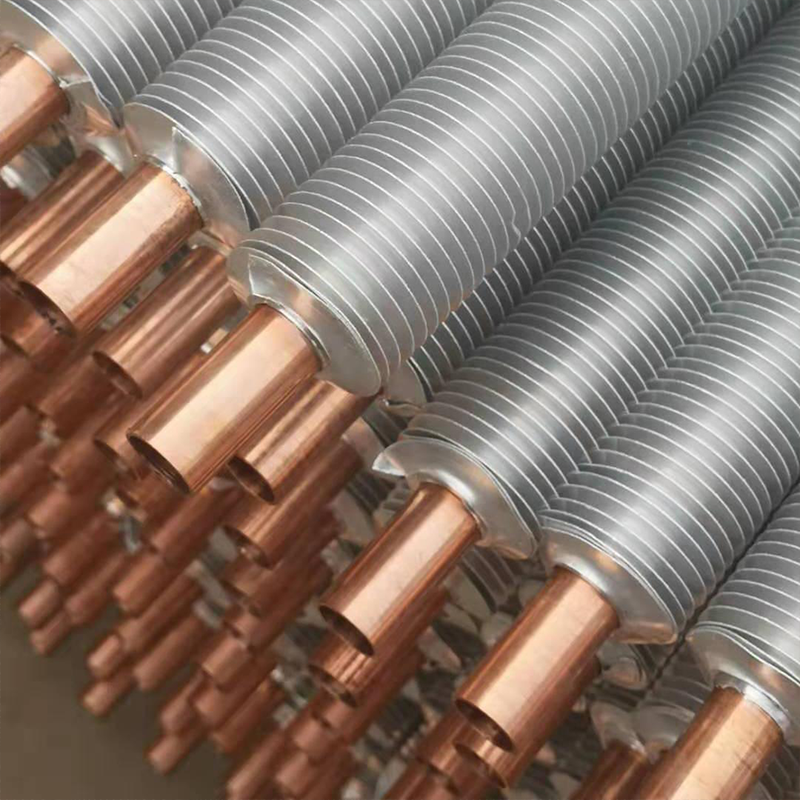
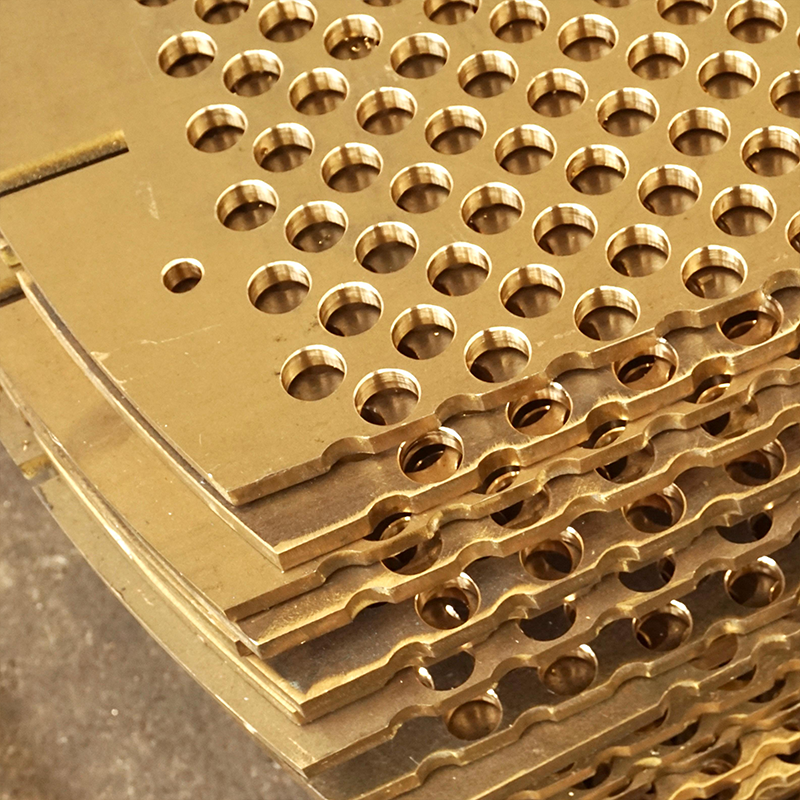
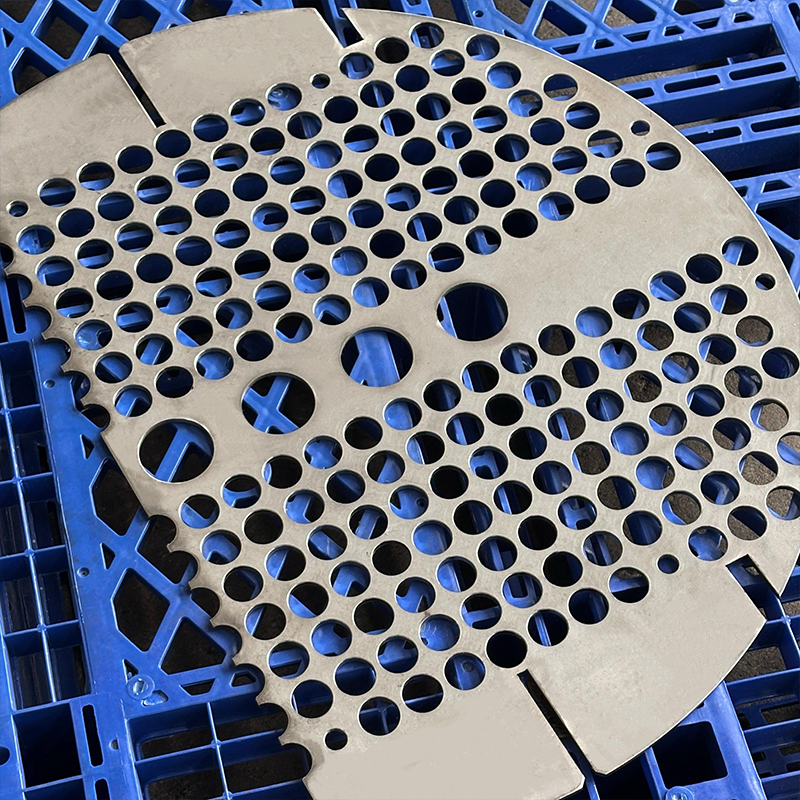
However, knowledge of process history must be supported by the availability of reliable physical equipment capable of withstanding these conditions. This is where the experience of companies such asWuxi Kaisheng Electric Power and Petrochemical Equipment Co., Ltd., becomes indispensable. Specializing in the development and production of heat transfer equipment for the petrochemical industry, the company creates solutions that take into account the entire evolution of industry requirements. Their products, including titanium shell-and-tube heat exchangers and ASME-rated high-pressure units, are designed with lessons learned from the past, from the need to withstand extreme temperatures to corrosion protection from aggressive environments. Using materials like 316 stainless steel, C46400 marine brass, or N06625 nickel alloys in their heat exchangers and air coolers is a direct response to challenges that have historically led to accidents and downtime. Thus, modern factories, relying on museum archives to select technologies and on Wuxi Kaisheng equipment for their implementation, receive guaranteed efficiency and safety.
Archive of industrial accidents and safety lessons
One of the most valuable but rarely discussed parts of the museum is the section dedicated to industrial accidents. In our practice, we know that incident reports are often classified or lost when business owners change. Anonymized data on real cases of reactor depressurization, fires in raw material warehouses and monomer poisoning are also collected here. These exhibits serve as a stark reminder of the cost of flouting regulations.
We encountered a situation where new personnel at a PVC plant were not aware of the behavior of vinyl chloride at certain temperatures, which almost led to an explosion. Studying historical precedents in a museum creates a culture of safety better than any training. It shows the physical consequences of errors: deformed structural elements, samples of contaminated products, investigation logs.
The section also covers the evolution of emergency pressure relief systems and gas traps. A comparison of security schemes from the 1960s and 2020s demonstrates progress in automating blocking processes. Safety engineers can use these materials to justify budgets for safety upgrades to management. Argumentation supported by historical facts works much more effectively than theoretical calculations.
Standardization and regulatory framework: how GOST and ISO were born
The history of the polymer industry is inextricably linked with the development of standards. The museum presents the first editions of technical specifications (TS) and state standards that regulated the quality of plastics in different decades. An analysis of these documents shows how the requirements for residual monomer content, dimensional stability and ultraviolet resistance have become more stringent. This is important for quality control departments that need to understand the logic behind current regulations.
We often see that raw material suppliers interpret standards formally without understanding their physical meaning. The exposure explains why, for example, the melt flow index (MFI) is measured precisely at certain loads and temperatures. Errors in the interpretation of these parameters lead to defects in injection molding. The museum provides access to the original test methods that were used to calibrate the first measuring equipment.
A separate stand is dedicated to the harmonization of Russian standards with international ISO standards and European EN standards. This shows the dynamics of convergence of requirements, which is critical for export-oriented enterprises. Understanding the differences in testing methods helps to avoid complaints from foreign partners. Managers of foreign economic activity are recommended to study this section to prepare documentation for product certification.
| Development period | Key Technology | Main material | Typical problem of the time | Modern solution |
|---|---|---|---|---|
| 1930-1950 | Radical bulk polymerization | Polystyrene, PMMA | Low heat resistance, brittleness | Copolymerization, addition of impact modifiers |
| 1950-1970 | Coordination ion polymerization | PP, HDPE | Wide MWD, presence of catalyst ash | Metallocene catalysts, multi-stage purification |
| 1970-1990 | Gas phase polymerization | LLDPE, homopolymers | Reactor heating, particle agglomeration | Advanced cooling systems, antistatic agents |
| 1990-2020 | Biopolymers and recycling | PLA, rPET | High cost, low stability of properties | Hybrid materials, chemical recycling |
The influence of geopolitics on the development of the industry
The development of the polymer industry has always depended on access to raw materials and technology. The museum reflects periods of embargo, sanctions restrictions and isolation, which stimulated the development of their own scientific schools. We see how, during periods of unavailability of imported equipment, domestic design bureaus created unique solutions, sometimes superior to foreign analogues in reliability.
Analysis of historical data shows the vulnerability of catalysts and specialty additives supply chains. Past crises teach the need to build strategic stocks of critical components. For purchasing directors, this is a signal to reconsider logistics strategies and diversify suppliers. Ignoring these lessons may lead to a halt in production at the time of the next geopolitical upheaval.
The history of cooperation and competition between various chemical holdings is also presented. Mergers and acquisitions were changing the market landscape, affecting prices and availability of materials. Understanding these processes helps predict the behavior of major players and adjust contract strategies. It is useful for marketers to know how brands survived during periods of raw material shortages.
Ecological Footprint: From Landfills to Circular Economy
The topic of ecology is one of the most pressing on the modern agenda. The museum honestly shows the other side of the success of polymers - the problem of waste. The exhibit chronicles the accumulation of plastic waste and early attempts at recycling, which were often ineffective or harmful to the environment. This provides context for understanding current requirements for biodegradability and recyclability.
We note a paradigm shift from a make-use-discard concept to a closed-loop model. Historical examples of failed attempts to burn plastic without energy recovery serve as a cautionary tale. Modern mechanical and chemical recycling technologies are presented as an evolutionary response to these challenges. Packaging manufacturers need to take this trend into account when developing new products to avoid future restrictions.
The section is devoted to legislative regulation of environmental standards. The dynamics of tightening fines for pollution and the introduction of extended producer responsibility (EPR) are shown in graphs and documents. This helps CFOs budget for environmental efforts and wastewater treatment plant upgrades. A proactive approach based on historical regulatory analysis reduces the risk of penalties.
The role of humans in automated production
Despite the rise of automation, the human factor remains key. The museum tells the stories of outstanding technologists, operators and engineers whose decisions saved production and moved science forward. We believe that preserving the memory of industry professionals motivates the younger generation to choose technical professions. Interviews with production veterans recorded for the audio guide convey invaluable experience.
The evolution of professions is shown through changes in qualification requirements. If previously the operator had to manually adjust valves and monitor pressure gauges, now his task is to monitor parameters in the SCADA system and analyze big data. However, a deep understanding of physicochemical processes remains essential. The museum emphasizes the importance of fundamental education even in the age of artificial intelligence.
We are seeing a shortage of personnel capable of connecting theory with practice. The exhibition offers educational programs for students and young professionals based on real production situations. Cases from the history of the industry are used to teach fault diagnosis and mode optimization. HR directors of factories are recommended to send interns to the museum to form a holistic vision of the business.
A future built on the experience of the past
Studying the history of the polymer industry is an investment in the future of the company. Knowing the path traveled allows you to avoid repeating mistakes and introduce innovations faster.Museum of the History of the Polymer Industryacts as a bridge between generations of engineers, maintaining the continuity of knowledge. In a rapidly changing market, this stability becomes a competitive advantage.
We are confident that the next breakthroughs in ultra-strong composites or self-healing materials will build on principles discovered decades ago. A visit to the museum provides inspiration and new ideas for R&D. Project managers for the development of new materials should include such an excursion in the team onboarding program.
For those who want to dive deeper into a topic or organize a corporate visit for employees, specialized tours with leading industry experts are available.Contact us todayto discuss the format of interaction and gain access to closed data archives. We also recommend that you check out ourreview of current trends in the polymer industryto update knowledge.
Frequently Asked Questions
What is the main purpose of visiting a museum for an industrial engineer?
The main goal is to gain a practical understanding of the evolution of technological processes and the reasons for the emergence of specific quality standards. The engineer will see physical samples of defects and accidents, which will allow him to better diagnose problems in the operating production. We recommend focusing on sections related to your type of polymerization to identify hidden optimization areas.
Can museum materials be used to justify the purchase of new equipment?
Yes, historical data on the performance of various types of reactors and control systems is a powerful argument in business plans. Comparison of energy consumption and product yield indicators over different decades provides an objective basis for calculating ROI. You may request official archive extracts from museum staff to accompany the feasibility study.
How does history help in solving problems with the quality of raw materials?
Analysis of historical cases of raw material contamination and methods of combating them helps to quickly identify the cause of defects in the current batch. Knowing which impurities were critical in the past and how they were eliminated reduces process setup time. We advise you to compare the results of incoming inspection with archival data on permissible deviations for similar brands of polymers.
Is information about Soviet technologies relevant for modern production?
Of course, many fundamental principles and design solutions developed during that period remain relevant, especially in the context of import substitution. Understanding the operating logic of domestic equipment helps to extend its service life and find non-standard solutions in the absence of original spare parts. The museum contains databases on the adaptation of old units to new types of raw materials.
Does the museum have information about international safety standards?
Yes, a detailed overview of the evolution of safety requirements from local regulations to international ISO and OSHA standards is provided. This allows us to understand the global regulatory context and prepare production for entering export markets. Occupational safety specialists will find here useful materials for updating the internal regulations of the enterprise.