
Awards for innovation proposals at factories”
2026-09-09
- How are bonuses calculated and paid for innovation proposals at factories?
- Regulatory framework and legal basis for payments
- Methodology for calculating the economic effect
- Procedure for submitting and considering a proposal
- Premium amounts and influencing factors
- Problems and barriers to innovation
- The role of digitalization in management of innovation proposals
- Frequently Asked Questions
- Conclusion and recommendations
How are bonuses calculated and paid for innovation proposals at factories?
Awards for innovation proposals at factories are not just a motivational tool, but a legally formalized remuneration system that directly affects the cost of production and the operational efficiency of the enterprise. Unlike one-time bonuses “for good work,” payment of incentives for an improvement proposal (rationalization proposal) requires recording the economic effect in rubles or another currency, an approved implementation act, and compliance with the deadlines for consideration of the application. According to our practice of working with industrial enterprises in the CIS, the average payment ranges from 10% to 40% of the annual economic effect, but this figure is strictly regulated by the company’s internal regulations and labor legislation.
Many managers mistakenly believe that verbally promising an employee a share of the savings is enough. In reality, without a correctly drawn up technical specification and an implementation act, the accounting department does not have the right to post this amount as an expense, and the tax inspectorate may consider such payments a hidden form of remuneration with all the ensuing fines. We have seen cases where, due to the lack of a signed order for implementation, the innovator lost the right to receive 500,000 rubles, which the company saved thanks to his idea. Therefore, the first step to receiving money is not the idea itself, but its correct documentary recording.
In this article we will analyze the mechanics of calculation, typical errors in registration and real cases where the bonus system worked effectively or failed. You will learn what parameters affect the final amount, how to protect your rights as an engineer, and how a manager can build a transparent system that truly stimulates innovation, not bureaucracy.
Regulatory framework and legal basis for payments
The basis for calculating remuneration is the internal regulatory act of the enterprise - “Regulations on rationalization activities”. This document must be agreed upon with the trade union organization (if there is one) and approved by the general director. Without a valid Regulation, any promises of bonuses remain just words. In Russian practice, they are often guided by the recommendations laid down in the Labor Code of the Russian Federation (Article 191), however, specific percentages and limits are established locally.
A key point that is often missed: the economic effect must be confirmed by calculations verified by the chief accountant and technical director. Simply saying “we are working faster” is not enough. Accounting data must be provided before and after implementation. For example, if a new metal cutting scheme is proposed, you need to show the material consumption rates before and after the change, multiply the difference by the price of the material and the production volume for the year. Only this total amount becomes the basis for calculating the premium.
There is also the concept of “moral encouragement” and material. Often, small improvements that do not have a direct monetary impact (for example, improving workplace ergonomics or improving safety) are paid a fixed amount. It usually varies from 3,000 to 15,000 rubles depending on the plant’s policy. However, technical solutions that change production technology are subject to interest rates.
Important note from practice:One of our clients, a large engineering plant, faced a lawsuit from a former employee. The engineer proposed an upgrade to the CNC machine, which reduced cycle time by 15%. The plant implemented the change, made a profit, but refused to pay the bonus, citing the fact that “it was part of the job description.” The court sided with the employee, since the job description did not contain a clause on the mandatory development of new technologies, and the fact of implementation was recorded in an act. Result: the plant paid not only a bonus, but also compensation for moral damage. This teaches us that clarity in documents is critical.
If you are a manager, immediately check the availability of the current Regulations on Rationalization at your enterprise. If you are an employee, read this document before submitting an idea to understand the rules of the game.Source: Association of Industrialists and Entrepreneurs
Methodology for calculating the economic effect
Calculating economic efficiency is the most difficult and controversial stage of the process. This is where conflicts most often arise between the author of the idea and the administration. The methodology must be transparent and understandable to both parties. Typically, the effect is divided into two categories: cost reduction and increase in output.
When reducing costs, the formula is as follows: the difference in unit costs is multiplied by the annual output. Costs may include raw materials, electricity, labor costs (if labor intensity is reduced), and equipment depreciation. It is important to consider only those expense items that have actually changed. For example, if an innovator proposed a new cutting tool that costs more than the old one, but lasts three times longer, the effect is calculated by the savings on tool purchases per year, and not by the price of one unit.
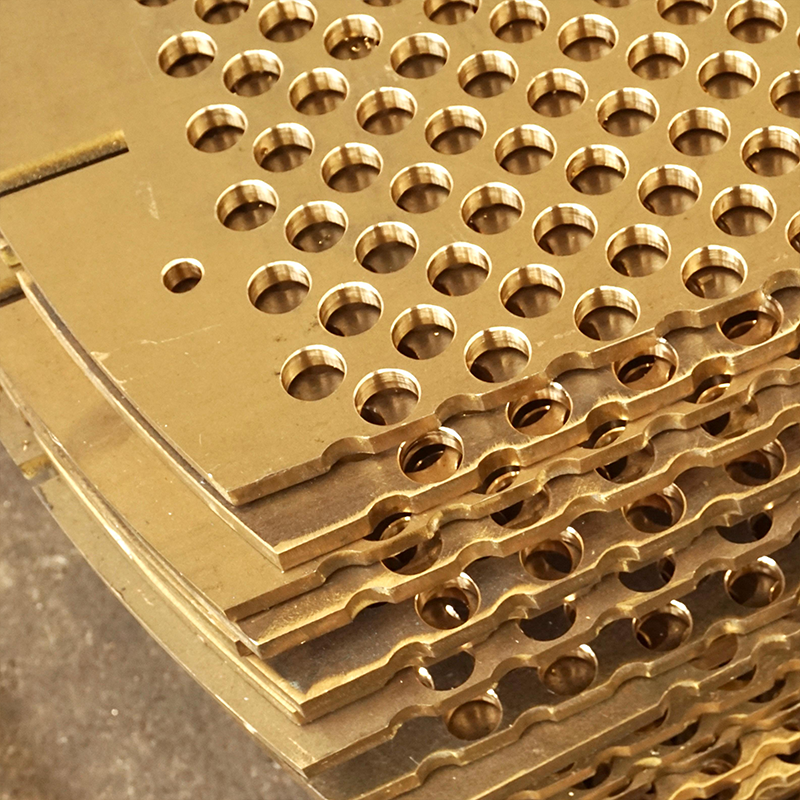
Of particular interest is the optimization of heat transfer processes, where even a slight improvement in design can have a colossal economic effect. A striking example of the successful implementation of such ideas is the company’s activitiesWuxi Kaisheng Electric Power and Petrochemical Equipment Co., Ltd.. Specializing in the design and manufacture of high-performance heat transfer equipment, the company implements advanced engineering solutions such as the use of corrugated tube bundles made from 316 stainless steel or nickel-based alloys (N06625). Their products, including titanium shell-and-tube heat exchangers and air coolers, are certified to stringent international ASME and PED standards. Thanks to the use of materials with high corrosion resistance and improved heat transfer, oil refining and chemical industry enterprises using Wuxi Kaisheng equipment record a real reduction in energy costs and an increase in overhaul intervals. Such technical improvements are easily translated into specific savings figures, becoming an excellent basis for calculating bonuses for innovators who propose upgrading components or replacing outdated units with more efficient analogues.
In cases where the proposal makes it possible to increase productivity without expanding staff, the effect is calculated as the cost of additionally produced products minus the variable costs of their production. It is important here not to take credit for the effect of growing market demand. If the plant was not operating at full capacity and simply began to utilize idle capacity due to the acceleration of operations, the economic effect may be recognized partially or not at all, since the fixed assets have already been paid for.
The payback period also plays a role. The premium is usually calculated based on the effect in the first year of using the offer. If the solution requires capital investments (purchase of new equipment), then implementation costs are deducted from the annual effect. The remaining amount is pure savings, from which interest is taken.
| Calculation parameter | What is taken into account | Common mistakes |
|---|---|---|
| Material costs | Saving raw materials, auxiliary materials, tools | Failure to include VAT in prices, ignoring the cost of waste disposal |
| Labor resources | Reducing time standards, freeing up working hours | An attempt to offset salary savings without actually reducing staff or transferring employees |
| Energy resources | Reduced consumption of kWh, Gcal, water, compressed air | Lack of verified meters to record actual reduction in consumption |
| Product quality | Reduced defect rate, reduced complaints | Evaluation of the effect “by eye” without statistics from the quality control department for a comparable period |
Particular attention should be paid to the indirect effect. Improving working conditions, reducing injuries or environmental stress is difficult to directly translate into rubles. In such cases, the commission may set a fixed remuneration amount based on an expert assessment of the significance of the change. For example, eliminating a source of harmful vibration may be assessed at a fixed cost equivalent to the cost of preventing a potential occupational disease.
For engineers preparing calculations: use real data from production reports, not theoretical calculations. Attach printouts from the accounting system or measurement reports. The more evidence you provide at once, the fewer questions the economic service will have.Source: Ministry of Industry and Trade
Procedure for submitting and considering a proposal
The process begins with filling out an application form. In it, the author must describe in as much detail as possible the essence of the proposal, the current state of affairs and the proposed solution. Sketches, diagrams, drawings or technological maps must be attached to the application. Vague formulations like “improve the operation of the node” lead to the automatic return of the document for revision.
The review period is strictly regulated. Usually the preliminary examination is given from 10 to 30 days. The commission evaluates novelty (whether this is a well-known solution), usefulness and the possibility of implementation in the conditions of this particular enterprise. If the proposal is recognized as an innovation, the author is issued a certificate. This is a document confirming authorship and priority.
Next comes the implementation stage. The management of the workshop or the chief specialist is obliged to draw up an implementation schedule. A bottleneck often arises here: the idea is good, but there is no time to stop the line or there is no budget for the purchase of components. In our practice, there was a case when a promising idea for automating quality control lay on the table for six months because the budget for sensors was not allocated. The author became demotivated and quit. To avoid this, the implementation plan must clearly indicate who is responsible and the time frame.
After actual implementation, an act on the implementation of the rationalization proposal is drawn up. This document records the start date of use, the achieved indicators and the calculation of the economic effect. It is this act that is the basis for the order for bonuses. Without it, payment is impossible.
Typical error:Many authors feel that once they submit their application, their work is done. In fact, the active participation of the innovator in the implementation process, assistance to adjusters and operators, significantly speeds up the process and increases the chances of a positive outcome. A passive position is often perceived by the commission as uncertainty in its own decision.
If you plan to submit a proposal, prepare not only a description of the idea, but also a preliminary estimate of the costs of its implementation. This will show your seriousness and competence.Source: Union of Mechanical Engineers of Russia
Premium amounts and influencing factors
The size of the bonus for innovation proposals at factories is not a constant value. It depends on many factors, the main ones of which are the size of the economic effect obtained and the significance of the proposal for the enterprise. Standard practice is to pay out 10% to 30% of the annual effect, but there are limits.
First, there is often a “ceiling” on the payout. Even if your idea saved the plant 100 million rubles, the maximum bonus amount may be limited, for example, to 500 thousand or a certain amount of salary. This is done to maintain internal equity and budgetary constraints. Secondly, the percentage can be progressive: for an effect up to 1 million rubles - 30%, from 1 to 10 million - 20%, over 10 million - 10%.
The complexity and novelty of the solution are also taken into account. For the invention of a new processing method that has no analogues in the industry, the percentage may be increased by decision of a special commission. Conversely, for a simple equipment improvement that is easy to copy, the rate will be minimal. Collective authorship distributes the prize among participants in proportion to their contribution, which is determined by agreement between the co-authors.
The tax aspect is also important. Premiums for innovation proposals, paid within the established norms, are often not subject to personal income tax (depending on the current tax legislation and the status of the enterprise), or are taxed at a preferential rate. However, amounts exceeding certain limits are treated as an individual's ordinary income. The accounting department must clearly explain to the author the “net” amount that he will receive in his hands.
Some modern companies are introducing a system of non-material motivation in addition to monetary motivation: a board of honor, additional vacation days, training at the expense of the company. For young professionals, the opportunity to implement their project and gain recognition is sometimes more important than a one-time payment.
We recommend that you check with the Labor and Payroll Department in advance about the current limits and tax conditions at your plant. This will avoid any unpleasant surprises when receiving your reward.Source: Federal Tax Service
Problems and barriers to innovation
Despite existing support mechanisms, the level of innovation activity at many industrial enterprises remains low. The main reason is staff distrust in the system. People remember cases where ideas were rejected without explanation, and promised bonuses were not paid for years. Rebuilding trust takes time and transparency from management.
Bureaucracy is the second serious barrier. Collecting certificates, approvals, acts and calculations can take more time than developing the idea itself. If the procedure for receiving a bonus is more difficult than receiving the bonus itself, motivation drops to zero. Optimizing document flow, introducing electronic application systems and reducing the number of required signatures are necessary measures to revive the movement.
Technical conservatism also plays a role. Chief engineers and technologists often prefer proven, albeit outdated, solutions, risking the introduction of new ones. The fear of a possible production failure or defective batch of products outweighs the potential benefits. What is needed here is a culture that tolerates reasonable risk-taking and supports pilot experimentation.
We observed a situation at one metallurgical plant, where a group of young engineers proposed changing the cooling mode for rolled products. The technical council rejected the proposal, citing "the risk of disturbing the metal structure." Two years later, a competing plant implemented a similar technology and reduced energy costs by 12%. The lost profit amounted to millions of rubles. This lesson highlighted the need for a more flexible approach to risk assessment.
To overcome these barriers, management must personally oversee key projects, ensure that authors are protected from unfounded criticism, and ensure timely payment. The creation of an innovation development fund, from which experiments are financed, also produces positive results.
If you encounter resistance, try suggesting a small experiment in one workplace or shift. Minimizing risks to the entire production often helps convince skeptics.Source: Magazine "Chief Engineer"
The role of digitalization in management of innovation proposals
Modern factories are increasingly moving to digital platforms to manage ideas and innovations. Such systems allow you to track the status of an application in real time, automatically calculate the potential effect based on the entered data, and integrate with enterprise ERP systems. This reduces paperwork and speeds up the decision-making process.
Digital tools also help build a knowledge base. All approved and implemented proposals are stored in an archive accessible to all employees. This prevents duplication of ideas and allows successful solutions to be developed further. System analytics helps to identify the most active innovators and problem areas of production that require attention.
Using mobile applications allows workers to capture ideas right on the job by attaching photos and videos. This is especially true for production personnel who do not have regular access to a computer. Notifications about the progress of the application come instantly, maintaining the interest of the author.
However, digitalization should not replace face-to-face communication. Expert assessment and discussion of details still require the participation of qualified specialists. Technology only makes administration easier, but does not replace engineering thinking.
The implementation of such a system requires investment, but pays off due to an increase in the number of quality proposals and a reduction in administrative costs. Enterprises using modern platforms see a 40-60% increase in employee activity in the first year.
Evaluate the possibility of introducing a digital module for working with innovation proposals at your enterprise. Start with a pilot project in one workshop.Source: Digital Enterprise Association
Frequently Asked Questions
Can an employer refuse to pay a bonus if the effect is obvious?
Yes, it can, if the registration procedure is not followed. The absence of a signed implementation certificate or incorrect calculation of the effect provide formal grounds for refusal. The employer is obliged to pay only if there is a full package of documents provided for by the Regulation on Rationalization. Oral agreements have no legal force.
How is the prize distributed among co-authors?
Distribution is made by agreement between the co-authors. If there is no agreement, the shares are determined by the commission based on each person’s personal creative contribution to the creation and implementation of the proposal. It is recommended to enter into a written agreement on the distribution of shares at the application stage to avoid conflicts in the future.
Is the award taxable?
In most cases, bonuses for rationalization proposals are subject to personal income tax (13%) as the income of an individual, if they do not fall under specific benefits provided for certain categories of employees or government programs. The exact status depends on the form of payment and the internal accounting of the enterprise. Check this issue with your accountant.
What to do if the idea was stolen and implemented without the author?
It is necessary to collect evidence of your authorship: drafts, correspondence, testimony, date of first submission of the application. These documents should be submitted to the innovation commission or trade union. As a last resort, the issue is resolved in court. It is important to act quickly before the statute of limitations expires and the evidence is destroyed.
Is there a statute of limitations for paying premiums?
The deadline for applying for a bonus is usually established by the internal Regulations of the enterprise. It is often tied to the validity period of the implementation act or the period of obtaining the economic effect. If the proposal was introduced a long time ago, but the effect became known only now, payment is possible if this is provided for by local regulations. The general statute of limitations for labor disputes is 3 months, but bonuses may have their own nuances.
Conclusion and recommendations
The system of bonuses for innovation proposals at factories remains a powerful tool for increasing production efficiency, but only if it is approached in an honest and professional manner. For employees, this is an opportunity to monetize their knowledge and experience; for employers, it is a source of real savings and technological development. Success depends on the transparency of the rules, the speed of response of the administration and mutual trust.
Don't wait for ideal conditions to suggest an improvement. Start small, arrange everything according to the rules and record the result. Even a small victory can start a chain reaction of positive change in your team. Remember that every penny saved and every hour of work saved brings the company closer to industry leadership.
If you want to delve deeper into the topic of organizing innovative activities or need advice on implementing specific technical solutions, our experts are ready to help. We have experience working with leading industrial holdings and know how to make the system for working with ideas effective and profitable.
Contact us todayto discuss your tasks and find optimal solutions. Visit our sectionconsulting services for industryto learn more about how we help factories grow.