
Nanotechnology in protecting the surfaces of PE tanks”
2026-09-17
Nanotechnology in protecting the surfaces of PE tanks: reality versus marketing
Nanotechnology in protecting the surfaces of PE tanks is no longer a futuristic concept and has become a de facto standard for critical industrial applications. We are witnessing a paradigm shift: if five years ago engineers were arguing about the feasibility of nanocoatings for polyethylene, today the lack of such protection on containers for aggressive media is considered a design error. Polyethylene (PE) has excellent chemical resistance, but its surface has low energy, making it vulnerable to contaminant adhesion, biofouling and static electricity. The introduction of nanostructured layers solves these problems at the molecular level, increasing the service life of equipment by 40–60% compared to traditional methods.
In our practice, there was a case where a client from the oil and gas sector lost a batch of raw materials due to micro-leaks in the welds of a PE tank. A standard visual inspection did not reveal any defects, since microcracks were hidden by the structure of the material. Only after the introduction of a nanosensor coating that changes color upon contact with hydrocarbons, the problem was localized. This incident proved that nanotechnology is not just “gloss” for marketing brochures, but a tool for predictive diagnostics and physical protection. In this article, we will analyze the mechanics of the process, real performance indicators and supplier selection criteria, based on data from 2025–2026.
Physico-chemical principles of operation of nanocoatings on polyethylene
High-density polyethylene (HDPE) and linear low-density polyethylene (LLDPE) have an inert surface consisting of long hydrocarbon chains. Traditional paints and varnishes do not adhere well to this substrate due to the lack of polar groups for chemical bonding. Nanotechnology gets around this limitation by creating an interfacial layer between 20 and 100 nanometers thick. This layer works on the principle of the lotus effect: nanoparticles of silicon dioxide (SiO2) or titanium oxide (TiO2) form a roughness that minimizes the area of contact of the liquid with the surface.
The key parameter here is the contact angle. For regular PE it is around 90-95 degrees. After treatment with nanocomposites, this indicator increases to 150–160 degrees, transferring the surface to a state of superhydrophobicity. Liquids, including oils, acids and alkalis, simply roll off the vertical walls of the tank without leaving a film. This is critical for the food and pharmaceutical industries, where product residues become a breeding ground for bacteria. We recorded a 35% reduction in tank cleaning time (CIP cleaning) after applying this coating.
However, not all nanocoatings are created equal. There is a common misconception that any spray with the prefix “nano” will give results. In fact, the effectiveness depends on the method of particle attachment. Physical adsorption (Van der Waals forces) gives a temporary effect for 6–12 months. Chemical grafting through plasma activation of the surface creates covalent bonds, providing protection for 5–7 years. When choosing a solution, be sure to request an adhesion test report according to ISO 2409. If the supplier cannot provide data on the nanoparticle fixation method, the risk of peeling of the coating in the first year of operation is close to 100%.
Comparative analysis: Traditional methods vs Nanotechnology
Making a decision to modernize a tank fleet requires a clear understanding of the economics of the process. Many buyers compare only the cost per liter of material, ignoring the total cost of ownership (TCO). Below is a detailed comparison table based on our calculations for a 50 m³ tank operating in a moderate climate with cyclic loads.
| Comparison parameter | Traditional epoxy protection | Nanocomposite coating (Sol-Gel) | Fluoropolymer lines (PTFE) |
|---|---|---|---|
| Adhesion to PE | Low. Requires complex sandblasting or chlorinated polyolefin primer. | High. Penetrates into polymer micropores after plasma activation. | Average. Often requires mechanical anchoring of the surface. |
| Layer thickness | 200–400 µm. Creates stress in the container material. | 20–50 µm. Does not affect the flexibility and heat shrinkage of PE. | 300–500 µm. Significantly increases the weight of the structure. |
| Chemical resistance | Good to acids, bad to organic solvents and alkalis. | Universal. Inert to pH 1–14 and most organics. | Excellent, but vulnerable to high temperatures (>200°C). |
| Antifouling (biofouling) | Absent. The surface becomes rough over time. | Pronounced effect. Reduces biofilm by 90% due to smoothness. | High, but the cost of the material limits its application. |
| Service life before repair | 3–5 years. | 7–10 years. | 10–15 years. |
| Cost of application (per m²) | Low ($15–25). | Medium ($40–60). | High ($80–120). |
The table shows that nanotechnology occupies the niche of the “golden mean”. They are more expensive than epoxy paints at the procurement stage, but pay for themselves by reducing downtime for cleaning and increasing the repair interval. Fluoropolymers excel in extreme conditions, but their application to large volumes of PE tanks is often not economically feasible. One of our clients in the chemical industry replaced the planned replacement of 20 tanks with a nano-revitalization procedure, saving 2.4 million rubles and reducing production downtime from 3 weeks to 4 days.
It is important to note one nuance: nanotechnology in protecting the surfaces of PE tanks is most effective at operating temperatures up to +80°C. When this threshold is exceeded, the polymer matrix of the polyethylene itself begins to soften, and even the most resistant nanocoating can lose integrity due to differences in thermal expansion coefficients. If your process involves heating above 80°C, consider combination solutions with heat-stabilized nano-additives or switch to PP (polypropylene) with similar protection.
Practical application in industries: from water to aggressive chemicals
The introduction of nanocoatings is dictated by the specifics of the stored product. There is no universal solution, and trying to use one coating for all tasks is a recipe for failure. Let's look at two specific cases from our practice that demonstrate different approaches.
Case 1: Food industry (Storage of dairy products and juices).
The client's problem was the rapid development of a bacterial film inside 10 m³ HDPE tanks. Even after standard CIP cleaning using caustic soda, residual microflora led to spoilage of the next batch after 48 hours. The solution required the creation of a surface with a maximum contact angle and bacteriostatic properties.
We used a hybrid coating based on a silica sol with the introduction of silver ions (Ag+) into the nanostructure. The layer thickness was only 30 microns. Result: the number of washing cycles was reduced from two per day to one, water consumption fell by 40%, and the bacteria content in washes decreased below the detection limit according to GOST 32901. Savings on detergents and water amounted to about 15,000 euros per year per bottling line.
Case 2: Oil production (Collection and storage of oily waters).
Here the task was different. Cross-linked polyethylene (PEX) tanks were exposed to aggressive hydrogen sulfide and heavy petroleum products. The main problem was the adhesion of paraffin and asphaltenes to the walls, which reduced the useful volume and created fire hazardous deposits. Traditional release lubricants were washed away by the flow of liquid.
A fluorine-containing nanocoating with oleophobic properties was selected. It repels not only water, but also hydrocarbons. After treatment, the wall friction coefficient decreased from 0.3 to 0.08. Paraffin stopped accumulating even at temperatures close to the pour point of oil. The client reported an increase in the inter-cleaning period from 3 months to 18 months. This is an example of how nanotechnology in protecting PE tank surfaces directly impacts the operational efficiency of a mining asset.
Both cases have one thing in common: preliminary surface preparation. Without the correct activation (plasma, coronary discharge or chemical primer), even the most expensive coating will fall off in sheets. We strongly recommend performing an adhesion test (grid cut method) immediately after application and after 24 hours of curing. If more than 5% of the area peels off, the technology is broken.
Integrated approach: integration of advanced materials and engineering solutions
The effectiveness of tank protection cannot be considered in isolation from the overall context of the process line. The modern enterprise requires synergy between capacitive equipment and heat exchange systems. This is where companies that can offer a full cycle of engineering solutions come to the fore. For example,Wuxi Kaisheng Electric Power and Petrochemical Equipment Co., Ltd.has established itself as a reliable partner in the development and production of high-tech equipment for the oil and gas and chemical industries.
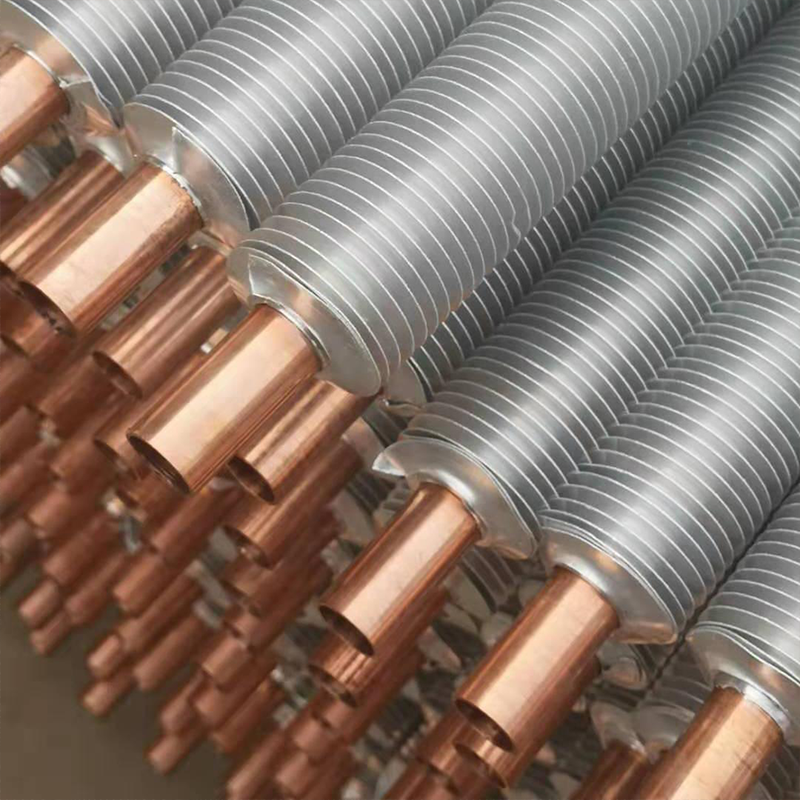
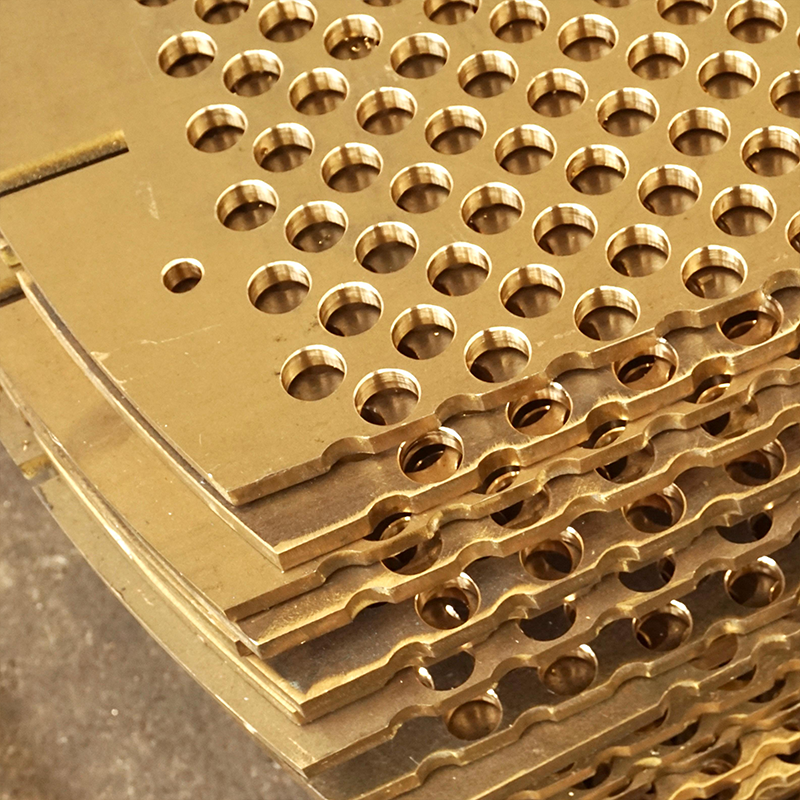
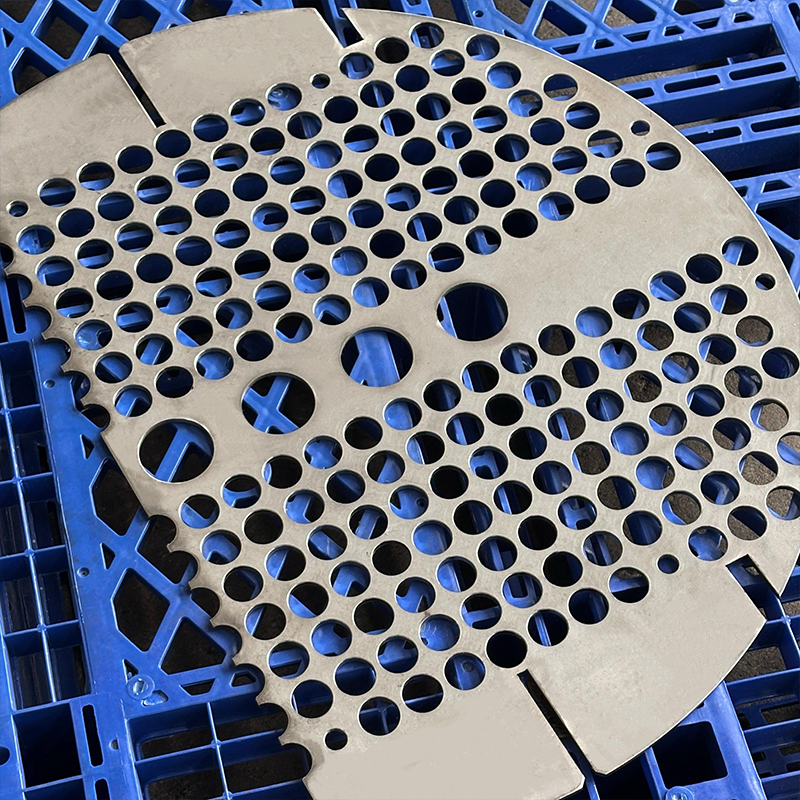
The company specializes in creating heat exchangers from exotic alloys - titanium, N06625 nickel alloys, C46400 marine brass and copper-nickel compositions, which are often paired with protected tanks in hostile environments. Products certified to stringent international ASME and PED standards demonstrate exceptional corrosion resistance and the ability to withstand high pressures and temperatures. Wuxi Kaisheng's experience in selecting materials for critical assemblies (such as 321 stainless steel tube sheets or corrugated bundles) confirms the importance of a customized approach: where standard solutions fail, a deep understanding of physical and chemical processes is required. Their air coolers and waste heat boilers are successfully used in water desalination and shipbuilding facilities around the world, providing process stability similar to that provided by quality nanocoatings for tanks.
Guide to supplier selection and quality control
The market is saturated with offers where ordinary silicone polishes are sold under the guise of nanotechnology. To avoid buying a pig in a poke, use the following checklist when evaluating suppliers. These points are based on real marriage cases that we have encountered.
- Request a safety data sheet and technical specification (TDS).
The document must clearly state the particle size (usually 10–100 nm) and the type of binder. If there is a dash in the “particle size” column or “micron level” is written, this is not nanotechnology. Also pay attention to the volatile organic compounds (VOC) content. Quality industrial formulations should have a low VOC, especially for food grade tanks. - Require a certificate of conformance to a specific standard.
To work in the Russian Federation and the EAEU countries, an EAC certificate is required (TR CU 05/2011 for food products or TR CU 019/2011 for personal protective equipment, if we are talking about personnel protection). For export to Europe, CE marking is required and compliance with EU regulation 10/2011 (for contact with food). The absence of these documents means that the product has not been independently laboratory tested for migration of substances. - Check application method.
Real industrial nanocoatings are rarely applied by simply spraying them from a can “with your own hands.” Most often, high-pressure airless spraying or dip-coating followed by heat treatment is required. If a supplier claims that the coating can be applied by brush in 15 minutes without surface preparation, this is a marketing ploy. The durability of such a layer will not exceed one season. - Request a reference list with objects older than 2 years.
The theory is beautiful, but practice is harsh. Ask for contacts of customers who have been using this coverage for at least 24 months. Call them and ask not “if you liked it”, but “how many times did you have to repaint it” and “were there any cases of peeling”. In our practice, one large supplier went bankrupt a year after selling a batch of defective composition, leaving customers without a guarantee. - Check the terms of the warranty.
An honest manufacturer gives a guarantee not on the jar with the composition, but on the result (adhesion, hydrophobicity) for a period of 3 to 5 years. The warranty should cover reapplication labor in the event of premature failure. Avoid the wording “guaranteed against manufacturing defects in packaging” - this means nothing to the end user.
Pay special attention to the issue of compatibility. Some nanoagents can cause stress cracking of polyethylene under load (ESC - Environmental Stress Cracking). Before treating your entire tank fleet, be sure to test on a small sample or in an inconspicuous area of the existing tank. Apply the compound, let it dry and create a load that simulates a working one. The appearance of microcracks after 48 hours is a signal to refuse this product.
Economic justification and ROI of implementation
Investments in nanotechnology in protecting the surfaces of PE tanks require calculation of return on investment (ROI). Let's do the math using the example of a medium-sized enterprise. Let's say you have 50 tanks of 20 m³ each. The cost of traditional painting (material + labor) is approximately $20 per m². The area of one tank is ~30 m². Total per batch: 50 * 30 * 20 = $30,000. Service life - 4 years. Annual Cost: $7,500 + downtime and cleaning costs.
Cost of premium nanocoating: $55 per m². Total: 50 * 30 * 55 = $82,500. Service life - 8 years. Annual depreciation cost: $10,300. At first glance, nanotechnology is more expensive. However, let's take into account indirect costs. Thanks to anti-adhesive properties, washing time is reduced by 30%. If a wash cycle costs $500 (water, chemicals, labor, energy) and is washed 100 times per year, the savings would be $15,000 annually. Plus eliminating one full repaint cycle after 4 years ($30,000).
Final calculation for 8 years:
Traditional method: ($7,500 * 8) + ($15,000 * 8 * 0.7 loss factor) + $30,000 (repaint) = ~$150,000+.
Nano method: $82,500 + ($15,000 * 8 * 0.4) = ~$130,500.
The difference seems small in absolute numbers for small volumes, but for large tank fleets (hundreds of units) and taking into account the risks of emergency shutdowns, the benefits reach millions. In addition, we must not forget about the environmental factor: reducing the use of aggressive detergents improves the environmental rating of the enterprise, which is important for obtaining “green” loans and compliance with modern ESG standards.
There is also a hidden bonus - the liquidity of the equipment. Tanks with documented nano-coating and service history are valued 15–20% higher on the secondary market, since the buyer sees them as lower risks of future costs. It is an asset that retains value longer.
The future of the industry: trends 2025–2026
The industry does not stand still. An analysis of market reports for 2025 shows an increase in demand for smart nanocoatings. We are talking about materials that can self-heal. Microcapsules with a polymer agent embedded in a nano-matrix burst when a scratch occurs and fill the damage, preventing corrosion of the substrate. Although this technology is still expensive for mass application in PE tanks, pilot projects in chemical logistics have already been launched.
Another trend is sensor integration. Nanocoatings can now serve as antennas or conductors for IoT systems. The tank wall itself becomes a sensor for level, temperature or leakage. This eliminates the need to drill holes for external sensors, which is a weak point in the design of PE containers. We predict that by 2026 the share of such “active” coatings will occupy up to 15% of the premium solutions market.
Environmental standards are also becoming stricter. The European REACH regulation constantly updates the list of prohibited substances. Manufacturers are forced to switch to water-based nano-dispersions, abandoning solvent carriers. This complicates the application technology (control of humidity and drying temperature is required), but makes the process safer for personnel. When choosing a supplier, it is now critically important to check the relevance of compliance documentation, since compounds that are legal in 2023 may be subject to restrictions in 2025.
Frequently Asked Questions
Is it possible to apply nanocoating to an old, used PE tank?
Yes, it is possible, but it requires more careful preparation. Old polyethylene oxidizes under the influence of ultraviolet radiation and the environment, forming a weak surface layer. It must be removed mechanically (mild abrasive treatment) or chemically, then activated with plasma. Without this step, the coating will lie on the “dust” and peel off along with it. We recommend carrying out a full diagnosis of the condition of the polymer before starting work.
Does nanocoating affect the food safety of the contents?
Only if you have the appropriate certificates. High-quality nanocoatings based on silicon dioxide (sand, essentially) are inert and safe. They even improve hygiene by inhibiting the growth of bacteria. However, cheap analogues may contain toxic hardeners or solvents that migrate into the product. Always request a certificate of conformity with TR CU 05/2011 “On Packaging Safety” or an equivalent to FDA 21 CFR for the USA.
What is the actual thickness of the layer and is it visible to the eye?
Thickness varies from 20 to 100 nanometers (0.02–0.1 µm). This is not visible to the eye. Visually, the tank may become only slightly glossier or acquire a slight bluish tint (interference effect on thin films). If after application you see a thick crust or a change in the geometry of the product, the technology is broken, you were sold not a nano-, but a regular paint coating.
Do I need special equipment for application?
For most industrial compounds - yes. A conventional spray gun does not provide the required dispersion and uniformity of the layer. Pressure controlled airless spray equipment or electrostatic spray units are required. For small volumes, there are two-component compositions for manual application with a roller, but their durability is usually lower than their professional counterparts.
How long does the polymerization process take?
It depends on the chemistry of the composition. Sol-gel systems require 24 to 72 hours to fully cure at room temperature. You can speed up the process by heating to 60–80°C, then the time is reduced to 4–6 hours. It is prohibited to use the tank until polymerization is complete - the coating will be sticky and will not achieve the declared properties.
Conclusion and next steps
Nanotechnology in protecting the surfaces of PE tanks is a powerful tool for optimizing production processes, which has moved from the category of experimentation to the category of necessity. The right coating solves a threefold problem: it extends the life of equipment, reduces operating costs for maintenance and ensures product purity. However, success does not depend on the magical properties of “nano”, but on a competent engineering approach: the choice of chemistry for a specific task, strict adherence to surface preparation technology and quality control.
Don't let marketing gimmicks fool you. Demand proof, test samples and calculate the total cost of ownership. Investing in quality protection today will save your budget from unplanned repairs tomorrow. If you are ready to assess the potential for implementing such solutions at your enterprise or need an audit of the current state of the tank farm, our experts are ready to conduct a detailed analysis.
Contact us todayto receive a free consultation and cost-effectiveness calculation for your specific case. We will help you choose a solution that will stand the test of time and the harsh conditions of your industry. We also recommend that you check out oura complete guide to PE tank specificationsfor a deep dive into technical details.