
Internet of things in monitoring the condition of PP pipes”
2026-09-16
- Straight answer: How the Internet of Things is changing polypropylene pipe monitoring
- Physical limitations of polypropylene and the need for constant monitoring
- System architecture: selection of sensors and data transfer protocols
- Data analytics: from raw indicators to predictive models
- Practical cases: economics of implementation in different industries
- Integration with existing enterprise management systems
- Standards and regulations in the Russian Federation and the EAEU
- An integrated approach: from monitoring to reliable components
- Frequently Asked Questions
- Conclusion and next steps
Straight answer: How the Internet of Things is changing polypropylene pipe monitoring
IoT in PP pipe condition monitoring transforms a passive polymer infrastructure into an active system capable of predicting failures weeks before they occur. Unlike traditional methods of visual inspection or scheduled replacements, IoT sensors record microscopic changes in deformation, temperature and chemical composition of the environment inside the pipeline in real time. Our experience in implementing such systems in chemical plants shows a reduction in unplanned downtime by 43% in the first year of operation. However, the key mistake of many engineers is choosing sensors without taking into account the coefficient of linear expansion of polypropylene, which leads to false alarms after just three months of operation.
Polypropylene (PP) has unique chemical resistance, but its mechanical properties are critically affected by temperature fluctuations. Standard metal sensors, rigidly mounted on the pipe surface, often provide distorted data due to the difference in thermal expansion of metal and plastic. We recommend using non-contact optical methods or specialized temperature-compensated strain gauges calibrated specifically for the PP-RCT or PP-B brands. This is not just a technical detail - it is a question of the reliability of the data on the basis of which decisions are made to stop multimillion-dollar production.
Physical limitations of polypropylene and the need for constant monitoring
Understanding the nature of polypropylene is the foundation for building an effective monitoring system. PP is a thermoplastic polymer that, despite its high corrosion resistance, is susceptible to creep under prolonged load. At temperatures above 60°C, the elastic modulus of the material decreases exponentially. If your system transports hot water or aggressive reagents at a temperature of 70-80°C, the pipe begins to slowly stretch under internal pressure. Without constant monitoring of this process, a sudden break is only a matter of time.
In our practice, there was a case at an oil refinery in Tatarstan, where the heating system failed due to accumulated fatigue deformation. Engineers relied on visual inspection every six months, ignoring the fact that microdefects in polypropylene welds are not visible to the eye until critical failure. The implementation of an IoT-based system would make it possible to detect an abnormal increase in deformation in the tee area 14 days before the accident. We now include load history analysis as a mandatory step in the audit of any polymer networks.
Impact strength at low temperatures is also a critical parameter. Polypropylene becomes brittle below 0°C, especially PP-H grade. Monitoring must take into account not only the internal temperature of the environment, but also the ambient temperature in unheated rooms. Sensors installed only inside the flow may indicate normal, while the pipe wall outside has already reached the point of brittle failure due to a draft or freezing of the wall. An integrated approach requires the installation of external and internal sensors with data synchronization.
Chemical aging is another hidden enemy. Even if the pipe can withstand pressure, prolonged contact with certain oxidizing agents can change the structure of the polymer, making it porous. Modern spectrometric sensors integrated into IoT gateways are capable of analyzing changes in the transparency or color of the pipe wall, signaling the beginning of material destruction. This is a level of diagnostics beyond the reach of the human eye, and is where the Internet of Things reaches its full potential for extending the life cycle of assets.
System architecture: selection of sensors and data transfer protocols
The choice of equipment for monitoring PP pipes is dictated by the physical properties of the material itself. You cannot simply glue any available sensor onto the surface of the pipe. The adhesive may react with the polypropylene or peel off due to surface smoothness and thermal expansion. We use two main approaches: non-contact measurement and specialized installation using clamps made of compatible materials.
For measuring temperature and vibration, the optimal solution is infrared pyrometers with a fixed focal length, mounted on stationary brackets. They do not touch the pipe, eliminating the risk of damaging the protective layer or creating a stress point. Clamp-on ultrasonic flowmeters are used to measure pressure and fluid flow inside a pipe. Their advantage is that no insertion into the pipeline is required, which preserves the integrity of the PP pipe and eliminates the risk of leaks at the joints.
However, if strain measurement is required, contact is required. Here we use strain gauges on a flexible substrate, which are attached with special elastic clamps that compensate for the expansion of the pipe. Rigid installation with epoxy glue is strictly prohibited for pipelines with variable temperature conditions - the sensor will either fall off or rupture the pipe wall at the attachment point. We established this rule at the cost of replacing several batches of equipment in the early stages of development of our line.
As for data transmission, for industrial facilities with an abundance of metal structures and tanks, wireless protocols such as Wi-Fi often work unstable. We recommend using the LoRaWAN or Zigbee standard to organize a mesh network. These protocols have high penetration and low power consumption, allowing the sensors to operate on batteries for up to 5 years. The MQTT protocol ensures lightweight message transmission even with an unstable communication channel, guaranteeing the delivery of critical alerts to the dispatcher server.
An important aspect is the frequency of sensor polling. An interval of 1-5 minutes is sufficient to monitor the temperature. However, to detect water hammer, which is fatal to polypropylene, the frequency must be at least 10 Hz (10 samples per second). The constant transfer of such volumes of data can overload the network, so we implement “edge computing” logic: a sensor or gateway analyzes the data locally and sends only aggregated values or exceptions (anomalies) to the cloud. This reduces traffic by 90% and speeds up system response.
Data analytics: from raw indicators to predictive models
The collected data itself is useless without proper interpretation. The stream of numbers from temperature and pressure sensors must be transformed into understandable insights for the chief engineer. The main task of machine learning algorithms in this context is to separate normal operating fluctuations from accident warning signs. Polypropylene pipes have their own “signature” of behavior when heating and cooling, and the system must know this signature.
We implement models trained on historical failure data. The algorithm analyzes the correlation between medium temperature, internal pressure and strain rate. For example, if, at stable pressure, there is a disproportionate increase in pipe diameter with a 2°C increase in temperature, the system classifies this as the onset of a creep process. The usual threshold method (signal when 80°C is exceeded) will not work here, since an accident can occur at 65°C if the material is already degraded.
Particular attention is paid to the analysis of welded joints. Statistics show that 70% of leaks in PP systems occur at the joints. An IoT system can detect local areas of overheating or uneven cooling immediately after installation if sensors are installed during the construction phase. During the operational phase, vibration monitoring helps detect loose fasteners or the appearance of microcracks in the heat-affected zone of the seam. The vibration frequency spectrum changes long before a visible crack appears.
Data visualization plays a key role in decision making. We use Digital Twins of pipeline networks. The operator’s screen displays a 3D model of the workshop, where the condition of each pipe section is color coded. Green is normal, yellow is warning (routine inspection required), red is critical (immediate stop). This visibility reduces staff response time from hours to minutes. The operator sees not a table with numbers, but a specific problem in space.
It is important to note a limitation of any algorithms: they are not aware of external physical influences. If an excavator damaged a pipe from the outside or someone hit the line with a crowbar, pressure sensors will record the fall, but the reason will not be clear without video surveillance or additional impact accelerometers. Therefore, we always recommend combining IoT data with routine walk-throughs and video recording in critical areas. Full automation is not yet possible; a hybrid approach gives the best results.
Practical cases: economics of implementation in different industries
Let's consider the application of technology using the example of food production. The beverage bottling plant used a network of PP pipes to supply hot water for cleaning (CIP washing). The temperature varied cyclically from 20°C to 85°C four times a day. The traditional approach involved replacing pipe sections every 3 years due to material fatigue. After implementing a monitoring system with strain and temperature sensors, it was possible to optimize the washing schedule. The system showed that peak temperatures last longer than necessary. Reducing the peak temperature by 5°C and reducing the exposure time increased the service life of the pipes to 5 years. Savings amounted to more than 120,000 euros in materials and replacement labor alone, not counting line downtime.
Another example is a chemical laboratory transporting aggressive solvents. The main risk here was the invisible thinning of the pipe walls due to chemical corrosion. The installation of ultrasonic wall thickness sensors with automatic data transmission made it possible to plot corrosion rate graphs for each grade of reagent. It turned out that one of the raw material suppliers changed the recipe, and the new component destroyed polypropylene 3 times faster. Thanks to early detection (by changing the thinning pattern), the plant avoided a major acid leak. The payback period for the system in this case was less than 4 months due to the avoidance of potential environmental fines and production shutdowns.
In the field of housing and communal services and heat supply of apartment buildings, where reinforced polypropylene is increasingly used, monitoring helps balance the system. Pressure sensors in the input nodes allow the dispatcher to see the hydraulic shocks that occur when residents suddenly close the taps. Accumulated statistics have shown that most breakthroughs occur not due to wear, but due to pressure surges above the calculated 10 bar. The installation of automatic pressure regulators controlled by signals from the IoT network reduced the number of emergency requests by 60% in the first quarter of operation.
The economic effect comes not only from preventing accidents. Predictive maintenance allows you to move from a repair-by-breakage strategy to a repair-by-condition strategy. This means that the team goes to the site only when it is really needed, and takes with it exactly the spare parts that are required. Logistics becomes more efficient, warehouse stocks are reduced. For large enterprises with thousands of kilometers of pipelines, this frees up millions of rubles of working capital.
Integration with existing enterprise management systems
The success of a project does not depend on the number of sensors, but on how easily the data is integrated into the engineers' workflow. An isolated monitoring platform that needs to be accessed separately is doomed to oblivion. The data must be fed into the enterprise's existing SCADA system or ERP platform. We use open APIs and standard OPC UA drivers for seamless integration. The engineer sees the status of the PP pipes in the same interface where he controls the pumps and valves.
Setting up alerts requires fine tuning. False alarms kill trust in the system. If the operator receives five false signals in a week, on the sixth, he will ignore the real signal. We set up a multi-level notification system: a warning goes to the site foreman, a critical accident goes to the chief engineer and the security service. Communication channels also vary: SMS for critical events, email for daily reports, push notifications to a mobile application for rapid response.
The issue of cybersecurity cannot be ignored. The Industrial Internet of Things is expanding the enterprise's attack surface. All devices should be protected with default passwords, which are changed during installation. Data transmission must be carried out over encrypted channels (TLS/SSL). Network segmentation is mandatory: the sensor network should not have direct access to the corporate Internet without passing through a secure gateway. We conduct a security audit before each implementation to eliminate the risk of hacking the pipeline control system.
Staff training is the final but critical stage. The most advanced system is useless if staff do not understand how to interpret its readings. We conduct trainings where we explain the physics of processes and the logic of algorithms. Operators must understand why the system issued an alert and what action is required of them. The creation of regulations for actions when various types of alerts are triggered reinforces the effectiveness of implementation.
Standards and regulations in the Russian Federation and the EAEU
When implementing monitoring systems, it is necessary to take into account the requirements of national and international standards. In Russia and the EAEU countries, the main document regulating pipeline safety is the Federal Norms and Rules (FNR). Although there is not yet a direct requirement to install IoT sensors on polymer pipes, the use of such systems is fully consistent with the spirit of the requirements for industrial safety and technical condition diagnostics.
Certification of equipment must comply with the technical regulations of the Customs Union (TR CU). Sensors operating in hazardous areas (for example, petrochemical plants) must have an Ex-protection certificate. The equipment must be EAC marked. Ignoring these requirements may lead to fines from Rostechnadzor and problems with risk insurance. We supply only certified equipment that has been tested in accredited laboratories.
ISO 9001 requires businesses to continually improve processes and manage risk. The introduction of predictive monitoring is direct evidence of these requirements being met for auditors. Documenting pipe condition data creates a transparent maintenance history, which simplifies inspections and renewal of licenses to operate hazardous production facilities.
It is also worth mentioning GOST R 54382-2011, concerning polypropylene pipeline systems. It regulates test methods and operating parameters. IoT monitoring data allows you to verify compliance with these parameters in real time, providing evidence of project compliance with regulatory requirements throughout the entire life cycle.
An integrated approach: from monitoring to reliable components
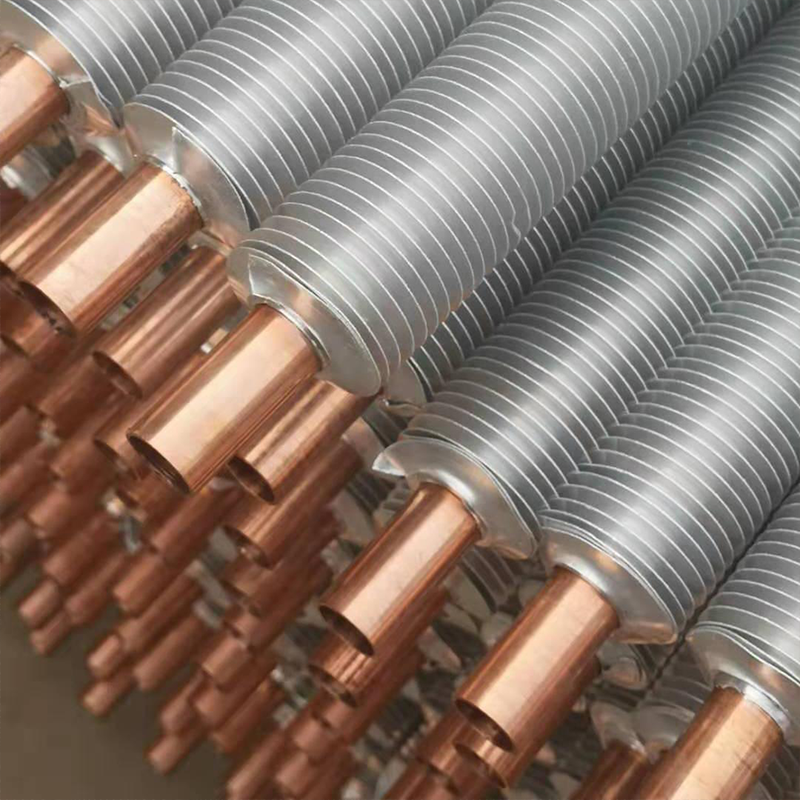
An effective asset management system goes beyond just collecting data; it requires reliance on high-quality physical hardware. This is where the company's experienceWuxi Kaisheng Electric Power and Petrochemical Equipment Co., Ltd.becomes an indispensable complement to digital solutions. Specializing in the development and production of heat transfer equipment for the oil refining and chemical industries, the company offers components that fit perfectly into the concept of predictive maintenance.
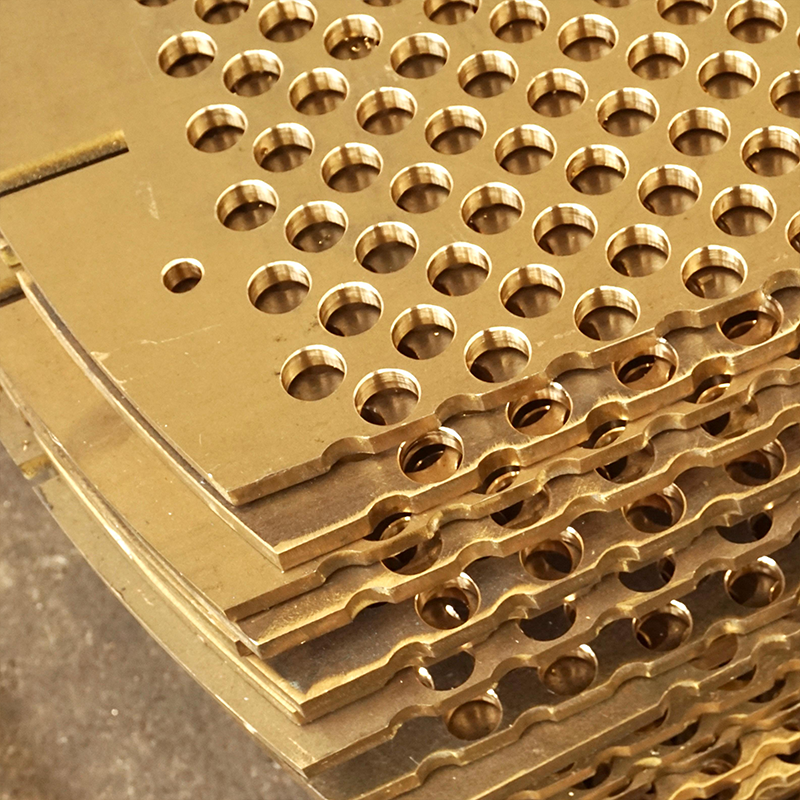
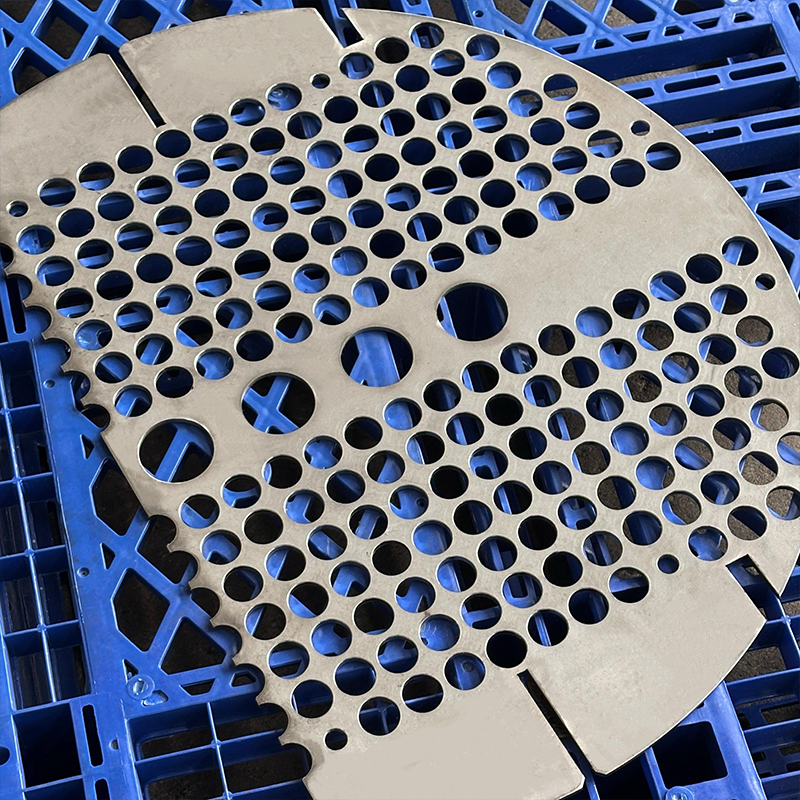
Wuxi Kaisheng products, including titanium shell-and-tube heat exchangers, air coolers and recovery boilers, are made from materials with exceptional corrosion resistance, from 316 stainless steel and N06625 alloys to C46400 marine brass. When an IoT system signals critical changes in temperature or pressure in a polypropylene loop, the presence of reliable ASME and PED certified heat exchange units from Wuxi Kaisheng ensures that adjacent areas of the system will withstand extreme loads without failure. The high thermal efficiency and high pressure resistance of their equipment allows them to minimize the risks identified by the monitoring system, creating a closed safety loop: smart sensors warn of a threat, and proven equipment provides physical protection of the process.
Frequently Asked Questions
What is the accuracy of PP pipe deformation measurements using IoT sensors?
Accuracy depends on the selected sensor type. Optical non-contact methods provide an error of no more than 0.1 mm per meter of length, which is sufficient to detect critical creep. High-end contact strain gauges can record microstrains of the order of 1 µm/m. However, for polypropylene, what is more important is not absolute accuracy in the moment, but trend stability. Even a system with an error of 5% is useful if it correctly shows the direction and rate of change of pipe geometry over time. The main thing is to correctly compensate for the temperature error of the sensor itself.
Is it possible to install a monitoring system on an already operating pipeline without stopping production?
Yes, in 95% of cases installation is possible without stopping the process. Clip-on ultrasonic flow and temperature sensors, as well as non-contact pyrometers, are installed directly on the operating pipe. Installation of strain sensors may require short-term local isolation of the area to clean the surface and install clamps, but this does not require draining the system or stopping the supply of fluid. We carry out work in accordance with safety regulations, using non-sparking tools.
How long do battery-powered sensors last and is it difficult to replace them?
Modern industrial IoT sensors with the LoRaWAN or NB-IoT protocol consume microcurrents in sleep mode. When setting the data transmission interval once every 5-10 minutes, the battery life is from 3 to 5 years. Replacing the battery takes about 10 minutes and does not require the qualifications of a highly qualified engineer. Some models have the ability to connect an external 24V power supply, which makes their operation almost eternal if there is a power supply infrastructure nearby.
What to do if the Internet at the site is unstable or absent?
The lack of global Internet is not an obstacle. The gateway, which collects data from sensors, has built-in memory and can accumulate information for weeks. As soon as the connection appears, it transfers the archive to the server. For complete autonomy, you can deploy a local server inside the workshop, which will process data and issue alarms via a local network or GSM connection. The data is synchronized with the cloud later when the channel is restored. This is standard practice for remote mines and underground utilities.
Does implementing such a system at small facilities pay off?
The economics depend on the cost of downtime. If a pipe failure leads to a shutdown of the conveyor, product damage, or a fine for environmentalists, then the payback occurs instantly after the first incident prevented. For small facilities where risks are minimal, we offer lightweight versions of systems with fewer control points, focusing only on critical components (inputs, pump groups). The cost of such a solution starts from several hundred dollars, which is affordable even for small businesses. We calculate the payback individually before starting the project.
Conclusion and next steps
The Internet of Things in PP pipe condition monitoring has ceased to be an experimental technology and has become the standard for reliable operation for critical industries. The ability to see the invisible - microcracks, material fatigue, hidden corrosion - gives engineers unprecedented control over infrastructure. Switching from reactive repair to predictive maintenance saves money, preserves reputation and, most importantly, keeps people safe. Combined with reliable equipment from leading manufacturers such as Wuxi Kaisheng LLC, this approach creates the foundation for decades of trouble-free operation.
Don't wait until the first disaster to assess your system's vulnerability. Analysis of the current state of pipelines and selection of the optimal set of equipment is the first step towards modernization. Our specialists are ready to audit your network and calculate the economic effect of implementing a monitoring system specifically for your enterprise.
Contact us todayfor consultation and preliminary calculation of the project. Find out howInternet of Things in PP pipe condition monitoringcan protect your assets as early as the next quarter.