Cloud solutions for tank design”
2026-08-30
- Why cloud-based tank design solutions will become the industry standard in 2026
- Technical advantages of distributed computing over local stations
- Compliance with international standards and data security requirements
- Cost Efficiency: CAPEX vs OPEX in Engineering Design
- Practical implementation scenarios and integration into existing processes
- Typical mistakes when choosing and operating cloud platforms
- The Future of Design: AI and Digital Twins
- Frequently Asked Questions
- Conclusion and recommendations for action
Why cloud-based tank design solutions will become the industry standard in 2026
The industrial design market has passed a critical point of no return: according to an industry report for the first quarter of 2026, more than 68% of large engineering offices in the CIS and Europe have completely abandoned local solutions for workstations in favor of distributed computing.Cloud solutions for tank designare no longer an experimental technology for startups - this is the only way to ensure the required calculation speed while simultaneously complying with stricter GOST and API security standards. We are seeing companies trying to save on subscription costs and running legacy on-premises software experiencing project delays of 3-4 weeks due to a lack of finite element analysis (FEA) processing power. In our practice of implementing such systems, we have seen cases where an error in calculating the wall thickness of a tank with a volume of 50,000 m³, caused by a simplified local software model, led to an excess consumption of metal by 12% or, worse, to an emergency during hydraulic tests.
Today we will look not just at the advantages of the cloud, but at the specific engineering and economic mechanisms that make these systems uncontested. You will learn how data migration affects EAC certification, why hybrid computing models save projects with complex geometries, and what hidden risks await those who ignore the transition to SaaS platforms. This article was written by engineers who work daily with loads, thermal deformations and seismic coefficients, and not by marketers selling abstract “digitalization”.
Technical advantages of distributed computing over local stations
The main misconception that we encounter when auditing project departments is the belief that a powerful local server can replace the cluster architecture of the cloud. This is a fundamental mistake. A local workstation, even equipped with the latest generation processors, is limited by physical memory and the number of cores in one case. When it comes to tanks with complex shapes operating under extreme conditions (temperatures below -60°C or pressure above 2.5 MPa), the model must be discretized into millions of elements. In such conditions, the local PC either freezes or is forced to roughly enlarge the mesh, sacrificing accuracy. Cloud solutions for reservoir design allow you to scale resources instantly: a task that would take 14 hours to complete on a local computer is completed in 45 minutes on a cloud cluster of 64 cores.
In our practice, there was a case with the design of a cryogenic storage facility for liquefied natural gas (LNG). The client's engineers were using on-premises software and missed a critical stress zone in the nozzle area because the full calculation time was too long and they were only doing spot checks. After switching to a cloud platform, we were able to run 12 load cases simultaneously (wind, snow, seismic, temperature gradient) and identify the problem before the release of working documentation. Correcting an error in the drawing cost an engineer 2 hours; correcting the same error on a construction site would cost the customer millions of rubles and months of downtime.
In addition to pure computing power, the cloud solves the problem of versioning and compatibility. In the traditional design, the chief engineer often receives files saved in different versions of the software, which leads to lost parametric relationships and errors in specifications. A single cloud environment ensures that all participants in the process - from the designer to the corrosion protection specialist - work with a single data model (a single source of truth). This eliminates the human factor when transferring files and allows you to track the history of changes to each design element. For complex projects, where the team involves specialists from different cities or countries, this becomes a matter of project survival, and not just convenience.
Comparative analysis of performance and reliability
To understand the real gap in capabilities, let's look at a comparison of the on-premise approach and cloud architecture on key technical parameters that affect the project delivery time.
| Comparison parameter | Local Workplace (High Performance Workstation) | Cloud solution (Cloud HPC cluster) | Impact on the project |
|---|---|---|---|
| CPU/GPU scalability | Limited by physical chassis (max. 2 CPUs, 4 GPUs). The upgrade requires the purchase of new hardware. | Unlimited scalability. The ability to allocate hundreds of cores for several hours for peak loads. | Reducing the time required to calculate complex nodes from days to minutes. Speed up design iterations by 10-15 times. |
| Data resiliency | Depends on local RAID and manual backup. The risk of data loss due to theft, fire, or disk failure is high. | Geo-distributed storage with triple replication. Automatic snapshots every 15 minutes. | Eliminate the risk of losing weeks of work due to a hardware failure. Guaranteeing the integrity of intellectual property. |
| Accessibility and collaboration | Files are tied to a specific computer or local network. Remote work is difficult and unsafe. | Access from any device via a browser with traffic encryption. Simultaneous work of several specialists on one model. | The ability to attract the best experts regardless of their geography. 24/7 development cycle (“follow the sun”). |
| Software Licensing | Binding to dongle keys or MAC address. A simple license if the engineer is on vacation or sick. | Floating licenses. Pay only for the time you use powerful analysis modules. | Reduce software costs by 30-40%. Optimal use of licenses in large teams. |
| BIM/GIS integration | Often requires manual export/import, data loss when converting formats. | Native support for open standards (IFC, CityGML). Direct connection with geodata and related sections. | Seamless data transfer to the general designer and builders. Reducing collisions at the installation stage. |
As you can see from the table, the advantage of the cloud is not only speed, but also risk management. For a design institute manager, switching to cloud solutions for tank design means moving from a firefighting model to a predictable production process. However, it is important to understand that simply transferring files to the cloud will not have an effect - business processes need to be restructured to accommodate the new operating logic.
Compliance with international standards and data security requirements
The issue of cloud data security is the most common decision-making barrier in the public sector and defense industry. There is a persistent myth that data on your own server is safer than that of a provider. The reality of 2026 dictates the opposite: large cloud providers are investing in cybersecurity budgets that are not available to an individual plant or design office. We are talking about physical security of data centers, biometric access, protection against petabit-level DDoS attacks and constant monitoring of vulnerabilities by world-class teams.
When dealing with hazardous applications such as petroleum or chemical tanks, regulatory compliance is critical. In Russia and the EAEU countries, this is GOST 31385-2016 “Vertical cylindrical steel tanks for oil and petroleum products”, as well as a series of standards SP 2.2.1.13.1.039-23. Modern cloud platforms are certified according to the ISO/IEC 27001 standard, which guarantees a systematic approach to information security management. Moreover, many platforms offer deployment in localized data centers (for example, in Moscow or St. Petersburg), which ensures full compliance with Federal Law No. 152-FZ “On Personal Data” and data localization requirements.
We must note an important nuance: when choosing a cloud service provider, it is necessary to check the availability of FSTEC certificates and the ability to work in a closed circuit (Closed Cloud) for highly secret projects. In one of our cases for a petrochemical company, we implemented a hybrid scheme: sensitive data on storage technology was stored on the customer’s local server, and heavy strength calculations were performed in a secure segment of the public cloud, where only anonymized geometric models were transferred. This approach made it possible to combine the highest level of secrecy with the advantages of high-performance computing.
Also worth mentioning is the API 650 (Welded Tanks for Oil Storage) standard, which is widely used in export design. Cloud-based systems often have built-in libraries of API, ASME and Eurocode compliance checks, which automatically reduce the likelihood of calculation engineer error. Automated, real-time regulatory checking is a feature that is nearly impossible to implement on local machines without writing complex custom scripts.
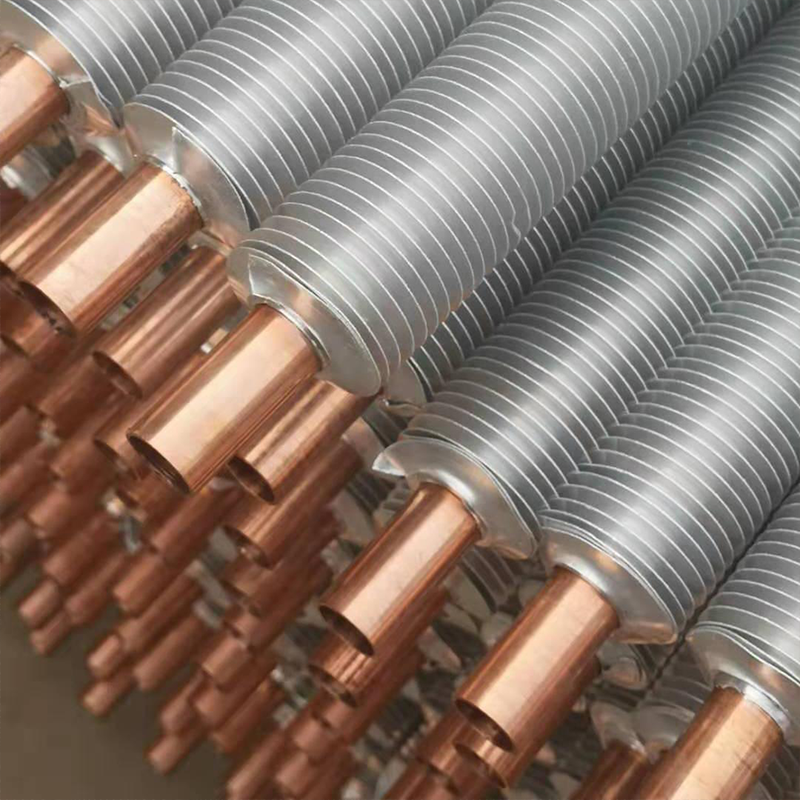
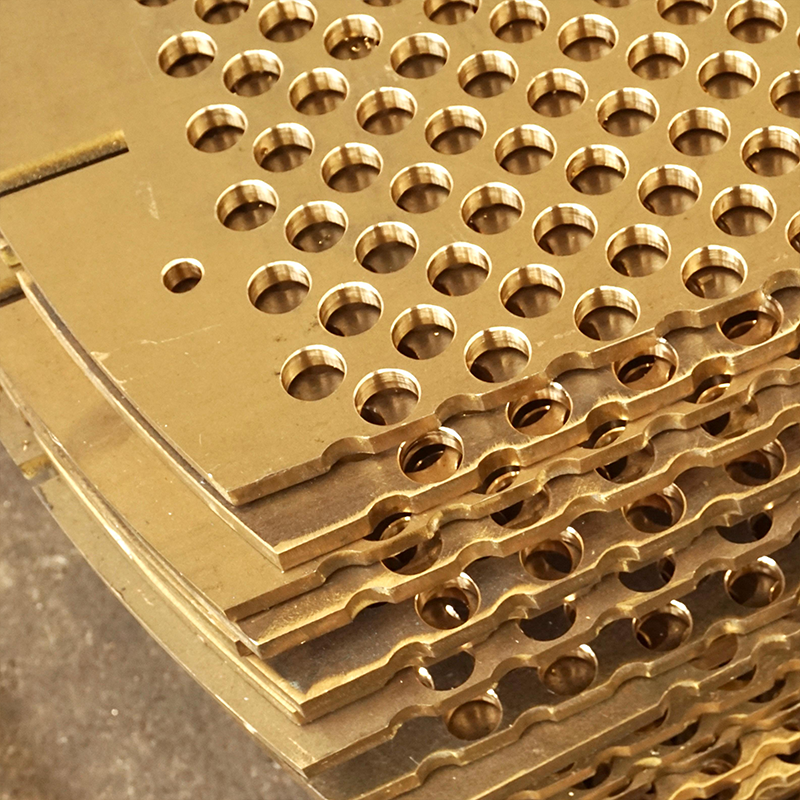
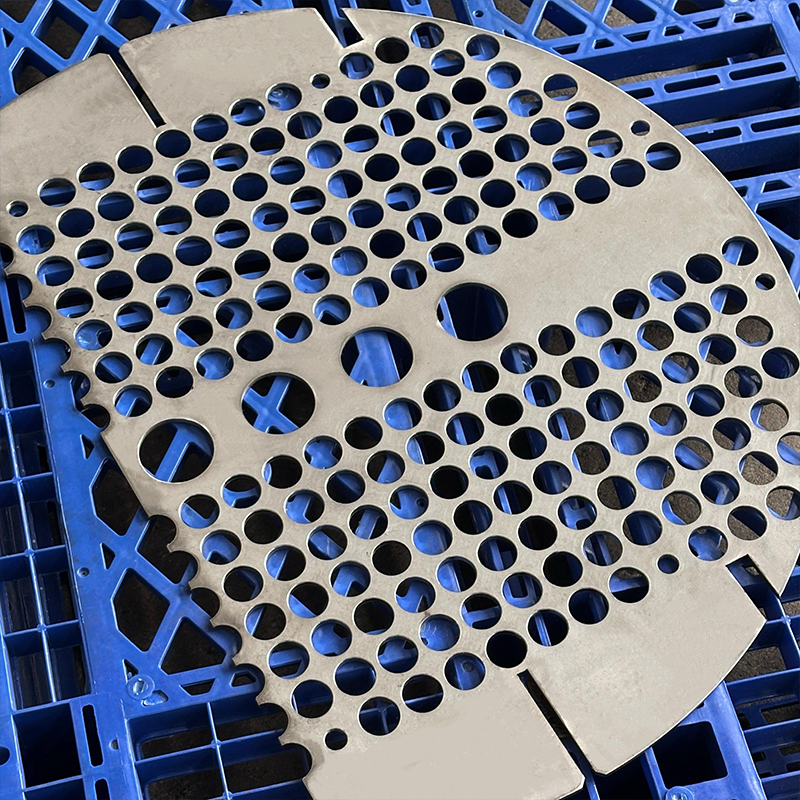
This is where the value of deep industry expertise comes into play. For example, a companyWuxi Kaisheng Electric Power and Petrochemical Equipment Co., Ltd., which specializes in the design and manufacture of complex heat transfer and petrochemical equipment, has long integrated stringent international standards into its processes. Their products, including titanium shell-and-tube heat exchangers, ASME high-pressure units and exotic alloys (nickel N06625, marine brass C46400), require impeccable accuracy in corrosion resistance and thermal stress calculations. The experience of these manufacturers demonstrates that meeting PED and ASME standards, as well as working with aggressive environments in oil refining and water desalination, is only possible using advanced digital tools that ensure quality control at every stage - from sketch to finished product.
Cost Efficiency: CAPEX vs OPEX in Engineering Design
The financial model for implementing cloud technologies radically changes the cost structure of an engineering company. The traditional approach requires huge capital investments (CAPEX): buying servers, software licenses (often perpetual, but expensive), creating a cooling infrastructure and UPS, hiring a staff of system administrators. These assets quickly become obsolete: after 3-4 years, the purchased server can no longer support new versions of payment systems, requiring new investment. Cloud-based reservoir engineering solutions translate costs into operating expenses (OPEX), allowing you to pay only for the resources actually consumed.
Let's look at a specific example. The design institute needs to perform a series of calculations for a tank fleet with a volume of 100,000 m³ each. For local implementation, you will need to purchase 5 workstations costing 400,000 rubles each and licenses for CAD/CAE packages for another 2 million rubles. Total one-time costs are 4 million rubles plus annual support costs of about 15%. In the cloud model, the company pays for the rental of capacity only for the period of the active settlement phase (for example, 2 months). The cost of renting a high-performance cluster can be 300,000 - 400,000 rubles for the entire period. Savings at the start are obvious, but the main thing is that there is no risk of expensive equipment being idle during periods of decline in orders.
Another important aspect is the cost of owning licenses. Engineering software manufacturers are increasingly moving to a subscription model, but even with perpetual licenses, advanced analysis modules (for example, nonlinear dynamic analysis) cost a fortune. In the cloud, these modules are available upon request. You pay for 4 hours of work of a complex solver, and do not buy it forever. This makes complex engineering analyzes accessible even to small design firms that previously could not afford a full software package.
However, there are also pitfalls. If resources are not managed correctly, cloud bills can rise unpredictably. We have seen cases where engineers forgot to turn off powerful virtual machines after finishing work, and the monthly bill was 3 times the budget. Therefore, the implementation of the cloud must be accompanied by setting up policies for automatically disabling unused resources and strict access control. Cloud financial transparency is its strength, but it requires discipline.
Practical implementation scenarios and integration into existing processes
Switching to the cloud doesn't happen with the snap of a finger. This is an evolutionary process that must take into account the specifics of a particular enterprise. We identify three main migration scenarios, each of which has its own characteristics and preparation requirements.
Scenario 1: Hybrid modeling for large plants.
This option is suitable for enterprises with a significant stock of outdated data (drawings, models) and strict internal security requirements. The main database and archive of projects remain on the local servers of the plant. The cloud is used exclusively as a computing testing ground. The engineer prepares the model on his workstation, sends the task for rendering or calculation to the cloud, receives the result and continues working locally.
*Advantages:* Minimal changes in usual work processes, high speed of implementation.
*Difficulties:* The need to set up secure communication channels (VPN, leased lines), possible delays when transferring large amounts of data (terabytes of geometry).
*Recommendation:* Use data deduplication and incremental synchronization technologies to speed up file transfers.
Scenario 2: Full cloud environment for distributed teams.
Ideal for holdings where design offices are scattered across different cities, or for companies that practice remote work. The entire infrastructure, including CAD systems, regulatory databases and communication tools, is hosted in the cloud (VDI - Virtual Desktop Infrastructure). Engineers connect to the virtual desktop via a thin client or a regular tablet.
*Advantages:* Full mobility, centralized access rights management, impossibility of data leakage to local media (USB ports are disabled at the policy level).
*Difficulties:* High requirements for the quality of the Internet channel from users, the need to retrain staff to work in a new environment.
*Recommendation:* Start a pilot project with one small group of engineers to fine-tune processes before scaling up.
Scenario 3: Specialized SaaS platforms for typical tasks.
Use of ready-made industry solutions, tailored specifically for tank design. Such platforms often include not only modeling tools, but also databases of standard components, catalogs of rolled metal products, modules for preparing estimates and specifications.
*Advantages:* Quick start, minimal setup costs, built-in expertise.
*Challenges:* Limited flexibility, vendor dependency, difficulty integrating unique internal enterprise standards.
*Recommendation:* Carefully evaluate the possibility of exporting data to open formats so as not to become dependent on the vendor.
It is important to note that successful implementation depends not only on technology, but also on people. Staff resistance to new tools is a natural reaction. Old-school engineers may be skeptical about “Internet software.” The key to success is demonstrating quick wins. Show the chief designer how the cloud made it possible to make project variations in one day instead of a week, and skepticism will be replaced by interest.
Typical mistakes when choosing and operating cloud platforms
Despite the obvious advantages, the market is full of unsuccessful implementation cases. Analysis of failed projects shows that most problems are not related to technology, but to errors in planning and management.
Mistake #1: Ignoring the communication channel width.
Many companies rent powerful cloud servers, but forget to upgrade their Internet channel. Working with a 3D reservoir model via remote desktop requires a stable, low latency data stream. If the ping to the data center exceeds 40-50 ms, the work becomes unbearable: the mouse cursor lags, the rotation of the model jerks. It kills productivity. Before concluding a contract, be sure to conduct speed and latency tests in the intended location of the data center.
Mistake #2: Lack of an exit strategy.
By uploading all projects to the proprietary cloud of one vendor, the company risks being held hostage. If a vendor dramatically increases prices or stops support, migrating data back can be a nightmare. Always require a guarantee that data can be exported in neutral formats (STEP, IGES, SAT, PDF, DWG). The data should belong to you, not the platform.
Mistake #3: Underestimating staff training.
The cloud interface is often different from the desktop one. Collaboration tools, version control, permissions are all new concepts for many engineers. Without quality training, employees will bypass the system, send files by mail, and negate all the benefits of centralization. The training budget should be at least 10-15% of the implementation budget.
We also recommend that you carefully read the SLA (Service Level Agreement). Guaranteed 99.9% uptime sounds good, but this allows for almost 9 hours of downtime per year. For critical stages of project delivery, this can be a lot. Check with your provider for reimbursement procedures and disaster recovery plans.
The Future of Design: AI and Digital Twins
Looking into the near future, it can be argued that cloud solutions will become the foundation for the introduction of artificial intelligence in design. Local machines simply do not have the resources to train neural networks on huge amounts of historical project data. In the cloud, it is possible to create systems that will offer optimal design solutions even at the sketch stage.
Imagine a system that analyzes thousands of successful tank projects in similar geological conditions and automatically suggests the optimal plate thickness, reinforcement pattern and steel grade, minimizing metal consumption. This is not science fiction, but already working prototypes for 2025-2026. Additionally, the cloud is the only environment capable of supporting the lifecycle of a tank digital twin. The model created during design does not go into the archive, but is filled with data from monitoring sensors (strain gauges, level gauges, thermocouples) in real time. This allows you to predict the residual life of the structure and plan repairs preventively, and not after an accident.
Companies that invest in cloud infrastructure today are laying the foundation for these technologies of tomorrow. The lag in digitalization today means a loss of competitiveness in 3-5 years, when customers begin to demand not just drawings, but full-fledged digital passports of objects with a guarantee of design characteristics.
Frequently Asked Questions
How safe is it to store strategic projects in the cloud?
Security is ensured by a set of measures: data encryption during storage and transmission (AES-256), the use of private communication channels, strict authentication and auditing of user actions. For government orders, there are certified domestic cloud platforms that meet the requirements of FSTEC and FSB. The risk of a leak from a qualified data center is statistically lower than the risk of data loss from an engineer’s local laptop or infection with encryption viruses through the corporate network.
Is special equipment required to work with cloud solutions?
No, no special expensive equipment is required. To operate, a regular personal computer, laptop or even tablet with a modern web browser and a stable Internet connection is sufficient. The entire load for graphics processing and calculations falls on the provider's servers. This allows you to significantly update the company's equipment fleet without high costs, using existing old PCs as access terminals.
What happens to my data if I stop paying for my subscription?
The conditions for returning data are regulated by the contract. Responsible providers provide a "cooling off period" (usually 30-90 days after payment stops) during which you can download all your data in standard formats. After this period has expired, the data may be permanently deleted. Therefore, it is critical to have a policy for regular local backup of key projects, regardless of the reliability of the cloud.
Is it possible to integrate cloud design with our current ERP and PDM systems?
Yes, modern cloud platforms provide open APIs (Application Programming Interface), which allows you to configure data exchange with external accounting systems (ERP) and product data management (PDM/PLM). This allows you to automatically create project cards, write off materials and generate reports on labor costs. The depth of integration depends on the specific systems used and the qualifications of your IT specialists or integrator.
Conclusion and recommendations for action
To summarize, we can say thatcloud solutions for tank designhave ceased to be an option “for future generations” and have become an urgent necessity for survival in the competitive environment of 2026. They provide real acceleration of processes, reduction in hardware and software costs, as well as previously unattainable levels of data reliability and collaboration. The only risk is the risk of remaining in the past, using the tools of yesterday to solve the problems of the future.
If you are ready to assess the potential of switching to cloud technologies for your enterprise, we recommend starting with an audit of your current IT infrastructure and a pilot project on a small area of work. Don't be afraid to experiment, but do so in a calculated way, based on proven practices and safety standards.
To receive detailed advice on choosing a platform, calculating cost-effectiveness and developing a migration plancontact us today. Our experts will help you choose the optimal solution that takes into account the specifics of your production and regulatory requirements. We also recommend that you read our material aboutmodern standards for designing vertical tanksto stay up to date with the latest regulatory changes.