
Big Data in PE raw material inventory management”
2026-08-30
- Big data in PE raw material inventory management: from chaos to accurate forecast
- Why traditional forecasting methods fail when dealing with polyethylene
- Data acquisition system architecture: from sensors to cloud storage
- Practical application: two real optimization cases
- Typical implementation mistakes and how to avoid them
- Standards and regulation in the digital age
- The role of reliable equipment in the petrochemical ecosystem
- The future of inventory management: what awaits us in 2026-2027
- Frequently Asked Questions
- Conclusion: Your Next Step to Effectiveness
Big data in PE raw material inventory management: from chaos to accurate forecast
ImplementationBig Data in PE raw material inventory management(polyethylene) has ceased to be a theoretical concept and has become a critical survival factor for manufacturing enterprises in 2026. We've seen companies that ignore data analytics lose up to 18% of their working capital due to frozen inventory or sudden extrusion line downtime. In our practice, working with large plastic processors has shown that intuitive planning of granulate purchases no longer works in conditions of volatility in oil prices and breaks in supply chains. This article does not just list the benefits of analytics - we will analyze specific algorithms, implementation errors and real cases where the transition to a data-driven approach reduced storage costs by 34%.
If you are responsible for purchasing polyethylene (LDPE, LLDPE, HDPE) or managing a warehouse of polymer raw materials, you know the pain: the supplier promises shipment, but the container gets stuck in the port for two weeks and production stops. Or vice versa - the warehouse is filled to capacity with expensive imported raw materials, which no one orders, because the market has sharply shifted towards recycled granulates. Using big data makes it possible to turn these risks into manageable variables. Below we will look in detail at how to build such a system, what parameters to monitor, and why standard ERP systems often fail without adding analytical modules.
Why traditional forecasting methods fail when dealing with polyethylene
Traditional planning methods based on moving averages or simple historical data are fundamentally flawed for the polyolefins market. In our practice, there was a case when a film production plant used sales data for the previous year to form an order for HDPE. The result was disastrous: they purchased 400 tons of blow molding raw materials, while a key client switched to thinner LLDPE films with different rheological properties. Losses amounted to more than 6 million rubles only on the cost of storage and subsequent markdown of the material. The problem was that the model did not take into account external factors: changes in energy tariffs, new environmental packaging standards and fluctuations in spot ethylene prices.
PE raw materials have specific features that cannot be ignored. Firstly, it is hygroscopic and sensitive to storage conditions. Warehouse temperature and humidity data must correlate with batch shelf life data. Secondly, polyethylene is a commodity highly dependent on the price of Brent oil and exchange rates. Machine learning algorithms can analyze thousands of news streams and stock quotes in real time, predicting a price jump 3-5 days in advance. An ordinary purchasing manager is physically unable to process such a volume of information manually.
Another critical mistake is ignoring the quality of incoming raw materials. Big Data systems allow you to aggregate incoming control data (MFI, density, presence of gels) and compare them with specific suppliers and batches. If the system sees that supplier “A” has consistently had a melt index outside the tolerance limits in the last three shipments, it automatically reduces the reliability rating of this vendor and recommends increasing the safety stock from an alternative supplier. This prevents defects on the extrusion line, which can cost more than the raw materials themselves.
For effective management, it is necessary to move from a reactive model (“we run out - buy”) to a predictive one. This requires integrating data from different sources: the ERP system, IoT sensors on silos, customs declarations and even weather reports that affect logistics. Start with an audit of your current data sources: if raw material consumption information is collected in Excel spreadsheets once a week, you are already late.
Key metrics to track in real time
Implementation successBig Data in PE raw material inventory managementdepends on the correct choice of metrics. Don’t try to track everything at once - focus on indicators that directly affect margins and continuity of production.
- Demand forecast accuracy (Forecast Accuracy):The difference between the planned and actual consumption of granules for each brand. The permissible deviation for stable production should not exceed 5%. If it is higher, it means your model does not take into account seasonality or customer marketing promotions.
- Inventory Turnover:For polyethylene, the optimal rate varies from 8 to 12 revolutions per year. A value below 6 indicates overstocking and the risk of degradation of the material properties (especially for stabilized grades). A reading above 15 may indicate a risk of shortages and line shutdowns.
- Service Level:Percentage of orders completed on time and in full. In the context of raw materials, this means having the required grade of PE in stock at the time the production program is launched. The target is 98-99%.
- Carrying Cost:Includes not only the purchase price, but also the cost of warehouse rental, insurance, shrinkage losses and capital costs. For polymers, this figure is often underestimated and amounts to 20-25% of the cost of the product per year.
- Lead Time Variability:It is more important to know not the average delivery time, but its dispersion. If the supplier transports cargo for 10 days or 25, you need a huge safety stock. Reducing variability through analytics reduces this buffer.
Implementing monitoring of these indicators requires setting up dashboards that are updated daily. The manager should see not just “the balance is 100 tons,” but the forecast “in 12 days the balance will be critical at the current rate of consumption.”
Data acquisition system architecture: from sensors to cloud storage
Building a reliable system starts with infrastructure. Many Russian enterprises make the mistake of trying to fit modern analytical tools onto outdated equipment. To work with big data in the context of PE raw materials, complete digitization of physical processes is necessary. The first step is the installation of level meters and weighing systems on silos and bunkers with support for data transfer protocols (Modbus, OPC UA). Fill level data should be fed into a central database every 15-30 minutes rather than manually entered by the operator at the end of the shift.
The next level is integration with laboratory information management system (LIMS). The quality certificate of each batch of polyethylene (density, MFI, moisture content) must be digitized and linked to a unique batch identifier. This allows us to further build correlations between the parameters of raw materials and the quality of the finished product. For example, the system can detect that when the granulate moisture content is above 0.05%, the amount of film rejects increases by 12%, and automatically block the use of such a batch for critical orders.
The central element of the architecture is the Data Lake - a repository of unstructured data. Information from ERP (1C, SAP), CRM systems, data from logistics providers (container tracking), ICIS or Platts stock quotes, as well as news feeds flows here. It is important to ensure a single namespace: the brand “PE 158-13” from one supplier and “HDPE 158-13” from another must be identified as the same material. Errors in master data are the leading cause of analytics failures.
Data security in such a system is critical. Commercial information on purchase volumes and prices is a strategic secret. When choosing cloud solutions or servers, you must be guided by information security standards relevant to the Russian Federation (for example, FSTEC requirements), especially if a hybrid infrastructure is used. Encryption of data transmission channels from workshop sensors to the server is mandatory.
You should not try to buy a ready-made turnkey solution. The market for PE raw materials is too specific. The best approach is modular assembly: take a reliable platform for visualization (for example, based on open solutions or adapted industrial systems) and write your own scripts for predictive analytics for your tasks. This gives flexibility and independence from the vendor.
Integration of external factors: the impact of macroeconomics on inventories
Managing polyethylene inventories is impossible in a vacuum. Prices for primary PE are strictly tied to the cost of naphtha and gas, as well as to exchange rates. Algorithms should automatically pull data from commodity exchanges and foreign exchange markets. If the ruble exchange rate falls, the system should signal the need for early purchase of imported raw materials or switching to domestic brands if their price has not yet adjusted.
Logistical constraints also play a role. In the context of sanctions pressure and changes in supply routes, delivery times from Asia or Europe have become unpredictable. Analysis of data on port congestion, customs clearance and availability of gondola cars allows us to adjust procurement plans. For example, if the system sees a queue for unloading at the port of Vladivostok for more than 7 days, it will offer to change the route through Novorossiysk or increase the warehouse stock by 10% in advance.
Practical application: two real optimization cases
The theory is good, but the numbers speak louder. Let's look at two examples from our practice of implementing analytics at enterprises in the polymer industry. These cases demonstrate howBig Data in PE raw material inventory managementtransforms business performance.
Case 1: Manufacturer of packaging film (Central Russia)
Problem:The company was faced with constant downtime of three-layer extruders due to a shortage of a specific grade of LLDPE for the inner layer. The warehouse was overflowing with universal LDPE. Working capital was frozen in the amount of about 45 million rubles. Logistics from the main supplier (China) took from 30 to 50 days with a huge variation.
Solution:A predictive analytics system was implemented that combined production plan data, historical consumption and real-time vessel tracking data. The algorithm began to calculate the order point not at a fixed level, but dynamically, taking into account the likely time of arrival of the cargo. The product range was also segmented: it was revealed that 20% of raw material brands provide 80% of product output.
Result:Over the 6 months of operation of the system, the service level increased from 82% to 97%. Safety stock on key items was reduced by 35%, freeing up cash. The number of downtimes due to lack of raw materials has dropped to zero. An additional bonus - the system discovered that replacing one expensive imported additive with an analogue from a local manufacturer (after a series of tests in the laboratory) does not affect the quality, which reduced the cost of kg of film by 4 rubles.
Case 2: Pipe products plant (Ural)
Problem:High percentage of defects in the production of pressure pipes made of PE100. Purchases were made in large quantities once a quarter to obtain a wholesale discount, which led to long-term storage of the granulate. It turned out that when stored in substandard conditions (temperature changes in an unheated warehouse in winter), some batches lost the stability of thermal-oxidative destruction.
Solution:Implementation of IoT sensors for microclimate control in raw material storage areas and integration of this data with the quality management system. The first-to-fail-first-out algorithm (FEFO – First Expired, First Out) was developed, replacing the outdated FIFO. The system automatically assigned the batch with the highest risk of degradation to priority shipment to production.
Result:Defects at the pipe extrusion stage decreased from 3.5% to 0.8%. Savings from writing off spoiled raw materials amounted to more than 12 million rubles per year. In addition, the rejection of ultra-large lots allowed us to switch to a more flexible procurement scheme, responding to a drop in spot prices, which resulted in an additional 7% savings on the purchase price.
These examples show that investments in analytics pay off in months, not years. The main thing is to start collecting data correctly and not be afraid to change established procurement processes.
Typical implementation mistakes and how to avoid them
The path to digital transformation of the raw materials warehouse is strewn with rakes. Most projects stall not because of the complexity of technology, but because of the human factor and methodological miscalculations. Here's a list of the mistakes we see most often and how to prevent them.
Mistake #1: “Garbage in, garbage out.”An attempt to build advanced analytics based on inaccurate accounting data. If storekeepers confuse brands, do inventory at the wrong time, or enter data late, no amount of AI can save the situation.
Solution:Before automation, get your processes in order. Implement barcoding or RFID tags on bags and big bags. Make accounting a mandatory step, without which the movement of material is impossible. Conduct a complete inventory before starting the system.
Mistake #2: Ignoring staff resistance.Buyers and storekeepers often perceive the system as a control tool and a threat to their competence. They may sabotage data entry or look for workarounds.
Solution:Explain to the team that the system is an assistant that relieves them of routine and responsibility for forecast errors. Motivate employees with KPIs related to data accuracy and tool efficiency. Training should be continuous, not a one-time event.
Mistake #3: Looking for the perfect model from day one.The desire to immediately implement a complex neural network algorithm that takes into account a thousand factors. Such projects drag on for years and often fail.
Solution:Move in iterations. Start with simple linear regression and basic reporting. Adjust the data collection process. Then add complexity: external factors, machine learning. A simple model that works today is better than an ideal one that is promised in a year.
Mistake #4: Lack of feedback.The system issues a forecast, but no one checks to what extent it came true and does not adjust the algorithms.
Solution:Implement a weekly ritual of checking the accuracy of forecasts (S&OP meetings). Analyze deviations: why did the system make a mistake? Was it force majeure or a model error? Constantly retraining the system on new data is the key to its effectiveness.
Standards and regulation in the digital age
It is important to adhere to industry standards when working with data and raw material quality management. In Russia and the EAEU countries, the main document regulating the requirements for polyethylene isGOST 16338-85 (Low density polyethylene)andGOST 16337-77 (High density polyethylene), although increasingly manufacturers are switching to specifications or international ISO standards for export products. The digital system must take into account the requirements of these standards when validating incoming raw materials.
Compliance with requirements is also an important aspectISO 9001:2015in terms of documented information management and traceability. Big data provides an ideal audit trail: you can always prove which batch of raw materials went to which order, what parameters it had and who made the decision to use it. This is critical when dealing with complaints from large customers, such as the gas industry or water supply pipe manufacturers.
In matters of cybersecurity, it is worth focusing on the recommendations of regulators on the protection of personal data and trade secrets. The use of domestic software in production management is becoming not just a trend, but a requirement of the time in the light of import substitution. Many modern Russian-made platforms for industrial analytics are no longer inferior to their Western counterparts in terms of functionality, but are superior in speed of support and adaptation to local realities.
The role of reliable equipment in the petrochemical ecosystem
Digital transformation and accurate inventory management are impossible without the physical reliability of production infrastructure. Even the most advanced forecasting algorithm will not save a plant if key process equipment fails due to corrosion or non-compliance with process parameters. Here partners such asWuxi Kaisheng Electric Power and Petrochemical Equipment Co., Ltd..
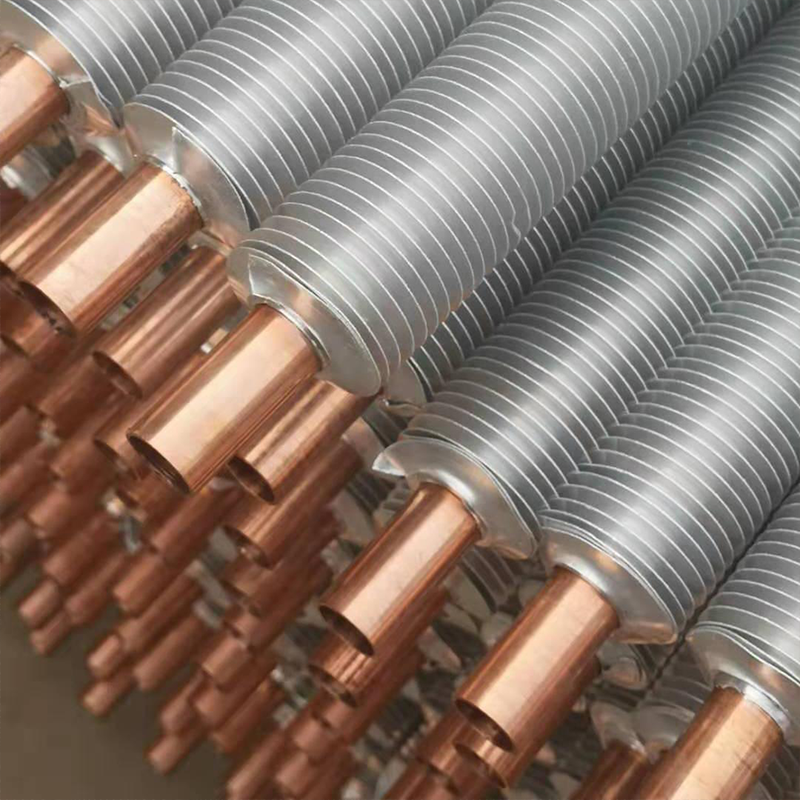
The company specializes in the development and production of high-tech heat transfer and petrochemical equipment, which is the heart of many polymer and raw material processing processes. In the context of polyethylene production and harsh environments, components that can withstand extreme pressures and temperatures are critical. Wuxi Kaisheng's products, including titanium shell-and-tube heat exchangers, ASME high-pressure units and 316 stainless steel corrugated tube bundles, ensure process cycle stability.
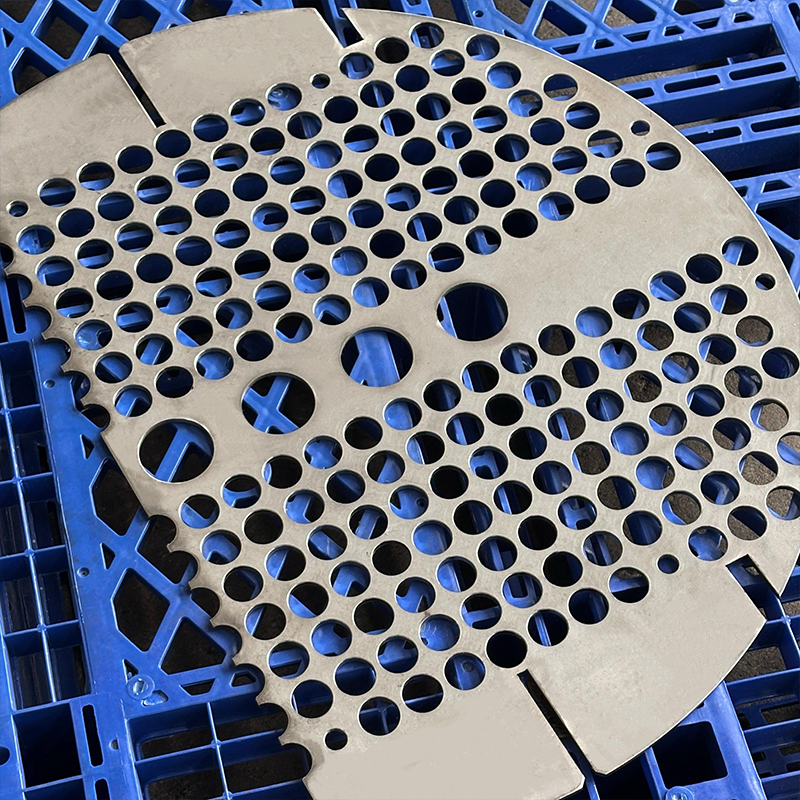
Particular attention should be paid to the materials: the use of C46400 marine brass, copper-nickel alloys and N06625 nickel alloys guarantees high corrosion resistance when in contact with various chemical agents used in the oil refining and chemical industries. Reliable tube sheets and air coolers from Wuxi Kaisheng minimize the risks of unscheduled production stops, which directly affects the accuracy of plans calculated by Big Data systems. The company's PED and ASME certified equipment is widely used not only in petrochemicals, but also in water desalination, shipbuilding and energy conservation, providing customers around the world with customized solutions for complex applications.
The future of inventory management: what awaits us in 2026-2027
The market does not stand still. Technologies that seemed futuristic yesterday are becoming standard today. What will change in the management of PE raw materials in the near future?
Autonomous purchasing.Systems will reach a point where they can independently generate and send orders to suppliers when thresholds are reached, requiring human confirmation only for non-standard situations. Smart contracts on the blockchain can automate payment upon confirmation of shipment.
Digital twins of the warehouse.Creating a virtual copy of the warehouse will allow you to simulate various scenarios: “What will happen if the supplier delays the cargo for a week?”, “How to optimize the arrangement of big bags to minimize loading time?”. This will allow decisions to be made without risking actual production.
Integration with the circular economy.With the increasing share of recycled polyethylene (PE), management systems will have to take into account the heterogeneity of this raw material. Algorithms will select mixes of primary and secondary granulate to achieve the target properties of the product at a minimum cost, analyzing data on the quality of each batch of recyclate.
Companies that begin to implement these technologies now will gain a significant competitive advantage. Those who remain stuck with paper journals and Excel risk losing margins and market share to more nimble players.
Frequently Asked Questions
How long does it take to implement a Big Data system for inventory management?
The period depends on the initial level of digitalization of the enterprise. If you have a modern ERP and automated warehouse accounting, a basic analytics system can be deployed in 2-3 months. The full cycle, including installing sensors, cleaning data and training models, usually takes from 6 to 9 months. Do not believe sellers who promise “implementation in 2 weeks” - high-quality customization for the specifics of polyethylene requires time to collect statistics.
Should purchasing managers be fired after implementing AI?
No, the role of the buyer is transforming, but not disappearing. Artificial intelligence takes care of routine calculations and monitoring, freeing up specialist time for strategic tasks: negotiations with suppliers, searching for new materials, solving complex logistics problems and building relationships. The person remains the final decision maker in non-standard situations that the algorithm cannot foresee.
Is it possible to use cloud services to store data on raw material purchases?
Yes, you can, but with reservations. It is necessary to choose providers that provide data storage on the territory of the Russian Federation (in accordance with 152-FZ) and have security certificates. For particularly sensitive information (recipes, exact consumption volumes for specific government orders), it is advisable to use a hybrid model: critical data on local servers, analytics and non-critical data in the cloud.
What is the minimum amount of data needed for the algorithms to start working?
To build a basic forecast model, it is advisable to have at least 12-18 months of data history to account for seasonality. However, you need to start collecting and structuring data right now, even if there is little of it. Modern methods allow models to be retrained as new information becomes available. Waiting for the “perfect set of data” is a mistake that leads to an endless delay in the start.
Conclusion: Your Next Step to Effectiveness
Polyethylene raw material inventory management has moved into a new era where those who own the data win.Big Data in PE raw material inventory managementis not just a fashionable term, but a working tool that today allows you to reduce costs, avoid downtime and increase business margins. We've seen companies lose millions due to poor forecasts, and others have earned additional profits thanks to accurate analytics.
Don't wait for your competitors to beat you. Start small: audit your data, check the accuracy of your warehouse records, and select one pilot task to automate. Even small improvements in demand forecasting will have a rapid economic impact. Remember, in today's industry, data is the new oil, and for polyethylene recyclers, this statement is literally true.
If you are ready to discuss the possibility of implementing analytical systems in your production or need advice on optimizing your polymer raw material supply chain, our experts are ready to help. We have deep experience in the industry and understand the specifics of working with PE, PP and other thermoplastics.
Contact us todayto receive a customized roadmap for the digitalization of your warehouse. We also recommend that you read our material aboutpolyethylene market trends in 2026to stay up to date with the latest developments in the industry.