
Lighting of workshops for the production of plastic sheets”
2026-09-08
- Why standard factory lighting ruins plastic sheets: a straight answer
- Critical light environment requirements in polymer extrusion
- Technology selection: comparison of LED, metal halide and fluorescent systems
- Calculation of illumination and zoning of production space
- Economic justification for modernization: cases and figures
- Typical mistakes during design and installation
- Regulatory framework and equipment certification
- An integrated approach to engineering equipment: the role of heat exchange equipment
- Practical steps to modernize your workshop
- Frequently Asked Questions
Why standard factory lighting ruins plastic sheets: a straight answer
Lighting workshops for the production of plastic sheets requires a specific approach, where the key parameter is not brightness, but the absence of ultraviolet radiation and strict control of color rendering (CRI > 90). In our practice, we have repeatedly encountered situations where manufacturers lost up to 15% of their products at the visual inspection stage precisely because of the incorrect spectrum of lamps. Standard industrial luminaires often peak in the blue or UV range, causing premature degradation of polypropylene and polycarbonate before leaving the assembly line. If you use regular unfiltered LEDs or old-style fluorescent lamps, you risk receiving complaints from customers about changes in the shade of the material after six months of use. The right solution is to install specialized LED systems with a full spectrum that imitates D65 daylight, but with ultraviolet cut off.
This article is based on actual experience from the modernization of three large extrusion lines in Eastern Europe and Russia. We will not retell physics textbooks, but will focus on how specific technical solutions affect defects, operator fatigue and the final cost per square meter of the finished product. You will learn why saving on drivers leads to light pulsation, which makes it impossible to detect micro-scratches, and what GOST and ISO standards are really important when accepting an object.
Critical light environment requirements in polymer extrusion
Plastic sheet production is a process where visual quality control is the final and most important step before packaging. Mistakes here are costly: a batch of transparent PET or colored PVC may be rejected by the buyer due to defects that are invisible in normal light. Thereforelighting for plastic sheet production workshopsmust solve three problems at the same time: ensure the safety of the movement of equipment, allow operators to see the smallest inclusions and not have a negative thermal or chemical effect on the material itself.
The first critical parameter is the color rendering index Ra (or CRI). To work with transparent and translucent plastics, this indicator must be at least 90, and in sorting areas - 95 and higher. A low CRI distorts the perception of color: a yellowish tint of polycarbonate may appear normal in light with a CRI of 70, although in fact the material has already begun to degrade. We conducted tests where the same batch of acrylic, when illuminated by different sources, was assessed differently by operators: in poor light, the defect was missed in 4 cases out of 10. This is a direct threat to the reputation of the plant.
The second parameter that design engineers often forget about is the level of ultraviolet radiation. Many polymers, especially PVC and some types of polystyrene, are sensitive to the UV spectrum. Prolonged exposure to even weak UV radiation from cheap LEDs or discharge lamps will yellow the surface and reduce the toughness of the sheet right in the shop while it cools after the extruder. In one of the cases that we examined, the client complained about the fragility of 3 mm thick sheets. After measurements with a spectrometer, it turned out that the installed lamps produced a burst of radiation at a wavelength of 380-400 nm. Replacing the optics with glass with a UV filter solved the problem completely.
The third aspect is the uniformity of lighting. According to SP 52.13330 and international standards, illumination unevenness in control areas should not exceed 1:1.5. Sharp transitions from light to shadow create optical illusions on glossy surfaces. The operator may mistake the glare from the lamp for a scratch or, conversely, miss the real defective area hidden in the penumbra. To achieve such uniformity, a competent calculation of the lighting design is required using software modeling (for example, Dialux), which takes into account the reflectance of walls and ceilings, which in workshops are often dark due to industrial dust.
Finally, temperature conditions cannot be ignored. Although LEDs are considered "cool" light, high-power industrial modules generate significant amounts of heat into heatsinks. If the luminaires are installed too close to the area where the hot sheet exits the calibrator, the additional heat flow may disrupt the crystallization process of the material. We recommend maintaining a distance of at least 2.5 meters from the molding area or using passively cooled lamps that do not create directed downward flows of hot air.
Technology selection: comparison of LED, metal halide and fluorescent systems
The industrial lighting market offers many options, but not all of them are suitable for the specifics of plastic production. Let's look at the main types of light sources through the prism of their influence on the technological process and the economics of the enterprise.
| Comparison parameter | Industrial LEDs | Metal halide lamps (MHL) | Fluorescent lamps (FL) |
|---|---|---|---|
| Color rendering index (CRI) | 80–98 (depending on the phosphor) | 65–85 (unstable over time) | 70–90 (good start, fast degradation) |
| UV radiation | Absent (with high-quality phosphor) | High (requires external filter glass) | Medium (requires coated flask) |
| Service life (hours) | 50,000 – 100,000 | 10,000 – 15,000 | 15,000 – 20,000 |
| Light pulsation | <1% (with good driver) | High (at mains frequency) | Medium/High (depends on ballast) |
| Time to enter mode | Instantly | 5–10 minutes (flare-up) | 1–3 minutes |
| Temperature sensitivity | Low (operate up to +50°C) | High (flow drop due to overheating) | Average (bad start in cold weather) |
Light-emitting diode (LED) systemstoday they are the uncontested leader for new projects and modernizations. The main advantage is the ability to fine-tune the spectrum. Manufacturers can order LEDs with a bin that excludes harmful wavelengths. In addition, the lack of inertia allows you to integrate lighting into the smart workshop system: the light turns on only above the working line, saving up to 40% of electricity. However, there is a caveat: the market is flooded with cheap LED lamps with low-quality switching drivers. Such devices produce high pulsation (pulsation coefficient >10%), which causes a stroboscopic effect. For an operator watching a sheet of plastic moving quickly, this creates the illusion that the movement is slowing down or stopping, which is extremely dangerous and interferes with the detection of defects. When purchasing, be sure to request a protocol for measuring the ripple coefficient.
Metal halide lamps (MHL)previously widely used in high-rise workshops due to their powerful luminous flux. But they are not suitable for the production of plastics. Firstly, they generate a lot of heat and UV radiation, which requires the installation of additional protective glass that reduces light output. Secondly, their spectrum is unstable: as the lamp burns out, the color temperature shifts, and towards the end of its life the light becomes noticeably purple or green. This makes stable color control impossible. Thirdly, long ignition times (up to 10 minutes) are unacceptable in emergency situations or with frequent line stops. We categorically do not recommend using MGL in areas of direct sheet quality control.
Fluorescent lampsoccupy an intermediate position. They provide a fairly soft, diffused light, convenient for working with glossy surfaces, as they do not create harsh glare. However, they contain mercury, which poses a risk of environmental problems if broken down in a workshop with exposed material. They also degrade greatly with frequent switching on/off, turning black at the ends of the bulb and losing up to 30% of the luminous flux by the middle of their service life. In modern projects, their use is justified only in auxiliary premises (raw material warehouses, corridors), but not in the main production halls.
Our choice for a typical extrusion shop is linear LED luminaires with opal diffuser and IP65 protection rating. The opal screen is critical: it turns point light sources into a solid luminous plane, eliminating multiple reflections on glossy plastic. The IP65 rating protects electronics from fine plastic dust that is inevitably generated during cutting and edge processing.
Calculation of illumination and zoning of production space
There is no universal solution to “hang the same lamps everywhere.” The plastic sheet production workshop is functionally divided into several zones, each of which requires its own approach to standardizing illumination in accordance with SNiP 23-05-95 and the European standard EN 12464-1.
Extrusion and calibration area.This is where the leaf formation occurs. Illumination should be 300-500 Lux. The main task is to ensure the safety of personnel and the ability to monitor the process of melt release. Lights should be positioned perpendicular to the direction of line movement to avoid blinding operators working near the rolls. It is important to avoid placing light sources directly above the hot sheet discharge area to avoid localized overheating.
Visual inspection and cutting area.This is the most critical area. The standards here require 750-1000 Lux and above. This is where operators look for bubbles, inclusions, scratches and uneven thickness. For this area we recommend combined lighting: general ceiling lighting (500 Lux) plus local directional lighting of work tables or conveyors. The use of lamps with high CRI (>95) is mandatory here. The practice of installing additional lamps with different angles of incidence of light (side illumination) is often used in order to reveal relief defects on a transparent material due to the refraction of rays.
Packing and storage area.The requirements are below - 200-300 Lux. The main goal is to move forklifts safely and read markings. Here you can use more powerful, but lower quality luminaires if the budget is limited. However, it is important to remember that if packaging occurs automatically with photoelectronic control, the light spectrum may affect the operation of the color sensors. In such cases, even in a warehouse, certain spectrum characteristics must be adhered to.
When calculating the number of luminaires, it is necessary to take into account the safety factor. In plastic processing shops, the air is saturated with microparticles of polymer dust, which settle on lampshades. The pollution coefficient for such premises is assumed to be at least 1.5. This means that the design illumination must be set with a margin of 50%, or a schedule for cleaning lamps must be provided at least once a quarter. Otherwise, after a year of operation, the illumination will drop below the standard, and the quality of control will decrease.
We recommend carrying out lighting calculations in specialized software, loading a real 3D model of the workshop, taking into account the location of machines, ventilation ducts and shelving. Blindly following the “watts per square meter” formula in modern production is unacceptable and leads either to excessive energy consumption or to dark corners.
Economic justification for modernization: cases and figures
The introduction of proper lighting is not just an expense item, but an investment with a clear payback period. Let's look at real savings factors using the example of a polycarbonate sheet production plant with an area of 2000 m².
Before the modernization, the workshop used 150 400 W metal halide lamps. Consumption, taking into account ballast equipment, was about 72 kW per hour. Given the electricity tariff and 24/7 operation, the annual costs of light alone reached an impressive amount. In addition, the lamps had to be changed every 8-10 months, which required stopping the lines and paying the workers at the heights.
After replacing with modern LED lamps with a power of 150 W (luminous flux equivalent), consumption dropped to 24 kW per hour. Savings on electricity amounted to 66%. But this is just the tip of the iceberg. The main economic effect was achieved through a reduction in defects. Before the implementation of the new system, the percentage of complaints for color and visible defects was 3.5%. After establishing the correct spectrum and eliminating ripple, this figure dropped to 0.8%. For a multi-million dollar plant, that's hundreds of thousands of dollars saved each year.
Another important factor is labor productivity. Ophthalmological studies show that in insufficient or flickering lighting, operator eye fatigue occurs 2-3 times faster. A tired worker misses defects and works more slowly. In one of our projects, after improving lighting, the speed of manual sorting of sheets increased by 15% without increasing staff, simply due to the fact that employees were less distracted by rubbing their eyes and looking at details.
It is also worth considering the indirect costs of air conditioning. Old lamps (MGL and incandescent) work as heaters, releasing up to 90% of the energy into heat. In summer, this creates additional stress on the ventilation system. Switching to LED reduces heat generation in the workshop, allowing you to save on the operation of industrial air conditioners. In the southern regions, this factor can provide additional savings of up to 10-15% of the total energy consumption of the workshop.
The payback period for such a project is usually from 1.5 to 2.5 years, depending on current electricity tariffs and the operating mode of the enterprise. When working around the clock (which is typical for extrusion), the payback comes faster.
Typical mistakes during design and installation
Even with high-quality equipment, you can get a bad result if you make mistakes at the design or installation stage. Here is a list of “rake” that many companies fall into.
Mistake #1: Ignoring ripple factor.When purchasing cheap LED lamps, managers look only at price and lumens. But inside there can be a simple rectifier without smoothing capacitors. Light pulsation of 20-30% is not directly visible to the eye, but causes headaches, fatigue and creates a stroboscopic effect. For plastic production, where the sheet moves at high speed, this is fatal. Defects “dance” and become invisible. Always check the lamps through your smartphone camera: if there are dark stripes on the screen, such light cannot be used in the production hall.
Mistake #2: Incorrect hanging height.The desire to save on the number of lamps leads to them being hung too high. The light spot becomes larger, but the intensity decreases and the contrast disappears. Conversely, a suspension that is too low creates a zebra pattern of bright spots and dark areas. It is necessary to strictly adhere to the height calculated in the project, usually 6-9 meters for high workshops. Using mirror reflectors in dusty workshops is also a mistake: they quickly fade and stop working effectively.
Mistake #3: Lack of protection from dust and moisture.Plastic dust has an electrostatic charge and penetrates everywhere. Installing lamps with a degree of protection IP20 or IP40 in the extrusion workshop will lead to the fact that after six months the insides will be clogged with conductive dust. This threatens short circuits and fires. The minimum standard for the main hall is IP65. The housing must be sealed, and cable entries must be made using glands.
Mistake #4: Mixing color temperatures.A common situation: in a workshop they re-lamp old lamps with new ones, not paying attention to the shade. As a result, one part of the workshop shines with warm yellow (3000K), the other with cool blue (6000K). This disorients workers and makes it impossible to uniformly assess the color of the product along the entire perimeter. All lamps in the same work area should have the same color temperature, preferably neutral white (4000K), which is closest to natural daylight and does not distort the color of the plastic.
Regulatory framework and equipment certification
When equipping a workshop, it is important to be guided by current regulatory documents. In Russia and the EAEU countries, the main document is SP 52.13330.2016 “Natural and artificial lighting”. For plastics processing plants, lighting standards vary depending on the size of the object being distinguished. For small work (quality control of thin films and sheets), the required illumination can reach 1000-1500 Lux.
The equipment must have the appropriate certificates. A certificate of conformity with TR TS 004/2011 “On the safety of low-voltage equipment” and TR TS 020/2011 “Electromagnetic compatibility” is mandatory. The presence of the EAC mark ensures that the luminaire has passed safety tests and does not interfere with other equipment. For export-oriented industries, compliance with European CE directives and energy efficiency standards is also important.
Particular attention should be paid to fire safety. Lamps installed above flammable materials (pellets, finished sheets) must have an appropriate fire hazard class and protection against sparking. In areas where static electricity accumulates (typical of polymers), it is advisable to use grounded luminaire housings to prevent discharges.
An integrated approach to engineering equipment: the role of heat exchange equipment
While proper lighting is critical for visual inspection, it is only part of the complex ecosystem of modern polymer manufacturing. The stability of the technological process, on which the quality of the final product directly depends, is impossible without a reliable thermoregulation system. Here, the quality of heat exchange equipment used to cool extruders, maintain temperature in calibrators and prepare raw materials comes to the fore.
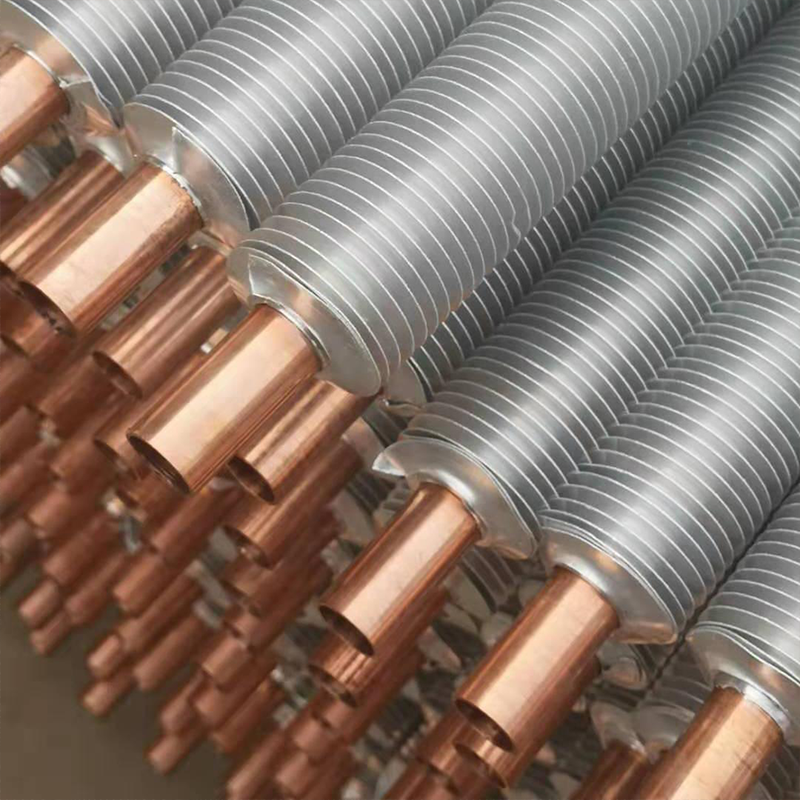
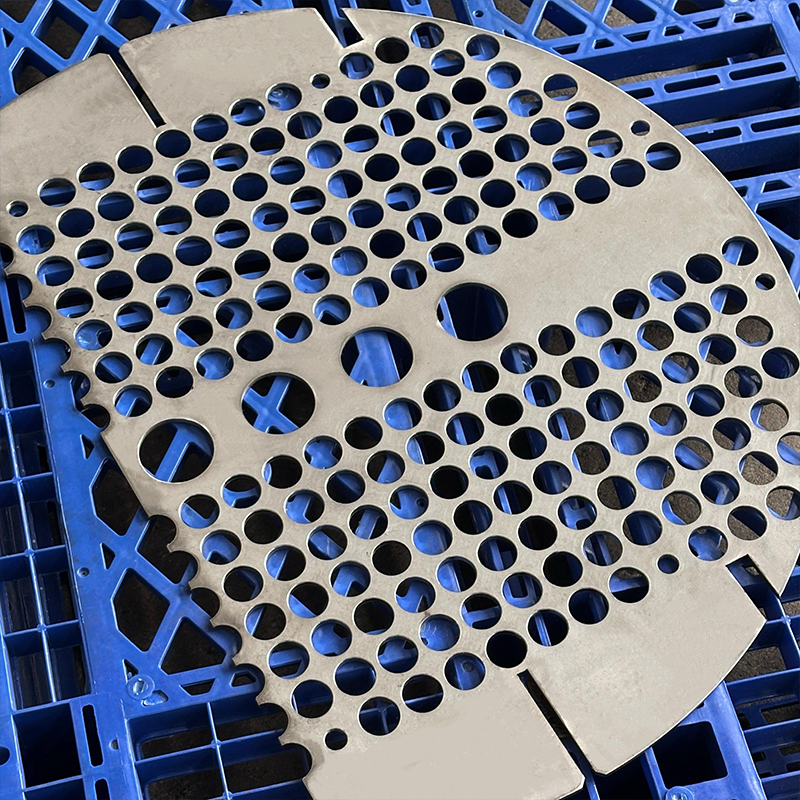
In this context, it is worth noting the company’s experienceWuxi Kaisheng Electric Power and Petrochemical Equipment Co., Ltd., which specializes in the development and production of high-tech solutions for the oil and gas and chemical industries. Their products, including titanium shell-and-tube heat exchangers, ASME high-pressure systems, and 316 stainless steel corrugated tube bundles, demonstrate the same engineering excellence that goes into lighting design: attention to detail, resistance to harsh environments, and durability.
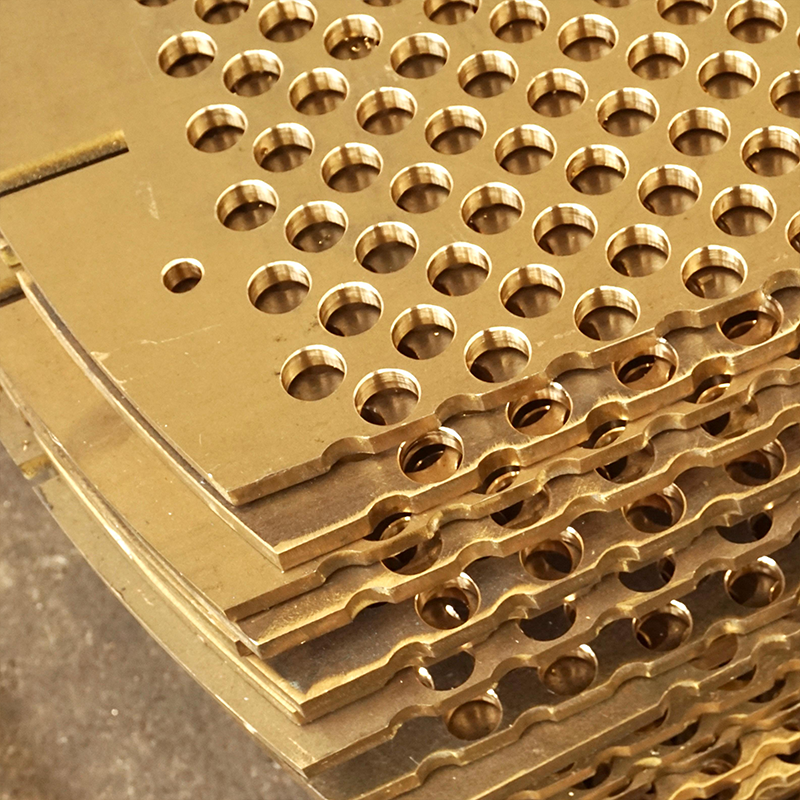
Just as specialized LED lights protect plastics from UV degradation, Wuxi Kaisheng heat exchangers made from C46400 marine brass, copper-nickel alloys or N06625 nickel alloys provide corrosion resistance and heat transfer efficiency in the harshest environments. The use of PED and ASME certified components ensures that no element of the production line - be it a light source or a cooling unit - becomes a weak link. A comprehensive modernization of the workshop, combining advanced lighting systems and reliable heat exchange equipment, allows us to achieve maximum energy efficiency and minimize downtime, which ultimately creates a competitive advantage for the enterprise in the global market.
Practical steps to modernize your workshop
If you are planning to update your lighting system, follow the following algorithm to avoid unnecessary expenses:
- Conduct an audit of the current state.Don't take the designers' word for it. Order an independent light meter measurement and ripple test. You will be surprised how much the real indicators differ from the passport data of old lamps.
- Identify critical control areas.Highlight the places where defects are found most often. This is where you need to use the most expensive and high-quality lamps with maximum CRI. You can save money in walk-through areas.
- Request test samples.Before bulk purchasing, install 2-3 different models of lamps on the same line. Work with them for a week. Ask the operators' opinion: is it comfortable for the eyes? Are defects more visible? Only a practical test will give the final answer.
- Calculate your total cost of ownership (TCO).Compare not the purchase price, but the amount of costs for 5 years: equipment price + electricity + replacement of lamps + maintenance. LED almost always outperforms older technologies in this regard.
- Provide a control system.Include the possibility of dimming (brightness adjustment) and zone switching. This will allow you to flexibly adjust the light to different tasks and save resources on night shifts or weekends.
Remember thatlighting for plastic sheet production workshopsis a quality improvement tool as important as an extruder or calibrator. Good light helps you see problems before they become losses.
Frequently Asked Questions
What color temperature light is best for plastic production?
The optimal choice is neutral white light with a color temperature of 4000K. It is closest to natural daylight and provides the best color rendition without distortion of shades. Cold light (6000K) can tire the eyes and give plastic an unnatural blue tint, while warm light (3000K) can hide defects and distort yellow tones.
How often should light fixtures be cleaned in an extrusion shop?
In dusty conditions with polymer dust, it is recommended to clean lamps at least once every 3 months. Dust significantly reduces the luminous flux (up to 30-40% over six months) and can cause overheating of the case. The cleaning schedule should be specified in the facility's maintenance schedule.
Can regular office LED panels be used in the workshop?
No, this is a grave mistake. Office panels have a degree of protection IP20, are not resistant to vibrations and temperature changes, and their spectrum is not optimized for industrial control. In the workshop they will quickly fail due to dust and will not provide the required quality of light. Use only specialized IP65 industrial luminaires.
Does light affect the cooling rate of a plastic sheet?
The direct impact is minimal if modern LED lamps are used, which practically do not emit heat in the infrared spectrum. However, old lamps (incandescent, MGL) can create local heating zones that disrupt the uniform cooling of the sheet, which leads to warping. Therefore, switching to LED solves this problem too.
Properly organized lighting is the foundation of high-quality production. Don't let poor lighting hide defects in your products. The introduction of modern lighting standards in workshops for the production of plastic sheets pays off due to a reduction in defects and an increase in productivity in the first year of operation.
To receive a detailed calculation of a lighting project for your tasks and select equipment with the necessary certificates, contact our engineers. We will help you choose a solution that is ideal for your type of plastic and workshop configuration.Contact us todayfor consultation.