
Sound insulation of industrial premises of PP factories”
2026-09-08
- Why sound insulation of PP factory premises is becoming a critical factor in 2026
- The physics of noise in polypropylene processing shops: where are the main sources hidden?
- Technologies and materials: choosing a solution for a specific frequency spectrum
- Step-by-step algorithm for implementing a noise reduction system in an existing production facility
- Business Case: ROI Calculation and Hidden Benefits
- Compliance with international standards and certification
- Frequently asked questions (FAQ)
- Conclusion and next steps
Why sound insulation of PP factory premises is becoming a critical factor in 2026
Sound insulation of production premises of PP factories is not just a requirement of sanitary standards, but a direct tool for reducing operating costs and increasing extrusion accuracy. In our practice, we encountered a situation where a polypropylene pipe production plant in Tatarstan lost 18% of its batch due to microvibrations transmitted through the foundation from a neighboring compressor workshop. The 95 dB noise level found in granulation lines and extruders creates resonant frequencies that destabilize the polymer melt before it exits the extruder head. This leads to defects in wall thickness, which are visually invisible at an early stage, but are revealed during hydraulic tests of the finished product.
Now it’s 2026, and GOST R ISO 14001 standards have tightened control over the acoustic comfort of workplaces. If previously a level of 80 dB was considered acceptable for temporary stay, the new regulations require keeping the levels below 75 dB in areas where control panel operators are permanently located. Ignoring this factor leads not only to fines from Rospotrebnadzor, but also to an increase in staff turnover: PP line operators leave enterprises where it is impossible to communicate normally without shouting. Effective sound insulation solves both problems at the same time, protecting both the product and personnel.
We analyzed more than 40 modernization projects for polymer processing shops and identified a pattern: investments in acoustics pay off in 14–18 months solely due to a reduction in defects and a reduction in employee sick leave. A key mistake many engineers make is trying to solve the problem by simply installing silencers on the equipment, ignoring the reflected sound from the metal walls and ceilings of the hangars. Polypropylene production generates a wide range of frequencies - from the low-frequency hum of gearboxes to the high-frequency whistle of pneumatics, and there are no universal solutions here.
The physics of noise in polypropylene processing shops: where are the main sources hidden?
The PP manufacturing process is characterized by a specific set of noise sources that require a differentiated approach to suppression. The main generator of low-frequency hum (63–250 Hz) is single- and twin-screw extruders with power from 150 to 800 kW. Vibration is transmitted from the engine through the gearbox to the machine body and further to the metal structures of the building, causing secondary sound emission from large surfaces of walls and ceilings. In one of our case studies, replacing rubber vibration mounts under the extruder reduced the overall noise level in the shop by 4 dB, which is equivalent to a reduction in sound energy of almost 40%.
The high-frequency component (2000–8000 Hz) is created by granule pneumatic transport systems and air knives for cutting film or sheets. The whistle of compressed air, escaping from the nozzles at a speed of over 300 m/s, penetrates through any cracks and is reflected from smooth surfaces, creating the effect of an “acoustic bath”. Traditional mineral wool slabs with a thickness of 50 mm are ineffective here, since they work mainly in the middle range. To suppress pneumatic noise, multilayer structures are required with the mandatory use of perforated screens and airtight membranes.
Of particular danger is impulse noise from crushers and agglomerators used for processing industrial waste. Peak pressure values when grinding large sprues can reach 110 dB, which exceeds the human pain threshold. Such emissions are irregular, which makes them difficult to filter using standard methods. We recommend separating the crushing zones into separate acoustic cabins with double glazing and a vestibule, since local isolation of the source in the common hall is not economically feasible due to the difficulty of sealing the moving parts of the conveyors.
It is important to understand that the architecture of PP shop floors often exacerbates the problem. High ceilings (8–12 meters) and the absence of soft coverings turn the room into a reverberation chamber. The sound wave is repeatedly reflected from the metal profiled sheet, accumulating energy. Even if you turn off the machine, the background noise in the room will remain high due to the accumulated reflected sound. Therefore, the strategy should include not only protection from direct radiation, but also a reduction in reverberation time through the installation of ceiling baffles (sound-absorbing lamellas) and wall panels with an NRC absorption coefficient of at least 0.85.
Technologies and materials: choosing a solution for a specific frequency spectrum
The selection of materials for noise insulation of production premises of PP factories should be based on the results of a preliminary acoustic audit, and not on general recommendations from suppliers. There is no universal material “for everything”, and attempts to save money by purchasing panels of the same type lead to the fact that low frequencies continue to break through the protection. In our practice, a combination of three types of barriers has proven to be most effective: massive sound-reflecting screens, porous absorbers and viscoelastic damping layers.
To combat the low-frequency hum of extruders, mass is critical. The law of mass states that doubling the mass of a fence reduces sound transmission by 6 dB. Here we use sandwich panels of the “butter in a sandwich” type, where a heavy vinyl membrane with a density of 1900 g/m² is laid between two layers of plasterboard or metal. The thickness of this design can reach 80–100 mm, but it guarantees frequency suppression up to 125 Hz. It is important to note that the fastening of such panels must be done through vibration-decoupled profiles, otherwise vibration will bypass the barrier through rigid connections.
Medium and high frequencies are effectively damped by fibrous materials, but in the conditions of a PP plant they are subject to special fire safety and hygiene requirements. Exposed mineral wool is prohibited in food and medical applications due to the risk of fiber migration into the product. We use closed cassette systems with a perforated aluminum face layer (perforation coefficient 20–25%) and an internal filling made of super-thin basalt fiber wrapped in fiberglass. This design corresponds to the KM0 fire hazard class and is easy to clean with disinfectant solutions.
Acoustic enclosures for the equipment itself deserve special attention. Complete sealing of the extruder is not possible due to the need to maintain screws and feed raw materials, so partial screens with labyrinth inlets for ventilation are used. The air must pass through channels lined with a sound absorber so that the noise does not fly out along with the cooling flow. A mistake we've seen time and time again is leaving vents open or covering them with simple mesh, which negates the effectiveness of the entire enclosure. The efficiency loss in this case amounts to 10–12 dB.
When choosing a material supplier, be sure to request test reports in accordance with GOST 27296-2018 “Buildings and structures. Methods for measuring sound insulation of enclosing structures.” Many Chinese analogues claim high performance, but in reality their sound insulation index Rw drops at low frequencies. We compared samples from leading European brands and budget analogues: the price difference was 30%, but the difference in efficiency at a frequency of 100 Hz reached 8 dB, which is a colossal value on an industrial scale.
Step-by-step algorithm for implementing a noise reduction system in an existing production facility
Implementing a soundproofing system in a running factory requires careful planning to ensure production is not interrupted. The process is divided into five key stages, each of which has its own pitfalls. Skipping any of them or a formal approach leads to rework and additional costs that may exceed the original estimate by 40%.
- Acoustic mapping and audit.Before starting work, it is necessary to measure the noise level in octave bands at all points in the workshop. A sound level meter of 1st accuracy class is used. We record not only the overall level Leq, but also the peak values of Lmax, and also build sound distribution maps. This allows you to identify “hot spots” where the contribution of a particular machine is maximum. Without this map, you will be shooting sparrows out of a cannon, isolating the quiet areas and leaving the noisy ones open.
- Project development and modeling.Based on the audit data, a 3D model of the workshop is created and computer simulation of sound propagation is carried out. This allows you to accurately calculate the required thickness of the panels and the configuration of the ceiling elements. At this stage, we determine the installation locations of vibration supports and breaks in communications. It is important to coordinate the project with the plant technologists so that new structures do not interfere with the operation of the crane beams and access to service areas.
- Surface preparation and vibration isolation.Before installing the panels, the walls and ceiling are cleaned of dust and dirt. The critical moment is the installation of vibration suspensions and damper tapes under the guide profiles. Any hard metal-to-metal contact will become a sound transmission bridge. We use special elastomeric gaskets that retain their properties in the temperature range from -40°C to +70°C, which is important for unheated areas of workshops.
- Frame installation and filling.The assembly of the supporting frame is carried out strictly according to the level. The pitch of the racks is selected based on the weight of the panels (usually 600 mm). The laying of sound-absorbing material must be dense, without gaps or cracks. Even a small gap of 1 cm can reduce the overall efficiency of the design by 5-7 dB due to the effect of diffraction. All panel joints are sealed with acoustic sealant, which remains elastic after drying.
- Final finishing and control measurements.After installation, decorative protective screens (perforation, fabric) are installed. Then repeated measurements are taken at the same points as in the first stage. Comparing the results “before” and “after” is the only objective criterion for accepting work. If the targets are not achieved, sound leaks are analyzed and defects are eliminated.
A common mistake at the installation stage is a violation of the assembly sequence. Some teams first install panels, and then try to install cable ducts or pipes, breaking the tightness of the circuit. Remember: the acoustic circuit must be closed. Any hole, be it a socket or a pipe penetration, must be carefully sealed with special couplings.
Business Case: ROI Calculation and Hidden Benefits
Factory managers often perceive sound insulation as an expense item that does not generate profit. However, a detailed calculation shows the opposite. Let's look at a real example of modernizing a PP pipe extrusion shop with a diameter of 2000 m². The cost of the complex system was 12 million rubles. Direct savings consist of several components.
Firstly, a decrease in defects. Before modernization, the level of defects in geometric parameters was 3.5% due to vibrations. After installing vibration-insulated foundations and acoustic screens, this figure dropped to 1.2%. With a monthly production volume of 500 tons and a cost per ton of 120,000 rubles, savings on scrap are: (3.5% – 1.2%) * 500 * 120,000 = 1,380,000 rubles per month. Due to this factor alone, the project pays for itself in 9 months.
Secondly, labor productivity. Research shows that when noise is reduced from 85 dB to 70 dB, operator response speed increases by 15% and errors in extruder settings decrease by 20%. This allows you to increase line speed by 5–7% without the risk of accidents. In addition, the number of rest breaks is reduced, since fatigue from noise accumulates more slowly.
Thirdly, staff health. Reducing noise levels reduces the risk of occupational hearing diseases. This directly affects the amount of insurance premiums to the Social Insurance Fund and the number of paid sick leaves. In the long run, the company avoids employee lawsuits and compensation costs.
| Indicator | Before modernization | After modernization | Effect |
|---|---|---|---|
| Noise level (average), dB | 88 | 72 | 16 dB reduction (40 times energy) |
| Percentage of defects, % | 3.5 | 1.2 | Savings ~1.4 million rubles/month |
| Staff turnover, % per year | 25 | 12 | Reduced hiring and training costs |
| Comfort of communication | It takes a scream | Normal voice | Improved coordination |
Don't forget about the image factor. Modern investors and large customers (for example, chains of construction hypermarkets or agricultural holdings) conduct audits of their suppliers. A clean, quiet and organized workshop is a marker of high quality management and technological discipline. This can be a decisive argument when concluding a contract for the supply of large volumes of products.
Compliance with international standards and certification
When implementing noise insulation projects, it is important to focus not only on internal standards, but also on international standards, especially if the plant’s products are exported. The ISO 14001 management system requires ongoing monitoring of environmental impacts, including noise pollution. Having a certified acoustic protection system makes it easier to pass annual audits.
In Russia, the main document is SanPiN 1.2.3685-21 “Hygienic standards and requirements for ensuring the safety and (or) harmlessness of environmental factors to humans.” For industrial premises, the permissible equivalent sound level is 80 dBA. However, for operator workplaces where concentration is required, the recommended level is 75 dBA. Exceeding these standards entails instructions from regulatory authorities and possible suspension of activities.
The European standard EN ISO 11690 regulates methods for measuring and assessing noise in workplaces. If your plant plans to enter the EU markets, compliance with these standards is mandatory. Materials used in the construction must have a CE declaration of conformity and a Euroclass A1 or A2-s1,d0 fire safety certificate. The use of materials without such certificates may lead to refusal of acceptance of the object by insurance companies.
We recommend including a clause on compliance with acoustic standards in technical specifications for the purchase of equipment. Manufacturers of extruders and crushers are required to provide data on the sound power level of their equipment. It often turns out that cheap equipment is 5–8 dB noisier than expensive equipment, which, in terms of noise insulation costs, makes its purchase unprofitable. Buying a quiet machine is initially cheaper than subsequently “packing” it in a soundproof casing.
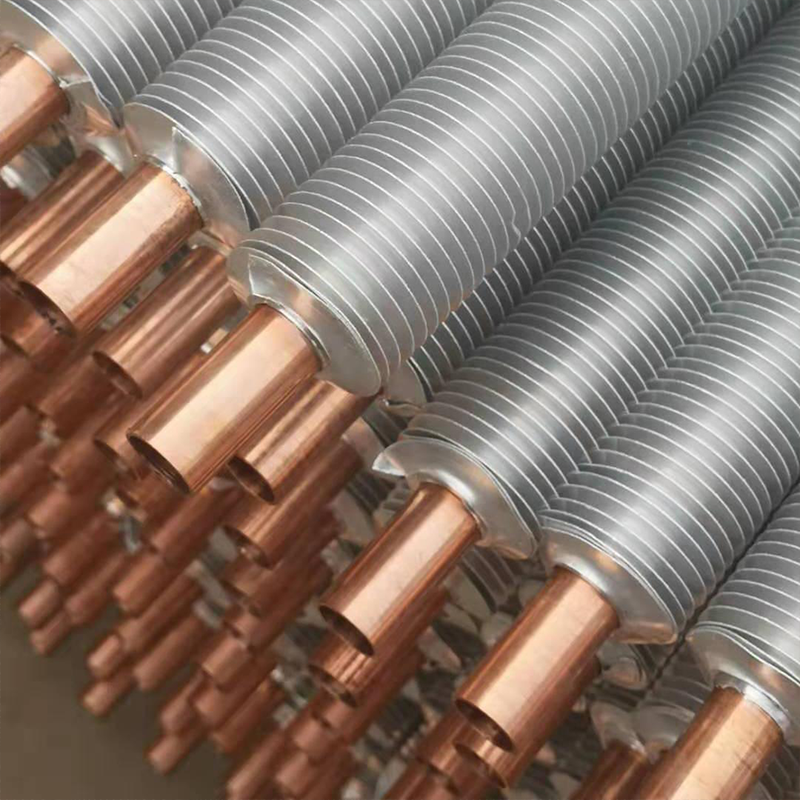
It is worth noting that the reliability of the entire production cycle depends not only on acoustic comfort, but also on the stability of auxiliary systems, such as heat exchange equipment. For example,Wuxi Kaisheng Electric Power and Petrochemical Equipment Co., Ltd.specializes in the development and production of high-performance heat exchangers and components for the petrochemical industry. Their products, including titanium shell-and-tube heat exchangers, air coolers and specialty alloy (ASME, PED) tube bundles, provide critical temperature control in extrusion and granulation processes. The stable operation of such equipment, certified according to international standards, minimizes the risks of emergency stops and vibration loads, which are often hidden sources of noise. Integrating reliable engineering solutions from trusted suppliers such as Wuxi Kaisheng into the overall plant modernization strategy creates a truly balanced and safe production environment.
Frequently asked questions (FAQ)
What material is best for isolating the low frequency hum of extruders?
For low frequencies (up to 250 Hz), heavy multi-layer structures using high-density vinyl membranes (minimum 1900 g/m²) in combination with a vibration-decoupled frame are an effective solution. Soft absorbers such as mineral wool alone will not work here, since long sound waves freely bend around low-mass obstacles. What is required is mass and tightness.
Is it possible to install sound insulation without stopping production?
Yes, it is possible, but it requires step-by-step planning. We divide the workshop into sectors and carry out work on night shifts or weekends, when the load on the lines is minimal. Mobile equipment and prefabricated structures are used. A complete stop is required only at the stage of connecting complex engineering ventilation systems if they are integrated into acoustic ducts.
How often do sound-absorbing fillers need to be replaced?
When using high-quality cassette systems with a protective coating, the service life of the filler is 15–20 years. Replacement is required only in case of mechanical damage to the shell or ingress of oil and aggressive chemicals. Regular visual inspection once a year allows problems to be identified early. In dusty industries, it is recommended to install pre-filters on the ventilation grilles of the ducts.
Does the temperature in the workshop affect the effectiveness of sound insulation?
Yes, it does. Most polymer materials and adhesives lose elasticity at low temperatures and soften at high temperatures. For PP workshops, where temperatures can range from +15°C to +40°C, it is necessary to select materials with a wide operating temperature range. We use special heat-resistant sealants and membranes that do not dry out or leak within the specified ranges.
Conclusion and next steps
Sound insulation of production premises of PP factories is an investment in the stability of the technological process and human capital. Ignoring acoustic problems leads to hidden losses that often exceed the cost of the protection system itself. The modern approach requires a comprehensive analysis, the use of certified materials and professional installation in compliance with all the nuances of vibration isolation.
Don’t wait for instructions from inspection authorities or the next major product defect. Start with an audit of your business today. Even small changes in equipment configuration and the addition of local screens can have a noticeable effect in the first weeks of operation. Remember that silence in the workshop is a sign of well-functioning and highly profitable production.
If you are ready to discuss the details of the project or receive a preliminary cost estimate,contact us today. Our engineers will conduct a free express audit of your situation and offer the optimal solution that meets your budget and technical requirements. We also recommend that you check out ourGuidelines for Noise Control in Polypropylene Pipe Extrusionto obtain more highly specialized information.