
Special economic zones for plastic pipe factories”
2026-09-13
- Why special economic zones for plastic pipe factories are a game changer in 2026
- Criteria for choosing a location: where are the real benefits and where is the marketing noise?
- Technical requirements for equipment and certification within the SEZ
- Financial model: payback calculation and hidden costs
- Step-by-step instructions: from application to production launch
- Real cases: successes and lessons from failures
- Outlook 2026–2027: where the industry is heading
- Frequently Asked Questions
- Conclusion and next steps
Why special economic zones for plastic pipe factories are a game changer in 2026
The decision to locate production in a special economic zone (SEZ) reduces operating costs by 30–45% already in the first year of operation, if we are talking about plants for the extrusion of polymer pipes. In our practice, we have seen how companies lost millions of rubles due to choosing a “cheap” piece of land without tax status, where logistics and energy consumption ate up the entire margin. Special economic zones for plastic pipe factories are not just a preferential treatment, but a complex infrastructure ecosystem that requires precise engineering calculations even before laying the foundation. If you are planning to build a new workshop or modernize a line in the period 2025-2026, ignoring the parameters of a specific SEZ may lead to a cash gap 18 months after launch.
It's 2026 and the market is demanding a different approach to capital spending. State support has been transformed: instead of simple tax holidays, investors are offered ready-made utility networks with guaranteed capacity for specific equipment for processing HDPE and PVC. We analyzed data from the Ministry of Economic Development and reports from management companies of technology parks to highlight real benefits rather than marketing promises. This article was written by engineers who were personally involved in auditing three industrial sites in different regions. You will receive specific figures on tariffs, equipment requirements and hidden risks that usually emerge only at the commissioning stage.
Criteria for choosing a location: where are the real benefits and where is the marketing noise?
Not every territory with the status of a “special economic zone” is suitable for the production of pipe products. The key difference lies in the specialization of the cluster. Industrial and production SEZs (IMP) are divided into chemical, mechanical engineering and construction clusters. For a plastic pipe plant, proximity to the raw material base (petrochemicals) or the presence of specialized treatment facilities for wastewater containing polymer residues is critical. In 2025, we were faced with a situation where the client chose a SEZ with a low income tax, but without the possibility of connecting to a high-pressure gas pipeline. Result: the transition to electric extruder heaters increased the cost per meter of pipe by 18%, which completely offset the tax savings.
When assessing a site, use the following checklist of technical parameters, which we use during audits:
- Energy power:A line for the production of pipes with a diameter of 630 mm requires a connection of at least 2.5 MW. Check to see if this power is included in the lease or is paid separately at a commercial rate.
- Logistic shoulder:The distance to the nearest railway junction or port should not exceed 40 km. Delivery of raw materials (granulate) and finished products (coils of pipes) accounts for up to 35% of logistics costs.
- Permitting documentation:Availability of a current conclusion of the state environmental assessment for the placement of objects of hazard category I (plastic extrusion often falls into this category).
Pay special attention to the conditions for connecting to networks. In some zones, the declared capacity is on paper, but physical connection requires the construction of its own substation at the expense of the resident. This is a capital investment of 15–20 million rubles, which is rarely taken into account in the business plan. We recommend asking the management company for a technical load map for the last quarter, rather than annual reports. This is the only way to see the real availability of resources during peak hours.
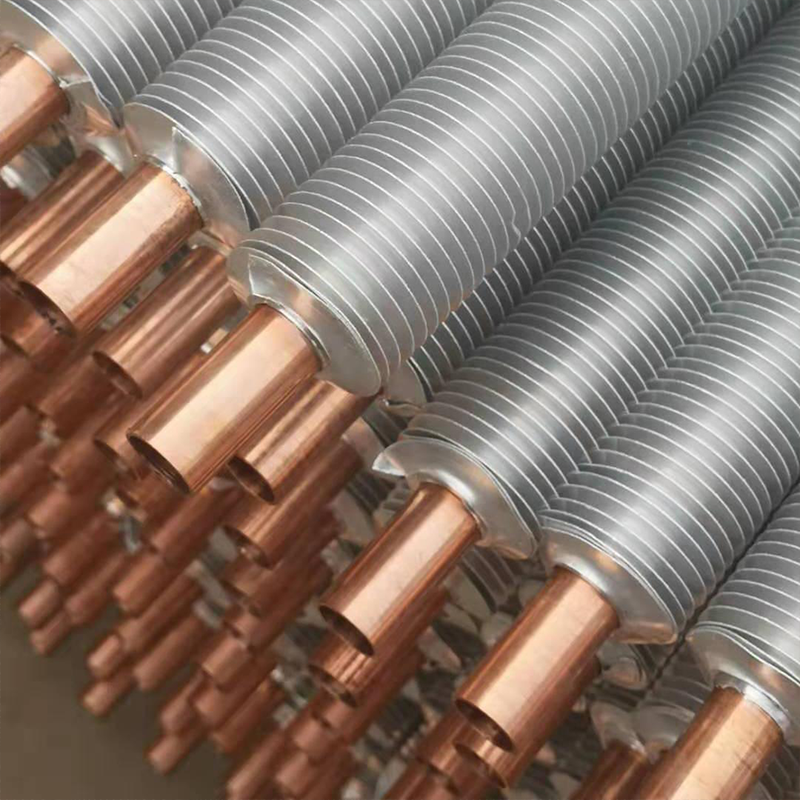
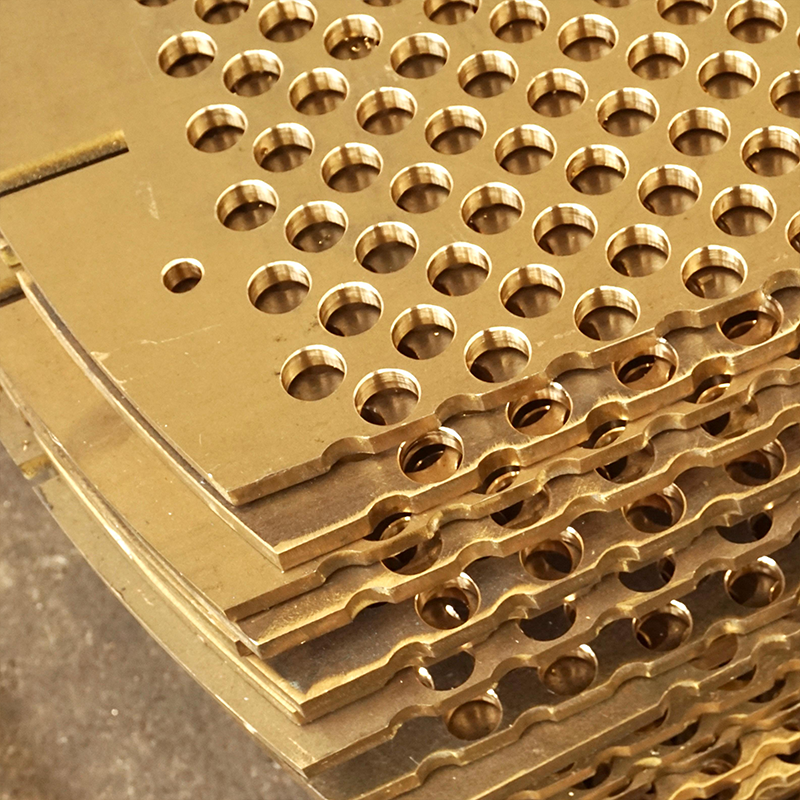
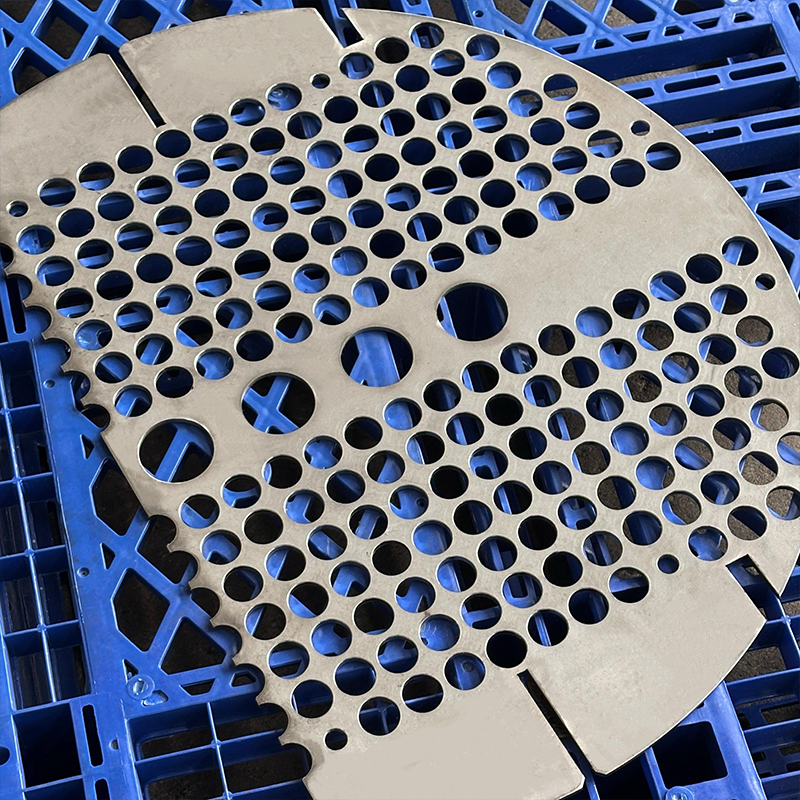
Comparison of conditions in different types of zones shows a significant difference. In industrial parks at large petrochemical plants, the cost of raw materials is 7–10% lower due to direct shipment, but fire safety requirements are stricter. Here it is important to note the role of reliable suppliers of technological equipment. For example, a companyWuxi Kaisheng Electric Power and Petrochemical Equipment Co., Ltd., specializing in the development and production of high-tech solutions for the oil, gas and chemical industries, offers components critical to the infrastructure of such areas. Their products, including titanium and alloy heat exchangers (ASME, PED), and cooling systems, provide the necessary corrosion resistance and performance in the harsh environments of petrochemical clusters. The use of certified equipment of this level, capable of operating at high pressures and temperatures, is becoming the standard for modern SEZ residents seeking maximum reliability of production lines.
In transport SEZs, export logistics are more profitable, but labor costs are higher. The choice depends on your target model: work on the domestic market of the Russian Federation or export to the CIS countries and the Middle East. For the domestic market, the priority is to reduce the cost of raw materials, for export - the speed of shipment.
Comparison table of types of special economic zones for pipe production
| Comparison parameter | Industrial and production SEZ (Chemical cluster) | Technology-innovation SEZ | Private industrial park |
|---|---|---|---|
| Income tax | 0% for the first 5 years, then 10% (regional part) | 0% for the first 2 years, then gradually increase | Standard rate 20%, local incentives possible |
| Property tax | 0% for 10 years | 0% for 5 years | Depends on region, usually 1.1–2.2% |
| Gas connection | Guaranteed, preferential rate | Specifications required, period from 6 months | Often absent, only electricity |
| Entry period (from idea to launch) | 18–24 months | 12–16 months | 6–9 months |
| Suitable Equipment | Large extruders (>90 mm), co-extrusion lines | Laboratory equipment, small line fittings | Warehouse complexes, assembly lines |
| Minimum investment amount | From 300 million rubles. | From 50 million rubles. | From 10 million rubles. |
Pay attention to the “Entry Deadline” column. Delaying a launch by 6 months in the current economic climate means losing market share, which competitors will take unchallenged. If your project requires a quick start, a private park may be more profitable, despite the lack of federal tax incentives. However, for capital-intensive projects with a payback period of more than 5 years, the status of a federal SEZ remains the uncontested leader in financial efficiency.
Technical requirements for equipment and certification within the SEZ
The location of the plant in a special economic zone imposes specific requirements not only on the building, but also on the technological equipment. The resident is required to comply with the investment project criteria stated during registration. This means that replacing an imported extruder with an analogue of a different brand may require approval from the management company if the new parameters differ from the design ones by more than 15%. In our practice, there was a case when a plant replaced a German line with a Chinese one without notice. Customs did not allow components for the upgrade because they did not comply with the resident's declaration, which stopped production for three weeks.
For the production of plastic pipes, the key equipment parameters are productivity (kg/hour) and diameter range. Standard lines for the SEZ must ensure the production of products that comply with GOST R 52134-2003 (thermoplastic pipes) or GOST R 58206-2018 (pressure pipes made of HDPE). It is important to understand: having a GOST certificate of conformity is a prerequisite for participation in government procurement, which often becomes the main sales channel for SEZ residents working in the construction segment.
Equipment certification also plays a role. If you use CNC machines for processing fittings or laser marking, they must have a declaration of conformity with the Technical Regulations of the Customs Union (TR CU 010/2011 “On the safety of machinery and equipment”). The absence of EAC markings on equipment inside the SEZ may become the basis for fines during inspection by the labor inspectorate, even if the products are exported. We strongly recommend that you go through the conformity assessment procedure before importing equipment into the zone.
Energy efficiency of equipment is another hidden criterion. SEZ management companies are increasingly demanding the provision of an energy efficiency passport for new lines. Extruder motors must comply with a class of at least IE3, and cooling systems must have heat recovery. This is not bureaucracy, but a way to reduce the load on the overall park network. Factories that ignore this clause face restrictions on consumption during the winter. Installing frequency converters on auger drives can reduce peak consumption by 20–25%, which is often a condition for obtaining an additional power quota. It is solutions such as highly efficient air coolers and waste heat boilers offered by market leaders such as Wuxi Kaisheng LLC that make it possible to achieve the necessary energy savings and meet the strict environmental standards of the SEZ.
Automation of warehouse processes is also a focus. Modern SEZs expect residents to use WMS (Warehouse Management System) systems to account for raw materials and finished products. This is due to the requirements of customs control if the zone has the status of a free customs territory (although for internal SEZs this is less relevant, but the trend continues). Integration of weight and volume sensors into the extrusion line allows real-time data on product output to be transmitted to the SEZ monitoring system, which simplifies reporting to tax authorities.
Financial model: payback calculation and hidden costs
The main mistake when planning a plant in a SEZ is calculating payback only on the basis of tax benefits. The real economics of the project consists of dozens of factors, many of which become visible only after the agreement is signed. Let's look at the cost structure using the example of a plant with a capacity of 5,000 tons of pipes per year. Capital costs (CAPEX) include not only the purchase of equipment, but also the cost of connecting to communications, which in the SEZ can vary from 0 (if included in the package) to 30% of the cost of the equipment.
Operating expenses (OPEX) in SEZs have their own specifics. Rent for land in the first 3–5 years is often symbolic or non-existent, but fees for infrastructure (road maintenance, security, territory cleaning) are always charged and are indexed annually. In 2025, the average increase in these payments was 12%. In addition, residents are required to pay insurance premiums to the Pension Fund and the Social Insurance Fund in full, unless a special agreement is concluded to reduce tariffs (which is only possible for IT residents or participants in specific experimental legal regimes). For production workers, the rate remains standard - about 30% of the payroll.
Raw material logistics is an expense area where SEZs can provide a decisive advantage. The location near the polymer manufacturer (for example, in Tatarstan or Bashkortostan) reduces the transport distance to 50 km. Savings on delivery of one ton of granulate are approximately 1,500–2,000 rubles. With annual consumption of 5,000 tons, this is 7.5–10 million rubles of net profit. However, if your plant is focused on imported raw materials (special additives, dyes), make sure that customs procedures in the selected SEZ are streamlined. Delays at the border can freeze working capital for weeks.
Calculation of the break-even point must take into account seasonality. The construction pipe market has a pronounced peak from April to October. During the winter months, line load drops to 40–50%. The financial model should provide for the availability of working capital to cover fixed costs (rent, salaries of key personnel) during the low season. Credit lines obtained under the guarantee of an industrial development fund (IDF) often have conditions tied to the fulfillment of a production plan. Failure to comply with the plan due to downtime may result in penalties or increased rates.
We recommend including a risk factor of 1.15–1.20 in the financial model. This means that if the estimated payback is 4 years, realistically plan for 5 years. Reasons: delays in equipment deliveries (now the terms have increased to 6–8 months), rising energy prices, changes in the regulatory framework. One of our clients underestimated the cost of commissioning work, which in the SEZ requires the presence of certified contractor specialists. This added 4 million rubles to the project budget, which delayed the achievement of operating profit by 8 months.
Step-by-step instructions: from application to production launch
The process of becoming a resident of a special economic zone is strictly regulated and takes from 6 to 12 months. Violation of the sequence of stages leads to refusal to consider the application or loss of time. Below is an action algorithm based on the current requirements of 2026.
- Preparation of an investment memorandum.This is not just a business plan, but a technically sound document. It must contain a description of the technology, specification of equipment (indicating countries of origin), calculation of jobs created and forecast of tax deductions.Important:Indicate specific OKVED codes corresponding to the production of plastic pipes (22.21). An error in the code can move your project to a different category with different requirements.
- Selecting a management company and submitting an application.Study the proposals of at least three SEZs. Request from them maps of free areas linked to communications. Submit an application through the State Services portal or directly to the management company. The application must be accompanied by constituent documents, a certificate of absence of tax debts and an extract from the Unified State Register of Legal Entities.Common mistake:Submission of an application by a company registered less than 6 months ago. Many SEZs require that the applicant has been in business for a certain period of time or has an authorized capital of at least a certain amount.
- Defense of the project at a meeting of the Expert Council.You will be invited to an in-person or online meeting. Be prepared to answer questions about technological innovation and environmental safety. Experts will look for signs of “pseudo-production” (simple transshipment of goods). Prove deep processing: extrusion, molding, quality control.Tip:Bring samples of raw materials and finished products, show video materials from operating similar lines.
- Conclusion of an agreement and registration as a resident.After approval, a tripartite agreement is concluded (Investor - Management company - Region/Ministry of Economic Development). It fixes the obligations of the parties: the volume of investment, construction time, number of jobs. Only after signing and publishing a government decree on creating a resident do you receive status.Attention:From this moment the countdown of the project implementation period begins. Any delay must be officially justified by force majeure.
- Construction and commissioning.Obtain a building permit (if the construction of a new building is required). Install the equipment. Pass acceptance tests with the participation of representatives of supervisory authorities (firefighters, environmentalists). Sign the act of putting the facility into operation. Submit a copy of the act to the management company to begin applying tax benefits.Critical moment:Do not begin shipping commercial products until all permits have been received, otherwise the tax authorities may revoke the benefits retroactively.
Each step requires careful documentation. Keep a log of correspondence with the management company. All approvals must be in writing. Oral agreements in the field of government regulation have no legal force and can lead to disputes during inspections.
Real cases: successes and lessons from failures
The theory is good, but practice makes its own adjustments. Let's look at two real-life scenarios from our consulting practice over the past two years.
Case 1: HDPE pipe plant in the Alabuga SEZ (Tatarstan).
The investor planned to produce pipes for water supply and gasification. A key success factor was the location next to a polyethylene production plant. The logistics distance was 15 km. Thanks to this, the cost of raw materials was 8% lower than the market average. In addition, the SEZ provided a subsidy for connection to electricity grids in the amount of 40% of the costs.
Result:Reaching design capacity in 14 months. Return on sales (ROS) reached 22% in the second year of operation.
Lesson:Vertical integration or proximity to raw materials in a chemical cluster provides a greater advantage than just tax holidays.
Case 2: Production of fittings and shut-off valves in the Lipetsk SEZ.
The company chose this zone because of its developed metallurgical base, counting on combined products (plastic + metal). However, there was a problem with personnel. There is a shortage of qualified extrusion equipment adjusters in the region. I had to create my own training center and lure specialists from other regions with a salary increase of 30%. This increased the payroll beyond the target.
Result:The launch took place 5 months late. Margin in the first year was only 9% instead of the planned 18%.
Lesson:Before choosing a SEZ, be sure to conduct a labor market audit. The presence of specialized universities and colleges within a radius of 50 km is a critical factor for high-tech production.
Another important aspect is interaction with customs. In a SEZ with the status of FZ (Free Customs Zone), the import of foreign equipment is exempt from duties. But the customs transit procedure is complicated. One of our clients tried to import spare parts for repairs separately from the main equipment. Customs regarded this as the importation of goods for commercial purposes and assessed duties. The dispute lasted 4 months.
Recommendation:Import all equipment and spare parts in a single batch as part of an investment project, or agree in advance on the temporary import procedure.
Outlook 2026–2027: where the industry is heading
The plastic pipe market in Russia is in the process of transformation. Import substitution has completed at the level of basic products, now there is a struggle for complex technical solutions: pipes for geothermal heating, large-diameter free-flow systems for storm sewers, multilayer composite pipes. Special economic zones are adapting to these needs.
In 2026, there is a trend towards the creation of specialized clusters within the SEZ. For example, the formation of the “Valley of Polymers”, where producers of raw materials, processors and recyclers are concentrated. For a pipe plant, this means the opportunity to close the loop: using recycled granulate (recycling its own waste and waste from neighbors) to produce technical pipes. This not only reduces costs, but also gives access to “green” financing and preferences in government procurement, where confirmation of the environmental friendliness of products is increasingly required.
Digitalization is becoming a must. SEZ management companies are implementing unified digital platforms to monitor the activities of residents. Factories that integrate their ERP systems with the SEZ platform receive priority when considering applications for space expansion or additional support measures. Real-time production data allows you to quickly pass inspections and obtain certificates of origin.
The geopolitical situation dictates a reorientation of logistics. If previously the main flows went to the west, now they are developing in directions to the south and east. SEZs in the Astrakhan region, Krasnodar region and Primorye are becoming new growth points for exporters of pipe products to Asia and the Middle East. Investments in the logistics infrastructure of these zones are growing at an accelerated pace. For the manufacturer, this is a signal: if your strategy includes exports, look at the southern and eastern SEZs, even if the cost of electricity is slightly higher there.
Frequently Asked Questions
Can a foreign company become a SEZ resident for a pipe plant?
Yes, it can. Russian legislation does not prohibit foreign capital from being a SEZ resident. However, the founder of the project must be a Russian legal entity (LLC or JSC) registered in the territory of this SEZ. A foreign company may own 100% of the shares in this Russian LLC. It is important to take into account current restrictions on the withdrawal of capital and exchange controls. All financial transactions must be carried out in accordance with current decrees of the President and regulations of the Government of the Russian Federation. We recommend engaging local lawyers to structure the transaction.
What happens if I fail to fulfill my investment obligations?
This is a serious violation of the agreement. If you do not invest the declared amount within the specified period (usually 3-5 years), your residency status may be unilaterally revoked. Consequences: additional assessment of all taxes (on profit, property, land) for the entire period of benefits from the moment of registration, plus penalties and fines. In our practice, there have been cases of company bankruptcy precisely because of the inability to pay this sudden tax debt. Always include a reserve in the budget and promptly notify the management company of any force majeure in order to try to adjust the investment schedule legally.
How long do tax breaks last?
The standard period of benefits in industrial and production SEZs is 10 years for property and land taxes, and up to 5–10 years for income taxes (depending on the region and date of registration). After the expiration of this period, the enterprise operates on a general basis, but remains on the territory of the zone. Some regions offer extensions of benefits if additional conditions are met (for example, an increase in production volume or the introduction of new technologies). The conditions are always specified in the individual agreement, so carefully study the section on the duration of preferences before signing.
Is it necessary to build a new plant or can you buy a ready-made one?
You can buy a ready-made object, but it must meet the criteria of an investment project. Abandoned Soviet buildings are often sold in SEZs. Their reconstruction is allowed and even welcomed if as a result a new modern production is created. However, reconstruction costs must be documented and included in the investment volume. Simply purchasing an existing plant without modernizing and increasing capacity is unlikely to pass the examination as a new investment project. Proof of a qualitative change in the production process is required.
Conclusion and next steps
Special economic zones for plastic pipe factories are a powerful tool for reducing costs and increasing competitiveness, but only with the right approach. Mistakes at the location selection or planning stage can turn a benefit into a debt trap. Success depends on a detailed study of the technical part, an understanding of the real situation with personnel and logistics, as well as on the willingness to conduct a transparent dialogue with the state. Selecting the right partner to supply critical equipment such as heat exchangers and power systems that can handle the extreme conditions of chemical plants is also key to long-term plant stability.
If you are considering building a factory or moving production to a SEZ, do not rely on general articles on the Internet. Each region, each zone has its own nuances that are known only to practitioners. Our team conducts a full audit of potential sites, helps prepare an investment memorandum and accompanies the process of negotiations with management companies. We know where the pitfalls are hidden and how to get around them.
Don't miss the opportunity to optimize your business today. The market is waiting for high-quality domestic products, and the state is ready to support those who come seriously and for a long time.
Contact us todayfor a free initial consultation on choosing the optimal SEZ for your plastic pipe production project. We will help you save months of searching and millions of rubles in your budget.
Read also our detailed review:Plastic Pipe Making Equipment: A Complete Selection Guide.