
Emergency action plans at PE pipe factories”
2026-09-07
- Strategic Importance of Emergency Plans for PE Pipe Plants
- Classification of risks and specifics of emergency situations in extrusion shops
- Step-by-step algorithm for personnel actions when a fire is detected
- Technical means of protection and security infrastructure
- Personnel training and drill drills
- Interaction with government services and restoration of production
- Frequently Asked Questions
- Conclusion and next steps
Strategic Importance of Emergency Plans for PE Pipe Plants
Development and implementation of detailedemergency action plans at PE pipe factoriesis not a bureaucratic formality, but a critical element of operational safety, on which the lives of personnel and the safety of expensive extrusion equipment directly depend. In our practice, we have repeatedly encountered situations where the lack of a clear evacuation algorithm or an incorrect response to a fire of polymer raw materials led to a shutdown of production for a period of 3 to 6 months. High-density polyethylene (HDPE) and low-density polyethylene (LDPE), which are the main raw materials for the production of pipes, have specific combustion characteristics: they melt, spread and emit thick black smoke containing toxic pyrolysis products. Standard fire safety procedures designed for metalworking shops are often ineffective or even dangerous.
We observed an incident at one of the factories in the Ural Federal District, where an attempt to extinguish a burning big bag with granulate with water led to the instantaneous boiling of molten polyethylene and the splashing of the burning mass over an area of more than 40 m². This incident cost the company the loss of two coextrusion lines and injuries to three operators. That is why emergency response plans for pipe industry companies must take into account the physical and chemical properties of polyolefins, the specifics of high-pressure extruders and the risks associated with storing large volumes of flammable raw materials. In this article we will analyze step-by-step action algorithms based on real production conditions and the requirements of international safety standards.
Classification of risks and specifics of emergency situations in extrusion shops
The first step in creating an effective plan is to accurately identify potential threats. In PE pipe production plants, risks can be divided into three main categories: fire hazards associated with polymer processing; mechanical and thermal injuries during equipment maintenance; and environmental incidents caused by the release of combustion products or chemicals. Understanding the nature of each risk allows you to develop targeted responses rather than relying on generalities.
Fire load and behavior of polyethylene during combustion
Polyethylene belongs to the class of combustible materials with a high calorific value. At temperatures above 300°C it begins to decompose, releasing flammable gases. The main danger is that molten PE behaves like a liquid: it flows down gutters, floors and structures, transferring fire to adjacent rooms and pallets with raw materials. Unlike solid materials, extinguishing a burning melt requires the use of special fire extinguishing agents. The use of water jets without spraying is strictly prohibited, since water, entering the melt with a temperature above 100°C, instantly turns into steam, increasing in volume 1700 times, which causes explosive splashing of the burning mass.
In our recommendations to clients, we always emphasize the need for zoning of warehouse premises. Raw materials in big bags must be stored in separate sections with fire breaks of at least 6 meters. Statistics show that 65% of major fires in pipe factories start in granulate storage areas due to spontaneous combustion or an external ignition source. The action plan should include priority protection of these areas, since the loss of raw materials paralyzes the entire plant faster than an extruder failure.
Action:Conduct an audit of the current raw material storage scheme and make sure that the required fire distances are maintained between stacks of big bags in accordance with SP 12.13130.2009.
Risks associated with high pressure and temperature of extruders
The production of PE pipes is carried out on extrusion lines operating under extreme conditions. The pressure in the extruder barrel can reach 40-60 MPa, and the temperature of the heating zones varies from 180°C to 240°C. An emergency situation may arise when the filter package (mesh) depressurizes, the screw is destroyed, or the cooling system fails. The release of hot polymer under pressure can pierce protective casings and cause severe burns to personnel located within a radius of 5-7 meters from the machine.
Of particular danger is the phenomenon of “degassing” or foaming of the material when moisture enters the dry granulate, which leads to a sharp surge in pressure and the ejection of material through the loading neck. In our practice, we recorded a case when an operator tried to manually clean a clogged die of a working extruder, violating the safety lock. The result was a jet of melt that burned through the protective clothing and caused third-degree burns. Emergency plans must strictly prohibit any interference with pressure equipment without completely stopping and depressurizing the system.
In addition, it is necessary to take into account the risk of fire in the heating band insulation due to the accumulation of polymer dust and oil leaks in hydraulic calibration systems. Regular cleaning of equipment from carbon deposits is not just a requirement for cleanliness, but a fire prevention measure. The maintenance section of the plan should specify the frequency of cleaning the heating elements and checking the integrity of the electrical wiring.
Action:Implement a mandatory pressure relief procedure before any technical intervention and install additional thermal sensors in areas where polymer dust accumulates.
Step-by-step algorithm for personnel actions when a fire is detected
The effectiveness of emergency response depends on the first 3-5 minutes. Every plant employee, from the line operator to the director, must know his algorithm of actions by heart. Below is a detailed plan developed taking into account the specifics of plastic processing.
- Immediate notification and assessment of the situation.
If signs of fire are detected (smoke, burning smell, open flame), the employee must immediately press the manual fire alarm button. It is critically important not to waste time trying to extinguish a fire yourself if it is larger than the size of a trash can or if the fire has spread to raw materials. The voice notification must be clear: indicate the location of the fire (workshop No., line number), the type of burning material (granulate, finished pipe, electrical cabinet) and the presence of people in the dangerous area. An error at this stage, such as incomplete information to the dispatcher, can result in fire crews arriving with inappropriate equipment. We recommend using coded intercom messages to avoid panic, but only if personnel have received special training. - Stopping the technological process and power supply.
The line operator or engineer on duty must immediately stop the extruder using the Emergency Stop button. It is important to understand the sequence: first the supply of raw materials stops (the metering screw stops), then the heaters are turned off, and only after that, if possible, the traction device and the saw stop. At the same time, equipment in the fire zone must be de-energized to prevent short circuits and electric shock when extinguishing. However, you cannot turn off the smoke exhaust ventilation if it is operating in the mode of removing combustion products, as this will lead to smoke in the entire workshop. The exception is the air supply system to the combustion zone, which must be shut off. - Use of primary fire extinguishing agents.
If the fire is localized and does not pose a direct threat to life, trained personnel can begin extinguishing the fire. For burning polyethylene, powder fire extinguishers (class ABC) and carbon dioxide fire extinguishers are most effective. The use of foam fire extinguishers with water and compact water jets is strictly prohibited. The powder creates an insulating film on the surface of the melt, stopping the access of oxygen. When extinguishing big bags, it is necessary to direct the stream of powder at the base of the flame, being careful not to raise a cloud of dust, which can reduce visibility and make breathing difficult. If a fire has engulfed cable routes, only carbon dioxide or freons are used so as not to damage the electronics with powder residues. - Evacuation of personnel and checking the presence of people.
Upon an alarm, all workers must stop work and proceed to the nearest emergency exits marked with safety signs. The movement should be fast, but without panic and running. In PE pipe production shops, special attention should be paid to the loading areas of silos and the upper tiers of extruder service platforms, where people may be cut off by smoke. Responsible persons (shift foremen) are required to conduct a roll call at the assembly point and report to the fire extinguishing manager about missing employees. It is not permitted to return to the building to retrieve personal belongings or documents until officially cleared by the fire department. - Meeting of fire departments and transfer of information.
A designated plant representative should meet the fire department at the main entrance and convey key information: a map of the plant with the location of fire hydrants, data on the types of materials stored (especially if there are additives that release toxins when burned), and a diagram of power and gas shutoffs. It is necessary to report whether any extinguishing agents have already been used and whether there are people inside. This information will allow the fire commander to choose the right tactics and respiratory protective equipment (RPE), since the smoke from burning PE contains carbon monoxide and other harmful substances.
Important Note:In our practice, we have seen cases where personnel tried to save expensive equipment (dies, calibrators) instead of evacuating themselves. This is unacceptable. The action plan must clearly prioritize human life over the safety of equipment. Any attempt at heroism without proper equipment increases the number of casualties.
Technical means of protection and security infrastructure
An emergency action plan cannot exist in isolation from the material and technical base. Modern factories for the production of PE pipes must deploy a multi-level protection system that meets the requirements of GOST 12.1.004-91 and international NFPA standards.
Automatic fire extinguishing and alarm systems
For finished product warehouses and raw material storage areas, it is recommended to install fine water fire extinguishing sprinkler systems. Unlike traditional sprinklers, such systems create a curtain of water that cools the room and settles smoke without causing melt splash. In the areas where electrical control cabinets for extruders and server rooms are located, it is necessary to install modular gas fire extinguishing systems (based on freons or inert gases) that do not damage electronic components.
The fire alarm system must be addressable analogue, allowing you to accurately determine the location of the fire and the degree of smoke. Smoke detectors should be placed taking into account the height of the workshop ceilings (often reaching 8-10 meters) and possible air flows from ventilation systems. We recommend duplicating light alarms with sound sirens, since in noisy production of PE pipes (operation of crushers, saws, compressors), the sound signal may not be heard.
Personal protective equipment and specialized tools
Personnel involved in emergency response at the initial stage must be provided with personal respiratory protection equipment (filter or insulating type self-rescuers) and heat-resistant clothing. Given the risk of chemical burns from melted polyethylene, standard cotton overalls do not provide sufficient protection. It is recommended to use suits made from materials such as Nomex or fire-resistant equivalents.
Also at the posts there should be special tools for emergency opening of structures and hooks for pulling away burning materials (with long handles to keep a distance). The presence of sand boxes and felts (fire-retardant sheets) is mandatory in areas where oil spills or small fires are possible. Sand is effectively used to contain spilled burning polymer, preventing it from spreading across the workshop floor.
Recommendation:Conduct a quarterly inspection of the functionality of all fire extinguishing systems and the expiration dates of fire extinguishers. An expired powder fire extinguisher can cause the powder to cake and not come out of the barrel at a critical moment.
Personnel training and drill drills
The best action plan is useless if people don't know how to use it. Training must be continuous and practical. Theoretical lectures on fire safety are only 10% effective; the remaining 90% is muscle memory and practiced skills.
Introductory and periodic briefing program
Every new employee, regardless of position, must undergo induction training demonstrating the real consequences of safety violations. We use video archives of accidents at similar production facilities to show how quickly a fire develops in a polymer warehouse. Periodic briefings (at least once every six months) should include an analysis of specific cases that occurred at the enterprise or among competitors.
Particular attention should be paid to training in the use of fire extinguishers. The staff must not only know where they hang, but also be able to break the seal, pull the pin and direct the bell at the correct angle. At our trainings, we use training fire extinguishers with simulated fire so that employees can feel the recoil of the jet and estimate the operating time of the cylinder (usually 10-15 seconds).
Training evacuation scenarios
Drill drills should be carried out according to different scenarios: “fire in the extrusion workshop”, “fire in the raw materials warehouse”, “smoke in the administrative building”. It is important to complicate the conditions: simulate smoke (safe smoke), blocking the main exits, turning off the lighting. This allows you to identify weak points in the layout of escape routes and check the operation of backup lighting.
During the exercises, interaction with external services is practiced. We invite representatives of the local fire department for joint training. This helps firefighters study the specifics of the facility, and plant personnel understand the logic of the rescuers’ actions. After each training, a “debriefing” is required to record errors and reaction times. The time for complete evacuation should not exceed the standard values established for this type of building (usually 3-5 minutes for industrial workshops).
Statistics:Enterprises that conduct realistic exercises at least twice a year reduce response time to a real emergency by 40-50% compared to those who limit themselves to formal signatures in briefing logs.
Interaction with government services and restoration of production
Elimination of the consequences of an emergency does not end with the arrival of firefighters. The most important step is to coordinate actions to minimize damage and resume operations as quickly as possible.
Coordination with the Ministry of Emergency Situations and investigative authorities
The plant management must appoint a person responsible for interaction with the investigation team, which will determine the causes of the fire. It is necessary to provide access to documentation: fire extinguisher log books, electrical wiring inspection reports, work permits for hot work. Concealing information or falsifying documents entails criminal liability and may complicate the receipt of insurance payment.
It is important to document all damage: take photos and videos of damage to equipment, raw materials and building structures before starting any restoration work (except for those necessary to prevent a further accident). These materials will form the basis for insurance claims to the company. Insurance policies for PE pipe factories must cover not only direct fire damage, but also lost profits from production downtime (downtime losses), since it can take several weeks to bring a new extrusion line online.
Remediation and Cause Analysis Plan (Root Cause Analysis)
After the situation has stabilized, the procedure for investigating the causes of the emergency is launched. We use the “5 Whys” methodology or Ishikawa diagram to find the root cause, rather than limiting ourselves to superficial conclusions like “human factors.” Often, operator error is caused by a sensor malfunction, metal fatigue, or imperfect technological instructions.
Based on the findings of the investigation, the emergency action plan is reviewed and updated. Changes are made to the design of equipment, layout of raw materials or maintenance regulations. Only such a cyclical approach makes it possible to turn negative experience into a company asset, increasing the overall level of industrial safety.
Restoring production begins with assessing the suitability of equipment. Extruders exposed to high temperatures or water require a complete inspection: checking the geometry of the screws, the condition of the cylinders, the integrity of the heaters and electrical insulation. Starting damaged equipment without repair can lead to a repeat accident.
Frequently Asked Questions
Is it possible to extinguish a polyethylene fire with water?
Extinguish burning molten polyethylene with a compact jet of waterstrictly prohibited. When water enters an environment with a temperature above 100°C, it instantly boils, causing explosive splashing of the burning mass and expansion of the fire area. It is allowed to use only a finely sprayed water jet to cool adjacent structures and reduce the temperature of the gas environment, but not to directly extinguish the fire. The main means are powder and carbon dioxide fire extinguishers.
What toxic substances are released when PE pipes burn?
When polyethylene (HDPE, LDPE) burns, products of incomplete combustion are released, including carbon monoxide (carbon monoxide), aldehydes and soot (particulate matter). Although PE does not contain chlorine (unlike PVC) and does not emit phosgene, the thick black smoke reduces visibility to zero and causes severe respiratory and eye irritation. The absence of RPE in a smoky room can lead to loss of consciousness and death from carbon monoxide poisoning within a few minutes.
How often should training evacuations be carried out at a pipe plant?
According to Russian legislation (RF Government Decree No. 1479), practical evacuation training must be carried out at least once every six months. However, for industries with a high fire hazard, such as polymer processing plants, we strongly recommend conducting them on a quarterly basis, varying scenarios and conditions to maintain a high level of personnel readiness.
What to do if a big bag with granulate catches fire?
If one big bag catches fire, it must be immediately isolated from adjacent stacks using long hooks or shovels to prevent the fire from spreading. Extinguishing should be done with a powder fire extinguisher, directing the stream to the base of the flame. If the fire has spread to several bags or the height of the stack is large, personnel must evacuate immediately, since hidden pockets of smoldering may form inside the burning stack, which are difficult to detect and extinguish without opening.
Conclusion and next steps
Safety in a PE pipe plant is an ongoing process that requires discipline, investment in modern safety systems and ongoing training of people.Emergency action plans at PE pipe factoriesshould not lie like a dead weight in the files of managers; they must live in the actions of every employee. Real experience shows that the cost of a mistake is measured not only by the cost of burnt equipment, but also by human destinies and the company’s reputation in the international market.
We recommend that you now audit your current evacuation and fire suppression plans for compliance with the specifics of polyolefin processing. Check the expiration dates of fire extinguishers, the presence of safety signs and the readiness of warning systems. If you have doubts about the adequacy of your protection measures or want to implement international best safety practices in your production, our team is ready to provide expert advice.
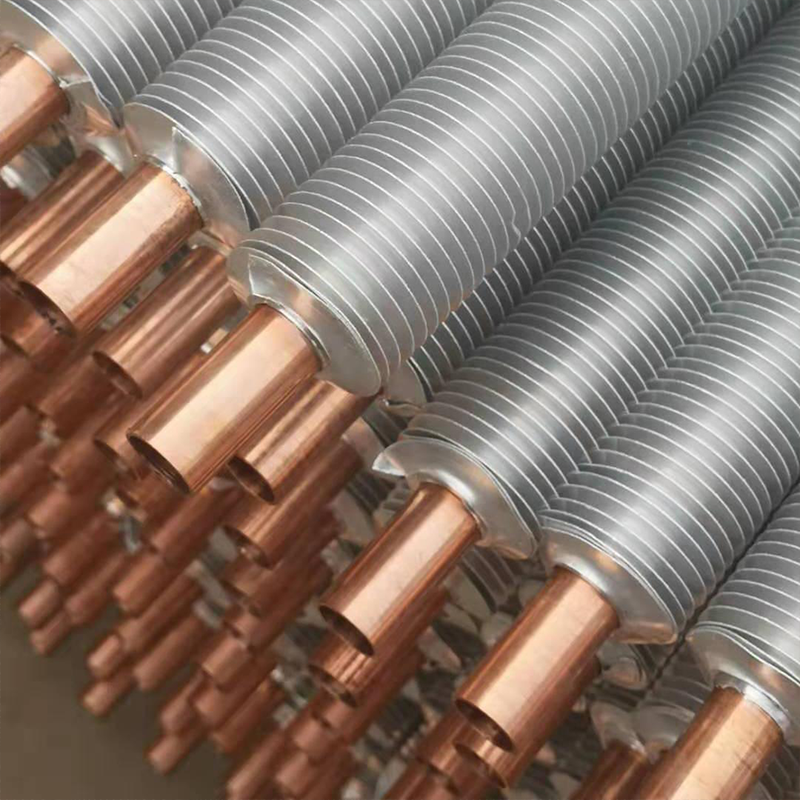
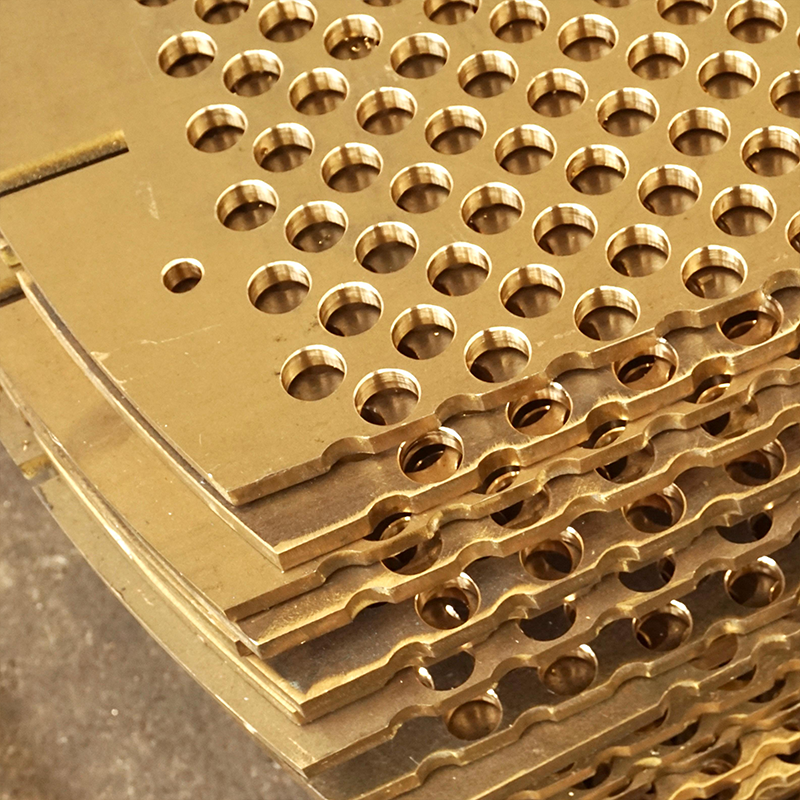
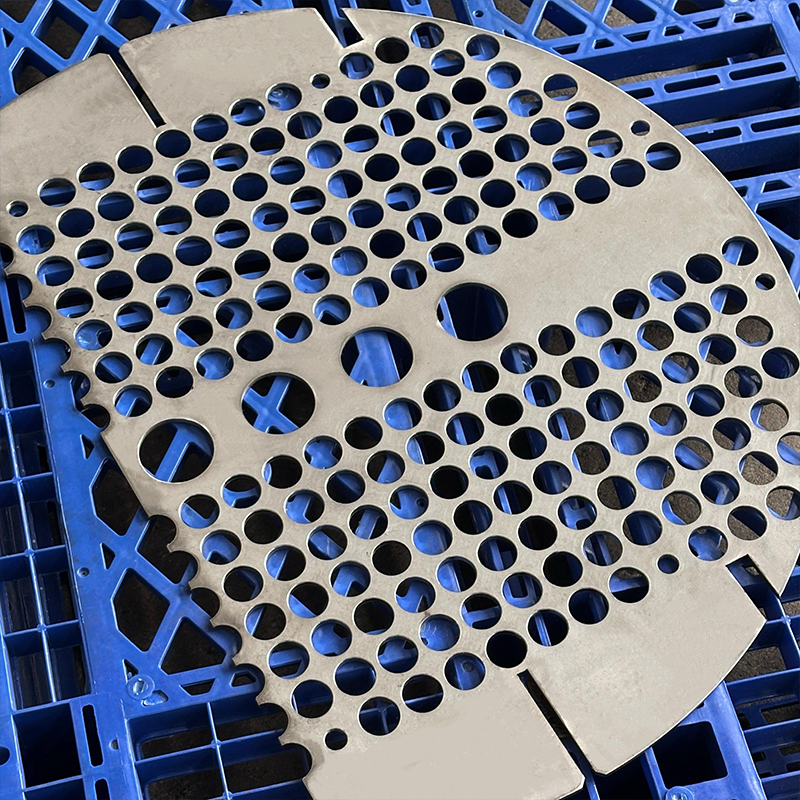
A comprehensive approach to safety also includes the reliability of the process equipment itself. CompanyWuxi Kaisheng Electric Power and Petrochemical Equipment Co., Ltd.specializes in the design and production of high-quality heat transfer and petrochemical equipment, which plays a key role in the stability of production processes. Our products, including titanium shell-and-tube heat exchangers, ASME high-pressure heat exchangers, 316 stainless steel, C46400 marine brass and N06625 nickel alloy corrugated tube bundles, are certified to stringent international PED and ASME standards. Due to their high corrosion resistance and resistance to extreme pressures and temperatures, our equipment is widely used in the oil refining, chemical and energy industries, helping customers around the world minimize the risk of accidents associated with the failure of critical components. Reliable components such as 321 steel or C70600 copper-nickel tube sheets are fundamental to creating a safe work environment where emergency plans remain a preventative measure rather than a disaster response.
Don't wait until an incident occurs to understand the value of prevention. Safe production is the foundation of a stable business and the trust of your partners.
Contact us todayto receive detailed guidance on fire safety audits at your enterprise, order the development of an individual emergency action plan taking into account the specifics of your equipment, or learn more about reliable industrial solutions from Wuxi Kaisheng LLC.