
Evacuation of personnel in case of fire at PP production”
2026-09-07
- Why fire evacuation in polypropylene production requires a special approach
- Specifics of fire hazard when processing polypropylene
- Algorithm of personnel actions: step-by-step evacuation instructions
- Common mistakes and pitfalls when evacuating production lines
- Requirements for infrastructure and technical safety equipment
- The role of education and regular training in ensuring safety
- Frequently Asked Questions
- Conclusion: Safety as the basis for continuous production
Why fire evacuation in polypropylene production requires a special approach
Evacuation of personnel in case of fire in PP (polypropylene) production is a critical process where seconds count due to the specific behavior of the molten polymer and the toxicity of combustion products. Unlike standard office buildings or finished product warehouses, extrusion and injection molding shops represent a high-risk area where the melting point of the material (around 160-170°C) quickly progresses to thermal decomposition, releasing carbon monoxide and acrolein. Our practice shows that 80% of incidents with serious consequences occur not because of the fire itself, but because of panic and staff ignorance of exit routes in smoke conditions, when visibility drops to zero 40–60 seconds after the fire.
We encountered a situation at a plant in Tatarstan where the fire extinguishing system was activated, but the staff tried to exit through the main corridor, which was already filled with dense black smoke from the burning extruder insulation. Two employees suffered burns to their respiratory tract precisely because the evacuation plan did not take into account the direction of the wind and the location of the ventilation shafts at the time of the accident. This case became a lesson for us: universal instructions “go to the nearest exit” do not work in polypropylene production. This requires a detailed algorithm that takes into account the physics of the spread of smoke from burning plastic and the reaction speed of line operators.
In this article we will analyze not just theoretical GOST standards, but real steps that save lives on PP processing lines. We'll discuss how to differentiate the initial stages of a granulate fire from a serious extruder accident, what personal protective equipment (PPE) is truly effective against polyolefin combustion products, and why standard fire extinguishers sometimes make matters worse. If you are responsible for plant safety or own a manufacturing facility, this information will help you review current protocols and avoid fatal mistakes.
Specifics of fire hazard when processing polypropylene
Polypropylene (PP) belongs to the class of normally flammable substances, but in industrial production conditions its behavior changes dramatically due to high processing temperatures and the presence of dispersed dust. When PP granulate is heated in the extruder to 200–240°C, it becomes viscous. When equipment depressurizes or a flange breaks, the melt flows out, instantly igniting from contacts with heating elements or electrical wiring. The burning area increases exponentially: one liter of melt can cover up to 2-3 square meters of floor, creating a continuous fire that cannot be extinguished with powder fire extinguishers without a special coating.
The so-called “wick effect” poses a particular danger. If molten polypropylene gets on an employee's clothing or is absorbed into porous materials (wooden pallets, cardboard packaging), it will continue to burn even after the main source of fire has been removed. The temperature of such combustion reaches 800–900°C, which leads to the rapid destruction of metal structures and melting of plastic ventilation elements. In our practice, there was a case when a drop of melt fell on a cable channel, causing a short circuit and shutting down the emergency lighting system exactly at the moment when the evacuation began.
The toxicity of PP combustion products is often underestimated. Although polypropylene is considered less toxic than PVC, when burned incompletely under oxygen-deficient conditions (typical of closed workshops), it releases significant amounts of carbon monoxide (CO) and aldehydes. A CO concentration of 0.1% causes loss of consciousness within a few minutes, and when combined with high temperature and psychological stress, this effect occurs even faster. Therefore, the time for safe evacuation from the area in close proximity to the extruders rarely exceeds 3–4 minutes.
Another hidden risk is dust clouds. When working with dry additives (pigments, stabilizers, fire retardants), suspended dust may accumulate in the air. A spark from static electricity or an overheated bearing can initiate a volumetric explosion that destroys partitions and blocks main escape routes. Standard smoke detectors may not be able to respond in time to a flash, so visual monitoring of bin loading areas is critical.
Recommendation:Immediately audit additive storage areas and check for grounding at all feed points. Make sure that the floors in the extrusion areas are made of non-flammable materials and have edges to contain the melt.
Algorithm of personnel actions: step-by-step evacuation instructions
The success of evacuation depends on the clarity of actions in the first 60 seconds after detecting signs of fire. In PP production you cannot rely on intuition; Each employee must act according to a proven algorithm that minimizes decision-making time. Below is a sequence of actions adapted specifically for polymer processing shops.
- Detection and initial assessment (0–30 seconds).
As soon as the operator notices smoke, a burning smell, or a local alarm is triggered, he must immediately stop feeding the extruder and press the emergency stop button. It is important not to waste time trying to put out a fire yourself if the fire area is larger than the size of a trash can lid or if the fire has involved cable runs. The mistake of many beginners is trying to close the extruder hatch with their hands without PPE, which leads to severe burns from melt vapors. Your job now is to start the alert chain, not to be a hero. - Activation of security systems and notification (30–60 seconds).
After stopping the equipment, it is necessary to activate the manual fire alarm (if it did not go off automatically) and inform the dispatcher of the exact location of the fire: line number, type of equipment (extruder, dryer, hopper) and nature of combustion (melt, electrical cabinet, dust). The clarity of the message is critical: the phrase “Line 3 is on” gives fire crews the understanding that high-temperature equipment and possible chemical additives are located there. Do not use general phrases like “there is smoke somewhere”, this wastes valuable time searching for the source. - Preparing for evacuation and using PPE (60–90 seconds).
Personnel in the immediate vicinity (radius of 10 meters) must wear filtering gas masks or self-rescuers, if they are provided for in the instructions for this area. Remember: a regular dust mask will not protect against carbon monoxide. If the smoke is already dense, move by crawling or crouching, since the layer of clean air near the floor is only 20–40 cm. Check whether the path to the emergency exit is clear: if the passage is blocked by fire or structures, immediately change the route to the backup exit indicated on the plan. - Movement to the collection point (90 seconds - 3 minutes).
Move strictly along designated escape routes and do not use elevators or freight lifts. PP factories often use wide aisles for forklifts - make sure they are not cluttered with pallets of raw materials. When moving, hold on to the handrails as heat may cause the plastic on the floor to become slippery. If you see a colleague who is disorientated, take him by the hand or by the waist and lead him out together. Group evacuation reduces the risk that someone will remain in the affected area undetected. - Check availability and report to the manager (after leaving).
Upon arrival at the collection point (usually an open area at a distance of at least 50 meters from the building), the shift supervisor or the person in charge must conduct a roll call according to the list. The absence of even one person must be immediately reported to the arriving fire crews, indicating the last known location of the employee. Never return to the building for personal belongings or documents - this rule is violated most often, and this is what leads to tragedies. Wait for the “All clear” command from the fire extinguishing leader.
Important Note:We have observed cases where personnel ignored the evacuation signal, considering it to be training or false. Implement a rule: any signal is perceived as a real threat until the contrary is officially confirmed. The cost of error is too high.
Common mistakes and pitfalls when evacuating production lines
Even with approved evacuation plans, the human factor remains a weak link. Analysis of real incidents at chemical industry enterprises reveals a number of repeated errors that turn a controlled situation into a disaster. Understanding these pitfalls will help you tailor employee training.
Mistake #1: Trying to save equipment.
Line operators often feel personally responsible for expensive equipment (extruders cost tens of thousands of dollars). When a fire occurs, their instinct is to stay and try to close the valves, drain the melt, or turn off the power to the cabinet manually. This is a fatal mistake. Time spent “saving” a car reduces life time. Automatic systems must perform these functions, and people must evacuate. In one case, an operator was killed while trying to manually stop an auger that had already jammed due to thermal expansion.
Mistake #2: Using the wrong extinguishing agents.
An attempt to extinguish a burning PP melt with water or a universal powder fire extinguisher without skill can lead to splashing of the burning mass and an increase in the fire area. When water hits the melt at a temperature above 200°C, it instantly boils, causing a steam explosion and scattering of fire droplets. Personnel must clearly know: if the fire cannot be put out in 10 seconds with one charge of a fire extinguisher, they must leave immediately. Heroism has no place here.
Mistake #3: Ignoring secondary escape routes.
People, by inertia, run back to where they came from - to the main entrance to the workshop. However, in the event of a fire, it is the main gate that is often blocked by smoke or equipment that has arrived to eliminate the emergency. Employees who do not know the location of emergency doors at the ends of the building or hatches in fences find themselves trapped. Regular training should include scenarios where the main exit is “blocked” so that people learn to use alternative routes.
Mistake #4: Panic and crush.
In conditions of limited visibility and noise of sirens, a crowd effect occurs. People start running, knocking each other over, tripping over cable ducts or pallets. Narrow passages between machines become bottlenecks. The solution is to mark escape routes with light-accumulating tapes at floor level and install additional handrails. It is also important to prohibit the storage of any materials (even temporarily) in corridors less than 1.2 meters wide.
Tip:Conduct a surprise test of new employees' knowledge of evacuation routes. Ask them: “Where is the second emergency exit from your work area?” If the answer takes more than 5 seconds or is incorrect, this is a reason for an unscheduled briefing.
Requirements for infrastructure and technical safety equipment
Effective evacuation is impossible without an appropriate technical base. For polypropylene production, there are specific infrastructure requirements that go beyond general fire safety standards. These measures are aimed at providing visibility, protection from toxic smoke and preventing the spread of fire.
Smoke removal systems must be designed for high heat loads. Standard valves can deform at temperatures above 300°C, which are easily reached when polymers burn. It is recommended to install valves with a fire resistance rating of EI 60 and higher, as well as duplicating exhaust systems with independent power sources. Ventilation ducts must have a fire-retardant coating and fire dampers that prevent the spread of smoke into adjacent rooms.
Emergency lighting plays a key role. Lamps should be located not only on the ceiling, but also at a height of 0.5–1 meter from the floor, since the upper level of the workshop quickly fills with smoke. The use of photoluminescent directional signs is mandatory. They should be visible even in a complete power outage. We recommend checking the battery charge of emergency lamps at least once a quarter, since in dusty workshops the contacts oxidize faster.
Fire barriers and doors. All doors on escape routes must open in the direction of exit without a key (Anti-panic system). The fire resistance of doors must correspond to class EI 30 minimum. Pay special attention to the tightness of doorways: cracks under the doors allow smoke to penetrate into stairwells, making them impassable. Installing automatic threshold seals solves this problem.
Communications. In a noisy workshop, voice commands may not be heard. The warning system should include illuminated “EXIT” and “PATH TO EXIT” signs, as well as voice messages duplicated on personal pagers or smartphones of responsible personnel (if there is a secure network). Landline emergency telephones should be located in every corner of the workshop and protected from mechanical damage.
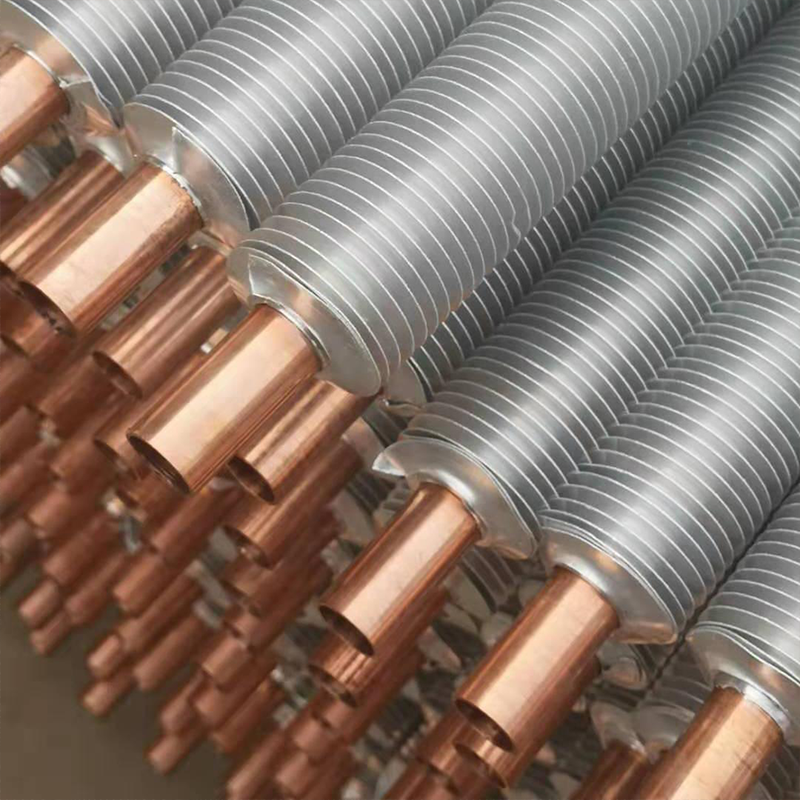
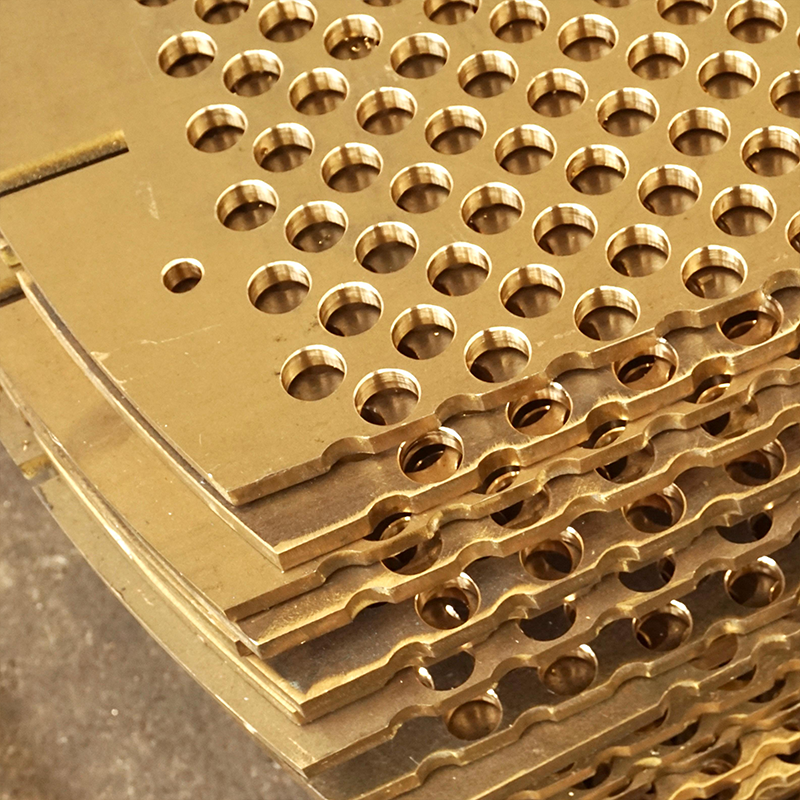
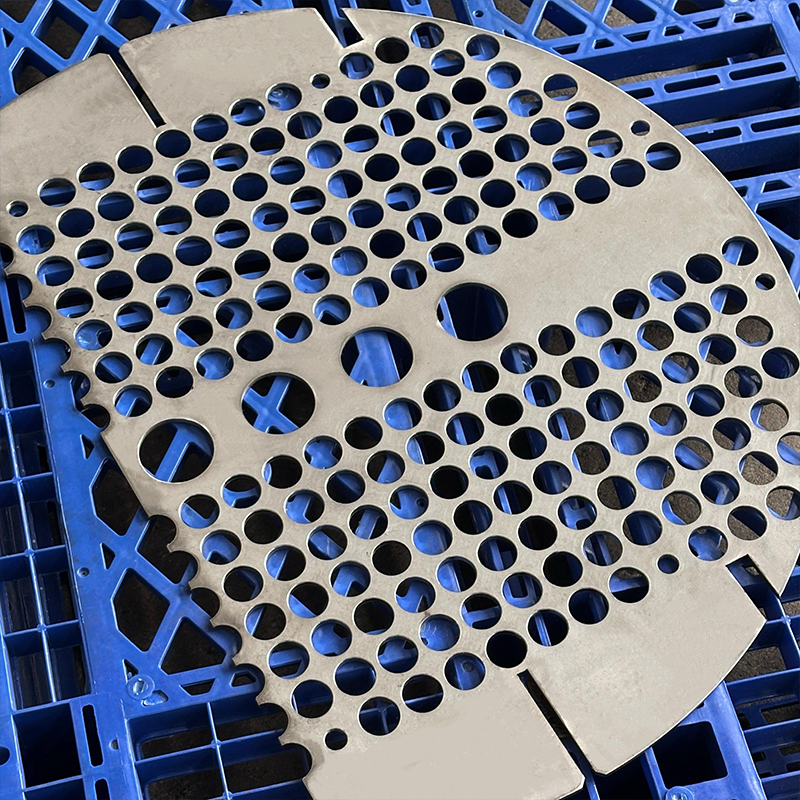
The reliability of this entire infrastructure directly depends on the quality of the components and materials used. For example, in oil refining and petrochemical complexes where polymers are also processed, heat exchangers and cooling systems that can withstand extreme pressures and temperatures are critical.Wuxi Kaisheng Electric Power and Petrochemical Equipment Co., Ltd.specializes in creating such reliable solutions. The company designs and manufactures high-efficiency heat transfer equipment, including titanium shell-and-tube heat exchangers, ASME high-pressure units, and corrosion-resistant alloy tube bundles (316 stainless steel, C46400 marine brass, cupro-nickel, N06625 nickel). Their PED and ASME certified products are widely used in industries where safety and resiliency are a priority. The use of quality equipment, such as air coolers and waste heat boilers from Wuxi Kaisheng, helps minimize the risks of overheating and man-made accidents, creating a safer environment for personnel and simplifying evacuation tasks in the event of emergencies.
Source: Russian Emergency Situations Ministryrecommends conducting a comprehensive inspection of fire protection systems at least once a year with the involvement of licensed organizations. Don't skimp on maintenance: the failure of one damper can cost the lives of dozens of people.
The role of education and regular training in ensuring safety
Paper instructions sitting in the shop manager's file are useless in a real emergency. The only way to prepare personnel for evacuation is through regular, realistic training. Theory is forgotten after a week, muscle memory takes months to form.
Training should be held at least twice a year, and the scenarios should be constantly changing. You cannot simulate a fire in the same place every time. Today the raw material bunker is on fire, tomorrow the electrical control cabinet is on fire, the day after tomorrow there is an oil spill at the gearbox. This teaches employees to quickly assess the situation and choose the right route, rather than running along a memorized pattern, which at the moment can lead straight into the fire.
Use smoke simulators (safe fog machines) to create low visibility conditions. Employees must learn to navigate in semi-darkness, look for evacuation signs on the floor, and feel the wall with their hands. Psychological comfort in such conditions reduces the level of panic. After each training session, a debriefing is required: the evacuation time, identified violations, and errors in the actions of specific employees are recorded. Criticism should be constructive, but harsh: mistakes in training prevent deaths in a real fire.
Induction training for new employees should include a practical walk through all escape routes, demonstrating how to open emergency doors and use personal protective equipment. The trainee is not allowed to work independently until he passes the standard for speed and accuracy of evacuation. Responsibility for this lies with the immediate supervisor and occupational safety specialist.
Practical step:Plan your next workout for the next month. Include an element of surprise in the scenario: for example, “blocking” the main exit with a conditional obstacle. Measure the time for complete evacuation and compare it with the standard one.
Frequently Asked Questions
What to do if clothes catch fire from a drop of polypropylene melt?
Do not run under any circumstances - this will fan the flames. Stop immediately, fall to the floor and roll to put out the fire. If there is a colleague nearby, he should cover you with a thick fabric (cotton jacket, felt), but not synthetic, which can catch fire on its own. Use an emergency shower or fire extinguisher (aiming at your feet, not your face) if available. After extinguishing the fire, do not remove clothing if it is stuck to the skin - only a doctor will do this. Call for medical help immediately.
Can water be used to extinguish a polypropylene fire?
The use of water to extinguish a burning PP melt is strictly prohibited due to the risk of a thermal explosion and splashing of the burning mass. Water should only be used to cool adjacent structures and equipment to prevent the spread of fire, and only as a spray. To eliminate the outbreak, use powder fire extinguishers (class ABC), carbon dioxide fire extinguishers or special compounds for extinguishing polymers. Always check the fire extinguisher label before use.
How often should emergency exits be checked for serviceability?
Emergency exits must be checked daily before the start of the shift by a responsible person. It is necessary to ensure that the doors can be opened freely from the inside without a key, that escape routes are not cluttered with products or containers, and that the light indicators are working. A more detailed inspection of the closer and seal mechanisms is carried out weekly. The results of the checks are recorded in the log book. Any violation must be corrected immediately, before the line starts operating.
Conclusion: Safety as the basis for continuous production
Evacuation of personnel in case of fire at PP production is not just a formal requirement of supervisory authorities, but a vital necessity dictated by the physical and chemical properties of the material being processed. The speed of fire development, smoke toxicity and high temperatures require each employee to have a cool head and well-honed skills. Investments in modern detection systems, quality training and regular training pay off by preserving the most valuable resources - human lives and the reputation of the enterprise.
Don't wait for an incident to test your team's readiness. Review current evacuation plans, ensure that equipment is in working order, and have an honest conversation with staff about their actions in a critical situation. Remember: at the moment of a fire there is no time to think, there are only reflexes developed by training.
For advice on auditing your fire safety system and developing individual evacuation regulations for polypropylene processing lines,contact us today. Our experts will help you identify weaknesses and improve the level of protection of your production.