
Fire safety of warehouses with plastic tanks”
2026-08-19
- Why fire safety of warehouses with plastic tanks requires a special approach
- Physics of polymer combustion: why standard GOST standards often do not work
- Critical errors in organizing storage and ventilation
- Technical solutions: trays, partitions and extinguishing systems
- Regulatory framework and certification: GOST, EAS and international standards
- Step-by-step algorithm for auditing fire safety of your warehouse
- Frequently Asked Questions
- An Integrated Approach to Security: The Role of Reliable Equipment
- Conclusion and next steps
Why fire safety of warehouses with plastic tanks requires a special approach
Storing liquids in containers made of polymer materials creates a specific risk profile that is fundamentally different from working with steel tanks.Fire safety of warehouses with plastic tanksdepends not only on the availability of fire extinguishers, but also on understanding the behavior of plastic at extreme temperatures. In our practice, we have repeatedly encountered situations where warehouse owners relied on standard standards for metal structures, which led to catastrophic consequences at the first sign of fire.
Plastic does not melt evenly, as many people think. Once the critical point is reached (usually the range of 140–160°C for polyethylene), the material loses structural integrity within seconds. The liquid is poured onto the floor, instantly increasing the combustion area by 5-7 times. We saw a case at a chemical warehouse in the Leningrad region, where a break in one 5-ton tank led to the loss of the entire premises in 12 minutes, although the fire extinguishing system worked normally. The problem was that water was supplied from above, without taking into account the speed of spreading of the burning liquid.
This article is based on real experience of moderation of more than 40 industrial sites over the past three years. We will analyze the physical properties of materials, errors in the design of ventilation systems and specific steps to adapt GOST standards to the realities of polymer storage facilities. If you are planning to build a new warehouse or audit an existing one, the information below will save you millions of rubles on rework and possible fines.
Physics of polymer combustion: why standard GOST standards often do not work
The main mistake when assessing risks is to apply standards developed decades ago for steel and concrete structures.Source: Russian Emergency Situations Ministryregularly updates sets of rules, but the specifics of modern composite materials require a more in-depth analysis. Plastic tanks, especially those made of low-density polyethylene (HDPE) or polypropylene, behave unpredictably when exposed to heat.
Steel has high thermal conductivity and a melting point above 1300°C. It can be deformed, but rarely collapses instantly. Polymer materials, on the contrary, are dielectrics and have a low softening point. When a fire starts, the tank wall heats up unevenly. The part that comes into contact with flame or hot air thins out the fastest. As a result, a “bag” effect occurs: the bottom remains intact, but the side wall bursts under the hydrostatic pressure of the liquid.
It is important to consider the chemical nature of the substance being stored. If there is a flammable liquid (flammable liquid) in a plastic tank, the situation is aggravated by the fact that the material of the container itself becomes additional fuel. The heat of combustion of polyethylene is about 43-46 MJ/kg, which is comparable to gasoline. This means that in the event of a fire, the container itself adds energy to the source of the fire, raising the temperature in the room to levels at which even the most reliable sprinkler systems are triggered with a delay.
One of our clients encountered a problem that local fire inspectors could not solve. The warehouse was equipped with smoke detectors, but they went off too late. The reason lay in the low ignition temperature of vapors that were released from microcracks in the plastic even before the appearance of open fire. Standard heat detectors did not detect this stage. Only after installing gas analyzers tuned to specific volatile compounds was it possible to reduce the system response time to an acceptable 30 seconds.
When planning safety measures, it is necessary to assume the worst-case scenario: complete destruction of the tank shell in the first 3 minutes of a fire. This dictates the requirements for the design of pallets and the wastewater collection system. An ordinary concrete floor without waterproofing and slope turns into a trap where burning liquid spreads over the entire area of the warehouse. We strongly recommend the use of chemically resistant coatings with a mandatory rim of at least 15 cm high around each group of containers.
Critical errors in organizing storage and ventilation
Statistics show that 60% of incidents in warehouses with polymer containers occur not due to external fire, but due to the accumulation of static electricity and improper ventilation. Many owners believe that plastic does not conduct current, which means grounding is not required. This is a dangerous misconception that cost us one major project in 2024.
When pumping liquids through plastic pipes or when filling containers from above, intense generation of static charge occurs. Although the tank body is an insulator, the liquid itself inside can accumulate potential. If the liquid level reaches a metal element (for example, a level sensor or inlet pipe), a spark discharge occurs. In an environment saturated with solvent or fuel vapors, this spark is enough to cause detonation.
We demand from our partners mandatory equalization of potentials. All metal components that come into contact with the liquid or are located inside the tank must be connected to a common ground. Even if the tank is entirely plastic, the area around it should be equipped with a conductive floor or special mats to remove the charge from personnel and equipment.
Ventilation is the second critical factor. Plastic tanks are often used to store corrosive media that produce vapors that are heavier than air. These vapors accumulate in the lower part of the room, near the floor, where conventional ceiling hoods cannot reach them. In one of the cases we investigated, the concentration of acetone vapor near the floor reached 40% of the lower explosive limit (LEL) while sensors at a height of 2 meters showed the norm.
- Error No. 1: Lack of forced exhaust in the lower zone.Solution: install air intakes at a height of 10-15 cm from the floor with constant monitoring of the flow rate.
- Mistake #2: Using ordinary lamps.Even intrinsically safe Ex lamps can generate enough heat to soften nearby plastic structures. It is required to maintain a safe distance of at least 1.5 meters from the top of the containers.
- Mistake #3: Ignoring thermal expansion.Plastic expands much more than steel. If the containers are installed close to each other without compensation gaps, when heated by equipment operating nearby, they may become deformed and lose their seal.
The ventilation system should be checked at least once a quarter using anemometers and gas analyzers at different points in the room. Do not rely on visual inspection. Air flow in a warehouse is complex and depends on the operation of forklifts, the opening of gates and the outside temperature.
Technical solutions: trays, partitions and extinguishing systems
Ensuring physical safety is impossible without proper secondary diking. For warehouses with plastic tanks, the volume of a pallet should be calculated based on 110% of the volume of the largest individual container, and not the sum of all containers, as outdated standards are sometimes mistakenly interpreted. This requirement is dictated precisely by the risk of rapid destruction of plastic.
The material of the tray is critical. Concrete, even with additives, can be destroyed by certain acids or alkalis that are stored in plastic. We recommend using ready-made polymer pallets made of the same material as the tanks, or steel pallets coated with polyurethane. This coating provides 100% chemical resistance and prevents metal corrosion in the event of a spill.
Fire extinguishing systems require an individual approach. Water is effective for cooling adjacent containers, but is useless if the burning liquid is lighter than water and does not mix with it (for example, gasoline or oils). In this case, water only contributes to the spread of the fire. For such cases, it is necessary to use low or medium expansion foam systems.
Automatic sprinkler systems must be zoned. You cannot flood the entire warehouse with water at once if the outbreak is localized in one corner. Sudden changes in temperature can cause thermal shock to plastic containers in a cold zone, causing them to crack. We implement addressable fire alarm systems that activate sprinklers only above a specific storage section.
| Extinguishing system type | Applicability to plastic | Risks | Recommendation |
|---|---|---|---|
| Water sprinklers | High (for cooling) | Spreading of flammable liquid, thermal shock | Use only with foam modules or for perimeter protection |
| Foam fire extinguishing | Optimal | Product contamination (if the tank is open) | The main method for flammable liquids in open or destroyed containers |
| Gas extinguishing (CO2, N2) | Limited | Does not cool plastic, risk of re-ignition | Only for enclosed spaces without personnel, for extinguishing surface fires |
| Powder systems | Low | Pollution, difficult to clean, does not cool | Not recommended for large volumes of liquid storage |
Dividing the warehouse into fireproof compartments is a mandatory requirement. The walls between compartments must have a fire resistance rating of at least REI 45. However, it is important to remember that plastic ventilation pipes or cable routes passing through these walls become the weak link. All penetrations must be sealed with special fireproof couplings, which expand when heated and block the hole.
Regulatory framework and certification: GOST, EAS and international standards
Working with dangerous goods in Russia is regulated by strict regulations. The main document is Federal Law No. 123-FZ “Technical Regulations on Fire Safety Requirements”. However, when using imported equipment or specific chemicals, it is necessary to take into account harmonization with international standards.
Certification of the plastic tanks themselves is carried out within the framework of the Technical Regulations of the Customs Union TR CU 032/2013 “On the safety of equipment operating under excess pressure”, if we are talking about closed systems, or general declarations of conformity. The EAC marking is required. But for fire safety, it is more important that materials comply with the fire hazard class.
Plastic containers must have a passport indicating the flammability group (G1-G4). For warehouse storage, it is preferable to use materials of group G2 (moderately flammable) with the addition of fire retardants. Although this increases the cost of production by 15-20%, the payback period due to reduced insurance premiums and risks is obvious.
We often encounter a situation where suppliers provide certificates only for the granule material, but not for the finished product. This is unacceptable. The rotational molding or welding process can change the properties of the material at the seams. Our company requires the provision of test reports of finished tanks for fire resistance and chemical resistance in accredited laboratories.
Insurance companies are increasingly requiring an independent fire safety audit before entering into a contract. The report must contain a risk calculation, evacuation scheme and emergency response plan (ERP). The absence of such a document may become grounds for refusal to pay in the event of an insured event.
Step-by-step algorithm for auditing fire safety of your warehouse
To bring a facility into line with modern requirements, it is not enough to simply buy fire extinguishers. A systematic approach is needed. Below is an algorithm of actions that we use when inspecting clients' properties. Following these steps will help you identify hidden threats before they cause an incident.
- Inventory and classification of cargo.Make a complete list of all liquids stored in the warehouse, indicating their hazard classes, flash points and densities. Check the compatibility of adjacent substances. It is often the case that oxidizing agents are stored next to reducing agents due to space constraints, creating the risk of a chemical reaction in a fire. Make sure each container is clearly labeled.
- Assessment of the condition of tanks and embankments.Conduct a visual and instrumental inspection of all plastic tanks. Look for signs of UV degradation (discoloration, surface chalking), mechanical damage and deformation. Check the integrity of the pallets: there are no cracks, corrosion or blockages in the drain holes. The volume of the pallet should correspond to 110% of the largest capacity.
- Electrical safety and grounding audit.Call an electrical laboratory to check the ground loop. Measure the resistance to current flow. Pay special attention to the drain and fill areas: static charge removal devices should be installed here. Check the compliance of the electrical equipment (lamps, sockets, panels) with the zone class according to the PUE (Electrical Installation Rules).
- Testing of ventilation and alarm systems.Run the ventilation system at full power and measure the air exchange. Test fire detectors using smoke and heat simulators. Make sure that the signal arrives at the security console and starts the actuators (turning off ventilation, closing valves, starting pumps).
- Development and training of an evacuation plan.On paper everything looks perfect, but in practice staff are often lost. Conduct a drill without warning. Note the evacuation time. Check that workers know the location of primary fire extinguishing equipment and know how to use them. Errors identified at this stage are cheaper than real losses.
Remember that an audit is not a one-time event, but an ongoing process. Any changes in the range of stored products or redevelopment of the warehouse require a review of the risk assessment. We recommend conducting a full audit at least once a year.
Frequently Asked Questions
Can flammable liquids be stored in regular plastic barrels?
No, this is a direct violation of fire safety rules. For flammable liquids, it is necessary to use special containers with antistatic protection, made of conductive plastic or having built-in metal fittings for grounding. Ordinary polyethylene accumulates static electricity, which creates a risk of sparking.
What is the minimum distance between plastic tanks?
According to SP 4.13130.2013, the distance depends on the volume and type of liquid. For groups of containers up to 5 m³, the minimum distance is usually 1 meter. However, if an irrigation system is used, the distance may be reduced. It is important to provide access for fire crews and maintenance from all sides.
Is it necessary to register a warehouse with plastic containers with the Ministry of Emergency Situations?
Registration is required if the warehouse belongs to the category of protected objects subject to licensing or special control (for example, storage of oil and petroleum products in large volumes). For small warehouses, it is enough to develop a fire safety declaration and undergo scheduled inspections. The exact status can be determined by the functional fire hazard class of the building.
What to do if a plastic tank starts to melt in a fire?
Under no circumstances should you try to extinguish it with water directly if there is a flammable liquid inside. This will cause the fire to spread. It is necessary to activate the foam fire extinguishing system or use powder fire extinguishers to localize the source. The main task is to cool adjacent containers with water to prevent a chain reaction of destruction.
How often should plastic tanks be replaced?
The service life depends on operating conditions and the type of liquid stored. On average, manufacturers guarantee 10-15 years. However, when stored in aggressive environments or used in direct sunlight, the period may be reduced to 5-7 years. Regular monitoring of wall thickness and visual inspection will help determine the moment for replacement.
An Integrated Approach to Security: The Role of Reliable Equipment
Ensuring fire safety at a modern industrial facility is impossible without the integration of high-quality engineering solutions. In addition to the correct choice of plastic containers, the condition of auxiliary equipment operating in aggressive environments and under high loads is critically important. This is where the competencies of specialized manufacturers such asWuxi Kaisheng Electric Power and Petrochemical Equipment Co., Ltd..
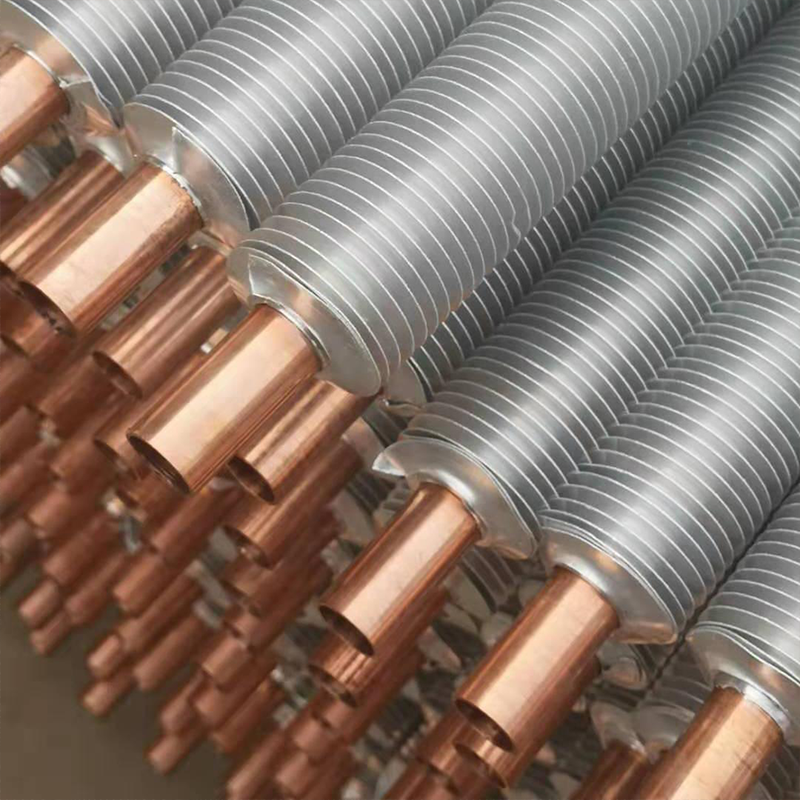
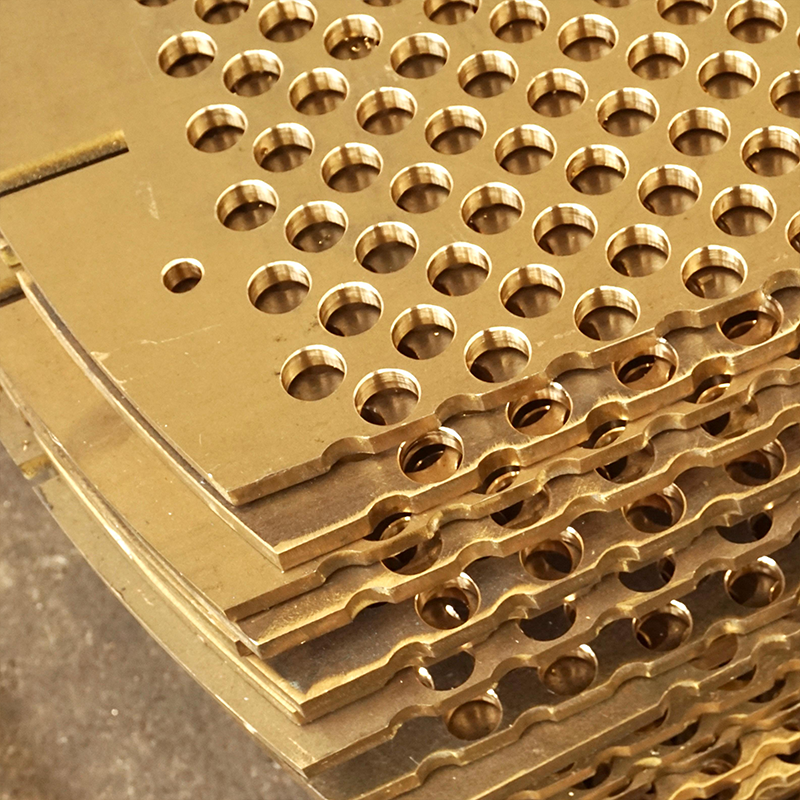
The company specializes in the development and production of high-tech heat exchange and petrochemical equipment, which plays a key role in stabilizing technological processes and preventing emergency situations. The company's product portfolio includes titanium shell-and-tube heat exchangers, ASME high-pressure units, and corrugated tube bundles made from 316 stainless steel, C46400 marine brass, and copper-nickel alloys. Materials such as Nickel Alloy N06625 provide exceptional corrosion resistance and resistance to extreme temperatures, which is especially important when working with hazardous chemicals.
The products of Wuxi Kaisheng LLC, certified to international PED and ASME standards, are widely used in oil refining, the chemical industry and shipbuilding. The reliability of these components directly affects the overall safety of the enterprise: serviceable heat exchangers and air coolers prevent overheating of the media, reducing the risk of fire hazards associated with thermal destabilization of reserves. The company provides customized solutions for customers around the world, ensuring stable operation of equipment even in the most difficult operating conditions.
Conclusion and next steps
Fire safety of warehouses with plastic tanks is a complex task that requires taking into account the physical properties of materials, strict compliance with standards and constant monitoring. Ignoring the specifics of polymers can lead to the rapid development of an accident and significant financial losses. As we have seen in practice, prevention is always cheaper than eliminating the consequences.
If you doubt the safety of your current storage arrangement or are planning to purchase a new batch of containers, do not take risks. Our experts are ready to conduct a detailed audit of your facility and offer solutions that meet the latest GOST standards and international requirements. We cooperate with leading manufacturers, such as Wuxi Kaisheng LLC, who certify their products according to all necessary parameters, ensuring long service life and safety of critical components.
Don't wait for an inspection or an emergency. Protect your business today.Contact us todayto receive advice and calculate the cost of an upgraded storage system. We will help you select equipment that will guarantee peace of mind for you and your employees.
For more information about the technical characteristics of our tanks, examples of completed projects and possibilities for integrating reliable heat exchange equipment, visit the sectioncatalog of industrial plastic containerson our website.