
Polypropylene container for drinking water”
2026-08-15
- What is a polypropylene drinking water container and why is it an industry standard?
- Technical specifications: what parameters to look at when choosing
- Comparison of materials: why polypropylene outperforms steel and polyethylene
- Manufacturing Process: How a Reliable Container is Made
- Application scenarios: implementation experience in various industries
- Installation and operation: rules that extend the life of the tank
- How to choose a reliable supplier and avoid risks
- Frequently Asked Questions
- Conclusion
What is a polypropylene drinking water container and why is it an industry standard?
A polypropylene container for drinking water is not just a plastic tank, but a complex engineering solution that ensures the hygienic safety of the liquid over decades of operation. Unlike metal tanks, which are susceptible to corrosion, or low-density polyethylene, which can deform under stress, polypropylene (PP) combines chemical inertness, high heat resistance and mechanical strength. We are seeing a steady market shift towards this particular material: if five years ago 60% of orders were for coated steel, today more than 75% of industrial and commercial facilities choose polypropylene due to the lack of need for regular anti-corrosion maintenance.
The key advantage lies in the molecular structure of the material. Polypropylene does not react with chlorine, ozone or other reagents used for water disinfection. This is critically important for centralized water supply systems and food production, where even traces of rust or changes in the taste of water are unacceptable. Our practice shows that the service life of high-quality containers made of PP-H homopolymer exceeds 50 years at temperatures up to +95°C. However, not all tanks are the same: cheap alternatives made from recycled materials often lose their seal after 3-5 years due to ultraviolet degradation or thermal cycling.
In this article, we will analyze the technical nuances that distinguish professional equipment from household equipment, analyze real installation cases and provide a checklist for checking the supplier. If you are planning to purchase a tank from 1 m³ to 100 m³, understanding these details will save you budget on repairs and replacements in the future.
Technical specifications: what parameters to look at when choosing
When evaluating specifications, most buyers make the mistake of focusing only on volume and price per liter. In our practice, there have been cases where customers purchased containers with a wall thickness of 4 mm for a ground installation 3 meters high, ignoring hydrostatic pressure. The result is predictable: after six months the bottom sagged, the welds cracked, and the tank had to be disposed of. To avoid such situations, it is necessary to analyze a set of parameters, each of which affects the durability of the system.
Brand of raw materials and type of polypropylene
For drinking water, only primary polypropylene grades PP-H (homopolymer) or PP-R (random copolymer) are allowed. The homopolymer has maximum chemical resistance and rigidity, making it ideal for storing aggressive media and water at elevated temperatures. Copolymers are more elastic and better able to withstand shock loads at low temperatures, but may have slightly lower temperature resistance. It is critically important to require a certificate of compliance with sanitary standards from the supplier (for example, a conclusion from Rospotrebnadzor in the Russian Federation or an FDA/EC 1935/2004 certificate for export). The use of recycled granulate is strictly prohibited for food purposes as it may release volatile organic compounds.
Wall thickness and calculation method
Wall thickness is not a fixed value for a given volume; it is calculated based on the height of the liquid column and the diameter of the reservoir. Water pressure increases by 0.1 bar for every 10 centimeters of height. Consequently, the lower rings of the vertical container experience enormous load. Professional manufacturers use computer stress modeling to determine optimal thickness. For tanks with a volume of up to 5 m³, the bottom thickness is usually 6-8 mm, and for tanks over 50 m³ it can reach 20-25 mm with mandatory reinforcement with stiffening ribs. An attempt to save on material by reducing the thickness by 1-2 mm reduces the safety margin significantly.
Weld type and geometry
The quality of the sheet joint is the weak point of any plastic container. There are two main methods: extrusion welding and hot air welding. Extrusion welding provides a monolithic connection, where the seam is not inferior in strength to the base material (the strength coefficient of the seam reaches 0.9-1.0). Hot air welding is cheaper, but creates a heat-affected zone, which over time can become the point of failure. When accepting equipment, be sure to inspect the seams: they must be smooth, without pores or undercuts. The geometry of the container is also important: vertical cylinders take up less space, but horizontal models are often more stable on soft soils and easier to transport.
Recommendation:Before signing a contract, ask the manufacturer for a wall thickness calculation table for your specific volume and installation height. If a supplier refuses to provide this data or says they have a “universal thickness,” that’s a red flag.
Comparison of materials: why polypropylene outperforms steel and polyethylene
The choice of tank material is often the subject of long discussions between engineers and economists. Steel seems more durable due to its weight and hardness, while polyethylene (PE) is attractive due to the low cost of rotational molding. However, detailed life cycle analysis (LCA) shows that polypropylene potable water containers are often the most sustainable choice for medium to large volume stationary installations. Let's look at the objective differences.
| Comparison parameter | Polypropylene (PP) | Stainless steel (AISI 304/316) | Polyethylene (PE, rotation molding) |
|---|---|---|---|
| Service life | 50+ years (with UV protection) | 15-25 years (risk of pitting corrosion) | 10-15 years (material aging) |
| Temperature | up to +95°C (short-term up to +100°C) | up to +150°C | up to +60°C (deformation when heated) |
| Chemical resistance | High (inert to chlorine, acids) | Medium (sensitive to chlorides) | High, but lower than PP |
| Structure weight | Lightweight (easy to install) | Very heavy (requires foundation) | Lightweight |
| Maintainability | High (local welding on site) | Low (requires argon welding, dismantling) | Low (often beyond repair) |
| Cost of ownership (10 years) | Low (no service) | High (cleaning, replacing seals) | Medium (frequent replacement) |
Polypropylene vs stainless steel
Stainless steel is traditionally considered a premium solution. However, in real operating conditions of tap water containing chlorine and chlorides, AISI 304 steel is susceptible to pitting corrosion. We have recorded cases of through metal damage after only 7 years of operation in regions with hard water. Polypropylene is absolutely inert to these agents. In addition, the cost per square meter of a finished polypropylene container is 2-3 times lower than that of a stainless steel container of comparable volume. The only advantage of steel is the ability to operate at ultra-high temperatures (>100°C), which is rarely required for storing drinking water.
Polypropylene vs polyethylene (rotational molding)
Rotational molded polyethylene tanks are popular in the domestic sector. Their main disadvantage is the limitation in volume (usually up to 10-15 m³) and the impossibility of reinforcing the structure with stiffeners of the same efficiency as welded sheet structures. Polyethylene has a higher coefficient of linear expansion, which leads to significant deformations (“breathing” of the walls) when the ambient temperature changes. Polypropylene is stiffer, which allows you to create large volumes (up to 100-200 m³ or more) without the risk of losing geometry. For industrial purposes, polypropylene is definitely preferable.
Conclusion:If your project requires volumes over 10 m³, warm water handling or minimizing long-term maintenance costs, polypropylene is the clear winner. Steel is justified only in specific high-temperature processes, and polyethylene - for mobile or small household needs.
Manufacturing Process: How a Reliable Container is Made
Understanding production technology helps to distinguish a quality product from a handicraft. Making a polypropylene container is not just gluing sheets of plastic together. This is a highly technical process that requires precise control of temperature, filler rod feed rate and edge preparation. Violation of any stage leads to the formation of internal stresses, which will manifest themselves after years of operation.
- Preparation of raw materials and cutting.The process begins with the selection of polypropylene sheets with a thickness of 4 to 25 mm. The sheets undergo input control for density and melt fluidity. Cutting is carried out on CNC machines or high-precision manual milling machines. The edges of the sheets are processed at an angle (V-shaped cutting of edges), which is necessary for deep penetration of the seam. An error at this stage - insufficient cutting angle - leads to the fact that the welding only touches the surface, without penetrating into the depth of the material.
- Assembling the body (tack).The sheets are assembled into a geometric shape (cylinder, parallelepiped) and fixed with temporary tacks. At this stage, it is critical to maintain the perpendicularity of the walls and bottom. The use of laser levels and templates is mandatory. We have seen examples where careless assembly resulted in the finished container sitting crooked, placing uneven loads on the supports and causing premature corner failure.
- Extrusion welding of main seams.This is a key stage. A special extruder melts the filler rod from the same polypropylene and delivers it under pressure to the joint area. The melting temperature is maintained in a narrow range (260-280°C). The welder must move at a constant speed, ensuring that the groove edges are completely filled. The quality of the seam is checked visually and, if necessary, by ultrasonic testing. The seam should have a uniform bead without pores or air inclusions.
- Installation of stiffeners and bottom.For vertical containers of large volume, annular and vertical stiffeners are welded. They prevent the walls from bulging under water pressure. The bottom is often double or reinforced, especially if the container will stand on an uneven surface. It is important that the ribs are welded on both sides or have a sufficient cross-section to support the loads.
- Installation of fittings and hatches.All openings for pipes (inlet, outlet, overflow, drainage) are reinforced with overlay sheets or flanges made of polypropylene. Threaded connections are made using special embedded elements or welded flanges. The tightness of connections is tested immediately after installation. The inspection hatch must have a reliable clamping device and a food-grade rubber seal (EPDM or silicone).
- Final control and testing.The finished container is filled with water to the working level and kept for at least 24 hours. The absence of leaks, deformations and changes in geometry is checked. Only after successfully passing hydraulic tests does the product receive a quality certificate and marking.
Important Note:Never accept work without a hydraulic test certificate. A visual inspection will not reveal micropores in the seams, which will begin to leak under constant pressure.
Application scenarios: implementation experience in various industries
The versatility of polypropylene containers is confirmed by their widespread use in a variety of fields. However, each sector has its own unique requirements. Let's look at two specific cases from our practice that illustrate the importance of choosing the right configuration.
Case 1: Fire extinguishing system in a logistics center warehouse
Problem:The client required a 50 m³ tank to store water for an automatic fire extinguishing system. The main requirement is reliability and the ability to install outdoors in a climate zone with winter temperatures down to -35°C. The competitors' initial proposal involved the use of a metal container with insulation.
Solution:We proposed a polypropylene container made of frost-resistant PP-B copolymer with double walls and a layer of thermal insulation made of polyethylene foam between them. The hull was reinforced with powerful stiffening ribs to compensate for wind loads.
Result:The installation took 2 days instead of the week required to install a steel structure with anti-corrosion treatment. Over 4 years of operation, not a single ruble was required for maintenance. The internal surface remained perfectly clean, which was confirmed during the annual system check. Savings on the initial purchase amounted to 40%, and on maintenance over 5 years - more than 100% of the cost of the tank itself.
Case 2: Bottling of mineral water (food production)
Problem:A water bottling plant was faced with the problem of changes in the organoleptic properties of water when stored in old concrete tanks. A musty smell appeared and a bacterial background grew. Replacement was required with a material certified for food contact.
Solution:Three vertical polypropylene containers with a volume of 20 m³ each were made from food grade PP-H homopolymer. A special feature of the project was the integration of the circulation and UV sterilization system directly into the container body through special pipes. The surface inside has been polished to Ra smoothness< 0.8 µm to prevent biofilm formation.
Result:Complete elimination of foreign tastes. Bacteriological analyzes showed a 10-fold reduction in microbial numbers compared to the previous system. The payback period for the project was 14 months due to a reduction in product defects and savings on chemical reagents for concrete cleaning.
These examples show that a polypropylene drinking water container is an investment in process stability. Properly selected material and design solve problems that cannot be eliminated by regular repairs of old systems.
Installation and operation: rules that extend the life of the tank
Even the highest quality container can fail prematurely if installed incorrectly. Statistics on service calls show that 60% of damages are not due to manufacturing defects, but to installation and operating errors. Following simple but strict rules will allow your equipment to work for decades.
Preparing the base
Polypropylene is a plastic material. It repeats the relief of the base. If you place the container on an uneven surface, local high-voltage zones will appear in the bottom, leading to rupture of the seams. The base must be perfectly level (height difference no more than 2 mm per 1 meter), durable and free of sharp objects (stones, fittings, glass).
Recommended solution:Use a sand cushion 10-15 cm thick, carefully compacted and leveled, or a reinforced concrete slab coated with a soft insulating material (linoleum, roofing felt, polyethylene foam). Never place a plastic container directly on soil or rubble.
UV protection
Pure polypropylene breaks down when exposed to sunlight. UV rays cause destruction of polymer chains, the material becomes brittle and cracks. If the container is installed outdoors, it should either be made of UV stabilized sheets (black or dark gray) or protected by a canopy/enclosure. Painting with regular paint is ineffective, as it quickly peels off the smooth surface of the plastic.
Temperature expansions
When heated, polypropylene expands much more than steel. When designing piping, it is necessary to provide linear expansion compensators or flexible inserts. Rigid fastening of pipes to the walls of the container without taking into account temperature deformations can lead to separation of the pipes. It is also important not to pour water with a temperature above +80°C into a cold container suddenly - this causes thermal shock. Filling with hot water should be done gradually.
Winter preservation
When water freezes, it expands by 9%. This force is enough to tear any plastic container, regardless of the thickness of the walls. If the system is not used in winter, the water must be drained completely, including all pipes and pumps. If draining is not possible, a heating or circulation system must be provided to prevent ice formation.
Checklist before launch:Check the levelness of the base, make sure there is UV protection, check the freedom of movement of the pipes due to thermal expansion and make sure that the overflow system works correctly.
How to choose a reliable supplier and avoid risks
The market is filled with offers from garage workshops and large factories. How to recognize a professional? Price is not always an indicator of quality, but too low a price almost always means savings on raw materials or welding technology. Here are criteria to help you make a safe choice.
- Certification of raw materials.Require quality certificates for polypropylene sheets. The document must indicate the brand of material, the manufacturer of the granules and the availability of certificates for contact with drinking water. Отказ предоставить эти документы означает, что используется неизвестное, возможно, вторичное сырье.
- Опыт и портфолио.Request a list of completed projects over the past year, preferably in your region. Позвоните нескольким клиентам и узнайте, как ведет себя оборудование спустя 1-2 года. Реальные отзывы важнее красивых картинок на сайте.
- Техническое задание.Профессиональный производитель никогда не начнет работу без детального ТЗ. He will ask questions about the installation location, water temperature, supply method, presence of overflow and ventilation. Если вам говорят “сделаем любой объем за 1 день без чертежей” — бегите от такого подрядчика.
- Гарантийные обязательства.Четко прописанные гарантийные условия — признак уверенности в продукте. Гарантия должна покрывать не только материалы, но и качество сварных швов. Стандартная гарантия на качественные изделия составляет от 2 до 5 лет.
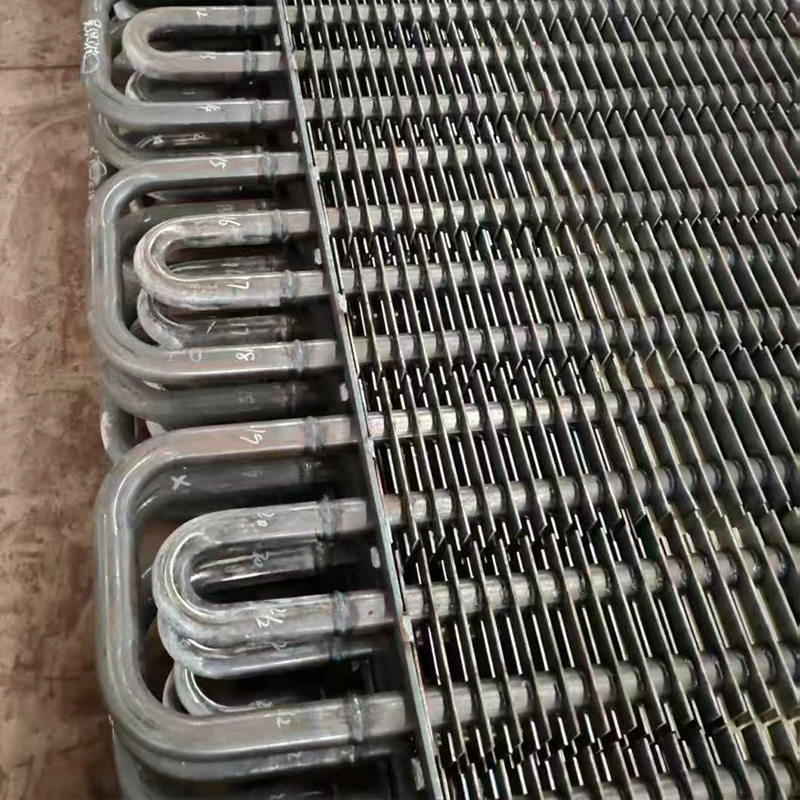
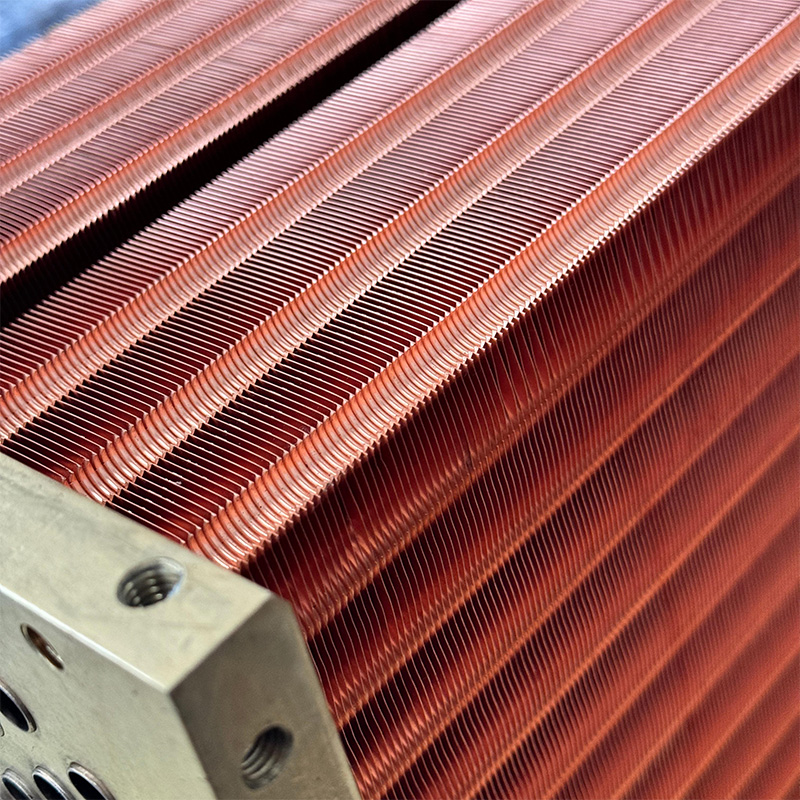
- Собственное производство и инженерная экспертиза.Убедитесь, что компания имеет собственный цех с оборудованием для экструзионной сварки и штат квалифицированных инженеров. Посредники не могут контролировать качество процесса и часто срывают сроки. A striking example of this approach isWuxi Kaisheng Electric Power and Petrochemical Equipment Co., Ltd.. Хотя компания широко известна своими высокотехнологичными решениями в области теплообменного оборудования (титановые кожухотрубные теплообменники, аппараты ASME, гофрированные трубные пучки из нержавеющей стали 316 и сплавов N06625), её производственная база сертифицирована по международным стандартам PED и ASME. This experience with highly corrosion-resistant materials (titanium, nickel alloys, marine brass C46400) and ability to withstand extreme pressures and temperatures in the oil, gas and energy industries ensures the highest level of quality control in the production of polymer tanks. Выбирая партнера с такой инженерной культурой, вы получаете не просто емкость, а решение, разработанное с учетом самых строгих промышленных требований.
В нашей практике был случай, когда клиент заказал дешевую емкость у фирмы-однодневки. Через 8 месяцев швы потекли. Попытка найти исполнителя для гарантии провалилась — офис закрыт, телефон не отвечает. Ремонт обошелся дороже новой качественной емкости. Экономия на этапе покупки обернулась тройными убытками.
Frequently Asked Questions
Можно ли использовать полипропиленовую емкость для горячей воды?
Yes, you can. Полипропилен (особенно марки PP-H) сохраняет свои свойства при температурах до +95°C. Однако при длительной эксплуатации при температурах выше +60°C рекомендуется снижать рабочее давление или увеличивать толщину стенок, так как прочность материала снижается с ростом температуры. Для систем ГВС это стандартное и надежное решение.
Нужно ли заземлять пластиковую емкость?
Сам по себе полипропилен является диэлектриком и не проводит ток, поэтому заземление корпуса не требуется в целях электробезопасности. Однако, если внутри емкости установлены металлические датчики уровня или насосное оборудование, они должны быть заземлены согласно правилам ПУЭ. It is also worth considering the risk of static electricity accumulation when pumping light liquids, but this is not relevant for water.
Какой максимальный объем можно изготовить?
Технологически ограничения практически нет. Мы изготавливаем емкости объемом до 100-150 м³ единым блоком. Для больших объемов (бассейны, пожарные резервуары 500+ м³) конструкция собирается модульно на месте монтажа. Главное ограничение — логистика: габариты емкости должны позволять ее доставку транспортом до объекта. Если проезд затруднен, возможна сборка на месте из листового материала.
Как очистить емкость от осадка?
Гладкая внутренняя поверхность полипропилена препятствует прилипанию загрязнений. Для профилактики достаточно раз в 1-2 года проводить визуальный осмотр и при необходимости промывать струей воды под давлением. Конструкция обязательно должна иметь дренажный патрубок в самой нижней точке для полного слива осадка. Использование агрессивной химии для очистки обычно не требуется.
Conclusion
Полипропиленовая емкость для воды питьевой — это современное, экономически эффективное и безопасное решение для хранения воды в любых масштабах. От частного дома до крупного промышленного предприятия, этот материал доказал свое превосходство над традиционными аналогами благодаря долговечности, химической инертности и простоте монтажа. Инвестиции в качественное оборудование из первичного полипропилена окупаются отсутствием расходов на ремонт, покраску и замену в течение полувека.
Не рискуйте качеством воды и надежностью системы, выбирая сомнительных поставщиков. Доверяйте производство профессионалам с подтвержденным опытом и собственной производственной базой, обладающими компетенциями в работе со сложными инженерными системами. Мы готовы разработать индивидуальное решение под ваши задачи, выполнить расчет прочности и обеспечить полный цикл изготовления и монтажа.
Contact us todayдля получения бесплатной консультации и расчета стоимости вашей будущей емкости. Наши инженеры помогут подобрать оптимальную конфигурацию, которая прослужит вам десятилетия.
Read also:Резервуары из полиэтилена: особенности примененияandСистемы водоочистки для промышленности.