
Chemical reactors made of PP: design features”
2026-08-15
- Design features of polypropylene chemical reactors: why is this critical for your production
- Housing geometry and wall thickness calculation: balance between strength and heat transfer
- Heat transfer systems: integration of jackets and coils into a polypropylene structure
- Mixers and drive units: ensuring tightness and mixing dynamics
- Flange connections and shut-off valves: the problem of flange force
- Защита от статического электричества и вопросы пожарной безопасности
- Frequently Asked Questions
- Итоговые рекомендации по выбору и эксплуатации
Design features of polypropylene chemical reactors: why is this critical for your production
Chemical reactors made of PP (polypropylene) are not just mixing containers, but complex engineering systems, where the geometry of the cooling jacket, wall thickness and type of weld directly determine the service life of the equipment in aggressive environments. In our practice, we have repeatedly encountered situations where customers selected a reactor solely based on volume and price, ignoring design nuances, which led to deformation of the vessel at temperatures above 95°C or cracking of welded joints under the influence of cyclic loads. The key feature of such devices is the ability of polypropylene to maintain chemical inertness when working with concentrated acids and alkalis, however, this ability is completely neutralized if the design is not designed for specific thermodynamic parameters of the process.
When designing a PP reactor, engineers must consider the material's linear expansion coefficient, which is significantly higher than that of stainless steel or glass enamel. This means that standard solutions for metal containers do not work here. For example, rigidly attaching the stirrer to the lid without compensation units can lead to destruction of the flange connection after just 6 months of operation. We have seen cases where customers have lost tens of thousands of euros worth of product because the supplier used a standard support frame design without providing a floating mount to accommodate thermal expansion of the enclosure. Therefore, before approving the drawing, it is necessary to carry out a detailed calculation of stresses in the areas of welds and attachment points.
In this article we will analyze the anatomy of a modern polypropylene reactor, based on real implementation cases in the chemical industry of Russia and the CIS countries. You will learn why a wall thickness of 10 mm may not be sufficient for a volume of 2000 liters during vacuum operation, how to properly organize the heating system to avoid local overheating of the polymer, and what mistakes 80% of manufacturers make when making heating jackets. The information is based on our 15 years of experience in the production and operation of such equipment, as well as on the requirements of the GOST 32569-2013 standard and European standards DIN 8077/8078.
Housing geometry and wall thickness calculation: balance between strength and heat transfer
The thickness of the polypropylene reactor wall is the first parameter that determines its reliability, but the paradox is that “the thicker the better” only works up to a certain limit. The main task of the wall is to withstand the internal pressure of the product and external pressure during evacuation or operation of the heating jacket, but at the same time ensure effective heat exchange. Polypropylene has low thermal conductivity (about 0.22 W/(m K)), which is 200 times lower than that of steel. If you make the wall too thick in an attempt to increase the safety factor, you will get a “thermos”, where the heating or cooling time of the reaction will increase significantly, which is critical for exothermic processes.
In our engineering practice, we use a differentiated approach to calculating thickness. For reactors with a volume of up to 500 liters operating at atmospheric pressure, the optimal thickness is considered to be 8-10 mm. However, as soon as the volume exceeds 1000 liters or the process involves working under vacuum (residual pressure less than 0.08 MPa), the thickness should increase to 15-20 mm, or the structure should be reinforced with stiffeners. One of our clients encountered a problem with a 3 m³ reactor vessel collapsing during the solvent pumping stage. The manufacturer saved on material by making the wall 12 mm instead of the calculated 18 mm, and did not install external stiffening rings. The result was the complete loss of the device and the downtime line for two weeks.
A special feature of the design is the method of forming the body. Polypropylene sheets (PP-H or PP-B) are extruded, but the critical step is butt welding of the sheets. The quality of this seam must be controlled by non-destructive methods, since it is the seam that is the weakest point under cyclic loads. We recommend using automatic extrusion welding with flow temperature control, which ensures a solid joint close to the properties of the base material. Manual welding, often used by artisanal manufacturers, creates zones with different crystal structures, which become areas of stress and subsequent cracking.
When choosing a wall material, it is important to distinguish between homopolymer (PP-H) and copolymer (PP-B/C). For reactors handling aggressive oxidizers at temperatures up to 100°C, we highly recommend PP-H due to its superior chemical resistance and hardness. However, if the process involves shock loads or operation at sub-zero temperatures (such as crystallization), PP-B will be preferred due to its toughness. An error in choosing the brand of raw materials at the stage of purchasing sheets can cost you the integrity of the device in the first year of operation. Always ask the supplier for raw material certificates indicating the brand of granulate (for example, Moplen or Hostalen).
Action: Request a wall thickness calculation sheet based on maximum vacuum and process temperature from your supplier, not just a copy of the general catalog. If a supplier cannot provide such an estimate, this is a red flag indicating a lack of engineering competency.
Heat transfer systems: integration of jackets and coils into a polypropylene structure
Organizing heat transfer in PP reactors is the most difficult engineering task, since traditional methods used for steel are not applicable here due to the risk of overheating and deformation of the polymer. There are two main design solutions: an external heating/cooling jacket and an internal coil. The choice between them depends on the viscosity of the product, the requirements for purity and the intensity of heat transfer, but each option has its own hidden risks, which are rarely mentioned in advertising brochures.
The outer jacket is most often made according to the “coil in a shell” or “half-coil” scheme. In the case of polypropylene, we prefer a design with welded half-coils made of a pipe of the same material or stainless steel (if the environment allows), closed by a common casing. The main problem here is ensuring uniform fit of the coil pipe to the reactor wall. Any gap of even 1-2 mm creates an air cushion that acts as an insulator, reducing heat transfer efficiency by 40-50%. In one of the projects, we discovered that due to poor assembly of the jacket, the actual heating power was only 60% of the nameplate, which made it impossible to carry out the reaction within the specified time window. The solution required a complete redesign of the lower part of the reactor.
Internal coils made of polypropylene have the advantage of a larger heat transfer area, but create hydrodynamic resistance and can interfere with the operation of the agitator. A design feature of a high-quality internal coil is the use of bent pipes with a large turning radius to minimize pressure losses and product stagnation zones. Fastening the coil to the walls and bottom must be done using special brackets made of the same material, spot welded. Rigid fastening is unacceptable due to the different coefficient of thermal expansion of the coil pipe and the body. We recorded cases of rupture of internal coils in winter, when the reactor cooled down, and the coil, under coolant pressure, compressed differently than the body, creating critical stresses at the attachment points.
The issue of coolant temperature conditions deserves special attention. Polypropylene begins to soften at temperatures above 130-140°C (depending on brand), so using superheated high pressure steam in a jacket requires extreme caution and a reliable emergency release system. Most often, hot water (up to 95°C) or thermal oil with a temperature not exceeding 120°C is used for PP reactors. Exceeding these limits even for a short time can lead to irreversible creep of the material and a change in the geometry of the apparatus. In our practice, there was a case when the operator mistakenly opened the fresh steam line, and the upper part of the reactor “floated”, disrupting the alignment of the mixer.
To ensure laminar or turbulent flow in the jacket, it is important to correctly calculate the pitch of the coil turns and the diameter of the inlet/outlet pipes. A pitch that is too narrow makes it difficult to clean the outside surface of the reactor in case of leaks, while a pitch that is too wide reduces efficiency. The optimal solution is the modular design of the jacket, which allows the lower part to be dismantled to inspect the condition of the body welds. This requirement is especially relevant for production facilities operating under GMP standards, where visual control of the cleanliness and integrity of equipment is mandatory.
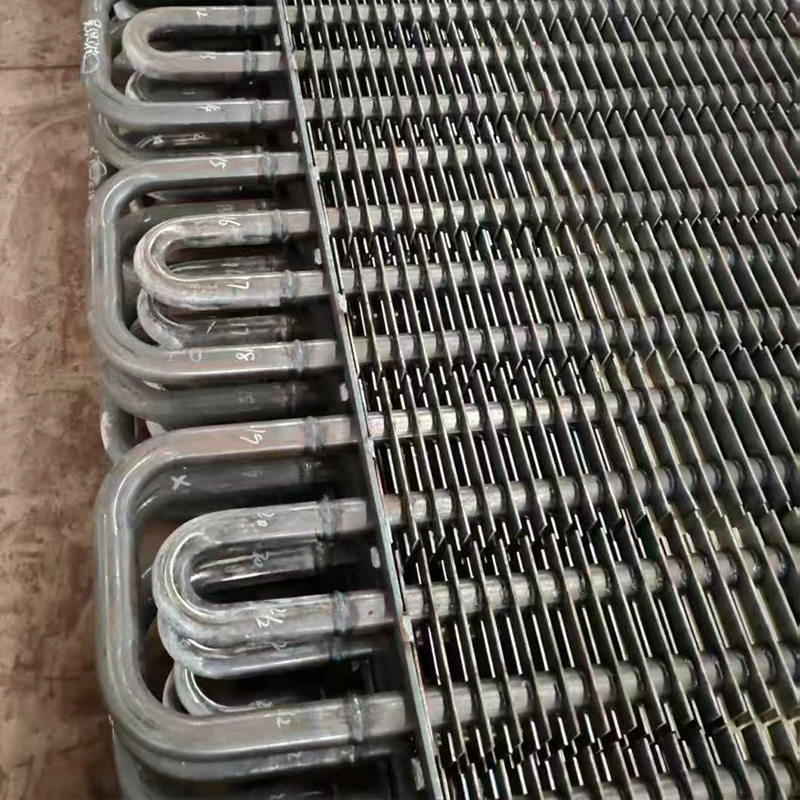
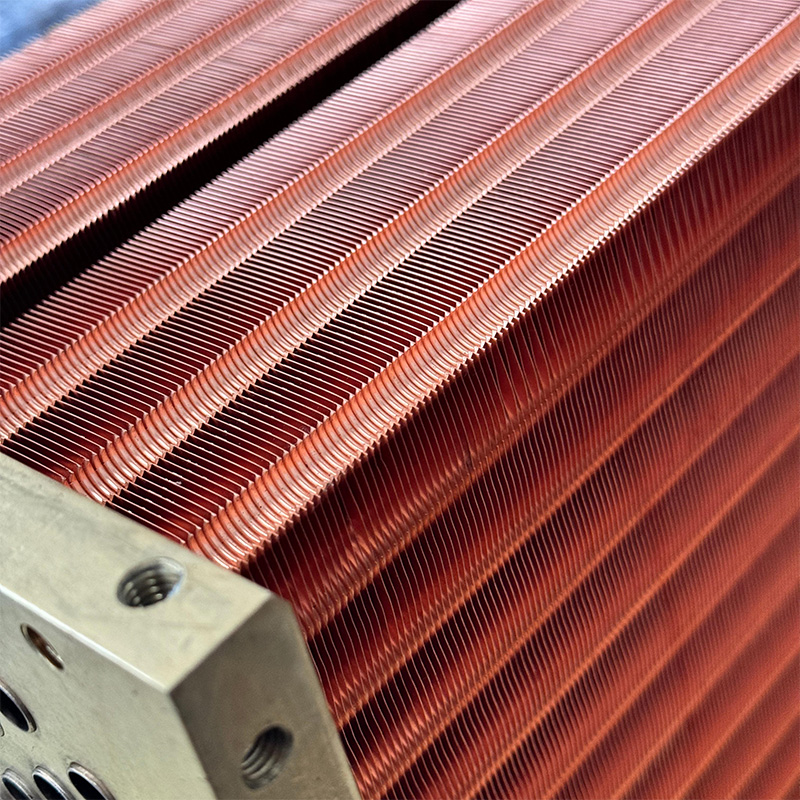
A thorough understanding of heat transfer principles is the foundation for creating reliable reactors. That is why in complex projects that require a combination of polypropylene corrosion resistance and high-performance metal heat exchange elements, we often turn to the expertise of partners of the levelWuxi Kaisheng Electric Power and Petrochemical Equipment Co., Ltd.. The company specializes in the design and manufacture of advanced heat transfer solutions including titanium shell and tube units, ASME high pressure heat exchangers and specialty alloy bundles (Marine Brass C46400, Copper Nickel Alloys, Nickel N06625). Their experience in creating equipment that can withstand extreme pressures and temperatures, as well as PED and ASME certification, set the standard for quality. The principles used in the manufacture of their tube sheets and air coolers for the oil refining and marine industries help us advance hybrid systems where maximum thermal efficiency coupled with durability is critical.
Action: When ordering a reactor, be sure to specify the maximum permissible temperature of the coolant in the jacket and ask to show a sample of the weld connecting the coil to the body. Lack of samples or reluctance to discuss temperature limits indicates poor quality engineering.
Mixers and drive units: ensuring tightness and mixing dynamics
The mixing unit is the heart of any chemical reactor, and in polypropylene devices its design has a number of unique features associated with the low mechanical strength of plastic compared to metal. The main challenge here is the transmission of torque from the motor to the stirrer shaft through the reactor cover without breaking the seal and without creating excessive loads on the polypropylene cover. Incorrect calculation of this unit leads to ellipticality of the shaft hole, vibrations and, as a consequence, to destruction of seals and leakage of aggressive media.
In modern PP reactors we recommend the use of magnetic couplings or double-acting mechanical seals with a lubrication and leakage control system. Oil seal packings, which are still found in budget models, require constant tightening and are prone to rapid wear when working with abrasive suspensions. The magnetic coupling eliminates contact of the shaft with the environment, which is ideal for toxic products, but it has a limitation on the transmitted torque. For viscous media (more than 5000 cP), the magnetic coupling may slip during startup, so a high-quality mechanical seal with ceramic rings becomes the only option here.
The design of the reactor cover should include a reinforcing sleeve (lining) made of a more durable material (for example, fluoroplastic or reinforced polypropylene) at the shaft passage. This bushing absorbs radial loads from shaft beating and prevents abrasion of the base material of the cover. We encountered a situation where a customer was using a crystallization reactor with a high-speed turbine stirrer. After three months, the vibration caused the shaft to rub the hole in the cover, and acid vapors began to escape into the workshop. The reason was the lack of a centering sleeve and the cantilever shaft being too long, which worked like a pendulum.
The type of stirrer also dictates the design of the reactor. Anchor and frame mixers that operate close to the walls (5-10 mm gap) require ideal cylindricity of the body. Any ovality of the reactor due to uneven heating or improper installation will lead to jamming or damage to the walls. For such cases, we recommend the provision of adjustable scrapers made of PTFE or PP, which compensate for wear and thermal expansion. Mixer blades must be carefully balanced. An imbalance of just 10 grams at high speed creates enough centrifugal force to destroy the bearing assembly and deform the thin-walled polypropylene shaft.
The drive motor must be equipped with a frequency converter for soft starting. A sudden start creates a water hammer that can tear off the stirrer blades or damage the welds inside the reactor. In addition, speed control allows you to optimize the mixing process for different stages of the reaction (loading, heating, reaction, unloading). In our practice, the introduction of frequency control in PP reactors has reduced energy consumption by 25% and reduced the number of defects due to local overheating in the stirrer zone.
Action: Check the reactor data sheet for permissible radial load on the shaft and seal type. If the documentation only indicates an “oil seal” without specifying the material and lubrication scheme, demand that the unit be replaced with a modern mechanical seal.
| Comparison parameter | Reactor with external jacket | Reactor with internal coil | Combined system reactor |
|---|---|---|---|
| Heat transfer efficiency | Average. Depends on the quality of contact between the pipe and the wall. Suitable for processes with moderate heat generation. | High. Large contact area with the product. Ideal for fast reactions and viscous media. | Maximum. Allows flexible control of the temperature profile along the height of the device. |
| Risk of product contamination | Minimal. The coolant is isolated from the product by a double wall. | Average. Risk of corrosion or damage to the coil by the agitator. Requires regular integrity monitoring. | Low when done correctly, but more difficult to maintain. |
| Hydrodynamics | Does not affect the flow inside the reactor. Smooth walls promote better mixing. | Creates resistance to flow. May form stagnation zones behind coil pipes. | Requires careful calculation of the arrangement of elements so as not to interfere with circulation. |
| Maintenance and repair | It is difficult to diagnose jacket leaks without removing the insulation. Repairing the shirt is almost impossible. | The coil can be replaced through the hatch (if the design allows), but this is a labor-intensive process. | The most difficult to repair due to the saturation of internal elements. |
| Production cost | Lower due to less material consumption and ease of assembly. | Higher due to the complexity of installation and fastening of internal elements. | The highest option is justified only for complex multi-stage processes. |
Flange connections and shut-off valves: the problem of flange force
One of the most underestimated problems in the design of polypropylene reactors is the organization of flange connections. Polypropylene is a material with a high creep coefficient. This means that under constant load it slowly deforms. If you tighten the bolts on a PP-PP or PP-metal flange connection with the force calculated for steel, after a few months the gasket will weaken and begin to leak. Conversely, a weak tightening will lead to leakage immediately upon startup. Balancing this effort is a key competency of the manufacturer.
We recommend using reinforced polypropylene (PP-GF) flanges or glass fiber reinforced composite flanges, which have less tendency to creep. В местах соединения с металлической арматурой (клапаны, датчики) обязательно применение переходных втулок и правильных прокладок. Оптимальным материалом прокладок для большинства химических сред является PTFE (фторопласт) с наполнением или графитовые прокладки для высоких температур. Паронит и резина быстро деградируют в агрессивных средах и при повышенных температурах, становясь причиной аварий.
Конструкция штуцеров должна предусматривать защиту от изгибающего момента. Тяжелые металлические клапаны или датчики уровня, навешенные непосредственно на полипропиленовый патрубок, создают рычаг, который при вибрации или температурном расширении может отломить штуцер от корпуса. Правильное решение — использование опорных площадок или кронштейнов, которые передают вес арматуры на корпус реактора или раму, а не на сам патрубок. В нашей практике был случай отрыва уровнемера вместе с частью стенки реактора именно из-за отсутствия поддерживающего кронштейна.
Для сливных узлов критически важна конструкция дна реактора. Конусное дно с углом наклона не менее 60 градусов обеспечивает полный слив продукта без застойных зон. Сливной клапан должен быть интегрирован в конструкцию таким образом, чтобы исключить накопление продукта в полости между клапаном и дном. Мы используем запатентованную технологию бесшовной вварки клапанов типа “диафрагма” или шаровых кранов с минимальным мертвым объемом. Это особенно важно для пищевых и фармацевтических производств, где остатки продукта могут стать средой для размножения бактерий.
Действие: При приемке оборудования проверьте комплектацию набором динамометрических ключей и инструкцией с указанием момента затяжки для каждого размера фланца. Отсутствие такой инструкции — признак того, что производитель не учитывает физику полипропилена.
Защита от статического электричества и вопросы пожарной безопасности
Полипропилен является диэлектриком и склонен к накоплению статического электричества, особенно при перемешивании легковоспламеняющихся жидкостей (ЛВЖ) или пневмотранспорте порошков. Искра статического разряда может стать источником воспламенения парогазовой смеси внутри реактора. Это конструктивная особенность, которую нельзя игнорировать при работе во взрывоопасных зонах (классы зон 0, 1, 2 по ГОСТ 30852.9 или ATEX).
Стандартный полипропилен не проводит ток, поэтому для работы с ЛВЖ необходимо использовать специальные модификации материала с добавлением антистатических присадок или углеродного волокна, которые снижают удельное поверхностное сопротивление до 10^6 – 10^9 Ом. Однако даже в этом случае требуется грамотное заземление. Конструкция реактора должна включать встроенные заземляющие шины, соединенные с металлическими элементами (вал мешалки, арматура) и выведенные на контур заземления цеха. Просто “повесить провод на болт” недостаточно — контакт должен быть защищен от коррозии и механического повреждения.
Внутренние элементы, такие как датчики уровня или термопары, должны быть выполнены во взрывозащищенном исполнении (Ex d, Ex ia). Прокладка кабелей через стенки реактора осуществляется через специальные гермовводы, исключающие проникновение газов. Мы настоятельно рекомендуем устанавливать системы подавления взрыва (взрывные клапаны) на крышке реактора, если процесс связан с потенциально взрывоопасными смесями. Полипропиленовый корпус при взрыве ведет себя иначе, чем металл: он может лопнуть с образованием крупных осколков или просто разорваться, но ударная волна будет гаситься пластичностью материала лучше, чем в случае хрупкого стекла или жесткой стали.
Один из наших клиентов, производитель лакокрасочных материалов, столкнулся с хлопками внутри реактора при загрузке растворителей. Анализ показал, что статический заряд накапливался на струе жидкости при падении с высоты в пустой реактор. Решение проблемы потребовало изменения конструкции загрузочного патрубка (удлинение до дна) и установки системы инертизации азотом. Эти меры были заложены в конструкцию новых реакторов на этапе проектирования, что исключило риск повторения инцидента.
Действие: Убедитесь, что в паспорте реактора указано удельное поверхностное сопротивление материала и схема заземления. Для работы с растворителями требуйте сертификат соответствия требованиям взрывобезопасности.
Frequently Asked Questions
Какова максимальная рабочая температура для реактора из полипропилена?
Максимальная непрерывная рабочая температура для реакторов из гомополипропилена (PP-H) составляет 100°C, кратковременно до 110°C. Для сополимеров (PP-B) этот предел ниже — около 80-90°C. Превышение этих температур ведет к резкому снижению механической прочности и деформации. Если ваш процесс требует температур выше 110°C, мы рекомендуем рассмотреть реакторы из PVDF (поливинилиденфторида), которые работают до 140°C, или футерованные стальные аппараты.
Можно ли использовать реакторы из PP под вакуумом?
Да, можно, но конструкция должна быть специально усилена. A conventional reactor, designed for complete evacuation without additional stiffeners or increased wall thickness, will collapse. Для работы под вакуумом (до -0.98 бар) мы используем стенки толщиной от 15 мм и обязательно устанавливаем наружные кольца жесткости. Также критически важно наличие клапана аварийного сброса вакуума.
Как долго служит реактор из полипропилена по сравнению со стальным?
Срок службы сильно зависит от среды. В агрессивных кислотах (HCl, H2SO4) полипропилен служит дольше нержавеющей стали AISI 304/316, так как не подвержен коррозии. Реальный срок эксплуатации при соблюдении температурного режима составляет 10-15 лет. Однако в средах с абразивными частицами или при циклических термоударях срок может сократиться до 5-7 лет. Сталь в таких же кислотных условиях может выйти из строя за 1-2 года из-за сквозной коррозии.
Возможен ли ремонт трещины на корпусе реактора из PP?
Да, ремонт возможен методом экструзионной сварки с использованием присадочного прутка из того же материала. Однако место ремонта всегда будет зоной повышенного риска. Мы не рекомендуем ремонтировать трещины в зонах высоких напряжений (днище, горловина). В таких случаях безопаснее заменить весь аппарат или вырезать поврежденный участок и вварить новую секцию, что требует заводских условий и контроля качества шва.
Итоговые рекомендации по выбору и эксплуатации
Выбор химического реактора из полипропилена — это не просто покупка емкости, это инвестиция в безопасность и стабильность вашего технологического процесса. Как мы показали, особенности конструкции, от толщины стенки до типа уплотнения вала, играют решающую роль. Игнорирование этих деталей ради экономии на старте неизбежно приводит к многократно большим потерям в процессе эксплуатации. Рынок насыщен предложениями, но лишь единицы производителей обладают реальной инженерной экспертизой для расчета нестандартных нагрузок и подбора материалов под конкретную химию.
Наш опыт подтверждает: надежный реактор из PP тот, который спроектирован с запасом по механическим нагрузкам, имеет продуманную систему теплообмена и защищен от ошибок оператора. Не стесняйтесь задавать поставщику неудобные вопросы о расчетах прочности, марках сырья и методах контроля сварки. Ответы на них отделяют профессиональное оборудование от кустарного. Комплексный подход, объединяющий знания о полимерных материалах и передовые технологии металлообработки (как в решениях от лидеров рынка теплообменного оборудования), позволяет создавать гибридные системы максимальной надежности.
Если вы планируете модернизацию парка реакторов или запуск новой линии, свяжитесь с нашими инженерами для аудита вашего технического задания. Мы поможем избежать типичных ошибок и подобрать конфигурациюхимических реакторов из PP, которая обеспечит максимальную эффективность и безопасность вашего производства. Помните, что правильная конструкция сегодня — это отсутствие аварий завтра.