
Practice for students in the workshops of PE pipe factories”
2026-09-10
- Practice for students in the workshops of PE pipe factories: real experience and safety requirements
- Preparation for admission: regulatory framework and mandatory requirements
- Stages of practice in the extrusion workshop: from loading the hopper to calibration
- Specifics of working with equipment for welding and quality control
- The role of high-tech equipment in ensuring process reliability
- Typical mistakes and analysis of real incidents
- Evaluation of results and issuance of certificates
- Frequently Asked Questions
- Conclusion
Practice for students in the workshops of PE pipe factories: real experience and safety requirements
Organizing internships for students in the workshops of PE pipe factories requires strict adherence to safety regulations, a clear training plan and supervision by mentors with at least 5 years of experience. In our practice, we encountered a situation where a student, without prior instruction, tried to approach the extrusion zone during a scheduled line shutdown, which led to an emergency stop of the entire section and the loss of 4 hours of production time. This incident proves: access to equipment without knowledge testing is a direct risk to the life and economy of the enterprise.
The production of polyethylene (PE) pipes is a high-tech process where the melt temperature reaches 220-260°C and the pressure in the extruder varies from 15 to 35 MPa. For the student, this is not just an excursion, but an immersion in an environment where mistakes are expensive. Factories that manufacture products according to GOST R 58109-2018 or ISO 4427 standards are required to provide not only theoretical training, but also practical consolidation of skills under supervision. We see that programs that ignore the specifics of working with polymers provide only 30% of the useful results compared to adapted courses.
The purpose of this article is to analyze the structure of effective production practice using the example of existing lines for the production of HDPE (low-density polyethylene) pipes. We'll look at the admissions steps, key responsibilities, and common mistakes schools make when coordinating programs with their partners. If you plan to send a group of students into the plant, make sure you have a signed instruction log and an approved route around the shop floor.
Preparation for admission: regulatory framework and mandatory requirements
Before a student sets foot on the production floor, a number of bureaucratic and technical procedures must be completed. At many enterprises this stage takes from 3 to 5 working days. Ignoring these steps results in students remaining behind-the-glass observers without any real experience of interacting with the equipment.
First of all, it is necessary to draw up a cooperation agreement between the educational institution and the manufacturing plant. The document must specify access zones, the number of accompanying persons and the responsibilities of the parties. According to the internal regulations of major market players, the ratio of mentors to trainees should not exceed 1:5. This number was not taken by chance: one specialist cannot physically control the safety of six people in the work area of crane beams and loaders.
The medical examination is the second critical filter. Working in an extrusion shop involves exposure to noise (often exceeding 80 dB), elevated temperatures and fine dust. Students must provide a certificate of form 086/у or its equivalent, confirming the absence of contraindications for working in an industrial environment. We denied admission to students with identified hearing problems because they could not hear the warning beeps of moving machinery.
The third stage is introductory training on labor protection. It is conducted in a specially equipped classroom, and not in a noisy workshop. The program includes the study of evacuation schemes, the location of fire extinguishing equipment and rules of conduct in case of depressurization of pipelines with coolant. Particular attention is paid to personal protective equipment (PPE). For PE pipe workshops the following are required:
- Safety glasses marked 2C-1.2 (protection against infrared radiation and mechanical particles);
- Workwear made of cotton fabric with fire retardant impregnation (synthetics melts on contact with hot polymer);
- Shoes with metal toes and oil- and petrol-resistant soles;
- Headphones or earplugs with a noise reduction level of at least 25 dB.
Knowledge of instructions is checked through testing. The passing score is usually set at 90%. Those who do not pass the test on the first attempt are allowed to retake it only after 24 hours. This approach eliminates those who take a formal approach to security. After successful completion, the data is entered into a personal briefing log, which is stored in the labor protection department for at least 10 years.
Stages of practice in the extrusion workshop: from loading the hopper to calibration
The bulk of the practice takes place directly at the extrusion line. This is the heart of the plant, where polyethylene granules are turned into finished pipe. The process seems simple from the outside, but managing it requires an understanding of material rheology and thermodynamics. We structured the training according to the principle “from simple to complex”, dividing it into four key modules.
Module 1: Preparation of raw materials and work with bunker facilities.
The student's first task is to learn how to operate the raw material supply system. Polyethylene granules can have different bulk density and moisture content. Students learn to check quality certificates for each batch of raw materials, paying attention to the MFI (melt index). An error in choosing a fraction or using wet raw materials leads to the formation of bubbles in the pipe wall. At this stage, trainees become familiar with working with drying bins, controlling the drying temperature (usually 80-90°C) and the residence time of the material. A common mistake made by beginners is breaking the seal of the loading hatches, which leads to foreign objects getting into the auger. The consequences can be fatal for expensive equipment.
Module 2: Controlling extruder temperature zones.
Modern lines have from 5 to 9 heating zones. Students must understand the physics of the melting process. The front (feed) zone is cooled with water to prevent premature melting and plugging. The compression and dosing zones are heated to 180-220°C. The extruder head operates at maximum temperatures. Trainees learn to take readings from thermocouples and compare them with specified settings in the SCADA system. A difference of more than 5°C requires operator intervention. We task you with manually calculating the heat balance for a specific pipe diameter to reinforce your understanding of the effect of temperature on melt viscosity.
Module 3: Forming and Sizing.
The melt leaves the head and enters the vacuum calibrator. Here the pipe receives its final diameter and shape. This is a critical point where defects often occur. Students observe the operation of vacuum pumps and water cooling systems. The pressure in the calibrator is maintained at -0.08…-0.09 MPa. Violation of the vacuum leads to the fact that the pipe is not pressed against the walls of the calibrator, and its diameter “floats”. Students learn to adjust the draw speed of the drawbar in sync with the extrusion speed. Even 2% desynchronization causes longitudinal risks or wall thinning.
Module 4: Marking and cutting.
The final stage includes marking and cutting the pipe to size. The laser printer applies information about the manufacturer, standard (for example, GOST or ISO), diameter and SDR (standard dimensional ratio). Errors in labeling make products unsuitable for sale. Trainees check the clarity of the application and compliance of the data with the technical specifications. Next, the pipe goes to the cutting machine. It is important to maintain length accuracy (+/- 10 mm) here. Students learn to program cutting cycles and monitor the condition of the cutting tool. A dull knife creates burrs that make future pipe installation difficult.
Specifics of working with equipment for welding and quality control
In addition to the main production, internships for students in the workshops of PE pipe factories necessarily include a block of quality control and preparation for shipment. Without this stage, training cannot be considered complete, since it is the laboratory that confirms the product’s compliance with the declared characteristics.
Laboratory control begins with sampling. Every 2 hours, an operator or laboratory technician cuts a piece of pipe for testing. Students participate in the following tests:
- Geometry measurement.Using a caliper and a micrometer, the wall thickness is checked at four points on the circle. The spread should not exceed the permissible values of the standard. Uneven thickness reduces the pressure that the pipe can withstand.
- Tensile test to failure.The sample is placed in a tensile testing machine. The tensile strength and relative elongation are recorded. For PE100 polyethylene, these indicators are critical to confirm the class of the material.
- Rapid crack propagation (RCP) test.It is carried out less frequently, but is mandatory for large-diameter pipes intended for gas supply.
- Checking color and surface.The pipe must be black with blue stripes (for water) or yellow (for gas), or completely colored, depending on the order. The surface must be smooth, without shells and inclusions.
A separate block is devoted to butt welding technology. Although welding is often carried out in a separate area or performed by installation companies, knowledge of the principles of connection is necessary. Students study welding parameters: temperature of the heating mirror (200-220°C), welding pressure, holding time under pressure. We use simulators where you can safely practice the sequence of actions: trimming, heating, flattening, cooling. One of the common training mistakes is not following the cooling time. An attempt to remove the pipe from the machine ahead of time leads to deformation of the joint under its own weight.
It is important to note that all measurements are recorded in an electronic quality log. Students learn to operate the software with the understanding that each entry is legally binding in the event of a complaint. If the batch does not pass control, it is isolated in a quarantine zone. Students must know the procedure for recycling waste: crushing and re-granulation are possible only for process waste, but not for pipes with critical structural defects.
The role of high-tech equipment in ensuring process reliability
The efficiency of any modern production, be it the production of polymer pipes or the refining of petroleum products, directly depends on the quality of the technological equipment used. The reliability of extrusion lines, cooling and heat exchange systems determines not only productivity, but also the safety of personnel undergoing training. That is why leading industrial enterprises pay special attention to the selection of suppliers of key equipment.
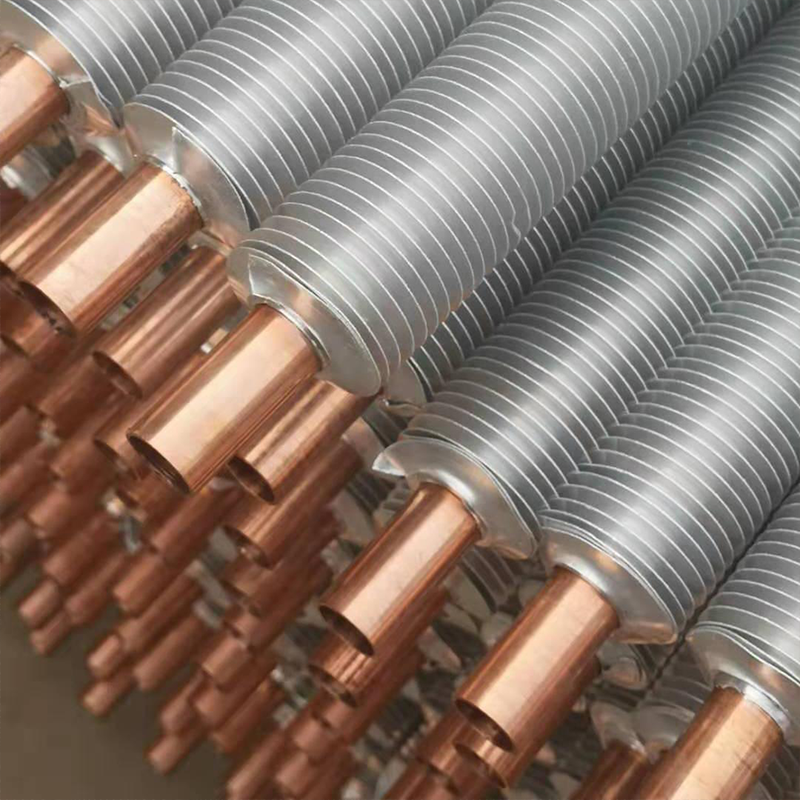
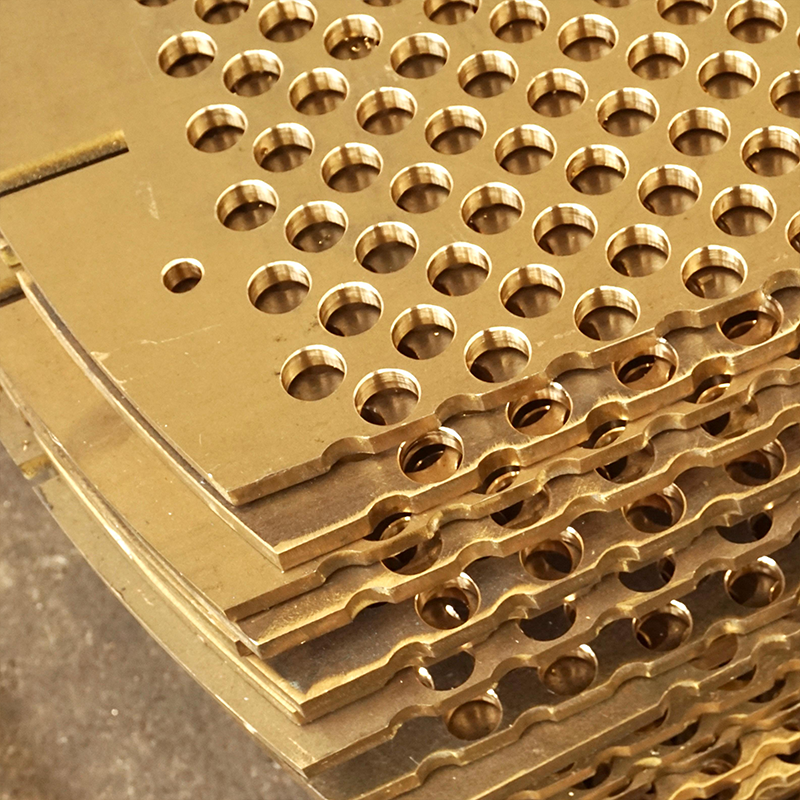
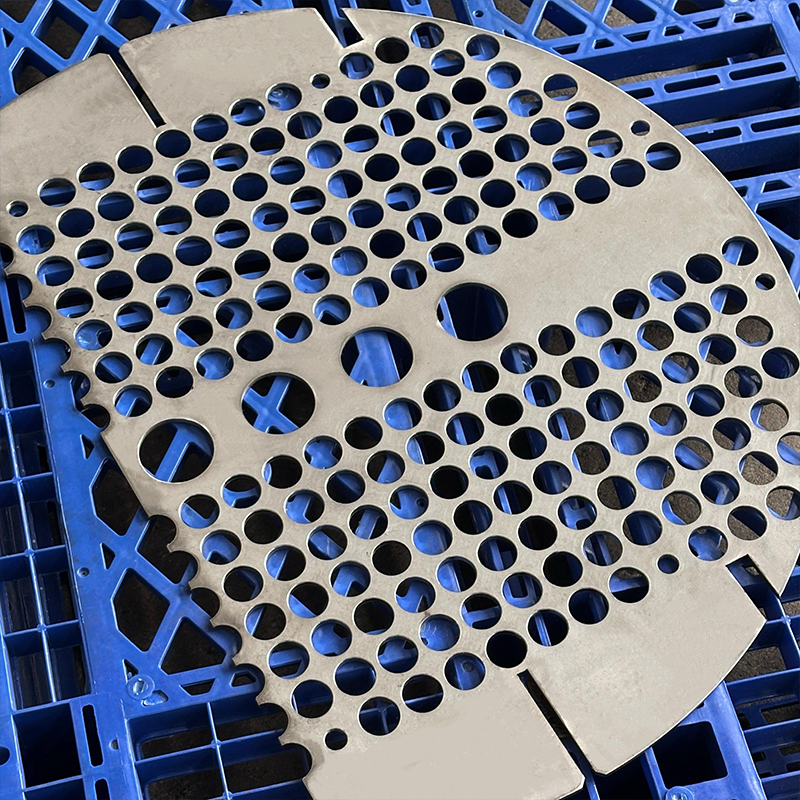
A striking example of a company that sets high standards in this area isWuxi Kaisheng Electric Power and Petrochemical Equipment Co., Ltd.. Specializing in the design and manufacture of advanced solutions, the company supplies critical components to a variety of industries, including petrochemicals, energy and shipbuilding. Their product portfolio includes titanium shell-and-tube heat exchangers, ASME high-pressure units, 316 stainless steel corrugated tube bundles, C46400 marine brass, copper-nickel alloys and N06625 nickel alloys. The range also includes air coolers, waste heat boilers and various tube sheets made from materials with exceptional corrosion resistance.
For students studying manufacturing processes, understanding the level of engineering used in modern factories is an important part of their learning. Wuxi Kaisheng's products, certified to international PED and ASME standards, demonstrate how the use of carbon, stainless, alloy steel, titanium and copper alloys can create systems that are resistant to extreme pressures and temperatures. The same principles of reliability and precision must be observed when organizing training practices: from the selection of protective equipment to the setup of production lines. The high-quality customized solutions and stable operation of equipment that the company provides to customers around the world serve as a standard for what future specialists should strive for in their professional activities.
Typical mistakes and analysis of real incidents
Theory is important, but real experience comes through error analysis. Over the years of organizing practice, we have identified several recurring problems that create risks for students and production. Knowing these cases helps to avoid their repetition.
Case 1: Violation of safety distance.
A group of students observed the replacement of a filter mesh in an extruder. One of the students, wanting to get a better look at the process, stepped beyond the boundary line. At this moment, the manipulator with the hot plate made a return movement. The safety sensor tripped and the line stopped, but the incident could have resulted in severe burns.Conclusion:Visual contact with the danger zone is only possible through protective screens or from a distance of at least 1 meter. No amount of “quick look” justifies violating the perimeter.
Case 2: Ignoring locks (LOTO).
While cleaning around the pulling mechanism, the student decided to adjust the sensor cable without making sure that the equipment was de-energized and locked using the Lockout/Tagout procedure. The mechanism was in automatic mode and started when it received a signal from the controller. Fortunately, the hand was gloved and only slightly pinched, but the lesson was learned by everyone.Conclusion:any interference with the operation of mechanisms, even seemingly safe, requires a complete stop and personal blocking of the energy source by each participant in the work.
Case 3: Errors in documentation.
The trainee, filling out the shift sheet, mixed up the batch numbers of raw materials. This resulted in engineers spending 6 hours looking for the problem in the wrong direction when tracking down defects in finished products.Conclusion:Accuracy in record keeping is as important as skill in operating the machine. An error in numbers can cost a company a loss of reputation.
We also face the problem of lack of physical fitness. A shift in the workshop lasts 8-12 hours, most of the time you need to stand. Some students cannot maintain this rhythm by the third day. We recommend that educational institutions conduct a preliminary assessment of the readiness of groups for this mode of operation.
Evaluation of results and issuance of certificates
Completing an internship should not be a formality. An effective assessment system allows you to weed out those who have not mastered the material and reward the best. Our methodology includes three assessment components:
- Daily monitoring.The mentor evaluates discipline, PPE compliance, and engagement. Every day a score is given from 1 to 5. The cumulative system motivates students to be attentive from the first day.
- Practical exam.The student must perform a specific operation under the supervision of a committee. For example: adjust the temperature regime for a new type of raw material, replace the knife in the cutting device, or perform a full cycle of pipe geometry measurements. The rating is given for speed, accuracy and safety of actions.
- Report protection.The student submits a report in which he analyzes the technological process of the site, proposes optimization options (even if they are obvious to professionals) and describes the difficulties encountered. This develops engineering thinking.
Based on the results of the practice, a testimonial is issued, which describes in detail the skills acquired: “Mastered working on an extruder with a diameter of 90 mm”, “Has permission to work with lifting mechanisms”, “Knows the methodology for conducting hydraulic tests”. Such a document is highly valued by future employers.
Employment opportunities are provided for the best students. Factories are always interested in personnel who already know the specifics of equipment and internal regulations. Statistics show that graduates who have completed full-time internships adapt to the workplace 3 times faster than employees without work experience.
Frequently Asked Questions
What is the minimum age allowed to practice in the workshop?
According to labor legislation and labor safety rules for hazardous industries, admission of students under 18 years of age is possible only for introductory practice without the right to independently operate the equipment. To operate the machines fully, you must be at least 18 years old. Exceptions are possible only for specialized training sites that simulate production, but not for operating workshops with a high hazard class.
Do I need to have a specialized education to do an internship?
It is desirable that students have a basic knowledge of polymer chemistry, physics and basic mechanics. Students of chemical, mechanical engineering and construction specialties adapt faster. However, we also accept students from related fields, providing them with an extended introductory training course lasting 2-3 days before admission to the workshop.
What to do if a student violates safety regulations?
Violation of safety regulations will result in immediate removal from practice. Depending on the severity of the offense, the student may be sent for re-instruction or completely excluded from the group with notification to the educational institution. Re-admission after a serious violation, as a rule, is not carried out, as this poses a threat to the team.
Are special clothing provided?
Yes, the enterprise is obliged to provide all trainees with the necessary set of PPE at its own expense. This includes gowns or suits, shoes, glasses and hearing protection. The use of your own clothing in the production area is prohibited.
Conclusion
Internship for students in the workshops of PE pipe factories is a difficult but irreplaceable stage in the formation of a qualified specialist. It requires coordinated work of teachers, industrial training masters and employees of the enterprise’s labor protection department. Only by following strict regulations and paying attention to detail can we develop personnel capable of operating modern high-tech lines.
We are ready to share our experience in organizing such programs and help educational institutions build effective interaction with industry. A properly structured training process reduces accidents and improves the quality of future industry products.
If you represent an educational institution or a manufacturing company and want to discuss the details of organizing an internship,contact us today. Our experts will help you develop a customized internship plan that suits your requirements and capabilities.