
Career guidance for students in the field of polymers”
2026-09-09
- Career guidance for students in the field of polymers: why is it critical today
- The real state of the labor market in the polymer industry
- Key areas and specializations: where to apply
- Necessary skills and competencies of a future specialist
- Career trajectories and income levels
- Common myths and mistakes when choosing a profession
- How to get practical experience while studying
- Industry development prospects until 2030
- The role of high-tech equipment in the development of the industry
- Frequently Asked Questions
- Conclusion and next steps
Career guidance for students in the field of polymers: why is it critical today
Career guidance for students in the field of polymersis not just a choice of a university or faculty, but a strategic decision that determines a career trajectory for decades to come. In 2026, the plastics processing and composites industry is undergoing a fundamental transformation: the transition from traditional mass production to high-tech solutions requires a completely new set of competencies. The market is experiencing an acute shortage of process engineers capable of working with the latest generation of extruders, understanding the rheology of melts and introducing the principles of a circular economy in production. We are seeing a situation where graduates of chemical faculties often find themselves theoretically savvy, but absolutely helpless in front of real production equipment.
Our company, working with leading manufacturers of polymer equipment and raw materials, daily faces the consequences of the wrong choice of profession by young specialists. Mistakes in career guidance are costly: lost years of study, disappointment in the industry and, worst of all, staff shortages at factories, which slow down the development of the entire industry. The purpose of this guide is to give you, the student and applicant, an honest, data-based overview of what awaits you in the world of polymers. We won't use fancy marketing phrases; instead, we will analyze specific skills, salaries, risks and prospects, drawing on experience working with dozens of enterprises in Russia and the CIS.
The real state of the labor market in the polymer industry
The demand for qualified personnel in the plastics processing sector is growing at an accelerated pace. According to the Plastics Manufacturers and Processors Association, the need for process engineers and extrusion line operators has increased by 34% over the past two years. However, the paradox is that the number of specialized graduates ready for real work remains consistently low. Employers are forced to spend from 3 to 6 months on additional training of young specialists before they can independently carry out the technological process without the risk of defects or breakdown of expensive equipment.
In our practice, there was a case when a large plant for the production of HDPE pipes hired a group of graduates from a prestigious technical university. Despite excellent grades in their diplomas, none of them knew how to correctly set the extruder temperature zones for a specific type of granulate. The result was a series of emergency stops of the line and damage to several tons of raw materials. This example clearly demonstrates the gap between the academic program and the requirements of modern production.Career guidance for students in the field of polymersshould begin not with viewing university websites, but with an understanding of exactly what tasks need to be solved every day.
The geography of vacancies is also shifting. If previously the main centers of gravity were located exclusively in megacities, now new modern factories are opening in industrial clusters of regions where competitive social packages and housing are offered. The salary range for a beginning technologist varies from 65,000 to 90,000 rubles depending on the region and complexity of the equipment, and after 3-4 years of experience, income can exceed 150,000 rubles. By comparison, in related industries such as general chemicals or petroleum refining, entry barriers are often higher and growth dynamics are lower.
The key trend for 2025-2026 is automation. Enterprises are implementing SCADA systems and the Industrial Internet of Things (IIoT), which changes the profile of the required specialist. Now the employee is required not only to know polymer chemistry, but also to have basic controller programming skills, the ability to read electrical circuits and work with digital interfaces. Those who ignore this aspect when choosing a specialization risk finding themselves unclaimed within five years. We recommend immediately evaluating study programs for modules on automation and robotics.
Key areas and specializations: where to apply
The choice of a specific specialization within the polymer industry determines your future functionality. Conventionally, the market is divided into three large segments: production of raw materials (petrochemicals), processing (extrusion, casting) and secondary processing (recycling). Each requires a unique set of knowledge and offers a different working environment. The mistake of many applicants is that they perceive “plastics” as a single whole, not seeing the differences between working in a research institute laboratory and working in a hot extrusion shop.
Technology for processing plastics and elastomers
This is the most popular and popular direction. Here you will be involved in the direct transformation of granules into finished products: pipes, films, car parts, packaging. The curriculum focuses on rheology, polymer thermodynamics and processing equipment design. Graduates of this specialty work as shift foremen, technologists and production site supervisors. This is work “in the field”, requiring high stress resistance and the ability to make quick decisions. The advantage of this direction is a huge number of vacancies and rapid career growth. Disadvantage: physical working conditions and shift schedule.
Chemistry and technology of polymer composite materials
A more scientific and laboratory direction, focused on the creation of new formulations and materials with specified properties. There is less work with bulky machines and more with differential scanning calorimeters, rheometers and testing machines. Specialists of this profile are in demand in the R&D centers of large holdings, as well as in the defense and aerospace industries, where carbon fiber and fiberglass reinforced plastics are used. Salaries at the start may be slightly lower than those of production workers, but the ceiling is much higher, especially when moving into project management or international corporations.
Ecology and recycling of polymer waste
The fastest growing area due to tightening environmental legislation and the introduction of extended producer responsibility (EPR). Specialists learn technologies for sorting, washing, agglomeration and granulation of secondary raw materials. This is work at the intersection of engineering and ecology. In 2026, the demand for such experts will grow exponentially as factories are required to implement closed plastic cycles. Career guidance for students in the field of polymers must take this vector into account, since this is where the investments of the next decade lie.
When choosing a university, pay attention not to the overall ranking of the university, but to the availability of its own material and technical base. Ask to see photos of laboratories and production sites. If the program devotes many hours to practice at real partner enterprises, this is a huge plus. Avoid educational institutions where the study of polymers is limited to lectures without the opportunity to touch the material or see the extruder in action.
Necessary skills and competencies of a future specialist
Success in the polymer industry depends not only on a diploma, but also on a set of specific hard and soft skills. A modern employer looks at a candidate holistically, assessing his ability to adapt to rapidly changing production conditions. Below is a list of skills that will become your competitive advantage in employment.
- Understanding rheology and physics of processes:You should intuitively feel how the melt behaves under pressure. Knowing how temperature and shear rate affect viscosity will allow you to prevent product defects before they occur. This is the basis without which fine-tuning of the equipment is impossible.
- Skills in working with CAD/CAM systems:Even if you are not a designer, the ability to read a drawing of a mold or part in SolidWorks or Compass-3D is a must. This speeds up communication with the chief mechanic’s department and allows you to quickly identify the causes of defects related to the geometry of the product.
- Knowledge of quality standards (ISO, GOST):Understanding product certification requirements, sampling and testing methods is critical. An error in documentation or non-compliance with a standard can lead to a recall of a batch of goods and huge financial losses for the company.
- English technical language:Most of the advanced equipment and technical documentation comes from abroad or has English interfaces. The ability to read the original extruder manual saves days of downtime and increases your value in the eyes of management.
- Digital literacy:Ability to work with ERP systems (for example, 1C:Enterprise, SAP) to account for raw materials and product output, as well as a basic understanding of the principles of Industry 4.0. The digitalization of factories is in full swing, and the paper shift log is becoming a thing of the past.
Particular attention should be paid to the development of analytical thinking. In our practice, it happened that a problem with film quality was solved not by replacing raw materials, but by adjusting the installation angle of the cooling rings by 2 degrees. Such nuances cannot be found in textbooks; they come with experience and the ability to analyze a combination of factors. Students are encouraged to participate in olympiads and case championships, where real production situations are simulated.
Career trajectories and income levels
The financial component is one of the main factors when choosing a profession. The polymer industry offers a transparent and understandable system of income growth, which directly correlates with the level of responsibility and qualifications. Unlike many other areas, here the result of your work can be easily measured in tons of products produced and the percentage of defects, which is often reflected in the bonus system.
The starting position for a graduate without experience is a line operator or a quality control laboratory assistant. At this stage, the salary ranges from 50,000 to 70,000 rubles. The main task is to learn how to operate equipment and follow technology. After 1-2 years of successful work, a transition to the position of technologist or shift foreman is possible. Here the salary increases to 80,000 - 110,000 rubles, and responsibilities for training newcomers and optimizing line operating modes are added.
The pinnacle of a career for a line specialist is the position of production manager or chief technologist of a plant. Income in these positions starts from 150,000 rubles and can reach 300,000 rubles and higher in large holdings. There is also the possibility of moving into related areas: technical sales of equipment or raw materials, service, production audit. In these sectors, incomes often have a variable component and can significantly exceed factory salaries.
| Position | Work experience | Average salary (RUB) | Key Requirements |
|---|---|---|---|
| Extrusion/Casting Operator | 0-1 year | 55,000 – 75,000 | Efficiency, safety knowledge, basic understanding of the process |
| Process engineer | 1-3 years | 85,000 – 120,000 | Higher specialized education, ability to configure equipment, defect analysis |
| Leading R&D specialist | 3-5 years | 110,000 – 160,000 | Deep knowledge of polymer chemistry, experience in formulation development, English language |
| Head of Production | 5+ years | 150,000 – 250,000+ | Management skills, cost optimization experience, knowledge of lean manufacturing |
It's important to note that numbers may vary by region. In Moscow and St. Petersburg, rates are 20-30% higher, but the cost of living is corresponding. In regions with a developed petrochemical industry (Tatarstan, Bashkortostan, Tomsk region), there are special programs to support young specialists, including preferential mortgages and lifting payments.Career guidance for students in the field of polymersshould include an analysis of not only salary, but also the social package, which is sometimes more important than the monthly salary.
Common myths and mistakes when choosing a profession
There are many stereotypes around working with plastics that scare away talented young people. Debunking these myths is an important part of the process of making informed choices. Let's face it and separate fact from fiction based on the realities of modern manufacturing.
Myth 1: “This is a dirty and harmful job.”Ten years ago this might have been partially true for artisanal shops. Today, modern factories are clean, bright rooms with a powerful ventilation system and automated lines. Operator contact with raw materials is minimized, and levels of harmful substances are strictly controlled and within sanitary standards. We regularly conduct audits of enterprises and see that working conditions at leading factories are often better than in ordinary office centers.
Myth 2: “The industry is dying because of the plastic ban.”A complete ban on plastics is not planned and is not planned in the foreseeable future. We are talking about a transition to smart consumption and recycling. Plastic is indispensable in medicine, construction, automotive and aviation due to its weight-to-strength ratio. The industry's goal is not to disappear, but to become more environmentally friendly. Specialists skilled in biodegradable polymer and recycling technologies will always be needed.
Myth 3: “You need to be a genius in chemistry.”Of course, knowledge of chemistry is important, but for successful work as a technologist, engineering thinking and understanding of physical processes are more important. Many excellent specialists came to the industry from mechanics or automation. The main thing is the desire to understand how the machine works and the ability to think logically. Chemical formulas can be found in a reference book, but the intuition for setting up equipment needs to be developed with practice.
One of the most common mistakes students make is ignoring practice. A diploma with a red tint does not guarantee success if you are afraid of getting your hands dirty or don’t know what different brands of granules look like in real life. In our company, we give preference to candidates who, during their studies, completed an internship in real production, even if their average score is slightly lower. Real experience in solving problems “here and now” is valued above theoretical knowledge.
How to get practical experience while studying
Theory without practice is dead, especially in engineering. To have a competitive advantage by the time you graduate, you must actively seek opportunities to apply your knowledge in real-world settings. The university program provides the foundation, but the real skills are developed at the machine.
- Industrial practice:Don't treat her formally. Choose enterprises that actually have modern equipment. Try not to just stand next to the operator, but to ask permission to perform simple operations under supervision. Ask questions: why is the temperature set this way? Why such a screw rotation speed? Understanding cause and effect is the key to mastery.
- Participation in student competitions:Industry championships, such as WorldSkills or specialized competitions from plastics associations, allow you to test your strength in solving non-standard problems. Winning or even participating in the final of such a competition is a significant line on your resume that immediately sets you apart from other applicants.
- Scientific work with an applied bias:Choose topics for coursework and dissertations related to the real problems of specific plants. For example, “Optimization of HDPE pipe extrusion mode to reduce energy consumption.” This approach will interest potential employers, who will see in you a person capable of generating profit, and not just wasting resources.
- Internships in service centers:Try to get an internship at a company engaged in the maintenance and repair of polymer equipment. This will provide a unique opportunity to see the inside of machines, understand typical breakdowns and how to fix them. An engineer who knows the design of the machine will always better set up the technological process.
- Networking:Attend industry exhibitions (for example, RosPlast, Interplastica). Communicate with company representatives, collect contacts, ask questions about vacancies for interns. Often places are allocated even before the official publication of vacancies, through personal recommendations.
Remember that every hour spent on the shop floor is worth ten hours of lectures. Don’t be afraid to ask “stupid” questions to experienced craftsmen - most of them are willing to share their knowledge with enthusiastic young people. It is this proactive approach that distinguishes future industry leaders from mere performers.
Industry development prospects until 2030
Looking into the future, we can say with confidence that the polymer industry will remain one of the drivers of the global economy. Forecasts from analytical agencies indicate an annual increase in the consumption of polymer materials by 3-4%. However, the structure of this growth is changing. The emphasis is on import substitution, development of in-house production of catalysts and base polymers, as well as deep processing.
Technological sovereignty is becoming a priority of state policy. This means large-scale investments in the construction of new plants and modernization of old ones. For young professionals, this is a guarantee of stability and availability of jobs for many years to come. Projects such as the construction of complexes for processing polymer waste in each region create thousands of new growth points.
We can also expect a boom in the segment of additive technologies (3D printing with plastic). This niche is moving from prototyping to mass production, requiring specialists who understand the specifics of printed materials and post-processing of products. Possession of these technologies can already become your unique feature in the labor market.
The global trend towards sustainable development (ESG) dictates new rules of the game. Companies that can prove the environmental friendliness of their production and product will have access to better markets and investments. Experts who understand the product life cycle and how to reduce your carbon footprint are worth their weight in gold.Career guidance for students in the field of polymersmust take into account these global challenges, preparing personnel not for yesterday, but for tomorrow.
The role of high-tech equipment in the development of the industry
Successful implementation of all the prospects described above is impossible without a reliable technical base. Modern polymer and petrochemical plants are complex ecosystems where every link must operate at maximum efficiency. This is where the quality of auxiliary equipment comes to the fore, ensuring the stability of technological processes.
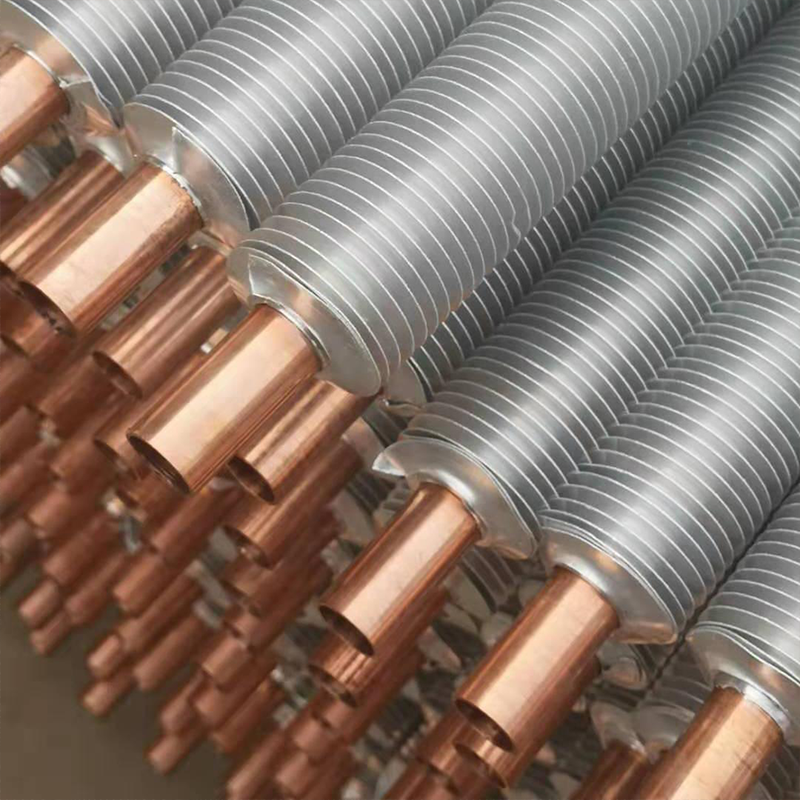
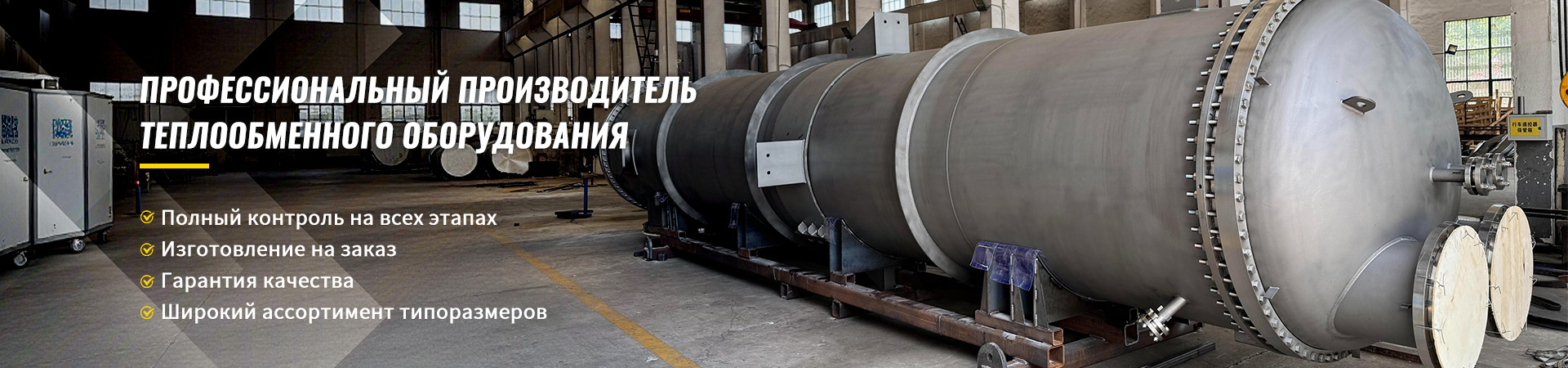
A striking example of a world-class solution provider is the companyWuxi Kaisheng Electric Power and Petrochemical Equipment Co., Ltd.. Specializing in the design and manufacture of advanced heat transfer and petrochemical equipment, the company plays a key role in equipping modern production facilities. Their products, including titanium shell-and-tube heat exchangers, ASME-standard high-pressure units and 316 stainless steel corrugated tube bundles, provide the corrosion resistance and thermal efficiency required in harsh environments.
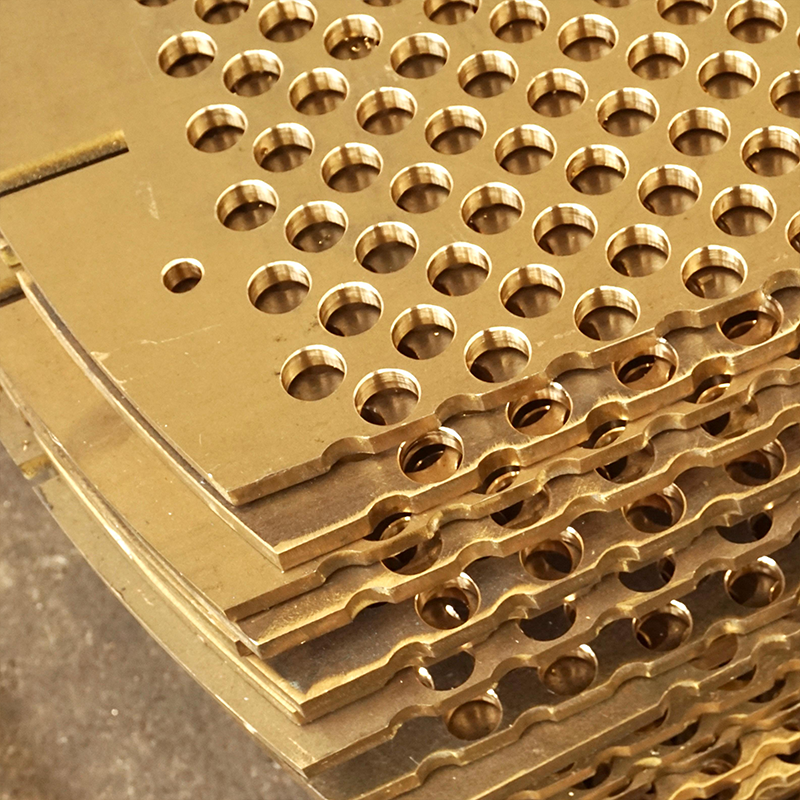
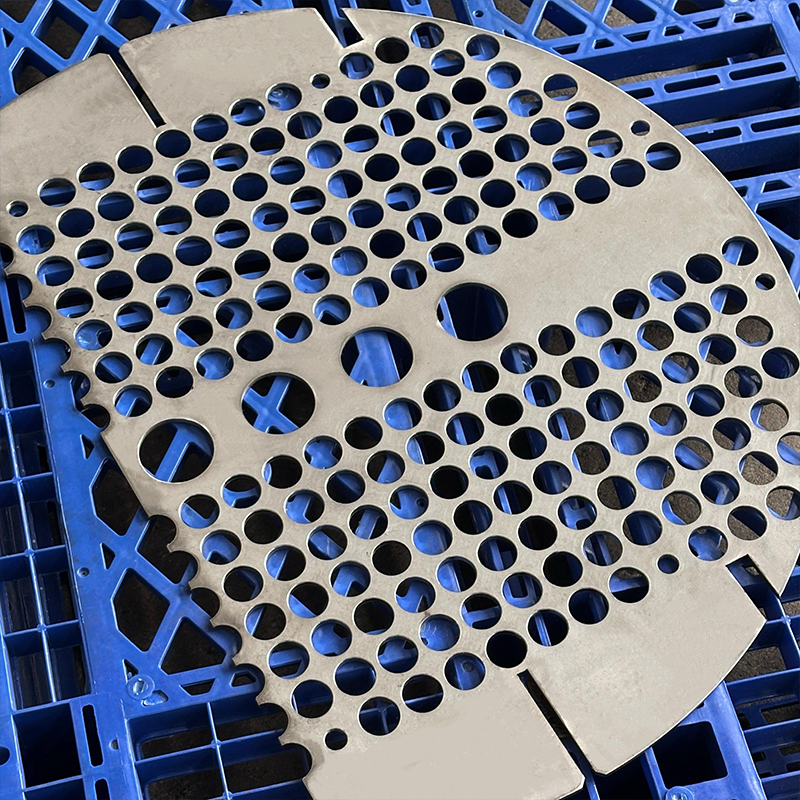
It is important for students and future engineers to understand that working with such equipment requires deep knowledge of materials science and thermodynamics. The use of alloys such as C46400 marine brass, copper-nickel compounds or N06625 nickel alloys in air coolers and recovery boilers allows refineries, chemical industries and shipbuilding to achieve record energy savings. Product certification to PED and ASME standards confirms the product's ability to withstand extreme pressures and temperatures, which is critical to production safety. Understanding the operating principles of systems such as 321 steel or C46400 brass tube sheets will be a significant advantage for those seeking to work in cutting-edge facilities that utilize custom engineering solutions from market leaders.
Frequently Asked Questions
Frequently Asked Questions
Question: Do you need to know higher mathematics to work in the polymer industry?
Answer: For the position of an operator or line technologist, a school course and basic algebra for calculating modes are sufficient. However, for design engineers, developers of new materials and R&D specialists, knowledge of higher mathematics, differential equations and statistics is mandatory. This is necessary for modeling processes and analyzing complex dependencies of material properties on synthesis parameters.
Question: Is there a difference in working with different types of plastics (PE, PP, PVC)?
Answer: Yes, the difference is significant. Each polymer has its own processing temperature, shear sensitivity and tendency to degradation. For example, PVC requires special care due to the release of chlorine when overheated, and polypropylene is very sensitive to oxidation. The technologist must clearly know the specifics of each material with which his line works, since there are no universal settings.
Question: Is it possible to start a career without higher education?
Answer: Yes, you can start as an operator after graduating from college or retraining courses. Many successful shift supervisors started out this way. However, for career advancement to the level of chief technologist or production director, higher education is almost mandatory. It provides a systematic understanding of processes necessary for making strategic decisions.
Question: How dangerous is working with polymers to health?
Answer: As long as safety precautions are followed and there is proper ventilation, work is safe. The main risks are associated with inhalation of dust when loading raw materials or vapors when temperature conditions are violated. Modern factories are equipped with aspiration systems and gas analyzers. The use of PPE (respirators, gloves) is a mandatory requirement and effectively protects the employee.
Question: Where can I look for current vacancies in this area?
Answer: In addition to general job search portals, we recommend monitoring the websites of large petrochemical holdings (SIBUR, TAIF, Nizhnekamskneftekhim, etc.), specialized industry resources and telegram channels of associations of plastic processors. Another effective method is to directly contact the HR departments of enterprises in your region with a cover letter.
Conclusion and next steps
The polymer industry is a dynamic, technological and promising sector of the economy that needs smart and motivated people. Choosing a profession in this field is an investment in your future, which, with the right approach, brings high dividends in the form of a stable income, demand and the opportunity for real creation. Don’t listen to outdated stereotypes, study the market, gain practical skills and boldly enter the world of high technology.
If you would like to learn more about specific job openings, internship opportunities, or get advice on choosing a school, we are here to help. Our team has many years of experience in the industry and knows all the pitfalls and hidden opportunities of this market. Contact us today to take the first step towards a successful career in polymers.
For an in-depth study of the topic, we recommend that you read our materials onpolymer processing technologiesand up-to-date information aboutmarket trends 2026. Remember that information is power, and proper career guidance is the key to your professional success.