
Test reports for polypropylene tanks”
2026-09-11
- What is a test report for polypropylene tanks and why is it needed?
- Key parameters recorded in the test report
- Standards and regulatory framework: GOST, ISO and internal regulations
- Typical mistakes when preparing and interpreting documents
- Procedure for independent examination and incoming control
- Impact of documentation quality on cost and delivery time
- How to order a quality protocol and avoid risks
- Frequently Asked Questions
- Conclusion
What is a test report for polypropylene tanks and why is it needed?
A test report for polypropylene tanks is an official document confirming that a specific tank has withstood mechanical, chemical and temperature loads in accordance with the declared characteristics. Without this paper certificate, any purchased tank for aggressive media turns into a “black box”, the use of which in hazardous production carries direct legal and financial risks. In our practice, we have repeatedly encountered situations where the lack of a detailed protocol led to the refusal of the insurance company to pay compensation after depressurization of a container. This document is not just a formality; this is the safety data sheet for your asset.
Unlike a certificate of conformity, which is often issued for a series of products and is of a general nature, the test report is tied to a specific batch or even a single product. It contains real numbers: wall thickness at five control points, hydraulic pressure results, data on welds and chemical resistance of the material at a certain temperature. For a production engineer or chief mechanic of a plant, this data is more important than beautiful marketing brochures. If you plan to store sulfuric acid, alkalis or organic solvents, you need to know the yield strength of the material under your operating conditions, and not the average values from the reference book.
We recommend requesting an extended protocol at the stage of creating technical specifications for the supplier. Many unscrupulous manufacturers try to substitute concepts by providing certificates for raw materials (polypropylene granules), but this does not guarantee the quality of the finished product. The sheet could be overheated during extrusion, welding could be performed in violation of the temperature regime, and the geometry of the body could be distorted during cooling. Only comprehensive testing of the finished tank provides a complete picture. Below we will look in detail at what parameters must be reflected in the document in order to protect your business from emergency situations.
Key parameters recorded in the test report
Any competent test protocol for polypropylene tanks begins with object identification. Not only the serial number and date of manufacture are indicated here, but also the brand of raw materials used. It is important to understand the difference between a homopolymer (PP-H) and a copolymer (PP-B or PP-R). The homopolymer has excellent chemical resistance but becomes brittle at temperatures below 0°C. The copolymer is more impact resistant, but may be less resistant to some oxidizing agents. In the “Material” section of the protocol, not just “polypropylene” should be indicated, but a specific brand, for example, PPH 100 or an analogue, with reference to the certificate of the sheet material manufacturer. This allows you to trace the entire quality chain.
The next critical block is geometric characteristics and wall thickness. Polypropylene sheets have thickness tolerances, which are regulated by standards (for example, DIN or GOST). However, during the welding process, the thickness of the weld and the heat-affected zone changes. The protocol must contain a table of measurements of the thickness of the bottom, walls and ceiling at a minimum of 5-10 control points. We often see how customers ignore this point, and then discover that the actual wall thickness is 9 mm instead of the stated 10 mm. For a tank with a volume of 50 cubic meters under load, this difference of 1 millimeter can cause deformation (“barrel formation”) or destruction of the bottom. Require the document to include minimum, maximum, and average values.
Particular attention is paid to the quality of welded joints. Polypropylene is joined by extrusion welding or hot air. The test report must include data on visual inspection (VIC) and, if necessary, ultrasonic or x-ray inspection of seams. The presence or absence of undercuts, pores, lack of penetration and cracks is described. The permissible sizes of defects are strictly standardized. For example, the cutting depth should not exceed 10% of the wall thickness. If the protocol contains the dry phrase “no defects were identified” without indicating the inspection method and the number of seams tested, such a document has no real value. We advise you to insist on attaching photographs of critical welding units directly in the body of the protocol.
Hydraulic and leak testing
The most obvious stage of testing is hydraulic testing. The reservoir is filled with water (or other incompressible liquid) to a level exceeding the operating level by 10-20%, and maintained under pressure for a certain time (usually from 2 to 24 hours depending on the volume). The protocol records the initial and final pressure, water and ambient temperature, as well as the absence of leaks and residual deformations. An important nuance: polypropylene is a viscoelastic material. Under load, it can “crawl” a little. Therefore, in the “Result” column, not only the absence of leaks should be recorded, but also a measurement of the change in the geometry of the housing after the pressure is released. If the tank remains oval after draining the water, this is a sign of overstressing the material.
The question often arises: is it possible to test with air? For large-volume polypropylene containers, pneumatic tests are extremely dangerous due to the high energy of the compressed gas. When the tank is destroyed, an explosive release of energy occurs. Therefore, safety standards in most countries require the use of liquid only. The protocol must indicate the filling method and the rate of pressure rise. Sudden filling can cause water hammer, which will damage the pipes or the bottom even before official measurements begin. Our engineers always monitor this process, since the haste of installers often leads to false alarms or real damage.
Chemical resistance and temperature conditions
For chemical production, the most important section of the protocol is confirmation of chemical resistance. Although polypropylene is known for its inertness, it is not universal. Aromatic hydrocarbons, chlorinated solvents and strong oxidizing agents can cause swelling or stress cracking. The ideal test report for polypropylene tanks provides data on the material's compatibility with the customer's specific operating environment. If such a test is not possible in a factory setting (due to the aggressiveness of the environment), the document must contain a link to authoritative chemical resistance tables (for example, from the manufacturer of the raw materials) indicating the temperature and concentration of the substance.
The temperature factor plays a decisive role. The mechanical strength of polypropylene decreases with increasing temperature. At 20°C the elastic modulus is the same, and at 60°C it is already significantly lower. The protocol must clearly distinguish between test conditions and operating conditions. If the tank was tested with cold water, this does not guarantee its reliability when working with hot electrolyte. We recommend requiring thermal cycling as part of acceptance testing: several cycles of heating to operating temperature and cooling. This reveals hidden stresses in welds that do not appear under static loading. The absence of such data in the documentation is a red flag for the responsible engineer.
Standards and regulatory framework: GOST, ISO and internal regulations
When analyzing the documentation, it is important to understand what standards the manufacturer relies on. In Russia and the CIS countries, GOST has long remained the main document, but for polymer containers there is no single strict standard similar to GOST R 52630 for steel vessels. Manufacturers are often guided by their own Technical Specifications (TS) or European standards, such as DIN 16960 (welding of thermoplastics) or DVS 2208. The test report for polypropylene tanks must clearly indicate the regulatory document that served as the basis for acceptance. Reference to "common practice" is unacceptable in a serious project.
International ISO standards, in particular the ISO 9001 series, regulate the quality management system, but do not provide specific test procedures for each type of tank. However, the fact that the plant has an ISO 9001 certificate indirectly confirms that control procedures have been established. More specific is the ISO 15494 standard for plastic piping systems, the principles of which are often extrapolated to tanks. In Europe, there is also a PED (Pressure Equipment Directive), which classifies vessels according to the degree of danger. If your tank is pressurized, PED compliance becomes mandatory and the test report becomes part of the technical documentation for CE marking.
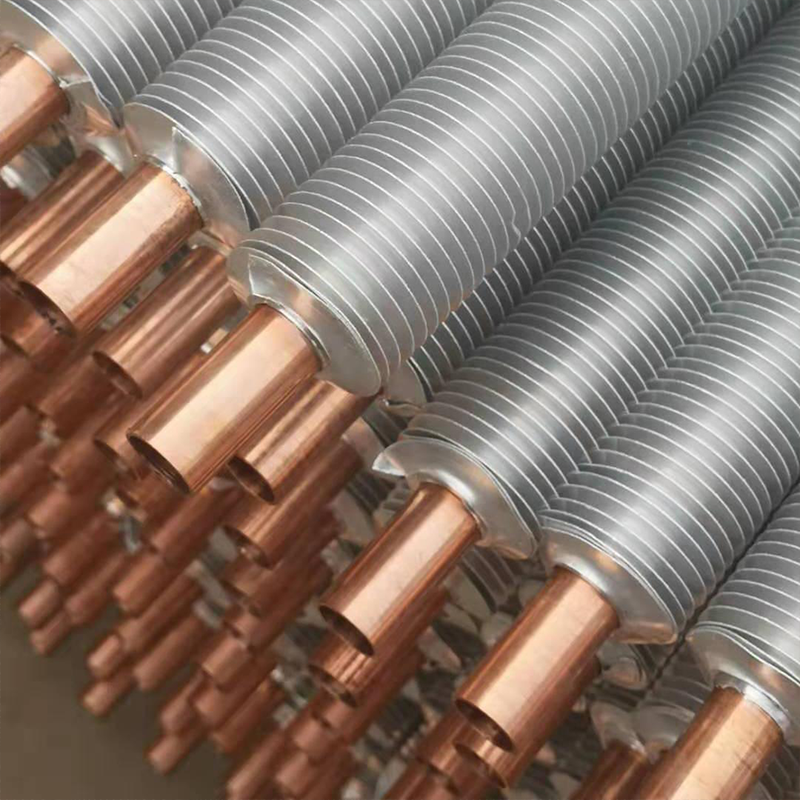
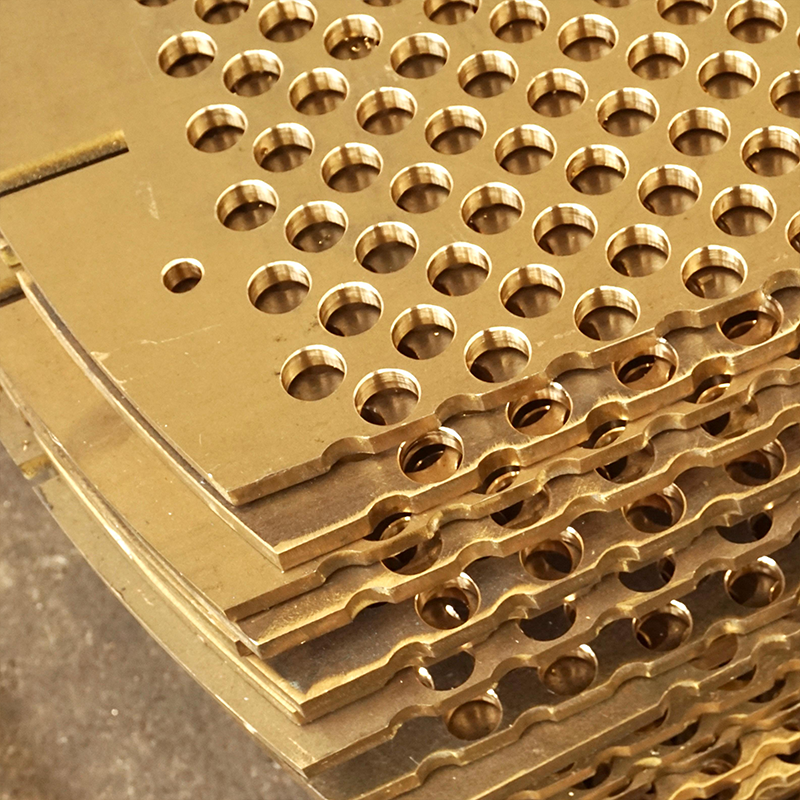
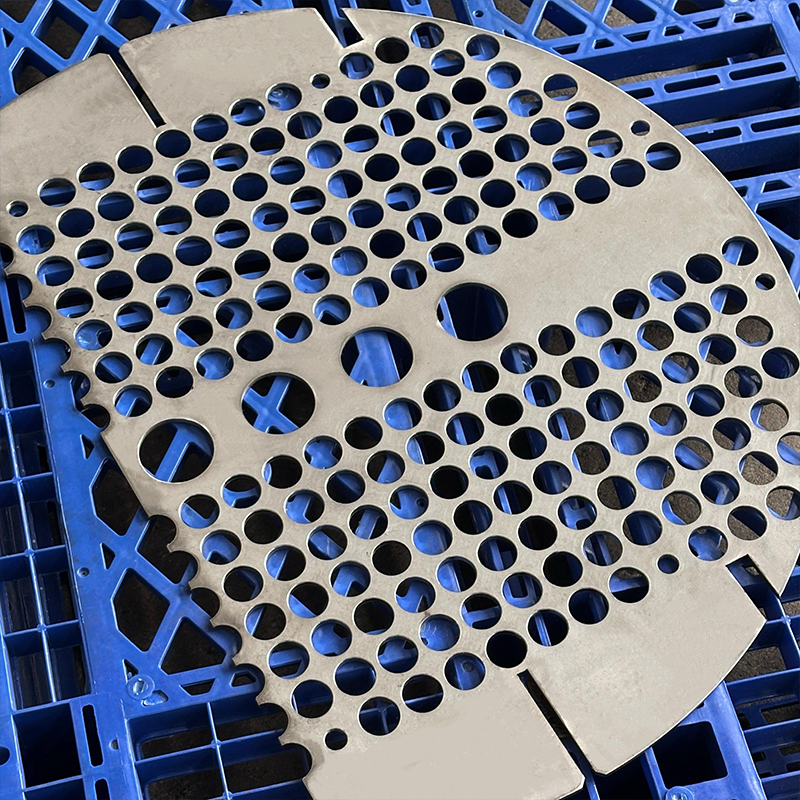
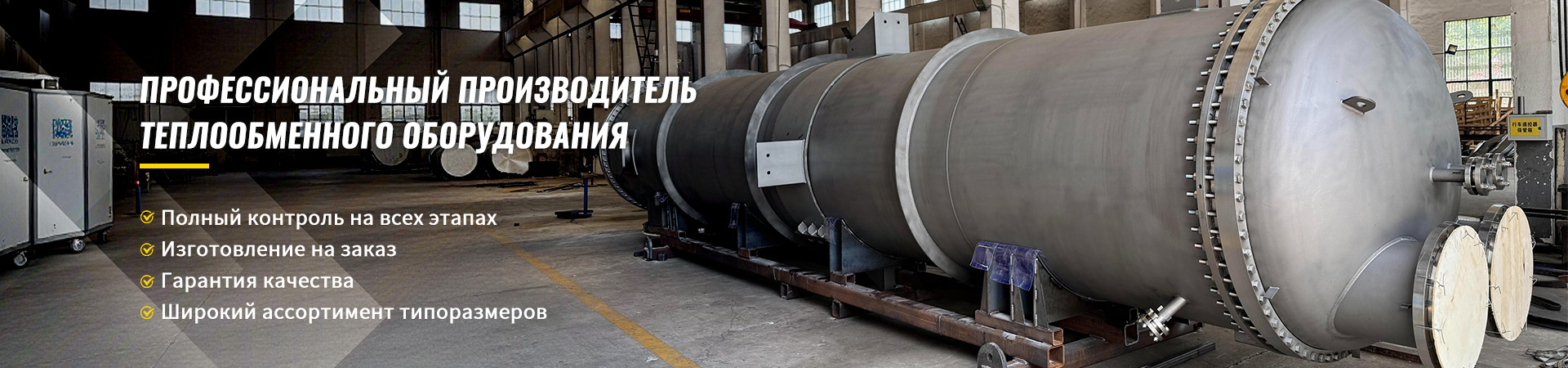
High requirements for standardization and quality control are the basis of the work of leading manufacturers of industrial equipment. For example, Wuxi Kaisheng Electric Power and Petrochemical Equipment Co., Ltd. specializes in the design and production of complex heat transfer and petrochemical equipment, including titanium shell-and-tube heat exchangers, ASME high-pressure apparatus and special alloy components (nickel, copper-nickel alloys, marine brass). Their products, certified to stringent international PED and ASME standards, are widely used in the petroleum refining, chemical and shipbuilding industries. The experience of such companies demonstrates that regardless of the material - be it polypropylene or high-alloy steels - transparency of testing procedures and compliance with strict standards remains a fundamental principle. It is this approach, combining customized solutions with consistent quality, that allows us to supply reliable equipment to customers around the world and avoid the risks associated with operation in aggressive environments.
In our practice, there was a case when a batch of tanks was rejected by the customer precisely because the test methodology did not comply with the internal corporate standards of the purchasing enterprise. The plant carried out tests according to its specifications, but did not take into account the customer’s requirement for the duration of exposure under load. This resulted in installation downtime of three weeks and additional logistics costs. To avoid such conflicts, agree on the form and content of the test report before production begins. Include in the contract a clause stating that acceptance is carried out solely on the basis of a protocol signed by both parties with specific numerical values, and not qualitative assessments such as “satisfactory”.
| Control parameter | Test method | Standard value (example) | Critical deviation |
|---|---|---|---|
| Wall thickness | Ultrasonic thickness gauge | Nominal ±10% | Minimum below 90% of nominal |
| Seam tightness | Hydraulic pressure (1.25 from working) | No drops for 24 hours | Any visible leak |
| Body geometry | Laser scanning/plumb | Vertical deviation ≤ 5 mm per 1 m | Skew > 10 mm at full height |
| Welding quality (WQ) | Visual and measuring control | Undercut ≤ 0.5 mm, no pores | Lack of penetration, through pores |
| Impact strength | Test on a pendulum pile driver (samples) | ≥ 15 kJ/m² at +20°C | Brittle fracture of the sample |
Typical mistakes when preparing and interpreting documents
One of the most common mistakes is the substitution of concepts, when instead of a test report for a specific product, the client is provided with a certificate for the material. A sheet of polypropylene may be of the highest quality, but if the welder violated the technology (extruder temperature is too high, dirty filler rod, draft in the workshop), the finished tank will be defective. The test protocol for polypropylene tanks should be based on tests of the finished design. We have seen cases where beautiful certificates for German or Czech plastic accompanied tanks assembled in garage conditions with gross violations. Always check the sheet lot number in the raw material certificate with the lot number in the product passport.
The second problem is the vague formulation of the results. Phrases like “no defects found” or “meets requirements” without digital confirmation are useless if a dispute arises. What does "not detected" mean? Have you examined the seams with a magnifying glass? Have you checked the bottom for subsidence? A good protocol operates with facts: “No leak was detected at a pressure of 0.15 MPa for 4 hours,” “The deviation from the vertical was 3 mm.” If you receive a document with general words, ask for it to be redone. In court or in arbitration, such a document will not be able to protect your interests, since it does not prove the fact that real measurements have been taken.
The third error concerns the test conditions. Tests are often carried out at an air temperature of +5°C, although operation is planned at +40°C. Or vice versa. Polypropylene is temperature sensitive. Testing a cold tank with water will not show the problems that will arise when working with hot acid. The protocol must contain a section “Test conditions”, where the ambient temperature and the temperature of the test liquid are recorded. Ignoring this point is a direct road to premature equipment failure. One of our clients lost a batch of reagents precisely because they did not pay attention to the water temperature during hydraulic tests in the winter batch.
Procedure for independent examination and incoming control
Even the presence of a protocol from the manufacturer does not always guarantee peace of mind. Large projects require independent expertise. This is especially true for large-volume tanks (over 50 m³) or those handling particularly hazardous substances. An independent laboratory can carry out random sampling for destructive testing, check the hardness of the joints and perform repeated hydraulic tests. The costs of such a check usually amount to 1-3% of the cost of the equipment, but they are not comparable with the risks of an accident. The independent examination report carries more weight in insurance claims and litigation.
Incoming control at the customer’s site is another line of defense. When accepting the goods, it is necessary to check the actual dimensions and configuration with the data specified in the test report. It often happens that while the tank was being transported, stress or deformation arose in it. Check the integrity of the pipes, the absence of cracks at the corners, and the evenness of the installation of the supports. If you find discrepancies with the protocol (for example, a dent that was not in the photo in the document), the acceptance certificate cannot be signed. It is required to draw up a statement of disagreement and call a representative of the manufacturer.
We recommend creating a documentation archive for each tank. The test report is a living document. During operation, records of repairs, upgrades or periodic inspections can be made in it. Having a complete life history of a container increases its liquidity when selling an enterprise and simplifies the procedure for extending its service life. The laws of many countries require the storage of technical documentation for hazardous production facilities for the entire period of their operation plus several years after disposal. The loss of a test report can create problems during inspections by regulatory authorities.
Impact of documentation quality on cost and delivery time
Customers often wonder why the cost of a tank with an extended test protocol is 10-15% higher. The answer is simple: quality tests require time, equipment and qualified personnel. Hydraulic testing takes up space on the shop floor for several days. Ultrasonic testing requires expensive equipment and certified specialists. Laboratory testing of samples costs money. A cheap manufacturer saves on these steps by offering a “paper” protocol generated in the office in 5 minutes. The difference in price is the price to pay for the confidence that the tank will not leak after a month of operation.
Delivery times also directly depend on the test program. A standard tank manufacturing cycle can take 2 weeks, but if the contract includes full hydraulic tests with holding for 24 hours and subsequent drying, the period is extended by another 2-3 days. For large batches, where every fifth or tenth tank in a series is tested, the logistics become more complicated. However, these delays are insignificant compared to the downtime of an entire production due to an accident. When planning a purchase, always allow time for carrying out all control procedures specified in the technical specifications. Trying to speed up the process by reducing testing time is a false economy.
In international practice, the cost of a test report for polypropylene tanks is often highlighted as a separate line in the estimate. This allows you to transparently see what the customer is paying for. If a vendor includes this service in the overall "free" price, it's worth wondering: did they actually run the tests or just write a fancy paper? An honest manufacturer is not afraid to show the costs of quality control. Moreover, he is interested in the client seeing the value of this work. Transparency in pricing in this matter is a marker of a partner’s reliability.
How to order a quality protocol and avoid risks
To get a really working document, and not a fiction, you need to competently draw up a technical specification (TOR). In the “Documentation Requirements” section, specify the mandatory presence of a test report with specific parameters: methodology, number of measurement points, environmental conditions, list of equipment used. Specify that the protocol must be signed by the chief engineer of the plant and the head of the quality control department. It is advisable to request a photo report showing the stages of assembly and testing. The more detailed you describe the requirements at the start, the fewer questions will arise during acceptance.
When choosing a supplier, ask a direct question: “Can I attend the tests in person or through a representative?” An honest factory will never refuse access to production and testing stands. Refusal or evasive answers are a sure sign that no real tests are planned. The possibility of personal presence disciplines manufacturers and ensures that the test report for polypropylene tanks will reflect the true state of affairs. In the era of video communications, even remote monitoring through a smartphone camera can become a powerful control tool.
Do not forget about the legal force of the document. The protocol must have the seal of the organization, the date of compilation and references to current regulations. If the equipment is exported, the document may need to be translated and certified. Ensure that the protocol uses correct technical terminology in the language of the destination country. Errors in the translation of parameter names may lead to incorrect interpretation of data by local specialists. Entrust translation only to specialized bureaus that understand the specifics of polymer engineering.
Frequently Asked Questions
What is the validity period of the test report?
The test report for polypropylene tanks does not have an expiration date in the traditional sense, since it records the condition of the product at a specific point in time (upon release from the factory or acceptance). It is valid indefinitely as a historical document confirming quality at the date of issue. However, for the operating organization, periodic surveys during service are more important. If the tank operates in an aggressive environment, it is recommended to carry out repeated tests or diagnostics every 3-5 years, drawing up new reports. The old protocol serves as a basis for comparison: if the wall thickness has decreased by 20% compared to the data in the original protocol, the container must be replaced.
Is it necessary to carry out hydraulic tests for each tank?
For mass production of small containers (up to 5 m³), selective control is allowed (for example, 1 out of 10 or 1 out of 50, depending on defect statistics). However, for unique, large-sized or pressure tanks, hydraulic testing is mandatory for each instance. This requirement is dictated by industrial safety rules. It is unacceptable to take risks and rely on sampling in the case of a large volume, since a welding defect can occur in any product. Always clearly state in the contract: “Complete control” or “Selective control” to avoid misunderstandings.
Is it possible to recover a lost test report?
The original test report for polypropylene tanks can only be restored through the manufacturer’s archive. Manufacturers are required to retain copies of test reports for a long time (usually at least 10 years). You will need to write a formal request indicating the product number and shipping date. If the plant is liquidated or the archive is lost, it is legally impossible to restore the document. In this case, you will have to conduct an independent examination of the current condition of the tank and draw up a new report, which will be valid only at the current moment, but will not confirm the quality history from the moment the product was born.
What to do if the test results are not normal?
If deviations are revealed during testing (leaks, deformation, unacceptable thickness), a defect report is drawn up. The product is not allowed for use or shipment. There are two solutions: repair or disposal. Repair is possible only if the defect is local (for example, a fistula in a seam) and the repair technology is agreed upon with the customer. After the repair, repeated tests are carried out in full, and the data is entered into a new protocol or an appendix to the old one. If the defect is systemic (the material does not match, the geometry is globally broken), the tank must be rejected. Never settle for a “cosmetic” fix without repeating a full cycle of tests.
Conclusion
A test report for polypropylene tanks is not just a set of numbers on paper, but the foundation for the safety of your process. It links together the quality of raw materials, the skill of welders and the compliance of the project with real operating conditions. Ignoring this document or taking a formal approach to filling it out opens the door to accidents, financial losses and reputational risks. In a world where the cost of an error is measured in millions and environmental disasters, strict documentation is a sign of professionalism.
We are convinced that transparency and honesty in matters of quality control are the only way for long-term partnerships. Our company adheres to the principle of "trust but verify", providing customers with complete and detailed test reports for each product. We understand the responsibility we bear when supplying containers for storing hazardous substances. Therefore, each of our tanks undergoes strict selection, and each seam receives its own rating in an official document.
If you are planning to purchase polypropylene tanks and want to be sure of their reliability, do not leave the issue of documentation to chance. Contact us today to discuss technical requirements and receive a sample of our test report. We are ready to tailor the testing program to your specific needs and ensure complete transparency of the process.Learn more about tank quality control methodsis the first step towards safe operation of your plant.