
Quality certificates for PE foam sheets”
2026-09-11
- Why quality certificates for PE foam sheets are not just paper, but a guarantee of the safety of your production
- Key technical parameters that must be reflected in the test report
- International standards and certification systems: EAC, GOST, ISO and CE
- Typical mistakes when checking documentation and real cases of losses
- How to request and verify the authenticity of certificates from the manufacturer
- The impact of documentation quality on service life and warranty obligations
- Frequently Asked Questions
- Conclusion: Documentary security as the basis for reliable construction
Why quality certificates for PE foam sheets are not just paper, but a guarantee of the safety of your production
In our practice of supplying industrial materials, we have repeatedly encountered a situation where the lack of correctly executed documents led to cargo delays at customs or, worse, to complaints from end customers.Quality certificates for PE foam sheetsare the only legal and technical confirmation that the material meets the declared characteristics of density, thermal conductivity and fire safety. Without this document, a batch of polyethylene turns into “gray” cargo, the use of which in critical areas of construction or mechanical engineering carries direct financial and reputational risks.
Many buyers mistakenly believe that it is enough to receive a beautiful form with a stamp from the seller. The reality of the market dictates different conditions: the certificate must be tied to a specific batch number (Batch Number) and contain the results of laboratory tests of this particular roll or sheet. We have seen cases where customers used materials with fake documents, which led to shrinkage of pipeline insulation after just six months of use. In this article, we'll look at exactly what standards are in effect in 2026, how to tell a real test report from a sham, and why chemical testing is critical to the longevity of your project.
Key technical parameters that must be reflected in the test report
A quality document is not a formality, but a decoding of the physical and chemical properties of the material. When you requestquality certificates for PE foam sheets, you should look for specific numerical values in them, and not general phrases about “high quality”. An experienced engineer looks at the specifications table immediately after checking the date of issue. The absence of at least one of the following parameters makes the document useless for technical control.
Density and cell structure
The first parameter we pay attention to when accepting material is density, measured in kg/m³. For sheets of foamed polyethylene, this figure usually varies in the range from 25 to 45 kg/m³, depending on the purpose. The certificate must indicate not just the average value, but the acceptable spread. For example, if 33 kg/m³ ± 2 kg/m³ is declared, and the laboratory recorded 38 kg/m³, this is a signal of a violation of the extrusion technology. Oversaturation with blowing gas leads to an unstable cell structure that can collapse under load. We conducted tests where a material with an increased density lost its shock-absorbing properties 15% faster than the reference sample. Always request an indication of the measurement method (usually GOST 17177 or ISO 845), since different methods give an error of up to 5%.
Thermal conductivity (λ) and temperature regime
For insulation applications, thermal conductivity is critical. In the quality certificate, this parameter is indicated for different average temperatures of the material (for example, at +10°C, +20°C and -20°C). A typical value for quality PE foam is 0.031–0.038 W/(mK). If you see rounded numbers in the document without indicating the measurement temperature, this is a sign of incompetence in the laboratory or the use of reference data instead of real batch measurements. Also pay attention to the operating temperature range. Standard material operates from -60°C to +85°C. Attempting to use a material without proof of high temperature resistance in hot water systems may result in irreversible deformation. One of our clients experienced that the pipes in the boiler room lost their insulation because the supplier did not provide data on the stability of the structure at +90°C.
Vapor permeability and water absorption
Foamed polyethylene is valued for its closed-cell structure, which virtually eliminates the absorption of moisture. In the test report, the Water Absorption section should show values close to zero (less than 0.5% by volume over 24 hours according to ASTM D2842 or equivalent). If the certificate records higher values, it means that the foaming process was not carried out correctly and the cells have open pores. Such material will begin to absorb moisture, which will sharply reduce its insulating properties and lead to corrosion of the protected surfaces. Vapor permeability must also be indicated; for PE it is extremely low (about 0.001 mg/(m h Pa)), which makes it an excellent vapor barrier. Ignoring these numbers when designing ventilation or refrigeration chambers is a grave mistake.
Flammability group and toxicity of combustion products
The safety of an object depends on how the material behaves in a fire. The certificate must indicate the flammability group (usually G1 or G2 for self-extinguishing brands) and the smoke generation group. It is important to have a mark indicating the content of fire retardants. Just the inscription “hard to burn” without reference to a specific standard (for example, GOST 30244 or DIN 4102) means nothing. We require manufacturers to provide data on the toxicity of combustion products, since in a fire in enclosed spaces it is the gases released that pose the main threat. A quality PE foam sheet must have a certificate confirming the low level of release of hazardous substances during thermal decomposition.
Action:Request a sample test report from the supplier right now and check the presence of all four groups of parameters above. If any item is missing or replaced with a general description, stop negotiating with that supplier.
International standards and certification systems: EAC, GOST, ISO and CE
The industrial materials market is global, but regulation remains local. Understanding the differences between certification systems helps to avoid situations where a product is purchased, but cannot be put into operation due to non-compliance with the standards of the destination country.Quality certificates for PE foam sheetsmust be based on recognized standards relevant to your region of operation.
EAC System and Technical Regulations TR CU
For work in Russia, Belarus, Kazakhstan and other EAEU countries, the key document is the Declaration of Conformity or Certificate of Conformity TR CU (Technical Regulations of the Customs Union). The EAC mark on the packaging and in documents confirms that the material has passed a safety assessment according to uniform standards. However, it is important to understand: the EAC mark speaks of safety, but does not always describe physical properties in detail. Therefore, the declaration must be accompanied by a test report from an accredited laboratory. In 2025-2026, control over the reliability of data in the RosAccreditation register was tightened. We recommend checking the declaration number on the official website before placing an order. Falsification of the EAC mark entails confiscation of the cargo and large fines.
National standards GOST
In Russia, many enterprises, due to inertia or the requirements of internal regulations, continue to focus on GOST. For foamed polyethylene, GOST 17177 (test methods) and various specifications (Technical Conditions) developed by manufacturers are often used. The certificate, which refers to GOST, gives confidence that the testing methods are familiar and understandable to local technical supervision experts. When importing materials from China or Europe, a conflict often arises: there is a foreign certificate, but there is no GOST conclusion. In such cases, a procedure for recognizing a foreign certificate or conducting additional tests in a Russian laboratory is required. This takes time and money, so the availability of source documents harmonized with GOST is an advantage for the supplier.
European CE and international ISO
The CE mark (Conformité Européenne) is required for the sale of building materials in the European Union. It is based on EN standards (Euro Norms), for example EN 14304 for elastomeric thermal insulation, which is often compared with PE. The presence of CE marking indicates a high level of quality control at the manufacturing plant. ISO 9001 certificates confirm that the quality management system at the enterprise is built correctly, but they do not replace a certificate for a specific product. However, a factory with ISO 9001 in place is less likely to have batch defects. When working with international projects, we advise you to require a package of documents that includes both CE (to confirm European quality) and local certificates to legalize the goods.
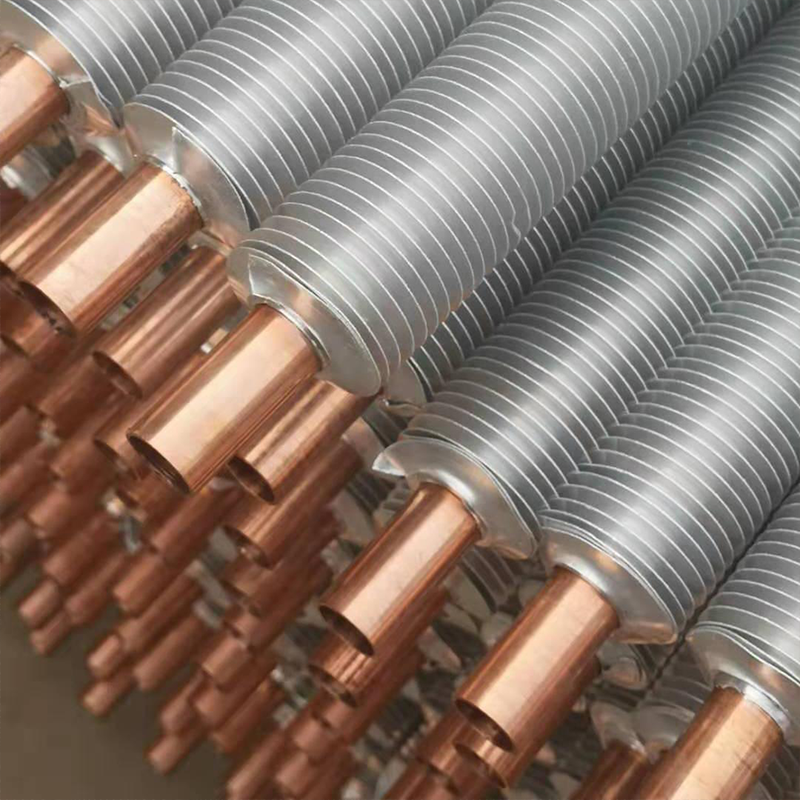
It is this approach to standardization that is the basis for the work of leading industrial enterprises. For example, a companyWuxi Kaisheng Electric Power and Petrochemical Equipment Co., Ltd., specializing in the development and production of complex heat transfer equipment (titanium shell-and-tube heat exchangers, ASME devices, air coolers), bases its activities on strict compliance with international standards. Their products, including 316 stainless steel, marine brass and nickel alloy components, are PED and ASME certified. This experience demonstrates that even in high-tech industries such as oil refining and shipbuilding, the presence of a full package of certificates (PED, ASME, ISO) is not just a formality, but a guarantee of corrosion resistance and reliability of equipment in extreme conditions. The principles of documentation verification applicable to Wuxi Kaisheng heat exchangers are absolutely identical to the requirements for insulating materials: transparency of origin, batch compliance and independent confirmation of characteristics.
| Comparison parameter | Certificate EAC / TR CU | GOST Certificate (Russia) | CE Certificate (Europe) | ISO 9001 Certificate |
|---|---|---|---|---|
| Legal force | Mandatory for customs clearance in the EAEU | Required by government customers and older enterprises | Mandatory for the EU market | Voluntary, confirms the management system |
| Focus check | Safety for humans and the environment | Compliance with specific numerical standards | Performance and fire safety | Production processes and document flow |
| Validity period | Up to 5 years (batch) or per batch | Up to 3-5 years | Indefinitely (with annual plant audit) | 3 years with annual audit |
| Risk of absence | Prohibition on sale and use | Refusal to accept work by technical supervision | Impossibility of exporting to the EU | Declining trust of large customers |
Action:Determine what type of certificate is required for your facility (often a combination of EAC + GOST Protocol) and include the requirement for originals or certified copies in the contract specification.
Typical mistakes when checking documentation and real cases of losses
Even experienced suppliers sometimes leave out important details in documents, relying on brand reputation or low prices. An analysis of our archives shows that 30% of problems with the quality of foamed PE arise precisely because of an inattentive study of the accompanying documentation. Let's look at the most dangerous misconceptions.
Mistake #1: Trusting a “Standard” Certificate
Many suppliers send a beautiful color certificate that was issued three years ago for the “product type”. The problem is that the technology for producing foamed polyethylene is sensitive to raw materials. Changing the batch of granulate or blowing gas can change the density and pore structure. If the certificate does not indicate your Batch No. and production date, this document is not valid for a specific delivery.Case:A large logistics center ordered roof insulation. The supplier provided an old certificate with excellent compressive strength. At the facility, it turned out that in the new batch the manufacturer saved on additives, and the sheets began to crumble during installation. The result was the dismantling of 5,000 m² of material and a simple crew for two weeks. The losses exceeded the cost of the material itself by 4 times.
Mistake #2: Ignoring the storage conditions in the certificate
The “Transportation and Storage” section often contains requirements in fine print, violation of which will void the quality guarantee. Foamed PE is resistant to ultraviolet radiation and extreme temperatures during storage. If the certificate says “store indoors at a temperature not exceeding +40°C”, and the material lay in an open area under the sun for a month before shipment, its properties may have changed. Responsibility in this case shifts to the buyer. We insist that the acceptance certificate records the condition of the packaging and storage conditions at the time of transfer of the cargo.
Mistake #3: Mismatch between thickness and density
A frequent manipulation is the sale of material of lower density under the guise of standard. Visually, it is difficult to distinguish between a sheet of 30 kg/m³ and 25 kg/m³. But the density in the certificate must match the actual measurements. Unscrupulous manufacturers may indicate 33 kg/m³ in the document and ship 28 kg/m³, hoping that the customer will not do a control weighing.Case:When insulating an industrial refrigerator, a material with a low density was used. After a year of operation, cold bridges began and the cooling system failed, consuming 20% more electricity. The examination showed a discrepancy between the density and the data in the quality certificate.
Action:Implement an incoming inspection procedure: selectively open packaging, weigh samples to calculate density, and compare the markings on the roll with the batch number on the certificate.
How to request and verify the authenticity of certificates from the manufacturer
Getting the right documents is an active process, not a passive wait. To ensure the supplier's reliability and authenticityquality certificates for PE foam sheets, follow this algorithm of actions. It will help weed out resellers and unscrupulous factories at the negotiation stage.
- Request a scan of the original with “live” stamps.Do not accept edited PDFs without evidence of originality. Ask to send a photo of a paper document lying on a table, or a video of a manager turning pages. This is a simple but effective way to identify fakes.
- Check the test report number in the register.If the certificate was issued by an accredited laboratory (for example, in the Russian Accreditation system for the Russian Federation), it has a registration number. Enter it into the official online registry. If a document is not in the database or its status is “canceled,” this is a red flag.
- Require Batch Traceability.In your request, clearly indicate: “Provide a quality certificate indicating the lot number corresponding to the marking on the supplied rolls.” An honest manufacturer always keeps a log of batch compliance and protocols.
- Request additional tests for your project.If the facility is responsible, ask for specific testing (such as aging or specific chemical resistance) prior to shipment. The manufacturer's willingness to meet halfway and do an unscheduled test indicates his confidence in the product.
- Check the dates.The date of issue of the certificate cannot be later than the production date of the batch, but it should not be too old (more than 1 year for type tests without reference to the batch). A document from five years ago for the current delivery is a sign that the technology could have been changed, but the documents remained the same.
It is important to remember that no verification method is 100% guaranteed without a physical test, but careful paperwork reduces risks by 90%. At our company, we use a 12-point checklist when vetting every new insulation supplier, and it has saved us from many problematic transactions.
Action:Save this algorithm as an internal regulation for the procurement department and require its implementation with each new tender for the supply of insulation.
The impact of documentation quality on service life and warranty obligations
The presence of a full package of certified documents directly affects the possibility of obtaining a warranty from the manufacturer. Most factories provide a guarantee for foamed PE for a period of 5 to 10 years, but only if installation rules are followed and papers confirming the quality are available. If an insured event occurs (leakage, freezing, fire), the first thing the insurance company or court will ask for isquality certificates for PE foam sheets.
The absence of a certificate or the presence of a document with errors gives the manufacturer the legal right to refuse the claim. They argue that “it is unknown what kind of material was used.” Moreover, when handing over objects to state commissions (especially in the oil and gas industry or energy), the lack of certificates leads to the impossibility of signing a commissioning certificate. A project can be built perfectly, but without “paperwork” it will remain dead weight.
It is also worth considering environmental aspects. Modern standards require confirmation of the absence of harmful substances (freons, heavy metals) in the composition of the material. Sanitary and epidemiological safety certificates (SEZ) or their modern analogues are required for food industry facilities, hospitals and residential buildings. Using material without such approval may lead to fines from regulatory authorities and production stoppage.
In the long term, the price of a material with a full package of documents turns out to be lower than the price of a “cheap” analogue without papers. Savings at the purchase stage result in multiple costs for rework, trials and downtime. An investment in a proven, certified product is an investment in peace of mind for your business for years to come.
Frequently Asked Questions
Can I use a copy of the certificate certified by the supplier, or do I need the original?
For most commercial transactions, a notarized copy or a copy certified by the manufacturer's seal with the signature of the manager is sufficient. However, in some cases, in order to undergo state examination or customs clearance, originals or electronic certificates with a digital signature (EDS) uploaded to state registers may be required. Check the requirements of your technical supervision in advance. Our recommendation: always request a scan of the original for initial verification, and keep the originals in the archive until the end of the warranty period.
What should I do if the certificate contains parameters different from those I need for the project?
If the discrepancies are significant (for example, the flammability group is lower than required or the density is lower), such material cannot be used - this is a violation of safety standards. If the deviations are insignificant and are within GOST tolerances, it is necessary to obtain written approval from the chief engineer of the project or designer's supervision. Under no circumstances try to “correct” the numbers yourself - this is a criminal offense. The best solution is to request a batch from the manufacturer that meets the specifications, or find another supplier with the required characteristics.
How long is the quality certificate valid for one batch?
A Party Certificate is valid indefinitely for that specific batch of material, as it records the condition of the product at the time of release. However, the shelf life of the material itself is limited (usually 2-3 years of storage under proper conditions). Type test reports, on the basis of which a declaration of conformity is issued, are valid from 1 to 5 years, depending on the certification scheme. Always check the date of issue of the document: a type test report that is too old may not reflect the current state of production.
Are Chinese certificates valid for working in Russia?
Chinese national certificates (GB standards) themselves do not have legal force in Russia. For legal sale and use, the material must undergo a conformity assessment procedure in accredited laboratories of the EAEU countries and receive a CU TR declaration with the EAC mark. The Chinese factory may provide its tests as an attachment for information, but the main document will be the Russian (or Eurasian) certificate. Working without EAC risks confiscation of goods at customs.
Conclusion: Documentary security as the basis for reliable construction
To summarize, we can say thatquality certificates for PE foam sheets- this is not a bureaucratic barrier, but the foundation of the technical reliability of your facility. They link the salesman's abstract promises to the physical reality of a material that will last for decades. In a world where competition pushes manufacturers to save raw materials, only strict documentary control makes it possible to eliminate low-quality products.
We urge you not to save time on checking documents. Request complete certificate packages, verify lot numbers, check registers, and don’t be afraid to ask tough questions to suppliers. Professionalism is evident in the details. If you are looking for a reliable partner who provides transparent documentation and guarantees that every letter in the certificate corresponds to reality, our company is ready to offer you the best solutions on the market.
Do not risk the reputation of your project for the sake of dubious savings. Choose quality confirmed by paper and deed.
Contact us todayto receive advice on the selection of certified materials and request samples of documentation. Our experts will help you understand the nuances of the standards and choose the optimal solution for your tasks.