Lost wax casting process: detailed analysis
2026-08-04
- The lost wax casting process: a detailed analysis of the technology and its economic advantages
- Key stages: from 3D model to finished casting
- Economic efficiency and cost calculation
- Applications in critical industries
- Development prospects and impact of digitalization
- Conclusion: Investing in Reliability
The lost wax casting process: a detailed analysis of the technology and its economic advantages
The investment casting process remains the only method capable of producing metal parts of the most complex geometry with a surface roughness of Ra 1.6–3.2 μm without subsequent mechanical processing. Unlike sand casting or injection molding, this technology allows the creation of thin-walled structures up to 0.5 mm thick from high-temperature alloys, titanium and stainless steel, which cannot be obtained by other methods. Our experience with more than 400 industrial orders shows that a correct understanding of the physical and chemical processes at the stage of creating a wax model reduces the defect rate from a typical 15% to 2-3%. If you are planning to purchase high-precision components for the aerospace, medical or power engineering industries, ignoring the nuances of heat treatment of a ceramic mold will lead to critical defects in the metal structure.
Fundamental differences from alternative shaping methods
Traditional sand casting requires a mold parting line, which inevitably creates flash and requires additional finishing. The lost wax casting process eliminates this problem by using a monolithic ceramic shell that breaks only after the metal has solidified. It's not just a matter of aesthetics; The absence of parting lines is critical for parts operating under high pressure or cyclic loading conditions where stress raisers can lead to fatigue failure. We have seen cases where an attempt to save 20% on workpiece costs by choosing sand casting resulted in a 40% increase in total costs due to the need for subsequent CNC machining and quality control of welds.
Comparison with die casting also reveals significant differences in the application of materials. Die casting is limited to low melting point alloys such as zinc, aluminum and magnesium. The investment casting process is unique in that it can work with steels containing up to 18% chromium and 12% nickel, as well as refractory superalloys based on nickel and cobalt. The pouring temperature in such cases reaches 1600°C, which eliminates the use of metal molds. The ceramic mold can withstand such thermal shocks, but requires strict control of the heating rate during firing, otherwise microcracks will occur through which the metal will break out.
Key stages: from 3D model to finished casting
The success of the entire production cycle depends on the accuracy of the production of the master model and the subsequent assembly of the wax trees. An error at the first stage is multiplied at all subsequent stages, making correction impossible without a complete rework of the batch. Below is a detailed algorithm based on ISO 9001 standards and our internal quality control practices.
- Design and manufacture of wax molds.At this stage, engineers analyze the shrinkage of the material. Wax contracts when cooled, and metal shrinks when crystallized. Total shrinkage can reach 2.5%, and this value varies depending on the geometry of the part. We use aluminum molds for pilot batches and steel molds for mass production. It is important to design the gating system so that the metal fills the mold cavity in a laminar flow, avoiding turbulence that entrains gases. A common mistake newbies make is placing gates in high stress areas; After cutting off the sprue, there remains a risk of cracks forming.
- Assembling wax trees and applying ceramic shell.The wax copies are welded to the central riser, forming a “tree”. Then the wood is repeatedly dipped into a suspension of refractory filler (zircon, electrocorundum) and a binder (ethyl silicate or colloidal silica). Each layer must be completely dry before applying the next. For critical parts, we apply up to 9 layers, providing a shell thickness of up to 8 mm. Violation of the drying regime (too high humidity or temperature) leads to delamination of the shell. In our practice, there was a case when a batch of turbine blades was rejected due to the fact that the second layer of ceramics did not dry out completely, which caused an explosion of the mold in the furnace.
- Melting wax and firing the mold.The trees are placed in an autoclave where the wax is melted and removed under steam pressure. The remaining trace of wax is burned off in an oven at temperatures up to 900°C. This step is critical: if the heating rate is too high, wax residue can create excess pressure inside the mold and break it. After melting, the mold is subjected to high-temperature firing (up to 1100-1200°C) to sinter the ceramics and remove volatile components. The mold must be hot at the time of pouring to prevent premature solidification of the metal in thin sections.
- Metal pouring and controlled cooling.The molten metal is poured into the mold either by gravity, under vacuum, or centrifugally. For alloys prone to oxidation (titanium, some brands of stainless steel), pouring is carried out in vacuum furnaces with an inert atmosphere of argon. The cooling rate affects the grain size of the crystal lattice. Rapid cooling produces fine grain and high strength, but increases the risk of hot cracks. We use programmable furnaces that allow us to set a specific cooling schedule for each alloy.
- Deformation, trimming and finishing.After cooling, the ceramic shell is removed by waterjet crushing or chemical etching. The gating system is cut with circular saws or a laser. At this stage, the first visual inspection is carried out. This is followed by shot blasting to remove ceramic residues and improve the microstructure of the surface layer. The final inspection includes a measurement check of key dimensions and, if necessary, x-ray inspection of internal defects.
Materials science aspect: choosing an alloy for the task
The lost wax casting process reveals its potential only with the correct selection of materials. Not all steels behave the same in thin-walled castings. Carbon steels are easy to cast, but have limitations in corrosion resistance. Stainless steel grades AISI 304 and 316L are the standard for the food and chemical industries, but during casting they require special attention to the ferrite content in the structure to avoid intergranular corrosion.
High-temperature alloys such as Inconel 718 or Hastelloy present the greatest challenge. Their high viscosity in the molten state makes it difficult to fill the thin channels of the mold. This requires an increase in the pouring temperature above standard values, which increases the chemical activity of the metal in relation to the mold material. The use of zircon face layers becomes mandatory, as ordinary quartz reacts with these alloys, forming a burnt deposit that is almost impossible to remove mechanically. We recommend that oil and gas customers always request a Certificate of Chemical Analysis (Heat Number) for each batch to ensure the composition meets ASTM or GOST specifications.
Economic efficiency and cost calculation
Many buyers mistakenly believe that investment casting is always more expensive than other methods. This statement is only true for large series of simple parts. For complex components, the Total Cost of Ownership is often lower due to reduced machining. Let's look at the cost structure using the example of manufacturing a stainless steel pump housing.
When manufactured from rolled steel using CNC milling, the metal utilization factor (KIM) is about 30-40%. The remaining 60-70% of the material goes into chips, which can only be sold at the price of scrap. In addition, the machine hours required to produce a complex internal cavity are in the tens of hours. In casting, KIM reaches 90-95% as the gating system is melted down and reused. The IT8-IT9 tolerances achievable in casting often make it possible to avoid finishing the seats, leaving only the grinding of the sealing surfaces.
The profitability threshold occurs with a batch of 50 pieces. For single samples, the cost of making a master mold makes the process expensive. However, modern rapid prototyping technologies (3D printing with wax or polymers followed by burning) make it possible to produce pilot batches without expensive metal equipment. This reduces the time to bring a product to market from 3 months to 2 weeks. For startups and R&D departments, this is a critical advantage that allows them to test hypotheses with minimal capital costs.
| Comparison parameter | Lost wax casting | CNC machining from rolled steel | Sand casting |
|---|---|---|---|
| Minimum wall thickness | 0.5 – 1.0 mm | Depends on tool hardness (typically > 2mm) | 3.0 – 5.0 mm |
| Surface roughness (Ra) | 1.6 – 3.2 µm | 0.8 – 1.6 µm (takes time) | 12.5 – 25 µm |
| Dimensional accuracy (class) | IT7 – IT9 | IT6 – IT8 | IT11 – IT14 |
| Metal utilization rate | 90 – 95% | 30 – 50% | 80 – 90% |
| Optimal batch size | 50 – 10,000 pcs. | 1 – 100 pcs. | 100 – 100,000+ pcs. |
| Possibility of internal cavities | Yes (using ceramic rods) | Limited by tool access | Yes (using rods) |
Typical defects and methods for their prevention
Even if the technology is followed, defects are possible, the knowledge of which is necessary for the recipient of the product. The most common problem is gas porosity. It occurs due to the release of gases from the metal or mold during crystallization. Visually it looks like small round holes in the cut. The fight against it is carried out through degassing the metal before pouring and improving the gas permeability of the ceramic mold. If you see large cavities in the center of massive sections, this is shrinkage porosity, indicating improper placement of the profits (reservoirs with liquid metal to feed shrinkage).
Another hidden enemy is non-metallic inclusions. Ceramic particles can break off from the mold and end up in the melt. Such defects are extremely dangerous in parts subject to dynamic loads, since they act as notches that initiate cracks. To identify inclusions, X-ray testing (RT) or ultrasonic flaw detection (UT) is required. In our company, we apply the acceptance criteria standard according to ASTM E186 for steel castings. The customer must clearly specify the quality class of the casting in the technical specifications, since the transition from commercial class to aviation class increases the cost of control and the price of the product by 2-3 times.
Underfilling is a defect in which the metal does not fill the entire mold cavity. This is usually a consequence of low pouring temperature or too thin sections. Sometimes underfilling is partial, affecting only thin stiffening ribs. Such defects are often missed during visual inspection, but are detected when measuring the weight of the part. A deviation of the weight from the nominal value by more than 2-3% should serve as a signal for an in-depth check of the geometry.
Applications in critical industries
The aerospace industry is the main driver of technology development. Jet engine turbine blades operate at temperatures close to the melting point of the material itself. Only directional crystallization, which is possible with investment casting, allows the creation of a single-crystalline structure without grain boundaries, which are a weak point at high temperatures. Here the process is complicated by the use of complexly shaped ceramic rods to create internal cooling channels. The accuracy of the location of these channels is a fraction of a millimeter, since the cooling efficiency and engine life depend on this.
In the medical field, the method is indispensable for the production of implants. Biocompatible titanium alloys (Ti-6Al-4V) and cobalt-chromium alloys require an ideal surface for osseointegration. The roughness obtained during casting promotes better adhesion to bone tissue compared to a polished surface. In addition, the possibility of creating a porous structure directly during the casting process (using special fillers in wax) opens up new horizons in regenerative medicine. One of our clients, a manufacturer of endoprostheses, was able to reduce the weight of the product by 15% by optimizing the internal cellular structure, while maintaining the strength characteristics.
Oil and gas equipment also benefits from this technology. Shut-off valves operating in aggressive environments (hydrogen sulfide, high pressures) often have complex flow path profiles to minimize hydraulic resistance. Casting allows the flanges, body and internal guides to be integrated into a single piece, eliminating potential leak points associated with prefabricated structures. Certification to NACE MR0175 is mandatory for such castings and the casting process must be validated against sulphide corrosion cracking resistance.
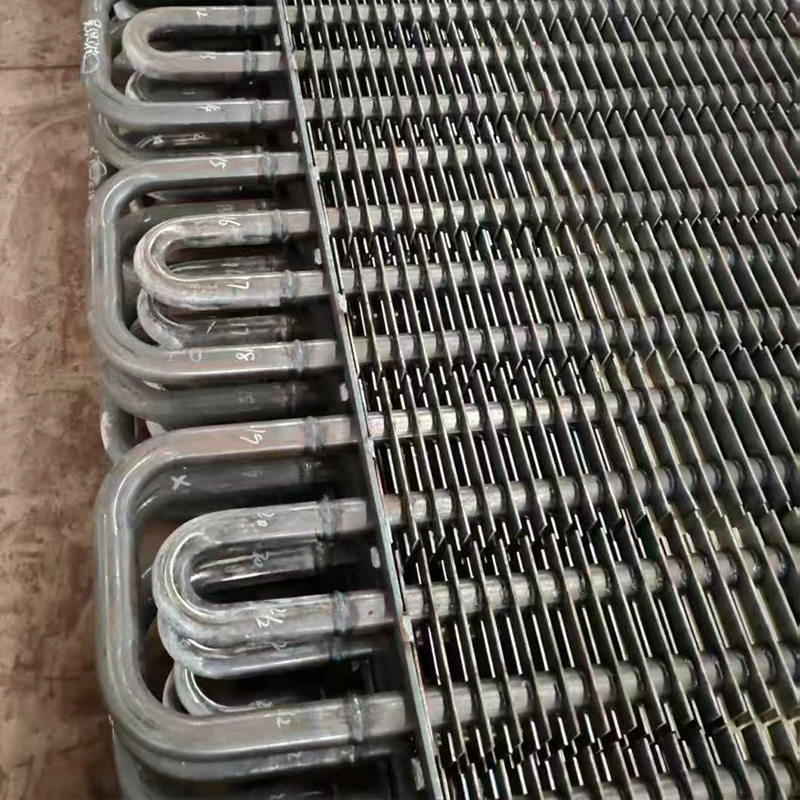
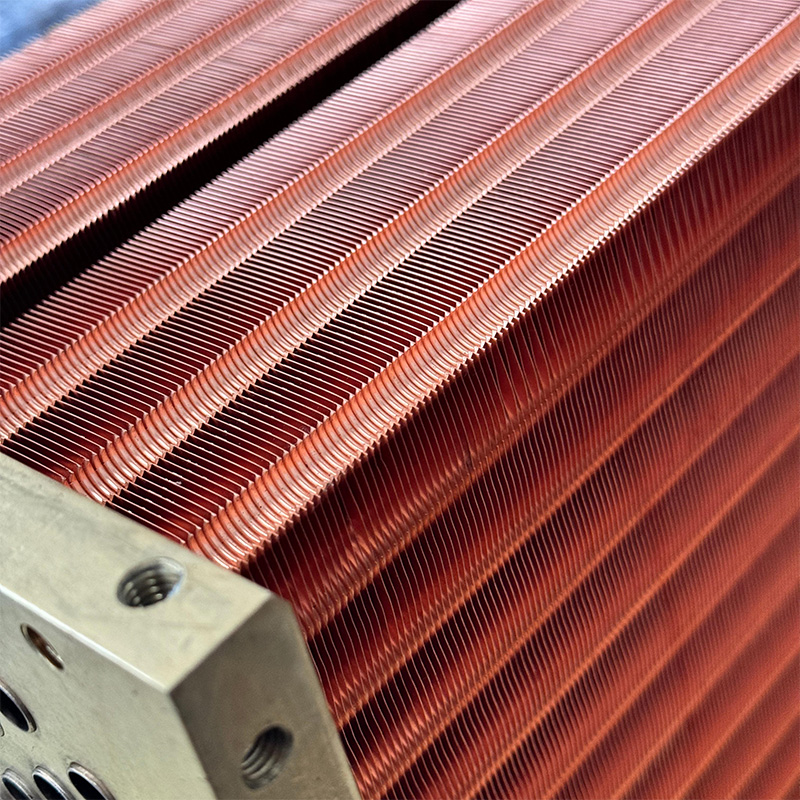
It is in highly critical sectors such as oil refining, chemicals and energy that the quality of the original components determines the reliability of the entire system. A striking example of the integration of advanced technologies of casting and metal processing is the companyWuxi Kaisheng Electric Power and Petrochemical Equipment Co., Ltd.. Specializing in the design and manufacture of heat transfer equipment, the company successfully applies precision forming principles to create complex assemblies such as 316 stainless steel corrugated tube bundles, C46400 marine brass and copper-nickel alloys. Wuxi Kaisheng's products, including titanium shell-and-tube heat exchangers and ASME-standard high-pressure units, demonstrate how the correct selection of materials (from carbon steels to N06625 nickel alloys) and strict quality control can achieve exceptional corrosion resistance and heat transfer efficiency. The company's experience confirms that the use of PED and ASME certified components, manufactured taking into account the specifics of foundry processes, is the key to equipment durability in the extreme conditions of shipbuilding, water desalination and petrochemicals.
Quality standards and supplier certification
When choosing a casting supplier, it is not enough to look only at the price per kilogram. It is critical that the manufacturer has a certified quality management system. To work with European customers, compliance with ISO 9001:2015 is mandatory. For deliveries to Russia and the EAEU countries, a GOST certificate of conformity or a declaration of conformity with the Technical Regulations of the Customs Union (TR CU) is required. Particular attention should be paid to having our own laboratory for spectral analysis and mechanical testing. A supplier sending samples to a third-party laboratory increases control times and risks of sample substitution.
Industry specifications play a decisive role. In the aircraft industry, these are the AS9100 series standards. For energy - PED (Pressure Equipment Directive) for equipment operating under pressure. The manufacturer must provide a quality certificate for each batch (Heat Treatment Certificate 3.1 according to EN 10204), which indicates the results of chemical analysis and mechanical tests of this particular melt. The absence of such a document makes casting a “black box”, the use of which in critical components is unacceptable. We recommend including in the contract a clause on the buyer’s right to audit the production site in order to personally verify compliance with technological discipline.
Development prospects and impact of digitalization
Industry 4.0 is transforming this traditional process as well. The introduction of casting simulation systems (for example, ProCAST or MagmaSoft) makes it possible to predict the formation of defects even before the production of the first wax model. Engineers can virtually change the gating system design, pour temperature and cooling modes, finding the optimal option in hours rather than weeks of experimentation. This reduces the number of trial batches and saves significant money on expensive alloys.
Additive technologies are beginning to occupy a niche in the production of ceramic cores and even the molds themselves. 3D printing with sand binders allows you to create molds without any tooling at all, which is ideal for large-scale single castings. Гибридный подход, где восковая модель печатается на 3D-принтере, а дальше идет классический процесс наращивания оболочки, уже стал стандартом для прототипирования. Ожидается, что к 2026 году доля отливок, полученных с использованием аддитивных методов на этапе подготовки производства, превысит 30% в сегменте малых серий.
Автоматизация роботами процессов окунания и нанесения суспензии устраняет человеческий фактор — главную причину вариативности толщины оболочки. Роботы обеспечивают идентичное движение и время стекания излишков для каждой детали в дереве. Это повышает воспроизводимость результатов и позволяет гарантировать стабильное качество в долгосрочной перспективе. Для заказчика это означает снижение риска получения бракованной партии из-за усталости оператора или смены квалификации персонала.
Как сделать правильный выбор поставщика: чек-лист для закупщика
Рынок услуг литья перенасыщен предложениями, но не все игроки обладают реальными компетенциями. Чтобы избежать рисков срыва сроков и поставки некондиции, используйте следующий алгоритм оценки:
- Специализация:Уточните, работает ли завод с вашим типом сплава. Завод, специализирующийся на углеродистых сталях, может не иметь оборудования для вакуумной плавки титана. Попросите показать примеры аналогичных изделий в портфолио.
- Контроль процесса:Спросите о системе прослеживаемости. Может ли завод отследить, в какой день и каким оператором была сделана конкретная отливка? Наличие штрих-кодирования деревьев и форм — признак зрелого производства.
- Engineering support:Готов ли поставщик предложить оптимизацию конструкции детали под лить е (DFM – Design for Manufacturing)? Часто небольшое изменение радиуса перехода или угла наклона стенки может удешевить производство на 20% без потери функциональности.
- Logistics and packaging:Отливки, особенно тонкостенные, чувствительны к транспортировке. Уточните методы упаковки (индивидуальная тара, амортизация) и условия поставки (Incoterms). Повреждение при доставке — частая проблема, ответственность за которую должна быть четко распределена.
Conclusion: Investing in Reliability
Процесс литья по выплавляемым моделям — это не просто способ получения заготовки, это стратегический инструмент инженерного проектирования. Он позволяет создавать изделия, которые объединяют сложность формы, высокую прочность и коррозионную стойкость. Несмотря на кажущуюся дороговизну единицы продукции, суммарная экономия на механообработке, сборке и повышении надежности конечного устройства делает этот метод безальтернативным для высокотехнологичных секторов экономики. Понимание тонкостей процесса позволяет заказчику вести конструктивный диалог с производителем, избегая ненужных компромиссов в качестве.
Мы убедились на практике, что партнерство с профессиональным литейным заводом, обладающим полным циклом контроля и современными технологиями симуляции, является залогом успеха вашего проекта. Не рискуйте репутацией своего продукта, выбирая поставщика исключительно по нижней границе цены. Качественная отливка — это фундамент долговечности вашего механизма.
Если вы столкнулись с задачей разработки сложной металлической детали или нуждаетесь в надежном поставщике промышленных отливок, наша команда готова провести бесплатный аудит вашей конструкторской документации и предложить оптимальное технологическое решение.Contact us todayдля обсуждения деталей вашего проекта и получения коммерческого предложения с расчетом сроков и стоимости.