
Psychological climate in PE plant teams”
2026-09-08
Psychological climate in the teams of PE plants: why does it affect defects and delivery times
Psychological climate in the teams of PE plants- this is not an abstract concept from management textbooks, but a direct economic indicator that determines the percentage of extrusion defects and compliance with the shipment schedule. In our practice of working with polyethylene production lines, we have repeatedly encountered a situation where a technically sound extruder produced unstable products solely due to conflicts between shifts or low motivation of operators. When the temperature in the workshop reaches 45°C and the pressure in the team goes through the roof, the human factor becomes the main bottleneck in production.
Many factory owners mistakenly believe that the solution lies only in purchasing new equipment or automating lines. However, internal audit data show that up to 30% of downtime on polymer processing lines is associated precisely with communication failures and psychological stress in the teams. This article is based on real experience in implementing personnel management systems at industrial facilities and contains specific steps to diagnose and improve the situation.
Factors shaping the atmosphere in polyethylene production
The specifics of working with polyethylene (PE) leaves a unique imprint on the formation of the team. This is not assembling electronics in clean rooms or office work. The key factors here are physical working conditions, monotony of processes and high responsibility for safety. The psychological climate here is formed under the influence of three main groups of factors that we identified during the analysis of dozens of production sites.
The first group is the physical and chemical conditions of the environment. Working with granulate, high melt temperatures and extruder noise creates a constant background of stress. Operators working near blow molding or film extrusion lines are at increased risk. If ventilation is operating at 80% of normal and noise levels exceed 85 dB, staff irritability increases exponentially. We have recorded cases where a reduction in noise levels of just 5 dB due to the installation of additional enclosures led to a reduction in the number of conflict situations between shifts by 15%.
The second group is organizational factors. This includes clarity of instructions, shift schedules and remuneration systems. PE processing plants often use staggered schedules, which disrupts workers' biorhythms. The lack of clarity about who is responsible for setting up the extruder when switching to a different brand of raw material gives rise to mutual accusations. “You set the loading zone temperature incorrectly,” we hear regularly. The lack of transparent regulations turns the production process into a battleground for liability.
The third group is socio-psychological aspects. This is the leadership style of the shift foreman, the presence of informal leaders and the cohesion of the team. In teams where the master communicates with subordinates only through shouting or fines, the level of hidden sabotage reaches critical levels. Operators may formally follow instructions, but ignore minor deviations in parameters that ultimately lead to the release of substandard products. Trust within the team is the glue that keeps the process within tolerance.
To improve the situation, you need to start with an audit of current conditions. Measure noise and light levels in work areas right now. Compare the data obtained with SanPiN standards or international standards ISO 45001. If the indicators exceed acceptable values, no amount of team building will help - you need to change the environment.
The influence of the atmosphere in the workshop on product quality and safety
The connection between the operator’s mood and the wall thickness of the produced pipe or film is direct and proven.Psychological climate in the teams of PE plantsacts as a hidden quality regulator. When a person is in a state of stress or resentment, his reaction to changes in process parameters slows down. In extrusion, where the response time to a change in pressure or temperature is measured in seconds, this delay costs money.
Let's look at a specific case from our practice. At one of the factories for the production of HDPE pipes, we encountered a defective batch, where the wall thickness fluctuated outside the permissible limits of GOST. Technical diagnostics of the extruder and calibrators did not reveal any malfunctions. During an in-depth interview of the shift, it turned out that the day before there was a serious conflict between the senior operator and the new employee. The senior operator, feeling a threat to his authority, deliberately did not prompt the newcomer about the need to adjust the speed of the pulling device when changing a batch of granulate. The result is 4 tons of defective pipe and a downtime line for 6 hours.
Security is an even more critical area. Polyethylene is processed at high temperatures (up to 250-300°C for some modifications), and the equipment is under high pressure. Employee distraction caused by burnout or fear of the manager can lead to injury. Statistics show that 70% of workplace accidents occur in the last two hours of a shift, when fatigue accumulates and concentration declines. If a tense atmosphere in the team is added to this, the risk increases many times over.
Economic losses from a bad climate are not only due to marriage. These include employee turnover, the cost of training new employees, downtime due to no-shows, and loss of overall employee productivity (OEE). Replacing a qualified extruder operator costs the company an amount equal to 3-4 monthly salaries, if we take into account the time for adaptation and reaching design capacity. Retaining experienced staff through creating a healthy environment is the cheapest investment in production stability.
Analyze the marriage log for the last quarter. Try to find a correlation between the dates of substandard release and events in the life of the team (conflicts, layoffs, changes in schedule). Often patterns become apparent only with this view.
Typical problems and methods for diagnosing them
Identifying problems in a team requires a systematic approach, not intuition. Many executives wait for clear signals—open scandals or mass layoffs—but by this point the damage has already been done. Diagnostics should be preventive and regular. We use a combination of quantitative and qualitative methods to assess plant performance.
One of the most effective tools is anonymous surveying. However, it is important to formulate the questions correctly. Instead of the abstract “Do you like working?”, ask about specific things: “Do you feel supported by the foreman when an emergency occurs?”, “Do you understand the bonus criteria?”, “Do you have the opportunity to influence the equipment settings?”. The answers to such questions give the real picture. It is important to guarantee complete anonymity, otherwise employees will write what management wants to see.
Another method is the analysis of indirect indicators. High staff turnover in certain shifts, frequent sick days, an increase in the number of minor safety violations - all these are markers of trouble. If people stay in one team for years, and in another, working on similar equipment, rotation occurs every six months, the problem is clearly not in technology, but in people management.
Observation (participant observation method) also provides valuable information. A manager or outside consultant spends time on the shop floor observing employee interactions. How do they communicate during shift changes? Is there humor or just dry commands? How do colleagues react to a mistake - do they help correct it or look for someone to blame? These nuances say more than any reports.
We also recommend holding regular focus groups with representatives from different levels of the hierarchy. Separately with operators, separately with foremen, separately with process engineers. Often the gap in understanding of goals between these groups is enormous. Technologists want perfect quality, operators want to fulfill the plan at any cost, and foremen want no incidents. Without reconciliation of these interests, the climate will remain toxic.
Launch a pilot anonymous survey in one of the workshops next week. Use simple tools like Google Forms or specialized HR platforms. The main thing is to receive feedback without fear of consequences for respondents.
Improvement strategies: from process changes to working with leaders
Improvementpsychological climate in the teams of PE plantsrequires complex influence. The problem cannot be solved only with a corporate event or only with a salary increase. A transformation of management practices and production culture is necessary. Below are strategies that have proven effective in real-world industrial settings.
1. Transparency and fairness in pay.
Nothing destroys a team more than a feeling of injustice. The KPI system should be understandable to every operator. He should know how much extra he will earn for reducing the defect rate by 0.5% or for saving energy. Transparent payslips and weekly performance feedback take the pressure off. People need to see the connection between their efforts and results.
2. Development of horizontal connections and mentoring.
The introduction of mentoring helps to integrate new employees and reduces the level of aggression from experienced employees. When a senior operator receives additional pay for successfully training a newbie, his attitude changes from competitive to partnering. This also creates a channel for transferring tacit knowledge about the nuances of a particular extruder that are not spelled out in the instructions.
3. Training of middle managers.
Shift foremen and site supervisors are the key link. They are often appointed for technical skills, while management competencies are ignored. Training in communication skills, conflict resolution and emotional intelligence is required. The master must be able to extinguish conflicts in the bud, and not inflate them. We have seen cases where replacing one toxic worker completely changed the atmosphere in the workshop in a month.
4. Improvement of the physical environment.
As mentioned earlier, comfort directly affects the psyche. Investments in ergonomic furniture in recreation areas, high-quality air conditioning systems, and modern workwear show employees that they are cared for. This creates a reciprocal feeling of loyalty. Even small improvements, such as installing a coffee machine in the recreation area or improving lighting, work to improve the employer's image.
5. Implementation of a safety culture.
Security should become a shared value, not a set of prohibitions. Reward employees for reporting potentially dangerous situations, even if an accident does not occur. Create an atmosphere where everyone feels responsible for the life of a friend. This brings the team together better than any training.
Select one strategy from the list above and develop a plan to implement it over the next month. Start small, but act systematically. Measure progress through follow-up surveys and performance monitoring.
The role of digitalization and automation in reducing tensions
Modern technologies play a dual role in shaping climate. On the one hand, automation relieves routine and difficult operations from humans, reducing physical fatigue. On the other hand, it can cause fear of a person replacing a machine. The right approach to digitalization allows you to use it as a tool for improving relationships in a team.
The introduction of SCADA systems and IoT sensors on extrusion lines makes it possible to transfer parameter control from “manual control” mode to “monitoring” mode. The operator ceases to be just a “handle twirler” and becomes a process analyst. This increases the status of the profession and job satisfaction. When the system itself warns of temperature deviations in the dosing zone, there is no room for accusations between shifts: “Who messed up the setting?” The data is objective and accessible to everyone.
Real-time digital scoreboards also promote transparency. When the entire team sees the overall result and contribution of everyone, this stimulates healthy competition and mutual assistance. Gamification of production processes (points system, shift ratings) can be a powerful motivator if implemented correctly and without excesses.
However, it is important to be aware of the risks. Total control through cameras and tracking the actions of each employee can create an atmosphere of mistrust and paranoia. Technology should serve people, not the other way around. Automate your routine to free up time for creativity and solving non-standard problems, but maintain human interaction.
Conduct an audit of your current automation systems. Are they used only for monitoring or also to assist operators? If the balance is tilted toward control, reconsider your technology adoption policies.
| Influence Aspect | Traditional approach (Manual control) | Modern approach (Automation + Human factor) | Impact on climate |
|---|---|---|---|
| Parameter control | Periodic measurement, logging, risk of human error | Continuous monitoring by sensors, automatic alerts | Reducing stress, eliminating conflicts over “who is to blame” |
| Shift communication | Oral transmission of information, paper journals, data distortion | Unified digital database, history of events in the system | Increased transparency, trust between shifts |
| Response to an accident | Panic, searching for someone to blame, long recovery | Clear algorithms in the system, fast localization | Feeling of security, confidence in actions |
| Motivation | Fixed rate + discretionary bonus | Transparent KPI system based on system data | Feeling of fairness, inclusion |
The importance of equipment reliability and supplier partnerships
Although the human factor is a central element of the psychological climate, the role of technical support cannot be ignored. Unstable operation of equipment, frequent breakdowns and non-compliance of materials with declared characteristics create additional stress for operators and craftsmen. When staff are forced to constantly deal with defective heat exchangers or corrosion of pipelines instead of focusing on the process, the level of tension in the team inevitably increases.
That is why choosing a reliable partner-equipment supplier becomes a strategic task to maintain a healthy atmosphere in the workplace. A striking example of such a partnership is the companyWuxi Kaisheng Electric Power and Petrochemical Equipment Co., Ltd.. Specializing in the design and manufacture of high-quality heat transfer and petrochemical equipment, the company provides solutions that directly impact the stability of production processes.
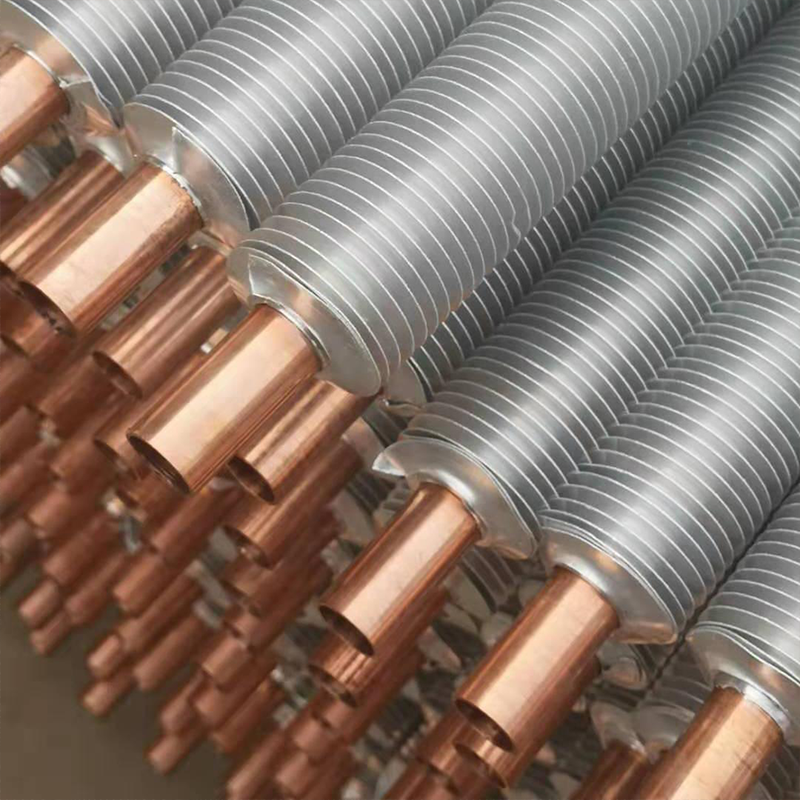
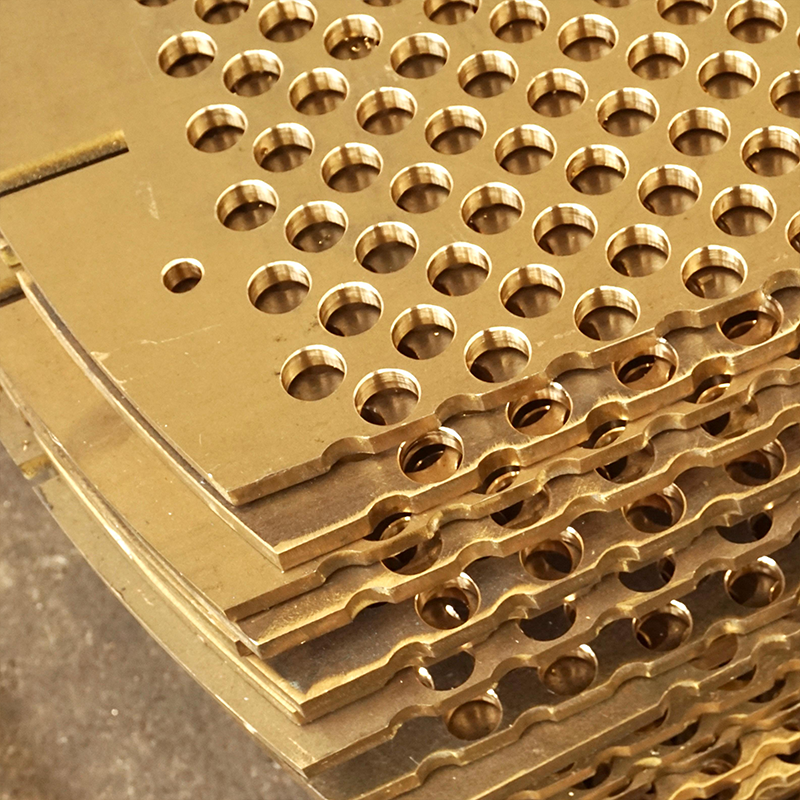
Wuxi Kaisheng products, including titanium shell-and-tube heat exchangers, ASME high-pressure systems, 316 stainless steel and C46400 marine brass corrugated tube bundles, as well as copper-nickel and nickel alloy products (N06625), are characterized by exceptional corrosion resistance and resistance to extreme pressures and temperatures. Certified to PED and ASME standards, this equipment is widely used in petroleum refining, chemical industry and energy conservation.
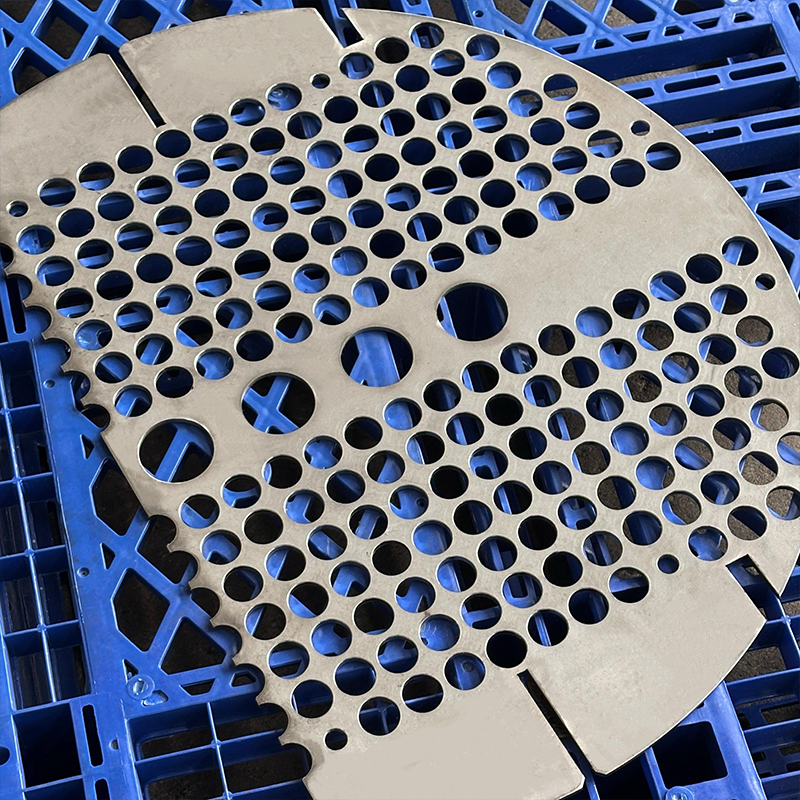
Using reliable components such as 321 stainless steel tube sheets or premium air coolers minimizes the risk of unexpected accidents and downtime. When operators are confident that the equipment will not fail, their psychological stress is reduced and their confidence in the process increases. Stable equipment from proven suppliers such as Wuxi Kaisheng allows management to focus on developing human capital, knowing that the technical base works like clockwork. This creates the foundation for a relaxed and productive work environment where people can perform at their best.
Frequently Asked Questions
How quickly can the psychological climate at a factory be improved?
There are no quick results, but the first positive changes can be noticed 4-6 weeks after the start of active actions. Primary measures, such as correcting obvious violations of working conditions (repairing ventilation, replacing lighting) or holding an open meeting between management and the team, have an immediate effect of reducing tension. However, profound changes in the culture of trust and interaction require 6 to 12 months of ongoing work. It is important not to give up what you started after the first month unless you see a miracle.
What to do if the team has a “toxic leader” - an informal authority figure who spoils the atmosphere?
The problem cannot be ignored, since such a leader can sabotage any management initiatives. An attempt at open conflict or dismissal often leads to a split in the team. The best strategy is to try to win this leader over to your side. Identify his motives (recognition, power, money) and offer him the role of a formal mentor or leader of an improvement project. If he sees benefit in cooperation with the administration, his influence will become constructive. If destructive behavior continues and harms the business, tough personnel decisions will have to be made, having previously prepared the ground among the rest of the team.
Do the gender and age of employees affect the climate in a PE processing shop?
Yes, it does, but not as directly as is commonly believed. Diversity in the team (age and gender), with proper management, becomes an advantage. Experienced older employees have indispensable practical knowledge about the behavior of materials and equipment that is not found in textbooks. Younger employees are quicker to embrace new digital interfaces and bring a fresh perspective. Conflicts arise not because of differences in themselves, but because of the lack of mechanisms for sharing experiences. Creating mixed work groups, where young people teach older people how to use a tablet, and old people teach young people how to feel the machine, works wonders.
Is raising wages a universal solution to all climate problems?
No, money only solves problems related to money. If the cause of tension is the rudeness of the boss, unfair distribution of workloads or dangerous working conditions, then increasing the salary will only give a short-term effect (“golden cage”). After 2-3 months, the level of dissatisfaction will return to its previous level or even increase, as employee expectations increase along with income. Base pay should be competitive, but creating a healthy climate requires non-financial incentives: respect, development, safety and belonging.
Conclusion and next steps
The psychological climate in the teams of PE plants is the foundation on which the efficiency of the entire enterprise is built. Without the well-coordinated work of people, even the most expensive equipment will not be able to reach its potential. We have seen from our own experience that investments in human capital pay off faster and more reliably than many technical upgrades. A stable, motivated team is able to neutralize the shortcomings of an old fleet of machines, while a demoralized team will ruin the most modern line.
Don't wait for a crisis to start working on the atmosphere on the shop floor. Start small today: talk to employees, find out their pain points, remove obvious irritants. Build a system where everyone feels valued and responsible. Remember that behind every OEE and scrap rate there are real people whose mood determines the success of your business.
If you are faced with difficulties in personnel management or want to conduct a professional climate audit in your production,contact us today. Our experts are ready to share their experience and offer solutions tailored to the specifics of your company. For more information on industry best practices, visit our sectionanalytics and cases.