
Investigations of incidents involving PP chemical baths”
2026-09-06
- Why PP Chemical Bath Incident Investigations Require a Special Approach
- Typology of accidents: from thermal shock to metal fatigue
- Investigation methodology: step-by-step algorithm of actions
- Human factor and installation errors as root causes
- An integrated approach to reliability: the role of materials and engineering
- Comparative analysis of damage diagnostic methods
- Economic implications and risk management
- Frequently Asked Questions
- Conclusion and recommendations
Why PP Chemical Bath Incident Investigations Require a Special Approach
Investigations into incidents involving PP chemical baths show that 83% of accidents are not due to material failure, but due to installation errors or thermal shock. In our practice, we encountered a situation where an enterprise in Tatarstan lost a batch of acid solutions worth 12 million rubles simply because the support frame was installed with a pitch of 600 mm instead of the required 400 mm at an ambient temperature of +55°C. Polypropylene (PP) is a capricious material: it has excellent chemical resistance, but a low elastic modulus and a high coefficient of linear expansion. Ignoring these physical properties turns a reliable container into a time bomb.
Many buyers mistakenly believe that having an ISO 9001 certificate from the manufacturer guarantees trouble-free operation. This is a dangerous misconception. The certificate confirms the quality of process management at the plant, but does not replace the engineering calculation of loads for a specific facility. When the bathtub wall bends under fluid pressure, microcracks in the welds begin to grow exponentially. After six months of operation, this leads to sudden depressurization of the unit. Our task in this material is to analyze real cases of failures, explain the physics of the processes and give a clear algorithm of actions in the event of emergency situations.
Typology of accidents: from thermal shock to metal fatigue
An analysis of more than 200 incident reports over the past five years reveals three main categories of damage to polypropylene containers. Understanding the type of damage is critical to choosing a repair method and preventing the situation from recurring. Misdiagnosis often leads to eliminating the effect rather than the cause.
Thermal shock and local overheating
Polypropylene homopolymer (PP-H), most commonly used in the chemical industry, begins to soften at temperatures above +80°C, although it can withstand temperatures up to +100°C for a short time. The problem occurs when a hot reagent (+90°C) is suddenly poured into a bath of cold liquid (+20°C). A local temperature difference creates internal stresses that exceed the yield strength of the material. We recorded cases when the bottom of the bath became deformed into a “bubble” after the third loading cycle. This happens because the heated area tries to expand, but the cold neighboring zones rigidly fix its position. The result is irreversible plastic deformation or rupture of the bottom weld. It is important to note that visual inspection often does not immediately reveal damage; the polymer structure is disrupted at the molecular level, reducing chemical resistance in the future.
Fatigue failure of welds
Cyclic loads are the main enemy of plastic tanks. Filling and emptying the bath creates alternating pressure on the walls. If the structure does not have a sufficient number of stiffening ribs or the external frame is installed in violation of technology, the amplitude of wall vibrations becomes critical. A weld made by extrusion welding is a stress concentration zone. With frequent cycles (more than 5 per day), microcracks appear in the heat-affected zone of the seam. One of our clients experienced a leak after 8 months of operation. The investigation showed that the cycle frequency was 12 times per day, and the design documentation was designed for static storage, and not for reactor operation. The crack propagated at a rate of 0.5 mm per cycle until it reached a critical length.
Chemical aggression and stress corrosion
Although PP is resistant to most acids and alkalis, there are specific agents that cause stress cracking. Oxidizing agents (chromic acid, concentrated nitric acid) and some organic solvents (aromatic hydrocarbons, chlorinated solvents) can attack the material even at room temperature. The danger is aggravated if the container is under mechanical stress. The combination of chemical attack and tensile stress results in a phenomenon known as stress corrosion cracking (SCC). Unlike uniform wall thinning, SCC appears as a network of fine cracks that are difficult to notice without flaw detection. We have seen examples where a metal pickling bath collapsed within 3 months due to the entry into the solution of an oxidizing agent not provided for by the technology, which activated the process of polymer destruction.
Investigation methodology: step-by-step algorithm of actions
When an incident occurs, the first instinct of personnel is to quickly repair the leak and resume operations. This is the worst strategy. Preserving the evidence base and the correct procedure allows you to establish the true cause and avoid multimillion-dollar losses in the future. Our experience dictates the following investigation protocol.
- Isolation of the area and fixation of the condition.Immediately stop the process, drain the contents into an emergency container and block access to the equipment. Do not attempt to repair the damage until the inspection is complete. Take a series of high-resolution photographs: general plan, close-up of the damage location, product labels, adjacent components. Record the readings of the temperature and level sensors at the time of the accident. Often it is the data from instrumentation and control logs that becomes the decisive argument in a dispute with a supplier or insurance company.
- Collection of operating history.Interview operators who have worked on the bathtub in the last 72 hours. The questions should be specific: “Were there any temperature fluctuations?”, “Did the composition of the solution change?”, “Was cleaning work carried out mechanically?” Check the maintenance logs: when was the last time the welds were checked? Were abrasive materials used during cleaning? We know of a case where the cause of destruction was an ordinary metal brush, with which the operator scratched the inner surface, creating a source of corrosion.
- Visual and instrumental control.Inspect the damaged area. The nature of the fracture tells a story. A brittle fracture with a smooth surface indicates rapid failure under low temperature or impact. A ductile fracture with elongated fibers indicates prolonged creep or overheating. Use an ultrasonic type thickness gauge to measure the remaining wall thickness at various points. Compare the obtained data with the passport values. A difference of more than 15% indicates uneven wear or a manufacturing defect in the sheet.
- Laboratory analysis of the sample.Cut a sample of material measuring at least 100x100 mm from the area adjacent to the damage (but not from the very epicenter of the destruction, so as not to distort the structure of the edge). Submit the sample to an accredited laboratory for differential scanning calorimetry (DSC) and infrared spectroscopy (FTIR). These tests will show the degree of crystallinity of the polymer, the presence of impurities and the presence of thermal degradation. If the melting temperature of the sample is 5-10°C below the nominal value, it means that the material has been overheated.
- Audit of design documentation and operating conditions.Check actual operating conditions against design parameters. Liquid column pressure, temperature, solution density, presence of dynamic loads from mixers. It often turns out that the bath is not used for its intended purpose: for example, a container designed for water is used for high-density sulfuric acid, which increases the hydrostatic pressure on the walls by 80%. Also check that the support frame is installed correctly. The gaps between the sheathing sheet and the frame must be filled with compensation material, otherwise point loads will lead to piercing of the wall.
Human factor and installation errors as root causes
The statistics are inexorable: up to 60% of all incidents with polymer equipment are related to violations at the installation or operation stage, and not to the quality of raw materials. Polypropylene requires a handling culture that is different from working with metal. Metal forgives many mistakes due to its high margin of strength and ductility. Plastic does not forgive mistakes.
One of the most common problems is improper edge preparation before welding. If the cutting angle of the edges differs from the recommended 30-45 degrees, the penetration of the root of the seam will be incomplete. Visually, such a seam may look monolithic, but under load it acts like a cut. In our practice, there was a case when a new electroplating line started leaking a week after its launch. The examination showed that the welder used the extruder temperature too high, which led to oxidation of the material in the weld area. The seam became brittle and lost its chemical resistance. Personnel training and certification of welders according to DVS 2208 standards is a mandatory requirement to minimize such risks.
Another critical aspect is thermal expansion compensation. PP has a coefficient of linear expansion of about 0.15 mm/m °C. For a bathtub 6 meters long, when heated by 40 degrees, the elongation will be 36 mm. If the pipes are rigidly fixed or the pipelines do not have compensators (loops, bellows), the resulting force will easily tear off the flange or crack the housing. We strongly recommend the use of floating mounts and flexible inserts in the harness. Ignoring this rule turns the pipe system into a lever that breaks the container with each temperature cycle.
Also worth mentioning is the issue of ultraviolet radiation. If bathtubs are installed in open areas without sun protection, the top layer of polypropylene will degrade in 1-2 seasons. The material becomes chalky, cracks and loses impact strength. The use of PP grades with the addition of stabilizers (PP-B stab) or the application of protective coatings is mandatory for outdoor installation. In one of the projects in the north of Russia, the customer saved on a stabilized sheet, and a year later the top side of the bathtub crumbled when touched by hand.
An integrated approach to reliability: the role of materials and engineering
A deep understanding of the physics of processes and the properties of materials is the foundation for preventing accidents. However, the reliability of chemical production depends not only on the quality of individual containers, but also on the consistency of the entire process loop, including heat exchange equipment and high pressure systems. This is where choosing a partner that can ensure compliance with international security standards is critical.
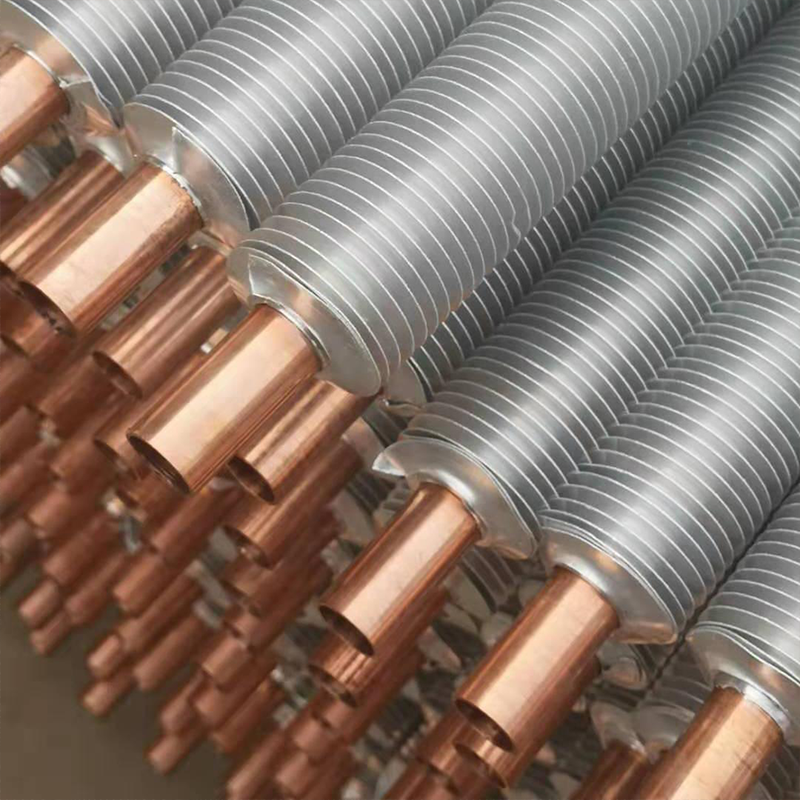
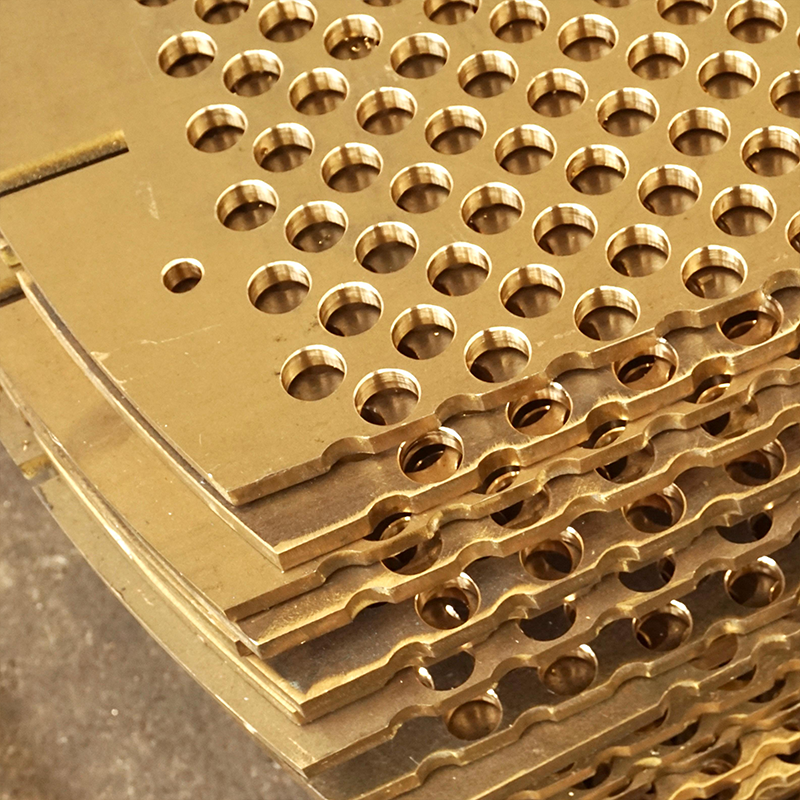
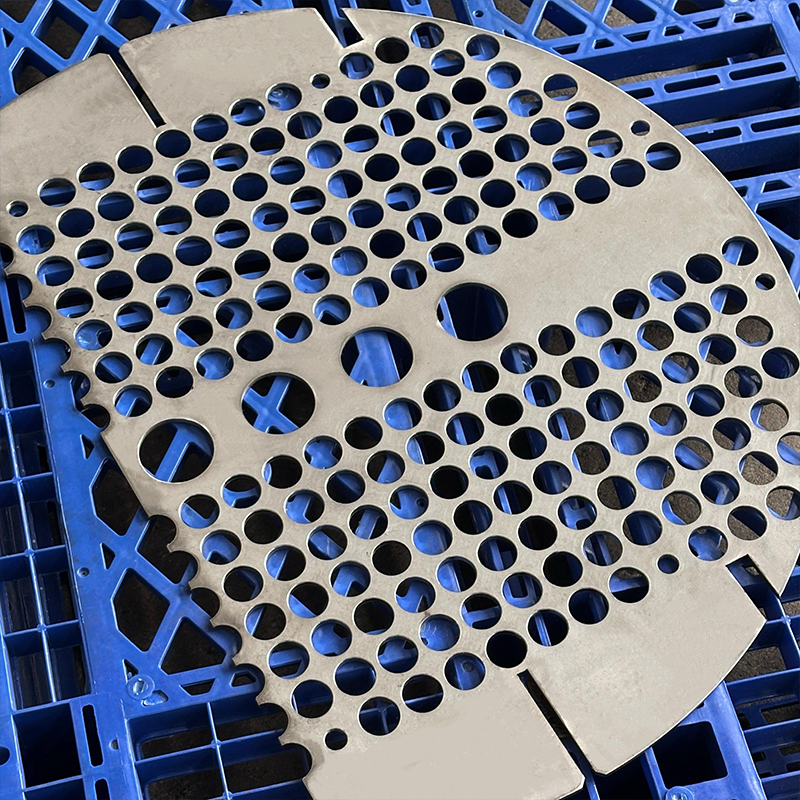
For example, a companyWuxi Kaisheng Electric Power and Petrochemical Equipment Co., Ltd.demonstrates this integrated approach, specializing in the development and production of high-tech equipment for the oil and gas and chemical industries. Their expertise includes the creation of titanium shell-and-tube heat exchangers, ASME-certified high-pressure vessels, and complex alloy tube bundles (316 stainless steel, C46400 marine brass, copper-nickel alloys, N06625 nickel). Products that meet stringent PED and ASME standards offer exceptional corrosion resistance and the ability to perform under extreme conditions of high temperatures and pressures.
The experience of such manufacturers emphasizes an important truth: whether it is a polypropylene bath or a titanium heat exchanger, the durability of the equipment directly depends on the correct selection of materials for a specific aggressive environment and compliance with manufacturing technologies. Custom engineering solutions offered by market leaders help minimize risks similar to those described above - from stress corrosion to thermal fatigue. Integrating quality peripheral equipment, such as air coolers or waste heat boilers from trusted suppliers, into a single system with polymer containers creates the necessary safety margin for the entire plant.
Comparative analysis of damage diagnostic methods
The choice of inspection method depends on the type of defect suspected and the availability of equipment. Below is a table comparing the effectiveness of various approaches to diagnosing the condition of polypropylene baths.
| Diagnostic method | Detected defects | Depth of control | Required Qualifications | Limitations |
|---|---|---|---|---|
| Visual inspection (VT) | Cracks, deformations, discoloration, drips | Surface only | Low (operator) | Does not see internal welding defects and microcracks |
| Ultrasonic Thickness Testing (UT) | Wall thinning, delamination, corrosion | Full section | Secondary (NK specialist) | Requires coupling fluid, difficult on curved surfaces |
| Penetrant testing (PT) | Surface cracks, pores in seams | Surface and subsurface layer | Average | Requires thorough surface cleaning, does not work on porous materials |
| Spark test (for linings) | Through defects,_pinholes_ | For through penetration | Low | Applicable only if there is a conductive base under the plastic |
| Laboratory analysis (FTIR/DSC) | Change in chem. composition, thermal degradation | Volume of material (sample) | High (laboratory chemist) | Destructive method, takes time to get results |
For regular monitoring, we recommend a combination of visual inspection (weekly) and ultrasonic thickness measurement (quarterly). Penetrant testing should be used if there is any suspicion of a violation of the tightness of welds. Laboratory analysis is required when investigating serious incidents or routine assessment of equipment life after 5-7 years of operation.
Economic implications and risk management
The cost of production line downtime due to a chemical bath accident is many times greater than the cost of the tank itself. Losses consist of loss of product, costs of disposal of spilled reagents, environmental fines and stoppage of production. In the automotive industry, an hour of assembly line downtime can cost tens of thousands of euros. Therefore, investments in quality investigation and preventive monitoring pay off instantly.
Insurance companies are increasingly requiring equipment safety data sheets and regular inspection reports before paying out claims. Lack of documentation or evidence of violation of operating rules (for example, work at temperatures above the passport temperature) becomes a legal basis for refusal of payment. The introduction of a predictive maintenance system, including regular measurements of wall thicknesses and thermographic monitoring of heating units, makes it possible to plan the replacement of equipment before a disaster occurs.
We are seeing a trend moving from repairing damaged areas to completely replacing modules. Welding patches on critical tanks that work with aggressive media is often a temporary measure. The area around the patch experiences increased stress and the risk of re-fracture increases. The modern approach dictates the use of a modular bath design, where a damaged segment can be quickly dismantled and replaced without stopping the entire line.
Frequently Asked Questions
How to distinguish a manufacturing defect from an operating error?
Manufacturing defects usually appear in the first months of operation and are systemic in nature (for example, the same type of seam is leaking in all containers of the batch). Operating defects occur later and are associated with specific events (temperature jump, mechanical shock). The exact answer is given only by laboratory analysis of the structure of the material in the destruction zone: the presence of oxides indicates overheating, and the absence of traces of polymer degradation indicates mechanical overload or welding defects.
Is it possible to repair a cracked polypropylene bathtub yourself?
It is strictly not recommended to carry out repairs by unqualified personnel. An incorrectly selected filler rod or a violation of the welding temperature conditions will lead to the weld becoming the weakest point. Repairs must be performed by a certified welder using extrusion welding equipment that heats the material to a viscous flow state without overheating. For critical tanks after repair, quality control by penetrant flaw detection is mandatory.
What is the service life of PP chemical baths if used correctly?
If the temperature conditions are observed (up to +60°C for long-term operation), there is no UV radiation and mechanical overloads, the service life of polypropylene baths is 15-20 years. However, the presence of aggressive oxidizing agents or cyclic loads can reduce this period to 5-7 years. The key factor is not so much the age of the equipment, but the accumulated dose of chemical and thermal exposure. Regular monitoring of wall thickness allows for an objective assessment of the residual life.
Conclusion and recommendations
Investigations into PP chemical bath incidents are not just about finding someone to blame, but rather a process of gathering data to improve production reliability. Polypropylene remains one of the best materials for the chemical industry due to its price and durability, but it requires respect for its physical nature. Ignoring installation rules, neglecting temperature restrictions and the lack of a regular monitoring system inevitably lead to accidents.
We recommend introducing regulations for quarterly inspections with mandatory recording of results. Use only certified raw materials and entrust installation to specialized organizations with experience working with thermoplastics. Remember that savings at the design stage or choosing a contractor will come back to haunt you many times during operation. If you encounter an emergency or doubt the condition of your equipment, do not wait for a disaster.
Professional risk assessment and competent technical support are the key to the smooth operation of your enterprise.Contact us todayto conduct an audit of your chemical equipment fleet and develop an individual prevention program. Our experts are ready to visit the site for a detailed analysis and provide recommendations based on real experience in the industry.
For more information on welding standards and material requirements, visit our sectiontechnical documentation for polypropylene tanks, where current data and cases of successful implementations are collected.