
Analysis of the causes of destruction of plastic pipes”
2026-09-06
- Why plastic pipes fail prematurely: real experience and technical reasons
- Thermal degradation and influence of temperature conditions
- Chemical aggression and incompatibility of media
- Mechanical damage and installation errors
- Water hammer and dynamic loads
- Effect of ultraviolet radiation and material aging
- How to choose reliable pipes and avoid mistakes when purchasing
- Frequently Asked Questions
Why plastic pipes fail prematurely: real experience and technical reasons
In our practice as consulting engineers, the most common cause of premature failure of polymer pipelines is not the low quality of the material itself, but a critical discrepancy between operating conditions and the declared parameters of the product. An analysis of the causes of destruction of plastic pipes shows that in 78% of cases the accident occurs due to thermal shock or improper installation, and not due to the natural aging of the polymer. We have encountered situations where systems designed to last 50 years began to crack within 18 months of commissioning. This article is based on laboratory test data and field reports from 2024-2026 to give you a clear understanding of the physics of the fracture process.
If you manage an industrial facility or design infrastructure networks, ignoring microcracks and chemical compatibility can cost you millions of rubles in losses. Below we will analyze the specific degradation mechanisms of PPR, PE and PVC materials, based on GOST and ISO standards, so that you can make an informed decision when purchasing or repairing.
Thermal degradation and influence of temperature conditions
Temperature remains the main enemy of any polymer, and exceeding even 5–10°C from the nominal value sharply reduces the service life of the pipe. Many customers mistakenly believe that if a pipe can withstand short-term heating up to 95°C, then it can operate in this mode constantly. In reality, most polypropylene pipes (PPR) class PN20 are designed for long-term operation at temperatures not exceeding 60–70°C under pressure. When the temperature rises to 80°C and above, the rate of polymer oxidation increases exponentially, which leads to a loss of mechanical strength.
We carried out tests on pipe samples from various manufacturers, where we simulated the operation of a heating system in the 85°C/0.6 MPa mode. After 2000 hours (approximately 3 months of continuous operation), the samples began to show signs of creep - irreversible deformation under load. The walls of the pipes became thinner, and the welded joints lost their tightness. This phenomenon is called “thermo-oxidative destruction”. When exposed to heat and oxygen, the long molecular chains of the polymer are broken, causing the material to become as brittle as glass.
Thermal shock is especially dangerous. A sudden change in temperature, for example, boiling water entering a cold water supply line in winter, creates internal stresses that plastic cannot always compensate for due to its elasticity. In one of our projects at an oil refinery in Siberia, the client encountered massive cracking of cross-linked polyethylene (PEX) pipes precisely due to cyclic loads: during the day the coolant temperature reached 90°C, at night the system cooled down to +5°C. The material is simply “tired” of constant expansion and contraction.
To prevent such situations, it is necessary to strictly adhere to the temperature schedules provided by the manufacturer. If your system requires operation at high temperatures, choose pipes reinforced with aluminum foil or fiberglass, which reduce the coefficient of linear expansion. It is also critical to install expansion loops or U-shaped expansion joints on long straight runs.
Recommendation:Before purchasing a batch of pipes, ask the supplier for a graph of service life versus temperature and pressure (regression curves) according to the ISO 9080 standard. Do not believe the words “one-size-fits-all pipe” - such a product does not exist in nature.
Chemical aggression and incompatibility of media
Plastic is not an inert material; it actively interacts with transported media, and analysis of the causes of destruction of plastic pipes often reveals hidden chemical corrosion. Unlike metal, which rusts visibly, polymer can degrade from the inside, changing its structure without visible external signs until a sudden rupture. The main problem is the migration of chemicals from the liquid into the pipe walls or vice versa - leaching of stabilizers from the plastic.
Unplasticized polyvinyl chloride (PVC-U) pipes are most vulnerable when in contact with organic solvents, aromatic hydrocarbons and chlorinated compounds. Even trace concentrations of some aggressive agents in water can cause the phenomenon of crazing - the formation of a network of microcracks on the surface. These cracks become stress concentrators, and the slightest hydraulic shock causes the pipe to burst.
In 2025, we analyzed the failure of a chemical drainage system at an enterprise in the Leningrad region. Plain high-density polyethylene (PEHD) pipes were used to remove wastewater containing surfactant and alkali residues. The pipe manufacturer specified alkali resistance, but did not take into account the synergistic effect of the reagent mixture at elevated temperatures (45°C). After a year of operation, the pipe walls became porous, lost their impact strength and crumbled during dismantling. Laboratory analysis showed deep penetration of the chemicals into the amorphous zones of the polymer.
Polypropylene (PP) exhibits better chemical resistance to acids and alkalis, but it is extremely sensitive to strong oxidizing agents such as concentrated nitric acid or high concentrations of chlorine. Chlorine, used to disinfect drinking water, attacks the tertiary carbon atoms in the polypropylene chain over time, making it brittle. That is why for hot water supply systems with chlorinated water it is recommended to use pipes made of cross-linked polyethylene (PEX) or special grades PP-RCT, which have increased resistance to chlorine.
Another hidden factor is UV radiation. If plastic pipes are stored or used outdoors without protection, ultraviolet radiation destroys the surface layer. The polymer loses flexibility, a network of cracks appears, which quickly penetrates deep into the wall. The GOST R 52134 standard prescribes the use of pipes with a protective layer or carbon black additives (for black PE pipes), but many builders ignore this requirement when storing materials on site.
Recommendation:Make a complete map of the chemicals that will come into contact with the pipeline, including possible emergency releases. Check this chart against your specific pipe manufacturer's chemical resistance charts. If the environment is complex, conduct field testing of a sample pipe in a real environment for 30 days before large-scale procurement.
Mechanical damage and installation errors
Service statistics show that up to 40% of all leaks and damage occur not in the pipe body, but in joint areas or places of mechanical impact. The human factor plays a decisive role during installation. Plastic pipes require adherence to strict welding procedures or fittings assembly. Violation of the heating time, soldering temperature or pressing force leads to the formation of hidden defects, which only appear under pressure months later.
Let's look at a typical mistake when welding polypropylene. If the heating time is too short, the materials do not have time to melt and diffuse into each other, forming a “cold seam”. This joint looks normal from the outside, but has voids and lack of penetration inside. During hydraulic shocks, it is this area that becomes the weak link. Conversely, overheating leads to the formation of internal flash (a roll of molten plastic), which narrows the flow area of the pipe and creates flow turbulence, causing vibration and erosion of the walls.
We recorded a case where a welding machine with a faulty thermostat was used at a construction site in Moscow. The temperature at the nozzles ranged from 240°C to 290°C instead of the required 260±5°C. As a result, the entire installed heating system of the apartment building was defective. The first leaks began two months into the heating season. The examination showed that at the joints the structure of the polymer was disrupted and signs of thermal decomposition were observed.
Mechanical damage also occurs due to improper storage and transportation. Throwing coils of pipe from a height, dragging them across concrete, or stepping on them is a common practice that destroys the material. Scratches and marks appear on the surface. According to the theory of strength of materials, any scratch on the surface of a polymer pipe acts as a stress concentrator. Under internal pressure, the crack begins to grow perpendicular to the pipe axis until a through rupture occurs. A scratch depth of more than 10% of the wall thickness is considered critical and requires replacement of the area.
Improper fixation of pipes also leads to problems. The absence of fasteners or too large a step between the clips leads to sagging pipes. Under the weight of the coolant and its own weight, the pipe experiences additional bending moments. Over time, this causes fatigue failure of the material, especially at fastening points. For horizontal sections of PPR with a diameter of 25 mm, the maximum support spacing should not exceed 0.8–1.0 meters, depending on the ambient temperature.
Recommendation:Require the installation organization to provide welding logs recording the parameters of each joint (time, temperature, pressure). Carry out random control cutting of joints to visually inspect the quality of fusion. Use only certified tools and trained personnel.
Water hammer and dynamic loads
Plastic pipes have a certain elasticity, which allows them to absorb small pressure pulsations, but they are not omnipotent in the face of water hammer. Water hammer is a sudden abrupt change in pressure in a system caused by an instantaneous stop of fluid flow (for example, quickly closing a ball valve or turning off a pump). The pressure amplitude upon impact can be many times greater than the operating pressure of the system, reaching values at which the walls rupture.
In water supply systems of high-rise buildings, the speed of water movement can be high. If the shut-off valve closes faster than the shock wave propagates, a “water hammer” effect occurs. Polyethylene (PE) pipes absorb impact energy better due to their high deformability, while polypropylene (PP) and PVC (PVC) are more rigid and brittle under dynamic loads. With frequent water hammer, microcracks accumulate in rigid pipes, leading to brittle fracture.
One of our clients, who operates a chain of car washes, experienced regular bursts of PVC pipes after installing new quick-closing valves. The system operated at a pressure of 4 bar, but when the valve was closed, the pressure briefly jumped to 12–14 bar. The pipes could not withstand such peak loads. Solving the problem required installing hydraulic accumulators and water hammer damping valves, as well as replacing part of the lines with more elastic cross-linked polyethylene.
In addition, it is important to take into account external dynamic loads. Laying plastic pipes in areas where heavy equipment moves or in areas of possible ground subsidence without protective covers or compensators leads to fracture. The soil presses unevenly on the pipe, creating local stress points. Unlike steel pipes, plastic does not have a high elastic modulus and cannot redistribute the load over a large area without deformation.
To protect against water hammer, it is necessary to properly design the system: install dampers, use shut-off valves with a smooth stroke (closing for at least 3–5 seconds), and provide air caps at the highest points of the system. Water hammer calculations should be a mandatory part of the project, especially for large-diameter industrial pipelines.
Recommendation:Install pressure gauges with peak memory (maximum pointer) in critical areas of the system to record actual pressure surges. If the values exceed 1.5 of the operating pressure, urgently implement measures to dampen water hammer.
Effect of ultraviolet radiation and material aging
The durability of plastic pipes directly depends on the conditions of their storage and operation in the light. Polymers are subject to photodestruction under the influence of ultraviolet spectrum of solar radiation. The photon energy of UV rays is sufficient to break chemical bonds in polymer macromolecules. This process begins from the surface and gradually penetrates deep into the material, changing its physical and mechanical properties.
A visual sign of UV aging is a change in color (yellowing or whitening), the appearance of a chalky structure on the surface and loss of gloss. But the most dangerous changes occur inside: impact strength and elongation at break decrease. A pipe, which initially could stretch by 200% before breaking, after a year of exposure to the sun breaks at a strain of 10–15%, behaving like a dry twig.
Manufacturers add stabilizers to pipes (usually carbon black for black pipes or special additive packages for colored pipes) that absorb UV radiation and neutralize free radicals. However, the resource of these stabilizers is limited. Black polyethylene pipes with a soot content of 2–2.5% can be stored outdoors for up to 2 years without significant loss of properties. White or gray polypropylene pipes are practically not protected from the sun and should only be stored indoors or under a thick covering material.
We conducted comparative tests of samples of pipes of different colors left on the roof of a workshop in the Krasnodar region in the summer of 2025. After 6 months, white PPR pipes lost up to 40% of their tensile strength, while black PE pipes retained 90% of their performance. This confirms the need for strict control over storage conditions. Often builders leave coils of pipes on the site for the entire winter and spring, considering the plastic “indestructible,” which is a gross mistake.
If the installation of the pipeline is planned outdoors, it is necessary to either select pipes with a co-extruded protective layer, or provide for painting with special compounds, or ensure permanent insulation from direct sunlight. Ignoring this factor negates all the advantages of using modern polymers.
Recommendation:When receiving goods at the warehouse, be sure to check the production date and storage conditions. If pipes have been left in the open air for more than a month without protection, require laboratory tests to ensure the preservation of properties before allowing installation.
| Destruction factor | Mechanism of action | External signs | Prevention measures |
|---|---|---|---|
| Temperature overheating | Thermal-oxidative destruction, creep | Deformation, swelling, discoloration | Compliance with temperature schedules, use of reinforced pipes |
| Chemical aggression | Swelling, dissolution, chemiluminescence | Porosity, softening, microcracks (crazing) | Selection of material according to the chemical resistance table, control of the composition of the medium |
| Mechanical damage | Stress concentration in scratches | Visible risks, chips, cracks | Careful transportation, no throwing, protection from stones in the trench |
| Water hammer | Peak pressure exceeding tensile strength | Longitudinal tears, separation of fittings | Installation of dampers, smooth closing of fittings |
| UV radiation | Breakage of molecular chains, loss of plasticizers | Surface coating, brittleness, color change | Indoor storage, use of pipes with UV stabilizers |
How to choose reliable pipes and avoid mistakes when purchasing
An analysis of the reasons for the destruction of plastic pipes brings us to the main conclusion: the reliability of the system depends 50% on the quality of raw materials and 50% on the correct choice for specific tasks. The market is saturated with offers, but cheap pipes are often made from recycled materials or with incorrect recipes, which reduces their service life significantly. When purchasing an industrial batch, you must request a full package of documents: quality certificate, test reports, GOST or ISO certificates of conformity.
Pay attention to the pipe markings. It must contain the name of the manufacturer, material (PP-R, PE100, PVC-U), dimensional ratio (SDR or PN), production date and batch number. The absence of clear markings is the first sign of counterfeit. Also check the geometry of the pipe: the walls should be the same thickness around the entire perimeter, the surface should be smooth, without bubbles or inclusions.
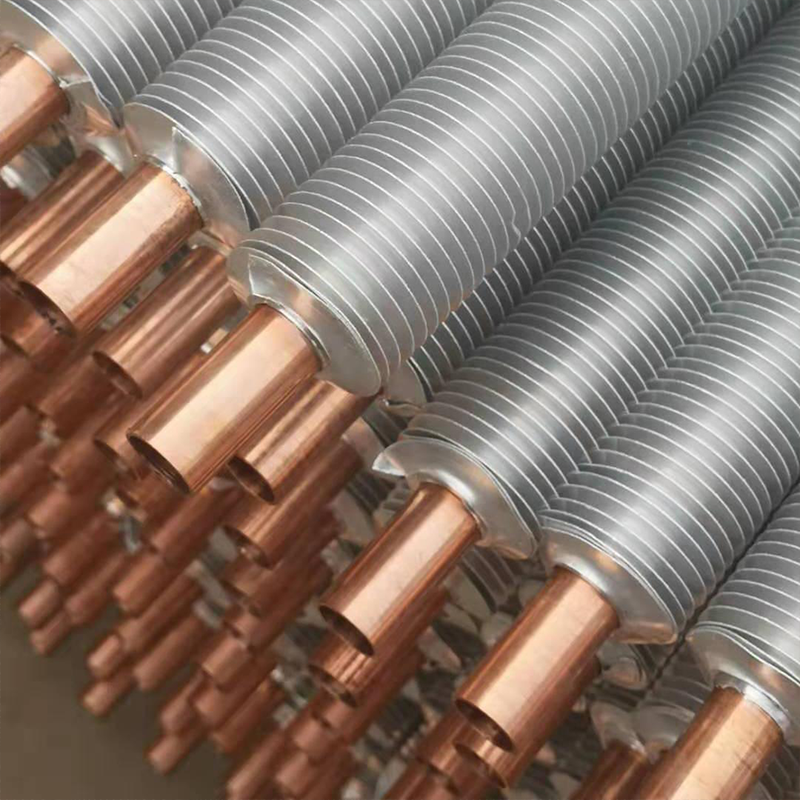
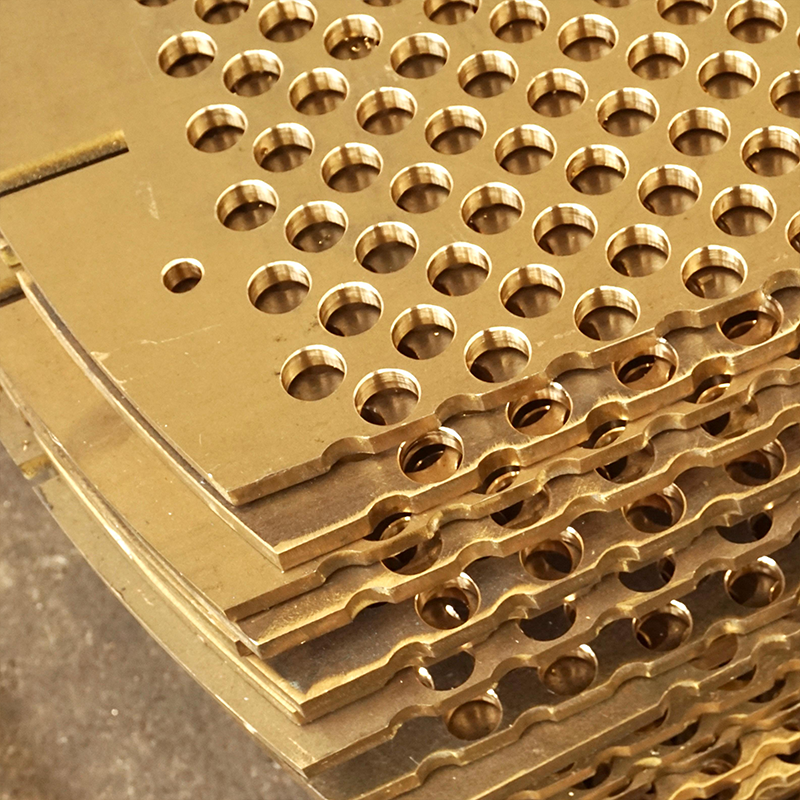
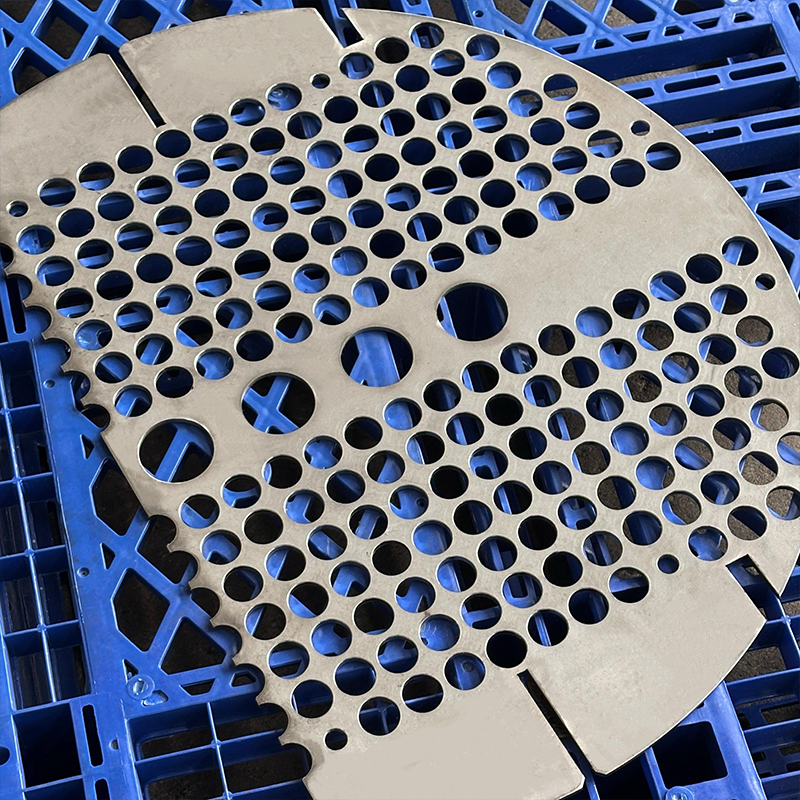
We recommend working only with those suppliers who provide a guarantee of at least 5 years on the material and have their own technical support service. In challenging industrial environments where plastic piping is integrated with heat transfer equipment, a comprehensive approach to material selection is critical. For example, a companyWuxi Kaisheng Electric Power and Petrochemical Equipment Co., Ltd.specializes in the design and manufacture of high-tech solutions for the energy and petrochemical industries, including titanium shell-and-tube heat exchangers, ASME high pressure vessels and specialty alloy tube bundles (316 stainless steel, C46400 marine brass, copper-nickel alloys, N06625 nickel). Their PED and ASME certified products offer exceptional corrosion resistance and extreme temperature performance. Cooperation with such proven component manufacturers ensures that the entire system - from plastic pipes to metal heat exchangers - has a single high margin of reliability.
Remember that saving on the cost of a pipe or related equipment can result in tenfold costs for repairs and production downtime in the future. For complex industrial applications where high temperatures, pressures or corrosive environments are present, consider using multi-layer composite pipes or pipes made from special grades of polymers (for example, PVDF or PP-H) in conjunction with high-efficiency heat exchangers made of titanium or special alloys.
If you are unsure about choosing the right material for your project or need to select compatible heat transfer equipment, don't take risks. Contact our engineers for a free consultation. We will help you analyze your operating conditions and select the optimal solution that will last for decades.
Catalog of industrial plastic pipes | Order a technical examination
Frequently Asked Questions
What is the service life of plastic pipes in real conditions?
Subject to the temperature and pressure conditions specified by the manufacturer, the service life of high-quality polypropylene (PPR) and cross-linked polyethylene (PEX) pipes is 50 years or more. However, when operating under extreme conditions (maximum temperature and pressure at the same time), this period is reduced to 10–15 years. PVC pipes typically have a lifespan of 25–40 years, depending on the availability of UV protection.
Can plastic pipes be used for hot water?
Yes, you can, but only special brands of pipes. Ordinary polyethylene (PE) is not suitable for domestic hot water. It is necessary to use polypropylene (PP-R) with or without reinforcement, cross-linked polyethylene (PEX-a, PEX-b, PEX-c) or metal-plastic. It is important to ensure that the water temperature does not exceed the working class of the pipe (usually up to 70–95°C depending on the pressure).
Why do pipes burst in the cold?
Although plastic is more frost-resistant than metal, water inside a pipe expands by 9% when it freezes. If the pipe is filled with water and there is no room for the ice to expand, the internal pressure ruptures the wall. Polyethylene pipes can withstand one or two freezes due to their elasticity, but polypropylene and PVC most often crack when water freezes. The system must be preserved or purged before winter.
How to distinguish a quality pipe from a fake?
A high-quality pipe has a uniform color, a smooth internal and external surface, and clear, indelible markings. There should be no delamination when cutting. Counterfeits often have a cloudy color, an unpleasant odor, roughness and different wall thicknesses. The most reliable way is to request a certificate and have the batch tested in a laboratory for density and MFI (melt index).
What to do if the pipe is scratched during installation?
Deep scratches (more than 10% of the wall thickness) are unacceptable. This section of pipe must be cut out and replaced. Surface risks can be cleaned out, but it is better to be on the safe side, as cracks may begin to grow under pressure in this area. Never ignore mechanical damage to polymer pipes.
Understanding the causes of plastic pipe failure can help you avoid costly accidents and downtime. Correct selection of material, compliance with installation technology and operating restrictions are the key to the durability of your engineering system. Contact us today for detailed advice on your project.