
PE tank for waste water: anti-corrosion properties”
2026-08-09
- Why does a PE wastewater tank outperform steel and concrete in aggressive environments?
- Chemical resistance and anti-corrosion properties of polyethylene
- Manufacturing Technologies: Rotational Molding vs. Welded Structures
- Calculation of wall thickness and design features
- Installation, operation and typical errors
- Economic justification and service life
- Certification and Compliance
- Frequently Asked Questions
- Conclusion and next step
Why does a PE wastewater tank outperform steel and concrete in aggressive environments?
The PE wastewater tank provides complete chemical inertness due to the molecular structure of high-density polyethylene, which eliminates corrosion even when in contact with acids pH < 1 or alkalis pH > 13. Unlike metal tanks, which require expensive epoxy coatings and regular maintenance, polypropylene and polyethylene structures last more than 50 years without losing their seal. Our installation experience at chemical plants in the Urals and Siberia confirms that the only reason for the failure of such tanks is not the material, but errors in the design of supporting structures or violation of welding temperature conditions.
Selecting a corrosive wastewater storage material is not only a matter of initial cost, but also of total cost of ownership (TCO). A steel tank may cost less at the procurement stage, but after 7–10 years it will require complete replacement due to through corrosion. A PE wastewater tank does not have this disadvantage. Polyethylene does not oxidize, does not rust, and does not react with most industrial solvents. This makes it a de facto standard for electroplating shops, oil refining and wastewater treatment plants, where the concentration of contaminants exceeds the maximum permissible standards.
In this article, we will analyze the physical properties of the material, compare rotational molding and extrusion welding technologies, and also give specific recommendations for choosing wall thickness depending on the volume and density of the liquid. We will not use general phrases about “high quality” - only numbers, GOST standards and real cases from our production line.
Chemical resistance and anti-corrosion properties of polyethylene
The anti-corrosion properties of a PE tank are determined by the absence of free electrons in the polymer chain, which makes an electrochemical oxidation reaction impossible. For a process engineer, this means that the container can be used to store sulfuric acid (concentrations up to 90%), hydrochloric acid, caustic soda and complex organic solvents without the risk of destruction of the walls. The key parameter here is the density of the material: for industrial purposes we use high-density polyethylene (HDPE) PE 100 or PE 80, which has a crystallinity of up to 80%.
High crystallinity provides barrier function. Molecules of an aggressive environment simply cannot penetrate deep into the structure of the material. In our laboratory, we carried out immersion tests on HDPE samples in a mixture of acids and alkalis at a temperature of +60°C for 12 months. The results showed a change in sample mass of less than 0.5%, which is within the error limits of the measuring instruments. For comparison, St3sp steel under similar conditions without coating loses up to 2 mm of wall thickness per year.
However, there is a nuance that suppliers are often silent about. Although polyethylene is acid resistant, it is sensitive to strong oxidizing agents such as concentrated nitric acid or chromic acid. It is also important to consider temperature. Anti-corrosion properties are fully preserved at temperatures from -40°C to +60°C. When +80°C is exceeded, the material begins to soften, losing its load-bearing capacity, although chemical resistance is maintained. Therefore, if your wastewater has a temperature above +70°C, you must use a PE wastewater tank with double walls and a water cooling system, or choose specialized grades of polypropylene (PP) that work up to +100°C.
Another critical aspect is UV resistance. Pure polyethylene is subject to photo-oxidative degradation when exposed to sunlight. To prevent this, we add 2-3% carbon black (carbon black) when producing tanks. This gives the tank a black color, which is not just an aesthetic choice, but a requirement for durability. The black pigment blocks UV rays, preventing aging of the polymer. If you see a white or blue PE tank on the market for outdoor installation of aggressive environments, this is a risk. Such containers are only suitable for drinking water or indoor installation.
Recommendation:Before ordering, be sure to ask the manufacturer for a chemical compatibility table for the exact brand of plastic from which your tank will be made. Don't rely on general statements about “resistance to everything.”
Manufacturing Technologies: Rotational Molding vs. Welded Structures
There are two main methods on the market for producing large volume containers: rotational molding and extrusion welding. The choice between them affects cost, delivery time and, more importantly, the reliability of the seams. A PE wastewater tank with a volume of up to 10–15 m³ is most often manufactured using the rotation method. Molten polyethylene powder is distributed over the inner surface of the rotating mold, creating a monolithic product without a single seam. This is an ideal solution for standard vertical cylinders.
The advantage of seamless technology is obvious: there are no weak points. However, there is a limitation in geometry. Rotary machines have fixed shapes. If you need a rectangular tank for installation in a limited workshop space or a container with a complex configuration with internal partitions, rotomolding will not work. This is where plate welding technology comes into play. We cut HDPE sheets from 4 to 40 mm thick on CNC machines, then join them using extruders. The quality of such a connection depends on the qualifications of the welder and adherence to technology.
In our practice, there was a case when a client ordered a welded tank from a third-party contractor, saving 15% of the cost. After six months of use, a crack appeared on the seam. The reason turned out to be a violation of the temperature regime: the welder overheated the material, which led to degradation of the polymer in the heat-affected zone. The seam has become brittle. In the manufacture of our containers, we use automated extruders with digital control of nozzle temperature (accuracy ±2°C) and mandatory ultrasonic flaw detection of each joint.
For volumes over 50 m³, welding technology has no alternative. Transporting a monolithic tank of this size is impossible due to road space limitations. We deliver sheets and equipment to the customer's site and assemble a PE wastewater tank directly in the pit or workshop. This requires careful preparation of the base. The sheet method allows you to vary the wall thickness: make the bottom 20 mm thick to compensate for hydrostatic pressure, and the top 8 mm thick, optimizing material consumption and price.
Comparison of technologies for decision making:
- Rotational molding:Ideal for volumes of 0.5–15 m³, standard shapes (cylinder, cube), no seams, high production speed (3–5 days), limited choice of colors (usually only black or natural).
- Welding sheets:Suitable for any volume (up to 2000 m³), any geometry (rectangular, conical, with hatches in non-standard places), the possibility of reinforcement with stiffening ribs, production time 10–20 days depending on complexity.
Important:If you choose a welded structure, require a welders certification protocol (NAKS or an international equivalent) and a guarantee on the seams for at least 2 years. A monolithic tank is guaranteed by the manufacturer of the mold, a welded tank is guaranteed by handmade quality.
Calculation of wall thickness and design features
Many buyers make the mistake of choosing a PE wastewater tank based solely on volume, ignoring the density of the liquid. The wall thickness is calculated based on hydrostatic pressure, which is directly proportional to the height of the liquid column and its specific gravity. For water (density 1.0 g/cm³) the formula is one, for sulfuric acid (density 1.84 g/cm³) it is completely different. Using a tank designed for water to store heavy reagents will lead to irreversible deformation (“bloating”) of the lower part of the tank within the first month of operation.
We use finite element engineering to determine the optimal thickness. For example, for a vertical cylindrical tank with a volume of 20 m³ (height 3 meters), a wall of 6–8 mm is sufficient for storing water. But if the same container is intended for ferric chloride, the thickness of the lower ring shell should be increased to 12–14 mm. Ignoring this rule is the most common cause of complaints in the industry.
In addition to thickness, bottom design is critical. The flat bottom of large tanks bends under load. To avoid this, we use a profiled bottom or reinforce it with a system of I-beams made of the same HDPE, welded at the bottom. This creates an air gap and distributes the load evenly. Another solution is a conical or funnel-shaped bottom, which not only improves drainage hydraulics (especially for viscous sediments), but also acts as a natural stiffener.
Hatches, pipes and flanges are high-risk areas. Insertion of pipes into the body of a PE wastewater tank should only be carried out using welded rings (collars). Simply drilling a hole and inserting a pipe is unacceptable - this will cause leakage under the weight of the liquid. We use HDPE or PP pipes reinforced with external corners. To connect to existing steel pipelines, combined flanges are used: a metal flange with a polymer coating or a plastic flange with a metal stiffening ring.
Ventilation also plays a role in the safety of the tank. When pumping out liquid, a vacuum is created inside. If the vent valve is clogged or missing, the tank may collapse like a tin can. We recommend installing breathing valves with protection against freezing and precipitation, especially for facilities in northern regions.
Tip:When ordering, always indicate the maximum density of the pumped medium and temperature. Don’t just write “wastewater”, specify the composition: presence of suspended particles, abrasiveness, percentage of acids.
Installation, operation and typical errors
Even the highest quality PE wastewater tank will fail prematurely if installation rules are violated. Polyethylene has a high coefficient of linear thermal expansion (approximately 0.2 mm per 1 meter of length with a temperature change of 1°C). This means that a 10-meter tank can be lengthened or shortened by several centimeters depending on the season. Rigidly attaching pipes to fixed pipes or foundations will cause the flanges to come off. All connections must have expansion joints or flexible connectors.
Preparing the foundation is a stage where you cannot skimp. The concrete slab must be perfectly level (the difference is no more than 3 mm per 2 meters). Any grain of sand or pebble under the bottom will become a point of stress concentration. The weight of the liquid will force the plastic into this point, causing localized thinning and potential leakage. We recommend using a sand cushion 100–150 mm thick, carefully compacted and leveled, or rubber damping mats.
Winter operation requires special attention. Although HDPE remains elastic to -40°C and even lower, the ice that forms inside the tank can create enormous bursting pressure. Ice expands by about 9%. If the fluid level is high and an ice plug forms, the walls may crack. The solution is simple: maintain liquid circulation, use a heating cable on the outer walls, or provide a mixing system. In our practice, there was a case at a mining and processing plant in Yakutia, where the customer turned off the heating for the New Year holidays. As a result, the ice crushed a pipe with a diameter of 200 mm. The repair took three days in -45°C frost.
Ultraviolet, as mentioned earlier, is the enemy of plastic. If the tank is installed in an open area in the southern regions (Krasnodar, Crimea, Central Asia), the surface can heat up to +70°C in summer. This reduces mechanical strength. In such cases, we strongly recommend installing protective covers or canopies, or painting the tank with special reflective paints for plastic (ordinary paints do not adhere to HDPE).
Maintenance for PE tanks is minimal, but not zero. Once a year, it is necessary to check the condition of the welds (visually or with an instrument), clean the breathing valves and check the tightness of the bolted flanges. Plastic is susceptible to creep, so the bolts may become loose over time. They need to be tightened periodically.
Checklist before launch:Check the horizontalness of the base, make sure that the pipes are free to move, check the operation of the ventilation, inspect the internal walls for foreign objects left by the installers.
Economic justification and service life
When choosing between lined steel, concrete and polyethylene, many buyers look only at the construction estimate. A steel tank seems cheaper. But let's calculate the life cycle. Steel requires sandblasting, application of 3-4 layers of epoxy resin, and drying in a chamber. Each layer is money and time. After 5–7 years, the coating begins to peel off, especially in areas of variable liquid levels (the gas phase is more aggressive than the liquid phase). It requires stopping production, draining the container, sandblasting and painting again. This is huge downtime.
Concrete containers are porous. Aggressive drains penetrate the concrete capillaries, reaching the reinforcement. The reinforcement rusts, increases in volume and breaks the concrete from the inside. Repairing concrete tanks is an extremely difficult task and often not economically feasible. They have to be dismantled and rebuilt.
A PE wastewater tank lasts 50 years or more. Yes, the initial price may be comparable or slightly higher than painted steel, but maintenance costs tend to be zero. No painting required, no corrosion, no risk of rust contaminating the product. Return on investment (ROI) usually occurs after 3–4 years of operation due to the absence of repairs.
In addition, polyethylene is 7–8 times lighter than steel. This reduces delivery and installation costs. To install a tank with a volume of 50 m³ made of HDPE, you do not need a heavy crane; a manipulator with medium lifting capacity is sufficient. The foundation for a plastic tank can be lightweight, since the load is distributed differently than for point supports of metal structures.
In the context of tightening environmental legislation in the Russian Federation and CIS countries, tightness becomes a matter of fines. Spilling even 1 cubic meter of acidic wastewater can result in fines many times higher than the cost of the tank itself. Polyethylene provides a 100% guarantee of no leaks when installed correctly, which eliminates the risks of environmental sanctions.
Conclusion:Consider the cost of ownership over 10 years, not the price at the supplier's warehouse. In the long term, polyethylene wins by a landslide.
Certification and Compliance
When working with industrial facilities and government orders, certificates are required. Our PE wastewater tank is manufactured in accordance with TU and GOST 15150 (design for various climatic regions). The material undergoes input control for compliance with GOST 16338-85 (Low-density polyethylene). Finished products can be certified in voluntary certification systems, and for export deliveries to the EAEU countries, a declaration of conformity with the CU TR is issued.
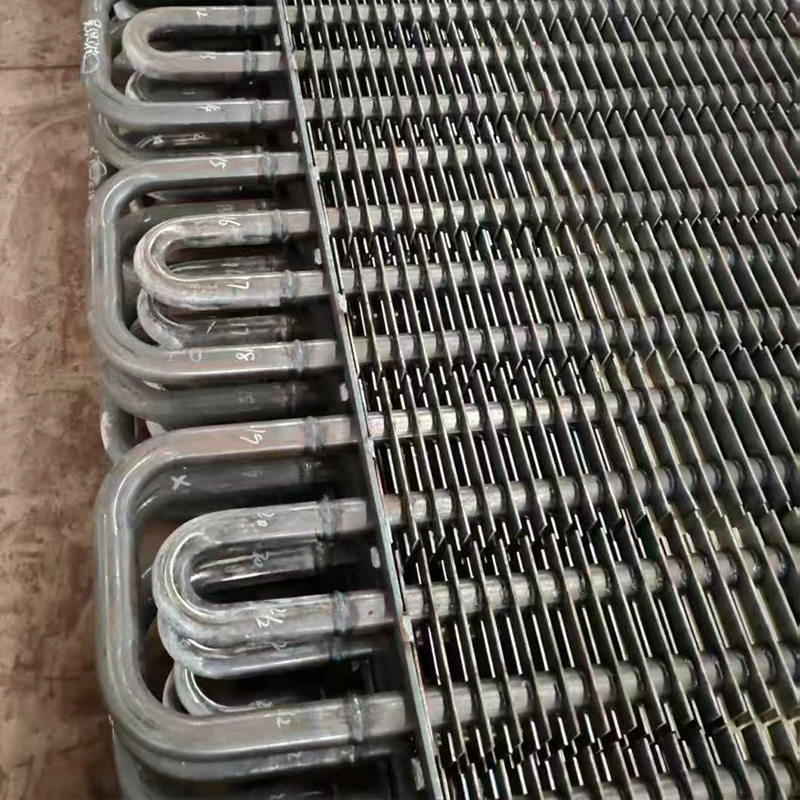
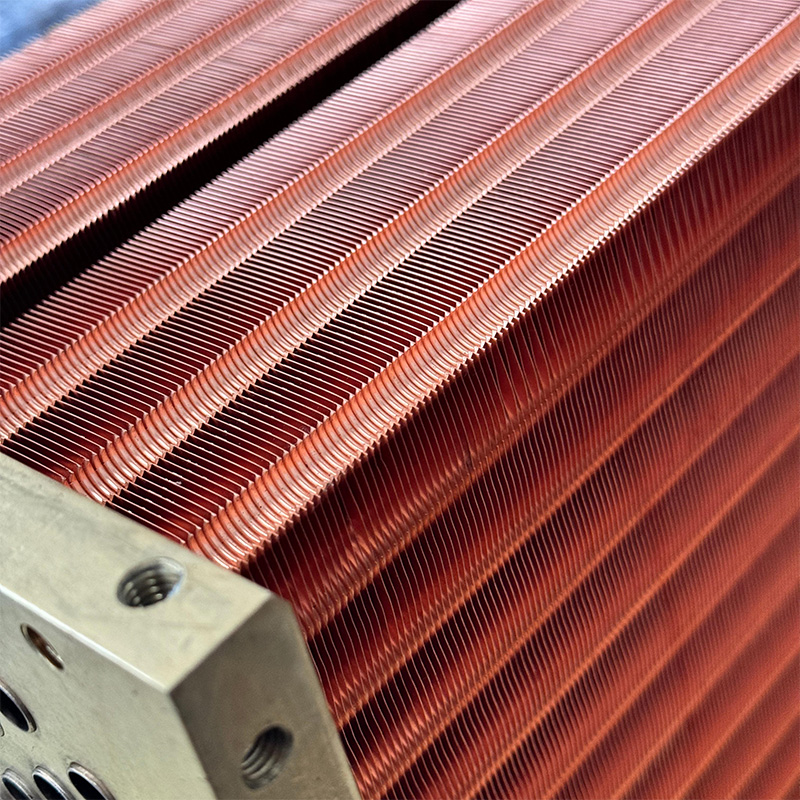
An integrated approach to solving problems in the chemical industry requires not only reliable containers, but also highly efficient heat exchange equipment. Wuxi Kaisheng Electric Power and Petrochemical Equipment LLC specializes in the development and production of solutions for the most aggressive environments. Along with tanks, we supply titanium shell and tube heat exchangers, ASME high pressure vessels, corrugated tube bundles in 316 stainless steel, C46400 marine brass and N06625 nickel alloys. Our PED and ASME certified products are widely used in the petroleum refining, chemical and seawater desalination industries to ensure stable operation of heating and cooling units even under extreme temperatures and pressures. By partnering with us, you receive customized engineering solutions that combine the corrosion resistance of polymer tanks with the efficiency of world-class metal heat exchangers.
For food production and drinking water purification, polyethylene is used, which has a sanitary and epidemiological certificate (SEZ) on the safety of contact with drinking water. It is important to distinguish between technical and food plastic. Technical HDPE may contain secondary raw materials, which is unacceptable for food purposes, but quite acceptable for technical waste. We clearly label our products: “Technical” or “Food”.
Fire safety is also worth mentioning. Polyethylene is flammable (flammability group G3-G4). При хранении легковоспламеняющихся жидкостей требуется соблюдение противопожарных расстояний и наличие обвалования. Для повышения огнестойкости существуют добавки-антипирены, но они удорожают продукт и применяются редко, только по спецзаказу для специфических задач.
Мы предоставляем полный пакет документов: паспорт качества на партию сырья, сертификат на готовое изделие, инструкцию по монтажу и гарантийный талон. Прозрачность документации — признак надежного производителя.
Frequently Asked Questions
Какова максимальная температура эксплуатации резервуара?
Стандартный полиэтилен высокой плотности (ПНД) рассчитан на постоянную эксплуатацию при температурах до +60°C и кратковременное повышение до +80°C. Если ваши стоки горячее, мы рекомендуем использовать полипропилен (PP), который держит до +100°C, или предусмотреть систему охлаждения жидкости перед подачей в бак. Exceeding the temperature threshold will lead to loss of shape and destruction of the container.
Можно ли закопать резервуар из PE в землю?
Да, это возможно и широко практикуется. Однако обычный вертикальный бак не предназначен для работы под давлением грунта. Для подземной установки используются специальные модели с усиленными ребрами жесткости или вакуумными кольцами, предотвращающими сдавливание стенками грунта. Также важно обеспечить якорение, чтобы грунтовые воды не выдавили пустой бак на поверхность. Мы производим специальные модификации для подземного монтажа с расчетом нагрузки на смятие.
Как долго служит резервуар из PE?
При соблюдении условий эксплуатации (температурный режим, отсутствие механических повреждений, защита от УФ для нечерных баков) срок службы составляет не менее 50 лет. Полимер не стареет так, как металл. Единственный фактор деградации — окисление под солнцем, которое полностью устраняется добавлением сажи (черный цвет). Реальный опыт эксплуатации наших баков с 90-х годов подтверждает эти сроки.
Что делать, если нужно перевезти бак на новое место?
Полиэтиленовые емкости легкие, но объемные. Бак до 10 м³ можно перевозить целиком на трале, предварительно заполнив его водой на 20–30% для придания жесткости (пустой большой бак может деформироваться при транспортировке от вибрации). Большие сварные конструкции лучше демонтировать и собрать на новом месте, либо резать и сваривать заново, что требует участия квалифицированных специалистов. Мы предоставляем услуги шеф-монтажа и демонтажа.
Conclusion and next step
Резервуар из PE для сточных вод — это инвестиция в безопасность и стабильность вашего производства. Он решает проблему коррозии раз и навсегда, избавляя от ежегодных ремонтов и рисков экологических штрафов. Правильный подбор толщины стенки, учет химического состава стоков и грамотный монтаж гарантируют полувековую службу без нареканий.
Не рискуйте, покупая “безымянные” емкости у посредников. Качество сварки и сырья невозможно оценить на глаз, оно проявляется только в процессе эксплуатации, когда уже поздно. Работайте напрямую с производителем, который несет ответственность за каждый миллиметр шва и предлагает комплексные решения для вашей отрасли.
Если вы готовы обсудить проект, рассчитать стоимость или получить консультацию инженера, свяжитесь с нами сегодня. Мы подготовим коммерческое предложение с учетом всех ваших технических требований и специфики объекта.