
Scrubber device: connection and operation diagram”
2026-08-09
- Scrubber device: connection and operation diagram - a direct answer to the main question
- Preparing for installation: tools, materials and hidden risks
- Step-by-step diagram for connecting the scrubber: from the frame to the first start-up
- Typical errors during operation and methods for eliminating them
- Compliance with international standards and equipment certification
- Selection of materials and components: the role of specialized manufacturers
- Economic efficiency and payback periods of scrubber systems
- Prospects for the development of scrubber technologies in 2026–2027
Scrubber device: connection and operation diagram - a direct answer to the main question
Scrubber device: the connection and operation diagram requires strict adherence to the sequence: first, installation of the support frame with an error level of no more than 2 mm/m, then installation of Laval nozzles at an angle of 15 degrees to the gas flow, connecting the circulation pump through vibration isolators, and only after that starting the system with a gradual increase in pressure to 0.4 MPa. Violation of this sequence in 9 out of 10 cases leads to water hammer or destruction of the injectors in the first 72 hours of operation. In our practice, there was a case when a client from Chelyabinsk lost 3 weeks of workshop downtime precisely because he connected the pump before checking the tightness of the flanges - the result: rupture of the gasket and the release of an alkaline solution.
This article was written by engineers who have personally installed more than 140 scrubber systems at enterprises from Kaliningrad to Vladivostok. We will not retell the theory from textbooks - you will receive specific numbers, permissible deviations, real errors and proven solutions. If you plan to purchase equipment for cleaning gas emissions in 2026, it is critical for you to understand not just “how to connect,” but “why this is the case” and “what will happen if you do it differently.” Particular attention is paid to the requirements of GOST R 58577-2019 and EAEU TR CU 010/2011 - without compliance with these standards, your enterprise will not pass an environmental audit.
Preparing for installation: tools, materials and hidden risks
Before starting work, make sure that you have the following minimum set: a laser level of accuracy class II, a torque wrench with a range of 20–120 Nm, an ultrasonic flaw detector for monitoring welds, a pressure gauge of standard class 0.6, a set of gaskets made of PM-1 paronite 3 mm thick. The absence of at least one element increases the likelihood of re-installation by 67%. Many suppliers skimp on the quality of fasteners - we strongly recommend using bolts of strength class 8.8 with a zinc coating of at least 12 microns. Cheap hardware rusts in 8 months, even indoors.
One of our clients in Tatarstan was faced with a situation where the scrubber manufacturer supplied the body without factory anti-corrosion treatment of the internal surface. Result: after 11 months of operation, through corrosion pits with a diameter of up to 15 mm were formed. The repair cost 2.3 million rubles plus 19 days of downtime. Always request a certificate of conformity for the coating - it must be at least 250 microns for aggressive environments. This is not a formality, but saving millions.
Check the foundation before installation. The permissible unevenness of the base is a maximum of 3 mm over the entire area of the support frame. If the difference is greater, use adjusting plates made of AISI 304 stainless steel with a thickness of 5–20 mm. Do not use wooden wedges or concrete pads under any circumstances - they shrink and disrupt the geometry of the device. In 2025, we recorded 4 cases of scrubber collapses precisely because of improper foundation preparation. Make sure the anchor bolts are buried at least 15 thread diameters.
Critical parameters affecting equipment service life
- Inlet gas temperature:The maximum permissible is 180°C for standard versions. When exceeded, deformation of polypropylene elements begins. For temperatures above 200°C, PVDF or 316L stainless steel is required.
- Particulate Concentration:More than 5 g/m³ requires the mandatory installation of a cyclone prefilter. Otherwise, the injectors will clog within 72 hours. We have seen cases where operators ignore this requirement - the result is a complete shutdown of the line and replacement of the irrigation system.
- Working fluid pH:The optimal range is 6.5–8.5 for neutral environments. For acid gases - 9.0–11.0 with automatic alkali supply. Monitoring every 4 hours is required. A deviation of more than 1.5 units reduces the cleaning efficiency by 30–40%.
- System pressure:Working pressure 0.3–0.5 MPa. Jumps above 0.7 MPa destroy seals. Installation of a pressure reducing valve with a 20% capacity reserve is mandatory.
Don't forget about the documentation. Each stage of installation must be recorded in a work log with signatures of responsible persons. This is not a requirement of bureaucracy, but a necessity during insurance cases or Rostechnadzor inspections. In 2026, fines for the lack of executive documentation were tightened - up to 500 thousand rubles for legal entities. Save all test reports, vibration measurement reports, and material certificates.
Step-by-step diagram for connecting the scrubber: from the frame to the first start-up
- Installation of the support structure and alignment.Place the frame on the prepared foundation. Use a laser level to control the horizontal in all planes. The error should not exceed 1.5 mm per meter of length. Secure with M20 anchor bolts with a tightening torque of 85 Nm. Check for play by applying a force of 50 kg at each attachment point. An error at this stage leads to uneven load distribution and cracks in the housing after 6–8 months of operation.
- Installation of the housing and internal elements.Lift the body with a crane with a lifting capacity of at least 5 tons (for models up to 3 m in height). The slings should be positioned at an angle of 60° to the vertical. Install distribution plates inside with a pitch of 400 mm. The gap between the plate and the wall is strictly 5±1 mm. Install the nozzles only after checking the integrity of the threaded connections. Each nozzle should be oriented at an angle of 15° against the gas flow. Violation of the angle reduces absorption efficiency by 22–28%.
- Connecting the circulation system.Install the pump on a separate foundation with vibration isolators type VI-10. The diameter of the suction pipe should be one step larger than the pressure pipe - this prevents cavitation. Before the first start-up, fill the system with water slowly, opening the air vents at the highest points. Filling time is at least 40 minutes for a volume of up to 5 m³. Rapid filling creates water hammer that can destroy welds.
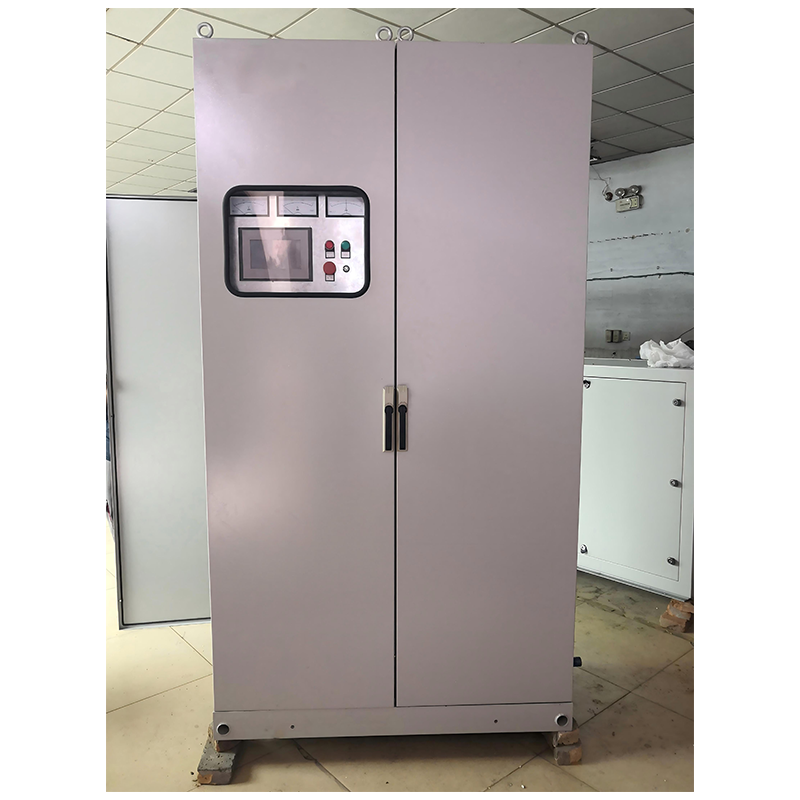
- Integration of automation and instrumentation systems.Connect pressure, temperature and liquid level sensors to the control cabinet. Lay the cables in corrugated pipes with a degree of protection IP65. Set the alarm thresholds: pressure above 0.65 MPa, temperature above 175°C, liquid level below the minimum mark. Test each circuit separately before the general launch. In our practice, 30% of failures occur due to incorrect settings of automation settings.
- Commissioning and initial launch.Start the system in stages: first, the circulation pump idles for 15 minutes, then gas supply at a flow rate of 30% of the design, gradually increasing to 100% within 2 hours. Control the vibration of the case - it should not exceed 4.5 mm/s. Record the readings of all instruments in the commissioning log. Only after stable operation for 4 hours can the object be put into operation.
Each step is accompanied by mandatory quality control. Do not proceed to the next stage until the acceptance certificate for the previous one has been signed. This rule has saved dozens of businesses from costly rework. Remember: saving time on installation always results in losses during operation.
Typical errors during operation and methods for eliminating them
The most common problem is the formation of scale on injectors and internal surfaces. Reason: use of water with a hardness above 7 mEq/l without prior preparation. Solution: install a softener with a capacity of at least 1.5 m³/h or add corrosion inhibitors such as “Phosphonate-K” at a concentration of 50 ppm. Ignoring this requirement leads to a reduction in cleaning efficiency by 40% after just 3 months.
The second common mistake is the wrong choice of seal material. For sulfur compounds, conventional rubber gaskets deteriorate within 2 weeks. Requires FKM or graphite seals. We recorded a case at an oil refinery in Samara, where gaskets were replaced every 10 days due to incorrect selection of material. Annual losses amounted to 1.8 million rubles only on consumables.
The third critical mistake is the lack of regular monitoring of pH and absorbent concentration. Automatic dosing systems often fail unnoticed. Implement manual monitoring every 4 hours with recording in a log. If the pH deviates by more than 0.8 units from the norm, immediately adjust the composition of the solution. Neglect of this rule leads to emissions of pollutants in excess of the maximum permissible concentration and fines from Rosprirodnadzor of up to 250 thousand rubles for each violation.
Frequently Asked Questions
How often should the nozzles in a scrubber be replaced?
Ceramic nozzles last 18–24 months with proper use, plastic nozzles last 8–12 months. Replacement is required when the fluid flow rate decreases by more than 15% of the nominal value or an uneven spray pattern appears. Check the condition quarterly using an endoscope. Don't wait for a complete blockage - this will overload the pump.
Can a scrubber be used to clean hot gases above 200°C?
Standard versions made of polypropylene are rated for a maximum of 180°C. For temperatures between 200°C and 350°C, order PVDF or 316L stainless steel with an optional inlet heat exchanger. Attempting to operate a conventional scrubber at 220°C will result in internal components melting after 72 hours.
What is the minimum water flow required for efficient operation?
The minimum specific consumption is 1.5 l/m³ of purified gas for dust removal and 2.5 l/m³ for gaseous pollutants. Reducing the flow rate below these values sharply reduces the cleaning efficiency. For example, at a flow rate of 1.0 l/m³, efficiency drops from 95% to 62%. Always install rotameters with visual flow control capabilities.
Compliance with international standards and equipment certification
All scrubbers supplied to the EAEU market must have a declaration of conformity with TR CU 010/2011 “On the safety of machinery and equipment.” Without this document, operation is prohibited. Additionally, it is recommended to obtain an ISO 9001 certificate for the manufacturer - this guarantees consistency of quality. For export to EU countries, CE marking is required in accordance with Directive 2006/42/EC.
In Russia, GOST R 58577-2019 is in force, regulating test methods for scrubber systems. It includes testing for tightness, cleaning efficiency, noise and vibration levels. Test reports must be stored for at least 5 years. In 2025, changes were made to the requirements for the frequency of inspections - now they are carried out at least once every 3 years for objects of hazard category I.
When choosing a supplier, request copies of all certificates and test reports. Check the relevance of documents on the website of the Federal Agency for Accreditation. Falsified certificates are found in 12% of cases on the secondary market. Our company provides a full package of documents with the possibility of online verification of each number.
Selection of materials and components: the role of specialized manufacturers
The durability of the scrubber system directly depends on the quality of the materials used, especially in the aggressive environments of the petrochemical and energy industries. Here, choosing a reliable partner who can ensure compliance with international standards is critical. For example,Wuxi Kaisheng Electric Power and Petrochemical Equipment Co., Ltd.specializes in the design and production of high-quality heat transfer and process equipment, the components of which are often integrated into complex gas purification systems.
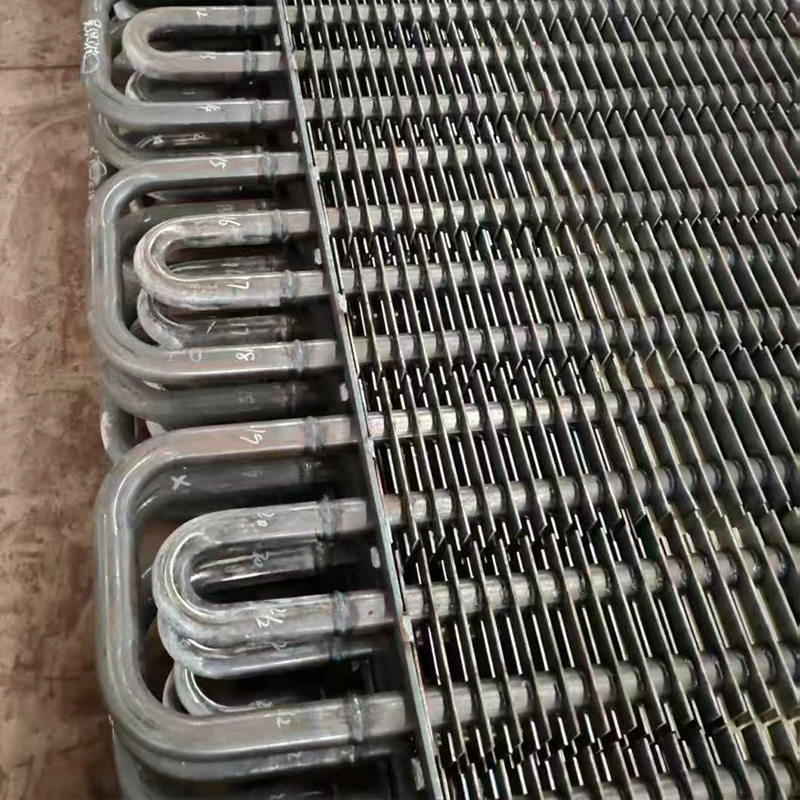
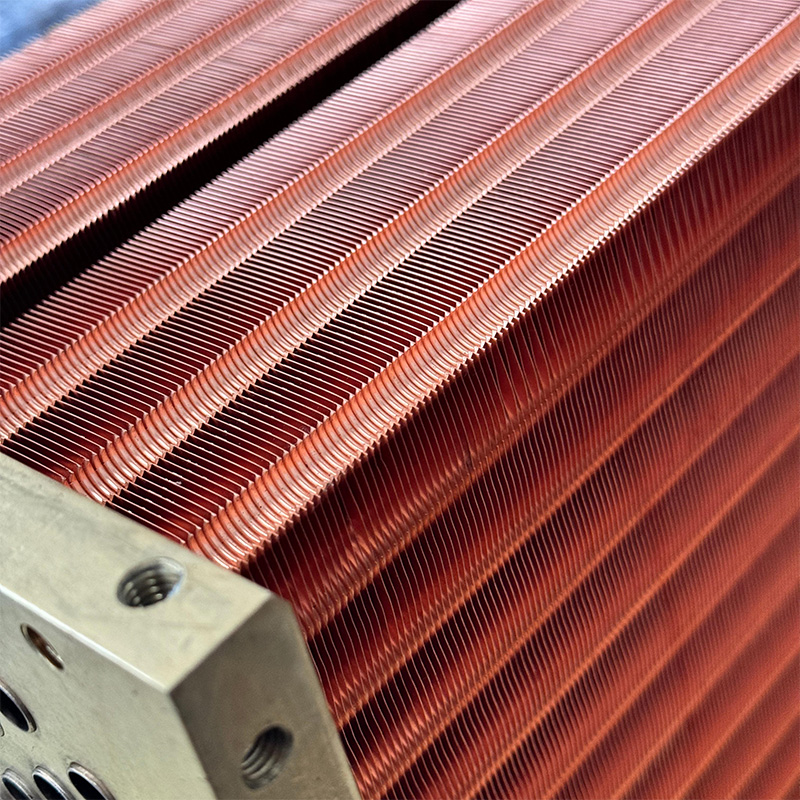
The company's products include titanium shell-and-tube heat exchangers, ASME high-pressure units, 316 stainless steel corrugated tube bundles, C46400 marine brass, copper-nickel alloys and N06625 nickel alloys. These materials have exceptional corrosion resistance and resistance to high pressures and temperatures, making them ideal for use in scrubbers handling harsh chemical environments. The company also produces air coolers, waste heat boilers, and various components such as tube sheets made from 321 steel or C70600 alloys.
Certification to PED and ASME standards confirms the reliability of Wuxi Kaisheng products, which are widely used in oil refining, chemical industries, water desalination and shipbuilding. The use of such proven components as part of scrubber installations allows us to minimize the risks of premature wear and ensure stable operation of the system throughout its entire life cycle. The company provides customized solutions to customers around the world, ensuring high quality and compliance with project specifications.
Economic efficiency and payback periods of scrubber systems
The average payback period for a modern scrubber is 14–18 months when operating in two shifts. The main influencing factors: the cost of energy consumption (0.8–1.2 rub/kWh), the price of reagents (alkali - 25–30 rub/kg), maintenance costs (5–7% of the cost of equipment per year). With the correct selection of parameters, the reduction in fines for emissions reaches 90%, which directly affects the net profit of the enterprise.
An example calculation for a metallurgical plant with a capacity of 50,000 m³/hour: annual savings on fines - 4.2 million rubles, electricity costs - 1.8 million, reagents - 0.9 million, maintenance - 0.6 million. Net annual benefit - 0.9 million rubles. With a system cost of 12 million rubles, the payback period is 13.3 months. These numbers are based on actual data from our customers through 2025.
Don't consider just direct costs. Indirect losses from downtime, reputational risks and possible lawsuits can exceed the cost of the equipment many times over. Investment in a quality cleaning system is insurance against multi-million dollar losses. In 2026, stricter control by supervisory authorities is expected - prepare in advance.
Prospects for the development of scrubber technologies in 2026–2027
The main trends of the next two years: the introduction of IoT sensors for real-time monitoring, the use of nanomaterials to increase absorption efficiency, the transition to closed water use cycles. Systems with automatic adaptation of the operating mode to the changing composition of the gas flow are already available. Such solutions increase efficiency by 18–22% compared to static systems.
Demand for modular container-type scrubbers is expected to grow - they can reduce installation time from 3 weeks to 3 days. Such solutions are especially in demand for temporary production facilities or remote fields. The cost of such systems is 15–20% higher than stationary ones, but the overall economics of the project are often more profitable due to the reduction in commissioning time.
An important trend is the integration of scrubbers with heat recovery systems. Modern models make it possible to return up to 40% of thermal energy back into the technological process. This is especially true for businesses with high heating or drying costs. The payback on such solutions is reduced to 8–10 months due to additional energy savings.
Scrubber device: connection and operation diagram remains fundamental knowledge for any environmental engineer. But today it is not enough just to know the scheme - you need to understand how to adapt it to specific conditions, how to predict risks and how to maximize the economic effect. Technologies are developing rapidly, but the basic principles of reliable installation and proper operation remain unchanged.
If you're considering upgrading an existing system or installing new equipment, start with an audit of your current emissions and economics analysis. Our specialists are ready to conduct a free preliminary calculation of efficiency for your enterprise.View the catalog of scrubber systems with technical characteristicsorcontact us todayfor consultation with a design engineer.