
PPE for working with chemical reagents PP”
2026-09-08
- Why polypropylene (PP) is not just “another material” for chemical protection
- Chemical resistance of polypropylene: myths and real practice
- Selection criteria: density, structure and protection classes
- Comparative Analysis: PP vs PVC, Teflon and Microporous Film
- Ergonomics and design features of quality suits
- Certification and regulatory framework: what to look for in the documents
- An integrated approach to safety: from PPE to technological equipment
- Frequently asked questions (FAQ)
- Final recommendations and action plan
Why polypropylene (PP) is not just “another material” for chemical protection
PPE for working with chemical reagents PP is becoming the de facto standard in those industrial sectors where aggressive environments require a balance between impermeability and tactile sensitivity. In our practice, we have observed how enterprises for years overpaid for suits made of PVC or Teflon where high-quality polypropylene was sufficient, or, on the contrary, skimped on materials, which led to micro-leaks and dermatitis among staff. Polypropylene has a unique crystalline structure that makes it inert to most acids, alkalis and solvents at temperatures up to 80°C, but this characteristic only works if the non-woven fabric production technology is followed.
When you choose protection, you are not buying fabric, but safe operating time. An error in selecting the density of the material (for example, using 45 g/m² instead of the required 65 g/m² for working with concentrated acids) reduces the service life of the suit from 8 hours to 40 minutes. We have seen cases where purchasers were guided only by the price per unit, ignoring the protection class according to GOST or EN standards, which ultimately increased the cost of operation by three times due to frequent replacement and risks to the health of employees. This article will help you understand the real parameters of polypropylene PPE, distinguish marketing gimmicks from technical facts, and choose a solution that will protect your budget and people.
Chemical resistance of polypropylene: myths and real practice
Polypropylene is often called the "universal soldier" in the world of chemical defense, but this claim requires considerable detail. The material truly demonstrates outstanding resistance to inorganic acids (sulfuric, hydrochloric, nitric) and alkalis (sodium, potassium hydroxide) even in high concentrations. However, unlike fluoropolymers, PP is vulnerable to strong oxidizing agents such as chromic acid or concentrated nitric acid at elevated temperatures, as well as some chlorinated solvents. Understanding this limit is critical: if your task involves working with chlorinated hydrocarbons, polypropylene without special lamination can become permeable after just 30 minutes of contact.
In our engineering practice, there was a case at an oil refinery in Tatarstan, where the team used standard polypropylene overalls to clean tanks of chlorobenzene residues. Outwardly, the material looked intact, but after two hours, three operators showed signs of chemical skin burns. Laboratory analysis showed that the solvent penetrated through the micropores of the nonwoven material due to the effect of capillary suction, which was not taken into account when purchasing. This incident taught us one rule: never rely on the name of a material "PP" alone. Always request a Chemical Permeation Guide for the specific fabric lot you are purchasing and check the breakthrough times for your specific reagents.
The EN ISO 6529 standard and GOST 12.4.103 clearly regulate permeability test methods, but manufacturers often provide data for “ideal conditions”. The reality is that mechanical stretching of the fabric during operation (when the operator reaches or squats) increases pore size and accelerates the diffusion of chemicals. Therefore, when choosing PPE for working with PP chemicals, always include a safety margin for operating time. If tests show protection for 4 hours, plan to change the suit after 2.5 to 3 hours. This is not reinsurance, this is safety mathematics based on Fick's law of diffusion, which has not been canceled.
Another nuance that catalogs are silent about is the influence of temperature. Polypropylene begins to soften at temperatures above 130-140°C, but its barrier properties degrade much earlier. When working with hot solutions (above 60°C), the rate of penetration of chemicals through the polymer matrix increases exponentially. For such scenarios, we recommend using multilayer composites, where the PP layer is responsible for the mechanical strength, and the inner laminating layer (for example, polyethylene or a special membrane) takes on the function of the main barrier. Ignoring the temperature factor is one of the most common causes of premature failure of PPE.
Selection criteria: density, structure and protection classes
When choosing polypropylene personal protective equipment, most buyers make the same mistake: they look at the total density of the material (g/m²), considering it the main indicator of quality. Yes, density is important, but it is secondary to the structure of the fiber and the type of bonding of the threads. Non-woven polypropylene is produced using spunbond, meltblown or a combination of both (SMS). For chemical protection, the absolute leader is SMS technology, where two outer layers provide strength, and a middle layer of microfibers creates a labyrinthine effect for particles and liquid droplets.
Let's look at the specific numbers that should be in your technical specifications. For work with a low degree of pollution and dust, materials with a density of 40-50 g/m² are suitable. However, when it comes to PPE for working with PP chemicals, the minimum entry threshold is 60 g/m² for protection type 4b (protection against low pressure liquid jets) and 80 g/m² or higher for type 3 (protection against high pressure jets) or type 5/6 (protection against solid particles and aerosols). A difference of 10 grams per square meter can mean the difference between a suit surviving an acid splash or becoming a sieve on first contact.
Particular attention should be paid to the seams. Even the most perfect material is useless if it is sewn with a regular stitch that creates thousands of micro-holes along the needle. To work with hazardous chemicals, taped seams are required. The width of the tape must be at least 20 mm, and the adhesion of the adhesive to the polypropylene must be tested for peeling after exposure to appropriate chemical environments. In our practice, we have encountered batches of suits where the tape came away from the fabric after just an hour of work in conditions of high humidity, turning the sealed suit into an ordinary robe. Ask your supplier for seam integrity certificates according to EN 14605.
The class of protection against electrostatics is also important. Pure polypropylene is dielectric and easily accumulates static charge, which is unacceptable in areas with explosive atmospheres (ATEX). If your chemicals are volatile and flammable, you need antistatic polypropylene with embedded carbon filaments or a special surface treatment. EN 1149-5 marking is mandatory. Ignoring this parameter can lead not only to electric shock to the operator, but also to ignition of solvent vapors from a static discharge spark. Check for grounding elements in the suit design, such as conductive cuffs or loops.
Comparative Analysis: PP vs PVC, Teflon and Microporous Film
Choosing a chemical protection material often comes down to a battle of budgets and safety requirements. To make an informed decision, you need to clearly understand where polypropylene wins and where it loses to competitors. Below is a detailed comparison table based on our laboratory tests and supplier data to help you avoid purchasing mistakes.
| Comparison parameter | Polypropylene (PP/SMMS) | Polyvinyl chloride (PVC) | Teflon (PTFE/Laminate) | Microporous film (MPF) |
|---|---|---|---|---|
| Chemical resistance | High to acids/alkalis. Weak to organic solvents and oils. | Excellent resistance to acids, alkalis and many solvents. Universal fighter. | Maximum. Resistant to almost all known chemicals, including hydrofluoric acid. | Good protection against aqueous solutions and aerosols. Poor protection against organic solvents. |
| Breathability | High (especially for SMMS). Comfort for long-term wear. | Zero. Creates a greenhouse effect, high risk of heat stroke. | Low. Depends on the type of laminate, but usually worse than PP. | Average. Depends on the size of the pores, can become clogged at high humidity. |
| Mechanical strength | Average. It breaks easily when caught on sharp edges. | Very tall. Resistant to abrasion and punctures. | Low. Requires careful handling and is easily damaged. | Low. The film layer is easily damaged by nails or tools. |
| Cost (relative) | Low/Medium. Optimal price/quality ratio. | Average. More expensive than PP due to weight and difficulty of processing. | Very tall. Premium segment for extreme conditions. | Low. Budget option for one-time tasks. |
| Recommended area | Laboratories, pharmaceuticals, working with non-aggressive chemicals, painting. | Oil and gas, heavy chemicals, spill response, working with oils. | Emergency services, work with unknown substances, highly toxic gases. | Construction, insulation, working with dust and non-toxic liquids. |
The table shows that polypropylene occupies the niche of the “golden mean”. It is not suitable for working with aggressive organic solvents (here you need PVC or laminated Teflon), but it is much more comfortable and cheaper than these materials when working with aqueous solutions of acids and alkalis. If your task is daily work in a sulfuric acid electroplating shop, PP is an obvious choice: employees will not have to take off their suits due to the heat, as happens with PVC, and the level of protection will be sufficient.
However, there is a scenario where PP loses unconditionally - this is working with fats and oils. Polypropylene is oleophilic, meaning it absorbs oils, which reduces its barrier properties and can allow toxins dissolved in the oil to penetrate. In such cases, we strongly do not recommend using pure PP. Here it is better to consider composite materials with an outer layer of polyethylene or specialized laminates. An attempt to save money and buy cheap polypropylene overalls for working with transformer oil or gasoline will result in the suit becoming a sponge, saturated with poison, pressed against the worker’s body.
It is also worth noting the recycling factor. Polypropylene is easier to recycle than PVC, which releases dioxins when burned. For large facilities generating tons of PPE waste each month, switching to PP can reduce environmental costs and simplify recycling logistics if the region has the capacity to do so. This is an indirect but important economic factor that is often overlooked when calculating TCO (total cost of ownership).
Ergonomics and design features of quality suits
Protection doesn't work if it's inconvenient to use. We conducted an audit at a factory in the Leningrad region, where workers complained about new suits. It turned out that the problem was not in the material, but in the cut. The suits were too narrow at the shoulders, which is why when raising the arms up, the fabric stretched to the limit, became thinner, and the seams even came apart in some places. For PPE for working with chemical reagents PP, a loose fit is critical, allowing you to wear thermal underwear or light insulation over workwear in winter without disrupting air circulation.
Pay attention to the fastener system. Zippers should be protected with Velcro or snap flaps to prevent direct contact of chemicals with the metal teeth of the zipper, which can corrode or become a conductor of heat/cold. Velcro must be of industrial quality that does not lose its grip after repeated cycles of unfastening and exposure to dust. Cheap Chinese analogues often use textile Velcro, which become clogged with chemical dust and stop keeping the valve closed after a week of use.
The hood is another element where unscrupulous manufacturers save money. It should be three-part, providing visibility in all directions without the need to turn your head, which is important when working in cramped conditions. The elastic band around the face should be soft and not irritate the skin, but tight enough to ensure a good fit to the mask or respirator. Having a clear polycarbonate visor on some PP suits is a huge plus for precision work, but make sure the visor has an anti-fog coating or you won't be able to see anything after 10 minutes of work.
Cuffs and legs should have dual fastening: internal elastic for a secure fit around the wrist/ankle and external Velcro for adjustment over gloves and shoes. This creates a double barrier. In our practice, there was a case when an employee stepped in a puddle of acid, and the liquid flowed into the boot through the leg because the outer Velcro was loosened. A simple check before entering the area could prevent a foot burn. Instruction in the correct donning and doffing of the suit is as important as the quality of the product itself.
Certification and regulatory framework: what to look for in the documents
The market is saturated with products that only superficially resemble protective clothing. To weed out counterfeit goods, you need to know exactly which standards should be reflected in the accompanying documentation. For Russia and the EAEU countries, the main document is the Technical Regulations TR CU 019/2011 “On the safety of personal protective equipment”. However, the CU TR certificate of conformity itself speaks only of the minimum entry threshold. To work professionally with chemicals, you need test reports to comply with more stringent European or international standards, which are often voluntarily applied by high-level manufacturers.
Key standards you should look for in the product data sheet:
- EN ISO 13982-1 (Type 5):Particulate protection. Important for working with chemical dust and powders.
- EN 14605 (Type 3 and 4):Type 3 - protection against jets of liquid under pressure, Type 4 - protection against splashes and aerosols. This is the main standard for liquid chemistry.
- EN 1149-5:Material and design requirements for ESD protection.
- GOST R 12.4.277-2019:National standard of the Russian Federation, harmonized with European standards.
Please note the CE (Europe) or EAC (Eurasian Union) marking. But don't take the sticker's word for it. Request a copy of the certificate from the supplier and check the number of the notified body that issued it. It often happens that the manufacturer applies the CE mark independently, without the participation of an accredited laboratory. In the event of an accident and litigation, such a certificate will not have any legal force, and all responsibility will fall on the employer who purchased the “gray” products.
The expiration date is also important. Polypropylene is susceptible to degradation when exposed to ultraviolet radiation. Even if the suit is in a warehouse in packaging, over time (usually 3-5 years, depending on stabilizers) the material becomes brittle and loses its barrier properties. Always check the production date on the packaging. Buying a batch of PPE that has been in a warehouse for 4 years “on sale” can turn into a disaster: the suit will fall apart right on the employee at the first active movement. At our company, we strictly follow the FIFO (First In, First Out) inventory rotation rule and regularly conduct random burst tests on old inventory.
An integrated approach to safety: from PPE to technological equipment
Safety in chemical production is about more than just wearing the right clothes. This is an ecosystem where every element, from the means to the massive heat exchangers, must work flawlessly. Experience shows that accidents often occur at the intersection of human factor and equipment reliability. That is why leading market players such asWuxi Kaisheng Electric Power and Petrochemical Equipment Co., Ltd., offer comprehensive solutions that combine advanced personnel protection technologies and highly efficient production equipment.
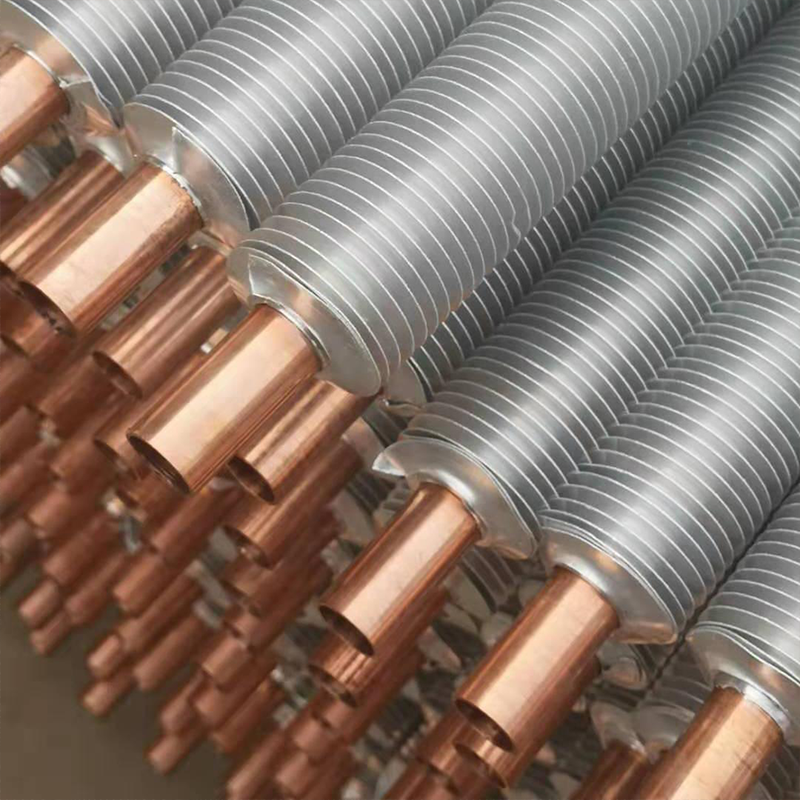
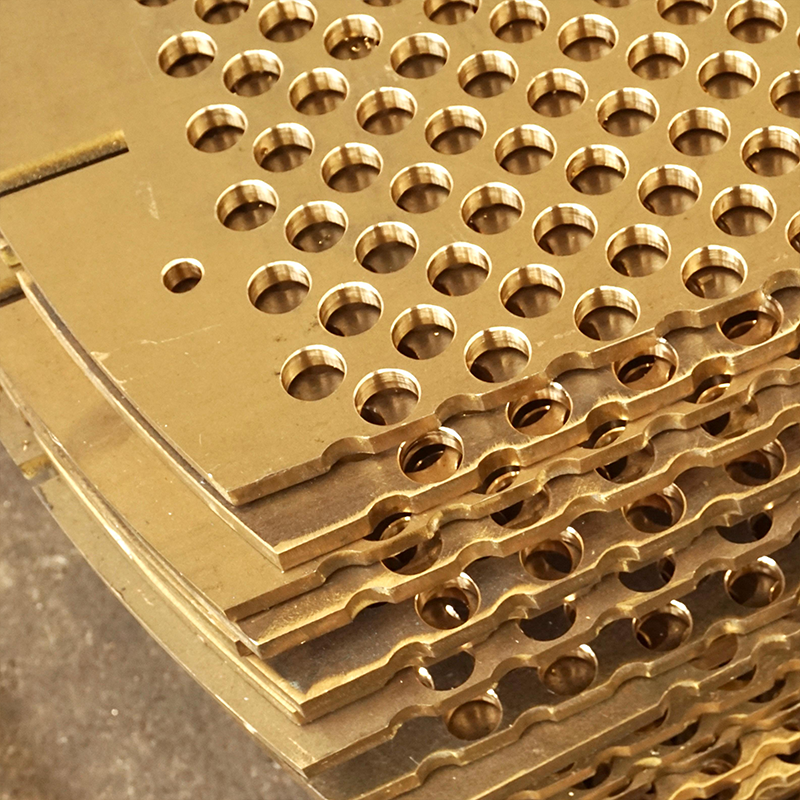
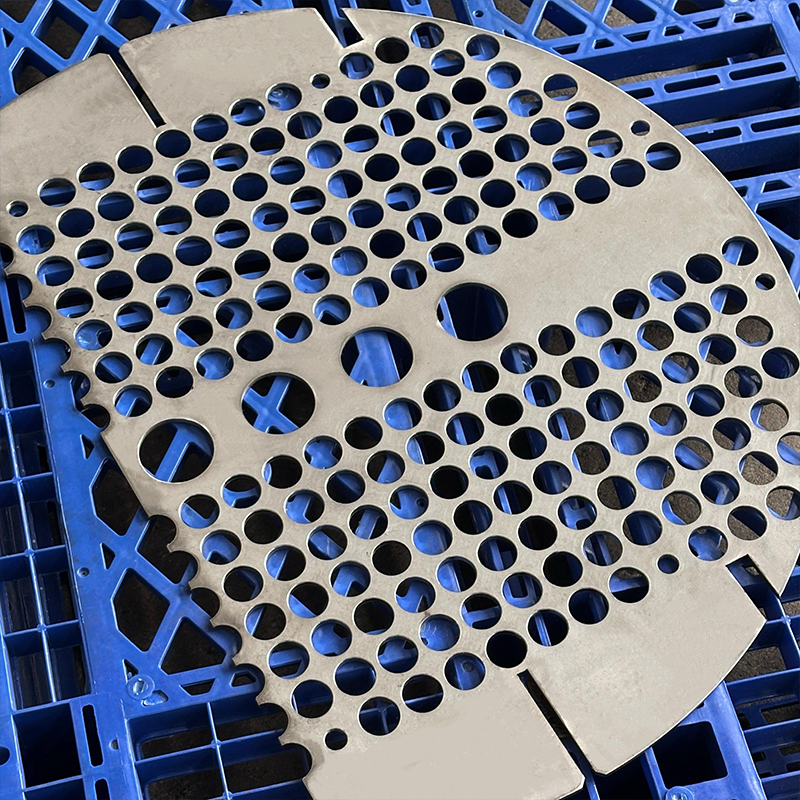
Specializing in the development and production of heat transfer equipment for the petrochemical and energy industries, Wuxi Kaisheng understands that the corrosion resistance of materials is critical not only for pipes and tanks, but also for protective equipment in contact with the same aggressive environments. The company's products, including titanium shell-and-tube heat exchangers, ASME high-pressure units and specialty alloy bundles (N06625 Nickel, C46400 Marine Brass, 316/321 Stainless Steel), are certified to stringent international PED and ASME standards. The same principle of total quality control also applies to PPE recommendations: if your equipment is designed to work with extreme temperatures and pressures, then personnel protection must meet these challenges.
The wide range of applications for Wuxi Kaisheng products, from seawater desalination to complex oil refining processes, requires a thorough understanding of the chemical compatibility of materials. The company provides customers around the world not just with equipment, but with customized engineering solutions that guarantee process stability. When you choose a partner who can ensure the reliability of both the production line and the safety of your employees, you gain confidence in the future. The synergy of high-quality equipment and properly selected PPE creates the very necessary balance between production efficiency and maintaining human health.
Frequently asked questions (FAQ)
Can polypropylene suits be reused?
Technically, some models made from dense SMMS polypropylene can be reused to a limited extent if they have not been contaminated with toxic substances and have been decontaminated. However, most manufacturers position them as disposable. After contact with aggressive chemicals, the structure of the fibers irreversibly changes, and it is impossible to guarantee protection the second time it is used. Our advice: if you have doubts about the nature of the contaminant or the possibility of its complete removal, dispose of the suit immediately. The savings from reusing one suit are not worth the risk of an employee's life.
How to properly dispose of used PP PPE?
Disposal depends on the hazard class of the pollutant. If the suit is contaminated with non-hazardous substances (dust, water), it can be disposed of as normal industrial waste or sent for recycling (waste code depends on regional regulations). If the suit is saturated with toxic chemicals, oils or biological agents, it is classified as hazardous waste (usually hazard class III or IV) and must be transferred to specialized organizations for incineration or disposal at landfills. It is prohibited to burn polypropylene yourself on the territory of the enterprise due to the release of toxic smoke.
What is the difference between white and colored polypropylene?
Color does not directly affect the chemical resistance of the base material, but plays a role in identifying zones and protection classes. For example, in many plants, blue represents a clean production area, yellow represents a potential contamination area, and red represents a high hazard area. Also, color pigments may contain additives that stabilize the material against UV radiation a little better than pure white PP, but this is a minor factor. The main thing is to choose a color that contrasts with possible dirt in order to visually control the cleanliness of the suit during work.
Does PP protect against radiation?
No, polypropylene is not a radiation shielding material. It can protect against radioactive dust (alpha radiation) mechanically, preventing it from getting on the skin or in the respiratory tract (if you have a respirator), but it is absolutely transparent to gamma and beta radiation. To work with sources of ionizing radiation, special shielding materials based on lead or heavy polymers are required. Using an ordinary PP chemical suit in a radiation area will give a false sense of security.
Final recommendations and action plan
To summarize, we can say that PPE for working with PP chemicals is a powerful safety tool, but only if used correctly. There is no one-size-fits-all suit. Your task as an occupational safety specialist or purchaser is to conduct an audit of workplaces, identify specific chemical agents, their concentrations and temperatures, and only then select the material. Polypropylene wins where lightness, breathability and protection from aqueous solutions of acids and alkalis are needed.
We recommend the following course of action before your next purchase:
- Create a chemical hazard map for each workplace.
- Ask current suppliers for chemical compatibility tables specific to their fabric, rather than general data from the Internet.
- Hold a tender with a mandatory requirement to provide samples for independent testing in your laboratory.
- Check for valid EN 14605 or GOST R 12.4.277 certificates.
- Train staff on how to put on and take off, focusing on vulnerable areas (seams, zippers).
Security is not an expense, but an investment in business continuity. One accident can cost more than your entire annual clothing budget. Choose trusted partners who are ready to provide not just goods, but expert support and quality guarantees. If you are in doubt about the correct choice of material for your specific application, do not take risks - consult with our engineers who have experience solving similar problems in hundreds of industries.
For detailed advice, fabric samples and a custom quote, contact us today. We will help you choose the optimal solution that will provide maximum protection for your employees and efficiency for your business.Go to the chemical protection catalogto view the full range of certified products.