
Workwear for workers at plastic pipe factories”
2026-09-08
- Why Standard Work Clothes Are Not Suitable for Plastic Pipe Factories
- Critical risk factors: from static to thermal burns
- Technical requirements and standards for material selection
- Seasonality and climatic zones: choice of insulation
- Distribution of equipment by professional roles
- Business case for purchasing: TCO instead of unit price
- Frequently Asked Questions
- Logistics and PPE inventory management
- An integrated approach to safety: from PPE to technological equipment
- Conclusion and recommendations for action
Why Standard Work Clothes Are Not Suitable for Plastic Pipe Factories
The production of plastic pipes is a hostile environment where ordinary cotton overalls turn into a source of danger in a matter of hours. In our practice, we encountered a situation where a batch of workwear made from mixed fabric was completely out of order after three months of operation in the high-density polyethylene extrusion workshop. The reason is simple: microparticles of polymer dust and aerosols of plasticizers penetrate the fiber structure, reducing their fire resistance and creating a static charge that can cause a fire.Workwear for workers at plastic pipe factoriesshould be considered not as a uniform, but as a complex engineering component of an enterprise’s safety system, which directly affects compliance with GOST standards and the reduction of industrial injuries.
Many buyers make the mistake of choosing suits based solely on unit price, ignoring the life cycle cost of the product. Cheap fabric tears on the edges of bays with granulate, burns out under the ultraviolet radiation of warehouse areas and loses its protective properties when in contact with a hot melt (the temperature of which reaches 200-240°C). Our task is to analyze the technical requirements for equipment that actually work in the conditions of the Russian climate and the specifics of polymer production, based on real test data, and not marketing slogans.
Critical risk factors: from static to thermal burns
A plant for the production of PVC or HDPE pipes is a combination of several hazardous factors, each of which dictates its own requirements for workwear materials. Primary raw materials in the form of granules during pneumatic transport generate a colossal amount of static electricity. If the suit fabric does not have an antistatic thread with the correct weaving pitch (no more than 10 mm), a discharge may occur in the area where the dust-air mixture accumulates. We have recorded cases where a spark from an operator's clothing became a trigger for local popping in raw material storage silos, although the main explosion protection system was working properly.
The second critical factor is thermal exposure. Extruder and sizing line operators work in close proximity to open heating zones. Splashes of molten polymer that fall on conventional synthetics not only burn through the fabric, but are welded to it, causing deep skin burns as the synthetic melts and sticks to the body. Therefore, the use of fabrics with a high content of natural fibers (cotton) with fire retardant impregnation (FR/FR) is a non-alternative requirement for the main production areas.
The third aspect is mechanical loads and ergonomics. Working with large diameter pipes requires constant mobility: bending, lifting heavy objects, working in confined spaces of trenches or racks. Rigid, inelastic fabric restricts movement, which leads to rapid fatigue and, as a result, decreased concentration. In one of our case studies, we observed how the introduction of suits with the addition of 2% elastane and reinforced knee pads reduced the number of microtraumas to the musculoskeletal system in a packaging team by 18% in the first quarter.
Don't forget about chemical inertness. Although finished pipes are safe, the production process involves the use of stabilizers, dyes and lubricants that can be aggressive to certain types of fibers. The fabric must withstand repeated industrial washing at temperatures of 60-95°C without loss of color and protective properties. If after ten washing cycles the water-repellent impregnation disappears and the fabric shrinks by more than 3%, we reject such a set at the stage of incoming inspection.
Technical requirements and standards for material selection
When creating technical specifications for the supplyworkwear for workers at plastic pipe factories, it is necessary to rely on specific parameters, and not general phrases “high quality”. The key document for the Russian market remains GOST 15150-69 (version U1 or HL1 depending on the region), but for modern production this is not enough. Comprehensive compliance with a range of standards is required to ensure protection at every level.
Fabric: composition and density
The optimal solution for the main body of the suit is a mixed fabric such as “Gretta” or its analogues with improved characteristics. The base composition should include at least 50-60% cotton for breathability and comfort, and 40-50% polyester for durability. However, the availability of special finishes is critical:
- VO (Water Repellent):Protection against aqueous solutions and splashes of coolant in calibration baths. The AATCC 22 test must show a rating of at least 80 points.
- KShch (acid-alkali-resistant):Protection against accidental contact with chemicals used to clean equipment or mark pipes.
- ZO (Protection against general industrial pollution):A mandatory minimum that prevents polymer dust from penetrating the worker’s body.
The fabric density should be in the range of 210-240 g/m². Lighter fabric (less than 180 g/m²) quickly wears out on elbows and knees when working with rough surfaces of pipes, while fabric that is too heavy (more than 280 g/m²) creates a heat load in summer in unconditioned workshops, where temperatures can reach 35-40°C.
Antistatic properties
For raw material preparation and extrusion areas, the use of fabrics with carbon thread is mandatory. The surface resistance of such fabric should be from 10^7 to 10^9 Ohms. This ensures the charge flows safely without causing a spark. It is important to check the certificate of conformity to the Technical Regulations of the Customs Union TR CU 019/2011 “On the safety of personal protective equipment”. The absence of the CE or EAC marking on the product tag is a direct violation of the law and grounds for a fine when checked by the labor inspectorate.
Design features of the cut
Even the most expensive fabric will not save you if the cut is poor. For factory conditions we recommend the following solutions:
- Reinforced knee pads:Pockets for inserting soft knee pads must be positioned anatomically correctly. Operators often work on their knees when setting up a line or packing small fittings.
- No open pockets on top:Chest pockets should have flaps with buttons or Velcro. Hot chips or dust can easily get into an open pocket, resulting in chest burns.
- Cuffs and collar:Should fit snugly, but not squeeze. The use of knitted cuffs made of fire-resistant fabric prevents sparks from entering the sleeve.
- Reflective elements:Mandatory for warehouse areas and plant areas, especially in winter or when working night shifts. The ribbons should be heat-glued, and not sewn with threads that fray within a month.
If you are choosing between two suppliers, choose the one who provides tissue samples for independent laboratory testing before entering into a contract. This will save you budget for repeat purchases next year.
Seasonality and climatic zones: choice of insulation
Russia is characterized by sharp temperature changes, and plastic pipe factories are often unheated warehouses for finished products or semi-open hangars. Winterworkwear for workers at plastic pipe factoriesshould provide thermoregulation in the range from -30°C to +15°C (during active physical work).
The main mistake when purchasing winter kits is using cheap padding polyester or batting. These materials quickly clump together after the first wash, forming “cold bridges” in the back and shoulders. We strongly recommend using modern synthetic insulation such as Isosoft or Thinsulate with a density of 200 to 300 g/m². They retain their volume and thermal insulation properties even in a humid environment, which is important for areas near cooling baths.
For the regions of Siberia and the Far North (HL version), a three-layer system is required: windproof membrane fabric on the outside, insulation in the middle and a hygroscopic lining on the inside. The membrane must have a vapor permeability of at least 3000 g/m²/day so that the worker does not sweat when loading pipes. Overmoistening clothing from the inside reduces its thermal protection by 40-50%.
Summer options should be as light as possible, but protect from UV radiation. Light shades (gray, light blue, sand) are preferable to dark ones, as they heat up less in the sun. However, given the specifics of production (oils, soot from the operation of forklifts), pure white color is impractical - choose fabrics with a melange effect or technologically advanced dirt-repellent impregnations.
| Comparison parameter | Budget segment (Economy) | Professional segment (Recommended) | Premium/Specialized |
|---|---|---|---|
| Fabric type | 100% cotton or cheap blend (30/70) | Mixed (50/50 or 60/40) with finishing VO, KShch, MPU | High-tech membrane fabrics with nano-impregnation |
| Wear resistance (washing cycles) | 15-20 cycles until loss of appearance | 50+ cycles without changing geometry | 100+ cycles, guaranteed properties preservation |
| Static protection | Absent or unstable | Carbon thread weaving (certification required) | Full antistatic circuit + grounding elements |
| Ergonomics | Straight cut, limits movement | Anatomical cut, elastane inserts | Individual tailoring, 3D design |
| Cost of ownership (year) | High (frequent replacement) | Optimal (price/quality balance) | Low (long life, high initial price) |
Distribution of equipment by professional roles
The one-size-fits-all approach does not work at a plastic pipe plant. Different areas have diametrically opposed requirements. Let's look at the needs of key specialists.
Extruder and calibration line operator
This is the zone of maximum thermal risk. This requires a suit with increased fire resistance. The fabric must have a certificate of protection against short-term contact with flame (EN ISO 14855-1 standard or GOST equivalent). Long sleeves with buttoned cuffs are required. The trousers should be loose so that in the event of a melt splash, the fabric can be quickly shaken off to prevent it from sticking to the skin. Shoes - only boots with a metal toe and oil-and-petrol-resistant soles (MBS), since hydraulic fluid is often spilled around the lines.
Finished goods warehouse workers and forklifts
Here mechanical strength and light reflection come to the fore. Pipes weigh a lot; they are moved by cranes and loaders. The suit must have reinforcements on the shoulders (for wearing on the shoulder) and on the hips. Bright signal vests or sewn-in visibility class 2 tapes are required. In winter, airtightness is critically important, since the warehouse gates are constantly opening for the passage of trucks. We recommend using transformable jackets with detachable insulation to adapt to changing weather conditions during a shift.
Laboratory assistants and quality controllers
Their work involves tensile testing, density testing and visual inspection. They need clean, neat clothes that are lint-free. A white coat is not appropriate here due to the risk of contamination and poor mechanical protection. The best option is a semi-fitting suit made of smooth mixed fabric in light colors with many pockets for tools (calipers, markers). Protection from chemicals used in the laboratory (acids for etching samples) is important.
Repair personnel and adjusters
The most versatile and loaded group. They climb structures, work in oily environments, and are at risk of cuts from the sharp metal edges of machine tools. Overalls with reinforced double stitching and Cordura linings on the most vulnerable areas are ideal for them. The presence of loops for tools and carabiners significantly speeds up work. The color of clothing should be practical (dark blue, graphite), hiding technical dirt.
Business case for purchasing: TCO instead of unit price
When choosing a supplierworkwear for workers at plastic pipe factories, the purchasing department often looks at the price of the kit “here and now.” This is a dead end path. The real cost is determined by the concept of TCO (Total Cost of Ownership).
Let's imagine two options. Option A: a suit worth 1,500 rubles, which wears out in 4 months. One employee needs 3 sets per year. Total: 4,500 rubles + logistics costs for 3 deliveries + manager’s time to place orders. Option B: a professional suit worth 3,500 rubles, which lasts 12-14 months without losing its protective properties. Total: 3500 rubles + 1 delivery.
The difference is obvious: savings per unit of production are more than 20%. But there are also hidden benefits. High-quality workwear reduces the number of sick leaves due to colds (due to better thermal insulation properties) and microtraumas. It increases staff loyalty: workers see concern for their safety and comfort. In our practice, the introduction of high-quality equipment at one of the factories in Tatarstan made it possible to reduce staff turnover in the packaging department by 12% per year, which, in terms of the costs of finding and training new employees, resulted in savings of millions of rubles.
It is also worth considering the cost of washing. Cheap fabrics shrink after 10 washes, and the suits become small, requiring replacement. Professional fabrics are pre-decated and are dimensionally stable. This means that the clothing fleet remains in circulation longer, without requiring early replenishment.
Frequently Asked Questions
How often do you need to change workwear at a plastic pipe plant?
The wearing period is regulated by the internal standards of the enterprise based on the Standard Industry Standards for the free issuance of PPE, but the actual period depends on the intensity of use. For hotline operators, replacement is required every 6-8 months due to thermal aging of the fabric. For warehouse workers, a high-quality kit can last up to 12-14 months. The main criterion for replacement is not holes, but loss of protective properties (for example, the disappearance of the water-repellent effect or disruption of the integrity of the antistatic thread). If the fabric begins to actively absorb moisture or spark when removed, change it immediately, without waiting for the end of the standard period.
Is it possible to wash workwear with antistatic agents in a regular laundry?
No, this is a common misconception that leads to a loss of protective properties. Conventional laundry detergents contain optical brighteners and conditioners that create an insulating film on the fibers, blocking the flow of static electricity. Washing should be done with specialized detergents with neutral pH, without bleaches or softeners. The water temperature should not exceed 60°C to preserve the structure of the carbon filament. We recommend concluding an agreement with a specialized laundry that has a license to process personal protective equipment of protection class 3-4, or organizing your own washing station in compliance with technological maps.
What certificates must be required from the supplier?
The minimum package of documents must include: Certificate of Conformity TR CU 019/2011 (confirms the safety of the product itself), a fabric test report (indicating specific figures for breaking load, abrasion resistance, protective properties), and a Sanitary and Epidemiological Conclusion (confirms the hygiene of materials). If special properties are claimed (fire protection, acid protection), require separate test reports for these parameters. The absence of any of these documents makes the purchase illegal and relieves the supplier of liability in the event of an accident.
Why can’t you use pure synthetics (100% polyester) to save money?
The use of 100% synthetics in the production of plastic pipes is strictly prohibited by fire safety and labor protection rules. Polyester is highly flammable, melts at around 250°C (close to the processing temperature of plastic) and drips molten particles when burned, causing severe burns that are difficult to treat. In addition, synthetics are highly electrified, which is unacceptable in areas with polymer dust. The savings on the cost of fabric here are not comparable to the risk of human life and potential fines from regulatory authorities.
Logistics and PPE inventory management
An effective workwear supply system requires careful planning. Do not allow a situation where a new employee enters the line without equipment. Create a safety stock of 10-15% of the staffing level for each position. This will cover needs in case of a sudden increase in production, damage to clothes or long delivery times for a new batch.
Implement a personal accounting system. The issuance of clothing must be recorded in a personal record card for the issuance of PPE (the form is approved by order of the Ministry of Labor). This disciplines workers to treat property more carefully and allows them to analyze the actual wear time. If a particular area “eats” clothes 2 times faster than normal, this is a signal for technologists: perhaps there is a problem with the equipment (sharp burrs, oil leaks) that needs to be fixed, and not just buying suits more often.
When ordering a large quantity, always request trial samples of all sizes. Patterns differ from different factories. What is called “size 50-52” from one supplier may be small from another. Conduct a fitting on a focus group of employees of different sizes before approving the main order. This will save you the headache of exchanging and returning thousands of sets later.
An integrated approach to safety: from PPE to technological equipment
Choosing the right workwear is just one element of the overall safety and efficiency of an industrial plant. Reliable personnel protection must be complemented by reliable and durable process equipment capable of withstanding the aggressive environments of high temperatures and pressures characteristic of the petrochemical and energy industries.
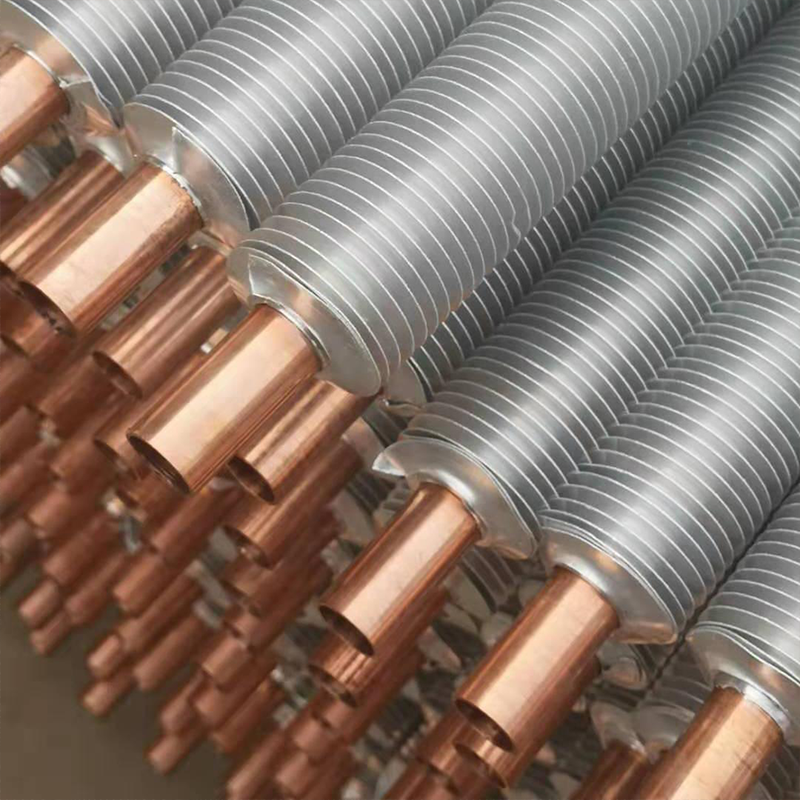
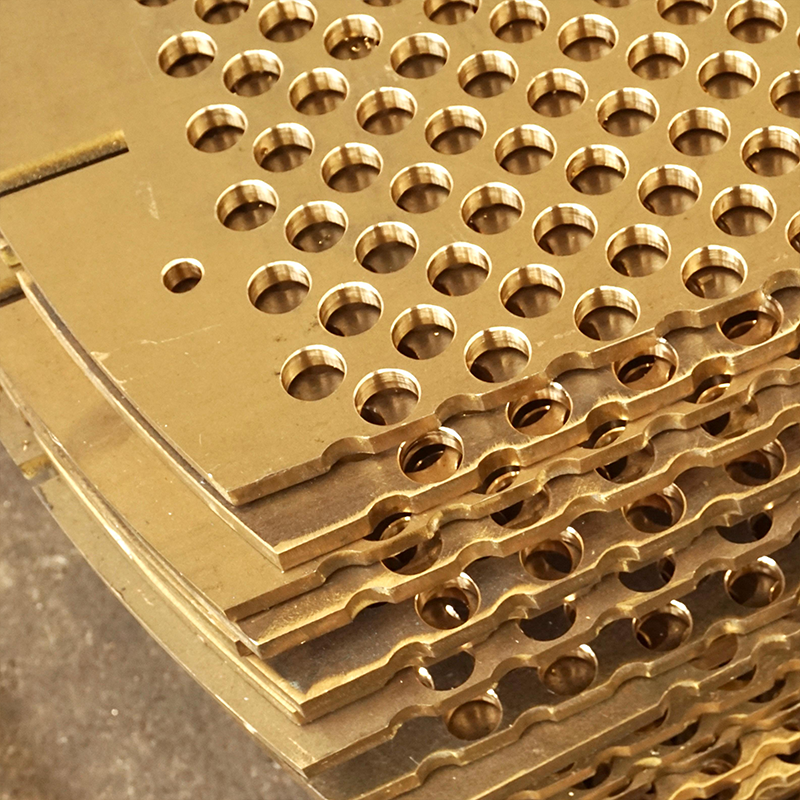
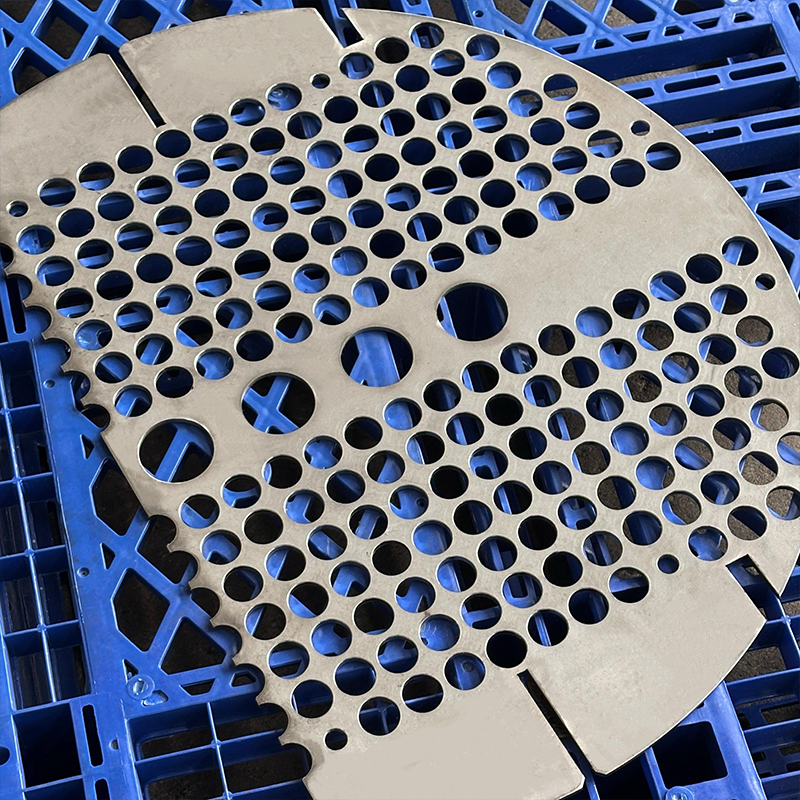
In this context, special attention should be paid to partners offering comprehensive engineering solutions. For example, a companyWuxi Kaisheng Electric Power and Petrochemical Equipment Co., Ltd.has established itself as an expert in the development and production of high-tech heat exchange equipment. Their products, including titanium shell-and-tube heat exchangers, high-pressure ASME units and corrugated tube bundles in 316 stainless steel or C46400 marine brass, demonstrate the same quality philosophy as our recommended workwear: prioritizing durability, corrosion resistance and safety over short-term savings.
Just as a special fabric with antistatic thread prevents plastic pipes from catching fire in a workshop, equipment from Wuxi Kaisheng, made of N06625, C70600 alloys and certified to PED and ASME standards, guarantees trouble-free operation in the most difficult conditions of oil refining, shipbuilding and water desalination. The integration of such reliable components - from individual worker protection to large heat exchange units - creates a unified safety ecosystem that minimizes the risks of accidents and downtime. By choosing suppliers who share these principles, a business is investing in its sustainability for decades to come.
Conclusion and recommendations for action
Choiceworkwear for workers at plastic pipe factoriesis a strategic issue that affects the safety, productivity and reputation of an enterprise. Don't let budgetary constraints dictate trade-offs when it comes to protecting life. Investments in quality materials, proper fit and certified suppliers pay off in reduced accident rates and long-term budget savings.
We encourage you to conduct an audit of the current stock of workwear at your enterprise. Check the certificates, evaluate the actual condition of the suits after 3 months of wear, interview workers about comfort. If you find inconsistencies or want to upgrade to a more secure level of provision, please contact us for advice. We are ready to provide fabric samples, calculate your needs and offer a solution tailored specifically to your technological processes and climatic conditions.
Safety starts with choosing the right equipment. Don’t put off upgrading your PPE fleet until later—the cost of a mistake may be too high.Go to the catalog of specialized workwear for the polymer industryand order a free fabric sample today.