
Connecting PP pipes without welding: methods”
2026-08-18
- Joining PP pipes without welding: methods and practical guide
- Why they refuse welding: analysis of risks and limitations
- Method 1: Compression Fittings for Quick Installation
- Method 2: Flanged connections for industrial lines
- Method 3: Threaded Reducers and Sealing
- Quality standards and material certification
- Integration with highly loaded industrial equipment
- Frequently Asked Questions
- Conclusion and recommendations for choosing
Joining PP pipes without welding: methods and practical guide
Joining PP pipes without welding is becoming a critical solution for engineers working under tight deadlines or without access to electrical power on site. In our practice, we observed how traditional polyfusion welding led to the shutdown of entire installation sections due to the banal absence of a generator or a malfunction of the soldering iron, while mechanical fittings made it possible to complete the work in a matter of minutes. If you need to quickly connect polypropylene pipes with a diameter of 20 to 110 mm without the use of heating equipment, the most reliable methods are compression fittings, flanged connections and thread transitions using sealing materials. Below we will analyze each method in detail, based on real cases of implementation in industrial water supply and chemical processing systems.
Why they refuse welding: analysis of risks and limitations
Traditional polypropylene welding (PP-R) is considered the gold standard for creating monolithic systems, but this method has severe limitations that are often ignored in design documents. The main risk is the human factor: overheating the pipe just 5-10 seconds above normal (260°C instead of 250°C) leads to the formation of an internal roller, which narrows the flow area of the pipe by 30-40%. We encountered a situation at a facility in Novosibirsk, where, due to such an “invisible” defect, the pressure in the system dropped to critical values after three months of operation, requiring a complete replacement of the risers. In addition, welding is not possible in Class B-Ia hazardous areas without special permits and equipment, making joining PP pipes without welding the only legal option for petrochemical plants.
The second factor is temperature deformation. The weld seam creates a rigid fixation, which, with the linear expansion of the pipe (coefficient of 0.15 mm/m·°C), transfers enormous forces to the supports and elbows. Mechanical connections, especially compression ones, have a certain degree of mobility that compensates for thermal expansion without destroying the assembly. This is especially true for hot water supply systems, where temperature changes reach 60°C per day. The use of non-welding methods reduces the load on the building structure and avoids the appearance of microcracks in solder areas.
The third aspect is the speed of repair. In the event of a pipeline accident, downtime is measured in money. Welding requires stripping, heating, joining and cooling (at least 3-5 minutes per joint), plus time to prepare the tool. The mechanical fitting is installed in 40-60 seconds with a wrench. In emergency situations, when it is necessary to restore the water supply in production, this difference becomes decisive. However, it is important to understand that not all methods are suitable for high pressures: the choice of technology depends on the operating pressure in the system and the type of transported medium.
One of our clients was faced with the problem of corrosion of metal inserts in cheap fittings, which led to leaks after a year of use. This highlights the importance of selecting quality components with anti-corrosion coating or all-resin construction. Always check the certificates of conformity before purchasing a batch of fittings.
Method 1: Compression Fittings for Quick Installation
Compression fittings are the most popular way to connect PP pipes without welding in the domestic and commercial sectors. The design of such a fitting includes a body, a union nut, a split ring (collet) and an O-ring. The principle of operation is based on the mechanical compression of the collet around the pipe when the nut is tightened, which creates a sealed assembly. This method is ideal for diameters from 16mm to 63mm, although models are available for larger sizes. The main advantage is the possibility of repeated dismantling and reuse of the fitting, which is not possible with welding.
The installation process is extremely simple and does not require welder qualifications. First, the pipe is cut strictly perpendicular to the axis with special scissors to avoid ovality. Then the chamfer is removed so that the O-ring is not damaged when the pipe enters the fitting. A union nut and collet are put on the pipe, after which the pipe is inserted into the fitting body until it stops. The final stage is to tighten the nut by hand and then with a wrench by 1-1.5 turns. Overtightening here is just as dangerous as undertightening: too much force can deform the collet or crush the pipe, causing a leak.
It is important to consider the operating temperature. Standard EPDM O-rings can withstand temperatures up to +95°C, which is suitable for most domestic hot water systems. However, for aggressive chemical environments or temperatures above 100°C, fittings with FPM (Viton) seals must be used. We recommend that you always check the chemical resistance of the sealant with your supplier, as there are no universal solutions. For example, some oils and solvents quickly degrade EPDM rubber, causing it to lose its seal.
The cost of compression fittings is 3-5 times higher than welded ones, but this is paid off by the speed of installation and the absence of costs for electricity and equipment. For small volumes of work or repair teams, this is a more cost-effective solution. When choosing fittings, pay attention to the presence of stiffeners on the body - they prevent cracking of the plastic during installation in the cold season. Brittle plastic at temperatures below -10°C may burst when tightened if the structure is not reinforced.
To ensure the durability of the connection, it is recommended to carry out a visual inspection of the assembly 24 hours after applying pressure, since initial shrinkage of the seal is possible. If moisture is detected, simply tighten the nut a quarter turn.
Method 2: Flanged connections for industrial lines
When it comes to large diameter pipelines (from 75 mm and above) or areas that require frequent maintenance of pumps and valves, a flange connection becomes the only option. This method allows you to connect polypropylene pipes with metal fittings, valves and tanks, providing high strength and tightness at pressures up to 1.6 MPa (PN16) and even 2.5 MPa (PN25). The essence of the method is to weld (or use a built-in) polyethylene collar to the end of the pipe, which is then pressed with a loose steel flange to the mating flange of the equipment through a gasket.
Although the process of forming the collar itself often requires heat treatment (butt welding of the collar to the pipe), the final connection of the system elements occurs by bolting, without heating the joint at the time of assembly on the route. This allows you to install complex units in the field, where a welding machine for large-diameter pipes simply does not fit or does not have sufficient power. We used this technology when modernizing wastewater treatment plants, where it was necessary to cut new sections of PP pipes into existing metal collectors.
The key element here is the correct choice of gasket. For cold water, paronite or rubber gaskets are suitable, but for hot water and steam, it is necessary to use Teflon (PTFE) or graphite seals that can withstand high temperatures without losing elasticity. An error in choosing a gasket is a common cause of leaks. We once saw how installing a cheap rubber gasket in a system with 85°C coolant resulted in it being squeezed out after two weeks of operation, causing flooding on the technical floor.
The bolts should be tightened crosswise using a torque wrench to ensure uniform pressure on the gasket. Uneven tightening leads to flange misalignment and local leaks. The tightening torque depends on the flange diameter and the strength class of the bolts; Manufacturers usually indicate these values in the passport data. Ignoring these recommendations may result in collar failure or deformation of the steel flange.
Flanged connections allow a section of pipeline to be easily removed for cleaning or replacement of fittings, which is critical for the food and pharmaceutical industries where hygiene and access requirements are greatest. However, it is worth remembering that flanges take up more space along the length of the pipeline compared to welded joints, which must be taken into account when designing compact units.
Before commissioning, be sure to carry out hydraulic tests of the system with a pressure exceeding the operating pressure by 1.5 times in order to identify possible installation defects. This is standard procedure and will save you from future accidents.
Method 3: Threaded Reducers and Sealing
The use of threaded fittings (brass or plastic with a metal insert) allows you to integrate polypropylene pipes into systems with existing metal wiring. This method is indispensable when connecting plumbing fixtures, boilers and meters. The main challenge here is ensuring the tightness of the threaded connection, since the PP material itself does not have sufficient ductility to self-seal the threads, like soft metals.
To seal threaded connections of PP pipes, three main materials are used: flax tow with paste, FUM tape and anaerobic sealants. Flax with paste remains the most reliable option for heating and hot water systems, since the paste protects flax from rotting and allows you to adjust the connection (up to 45 degrees) without loss of tightness. FUM tape is convenient for cold water and gas, but in hot water it can “leak” during cyclic heating due to a change in the expansion coefficient of the materials. Anaerobic sealants provide a monolithic connection, but make the assembly non-separable, which contradicts the idea of maintainability.
When screwing a metal fitting into a plastic one (or vice versa), the correct tightening torque is critical. Polypropylene has less tensile strength than metal and excessive force will cause a crack in the fitting body. We recommend using hand tools only and not using leverage to increase force. If the connection is leaking, it is better to add sealing material than to pull the wrench harder. There is a rule: metal threads should enter plastic threads no more than 3-4 turns after the start of compaction.
Another problem is electrochemical corrosion at the point of contact between dissimilar metals (if a low-quality nickel-plated brass fitting is used). In water with a high salt content, this can lead to rapid thread failure. To avoid this, choose fittings made from high-quality brass CW617N or stainless steel AISI 304. Cheap silumin fittings are strictly prohibited for use in water supply systems due to the risk of sudden destruction.
To transfer from PP pipes to threads, special couplings with a fused metal insert are used. The quality of metal melting into plastic at the factory determines the reliability of the assembly. When purchasing, pay attention to the presence of notches on the metal part inside the plastic - they provide better adhesion of the materials and prevent the insert from turning when tightened.
After installing threaded units, always leave them accessible for maintenance. Do not bury such connections in walls, as the risk of leakage here is higher than with welded joints. Use inspection hatches or removable panels.
| Comparison criterion | Compression fittings | Flange connections | Threaded transitions |
|---|---|---|---|
| Max diameter | Up to 63 mm (rarely up to 110 mm) | From 40 mm to 1200 mm and more | Up to 50 mm (usually up to 2 inches) |
| Working pressure | Up to 1.0 – 1.6 MPa | Up to 1.6 – 2.5 MPa (depending on the flange) | Up to 1.6 MPa (limited by thread) |
| Installation speed | High (30-60 sec per junction) | Medium (10-15 min per node) | High (2-5 minutes per joint) |
| Possibility of dismantling | Complete, reusable | Complete gasket replacement | Limited (risk of thread damage) |
| Node cost | High | Medium/High (depending on size) | Low/Medium |
| Application | Internal wiring, repairs | Highways, pumping stations | Connecting devices, fittings |
Quality standards and material certification
When selecting components for weldless connection of PP pipes, it is necessary to be guided by international and national standards to guarantee the safety and durability of the system. In Russia and the EAEU countries, the main document is GOST 32415-2013, which regulates the technical conditions for pressure pipes and fittings made of thermoplastics. Compliance with this standard is confirmed by a declaration certificate, which the supplier must provide upon request. The absence of such a document is the first sign of counterfeit products, the use of which carries direct risks for the object.
For export projects or sites with high quality requirements, compliance with the European standard DIN 8077/8078 or ISO 15874 is often requested. These standards set stringent requirements for geometric dimensions, pipe ovality and surface quality of fittings. For example, the tolerance on the outer diameter of the pipe should not exceed ±0.3 mm for diameters up to 50 mm, otherwise the compression fitting will not provide a tight seal. We recommend requesting hydrostatic strength test reports at 20°C and 95°C to ensure the material's ability to withstand the stated pressure.
Particular attention should be paid to product labeling. High-quality fittings have clear, indelible markings indicating the manufacturer, material (PP-R, PP-H, PP-B), nominal pressure (PN10, PN20, PN25) and production date. The absence of markings or its unclearness indicates a violation of the casting technology. It is also worth checking for the EAC (Eurasian Conformity) mark, which confirms that you have passed a customs security check.
In our practice, there was a case when a batch of fittings without certificates led to massive leaks due to the use of recycled materials during casting. Recycled polypropylene has an unstable molecular structure and is prone to cracking under stress. Always require a quality certificate for each batch of goods and conduct a random check of the geometry of the fittings with gauges before starting large-scale installation.
If the project involves working with drinking water, make sure that the materials have a hygienic certificate and comply with sanitary standards. The migration of harmful substances from low-quality plastic into water is unacceptable. An NSF certificate (for the USA) or WRAS (for the UK) can also serve as an indicator of high quality, even if the work is carried out in the Russian Federation.
Keep all supporting documentation in the facility archive. This will be required when putting the system into operation and in the event of warranty disputes.
Integration with highly loaded industrial equipment
Non-weld PP pipe connections are often only part of a complex engineering system including heat exchangers, reactors and vessels operating in the extreme conditions of the oil refining and chemical industries. The reliability of such units directly depends on the quality of the associated equipment. Here, solutions from companies specializing in the production of high-tech components, such asWuxi Kaisheng Electric Power and Petrochemical Equipment Co., Ltd..
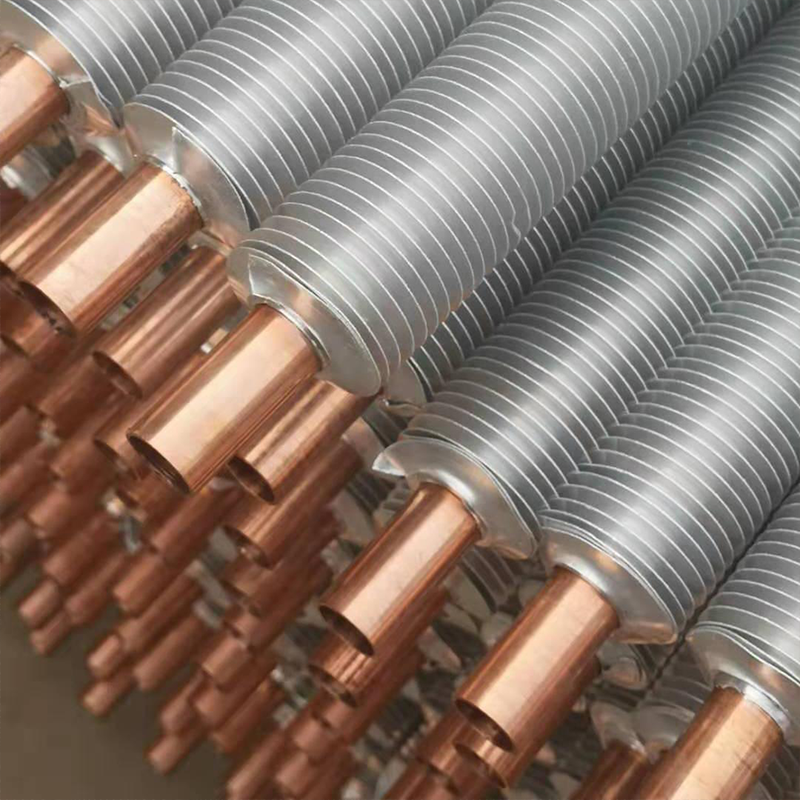
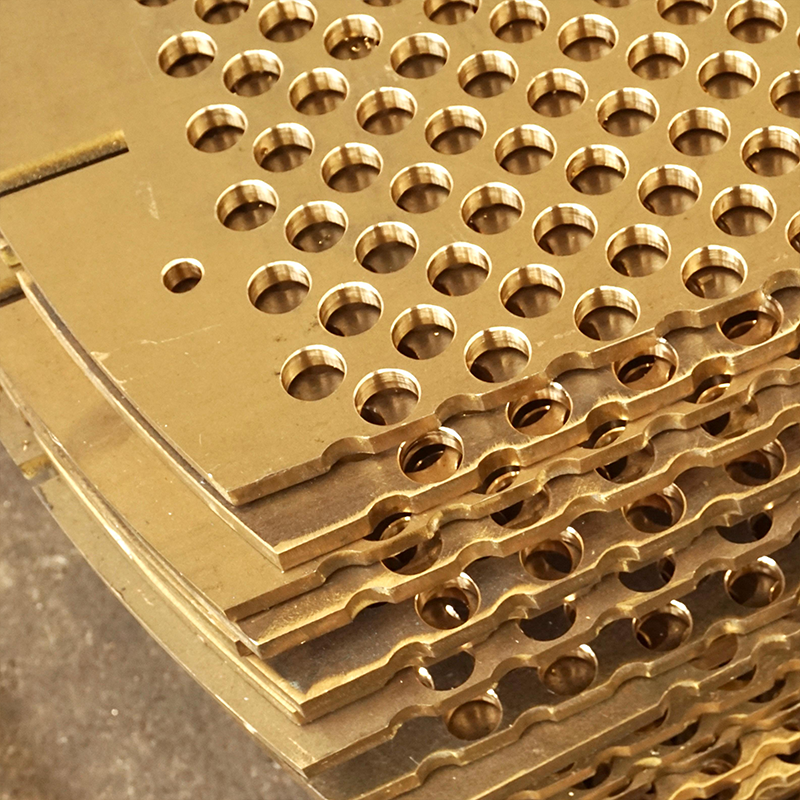
This company develops and manufactures heat transfer equipment capable of operating in aggressive environments where conventional materials quickly fail. Their products, including titanium shell-and-tube heat exchangers, ASME high-pressure units, and 316 stainless steel or C46400 marine brass corrugated tube bundles, are certified to stringent international PED and ASME standards. The use of such components in conjunction with properly selected weldless PP pipe connections ensures the integrity of the entire system.
For example, when connecting polypropylene lines to heat exchangers made of nickel alloys (N06625) or copper-nickel alloys (C70600), it is critical to take into account the difference in the coefficients of thermal expansion and the electrochemical compatibility of the materials. Wuxi Kaisheng specialists provide customized solutions that take these nuances into account, allowing the creation of stable systems for seawater desalination, shipbuilding and energy-saving projects. The high corrosion resistance and high pressure resistance of their equipment make them an ideal partner for modern piping systems where every element, from fitting to heat exchanger, must work as one reliable unit.
Frequently Asked Questions
Can compression fittings be used for concealed installation in walls?
It is strictly not recommended to hide any dismountable connections, including compression fittings, in building structures without access for maintenance. Despite some manufacturers' claims of reliability, the risk of the union nut loosening due to thermal expansion or vibration remains. According to SP 30.13330.2020, all dismountable units must be accessible for inspection and repair. If hidden installation is unavoidable, use only welded joints or special permanent press fittings designed for concreting, but even then it is better to provide inspection hatches.
What is the maximum pipe diameter that can be connected without welding?
It is technically possible to find compression fittings for pipes with a diameter of up to 110 mm, but in practice their use is difficult due to the enormous force required for tightening and the high likelihood of human error. For diameters over 63 mm, the most rational and reliable method remains the flange connection. It provides the necessary tightness and strength with less labor required for installation. An attempt to assemble a compression joint on a 90 mm pipe manually often leads to poor-quality compression and subsequent accidents.
How long does an O-ring last in a fitting?
The service life of the O-ring depends on operating conditions: temperature, pressure and chemical composition of the medium. When working in a cold water supply system, a high-quality EPDM ring can last 20-25 years or more. In hot water supply systems (60-70°C) the resource is reduced to 10-15 years. If there is chlorine or ozone in the water, the service life can be halved. We recommend that seal replacement be included in your preventative maintenance plan every 5 to 7 years for critical components, rather than waiting for leaks to occur.
Conclusion and recommendations for choosing
Connecting PP pipes without welding is not just an alternative, but often the only correct technical solution for specific installation and operation tasks. The choice of a specific method is dictated by the diameter of the pipeline, operating pressure and access conditions to the node. For indoor wiring in apartments and offices, compression fittings provide the best balance of speed and reliability. For industrial lines and pump groups, flanges remain unsurpassed in functionality. Threaded adapters are indispensable for final connection of equipment.
The main lesson that we have learned from hundreds of completed projects: saving on the quality of fittings always backfires. A cheap Chinese fitting with thin walls and poor threads can cost 10 times less than its branded counterpart, but the cost of replacing it, along with repairing the room after a leak, will exceed the budget of the entire system. Trust trusted suppliers, demand certificates and don’t be afraid to overpay for reliability.
If you are planning a large-scale project and need advice on selecting the optimal fittings, calculating the cost of non-welding components, or integrating pipelines with complex heat exchange equipment, our specialists are ready to help. We work with leading manufacturers, including partners like Wuxi Kaisheng LLC, and know the nuances of each technology from the inside.
Contact us todayto receive an individual calculation and technical support for your project. Don’t risk the safety of the facility - choose professional solutions.