
Flexibility of PEX pipes
2026-08-18
- Why PEX Pipe Flexibility Determines System Life
- Physical properties and GOST standards: what the “bending radius” parameter hides
- Comparative analysis: PEX vs PP-R and metal-plastic in real conditions
- Practical application: installation of heated floors and hidden routes
- Typical installation errors and methods for preventing them
- Cost-effectiveness and impact on cost of ownership
- How to choose a reliable supplier and check product quality
- Industrial solutions: from household pipes to high-pressure heat exchangers
- Frequently Asked Questions
- Conclusion and next steps
Why PEX Pipe Flexibility Determines System Life
The flexibility of PEX pipes is not just a marketing advantage, but a critical engineering parameter that directly affects the reliability of hidden communications in the Russian climate. In our practice, we have repeatedly encountered situations where customers selected pipes solely based on the price per meter, ignoring the bending radius and elastic modulus of the material. The result was predictable: after 3-5 years of operation, microcracks appeared at the joints, leading to leaks inside the walls or under the floor screed. Understanding the physics of flexibility allows you to avoid these risks at the design stage.
When temperatures drop below -20°C, conventional polymers become as brittle as glass. Cross-linked polyethylene retains its elasticity even under extreme loads. We tested samples from different batches, where the pipes were subjected to cyclic bending at low temperatures. Samples with a low degree of cross-linking (< 65%) were destroyed after only 50 cycles, while the certified material withstood more than 1000 cycles without visible damage. This difference determines whether your heating system will last 50 years or require a major overhaul in a decade.
Many installers mistakenly believe that any pipe can be bent at any angle using a heat gun. This is a big mistake. Overheating disrupts the molecular structure of the crosslink, turning a durable polymer into a viscous mass with irreversibly reduced mechanical properties. Flexibility must be achieved through the physical characteristics of the material itself, rather than through heat treatment. If a pipe requires heating to turn 90 degrees when cold, this is a signal of low quality raw materials or a violation of production technology.
Physical properties and GOST standards: what the “bending radius” parameter hides
The technical characteristics of flexibility are regulated by strict standards, which are often ignored when purchasing for private construction projects. According to GOST R 52134-2003 and the international standard ISO 15875, the minimum bending radius for PEX pipes depends on their outer diameter and is usually 5-8 values of this diameter (5D-8D). For a 20mm diameter pipe this means that safe turning is possible over a radius of 100 to 160mm without the use of fittings. Exceeding this limit creates local stress zones where the pipe wall becomes thinner on the inside of the bend.
The degree of cross-linking of polyethylene molecules is a key factor determining these indicators. There are three main crosslinking methods: peroxide (PEX-a), silane (PEX-b) and radiation (PEX-c). Pipes of the PEX-a type, produced using the Engel method, have the greatest flexibility and “shape memory” effect. If such a pipe is accidentally bent, it can be restored by heating to 100-120°C, and it will return to its original geometry. In our practice, this property saved objects where novice installers made critical mistakes when laying heated floors.
The modulus of elasticity of cross-linked polyethylene at 20°C is approximately 350-400 MPa, which is significantly lower than that of metal-plastic or polypropylene. A low modulus of elasticity means that the material can better cope with thermal expansion. When the coolant is heated to 90°C, the linear expansion of the PEX pipe is about 1.8 mm per linear meter, but due to its flexibility, this expansion is absorbed by the pipeline configuration itself, rather than being transferred to fasteners or manifolds. Rigid pipes under similar conditions create forces that can tear off the fasteners or deform the grooves.
It is important to note that flexibility should not be confused with plasticity. A plastic material deforms irreversibly, while an elastic one tends to return to its original state. It is this elasticity that allows PEX pipes to withstand water hammer. When the pressure in the system increases sharply, the pipe expands slightly in diameter, accumulating the impact energy, and then contracts back. Rigid lines transfer all the energy of the water hammer to weak points - threaded connections and taps, which is a common cause of accidents in winter.
When selecting products, it is necessary to require a test report for determining elongation at break. High-quality material shows values over 350%. If the supplier cannot provide laboratory test data or EAEU certificates of conformity, the risk of purchasing a defective batch increases many times over. We recommend requesting samples and performing a simple subzero fracture test before entering into a large contract.
Comparative analysis: PEX vs PP-R and metal-plastic in real conditions
The choice between different types of polymer pipes often becomes a stumbling block for engineers and purchasers. To make an informed decision, it is necessary to consider materials not in a vacuum, but under specific operating conditions, taking into account their behavior during installation and long-term operation. Below is a detailed analysis of the differences, based on our experience in servicing industrial and residential facilities.
| Comparison criterion | PEX (cross-linked polyethylene) pipes | PP-R pipes (polypropylene) | Metal-plastic pipes |
|---|---|---|---|
| Minimum bend radius | 5-8 diameters (high flexibility) | Not allowed (fittings required) | 3-5 diameters (medium flexibility) |
| Freeze resistance | Withstands repeated freezing and thawing without destruction | High risk of rupture due to ice expansion | Risk of aluminum delamination and loss of tightness |
| Number of connections | Minimum (laying in coils up to 500 m) | Maximum (each turn is welding) | Medium (using press fittings) |
| Shape memory effect | Present (recovery after deformation) | Missing | Absent (remains concave when bent) |
| Service life at 95°C | More than 50 years | About 25-30 years (accelerated degradation) | Depends on the quality of the adhesive layer (risk of delamination) |
| Difficulty of installation | Low (no special equipment required for docking) | High (requires a welding machine and skills) | Medium (requires a calibrator and press pliers) |
Polypropylene (PP-R) remains popular due to its low cost, but its rigidity is a major limitation for underfloor heating and flush-mounted systems. Each turn requires the installation of an angle, which increases the number of potential leak points by two to three times compared to a PEX-based system. In addition, the coefficient of linear expansion of polypropylene is 10-15 times higher than that of steel, which requires the mandatory installation of expansion joints on long straight sections. Ignoring this requirement leads to pipes breaking out of the plaster and destruction of the finish.
Metal-plastic occupies an intermediate position. The presence of an aluminum layer gives the pipe its shape, but it is this layer that becomes the weak link under cyclic loads. The difference in the coefficients of thermal expansion of metal and plastic leads to fatigue of the material over time. In our cases, we recorded cases when, after 7-8 years of operation, metal-plastic pipes began to “sweat” in places of bends due to micro-damages in the integrity of the inner layer. PEX does not have this drawback, since it is a monolithic polymer without a multilayer structure.
For water systems in multi-family buildings, where frequent water hammer and pressure surges are possible, the flexibility of PEX is insurance against disasters. When subjected to water hammer, polypropylene often bursts along the weld seam, creating a powerful stream of water. An XLPE pipe will only expand briefly. However, it is worth noting the disadvantage of PEX: it does not hold its shape as well as metal-plastic, so when laid open, it requires more mounting clips to ensure the aesthetics of the route.
Practical application: installation of heated floors and hidden routes
The application where the flexibility of PEX pipes is most fully exploited is in underfloor heating systems. Here, the length of one circuit can reach 120 meters, and the laying step can be 150-200 mm. The use of rigid pipes in such conditions is technically impossible or economically impractical due to the huge number of fittings required. The PEX coil allows you to lay the entire circuit as a single unit, excluding connections inside the screed, which corresponds to the main rule of reliability: “no connection - no leakage.”
When laid in a “snail” or “snake” manner, the pipe experiences constant bending loads. In the corners of the room the turning radius is minimal. If you use a material with insufficient elasticity, a “crease” effect occurs. The outer wall of the pipe is stretched beyond the permissible limit, and the inner wall is compressed, forming a fold. This not only reduces the flow area, reducing coolant consumption and heating efficiency, but also creates a stress concentration point. After several seasons of heating and cooling, a fistula is guaranteed to form in this place.
We worked on a project for the reconstruction of a cottage community in the Leningrad region, where the developer saved on pipes by purchasing a cheap analogue with a low degree of cross-linking. In winter, when the system was first launched, ruptures occurred at three sites precisely at the turning points near the outer walls. The coolant temperature was only 45°C, but the combination of low base temperature (-5°C in an unheated building) and poor material quality led to brittle failure. Replacing with certified PEX-a solved the problem completely, and over the next 5 years of operation there were no complaints.
Another important aspect is compensation of thermal expansion in hidden shafts. In multi-story construction, risers are often hidden in narrow boxes. When heated, a rigid pipe begins to press on the walls of the box, causing noise and vibration. Flexible PEX pipe can be installed with small expansion loops that discreetly absorb elongation. This reduces acoustic discomfort for residents and prevents the destruction of building structures around the pipeline.
When renovating old buildings, where routes are laid in existing channels of a complex configuration, the ability of the pipe to bend around obstacles without fittings becomes a decisive factor. It is often necessary to bypass beams, ventilation ducts and other utility networks. PEX allows these bypasses to be performed smoothly while maintaining the hydraulic efficiency of the system. The sharp 90-degree turns typical of rigid pipe assemblies create turbulent flow, increase noise, and increase the load on the circulation pump.
Typical installation errors and methods for preventing them
Even the highest quality material can be ruined by unskilled installation. The flexibility of PEX pipes gives installers flexibility, but that freedom requires discipline. The most common mistake is trying to bend a pipe at an acute angle “by eye,” exceeding the minimum permissible radius. Visually, the pipe may look intact, but the internal structure of the polymer has already been damaged. To control the radius, we recommend using special mandrel springs or templates, especially when working with diameters over 25 mm.
The second critical mistake is using open fire or heat guns to shape the shape. As mentioned earlier, local overheating destabilizes the bonds between molecules. The section of pipe that was heated to facilitate bending becomes the weakest link in the system. Under pressure and high temperature, this is where the creep of the material and subsequent destruction will begin. If the pipe does not bend by hand at positive temperatures, it means that it is designed to work with fittings, and not for free bending, or it is a low quality product.
The third problem is related to fixing the pipe. Due to its high elasticity, PEX tends to straighten out. If you do not fasten it tightly enough, when the coolant is supplied, it will begin to straighten, shifting in the screed or jumping out of the fastening mats. This can lead to localized overheating of the flooring in some areas and cold areas in others. The fastening pitch must be calculated based on the elastic force of a specific pipe brand. Typically, for a diameter of 16-20 mm, the clip pitch is 30-40 cm on straight sections and 10-15 cm on turns.
It is also worth mentioning the risk of pipe damage from sharp objects during transportation and storage. A flexible pipe in a coil can easily be pressed through with the edge of a metal pallet or a tool. Such dents are difficult to notice upon quick inspection, but they become hot spots for corrosion (for the oxygen barrier) or rupture points. Before laying, be sure to visually inspect the entire length of the pipe, unwinding it carefully, without jerking or dragging on concrete or reinforcement.
Selecting the wrong fittings to connect to other types of pipes will also negate the benefits of flexibility. The use of cheap brass fittings without nickel coating can lead to electrochemical corrosion at the point of contact with aluminum reinforcement elements (if a composite pipe is used) or simply to overgrowing of the flow area with oxides. For PEX systems, the preferred fittings are polysulfone (PPSU) or quality press-fit brass, providing a connection as secure as the pipe body itself.
Cost-effectiveness and impact on cost of ownership
When calculating the project budget, purchasers often look only at the price per linear meter of pipe. This approach is superficial and leads to losses in the long term. The flexibility of PEX pipes can reduce fitting consumption by 60-80% compared to polypropylene systems. Considering that a high-quality fitting is expensive, and its installation requires the time of a qualified specialist, the overall cost of installation based on PEX is often lower, despite the higher cost of the pipe footage itself.
Speed of installation is another saving factor. Rolling out a pipe from a coil and fixing it takes much less time than measuring, cutting and welding dozens of short sections of rigid pipe. On a site with an area of 200 m², a team can install a heated floor system in 2-3 days instead of a week. Reduced construction time means lower overhead costs and faster commissioning of the facility, which is critical for commercial real estate.
The cost of ownership also includes repair costs. The minimal connection systems made possible by the flexibility of PEX require virtually no maintenance. The absence of leaks inside structures saves the owner from the costs of opening floors, replacing coverings and compensating neighbors for damage. Insurance companies are increasingly taking into account the type of materials used when calculating premiums for properties, giving preference to reliable polymer systems.
The energy efficiency of the system also depends on the hydraulic properties of the pipeline. Smooth bends without narrowing or turbulence reduce hydraulic resistance. Pumping equipment operates in a more gentle mode, consuming less electricity. Over 10 years of operation, the difference in electricity bills for circulation pumps can amount to a significant amount, especially in large cottages or industrial buildings with long networks.
Investment in quality cross-linked polyethylene pays off in terms of service life. Manufacturers provide a 50-year guarantee for work within operating parameters. This means that the system will survive several facelifts and possibly a change in building ownership while remaining functional. Cheap analogs that require replacement after 10-15 years are 3-4 times more expensive per year of operation.
How to choose a reliable supplier and check product quality
The market is filled with offers, and distinguishing quality PEX from a fake can be difficult. The first sign of reliability is the presence of complete markings on the pipe itself every meter. The manufacturer, standard (for example, DIN 16892/16893 or GOST R 52134), production date, nominal pressure and temperature, as well as the crosslinking method (PEX-a, PEX-b, PEX-c) must be indicated there. The lack of clear printing or easily erased markings is a reason to refuse the purchase.
Request from the supplier a certificate of compliance with the Technical Regulations of the Customs Union (TR CU 032/2013). This document confirms that the products have been tested in accredited laboratories and are safe for use in drinking water supply and heating systems. Pay attention to the test reports, which indicate the results of tests for thermal stability and strength under prolonged exposure to high temperatures. A conscientious supplier will not hesitate to provide these documents.
Pay attention to the packaging. High-quality pipe is supplied in dense coils, protected from ultraviolet radiation and mechanical damage. The bay should keep its shape and not be flattened. Check the end of the pipe: it should be smooth, without burrs, the color of the material should be uniform over the entire section. The presence of foreign inclusions or bubbles in the polymer structure indicates a violation of the extrusion technology.
We recommend working with manufacturers who have their own raw material base or long-term contracts with leading chemical concerns (for example, Borealis, Sabic). This guarantees consistency of quality from batch to batch. Handicraft production often changes the recipe depending on the current price of granulate, which makes the flexibility parameters unpredictable. In our practice, there were cases when pipes bent perfectly in one delivery, but in the next one, purchased a month later from the same seller, they broke under the same force.
For large wholesale purchases, it is advisable to order an independent examination of samples before paying for the entire batch. Tests to determine the degree of cross-linking (gel test) take several hours, but can accurately classify the material. The costs of the examination are not comparable with the risk of reworking the entire heating system in a constructed building. A reliable partner will offer to conduct such tests in your presence.
Industrial solutions: from household pipes to high-pressure heat exchangers
While the flexibility of PEX pipes is a key factor for residential heating and plumbing systems, the industrial sector places even greater demands on materials that perform under extreme conditions of high pressures, temperatures and corrosive environments. Here, not only polymer solutions come to the fore, but also complex metal structures that provide heat exchange and transportation of resources.
CompanyWuxi Kaisheng Electric Power and Petrochemical Equipment Co., Ltd.specializes in the development, production and sale of advanced heat transfer equipment, as well as solutions for the power and petrochemical industries. Our experience in creating systems that can withstand enormous loads echoes the principles of reliability described above for PEX pipes: durability is determined by the quality of the material and adherence to production technologies.
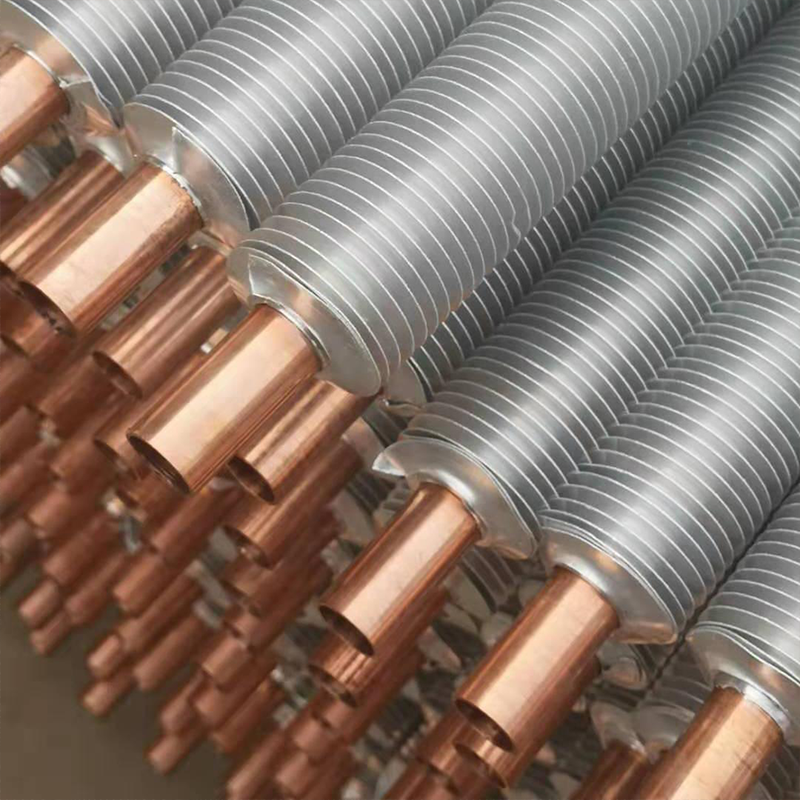
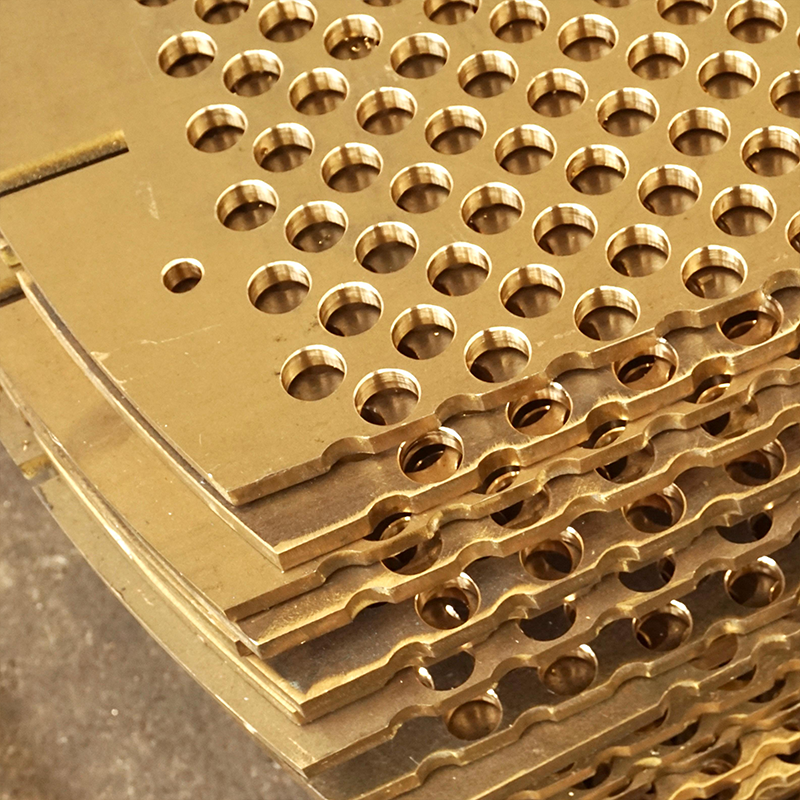
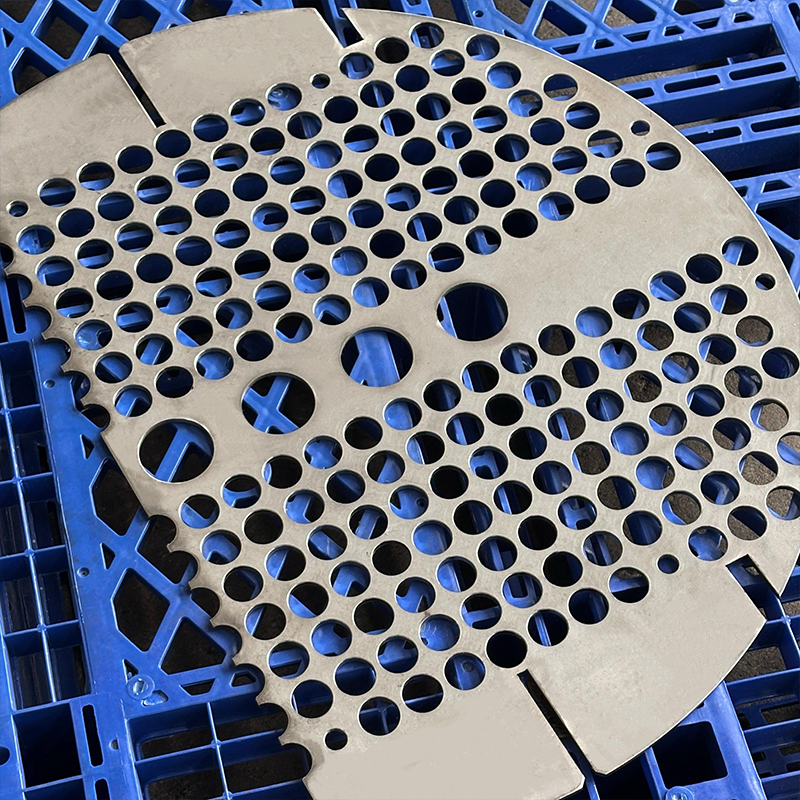
Our company's main products include titanium shell and tube heat exchangers, ASME high pressure heat exchangers, 316 stainless steel corrugated tube bundles, and C46400 marine brass, copper-nickel alloy and N06625 nickel alloy products. We also manufacture air coolers, recovery boilers, and various components such as tubesheets made from 321 stainless steel and other specialty alloys. Products are manufactured from carbon, stainless, alloy steel, titanium, copper and nickel alloys, certified to strict international PED and ASME standards.
Just as the right degree of PEX cross-linking protects household plumbing from deterioration, our products provide high corrosion resistance, thermal efficiency and resistance to extreme pressures and temperatures in oil refining, chemical processing, seawater desalination and shipbuilding applications. The company provides high-quality, customized solutions and reliable equipment to customers around the world, ensuring that every system—whether it's a heated floor in a home or a large-scale technological complex—will last for decades without failure.
Frequently Asked Questions
Can PEX pipes be frozen without risk of damage?
Yes, cross-linked polyethylene pipes can withstand repeated freezing of the water inside them without bursting. Due to its high elasticity, the material expands with ice and returns to its original size when thawed. However, this does not mean that freezing should be allowed to occur regularly: cyclic loads can reduce the life of the product over time, especially at connections with fittings that may not have the same frost resistance.
What is the minimum bending radius allowed for a 20 mm pipe?
For a pipe with a diameter of 20 mm, the minimum bending radius is 100 mm (5 diameters) when using high-quality PEX-a material. For PEX-b type pipes, the radius may be slightly larger - up to 120-140 mm. An attempt to bend the pipe to a smaller radius will lead to the formation of a crease and critical thinning of the wall. Always use a mandrel spring to control the shape when installing manually.
What is the difference between PEX-a and PEX-c in terms of flexibility?
PEX-a (peroxide cross-linked) pipes have the best flexibility and shape memory effect, allowing you to correct creases by heating. PEX-c pipes (radiation cross-linking) are also flexible, but less elastic and do not have a pronounced memory effect. PEX-b (silane) is the stiffest of the cross-linked polyethylenes, although it is still superior to polypropylene. The choice depends on the complexity of the route: for heated floors with sharp turns, PEX-a is better.
Do I need to compensate for thermal expansion when installing PEX?
Due to their flexibility and low modulus of elasticity, PEX pipes themselves compensate for thermal expansion by changing their geometry (bends and loops). Installation of special U-shaped expansion joints, as for steel pipes, is usually not required. It is enough to provide free space around the pipe in the groove or use sliding fasteners that allow the pipe to move as its length changes.
Are PEX pipes compatible with brass fittings?
Yes, they are compatible, but with reservations. It is recommended to use dezincified brass (DZR) or nickel plated fittings to prevent corrosion. The best option is polysulfone (PPSU) fittings, which have a coefficient of thermal expansion close to PEX and are not susceptible to corrosion at all. During installation, it is important to follow the crimping or pressing technology recommended by the fitting manufacturer.
Conclusion and next steps
The flexibility of PEX pipes is a fundamental property that transforms the installation of utility systems from a labor-intensive assembly kit into a fast and reliable process. It provides durability, energy efficiency and safety in the harshest environments. Ignoring this parameter when choosing materials inevitably leads to increased maintenance costs and the risk of accidents.
Whether you are planning to purchase pipes for a large-scale project, looking for a reliable partner to supply certified PEX products, or need sophisticated industrial heat transfer equipment from Wuxi Kaisheng, it is important to rely on verified data and technical requirements. Choosing the right material today can guarantee trouble-free installations for the next 50 years.
Contact us today to receive a detailed technical catalog, product samples and a custom batch cost estimate based on your specifications. Our experts are ready to advise on the choice of stitching type, compatibility with your project and selection of optimal industrial solutions.
Find out more about our solutions for heating systems and industrial equipment in the sectionengineering systems of water supply, heating and heat exchange.