
Social responsibility of tank manufacturers”
2026-08-28
- Social responsibility of tank manufacturers: why it affects the reliability of your equipment
- Influence of working conditions on the quality of welded joints
- Environmental safety of production as a guarantee of metal durability
- Supply chain transparency and origin of raw materials
- Community Engagement and Regional Development
- How to check a supplier's social responsibility: auditor's checklist
- An example of a reference approach: the experience of Wuxi Kaisheng LLC
- Frequently Asked Questions
- Conclusion: Investing in Reliability through Ethical Production
Social responsibility of tank manufacturers: why it affects the reliability of your equipment
Tank manufacturers' social responsibility is not just a section in an annual report or a marketing ploy to improve their image. In our engineering audit practice, we have repeatedly encountered a situation where beautiful words about “green energy” hid a complete disregard for the working conditions of welders and a lack of metal quality control. When a plant skimps on personal protective equipment (PPE) or uses cheap, uncertified steel, the risk of container failure during operation increases exponentially. For a customer in the oil and gas or chemical industries, this means a direct threat of environmental disaster and millions in losses. We see a clear correlation: enterprises that have implemented real social support and safety programs produce products with fewer seam defects and more stable geometry.
In this article, we'll look at how ethical manufacturing standards directly relate to the performance of your future tanks. You will learn what questions to ask a supplier in order to distinguish real social policy from empty promises, and why compliance with GOST and international standards often depends on the human factor. If you are choosing a partner for the construction of storage facilities from 100 m³ to 50,000 m³, this information will help you avoid hidden risks that are not visible in the commercial proposal.
Influence of working conditions on the quality of welded joints
The quality of the weld is a critical parameter for any tank, be it a vertical steel tank (VS) or a horizontal tank (RGS). However, few people think that the quality of the weld depends 80% on the condition of the welder at the time of work. In our practice, there was a case when a batch of ammonia storage tanks showed cracks in the heat-affected zone after six months of operation. The investigation revealed that at the manufacturing plant there was no normal ventilation in the workshop, and the air temperature in winter dropped below +5°C, which is strictly prohibited by technological regulations for welding low-alloy steels.
A socially responsible manufacturer understands that a specialist who is tired, cold or working in a gas-filled room cannot ensure stable penetration of the root of the weld. Such companies invest in climate control systems for workshops, automatic supply systems for protective gases and ergonomic workstations. This is not charity, this is a technological necessity. For example, the use of modern exhaust systems reduces the content of harmful impurities in the air, which allows the welder to better see the weld pool and control the process. The result is a reduction in the percentage of defects during ultrasonic testing (UT) from the typical 15-20% to 3-5%.
We recommend that when auditing a supplier, you pay attention not only to the presence of ISO 9001 certificates, but also to the actual conditions in the workshops. Ask to see the microclimate log or reports on the issuance of personal protective equipment. If a manufacturer saves on respirators or welding masks with automatic darkening, he will inevitably save on the heat treatment of seams. Remember: social responsibility of tank manufacturers begins with respect for the qualifications of their personnel. Ignoring this aspect shifts the risk of structural failure directly onto you.
Key indicators of attitude towards personnel
- Workplace equipment:Availability of stationary metal heating stations, high-quality tilters and manipulators. Manual carrying of heavy components leads to microtrauma and disruption of the assembly geometry.
- Training and certification:Regular retraining of welders according to NAKS (Russia) or ASME (international market) standards. Socially responsible companies pay for these courses in full, understanding that a certified specialist costs more, but works more reliably.
- Medical control:Mandatory annual eye and respiratory examinations. Eye fatigue leads to lack of welding, which cannot be corrected without completely overcooking the joint.
If you see photos of people working in dirty, worn out work clothes without the necessary protective equipment, this is a red flag. This approach speaks to a “get it done at all costs” culture, where deadlines are more important than longevity. In the long term, such a tank will require frequent repairs and may not pass Rostechnadzor approval. Request a real-time video tour of the workshop from the manager to assess the situation with your own eyes.
Environmental safety of production as a guarantee of metal durability
Environmental standards at the manufacturing plant are closely intertwined with the quality of the final product. The metal preparation process, including shot blasting and painting, requires strict adherence to emission standards. Factories that ignore environmental requirements often skimp on air filtration and waste abrasive disposal. This leads to dust and moisture getting into the paint coating or under the ground, which sharply reduces the adhesion and corrosion resistance of the tank. In our practice, there have been cases where the paint began to peel off after two years due to the fact that the surface was cleaned in a polluted environment.
Socially responsible tank manufacturers install modern solvent recovery systems and use water-based or low-volatile organic compound (VOC) paints. This not only protects the environment, but also ensures that the coating technology is followed to the smallest detail. Controlling the humidity and dew point in the spray booth is a prerequisite for long-lasting anti-corrosion protection. Violation of these parameters for the sake of saving on electricity or equipment leads to hidden defects that will appear only after the container is filled with an aggressive environment.
In addition, proper disposal of industrial waste indicates a systematic approach to enterprise management. If a plant randomly stores metal scraps and chemical residues, there is a high probability of violations in the warehouse accounting of basic raw materials. We observed a situation where, due to improper storage of rolled sheets in the open air, the metal acquired moisture and underwent surface corrosion even before cutting began. Such sheets, once in the structure, become centers of future through corrosion. Environmental discipline is a marker of general order in an enterprise.
When choosing a supplier, check what air purification systems are installed in paint shops and whether the company has a license to handle hazardous waste. The lack of documentation in this area may become the basis for the suspension of the plant's activities by the inspection authorities, which will disrupt your delivery deadlines. A reliable partner is always ready to provide an environmental passport of the project and reports on emissions measurements. This demonstrates business transparency and confidence in compliance with all technological standards.
Supply chain transparency and origin of raw materials
One of the most challenging aspects of tank construction is tracking down the origin of the metal. The social responsibility of tank manufacturers includes not using illegal or counterfeit products. There are schemes on the market where cheap steel of unknown origin is relabeled under well-known brands or certificates. The use of such material carries enormous risks: the chemical composition may not correspond to the declared one, which will lead to brittle failure of the structure at low temperatures or under pressure.
A responsible manufacturer works only with proven metallurgical plants and requires a full package of accompanying documentation for each batch of sheet or profile. This includes a quality certificate from the steel manufacturer, an incoming inspection report and the results of our own laboratory tests. There was a precedent in our practice when, during the construction of an oil tank, it turned out that the wall thickness of the sheets did not correspond to the design due to the extreme minus tolerances of the metal manufacturer. Only thanks to strict incoming control at our facility was this defect identified before installation, preventing an emergency situation.
We recommend requiring the supplier to provide digital quality passports with the possibility of authentication through the registries of metallurgical holdings. Socially oriented companies openly publish a list of their main suppliers of raw materials and principles for selecting partners. They understand that reputation is built on every element of the design. If a supplier avoids questions about the origin of steel or offers “analogues” without documents, this is a signal of potential quality problems.
| Verification criterion | Responsible manufacturer | Risky supplier |
|---|---|---|
| Documentation for metal | Provides original certificates from manufacturing plants (Severstal, NLMK, Evraz, etc.) with complete chemical analyses. | Offers copies of dubious quality, “dealer certificates” or refuses to show documents before payment. |
| Incoming control | Has its own accredited laboratory to test the mechanical properties and thickness of each sheet. | Relies on metal supplier data, random testing, or no testing at all. |
| Marking | Each sheet is clearly marked according to the certificate, which is retained until installation. | The markings are erased when cutting, the sheets are mixed up, and identification is difficult. |
| Response to complaints | I am ready to replace a batch of metal at my own expense if inconsistencies are identified, even if the mistake was made by the metallurgist. | Shifts responsibility to the steel manufacturing plant, delaying the resolution of the issue for months. |
Supply chain transparency also applies to logistics. Socially responsible companies monitor the conditions for transporting metal structures, using specialized transport and reliable rigging. Damage to the anti-corrosion coating or deformation of elements during loading is a common problem when working with unscrupulous carriers who are hired to save money. Request photo reports of the shipping process and fastener inspection before shipping. This is a simple measure that will save your budget for restoration work at the site.
Community Engagement and Regional Development
The production of large tanks is often localized in industrial regions, where social stability directly affects the rhythm of supplies. Factories that ignore the interests of local communities regularly face strikes, labor turnover and problems with local authorities. This creates risks of delays in delivery of objects, which is critical for the customer. The social responsibility of tank manufacturers implies participation in the development of the region’s infrastructure, support of educational programs and dialogue with residents.
For example, leading enterprises in the industry cooperate with technical universities and colleges, creating basic departments for training young specialists. This ensures an influx of qualified personnel proficient in modern welding and control technologies. In the long term, you get a product made by the hands of craftsmen who have undergone serious training, and not by random workers with low motivation. We noticed that at such factories the level of industrial injuries is minimal, and the production culture is at a high level.
In addition, interaction with the local population helps to avoid conflicts related to the environment or noise. Factories that invest in wastewater treatment upgrades and noise barriers are seen by neighbors as good neighbors rather than as troublemakers. This creates a favorable environment for work and reduces the likelihood of sudden inspections or complaints that could paralyze the shipment of finished products. For the customer, this means predictability of deadlines and the absence of force majeure of a social nature.
When assessing a potential contractor, ask about its rating in the region where it operates and the availability of social programs. Major market players typically publish sustainability reports detailing their contributions to society. The absence of such information or a formal approach to it may indicate a short-term business strategy aimed only at quick profits without commitment to the future. Choose partners who plan to be in the market for decades.
How to check a supplier's social responsibility: auditor's checklist
Social responsibility testing should not be an abstract conversation about “values.” This is a specific process audit that can be carried out remotely or during a production visit. Below is an algorithm of actions that will help you identify the company's real practices. Use these points as the basis for a statement of work or dispute protocol.
- Request a health and safety policy.The document should not be a general declaration, but a work briefing with specific numbers and indicators (LTIFR - injury frequency rate). Compare this data with the industry average. If the indicator is above average, it means that there are systemic safety problems in production, which affects quality.
- Conduct a video inspection of workshops during working hours.Pay attention to the cleanliness of work areas, the presence of markings, and the condition of the tools. Dirt and chaos are signs of a lack of production culture. Ask to see the metal incoming inspection area and the painting booth. The absence of measuring instruments or expired verifications is an alarming sign.
- Check your history of lawsuits and fines.Open data sources make it possible to find out whether a plant has been held accountable for violating environmental standards or violating workers' rights. Frequent fines indicate that the company is accustomed to breaking rules and shifting risks to others.
- Assess staff turnover in key departments.High rotation of welders and quality control engineers indicates poor working conditions or low pay. Experienced specialists do not stay where their work is not valued. And the lack of experience among new employees directly leads to marriage.
- Check the availability of a certified quality management system (QMS).ISO 9001 certification is mandatory, but it is important to check whether it actually works. Ask to see recent internal audit and corrective action reports. Having a formal certificate without a working system is useless.
Don't be shy to ask uncomfortable questions. A truly socially responsible manufacturer perceives such interest as a sign of your competence and seriousness of intentions. He will be ready to show his cards and prove his reliability with facts. A company that has something to hide will begin to evade answers, offering only discounts or beautiful brochures. Remember that your goal is not to find the ideal company, but to minimize the risks of purchasing low-quality equipment.
An example of a reference approach: the experience of Wuxi Kaisheng LLC
A striking example of how social responsibility and high technical standards go hand in hand is the companyWuxi Kaisheng Electric Power and Petrochemical Equipment Co., Ltd.. Specializing in the design and manufacture of complex heat transfer and petrochemical equipment, the organization demonstrates that ethical manufacturing is the foundation of reliability, even for products operating in extreme conditions.
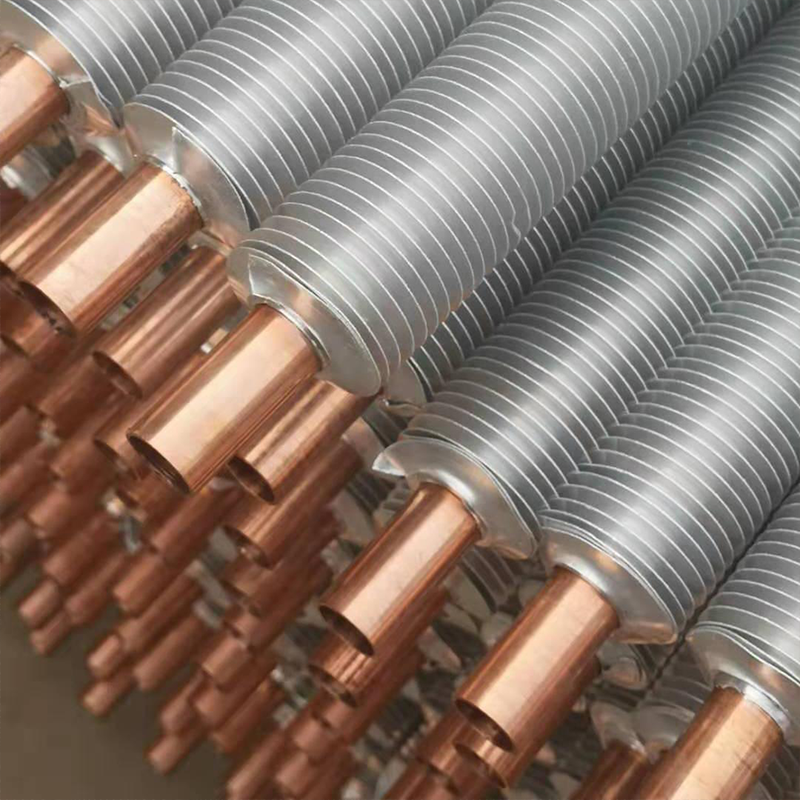
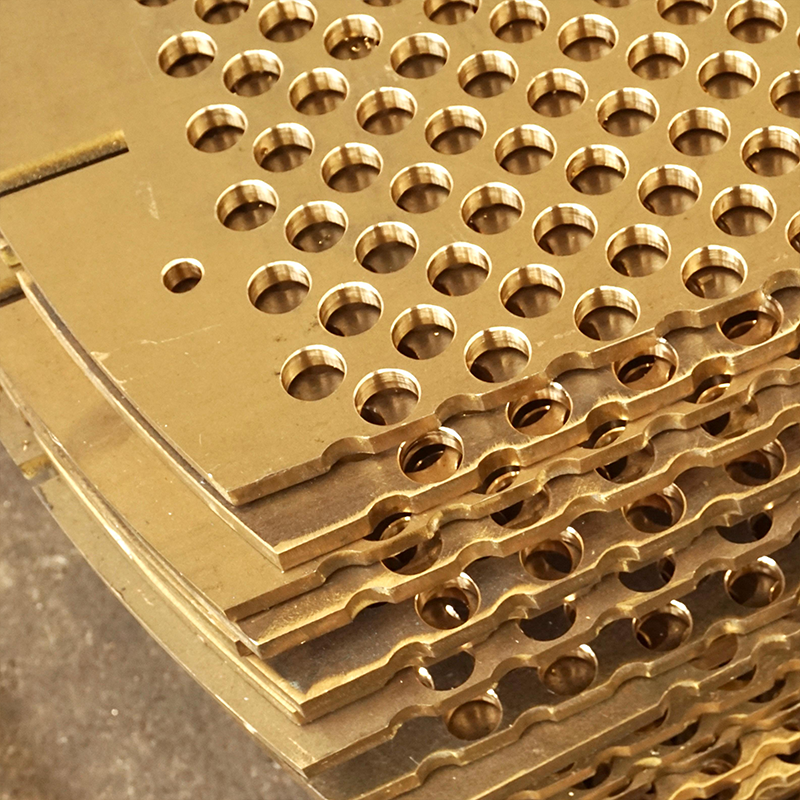
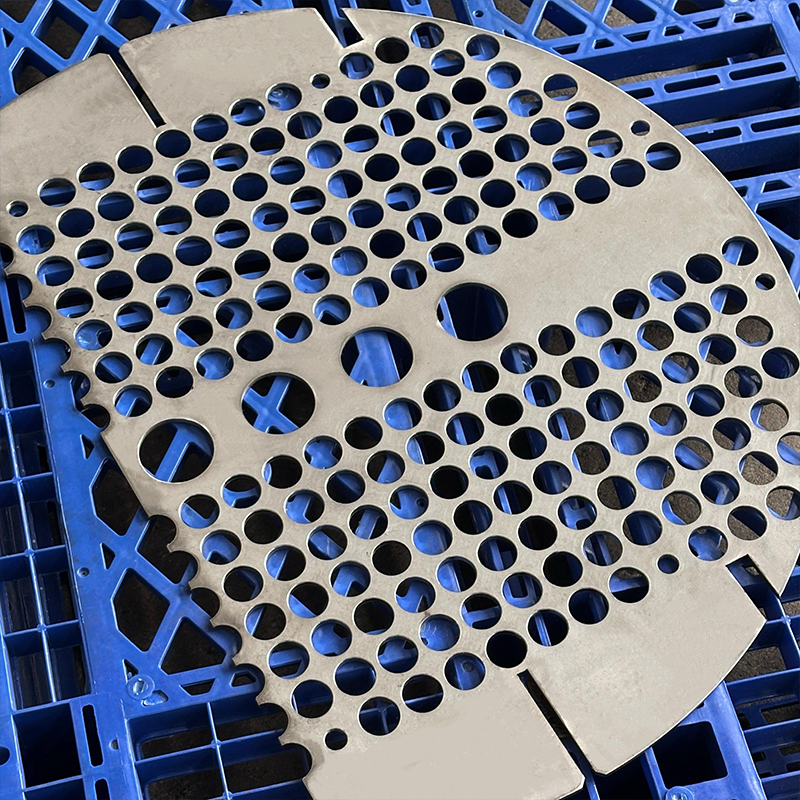
The company's portfolio includes titanium shell-and-tube heat exchangers, ASME high-pressure units, corrugated tube bundles made of 316 stainless steel, C46400 marine brass, copper-nickel alloys and N06625 nickel alloys. The production of such high-tech products, including waste heat boilers and air coolers, is impossible without strict adherence to safety and quality standards. Products made from carbon, stainless, alloy steel, titanium and special alloys require not only advanced technologies, but also the highest qualifications of personnel who work in a safe and comfortable environment.
Certification of products according to international standards PED and ASME confirms that Wuxi Kaisheng has built a transparent control system at all stages: from the selection of raw materials to final assembly. The company provides customized solutions to customers around the world in the petroleum refining, chemical, water desalination and shipbuilding industries. Their approach proves that when a manufacturer invests in people, the environment and fair processes, the result is equipment with exceptional corrosion resistance, thermal efficiency and resistance to high pressures and temperatures. It is such partners who become the guarantor of the security of your projects.
Frequently Asked Questions
Why are social standards important when purchasing tanks?
Social standards ensure that equipment is manufactured by qualified personnel in safe conditions, which directly affects the absence of welding defects and corrosion resistance. Factories that violate workers' rights often skimp on technology, which leads to accidents.
How do you know if a factory is using legal metal?
Require the provision of original quality certificates from steel manufacturing plants (for example, Severstal, NLMK) with the possibility of checking against registers. The responsible supplier always has a complete set of documents for each batch of rolled products and carries out incoming inspection in its laboratory.
Does the plant environment affect the service life of the tank?
Yes, directly. Failure to comply with environmental standards when painting (dust, humidity) leads to poor adhesion of the coating and early corrosion. Factories with modern filtration systems ensure the purity of the process, extending the life of the product by 10-15 years.
What to do if the supplier refuses to show working conditions?
Not demonstrating manufacturing processes is a red flag. In this case, it is recommended to exclude such supplier from the tender or require an independent audit by a third party before awarding the contract. The risks are too great.
Is there a price difference between a socially responsible plant and a conventional plant?
The price may be 5-10% higher due to the costs of safety, environment and qualified personnel, but the cost of owning such a tank will be significantly lower due to the lack of repairs and downtime. The cheap option often results in double costs.
Conclusion: Investing in Reliability through Ethical Production
Social responsibility of tank manufacturers is the foundation on which trust is built between the customer and the contractor. In an industry where the cost of error is measured in human lives and environmental damage, ethical principles cease to be an abstraction and become a technical requirement. By choosing a partner who cares about its employees, the environment and the transparency of processes, you actually insure your business against unforeseen risks and emergency situations.
We have seen from our own experience: the most reliable tanks come from the gates of those factories where order and respect for people reign. Do not chase the lowest price at the expense of quality and moral principles. Do your due diligence, ask the right questions, and choose someone who is willing to play by the rules of the open market. Your infrastructure deserves better execution.
If you are planning the construction or modernization of a tank farm and are looking for a reliable partner with an impeccable reputation,contact us today. Our experts are ready to conduct a detailed analysis of your requirements and offer solutions that meet the highest standards of quality and social responsibility. Explore ourtank catalogto get acquainted with the technical capabilities and examples of completed projects.